



Inspiration
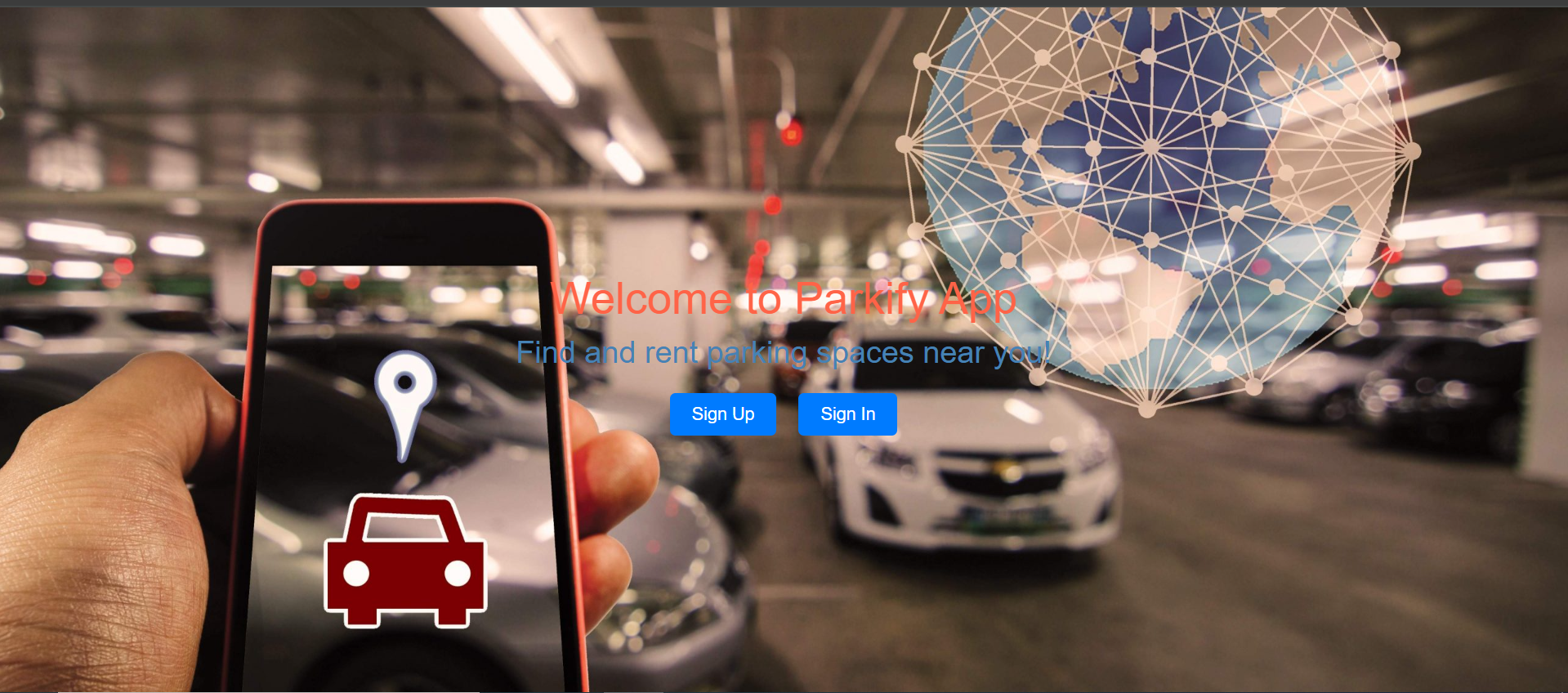
The inspiration behind Parkify stemmed from the frustration of dealing with the challenges of urban parking. Living in cities like San Francisco, where parking is notoriously difficult to find and expensive, sparked the idea to create a solution that simplifies the parking experience for everyone involved. The goal was to develop a platform that not only helps users find parking spaces efficiently but also facilitates seamless payment processing and provides helpful assistance through a chatbot feature.
What it does
Parkify is a comprehensive platform that revolutionizes the way people approach parking in urban areas. It offers a range of features to enhance the parking experience:
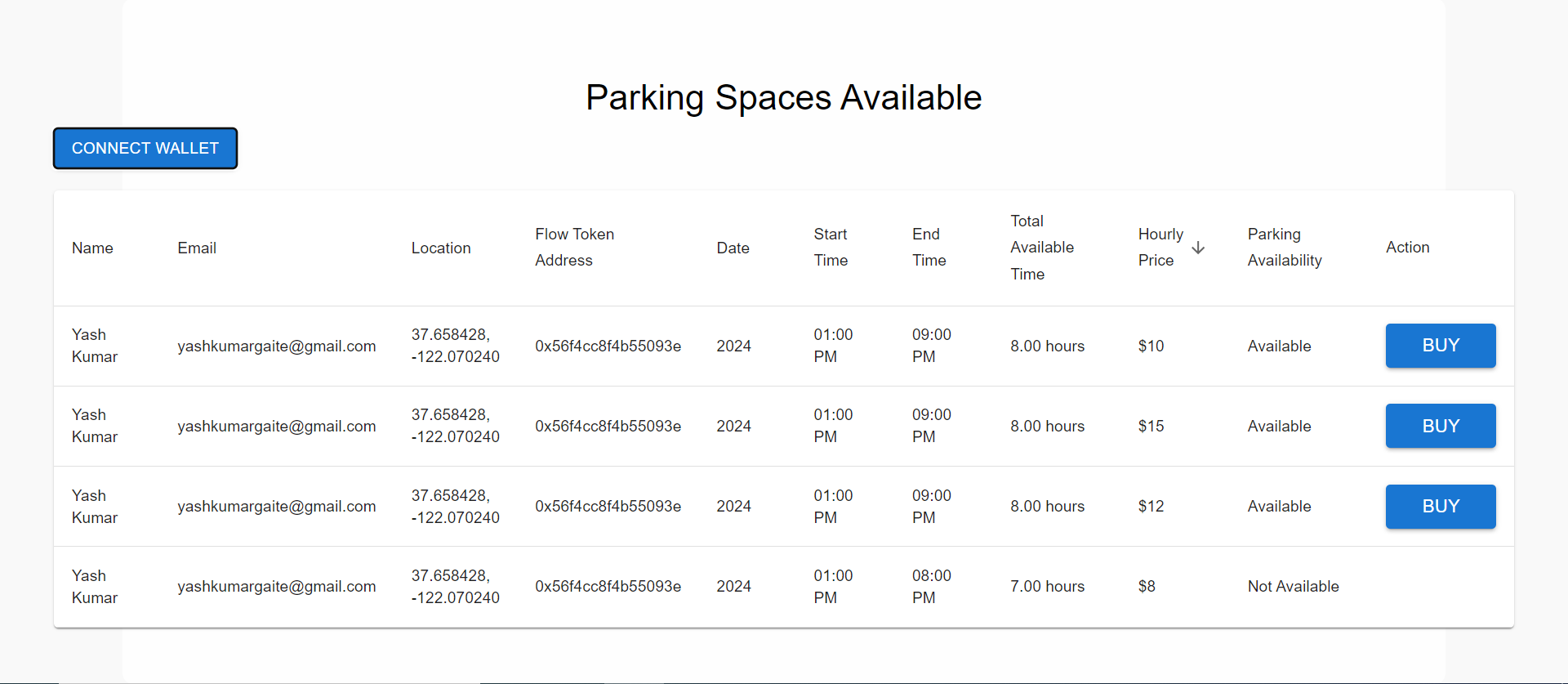
Parking Space Finder: Parkify helps users locate available parking spaces in their vicinity through an interactive map interface. Users can view real-time information about parking availability, pricing, and restrictions, enabling them to make informed decisions about where to park.
Secure Payment Processing: Parkify integrates secure payment processing, allowing users to make parking payments seamlessly and securely. By leveraging technologies like Flow Token, Parkify ensures encrypted transactions and provides users with a convenient way to pay for parking without the need for cash or physical payment methods.
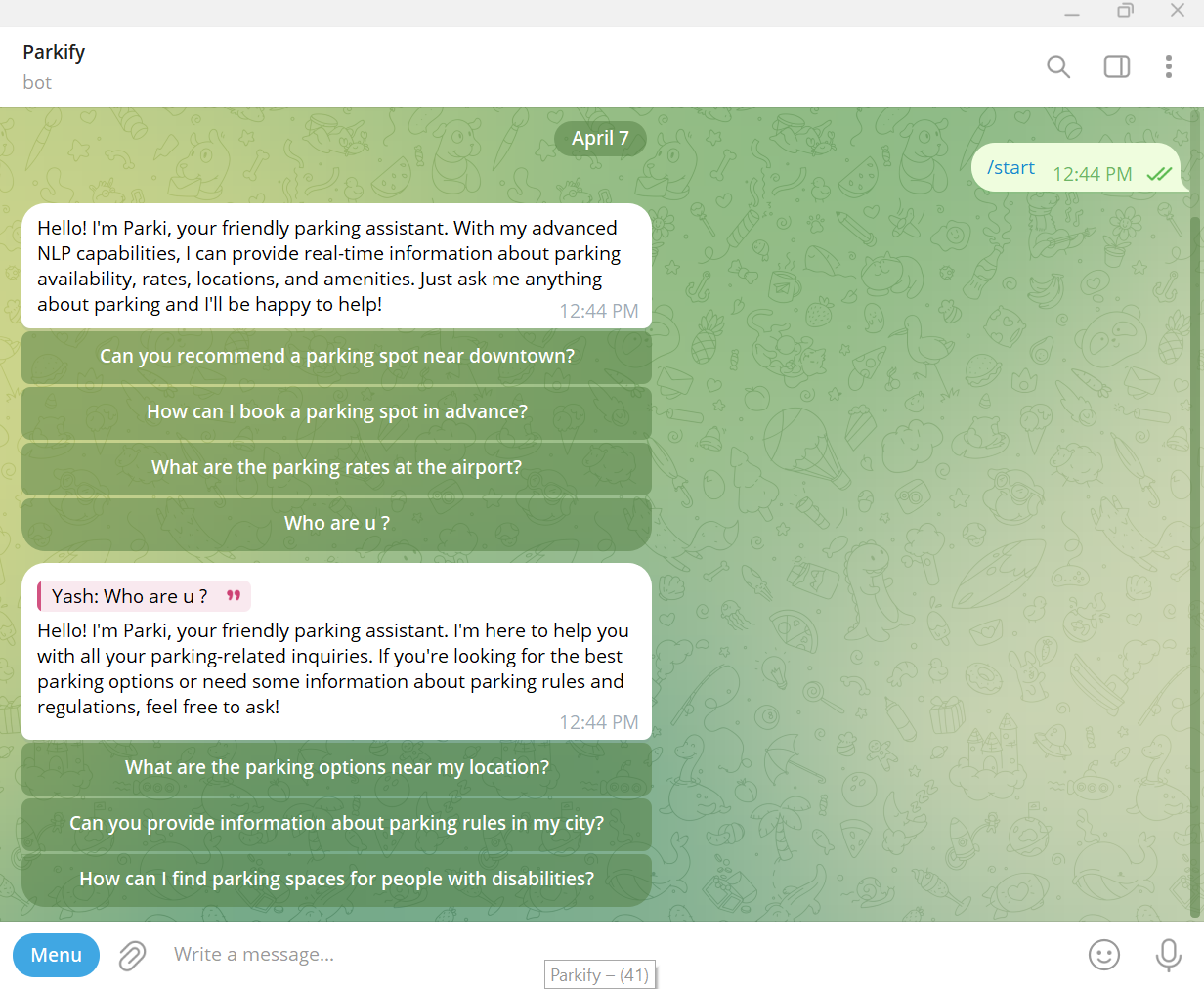
Intelligent Chatbot Assistance: Parkify features an intelligent chatbot that assists users with parking-related inquiries and tasks. Whether users have questions about parking regulations, need assistance with payment processing, or want to report a parking issue, the chatbot provides helpful and accurate responses, enhancing the overall user experience.
How we built it
Parkify was built using a combination of frontend and backend technologies, including React.js for the frontend interface, Java for the backend logic, and Flask for certain Python components. MongoDB was utilized as the database to store parking-related data and user information. Integration with external services like the Google Maps API and Flow Token API was essential for providing real-time location data and secure payment processing.
The development process involved careful planning, iterative design, and rigorous testing to ensure that Parkify delivers a seamless and user-friendly experience. Frontend components were designed with a focus on usability and aesthetics, while backend services were optimized for performance, scalability, and security.
Challenges we ran into
Building Parkify presented several challenges, including:
Integration Complexity: Integrating multiple external APIs, such as the Google Maps API and Flow Token API, required thorough understanding and careful implementation to ensure seamless communication and data synchronization.
Backend Development: Developing the backend logic and database architecture posed challenges related to data modeling, query optimization, and API design. Ensuring compatibility and consistency between frontend and backend components was crucial for the overall functionality of the platform.
Chatbot Development: Implementing the chatbot feature involved challenges related to natural language processing (NLP), context retention, and response generation. Fine-tuning the chatbot's algorithms and training models for accuracy and relevance required iterative experimentation and refinement.
Accomplishments that we're proud of
Despite the challenges, we're proud to have accomplished the following:
Comprehensive Solution: Parkify offers a comprehensive solution to the challenges of urban parking, incorporating features for parking space discovery, secure payment processing, and intelligent chatbot assistance.
User-Centric Design: The frontend interface of Parkify was designed with a focus on user experience, ensuring ease of use, intuitive navigation, and visual appeal.
Secure and Scalable Architecture: Parkify's backend architecture is designed for security, scalability, and performance, enabling seamless operation and efficient data management.
What we learned
Through the development of Parkify, we learned valuable lessons about:
API Integration: Integrating external APIs requires careful planning, documentation review, and error handling to ensure smooth communication and data exchange.
Cross-Platform Compatibility: Developing a platform that works across different devices and screen sizes requires consideration of responsive design principles and testing on various platforms.
User Feedback: Gathering and incorporating user feedback is essential for refining and improving the functionality and usability of the platform over time.
What's next for Parkify
Moving forward, we plan to:
Enhance Feature Set: Continuously add new features and functionalities to Parkify, such as parking space reservations, dynamic pricing, and personalized recommendations.
Expand Coverage: Expand the coverage of Parkify to additional cities and regions, catering to a broader audience and addressing parking challenges in different urban environments.
Improve AI Capabilities: Further develop and train the chatbot to provide more advanced assistance and support for users, leveraging advanced AI and NLP techniques.
Partnerships and Collaborations: Explore partnerships with parking facilities, local authorities, and transportation agencies to enhance data accuracy, accessibility, and integration with existing infrastructure.
Overall, our goal is to continue innovating and evolving Parkify to make urban parking easier, more convenient, and less stressful for people everywhere.
Built With
- coze
- css3
- fireworks.ai
- flow
- html5
- java
- javascript
- mongodb
- neurelo
- openai
- python
- react
- typescript


Log in or sign up for Devpost to join the conversation.