-
-
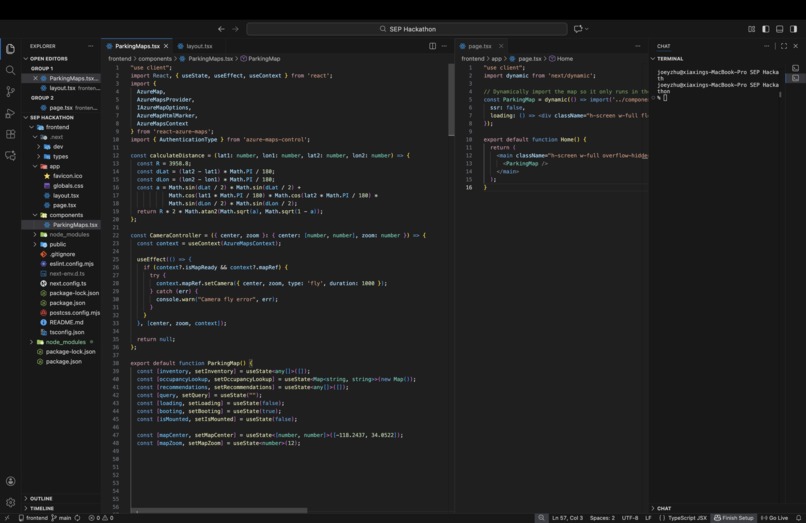
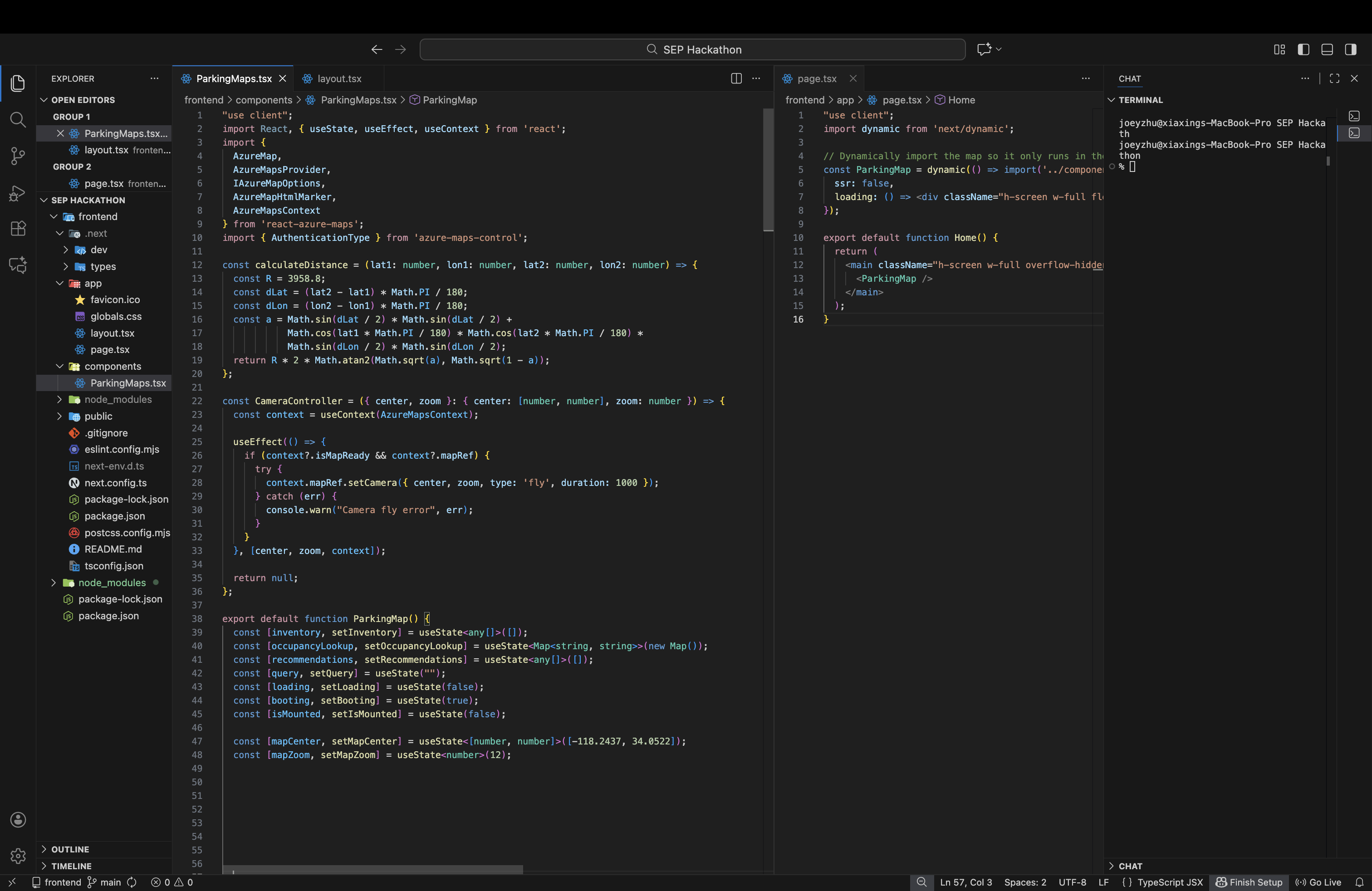
Code for ParkEasy
-
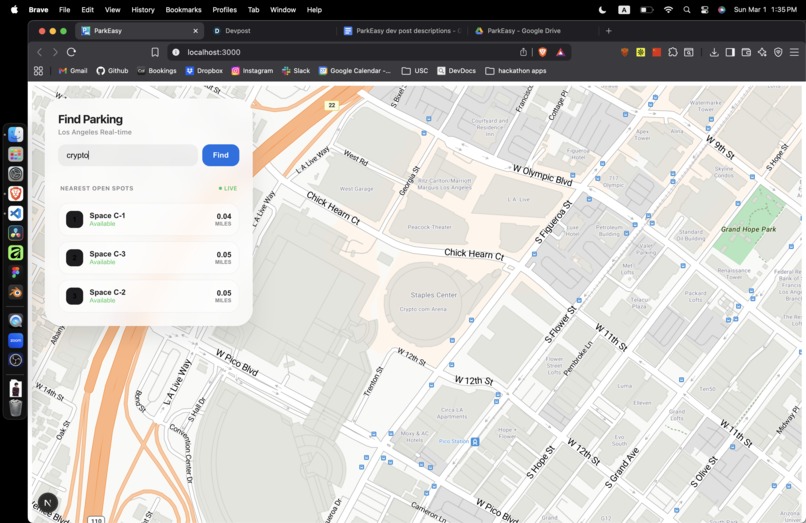
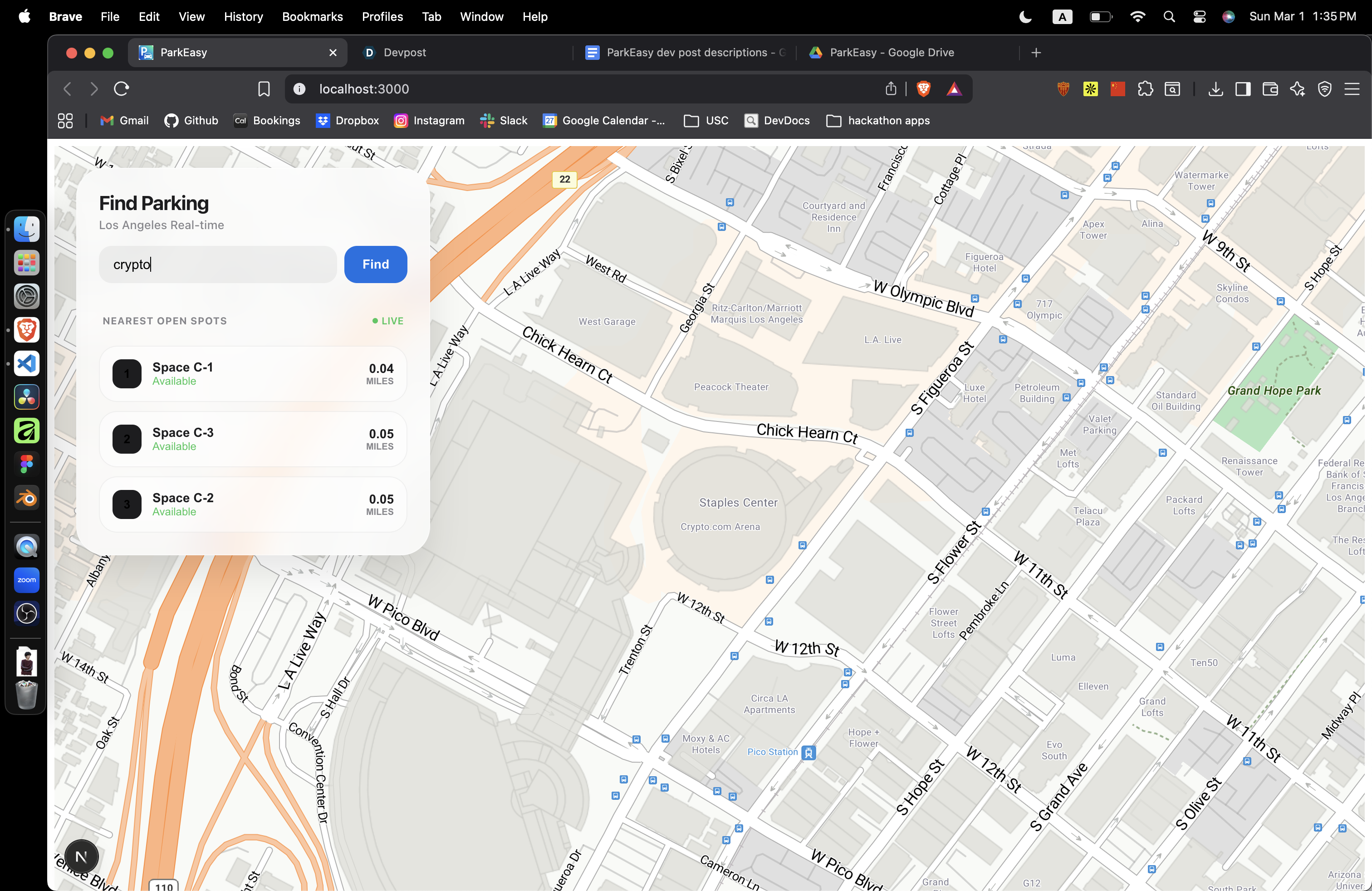
UI for searching destination in ParkEasy
-
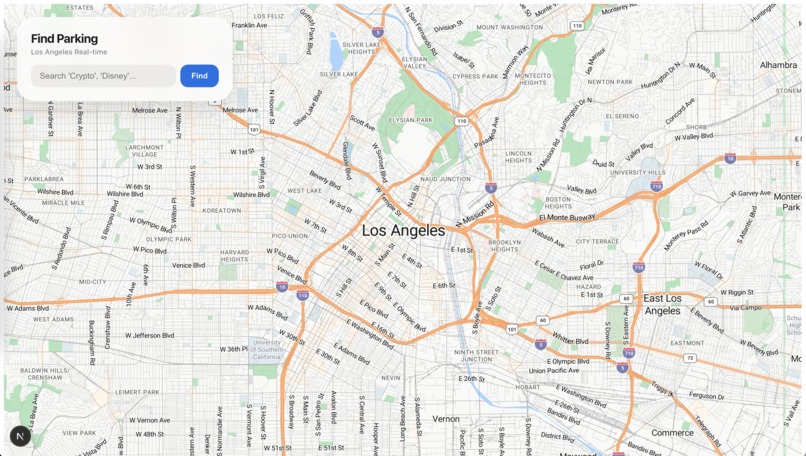
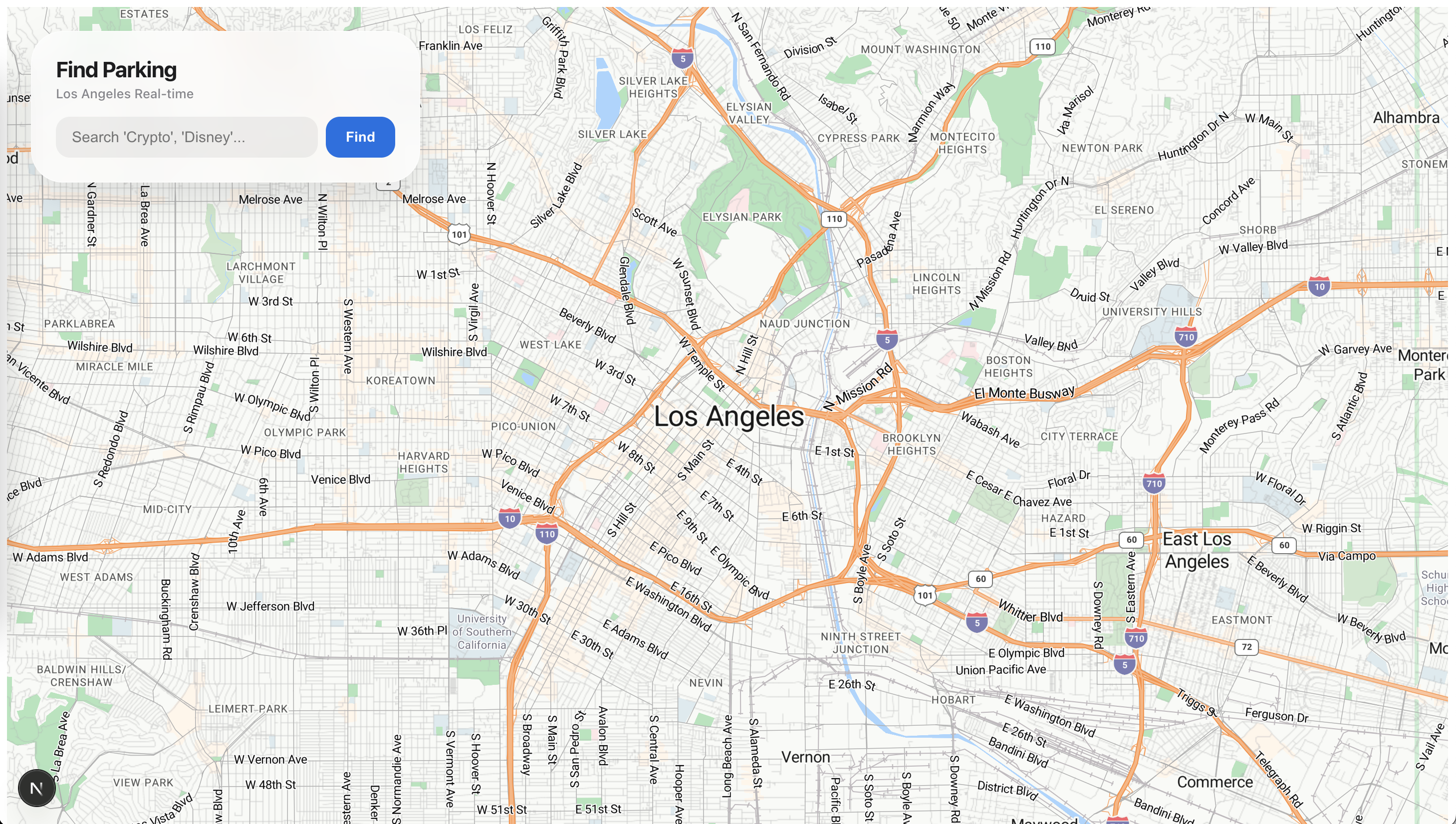
UI for opening ParkEasy
-
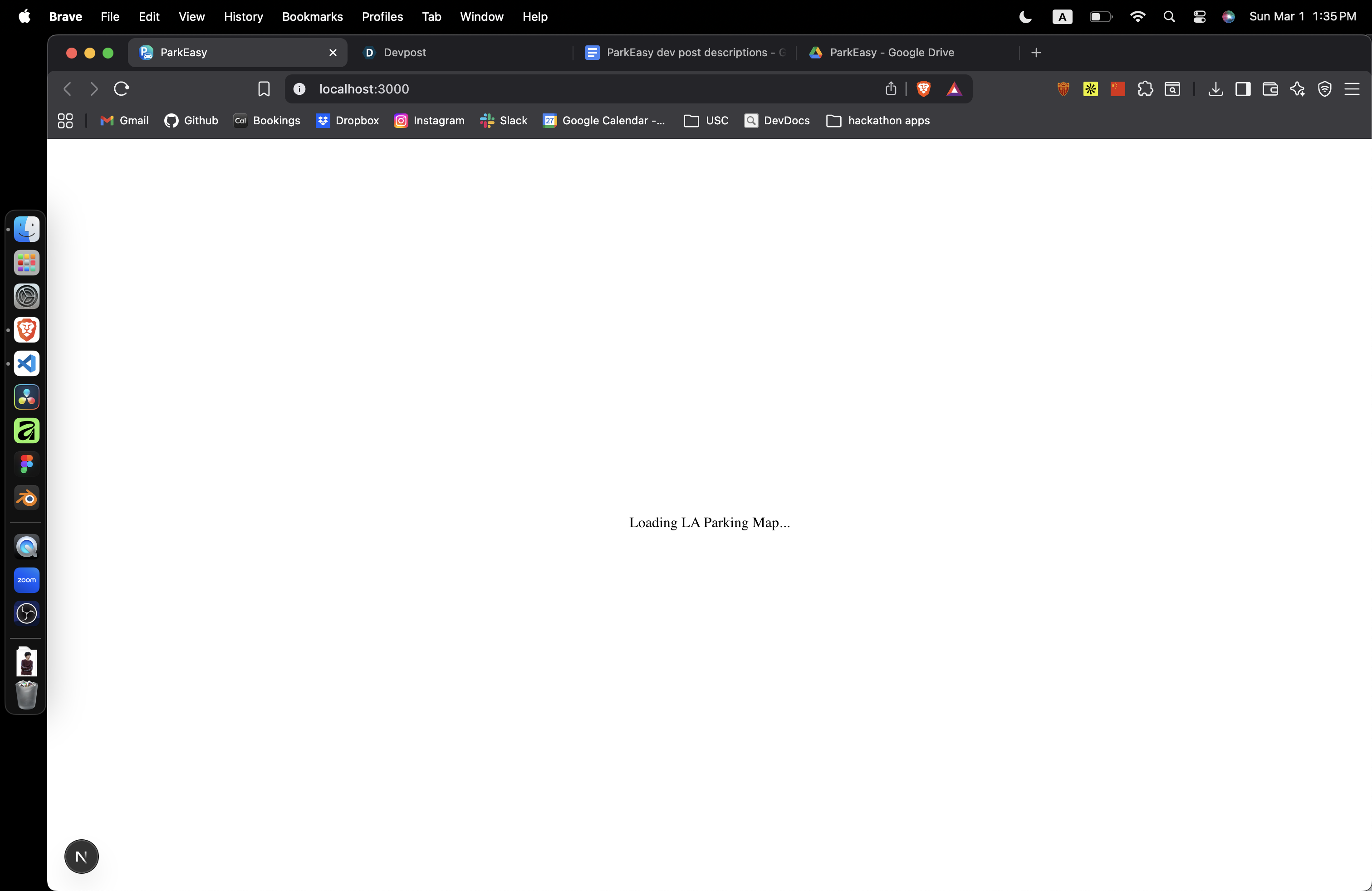
Loading and pulling the data screen in ParkEasy
Inspiration
Driving in Los Angeles, we’ve all personally experienced the pain of having to drive around for 20 minutes just to find parking that’s a 20 min walk away from your own destination. Understanding the frustration that all local commuters experience and understanding the environmental impact caused by all these idling cars, we wanted to create a solution. Giving rise to ParkEasy, transitioning “parking anxiety” into a seamless, data-driven parking experience that gets people off the road quicker and to their destinations faster.
What it does
ParkEasy will find you the best parking spot to wherever you want to go. Based on the users desired destination, ParkEasy will then find the top three best parking spot for you based off price, availability, and the walking distance to the destination. This creates a real-time parking service for our user to get the best options for Parking without having to experience the pain of circling around forever.
How we built it
- Next.js: We are using it to handle error logging. Using Next.js 16 with Turbopack
- React: utilizing React Hooks
useState,useEffect, anduseContextfor creating the map’s engine. - Typescript: To ensure components and configurations were strongly typed
- Azure Maps API: The core mapping engine providing the geographical data used to create the map tiles
- LADOT parking API: Used to access vacant and parking spots in LA
Challenges we ran into
- Identifying the API to use to find the locations of parking spots.
- Learning the technical frameworks to create a full stack web application.
- Caching the dataset from LADOT initially to make searching faster.
- Utilized Haversine Formula to identify the three closest parking locations.
Accomplishments that we're proud of
Despite meeting each other for the first time this weekend, we were able to come up with a great idea and were able to create a working demo that can be very helpful to the everyday Los Angeles driver. Moreover, we work together as a team by combining our differences technical and backgrounds in order to give more dimensions to our projects.
What we learned
The main lesson that we learned is to build and brainstorm everything step by step as a team. Having met each other for the first time, we needed to brainstorm together and understand each other’s different skillsets. Getting into the app we learned how to handle systems, and manage API rate limits under pressure. Beyond the code, we learned the importance of MVP (Minimum Viable Product), focusing on the map view first and solving the real pain point before adding additional features. Talking to other people around us about our idea, we learned how many people would love to have a real solution to finding real time parking in Los Angeles. Economically, our app drives
What's next for ParkEasy
We would like to efficiently expand this app to other cities, predict parking 30–60 minutes ahead, and show EV charging parking. Moreover, some parking spaces might not be suited for Internet of Things (IOT) installation so we are trying to expand the integration of Internet of Things (IOT) sensors across parking spaces. Eventually, ParkEasy can integrate with smart city infrastructure and even autonomous vehicles.
Built With
- html
- nextjs
- react
- typescript


Log in or sign up for Devpost to join the conversation.