Inspiration
I know a friend named Adhi, who needs earphones because his speaker broke. I have a spare pair in my drawer that I never use, but I don't know how to sell it. This is a common issue on campus: students and staff often have unused items like electronics, books, or gadgets, while others are searching for affordable alternatives. There is also a lack of efficient campus-specific solutions for resource sharing, such as carpooling and academic collaboration, which can reduce waste and foster a stronger sense of community.
What it does
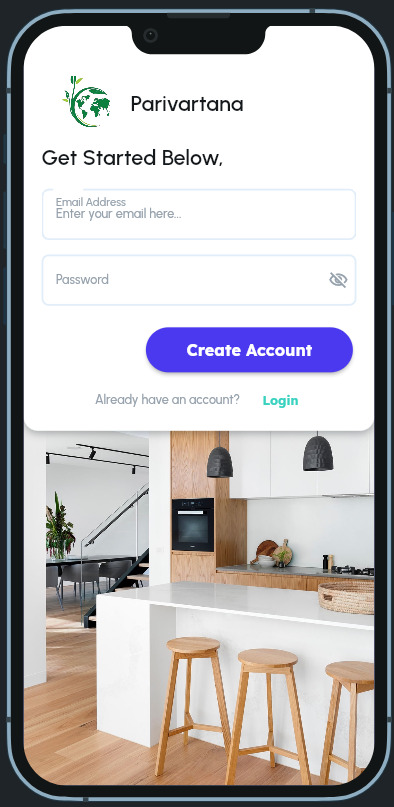
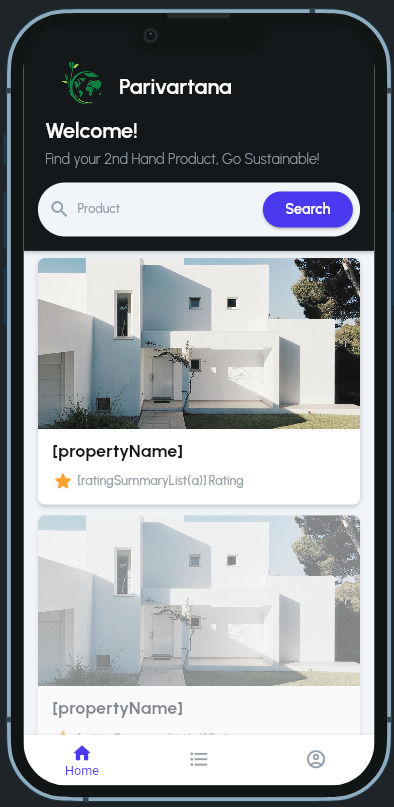
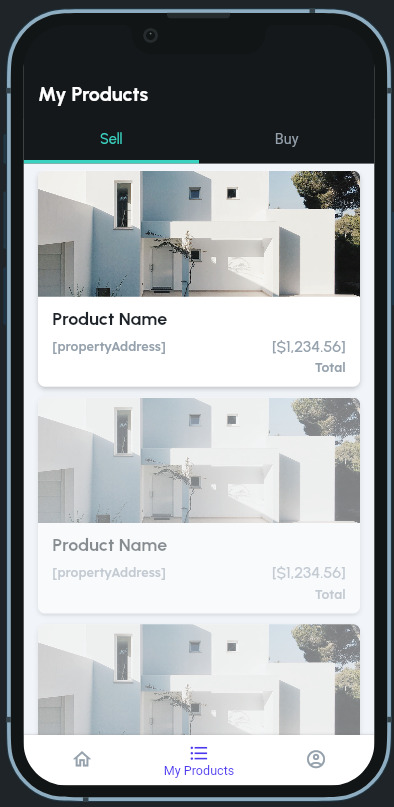
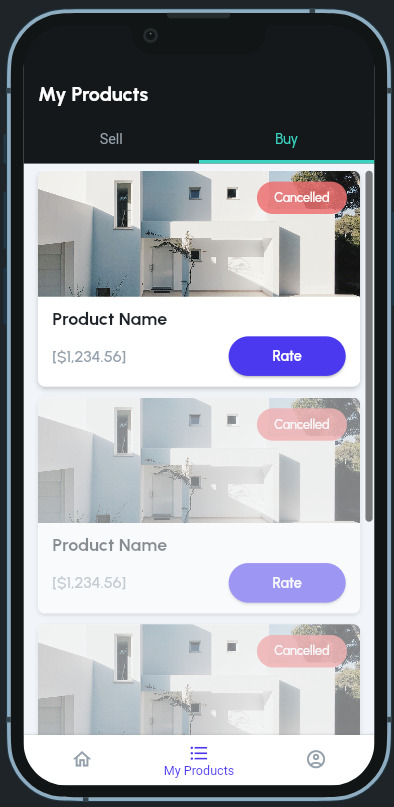
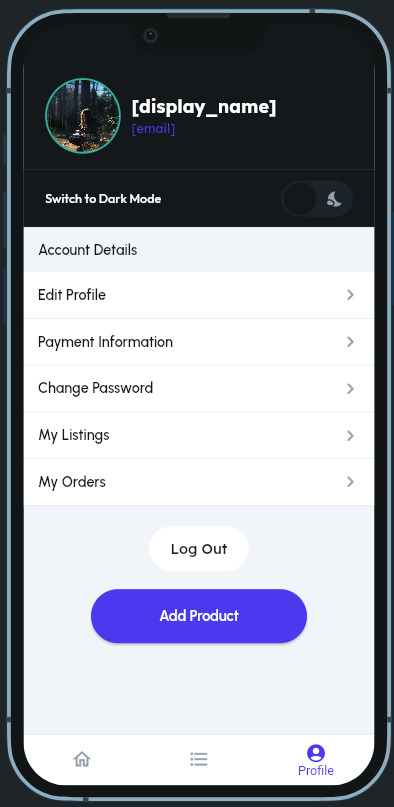
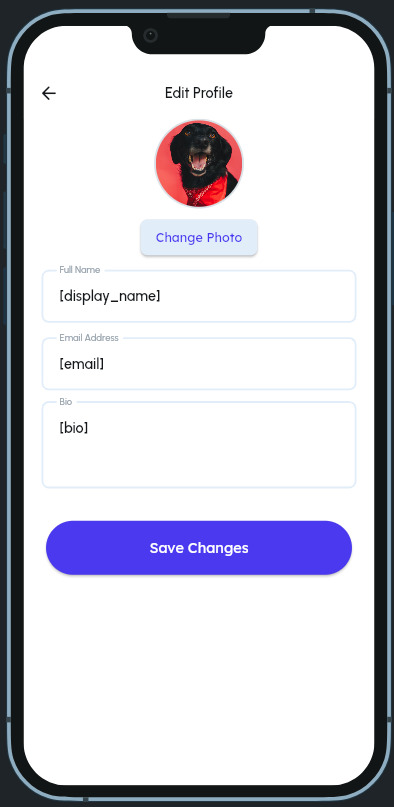
Our app allows students to easily buy, sell, or donate second-hand electronics, books, and other useful gadgets. It also integrates features like carpooling to reduce travel costs and emissions and academic collaboration tools for sharing class notes and papers, further enhancing campus engagement. By reducing the need for new product manufacturing, we lower the carbon footprint, conserve resources, and build a more sustainable campus.
How we built it
• Software Implementation: The app will be developed using Flutter for cross-platform compatibility (iOS & Android). Firebase will be used for user authentication, data storage (Firestore), and real-time notifications. • Key Features: ◦ Second-hand marketplace for electronics, books, and gadgets ◦ Carpooling system to reduce transportation emissions and costs ◦ Academic collaboration tools (sharing class notes and previous year papers) ◦ Sustainability tracker to measure environmental impact (e.g., waste reduced, carbon emissions saved) • Deployment: The app will be deployed on Google Play Store and Apple App Store, allowing easy access for campus communities.
Challenges we ran into
One of the major challenges we faced was integrating Firebase for user authentication and real-time notifications. We initially struggled with properly configuring Firebase’s security rules to ensure that user data remained private and protected, while still allowing for efficient data retrieval and storage. Additionally, syncing real-time updates across different devices proved to be more complicated than expected, particularly when multiple users were updating the marketplace simultaneously. Debugging these issues and learning Firebase's intricacies took considerable time, but overcoming these challenges helped strengthen our understanding of cloud-based backend systems.
Accomplishments that we're proud of
We successfully built a fully functional prototype of the app that allows students to seamlessly buy, sell, and donate second-hand items within their campus. We’re particularly proud of the marketplace feature, which makes it easy to list and browse items, and the app's smooth user experience. Integrating additional features like carpooling and academic collaboration tools added more value, making the app a comprehensive solution for campus resource sharing. We also managed to create a Sustainability Tracker, which measures the environmental impact by estimating the carbon emissions saved through second-hand exchanges and carpooling. This feature highlights the environmental benefits of using our app, which we believe will resonate strongly with users who are mindful of sustainability and reducing their carbon footprint.
What we learned
Through the development of Parivartana, we gained invaluable experience in building cross-platform apps with Flutter. We learned how to efficiently integrate Firebase services for user management and real-time data handling, as well as how to implement core features like authentication and notification systems. Additionally, we gained insights into the importance of user-centered design, ensuring the app is both intuitive and valuable for its users. We also learned about the challenges and benefits of deploying an app across multiple platforms, such as iOS and Android, and handling real-time updates in a high-traffic environment.
What's next for PARIVARTANA
Moving forward, we plan to expand the app to include more campuses and allow for inter-campus exchanges. We also aim to implement advanced features like AI-powered recommendations, suggesting relevant items based on user behavior and preferences. Additionally, we want to enhance the sustainability aspect by providing users with more detailed insights into their environmental impact, such as tracking individual carbon footprints and offering suggestions to further reduce waste. Finally, we'll continue to improve the user experience by gathering feedback from students and staff, ensuring Parivartana remains a helpful and engaging tool for the campus community.


Log in or sign up for Devpost to join the conversation.