-
-
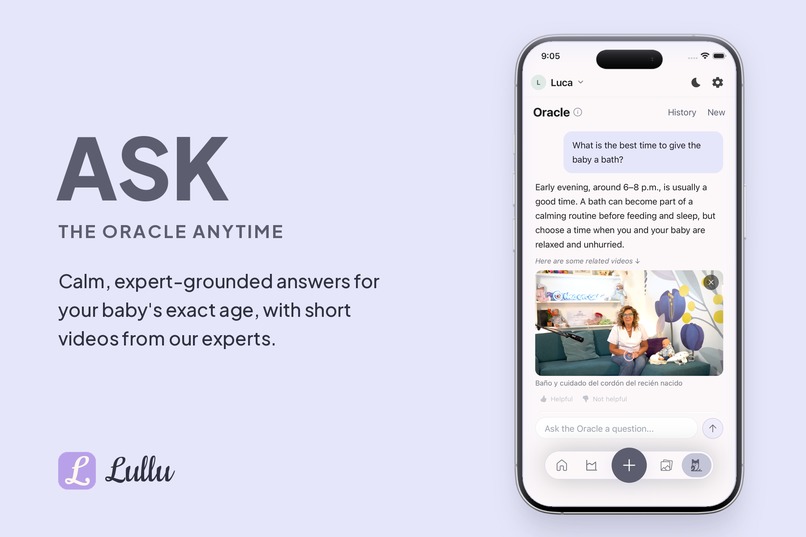
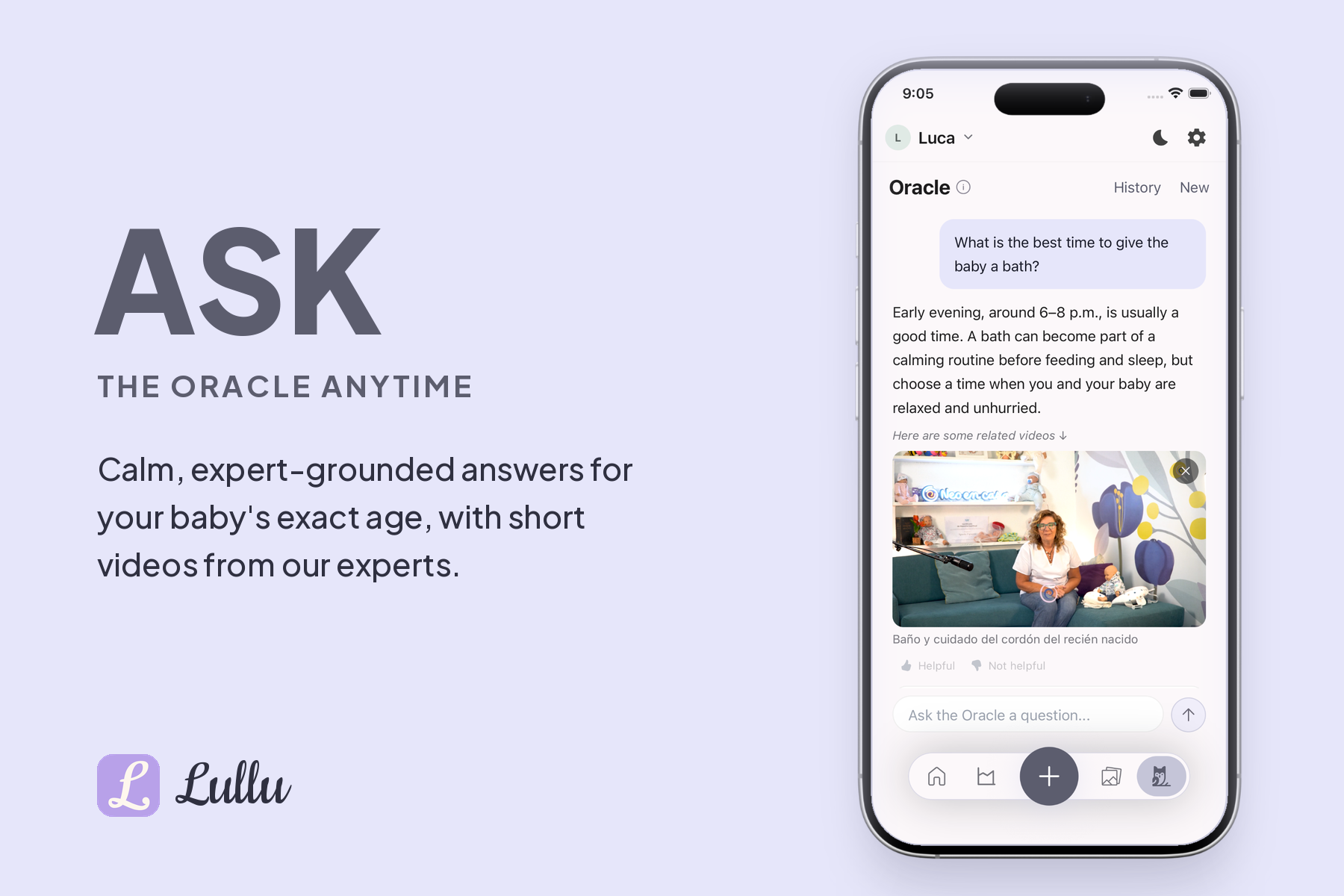
ASK / The Oracle anytime
-
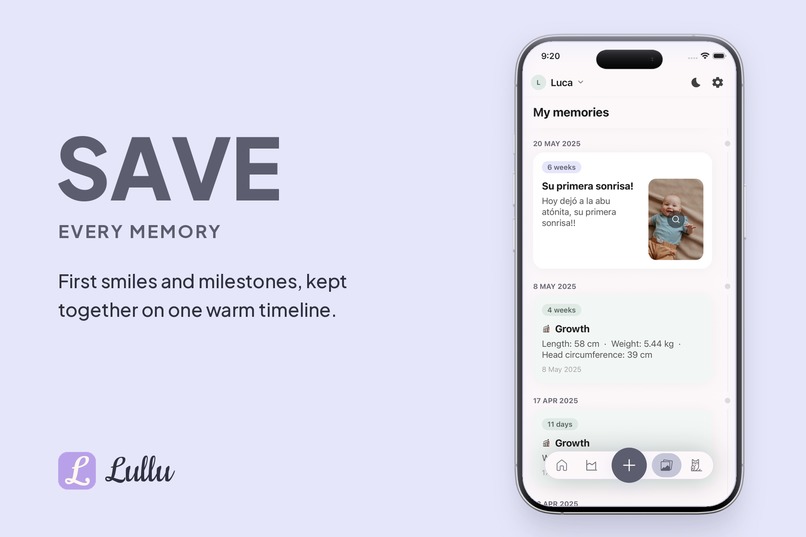
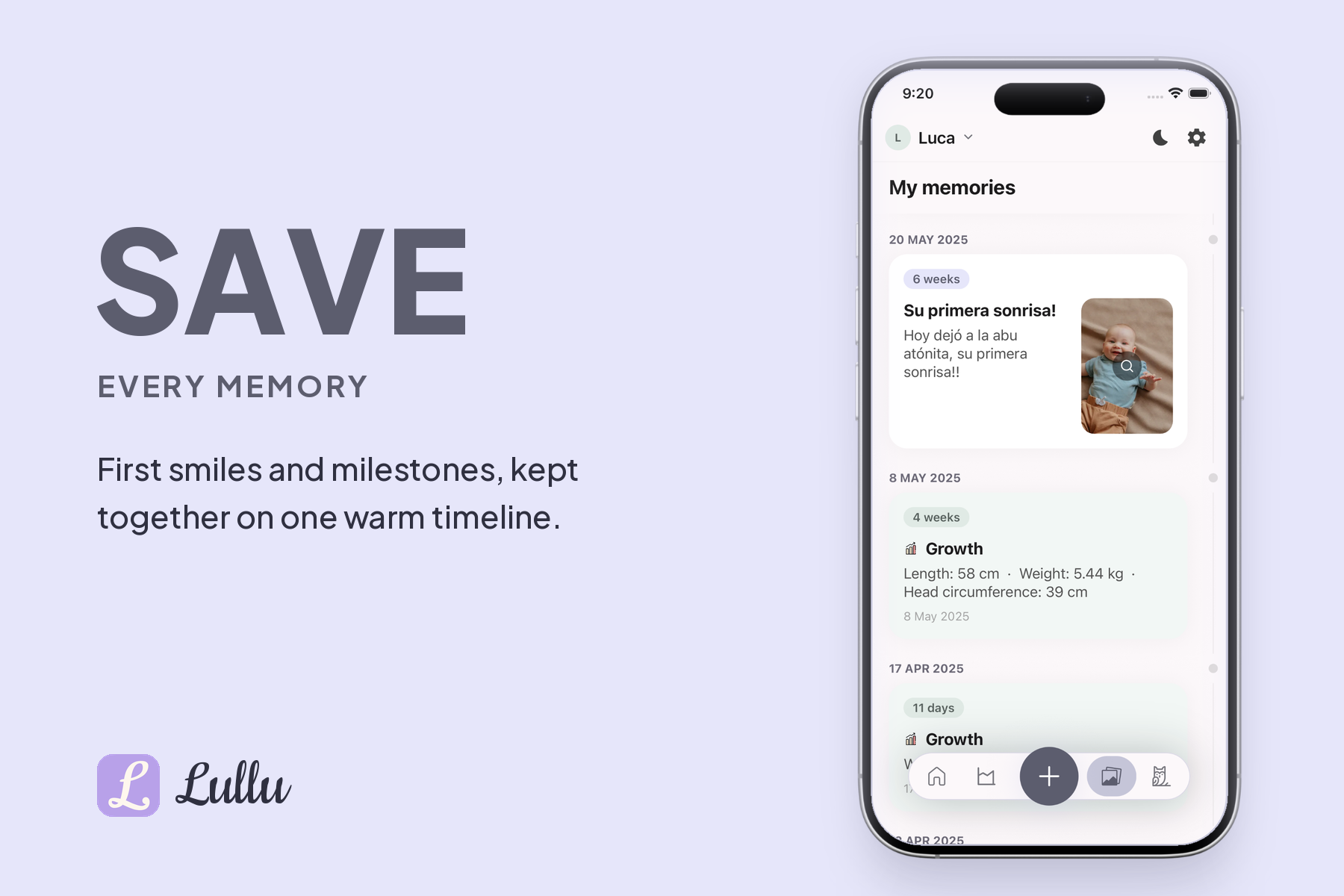
SAVE / Every memory
-
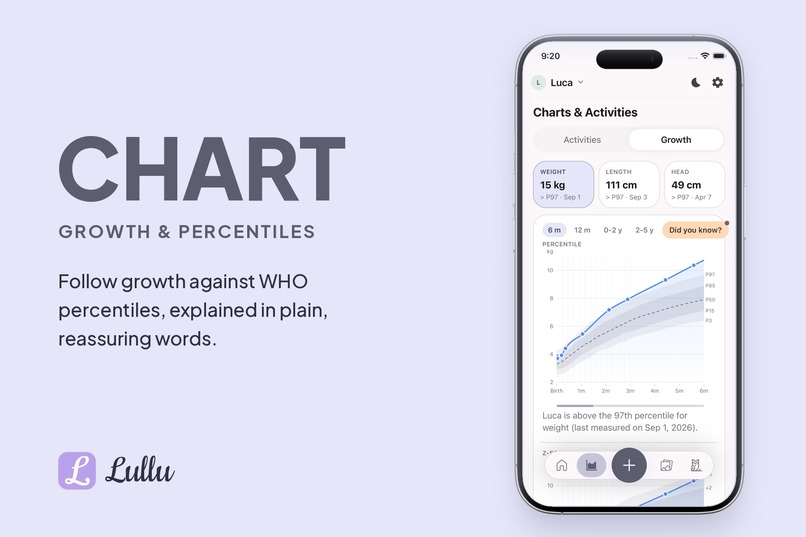
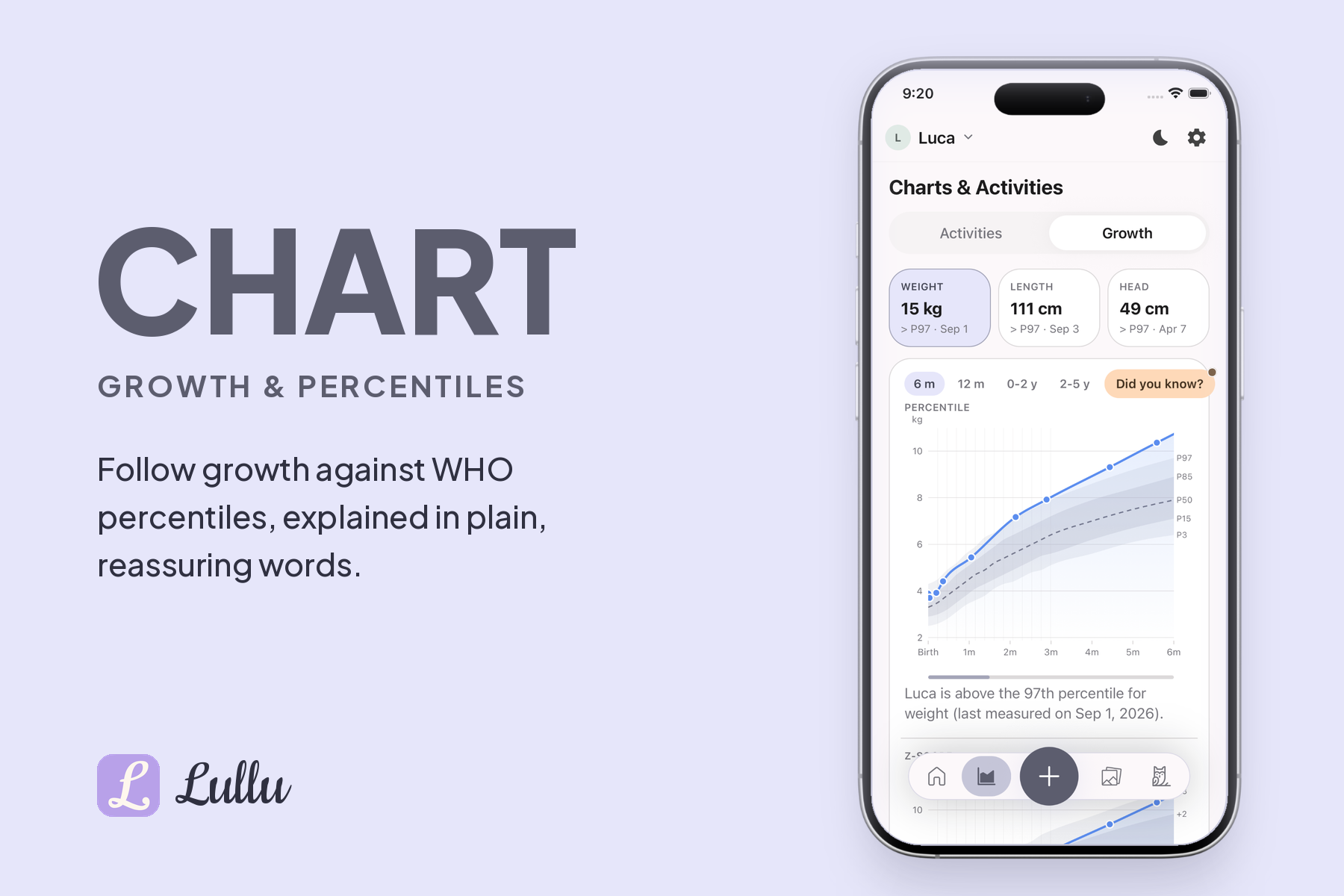
CHART / Growth & percentiles
-
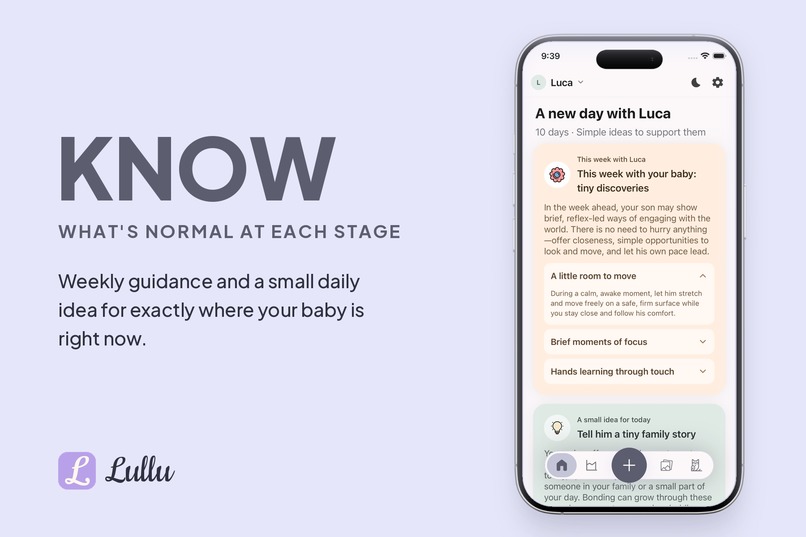
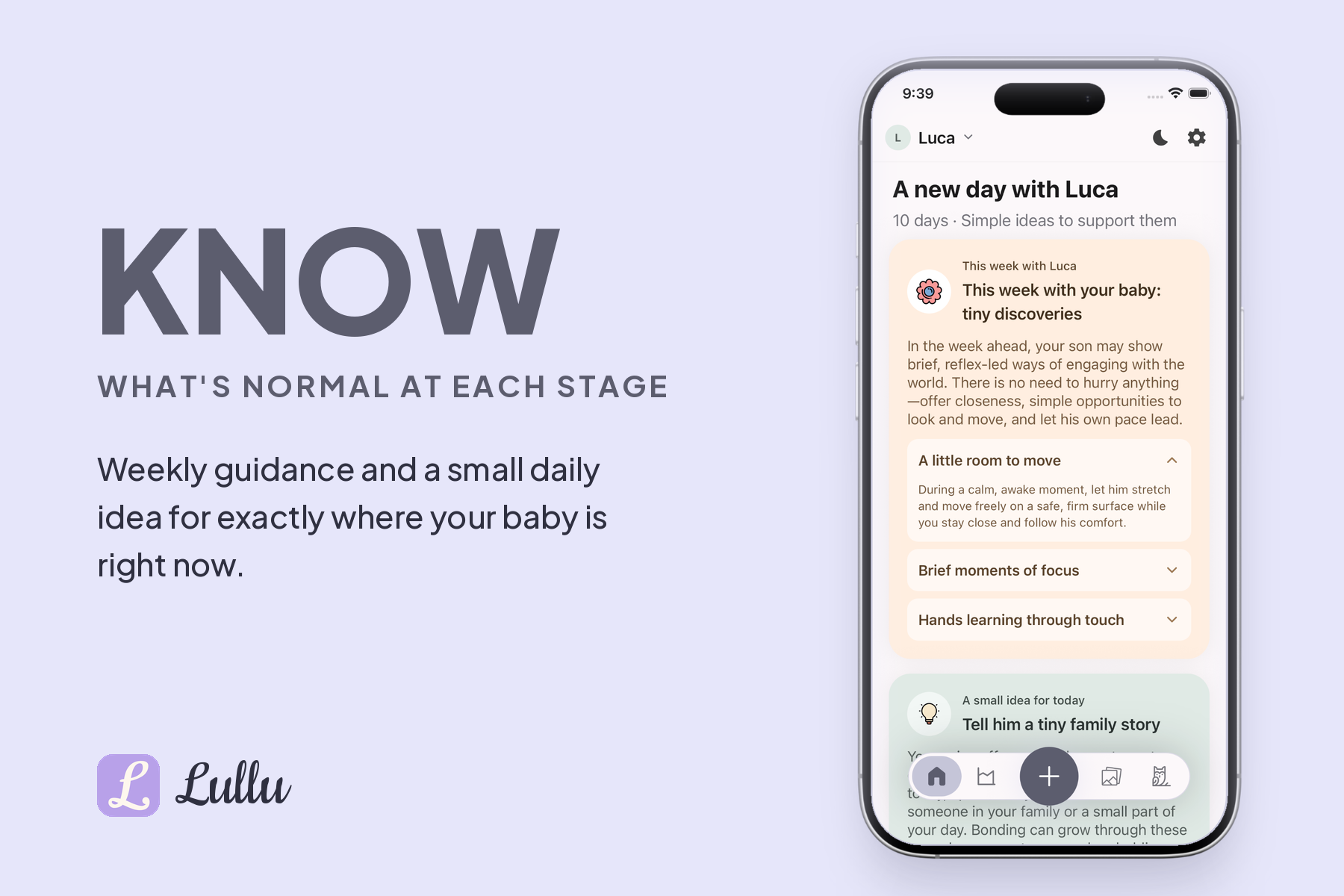
KNOW / What's normal at each stage
-
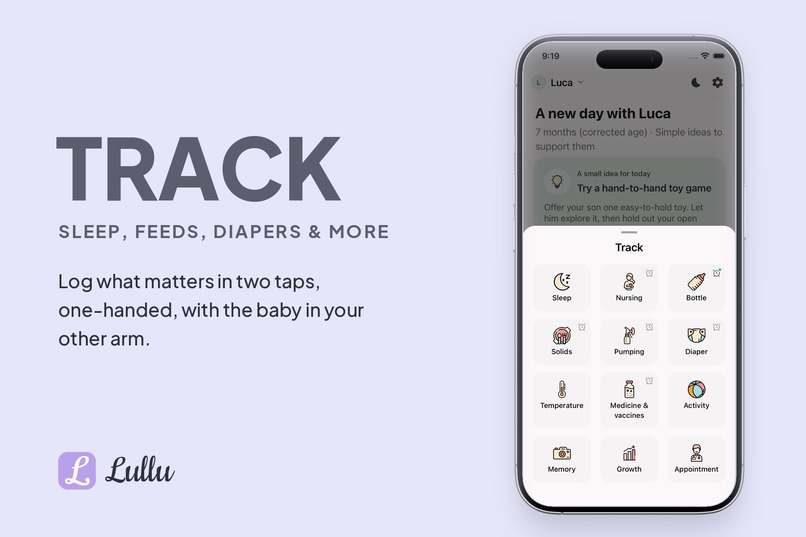
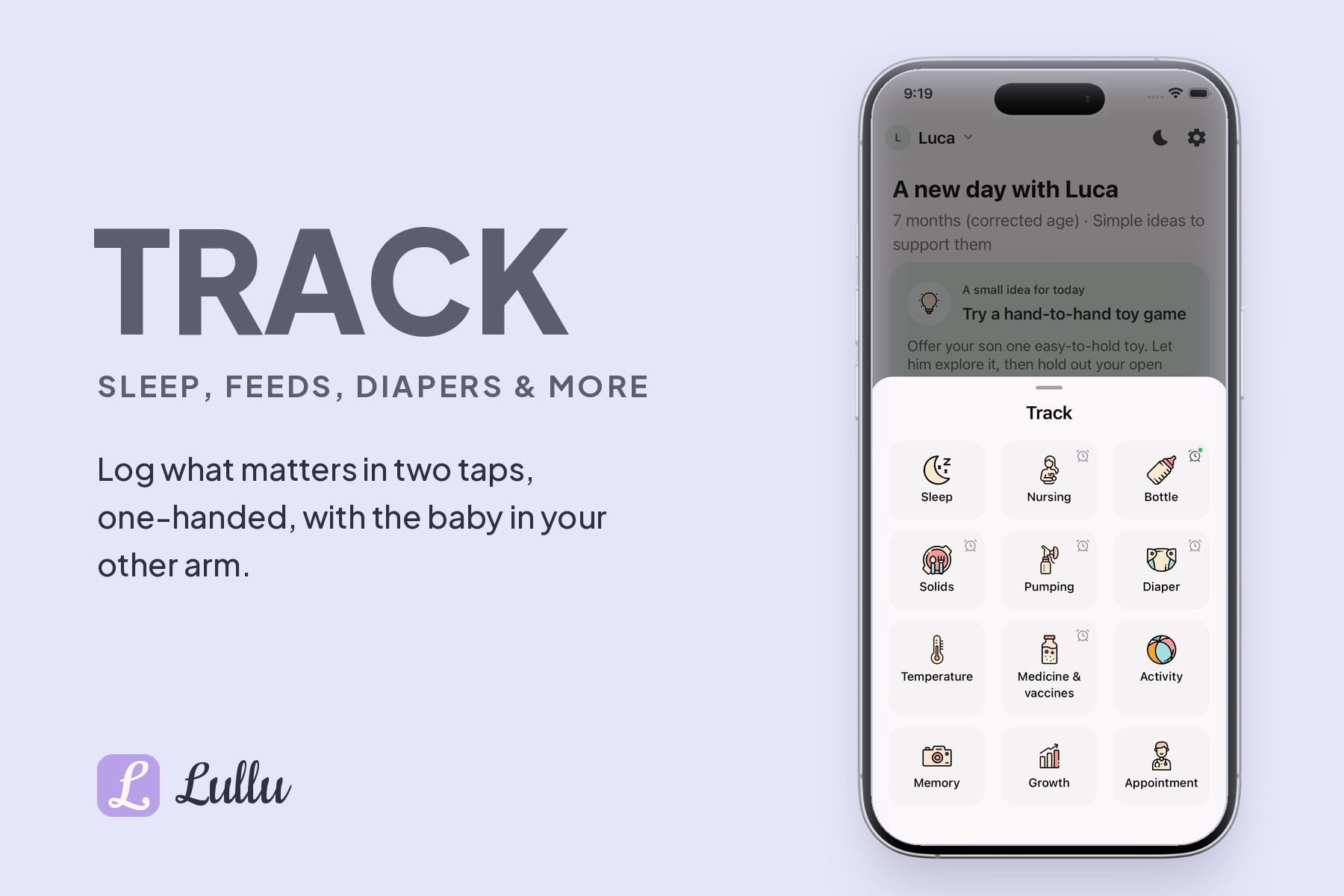
TRACK / Sleep, feeds, diapers & more
-

Uncropped icon
-
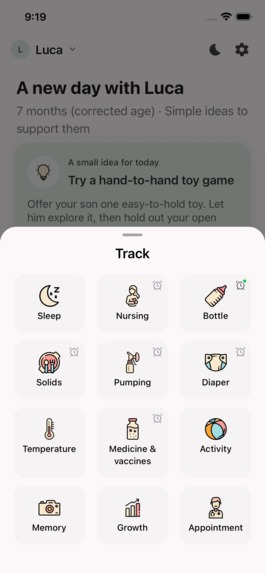
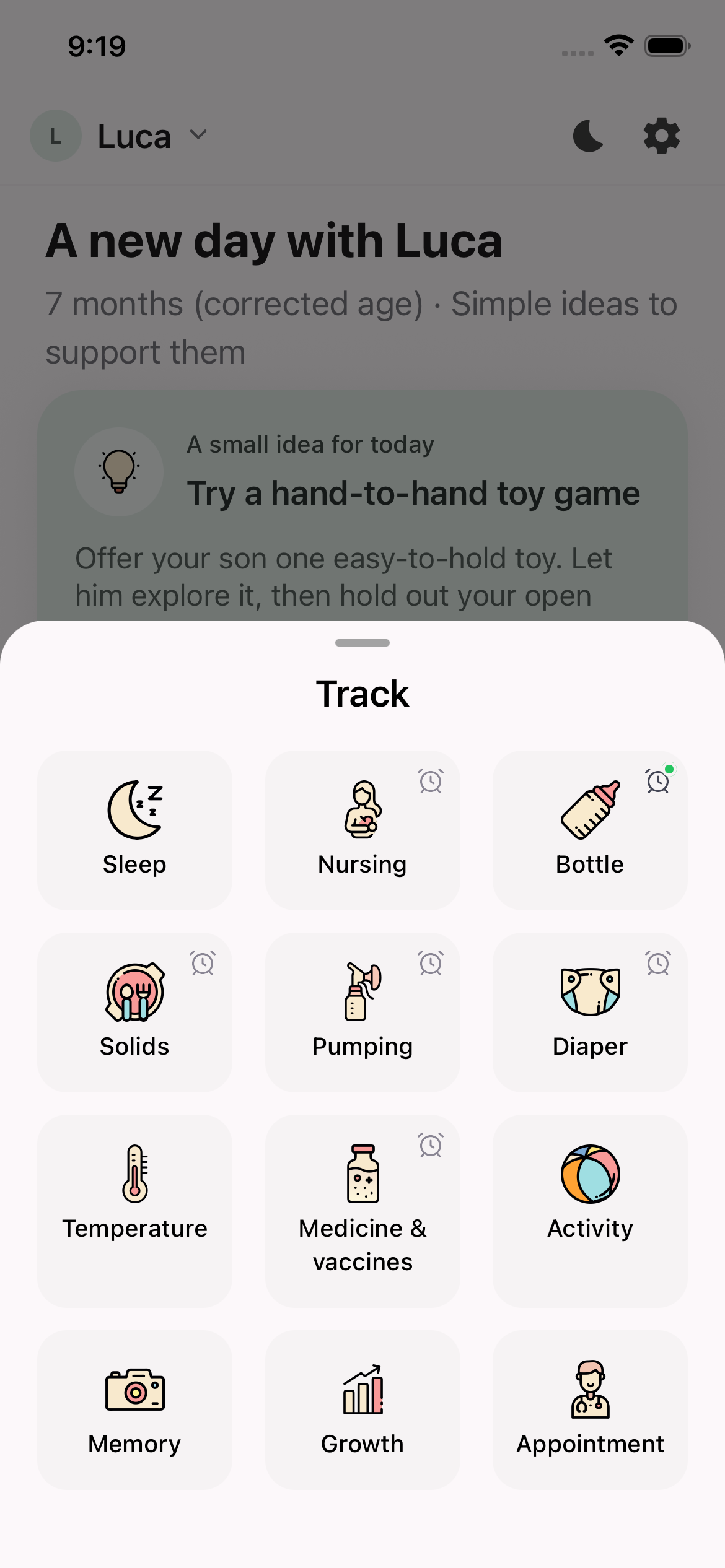
Raw screenshot - trackers
-
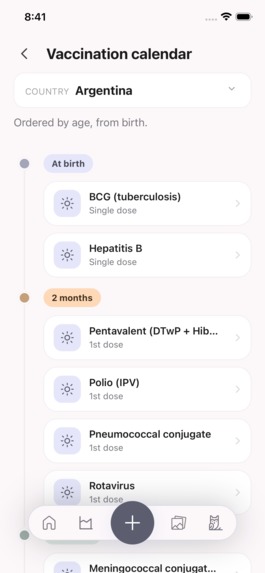
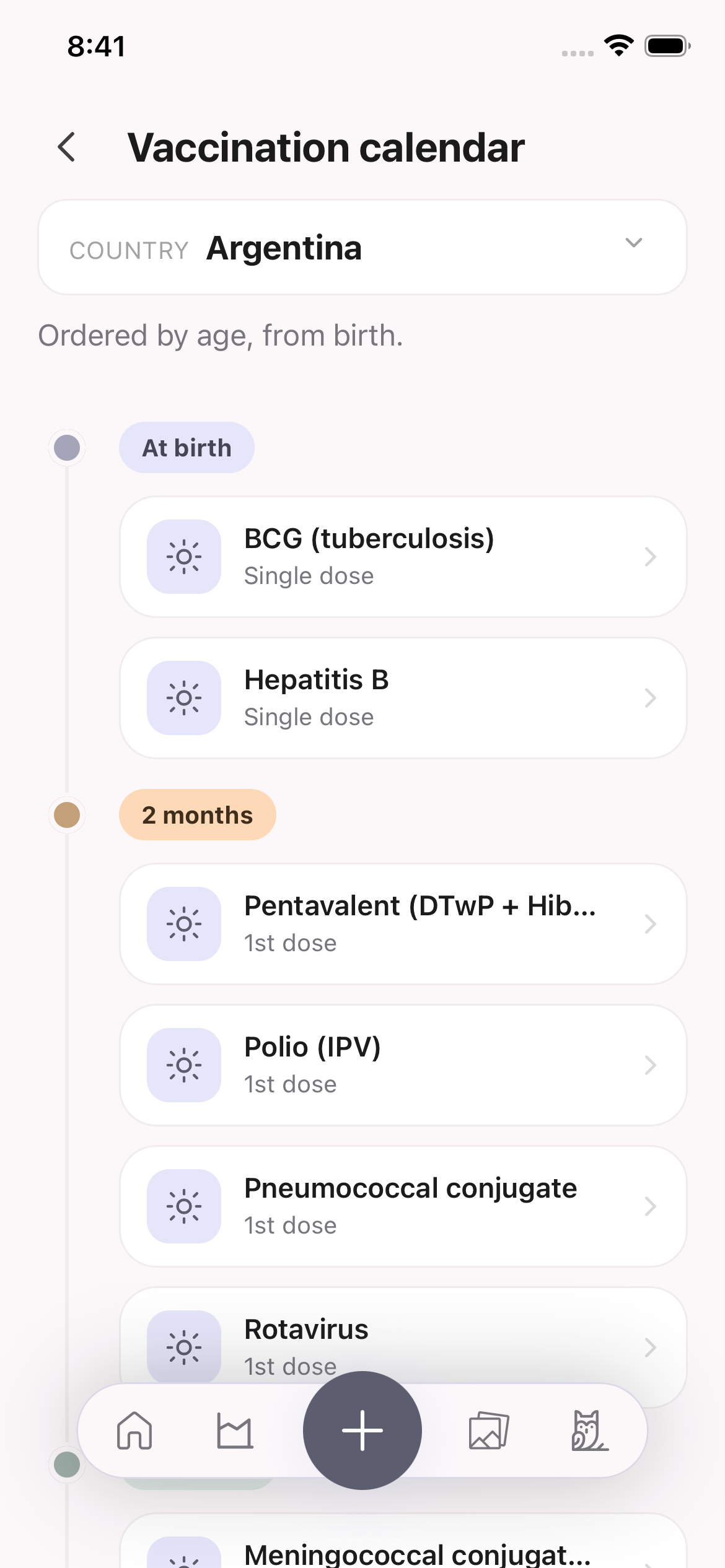
Raw screenshot - vaccination calendar
-
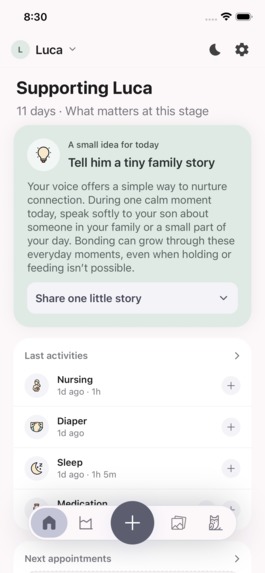
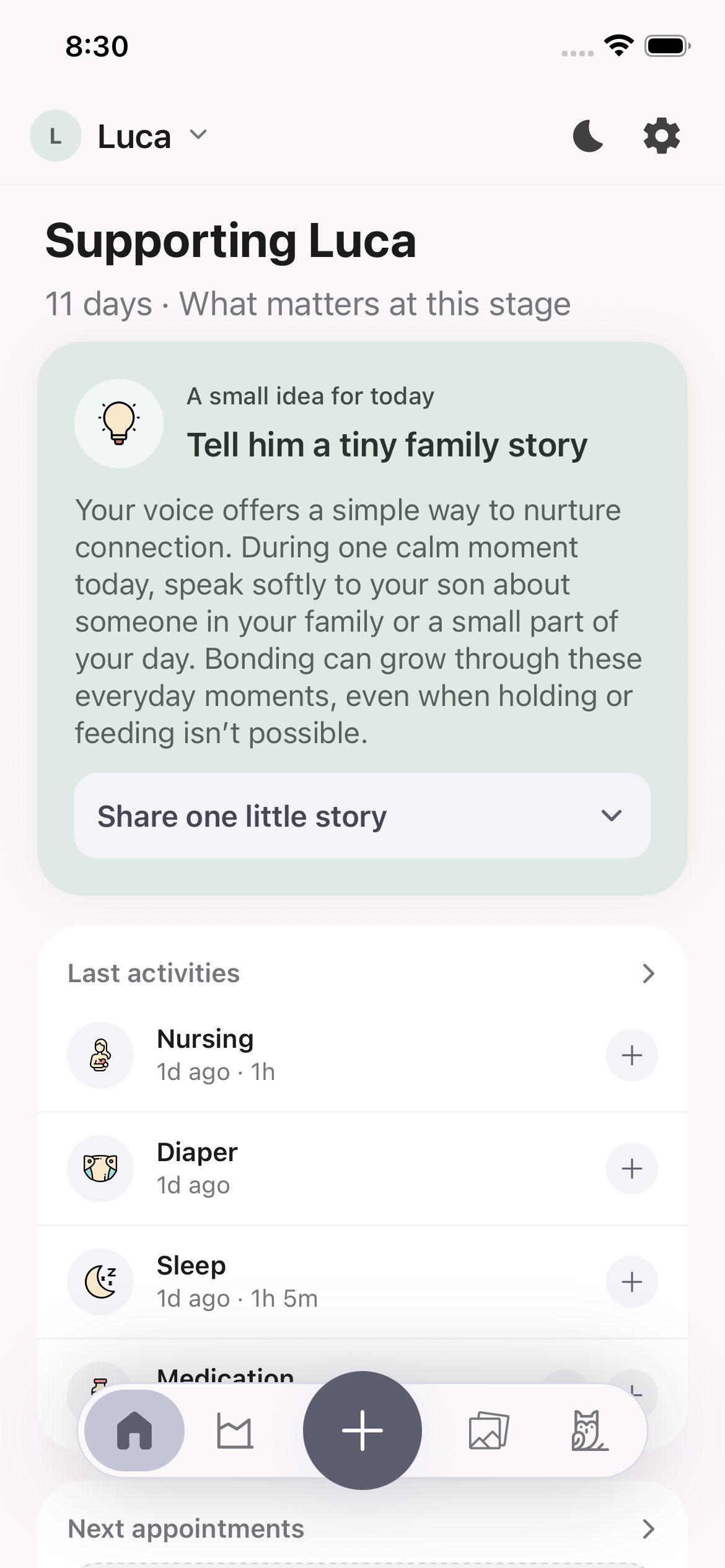
Raw screenshot - daily tip
-
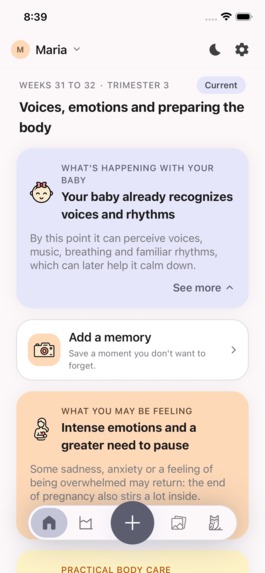
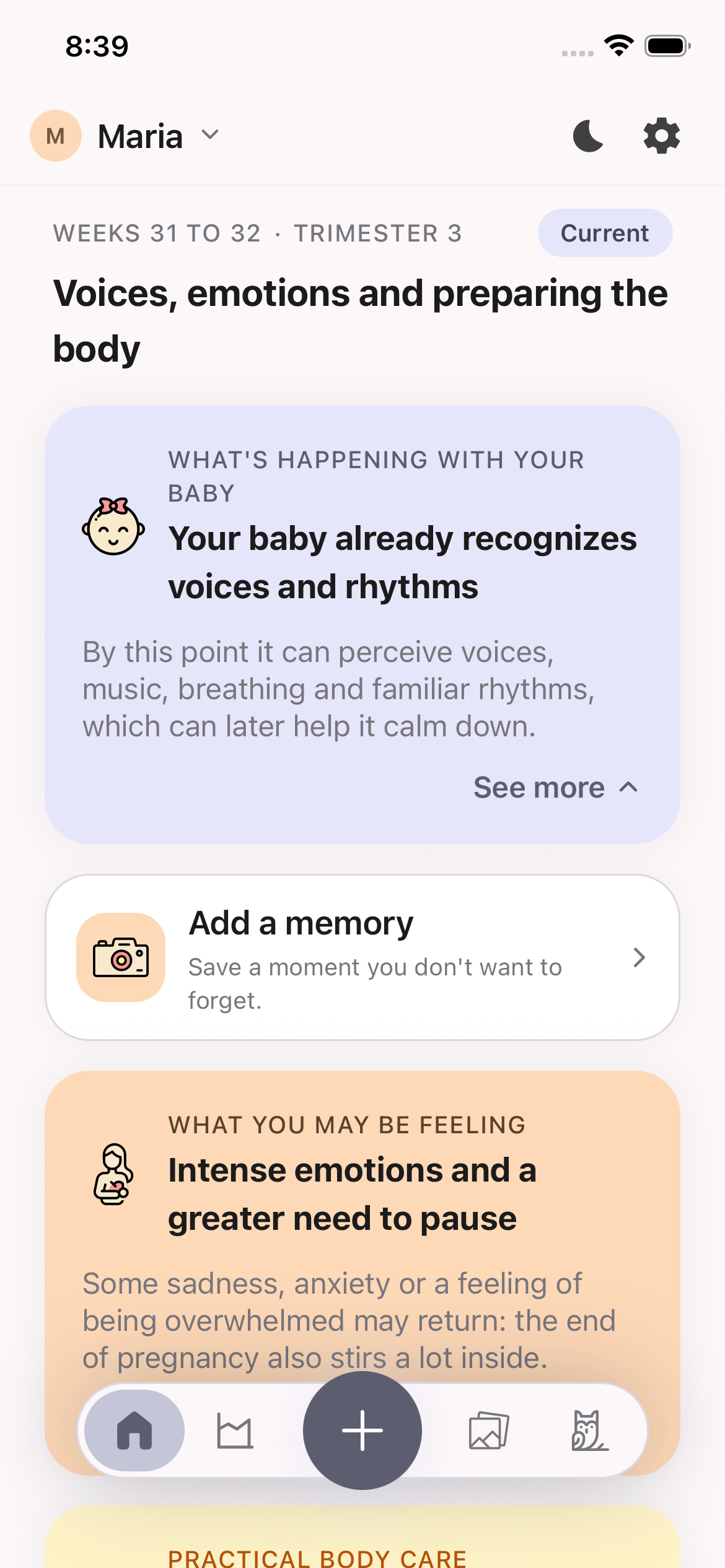
Raw screenshot - expecting week by week
-
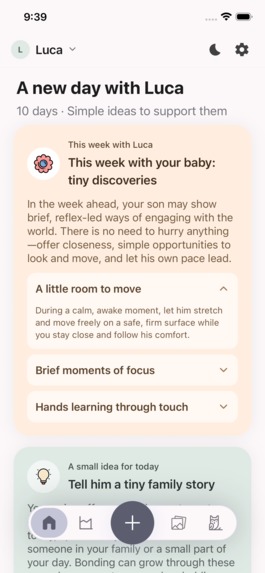
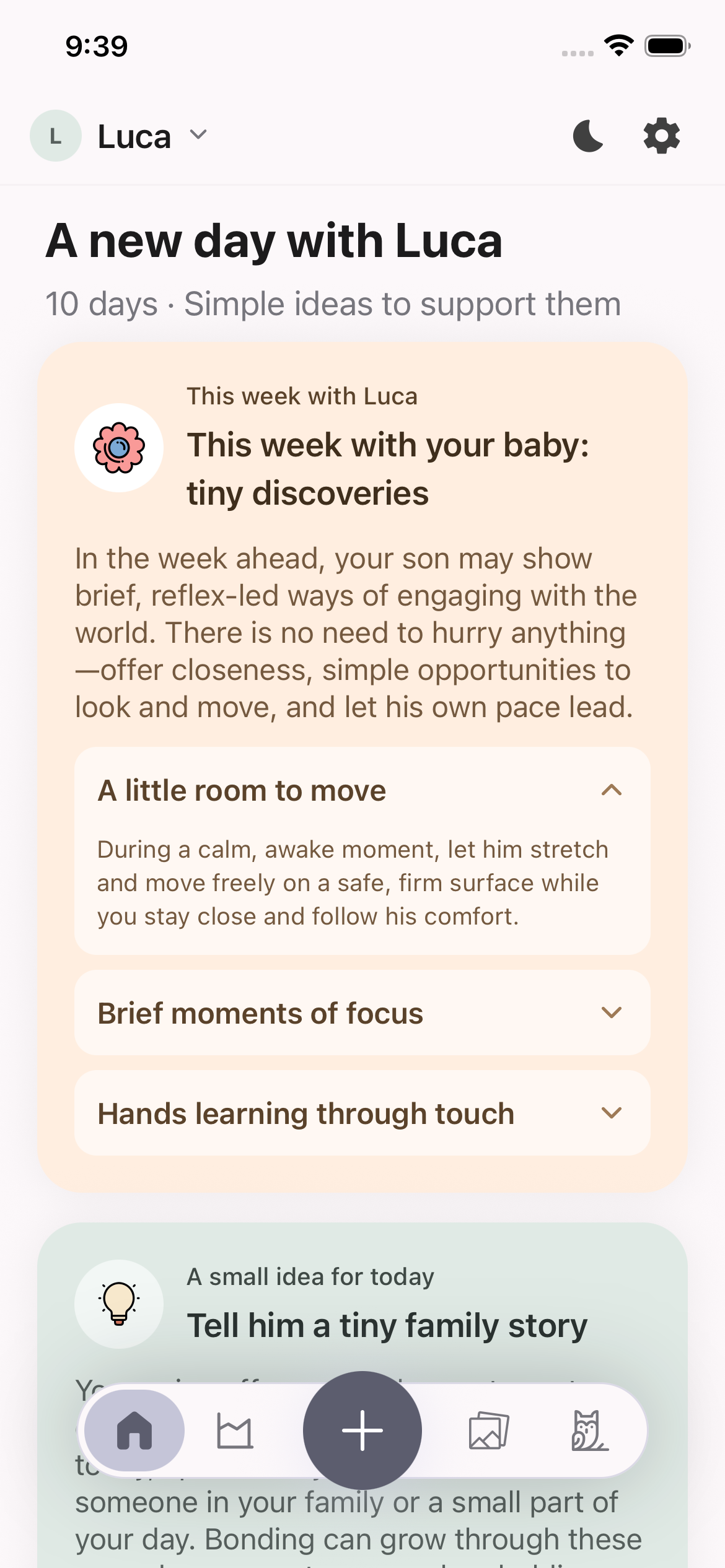
Raw screenshot - weekly tip
-
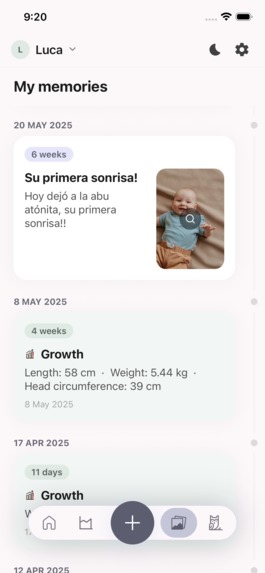
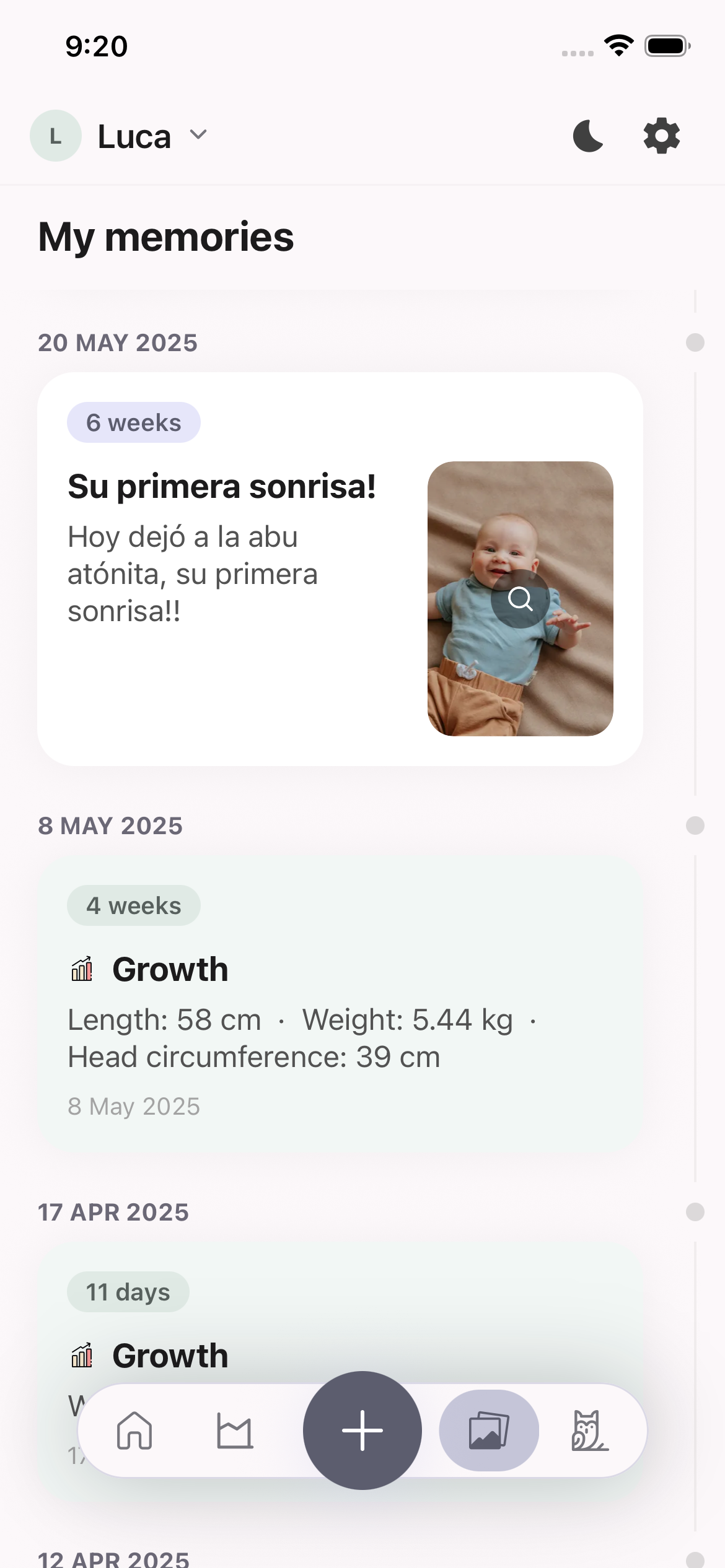
Raw screenshot - timeline
-
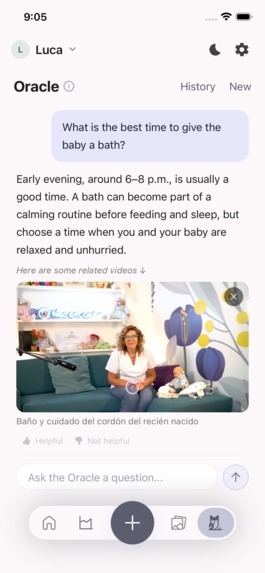
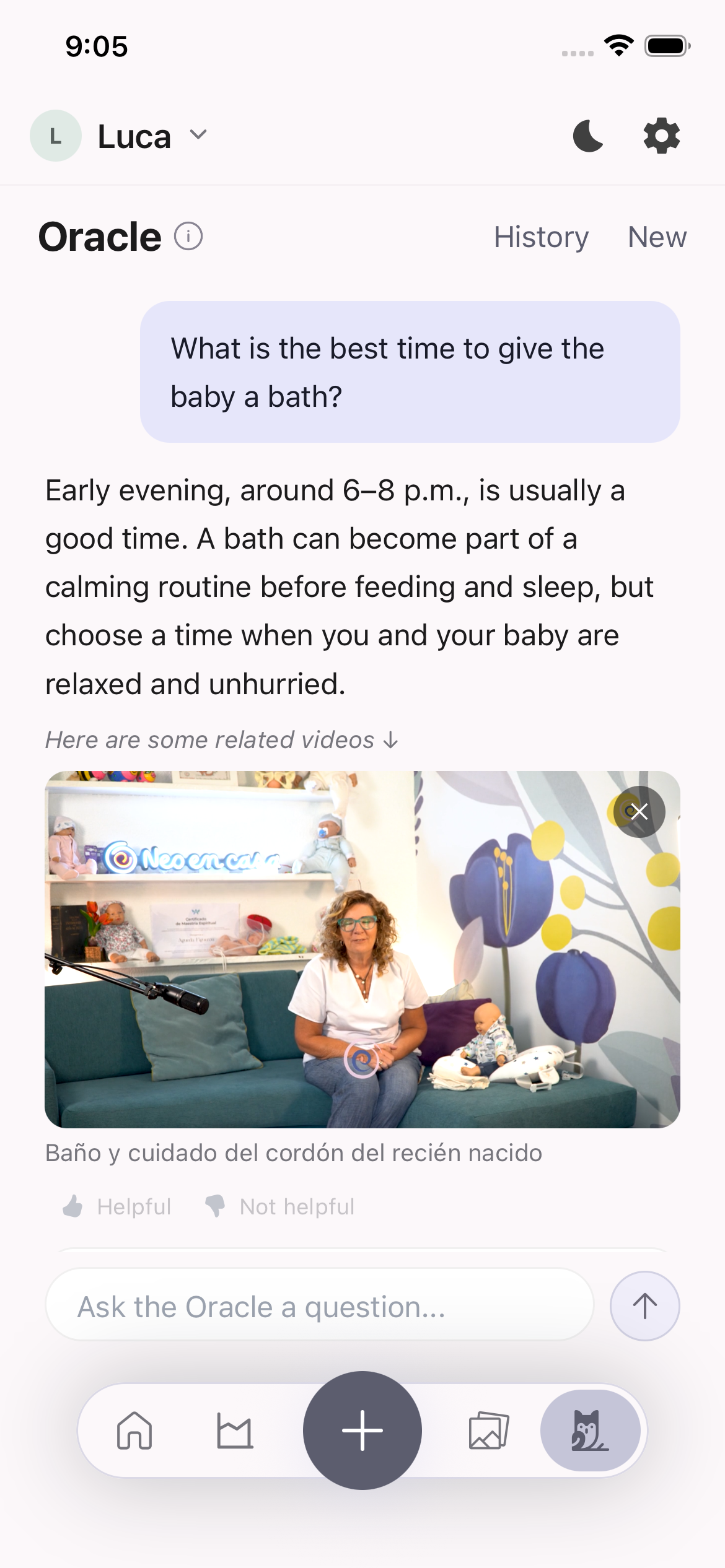
Raw screenshot - Oracle
-
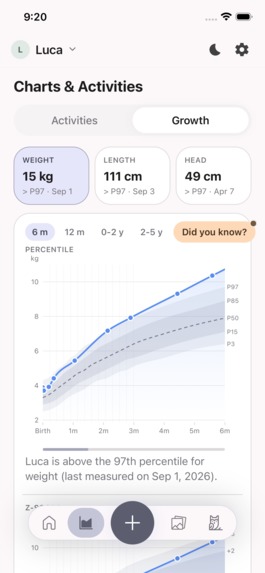
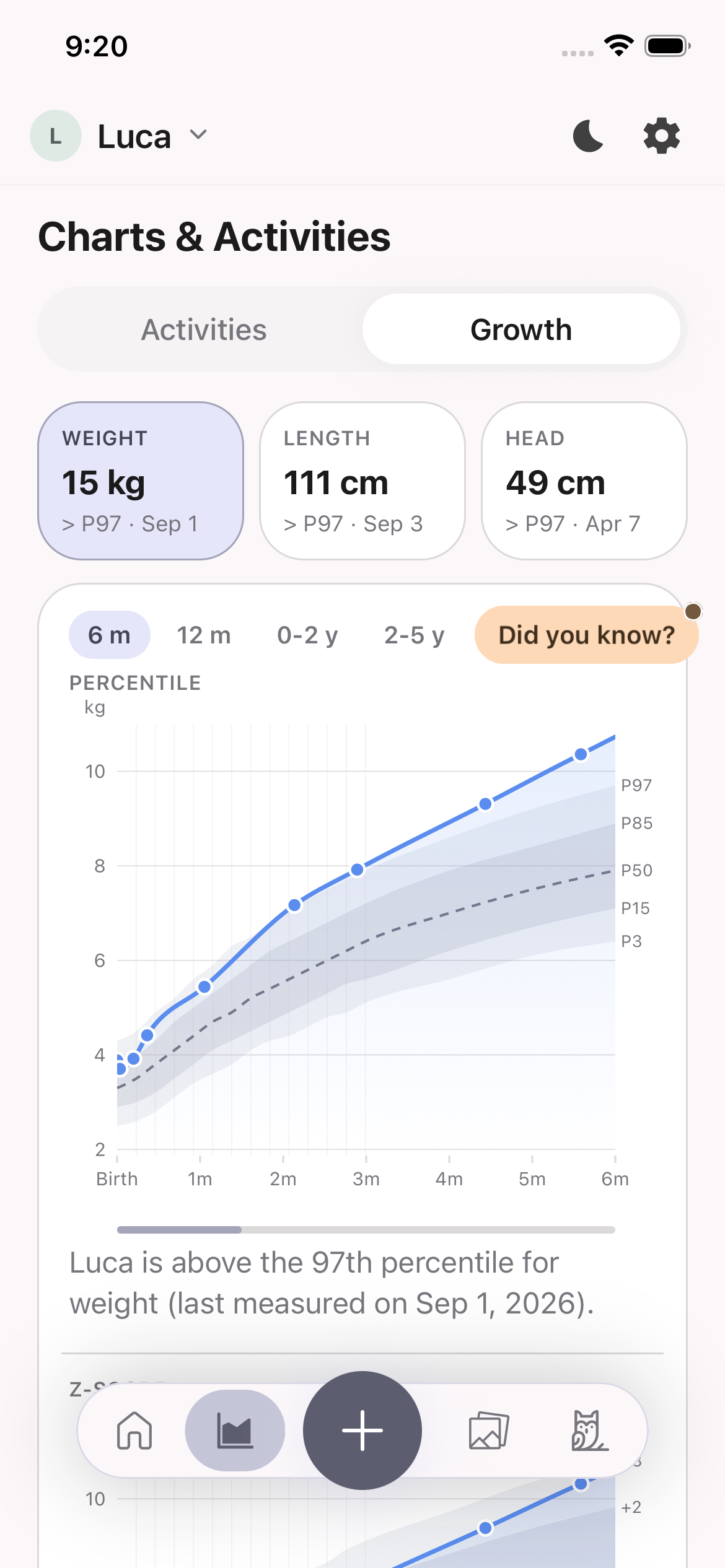
Raw screenshot - growth charts

Inspiration
For more than 30 years, Águeda, a pediatrician, has been with mothers and families through pregnancy, the first days and the first months with a baby. Over all those years she kept hearing the same phrase:
"I wish I could have you at home, on my bedside table."
Those families didn't need just any doctor. They needed someone they trusted to be there when the questions come, which is usually at 3am:
- Is what my baby is doing normal?
- Is she eating enough?
- Why won't he stop crying?
- Should I be worried?
When a baby is born, a family is born too, and along with the love comes exhaustion, uncertainty and a lot of questions. Most of those questions end up on Google or in forums, which often makes the anxiety worse.
That's why we built Lullu: a way to have Águeda's knowledge at home. It gives trustworthy answers based on her experience, explained in a warm and simple way, whenever a family needs them.
What it does
Lullu is an AI parenting companion for a baby's first 1,000 days, from pregnancy to age two, in Spanish and English.
- The Oráculo: an AI assistant that answers only from Águeda's curated knowledge. When it's relevant, it also shows videos of Águeda herself explaining the topic, so parents can hear directly from the expert.
- Tracking: sleep, feeding, diapers, growth curves, medicines and appointments for the baby, plus weight and symptoms during pregnancy, with charts and reminders.
- Vaccination calendars for Argentina, Spain, Uruguay and Chile. The Oráculo answers vaccine questions for the family's country.
- Content for the baby's stage: daily tips, week-by-week pregnancy updates and a memories journal.
The goal is not to replace the pediatrician. It's to make trusted expert knowledge available to many more families, at the moment they need it.
How we built it
Lullu is a React Native + Expo app backed by a FastAPI service on AWS, with Postgres (Neon), Pinecone for retrieval, Clerk for authentication, RevenueCat for subscriptions and PostHog for analytics.
The knowledge base. We turned Águeda's educational content, Q&As and videos into structured chunks. Each chunk is tagged with metadata: age range in weeks, topic, whether it is about the baby or the parent, and pregnancy stage. Videos are transcribed and linked to the chunks they explain.
The chat engine is a LangGraph state machine. Each question goes through these stages:
- Guardrail: blocks unsafe input and sends possible emergencies to an emergency response instead of a normal answer.
- Context manager: adds the baby's age, the family's stage (expecting or born) and the conversation so far.
- Router: decides whether to answer, ask a clarifying question, decline, or call a tool (for example, the country's vaccine schedule).
- Hybrid retrieval: combines dense embeddings and sparse BM25 vectors in Pinecone.
- Heuristic rerank + confidence gate: described below.
- Synthesizer: writes the answer only from the retrieved evidence, gives its own confidence score and attaches matching videos of Águeda.
Reranking is fully deterministic. A chunk's final score is its hybrid retrieval score multiplied by soft metadata factors:
$$ s_{\text{final}} = s_{\text{hybrid}} \cdot m_{\text{age}} \cdot m_{\text{subject}} \cdot m_{\text{stage}} \cdot m_{\text{source}} \cdot m_{\text{quality}} $$
For example, a chunk written for babies aged 8 to 12 weeks gets $m_{\text{age}} = 1.15$ for a 10-week-old, and $m_{\text{age}} = 0.65$ when the baby is far outside that range. Chunks are boosted or penalized, never excluded. We then drop weak and near-duplicate chunks, and if the best evidence is still below a threshold $\tau$, Lullu says it doesn't know instead of guessing.
Monetization. RevenueCat manages one "Lullu Premium" entitlement across iOS and Android: a hard paywall with a 15-day free trial and monthly and yearly plans. A webhook keeps our backend in sync, and if an event is missed, the backend corrects itself from RevenueCat's API.
Challenges we ran into
Usefulness vs. trust. With baby health, a hallucination isn't a quality bug, it's a safety problem. The hard part was knowing when not to answer. We found that our retrieval gate almost never triggered on real traffic, even for questions we couldn't answer. The useful signal was the synthesizer's own confidence: about 0.38 on average for answers it should decline, against 0.93 for answers it got right. We rebuilt the decline logic around that signal.
Messy real-world data. Some of Águeda's video files had accented names stored in two different Unicode forms (NFC and NFD), so exact matching silently missed videos. Small issues like this taught us to treat the knowledge base as production code.
Infrastructure surprises. Our serverless Postgres scales to zero and sometimes dropped connections in the middle of a request. We made idempotent database operations retry automatically. Separately, a race between a RevenueCat webhook and a promo grant briefly locked new users out, which is why we added server-side entitlement self-healing.
Two very different users. Expecting parents and parents of a newborn need different things. Beta feedback made it clear we had to build a separate pregnancy experience instead of one generic app.
A small team moving fast. We kept deciding what to build, what to buy and what to leave for later, while shipping more than 100 features and fixes during the beta.
Accomplishments that we're proud of
- Going from a conversation with Águeda to a complete product on iOS and Android: the app, the backend, the RAG engine, knowledge ingestion, safety, tracking and subscriptions.
- Pairing AI answers with Águeda's own videos, so Lullu feels like a trusted expert rather than a generic chatbot.
- 400+ founding families in the beta and 386k+ views on Instagram.
- Building the roadmap with parents: the pregnancy trackers, appointment agenda, vaccination calendars and activity charts all came from feedback from beta families.
What we learned
- An AI product is the system around the model: retrieval, context, personalization, safety and UX. A great answer is useless if it doesn't fit the parent's situation right now.
- Honest beats confident. Parents told us they prefer "I don't know, ask your pediatrician" over a guess. Every question Lullu couldn't answer shows us what to add to the knowledge base next.
- Parents don't need more information. They need the right information at the right moment, in a form they can use with a baby in their arms.
- Exhausted parents won't fill out forms. That pushed us toward charts, summaries and reminders instead of more data entry.
What's next for Lullu
- Public launch on October 14, 2026.
- Convert our founding families to paid subscribers, and use RevenueCat Experiments to test trial length and pricing.
- Make logging faster (quick actions, possibly voice) and keep expanding the Oráculo knowledge base using the questions it couldn't answer.
- Grow across Spanish-speaking markets, starting from the countries whose vaccination calendars we already support.
Built With
- ai
- amazon-web-services
- expo.io
- fastapi
- llm
- mobile
- openai
- pinecone
- postgresql
- pulumi
- python
- rag
- react-native
- revenuecat
- typescript


Log in or sign up for Devpost to join the conversation.