-

ParcelPlus Logo
-
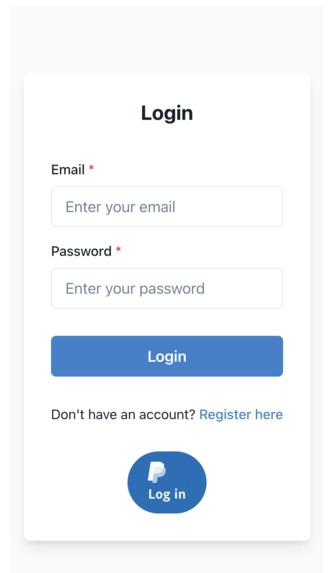
login page
-
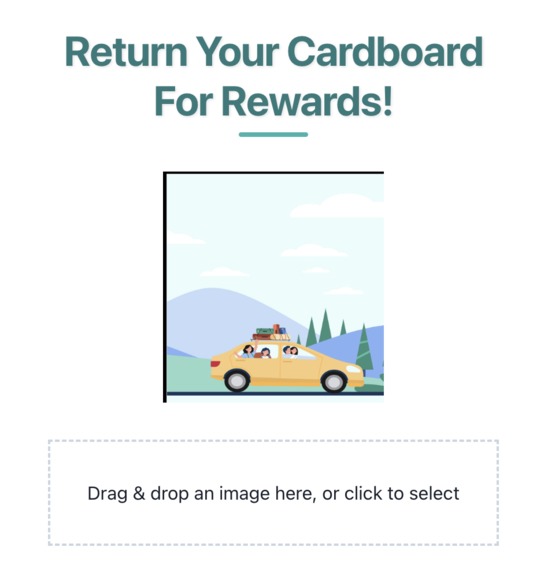
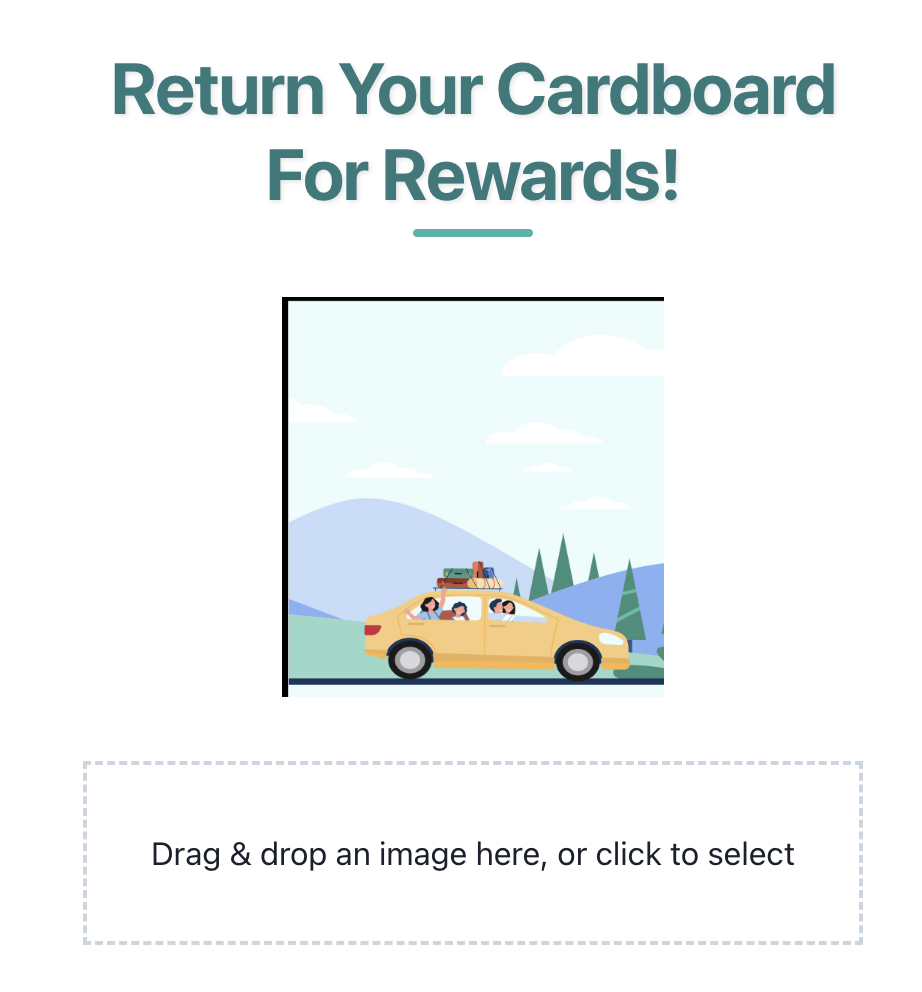
redemption
-
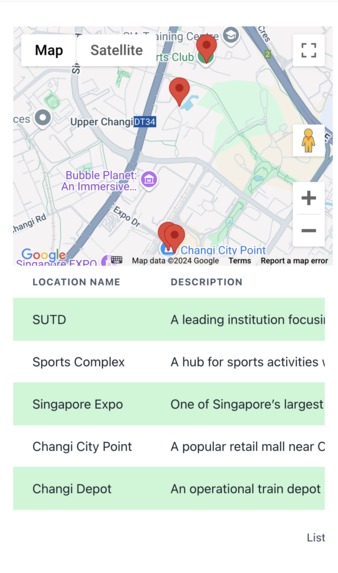
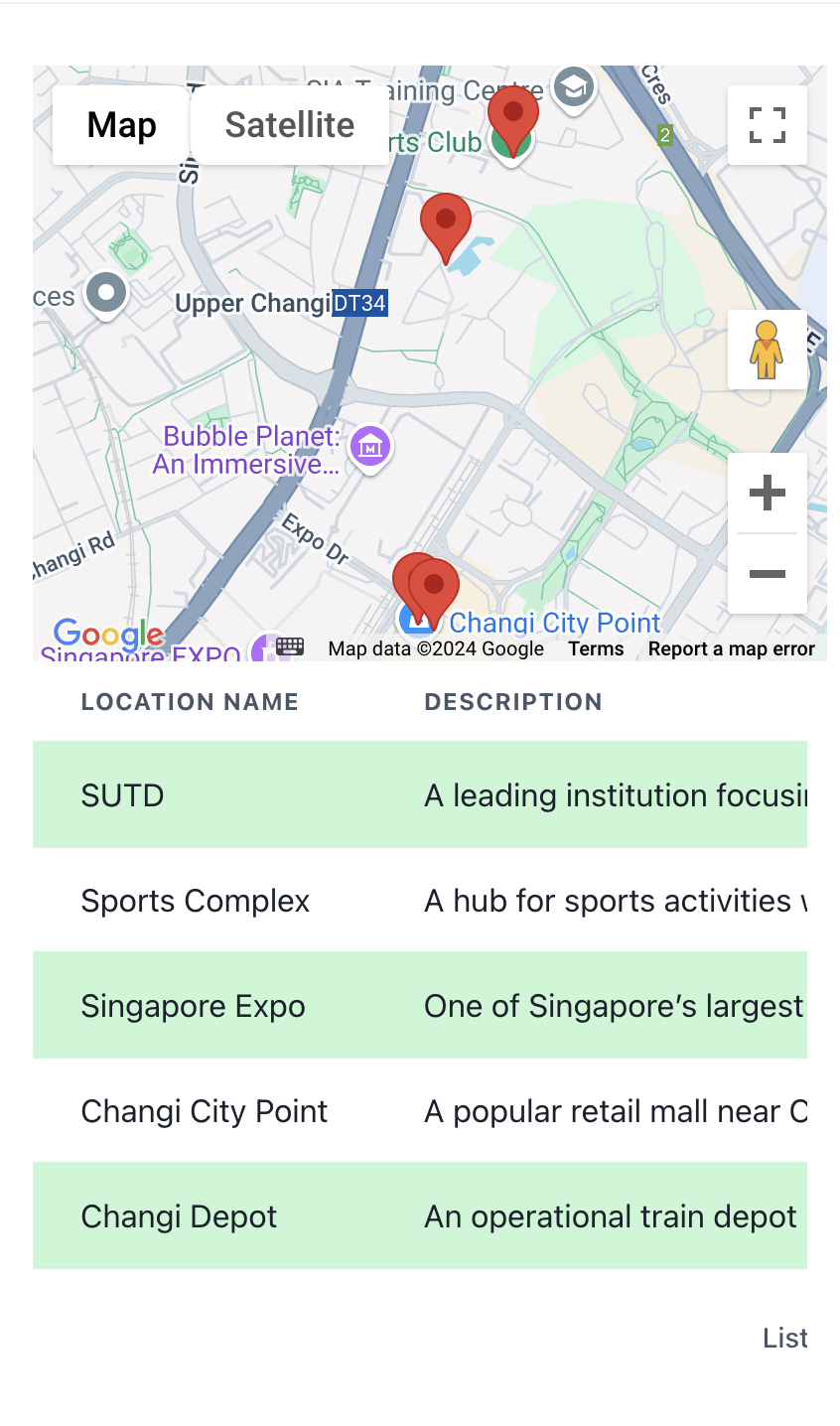
map page

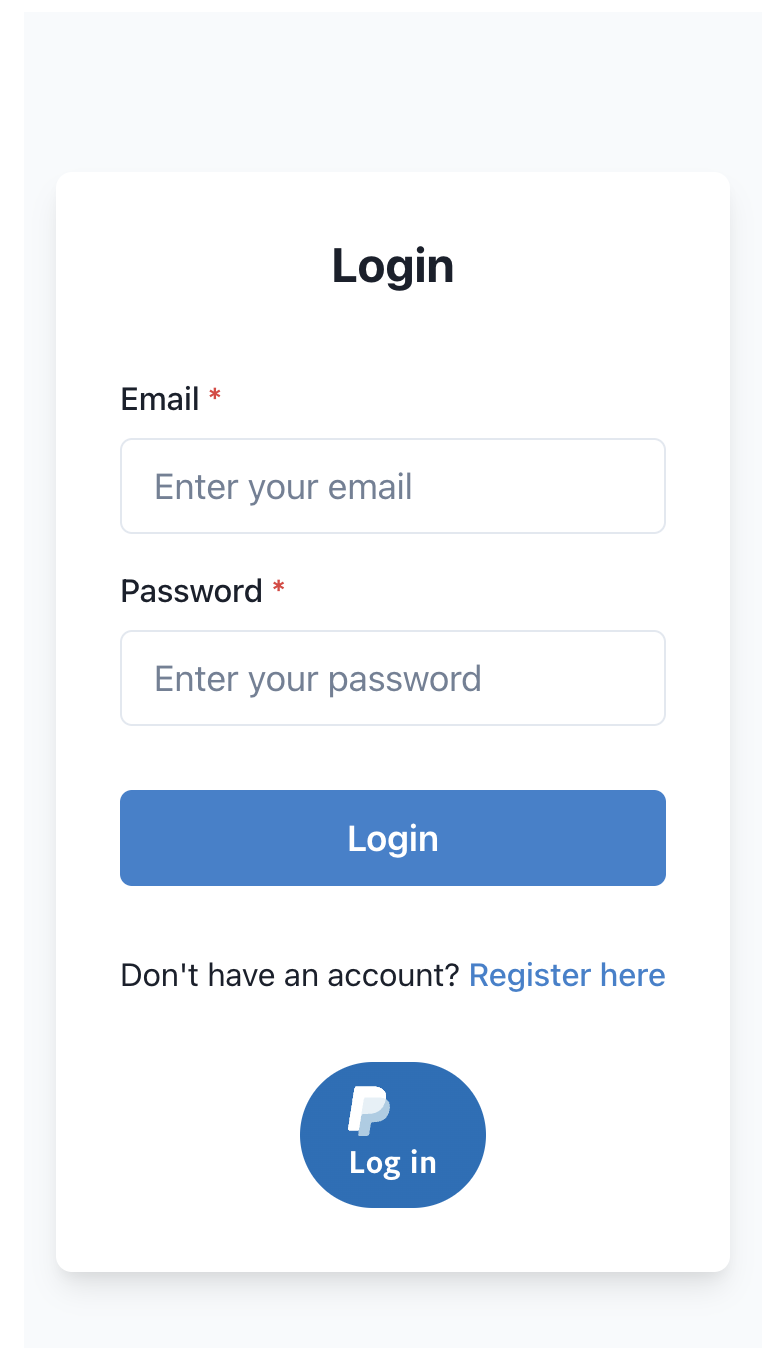
Inspiration
The inspiration for ParcelPlus came from the growing problem of e-commerce packaging waste in Singapore. As frequent online shoppers, we were shocked by the sheer volume of packaging materials—cardboard boxes, plastic bags, bubble wrap—accumulated weekly in our houses.
With Singapore’s limited space and resources for waste management, we realised that many of these materials could be reused. Currently, there are no easy solutions for consumers to return or recycle them. This sparked the idea to create a platform that encourages people to recycle packaging and rewards them for doing so, ultimately helping reduce waste and closing the circular economy loop, to create a more sustainable e-commerce ecosystem.
What it does
ParcelPlus is a mobile platform designed to help consumers return undamaged packaging materials from e-commerce deliveries and earn rewards in return. It provides a user-friendly system that connects consumers with nearby parcel collection points where they can drop off packaging like cardboard boxes, plastic bags, and bubble wrap.
After uploading a photo of the packaging through the app, users are rewarded with platform coins if the packaging is in reusable condition. These coins can be redeemed for e-vouchers on popular e-commerce platforms like Shopee, Lazada, or even local retailers.
By incentivising users to return packaging, ParcelPlus promotes the reuse of materials, reduces packaging waste, and encourages sustainable behavior within the e-commerce ecosystem. It creates a circular economy where packaging is given a second life, rather than being discarded after a single use.
How we built it
Research and Conceptualization: We started by researching the scale of e-commerce packaging waste in Singapore and identifying pain points in the recycling process. This helped us understand the need for a simple and incentivized system that would make packaging returns as easy as possible.
App Development:
- React JS Framework: The app was built using React JS to create an intuitive and responsive user interface.
- Google Maps API: Integrated to display nearby drop-off points for cardboard boxes, making it easy for users to locate collection sites.
- ChatGPT Vision API: Used to analyze uploaded images and verify if they depict cardboard, ensuring users only receive rewards for valid submissions.
- PayPal API: Enables seamless and secure transactions between users and the company’s bank account.
- Supabase: Utilized to record transaction history, providing transparency and allowing the company to track all monetary transfers.
Design and User Experience: We focused on making the app easy to navigate and use. The home screen provides a clear pathway for users to find the nearest collection points through an interactive map. We also integrated AI-powered image recognition through OpenAI API for packaging validation and made the process of earning rewards straightforward.
Challenges we ran into
Time Constraints: The biggest challenge was the limited time available to develop a fully functional prototype in just 24 hours. With a project that involves multiple components like integrating various APIs, both front-end and back-end components, prioritizing features and ensuring a working demo was difficult.
Accomplishments that we're proud of
Functional Prototype: We were able to develop a working prototype within 24 hours that demonstrated the core features of the app. Users can find collection points using an interactive map, take a photo of the packaging for validation, and earn rewards (in the form of mock e-vouchers). This was a huge achievement given the time constraints.
User Experience Design: We were able to design a clean, intuitive user interface that makes it easy for users to quickly find collection points, upload packaging images, and track their rewards, which is central to encouraging adoption.
What we learned
Rapid Prototyping: In a hackathon setting, time is extremely limited, so focusing on rapid prototyping and creating a working MVP was critical. We learned how to prioritize features that would showcase the concept, rather than trying to build a fully polished product.
Simplicity in Design: We learned the importance of simplicity in UI/UX when building an app in a short timeframe. A clean, intuitive interface is essential to ensure users can quickly understand the app’s purpose and functionality without feeling overwhelmed.
Iterative Development: We also learned that iterative development (getting something working first and then improving it) is a great strategy for hackathons. While we couldn’t implement all the features we wanted, we were able to build a solid foundation and improve upon it during the event.
What's next for ParcelPlus
Refining Core Features: After the hackathon, the next step will be to refine and expand the app’s core features. We will include a community driven aspect of the solution by having an additional feature that allows users to offer their homes as collection points to increase the availability and convenience of collection points, further driving individual change.
Sustainability and Impact: We aim to derive a measurement of the impact of packaging returns, to show tangible environmental benefits.
Built With
- chakra
- javascript
- paypal
- react
- supabase
- zed

Log in or sign up for Devpost to join the conversation.