-
-
ParaMyth: A world of stories. A story only you can tell.
-
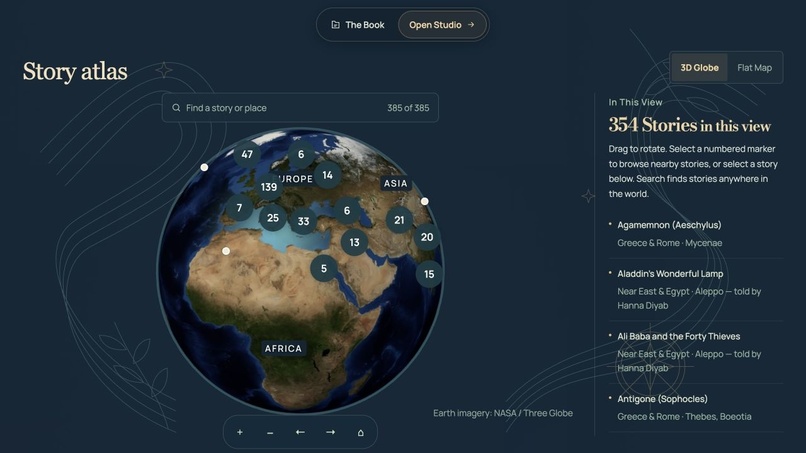
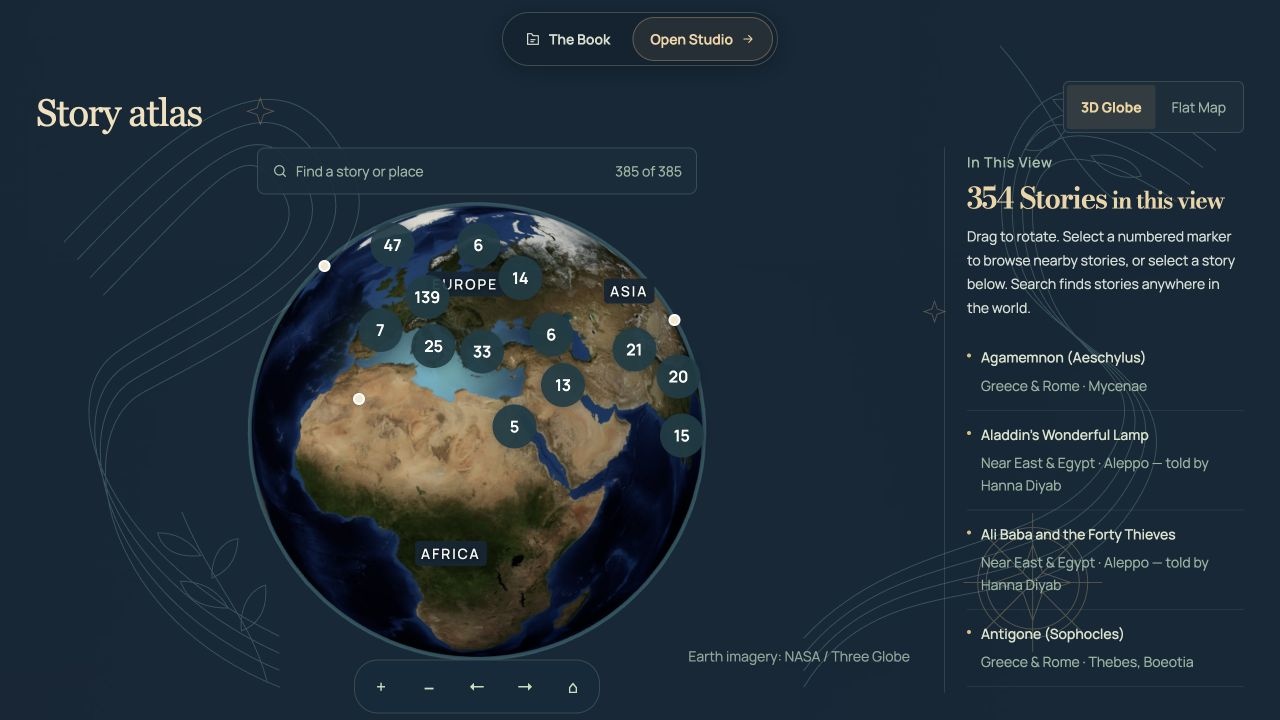
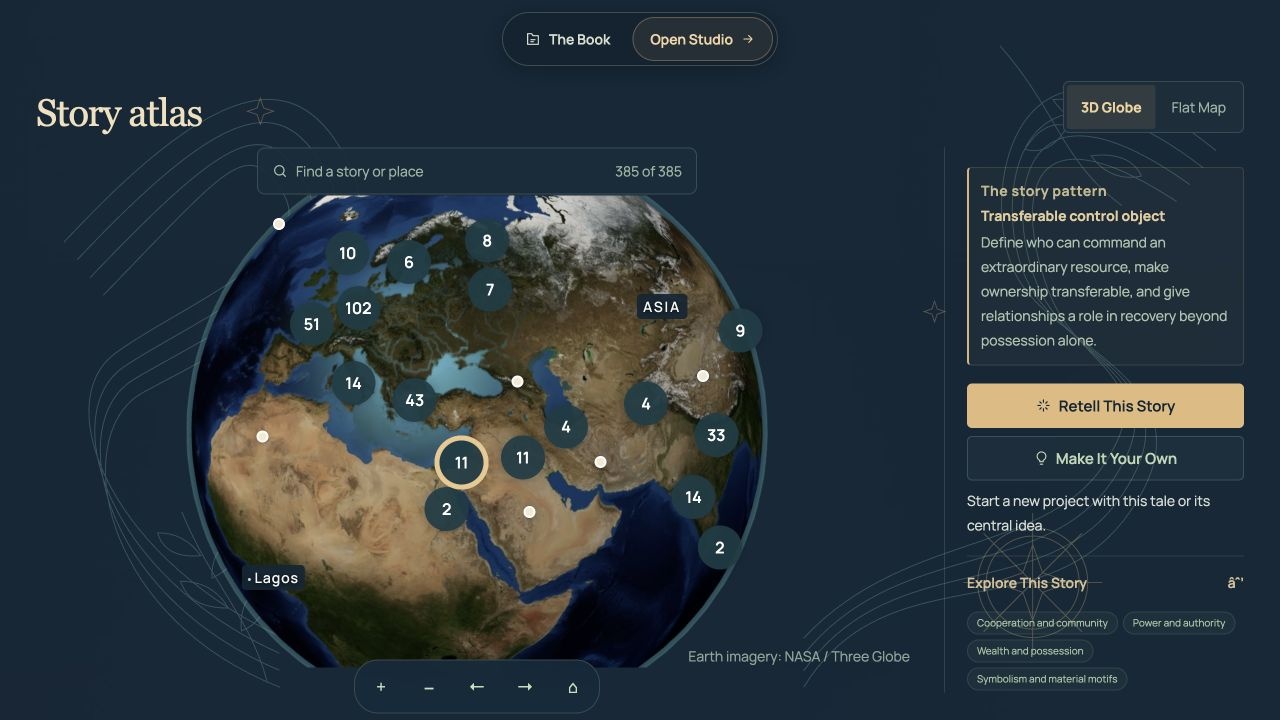
Explore 385 myths, fairy tales, and epics on an interactive globe, then turn a literary starting point into your own project.
-
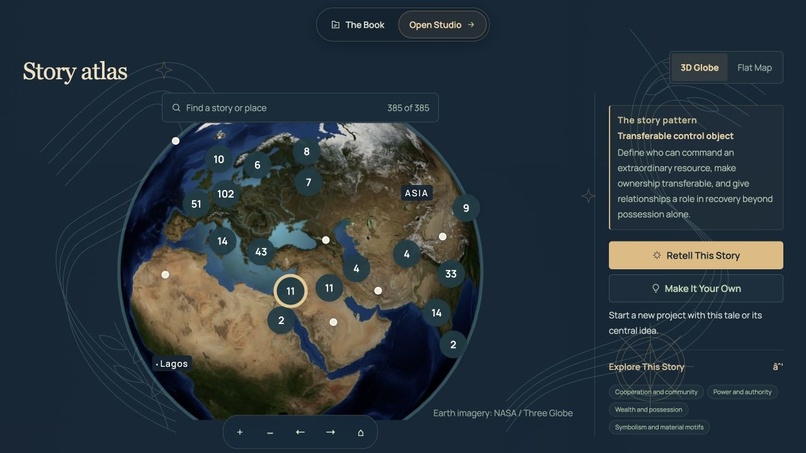
Go beyond plot summaries: explore a tale’s narrative mechanism, cultural origins, and possibilities for a new adaptation.
-
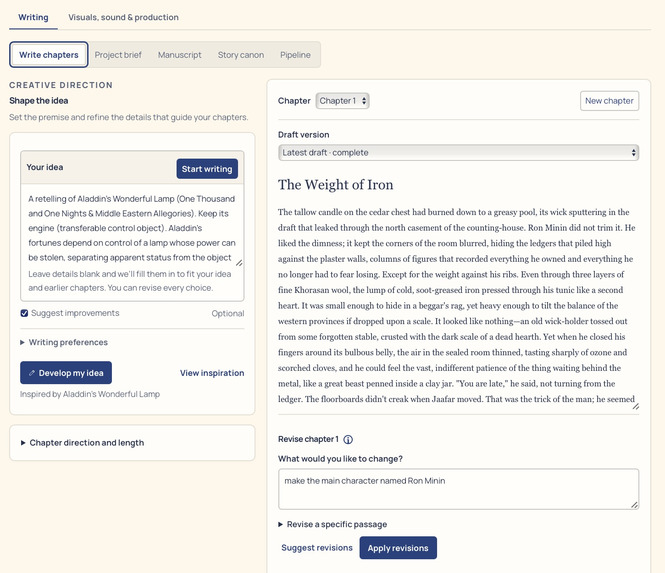
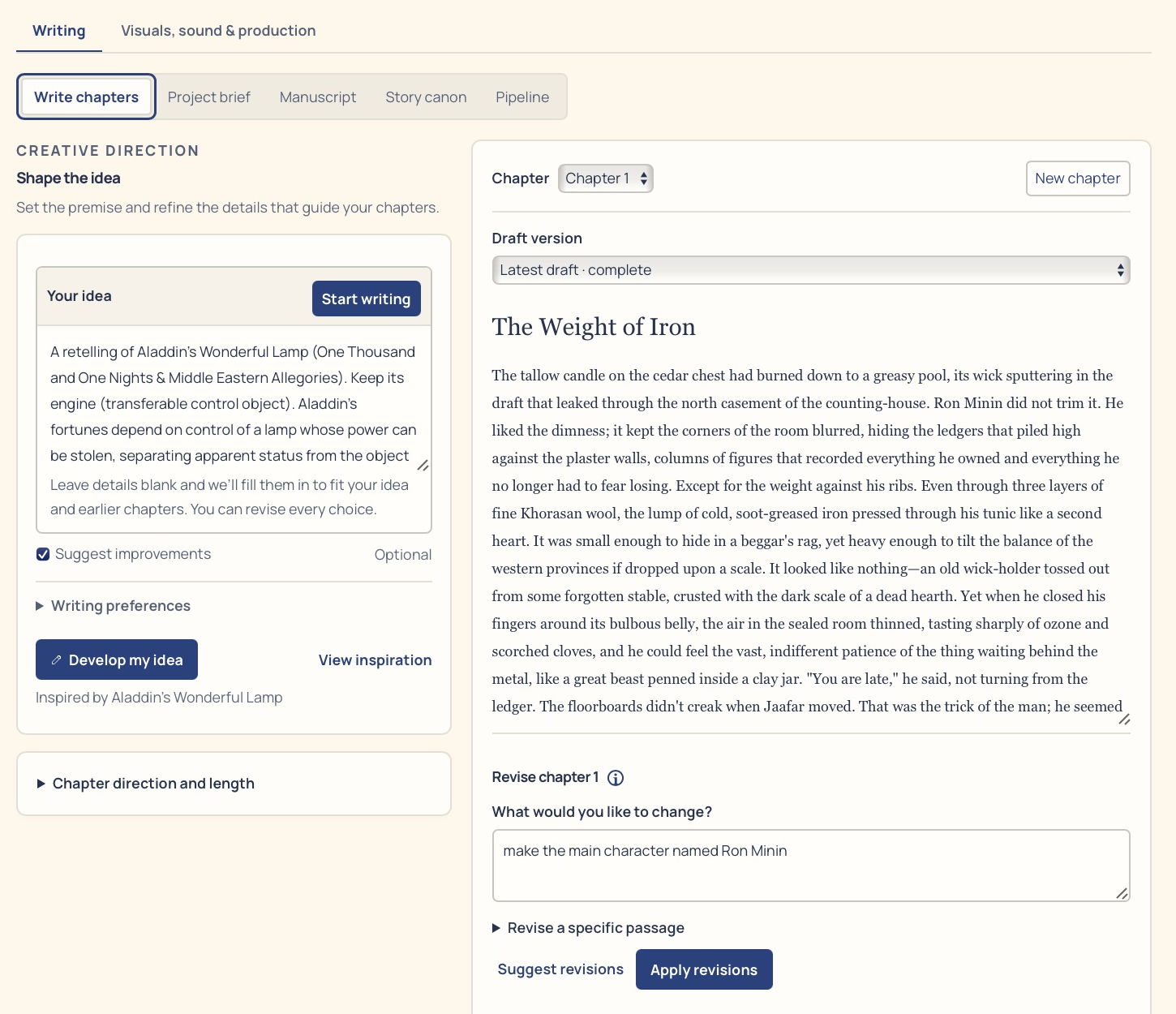
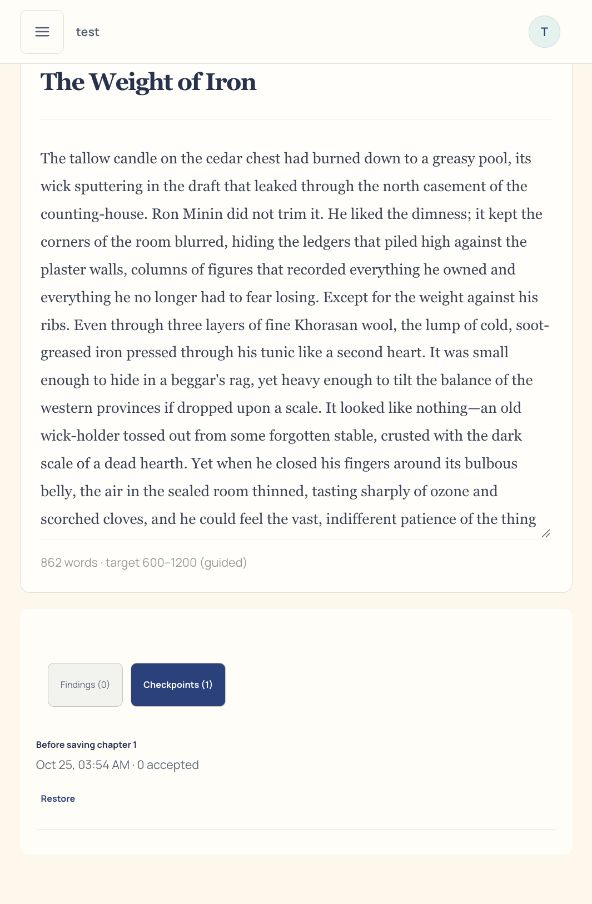
Turn an idea into editable chapters, compare draft versions, and direct revisions while keeping earlier writing in context.
-
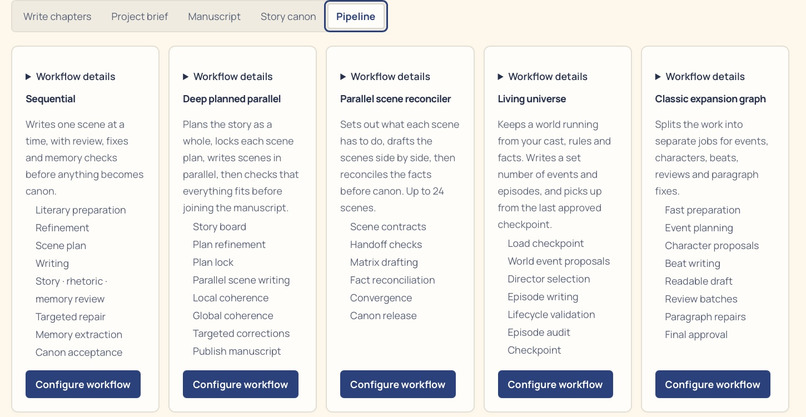
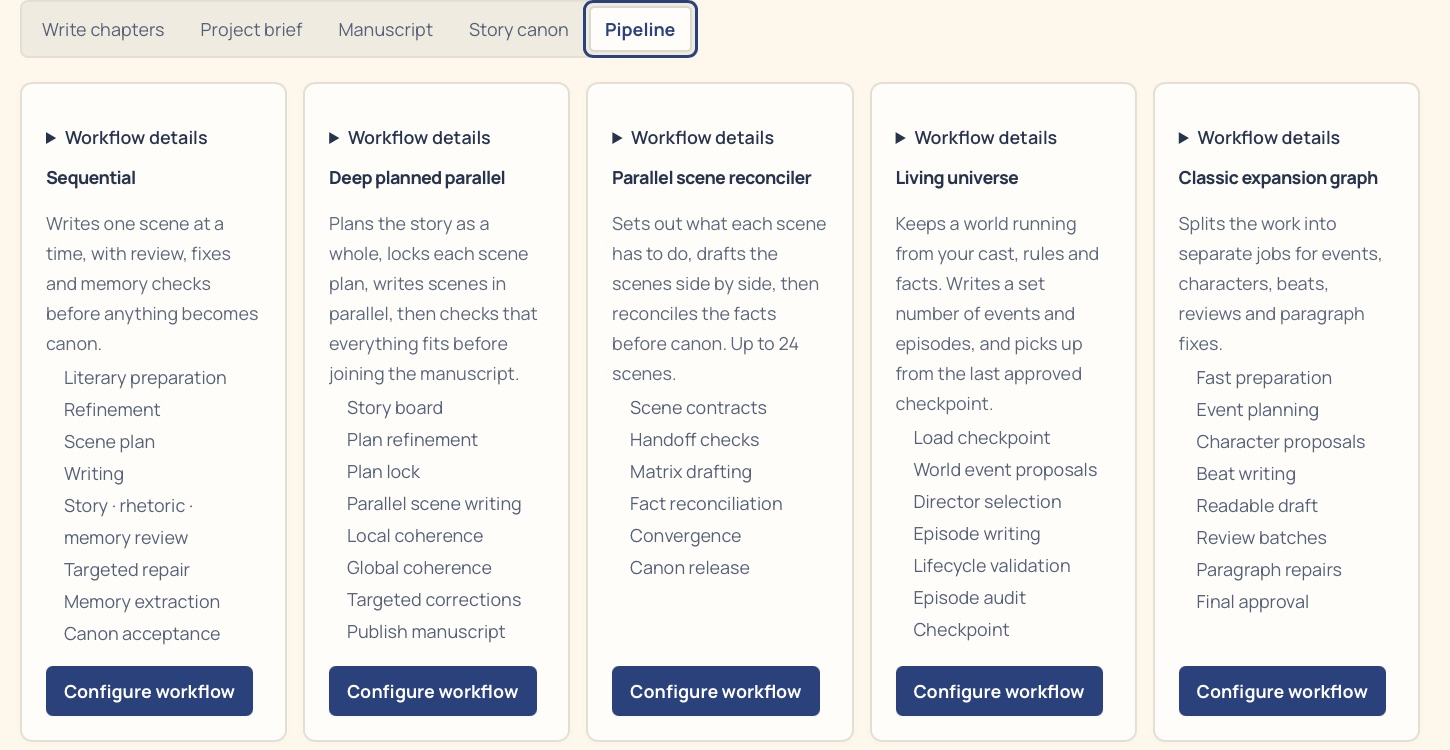
Explore five agent workflows with planning, parallel writing, review, repair, memory checks, and canon acceptance.
-
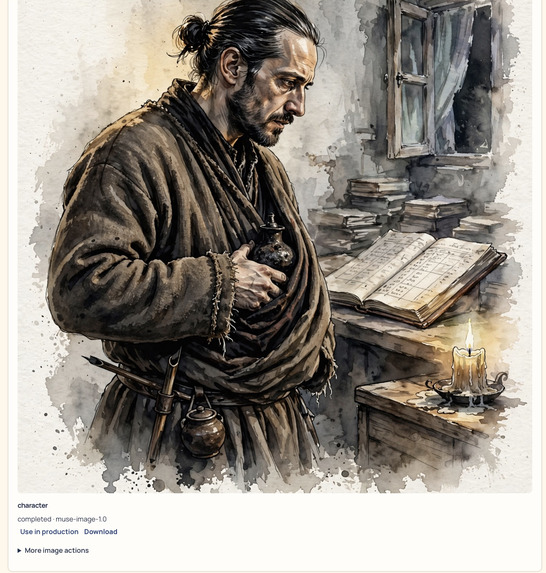
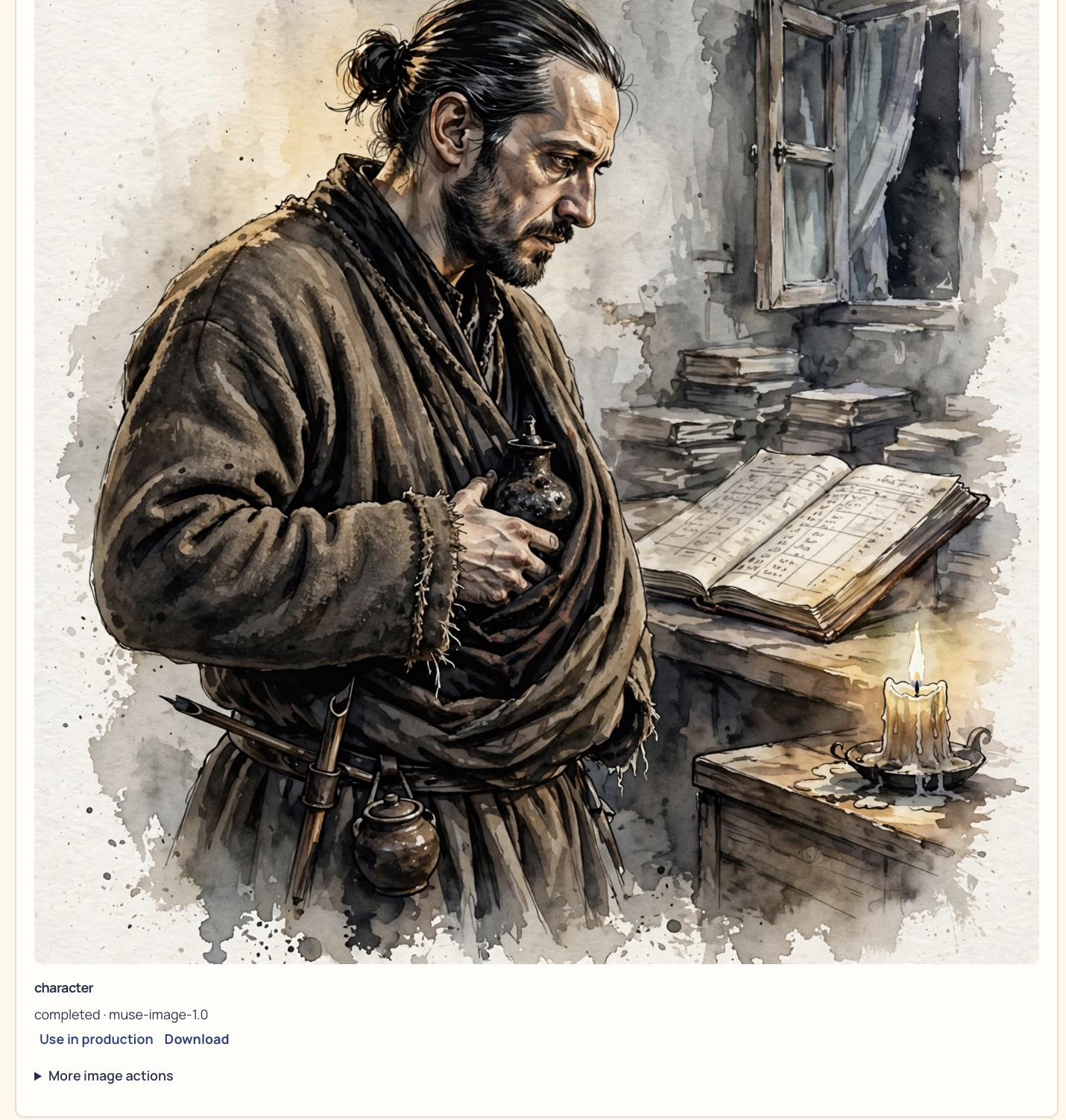
Meta Muse Image turns project writing into a shared visual reference, saved with its model identity and ready for production.
-
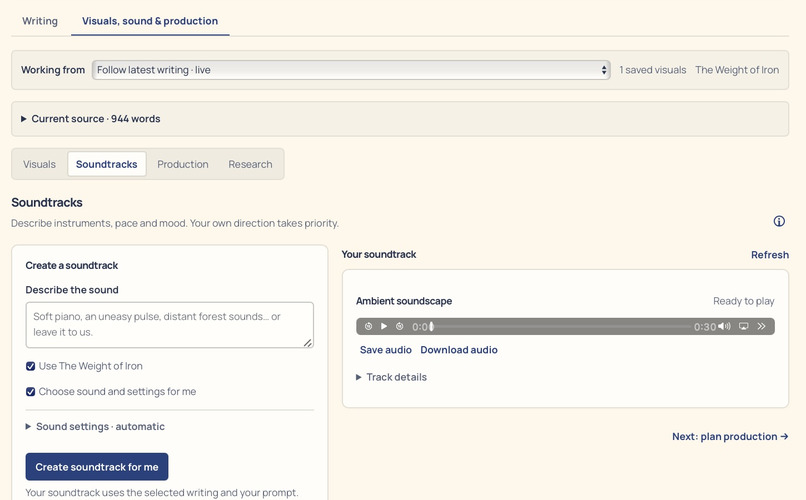
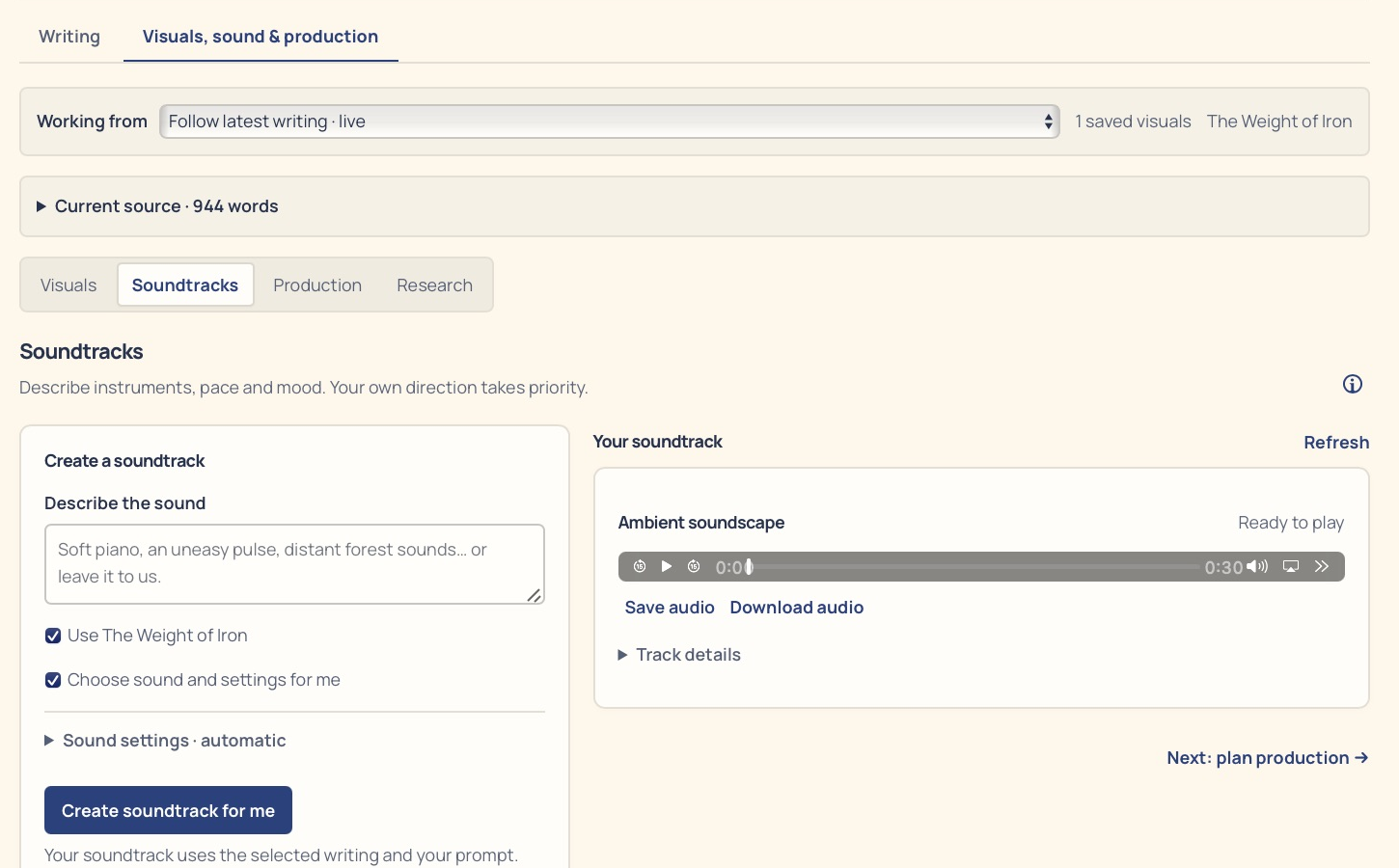
Shape audio from story context and creative direction, then play or download it. Shown: a generated local ambient soundscape.
-
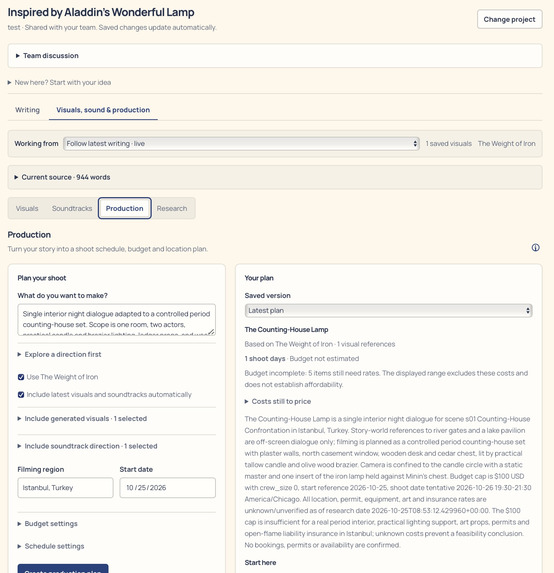
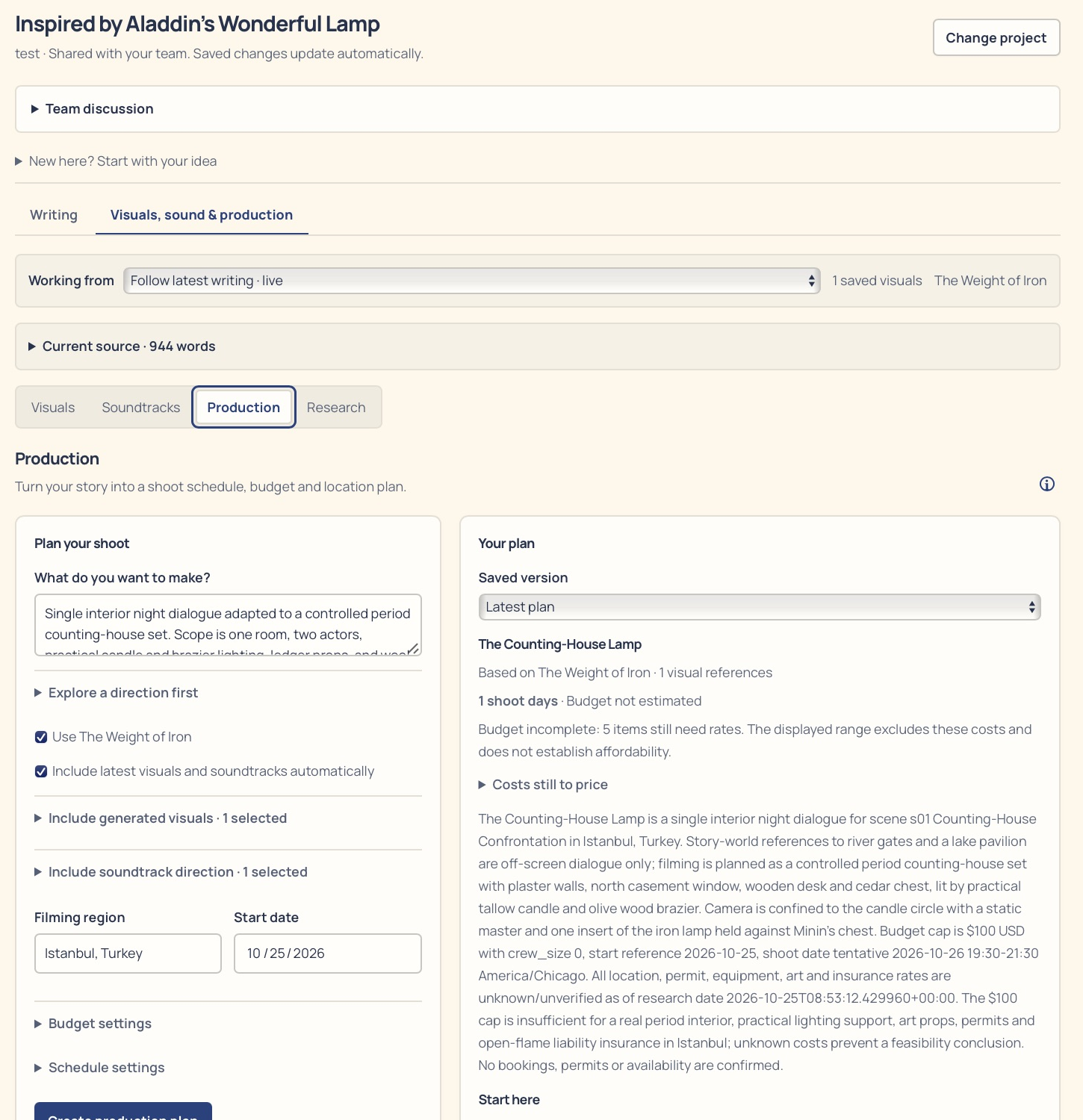
Turn a story, visual references, and sound direction into a production approach, location leads, tasks, and a shoot plan.
-
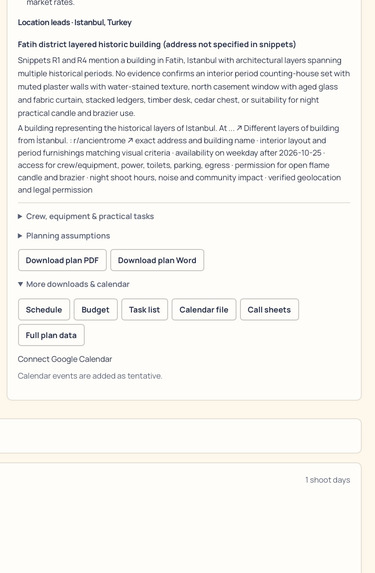
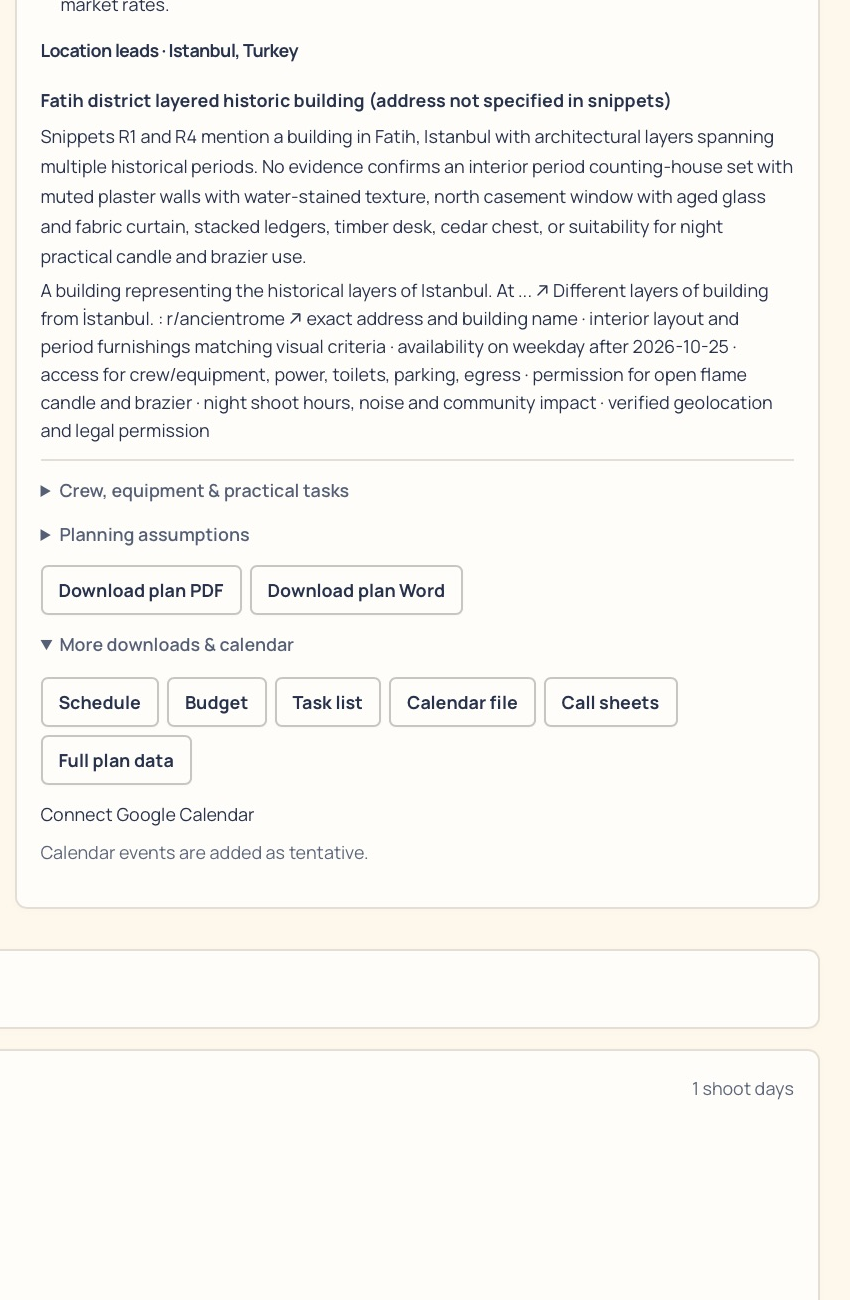
Carry the plan into production with PDF and Word dossiers, schedule and budget CSVs, call sheets, and calendar exports.
-
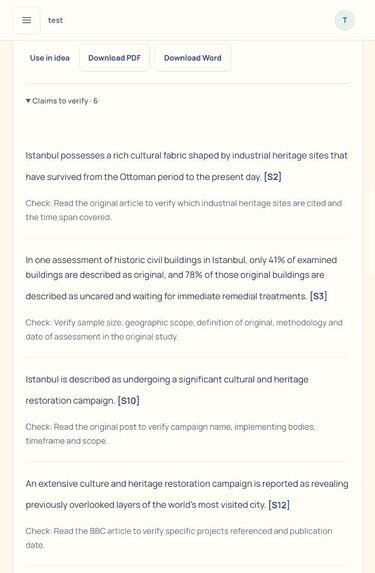
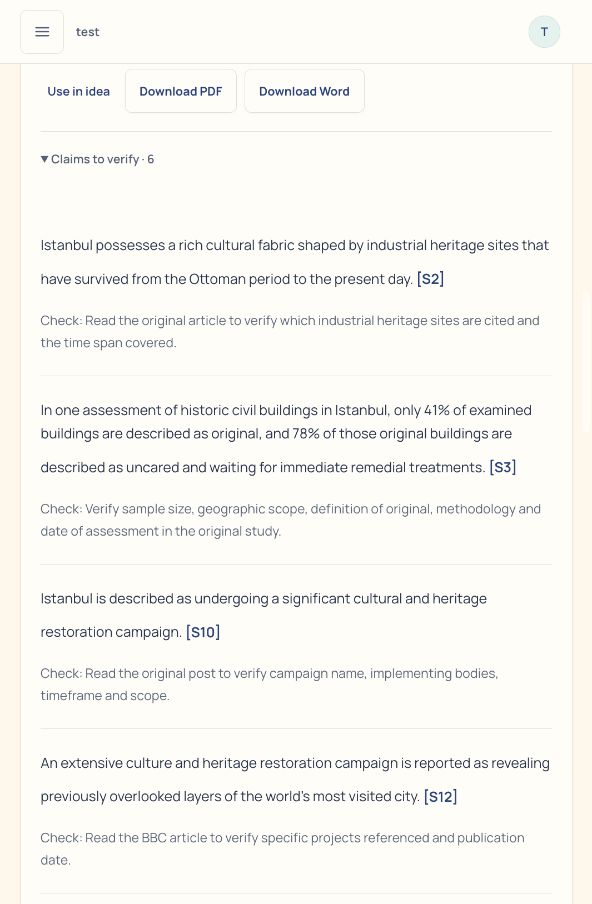
SerpAPI research becomes an evidence-linked documentary dossier with source leads, claims to verify, and practical next steps.
-
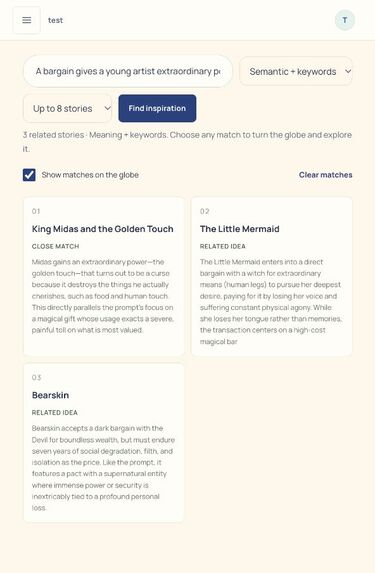
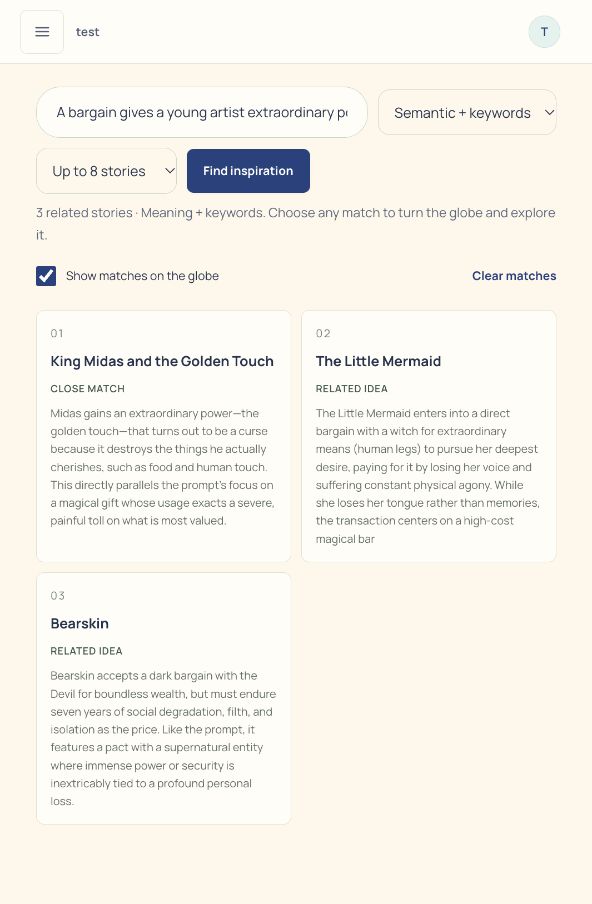
Gemini-powered meaning search finds literary parallels and explains how each story connects to your original premise.
-
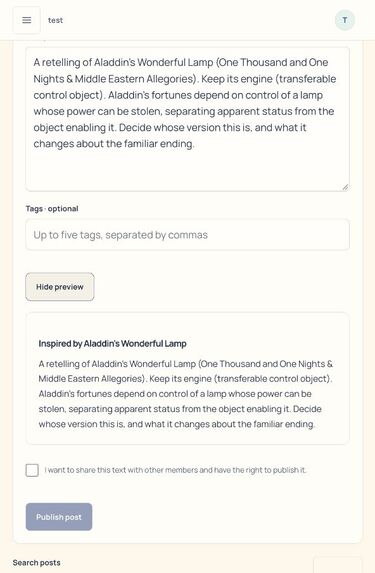
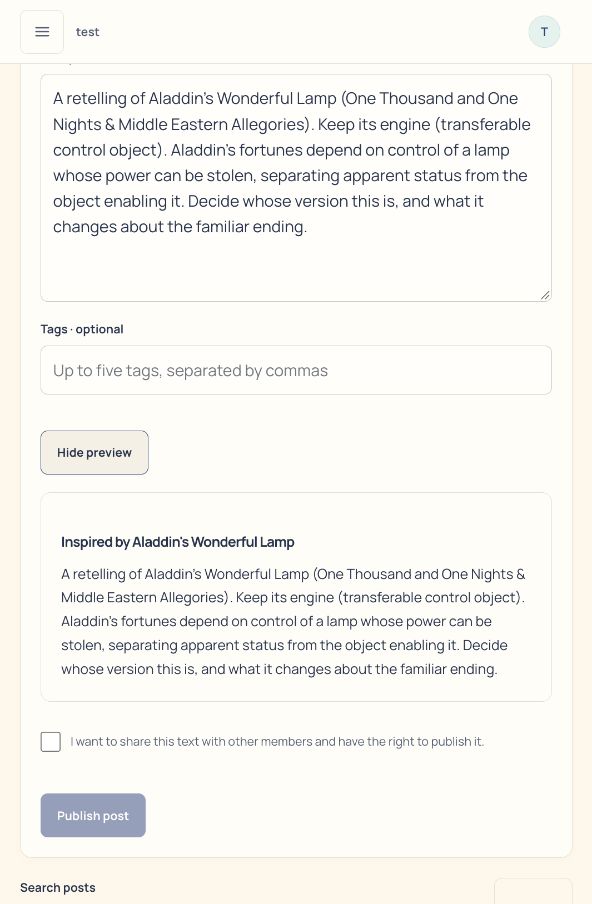
Preview and share a project, story, or character snapshot with the community while keeping private project work separate.
-
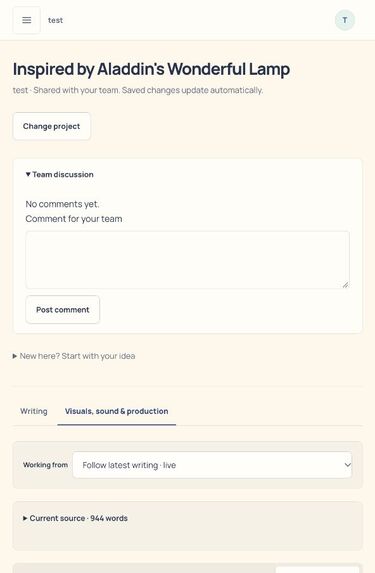
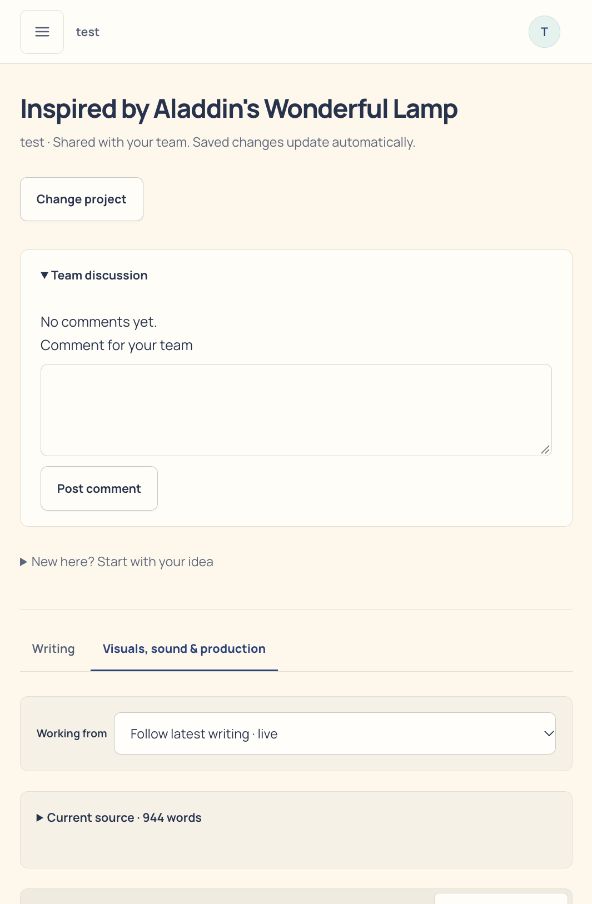
Tiger Data backs accounts and team permissions; shared projects bring writing, media, and team discussions into one workspace.
-
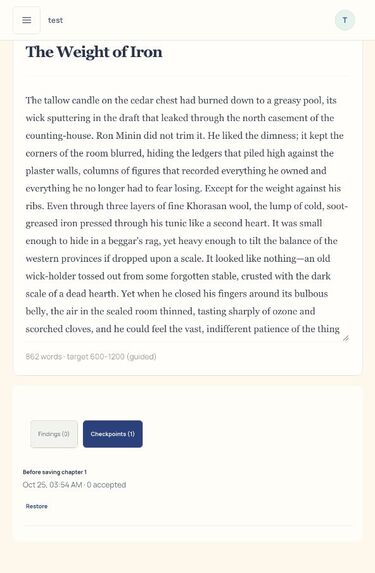
Keep control of the manuscript with saved checkpoints, review tools, and explicit acceptance before a scene becomes canon.
-
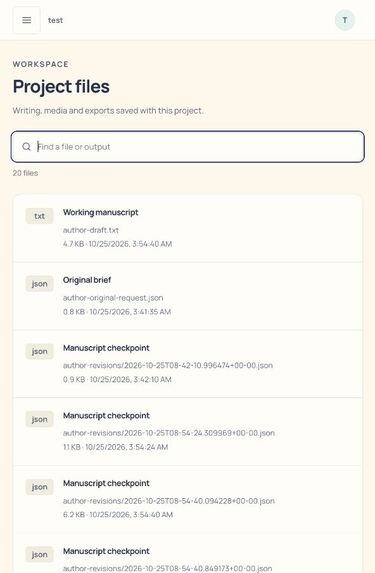
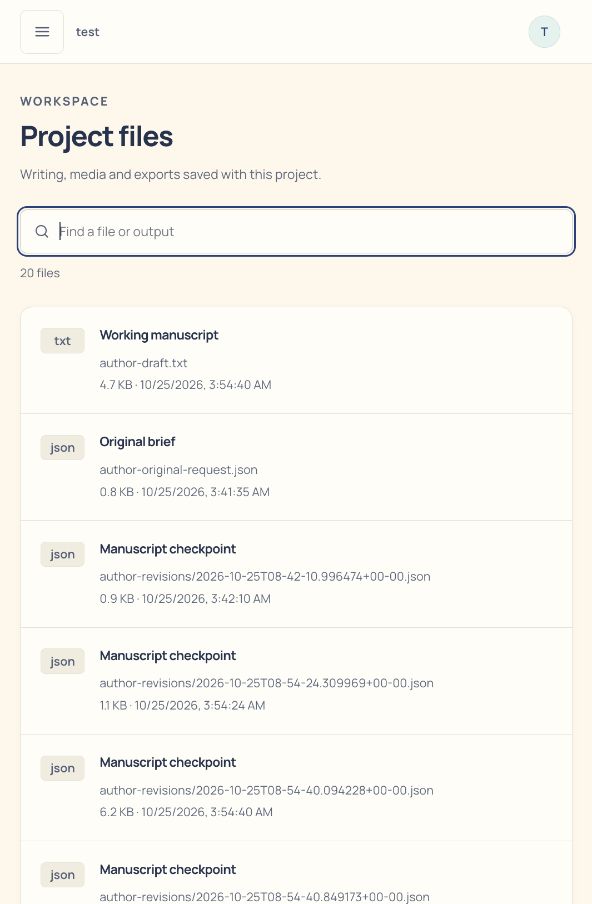
Keep manuscripts, briefs, generated visuals, research, soundtracks, and production artifacts together in a searchable library.
Inspiration
We started with HackTX’s fairytale theme and asked ourselves how we could turn it into something useful. We thought about storytelling as a creative outlet, and movies immediately came to mind.
We felt that so much of entertainment revolves around recycling familiar franchises and sequels for profit. At the same time, the enthusiasm around original work and ambitious adaptations of classics like The Odyssey reminded us how much room there is to rediscover stories and give them a new perspective.
We wanted to help creators bring overlooked stories to life, reimagine familiar tales, and develop entirely original worlds. But having an idea is only the beginning—turning it into something others can experience takes writing, visuals, sound, collaboration, and planning.
That became ParaMyth: a collaborative creative studio that helps people develop their ideas and gives them practical tools to bring those ideas to life.
What it does
ParaMyth helps writers, filmmakers, and creative teams develop a project from its earliest premise.
Users can explore a Story Atlas for inspiration, develop characters and ideas, write chapters, and request suggestions or revisions. They can then turn selected writing into visual references, create soundtracks, and prepare production plans with schedules, budget estimates, and location research.
For documentary projects, ParaMyth can help gather source leads, organize research, and prepare interview questions.
Team workspaces let collaborators share writing and creative materials, discuss changes, and build on each other’s ideas. Community Discovery gives creators a place to intentionally share snapshots of their stories, characters, and projects.
How we built it
We built ParaMyth around a shared project that carries context between its creative tools. The writing you develop can become the starting point for your visuals, soundtrack, and production planning.
We brought together Meta for image generation and agentic large language model orchestration, Gemini for semantic discovery and text capabilities, Vultr for writing, music, and production reasoning, SerpAPI for real-world research, and Tiger Data for accounts and team collaboration.
For the Northmark challenge, we developed reusable orchestration infrastructure to coordinate creative tasks, manage context, track progress, and preserve results.
We connected these capabilities through a web interface designed to let users move naturally between exploring, writing, collaborating, and planning.
Challenges we ran into
Keeping writing, visuals, music, and production plans connected as a project changed was our biggest challenge. We also worked on preserving creative control, handling conflicting team edits, and separating researched information from uncertain estimates.
Accomplishments that we're proud of
We connected inspiration, writing, visuals, sound, and production planning in one collaborative workspace. We’re especially proud of helping creators move from imagining a story to exploring how they could bring it to life.
What we learned
We learned that creative AI needs more than generation: it needs context, editable suggestions, reliable saves, and collaboration. Supporting different creative starting points helped us build beyond a single prompt box.
What's next for ParaMyth
We want to improve collaboration, strengthen continuity across longer stories, and expand production research. Our goal is to make the journey from an idea to a finished creative project smoother.
Built With
- anime.js
- d3-geo
- docker
- fastapi
- gemini-api
- github
- leaflet.js
- meta-model-api
- numpy
- postgresql
- python
- railway
- react
- serpapi
- sqlite
- tailwind-css
- three.js
- tiger-data
- topojson
- typescript
- uvicorn
- vite
- vultr


Log in or sign up for Devpost to join the conversation.