-
-
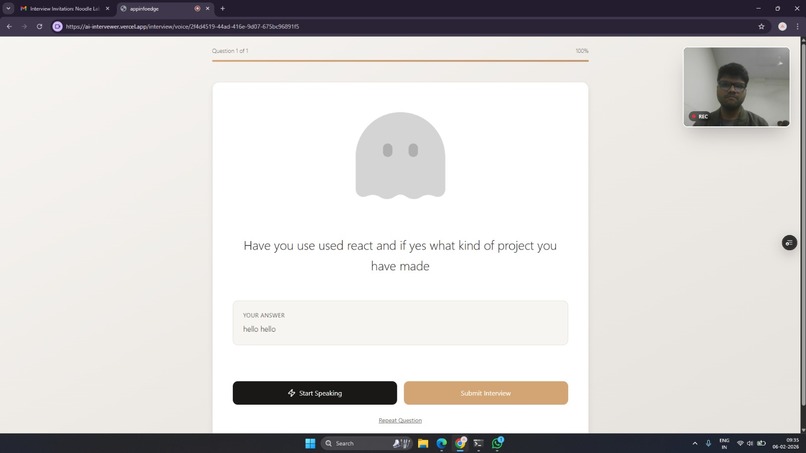
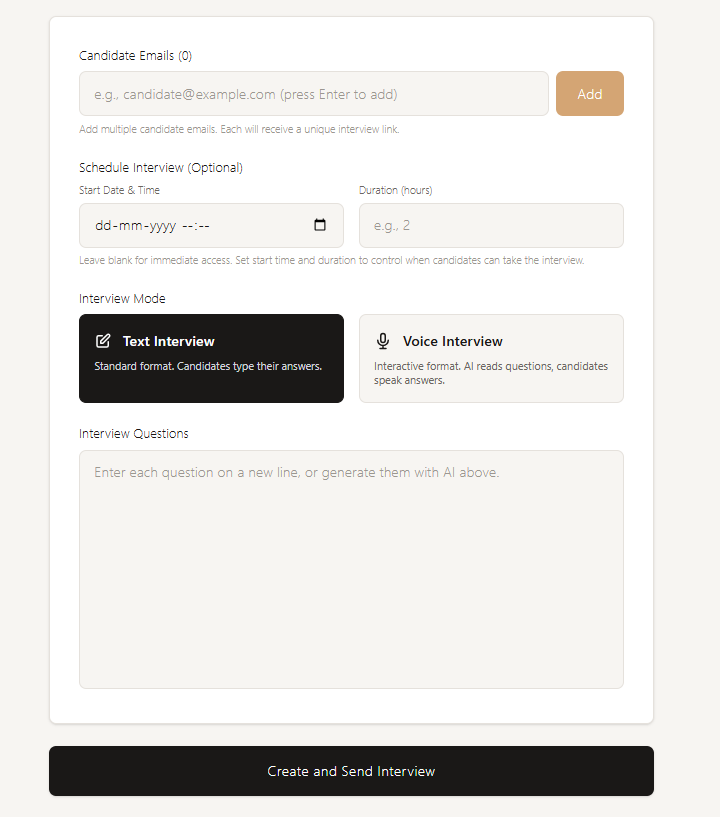
Video interview
-
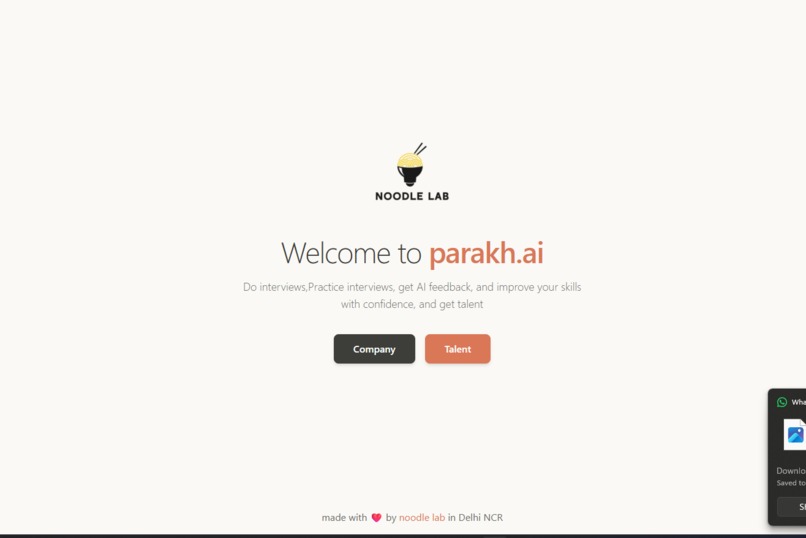
choose between company and talent
-
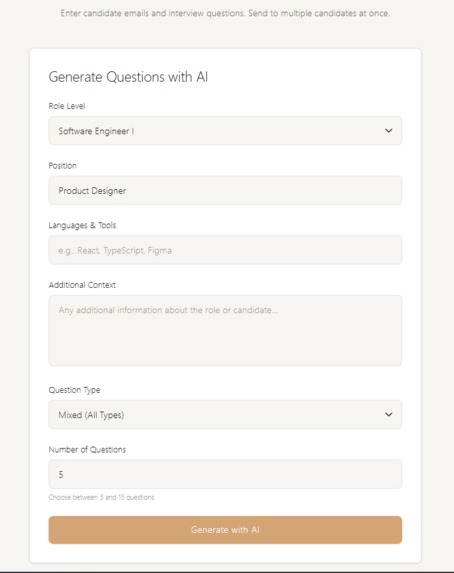
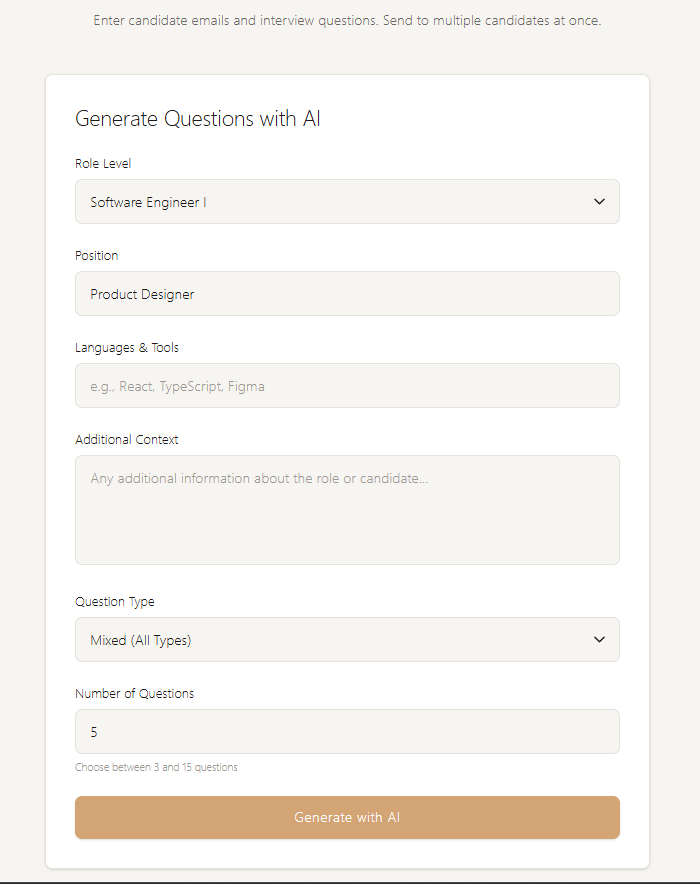
create interview
-
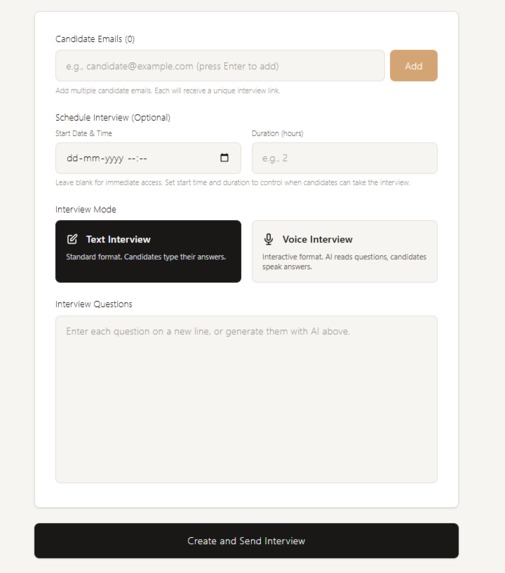
craete and send interview
-
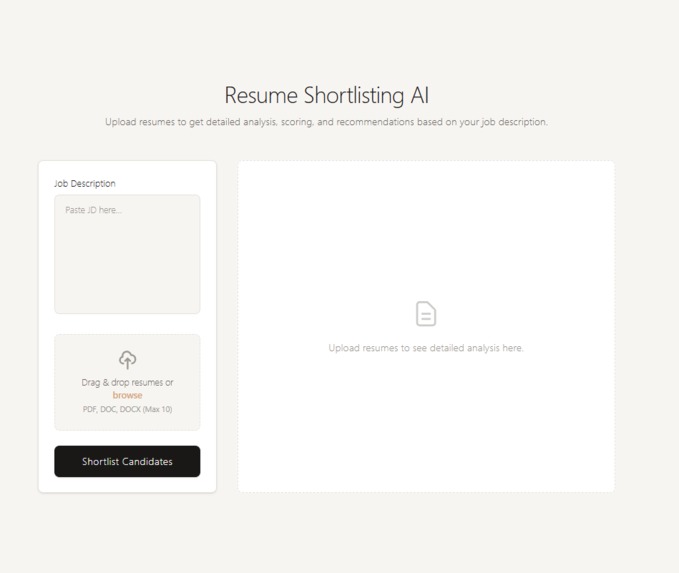
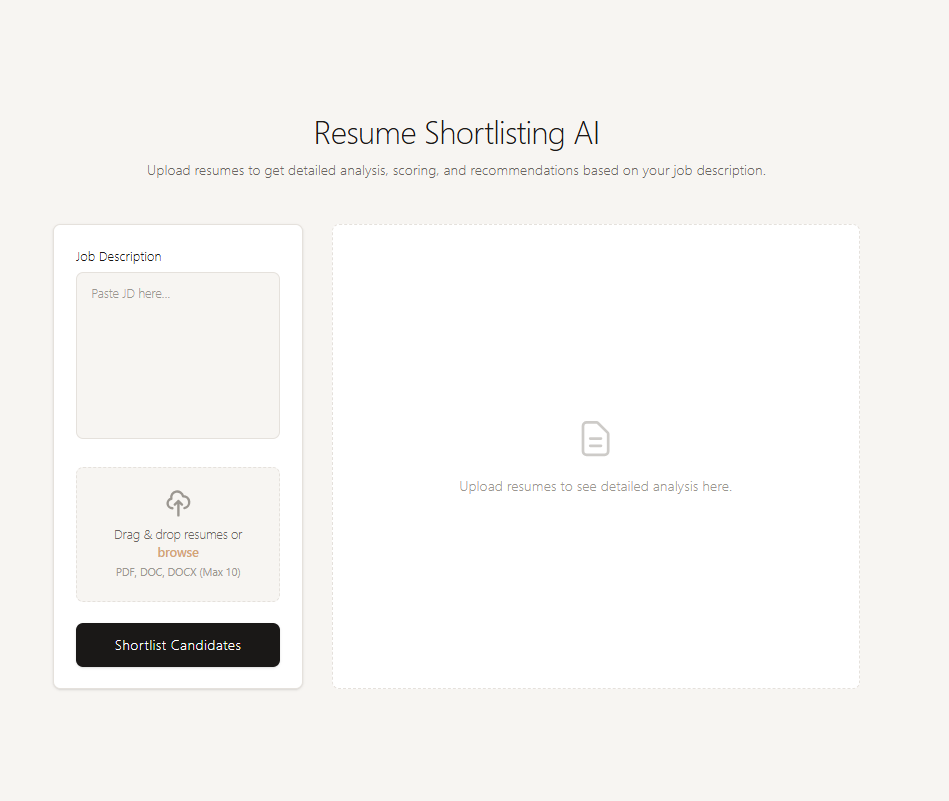
resume analyser
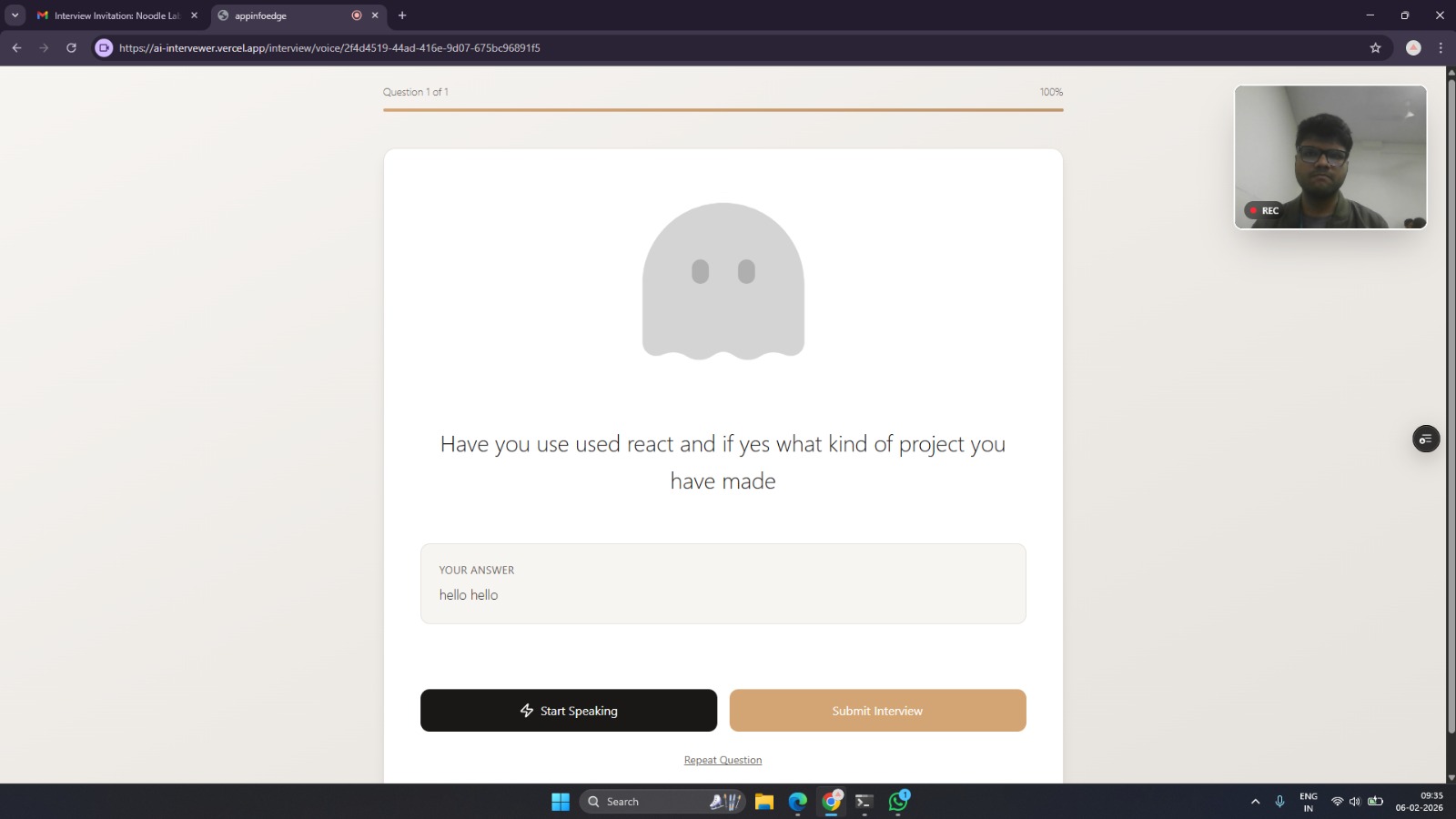
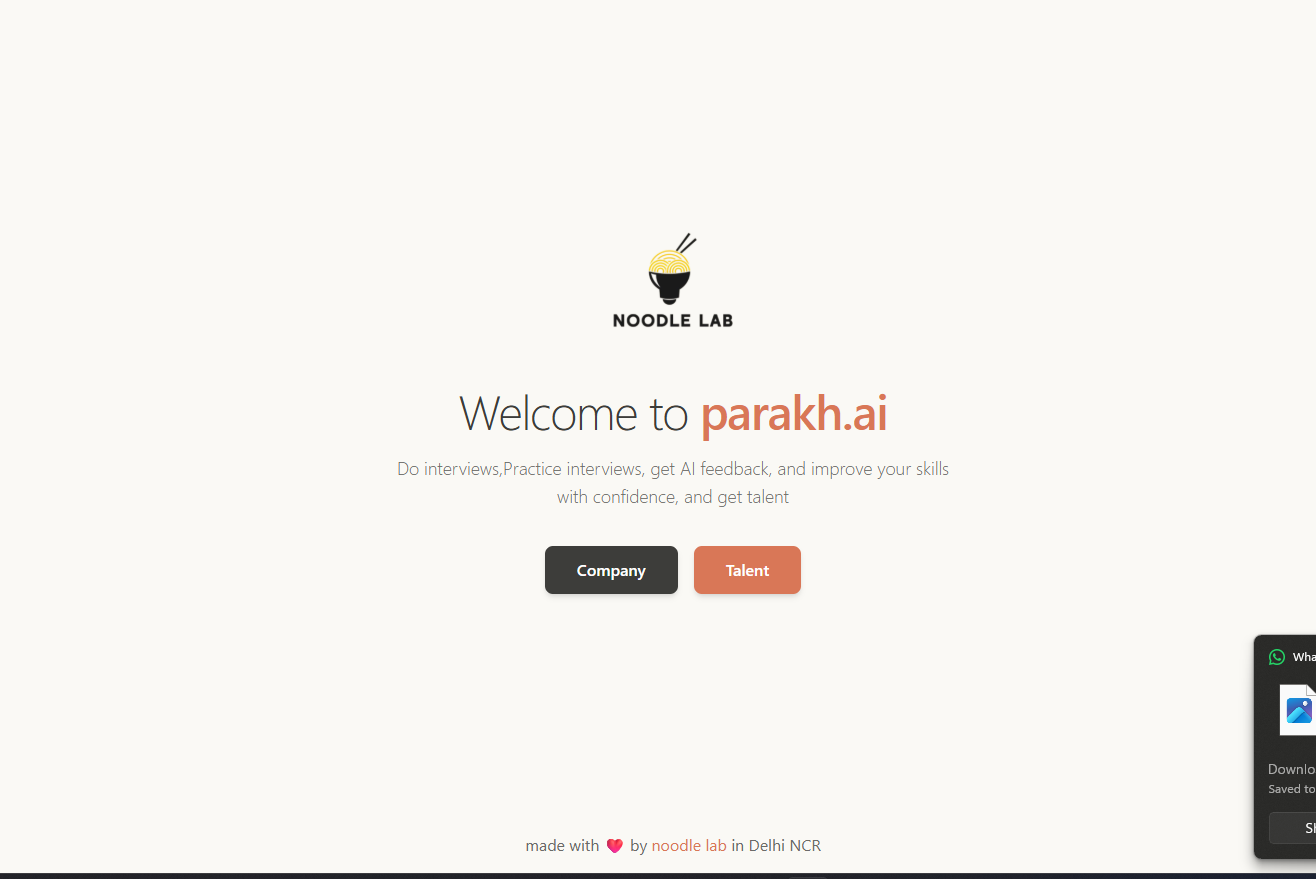
The traditional interview process is often slow, biased, and fails to provide candidates with immediate, actionable feedback. Inspired by the desire to democratize high-quality interview preparation and streamline hiring, Noodle Lab in Delhi NCR set out to build Parakh AI. Our goal was to create a "Parakh" (test) that feels less like a hurdle and more like a growth opportunity, bridging the gap between talent and companies through unbiased AI intelligence.
What it does Parakh AI is a dual-sided ecosystem for recruiters and job seekers.
For Talent: It offers real-time voice and text-based mock interviews with immediate scoring and personalized feedback. It even generates dynamic preparation roadmaps based on user performance. For Companies: It automates the screening process with AI-driven voice interviews, CV analysis that filters for relevancy and industry standards, and a comprehensive dashboard to manage talent at scale. Proctoring: It includes intelligent monitoring features to ensure the integrity of the assessment process using computer vision. How we built it The platform is built on a high-performance modern tech stack:
Backend: Powered by FastAPI and SQLAlchemy (Postgres), ensuring rapid API responses and reliable data management. AI Core: We integrated Google Gemini 1.5 Flash for deep language understanding, interview generation, and nuanced evaluation. Voice System: Implemented using Google Cloud Text-to-Speech, gTTS, and SpeechRecognition to create a seamless verbal dialogue. Frontend: A sleek, premium React application built with Vite and Tailwind CSS. We used Framer Motion and Lottie for smooth micro-animations and Recharts for performance data visualization. Challenges we ran into One of our biggest hurdles was managing real-time audio synchronization—ensuring the AI's "listening" and "speaking" phases felt natural and didn't overlap awkwardly. We also faced a tricky internal server error (ValueError: password) caused by an incompatibility between newer bcrypt versions and passlib, which required deep-diving into library internals and adjusting our authentication flow. Additionally, refining our prompt engineering for Gemini to ensure it consistently returned valid JSON for complex CV analysis was an iterative process.
Accomplishments that we're proud of We are incredibly proud of our Voice Interview Engine, which creates an interactive experience that rivals talking to a human recruiter. Achieving a system that can analyze a complex PDF resume and provide specific, actionable "Industry Standard" comparisons (rather than just keyword matching) is another milestone we're excited about.
What we learned Building Parakh AI taught us the nuances of Human-AI Interaction, especially in high-stress environments like interviews. We gained deep expertise in integrating multi-modal AI (text and voice), learned the importance of robust error boundary management in FastAPI, and mastered the art of "graceful degradation" when dealing with varying network speeds during voice processing.
What's next for Parakh AI The roadmap for Parakh AI includes:
Collaborative Human-in-the-Loop: Allowing recruiters to "ghost" AI interviews and intervene in real-time. Deeper IDE Integration: Adding a real-time coding environment for technical rounds that tracks logic, not just output. Global Skill Benchmarking: Integrating with LinkedIn to allow users to showcase their Parakh scores directly on their profiles.
Built With
- alembic
- axios
- brevo-(sendgrid)
- docker
- fastapi
- framer-motion
- gemini-api
- google-cloud-text-to-speech
- gtts
- html2canvas
- jspdf
- lottie
- lucide-react
- neon
- opencv
- passlib
- postgresql
- pydantic
- pypdf2
- python-docx
- python-jose
- react
- react-router
- recharts
- render
- speechrecognition
- sqlalchemy
- tailwind-css
- uvicorn
- vercel
- vite

Log in or sign up for Devpost to join the conversation.