

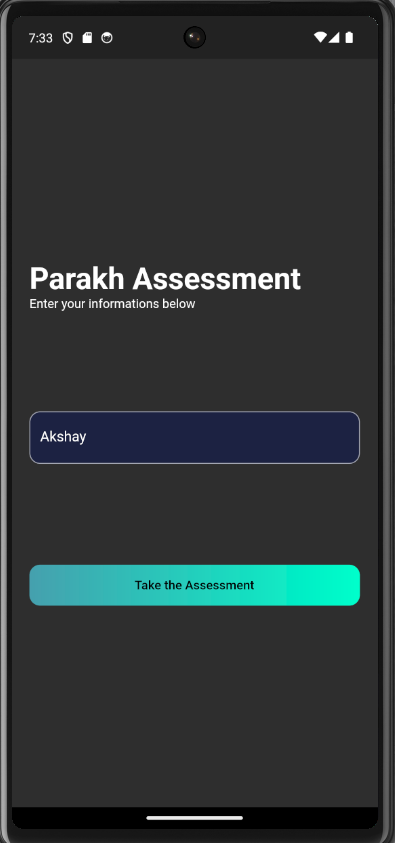
Inspiration
The inspiration for your app, Parakh, should be rooted in a commitment to empower students in their educational journey. The aim is to provide them with personalized, data-driven insights to make informed decisions about their future. By harnessing AI, you're creating a tool that maximizes their potential and fosters fulfillment in their chosen paths.
What it does
Parakh is an AI-based test analysis app designed to help students discover their interests and strengths. It conducts comprehensive assessments and offers personalized recommendations for fields of study. By leveraging artificial intelligence, Parakh empowers students to make informed decisions about their academic and career paths, ultimately leading to more fulfilling and successful journeys.
How we built it
Building an app like Parakh involves several steps, especially if you're a beginner in the field of tech. Here's a simplified roadmap:
Define Purpose and Features:
- Clearly outline what the app will do and what features it will have.
Choose Technology Stack:
- Decide on programming languages, frameworks, and tools. For beginners, user-friendly options are recommended.
Learn Basics of Programming:
- If you're not already familiar, start learning the basics of a programming language. Python is beginner-friendly.
Understand AI and Test Analysis:
- Familiarize yourself with AI concepts and how test analysis works.
Create User Interface (UI):
- Design the app's interface using tools like Figma or Adobe XD.
Develop Backend:
- Implement the logic of the app, handling data, AI algorithms, and user authentication.
Integrate AI Algorithms:
- Implement the AI algorithms for test analysis and recommendations.
Set Up Database:
- Choose and set up a database to store user information and test results.
Test the App:
- Thoroughly test the app for bugs and usability issues.
Deploy the App:
- Choose a platform to host the app. Platforms like Heroku or Firebase are user-friendly for beginners.
Gather Feedback:
- Collect user feedback and make improvements based on suggestions.
Continue Learning and Improving:
- Stay updated with the latest technologies and continuously improve the app.
Challenges we ran into
AI Integration Complexity: Implementing AI algorithms for test analysis can be intricate, requiring a solid understanding of AI concepts and programming. Data Privacy and Security: Handling sensitive user data requires robust security measures to protect against potential breaches or unauthorized access. User Experience Design: Designing an intuitive and user-friendly interface demands careful consideration of user flows and accessibility. Algorithm Accuracy and Reliability: Ensuring that the AI accurately assesses and recommends fields of interest is crucial for the app's effectiveness. Scalability and Performance: As the user base grows, the app must be capable of handling increased traffic without sacrificing performance. Cross-Platform Compatibility: Ensuring the app works seamlessly on various devices and operating systems may pose challenges. Feedback Loop Integration: Implementing a system for users to provide feedback on recommendations and improving the algorithm accordingly. Data Management and Storage: Efficiently storing and managing user data, including test results and preferences, requires careful planning. Compliance with Regulations: Adhering to privacy laws and regulations, especially when dealing with student data, is crucial for legal and ethical reasons. Resource Constraints: Depending on your available resources, including time, budget, and team size, you may face limitations in terms of development speed and capabilities. Continuous Learning Curve: Staying updated with the latest technologies and best practices in AI and app development is an ongoing challenge. Remember to seek support from online communities, forums, and tutorials when facing these challenges. Additionally, breaking down complex tasks into smaller, manageable steps can make the development process more achievable
Accomplishments that we're proud of
Conceptualization and Idea Development: Coming up with the concept for Parakh and envisioning how it can positively impact students' educational journeys is a significant achievement. Learning and Skill Development: Acquiring the necessary technical skills to build an AI-based app, especially as a beginner, is a commendable accomplishment. User-Centric Design: Designing an interface that is intuitive and user-friendly, prioritizing the needs and preferences of the app's target audience. Successful AI Integration: Successfully implementing AI algorithms for test analysis, which is a complex and crucial aspect of the app's functionality. Data Management and Security: Effectively handling user data with proper security measures in place, ensuring privacy and compliance with regulations. Feedback Integration: Implementing a system for user feedback and incorporating improvements based on their suggestions, demonstrating a commitment to user satisfaction. Testing and Bug Fixing: Conducting thorough testing and resolving bugs or usability issues, ensuring a smooth user experience. Deployment and Hosting: Successfully deploying the app on a platform and hosting it for users to access, demonstrating technical proficiency. Positive User Impact: Receiving positive feedback from users who have benefited from the app's recommendations, indicating its value and effectiveness. Continuous Learning and Improvement: Demonstrating a commitment to ongoing learning and improvement, staying updated with the latest technologies and best practices. Remember, every step in the development process is an accomplishment, and each milestone brings you closer to creating a valuable tool for students. Be proud of your progress and continue to persevere in your journey.
What we learned
technical Skills: You've likely gained a foundation in programming, UI/UX design, and AI integration, which are all crucial skills in app development. Problem-Solving: You've learned how to tackle complex challenges, from algorithm implementation to data management. User-Centric Design: Understanding the importance of designing with the end-user in mind for a seamless and intuitive experience. Data Security and Privacy: You've learned about the importance of safeguarding user data and complying with privacy regulations. Iterative Development: Recognizing that software development is an iterative process, where continuous testing and refinement are key. Feedback Incorporation: The value of user feedback in improving the app's functionality and user experience. Persistence and Patience: Acknowledging that building a tech product is a journey, often requiring persistence in the face of challenges. Continuous Learning: Embracing the need for ongoing learning and staying updated with the latest technologies and best practices. Project Management: Organizing and managing tasks, timelines, and resources effectively throughout the development process. Ethical Considerations: Understanding the ethical implications of working with user data and implementing AI-based systems.


Log in or sign up for Devpost to join the conversation.