Inspiration
Today, more than ever, everything on your phone is competing for your attention. Every feed, notification and short video is built by teams whose job is to keep you scrolling.
We felt it ourselves: hours gone without deciding to spend them.
Most app blockers treat this as a willpower problem and just put up a grey wall. We wanted a better tool.
What it does
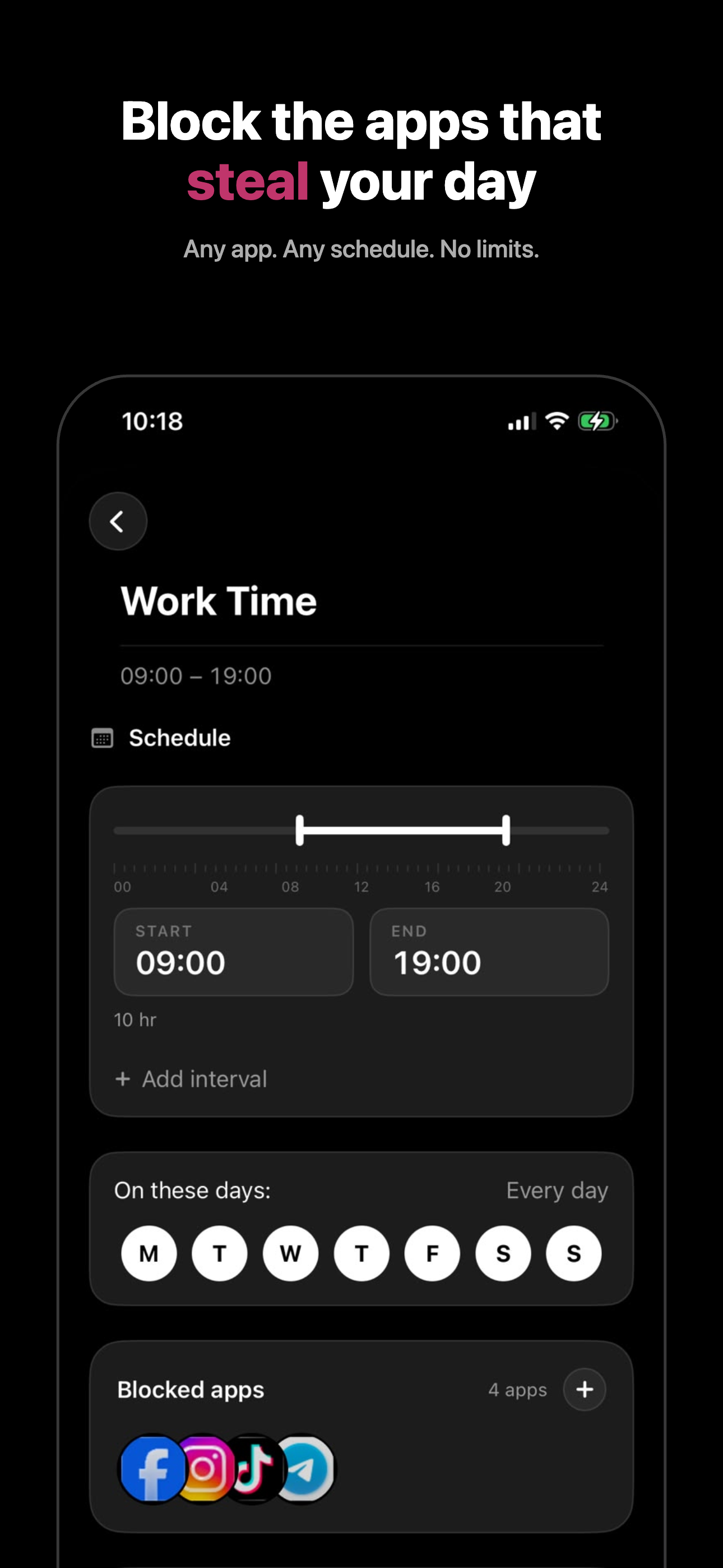
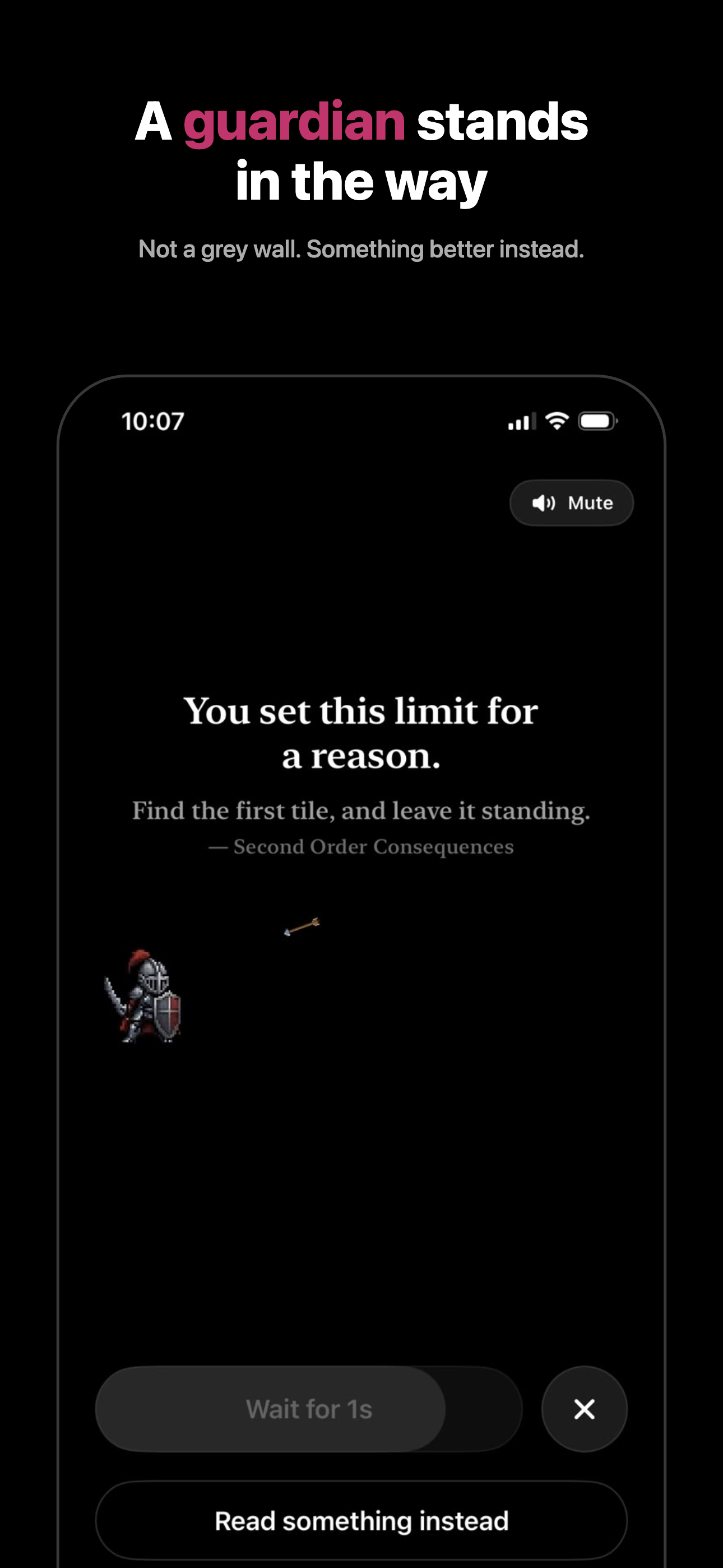
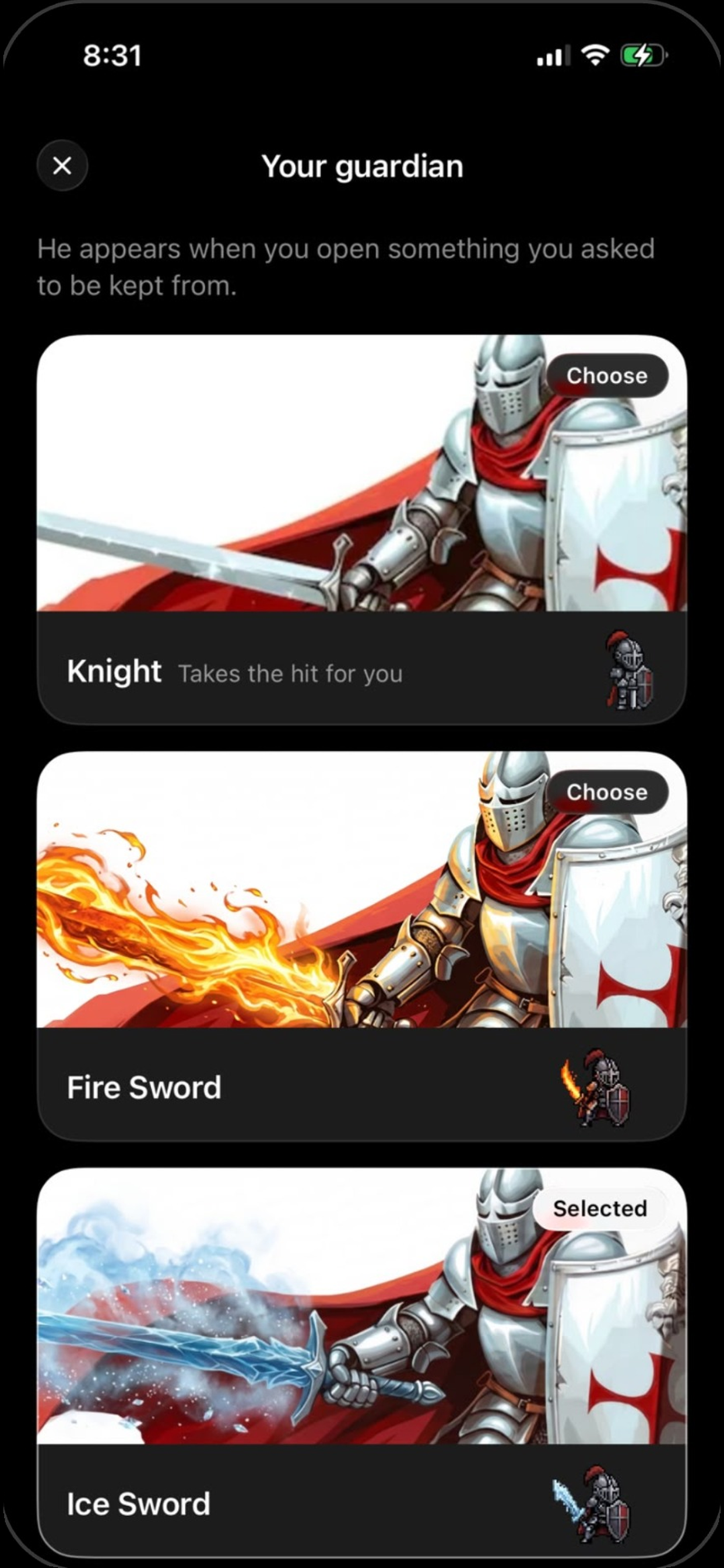
Paradox is an app blocker for iPhone and Android. You choose the apps that pull you in and Paradox guards them. When you try to open one, a pixel-art RPG guardian stands in the way and gives you a moment to decide: go back, or open it anyway for a few minutes.
- Blocking is free and complete. No ads, no tracking, no hard paywall.
- Your guardian grows with you. Every active day you hold the line, you level up and unlock new guardians, attacks and block screen backgrounds.
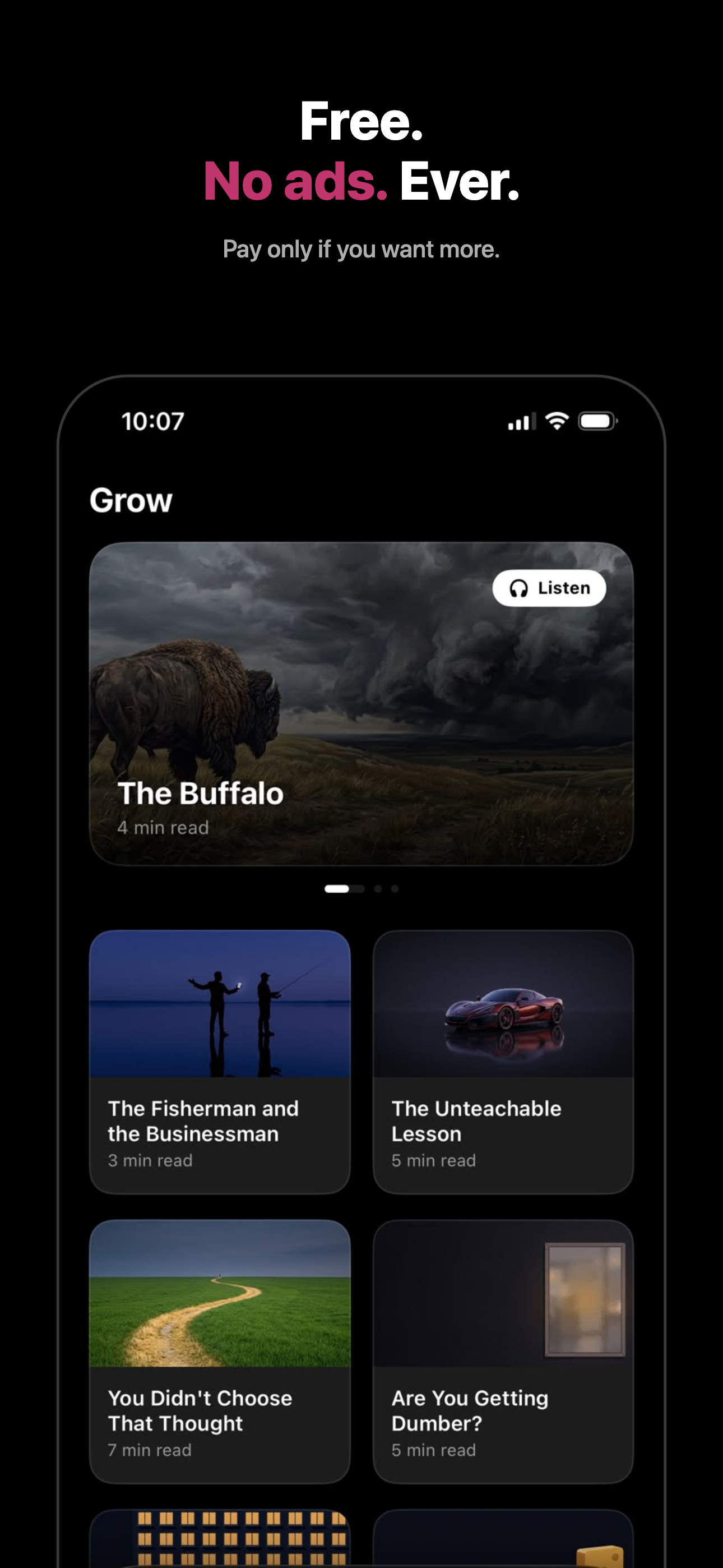
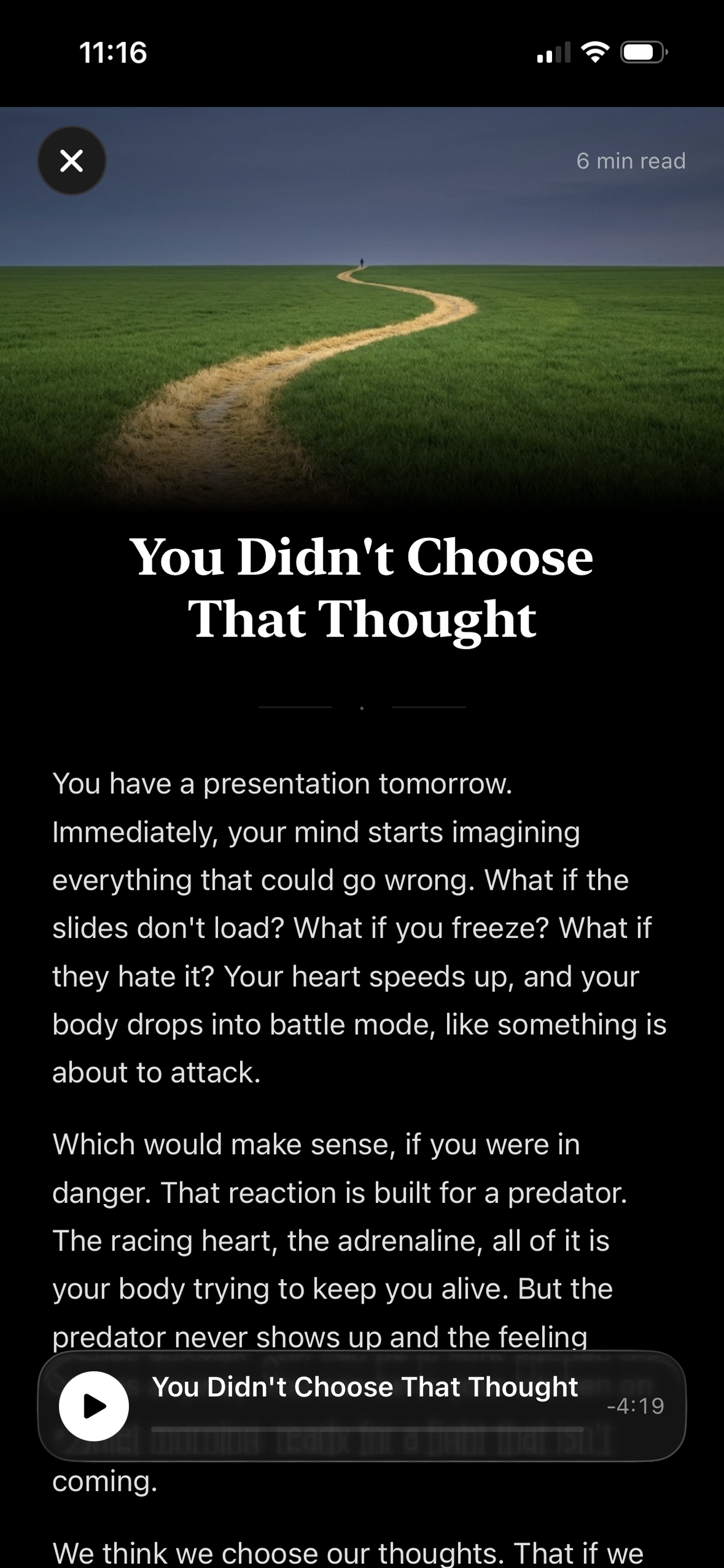
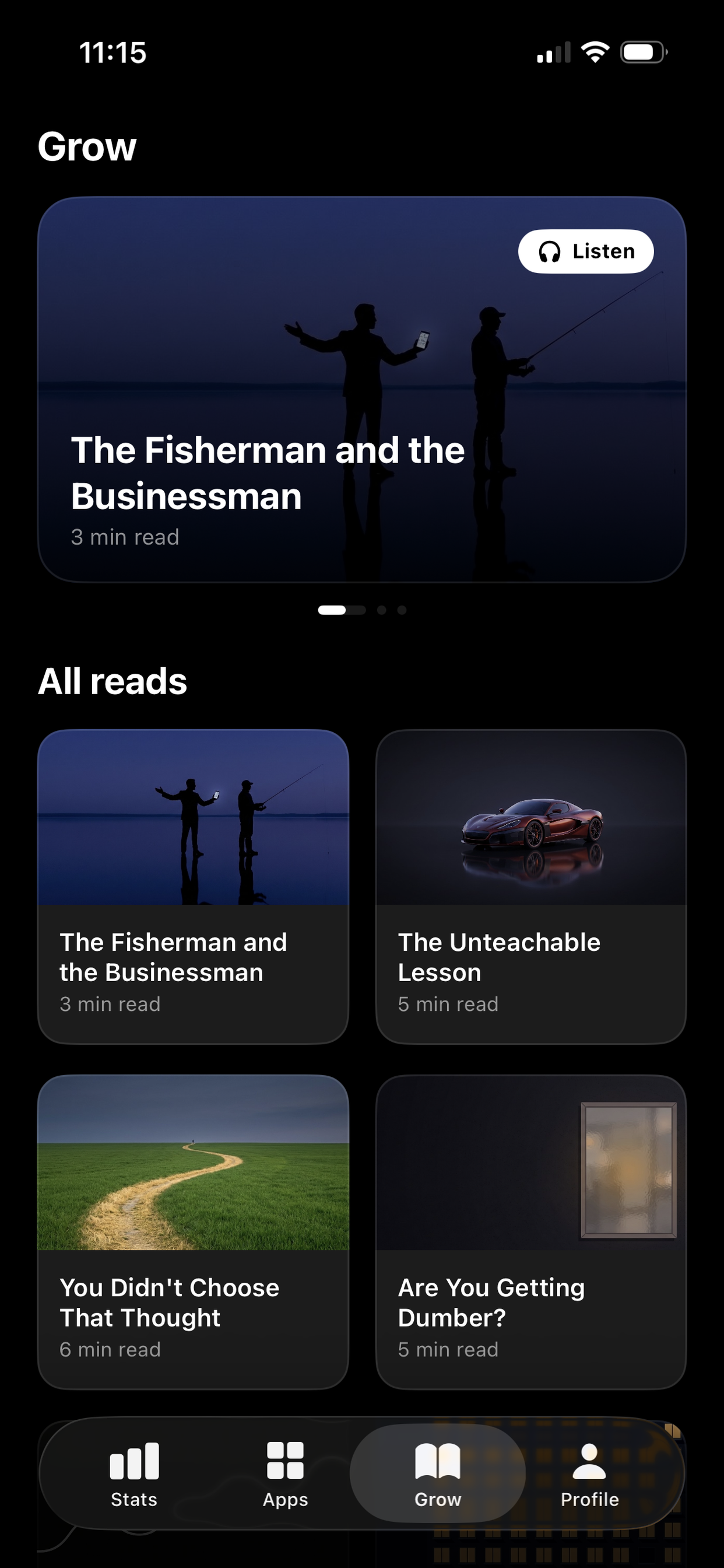
- The pause teaches you something. Short, hand-written pieces on attention and doomscrolling live inside the app.
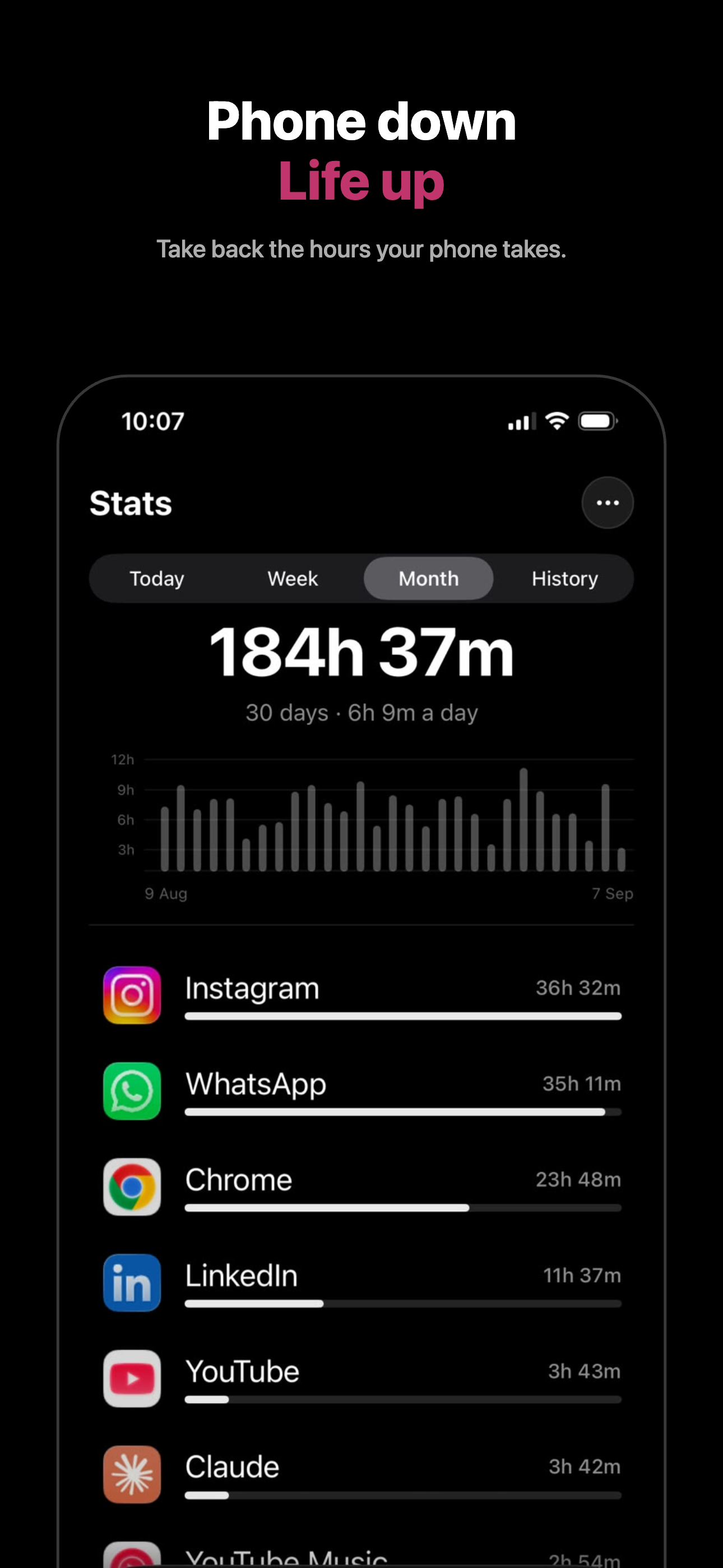
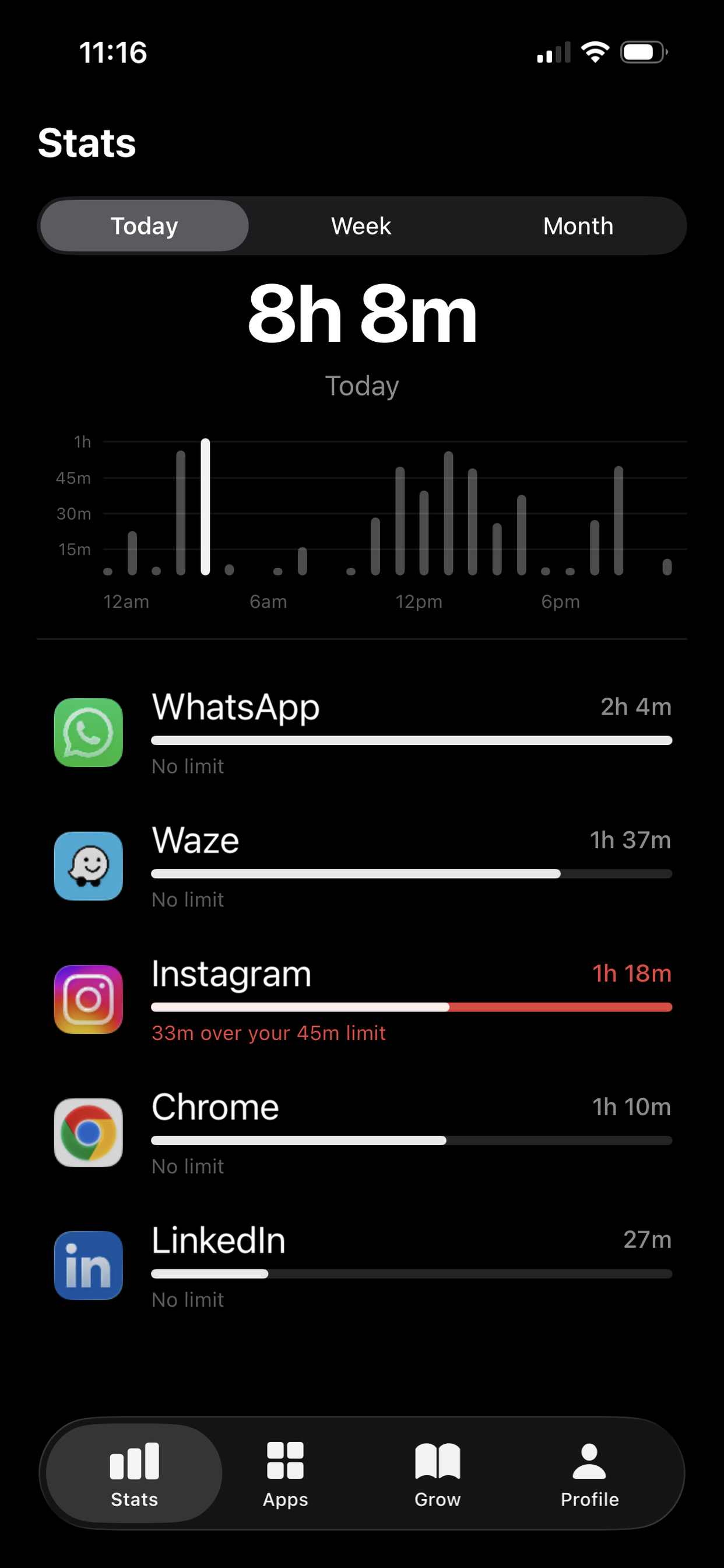
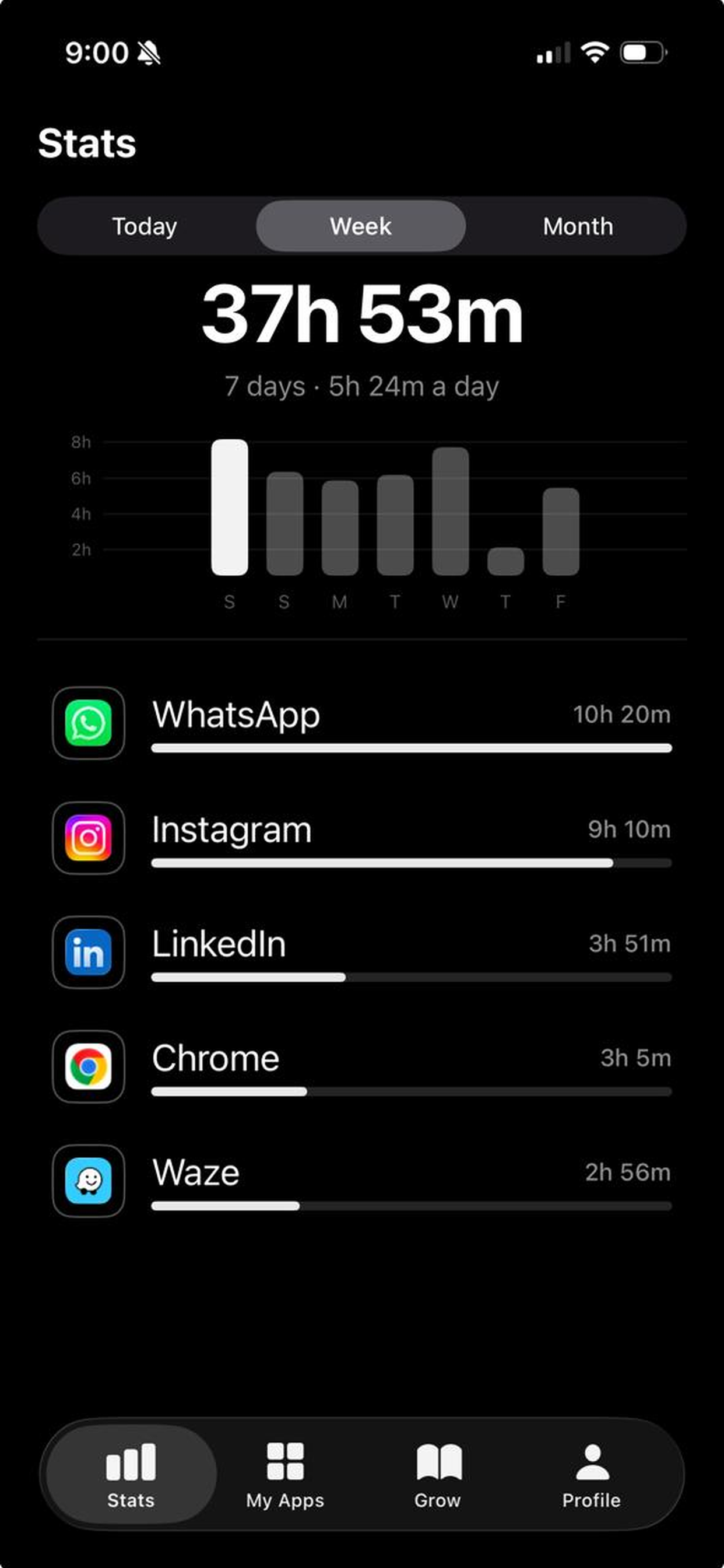
- Stats and widgets show how your day is going, right on your home screen.
How we built it
We built both apps natively, in Swift (SwiftUI) for iOS and Kotlin (Jetpack Compose) for Android, for high performance and deep access to each operating system. On iOS we use Apple's Screen Time APIs and on Android we use Accessibility and Usage Stats services to detect and block apps and websites.
Behind the apps there is our own Factory: a Next.js studio and a FastAPI backend on Postgres, where we design the guardians, animations, block screens and content. Everything ships live to both phones without a new app release, in 5 languages.
Challenges we ran into
The hardest part was understanding how iOS and Android each let (or don't let) an app block other apps. They work in completely different ways. iOS is private by design: the app never learns which apps you picked, only opaque tokens, and the blocking screen runs in a separate, very limited extension. Android gives you more power but through permissions that users and the Play Store treat with a lot of suspicion. Building one experience that feels the same on both, with the same rules, took us many iterations.
Accomplishments that we're proud of
- Paradox is live on the App Store, approved with Apple's Family Controls entitlement.
- The Android app is in testing on Google Play, rebuilt from scratch with iOS as the spec.
- A block screen people actually like looking at, with animated guardians that change with your day.
- A full content pipeline that lets us update the app's art and texts in minutes.
What we learned
Building the product is only half of the job. Marketing and distribution are the new moat. Anyone can build an app today, especially with AI; the hard part is getting it in front of the right people. That changed how we spend our time.
What's next for Paradox App
- Distribution: reach many more people through short-form video, creators and the stores (Google Play and the Galaxy Store for Android).
- Simpler to use: fewer steps from install to your first blocked app.
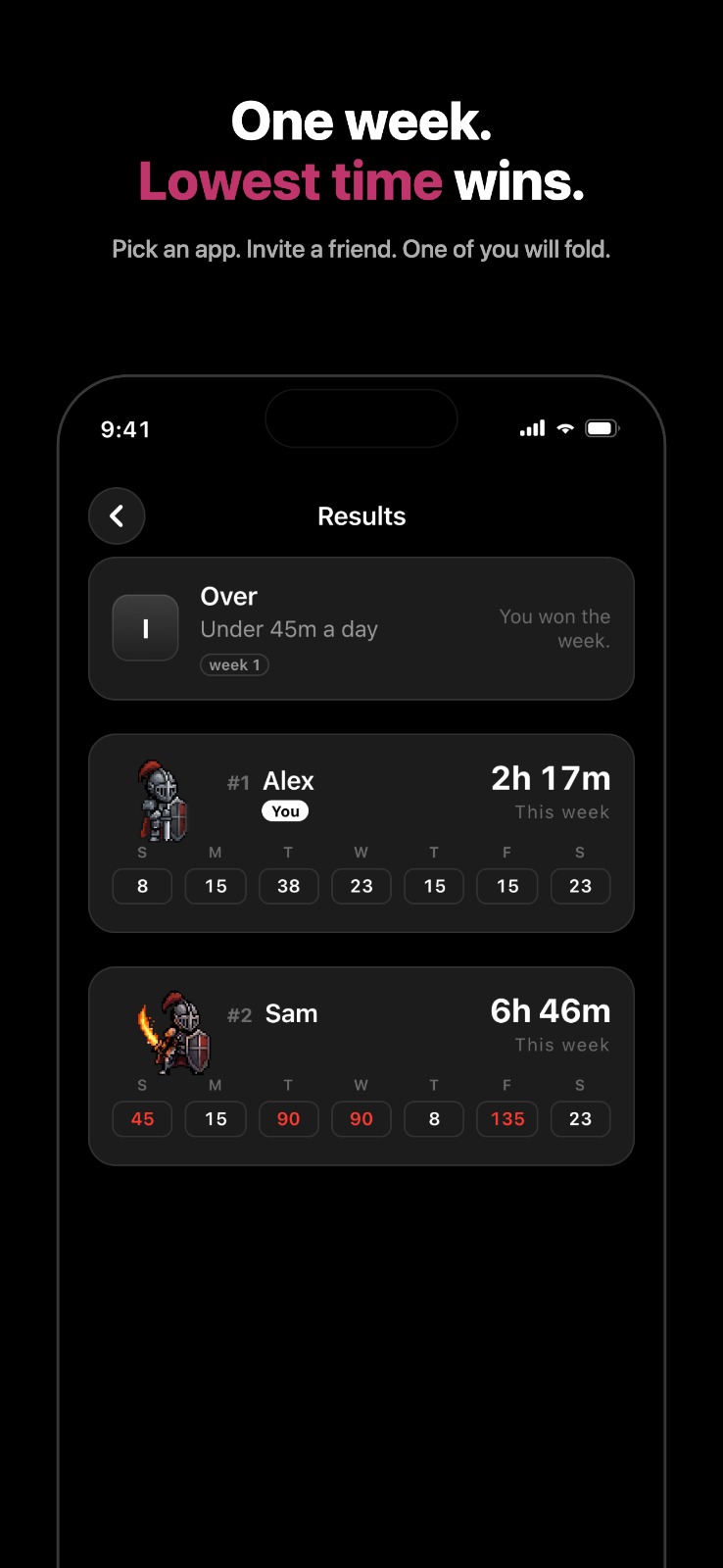
- Use it with friends: blocking together, so keeping each other accountable becomes part of the game.
Built With
- kotlin
- swift


Log in or sign up for Devpost to join the conversation.