-
-
Logo
-
-
-
-
-
-
-
-
-
Inspiration
Seymour Papert believed that people learn best when they are actively doing something, not when they are sitting and listening. Most study tools we used still worked the other way around. You read a long text, answer a few generic questions and hope something stays. We wanted to build a tutor that keeps the learner busy with the material in many different ways, adapts to where they are, and makes the daily habit feel closer to a game than to homework. That is where the name and the idea of learning like you play came from.
What it does
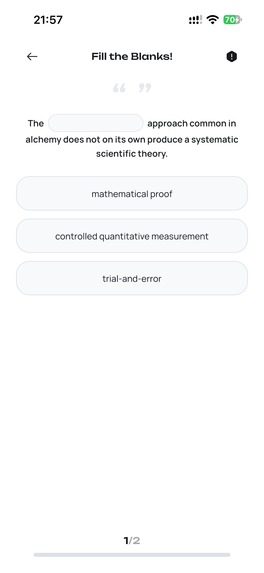
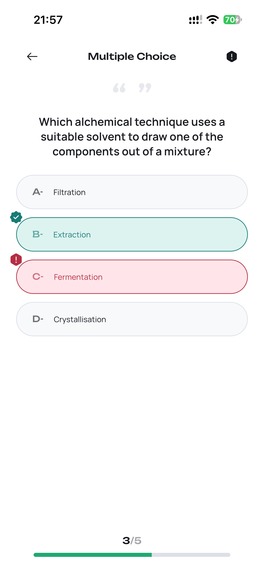
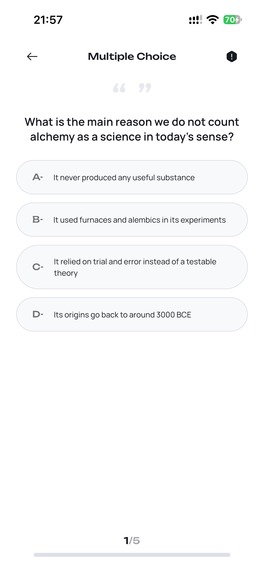
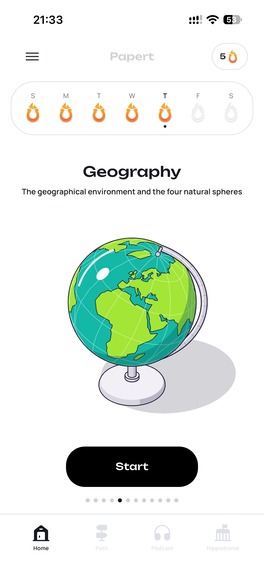
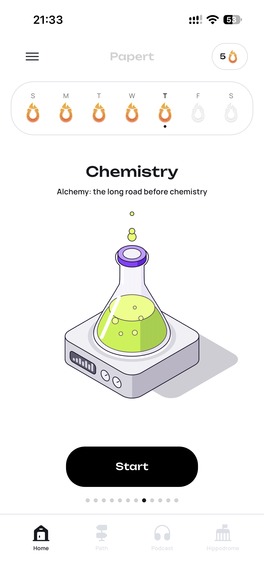
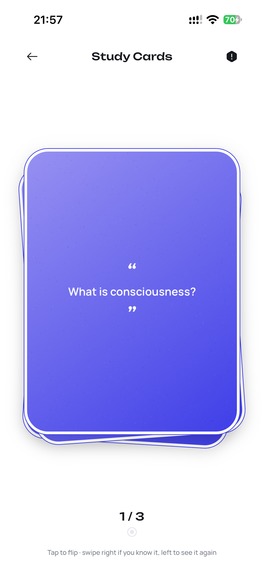
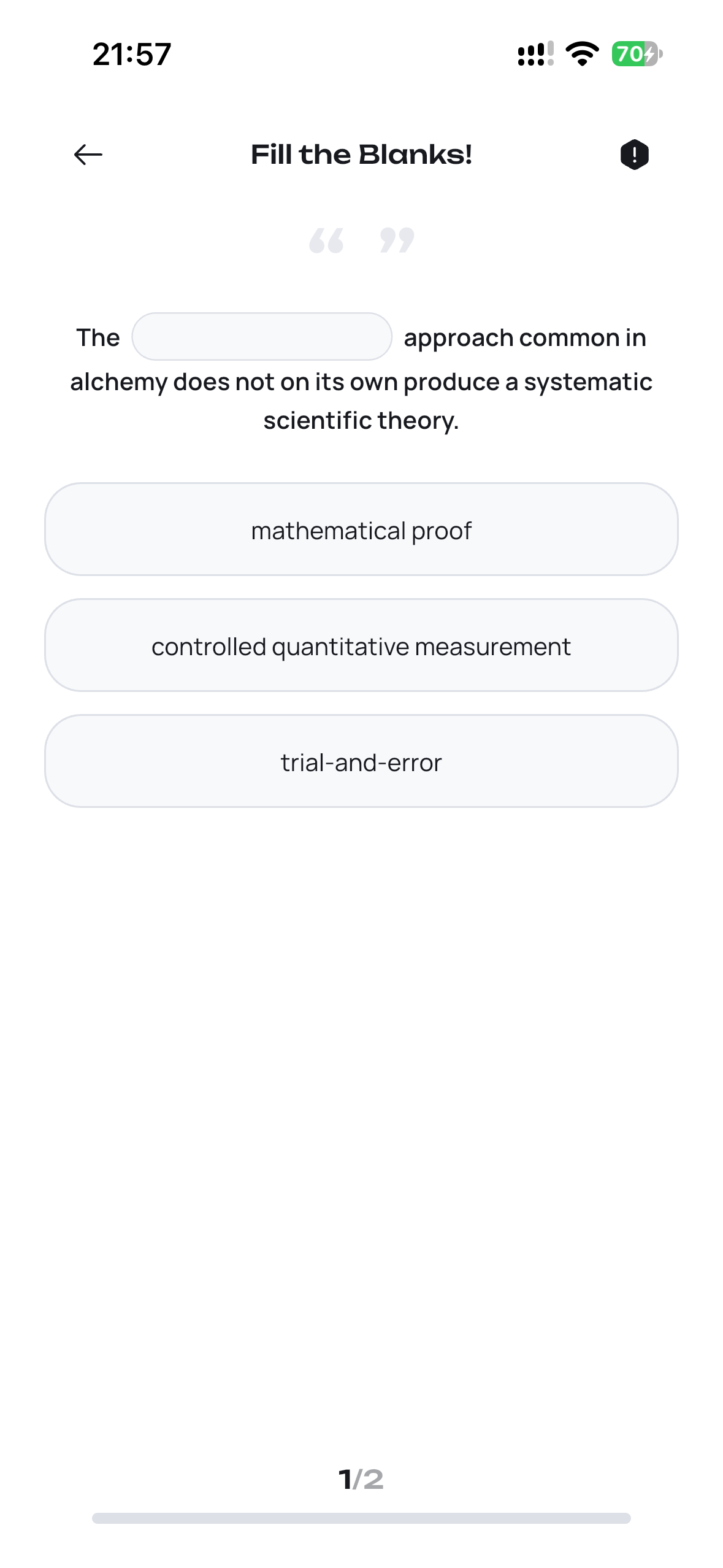
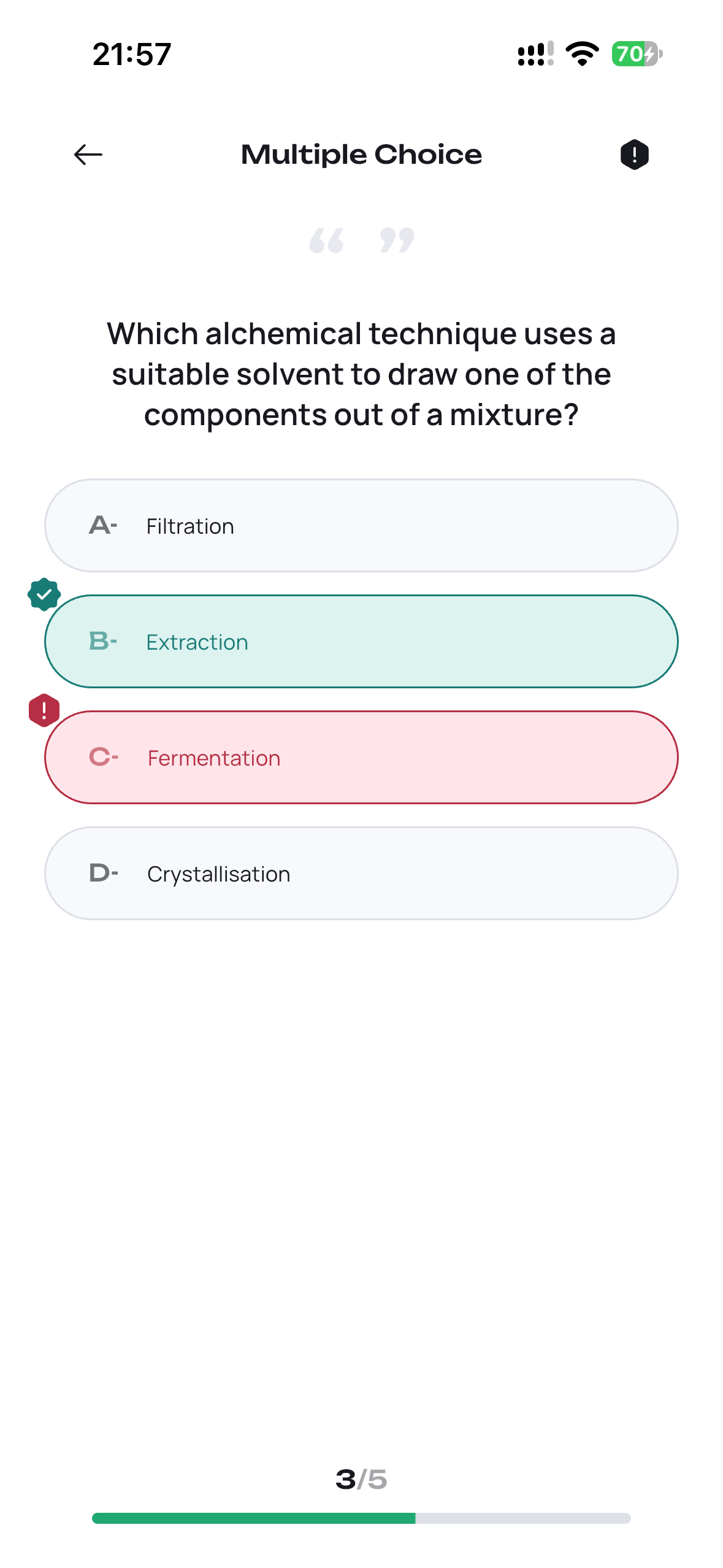
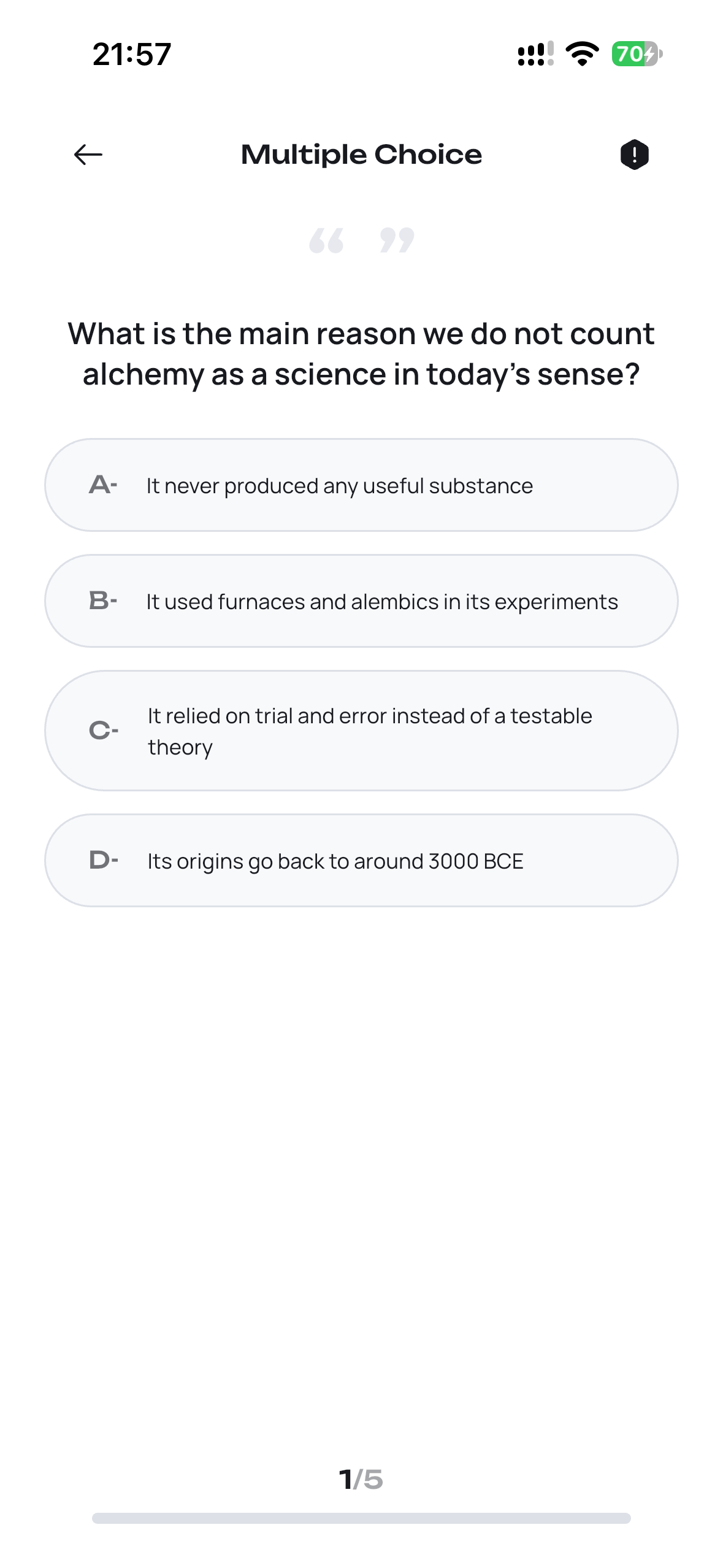
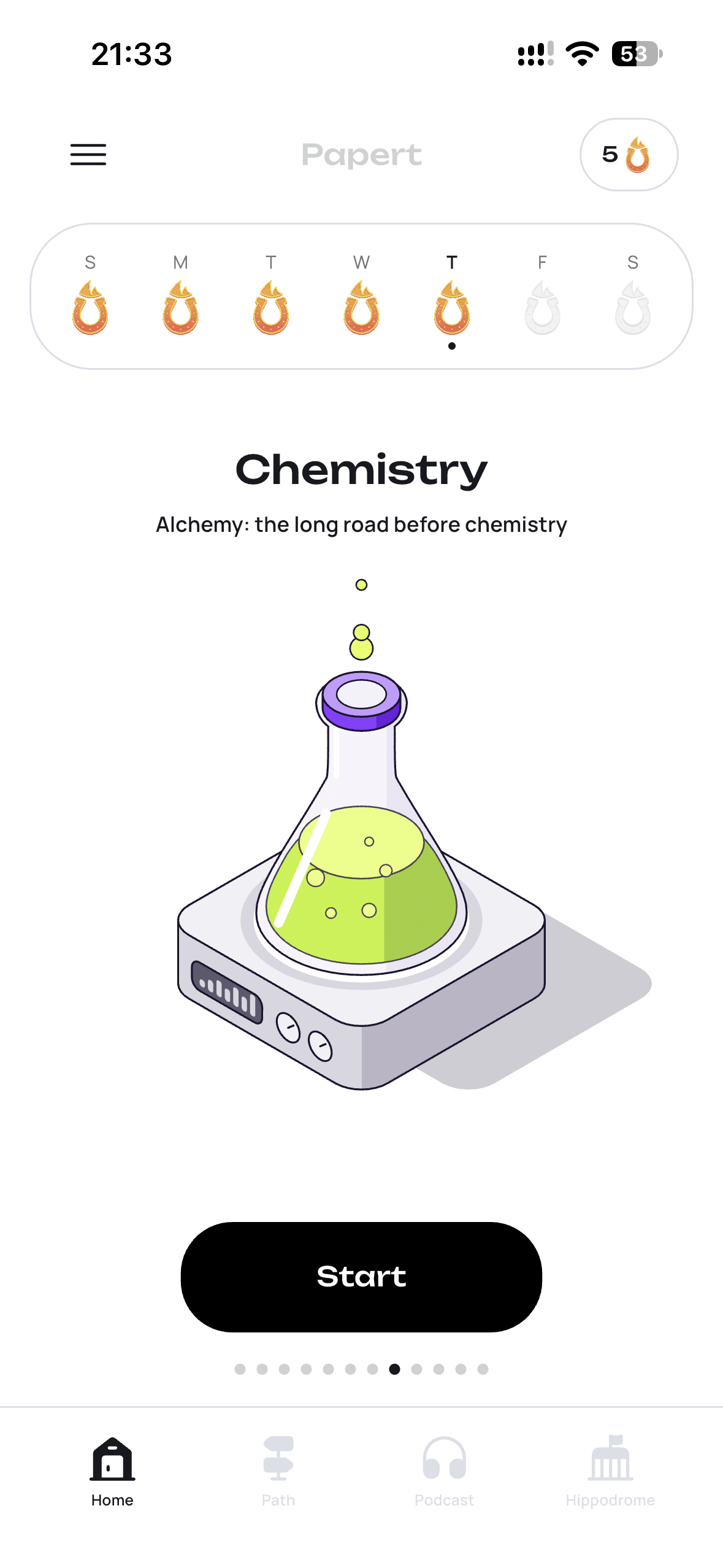
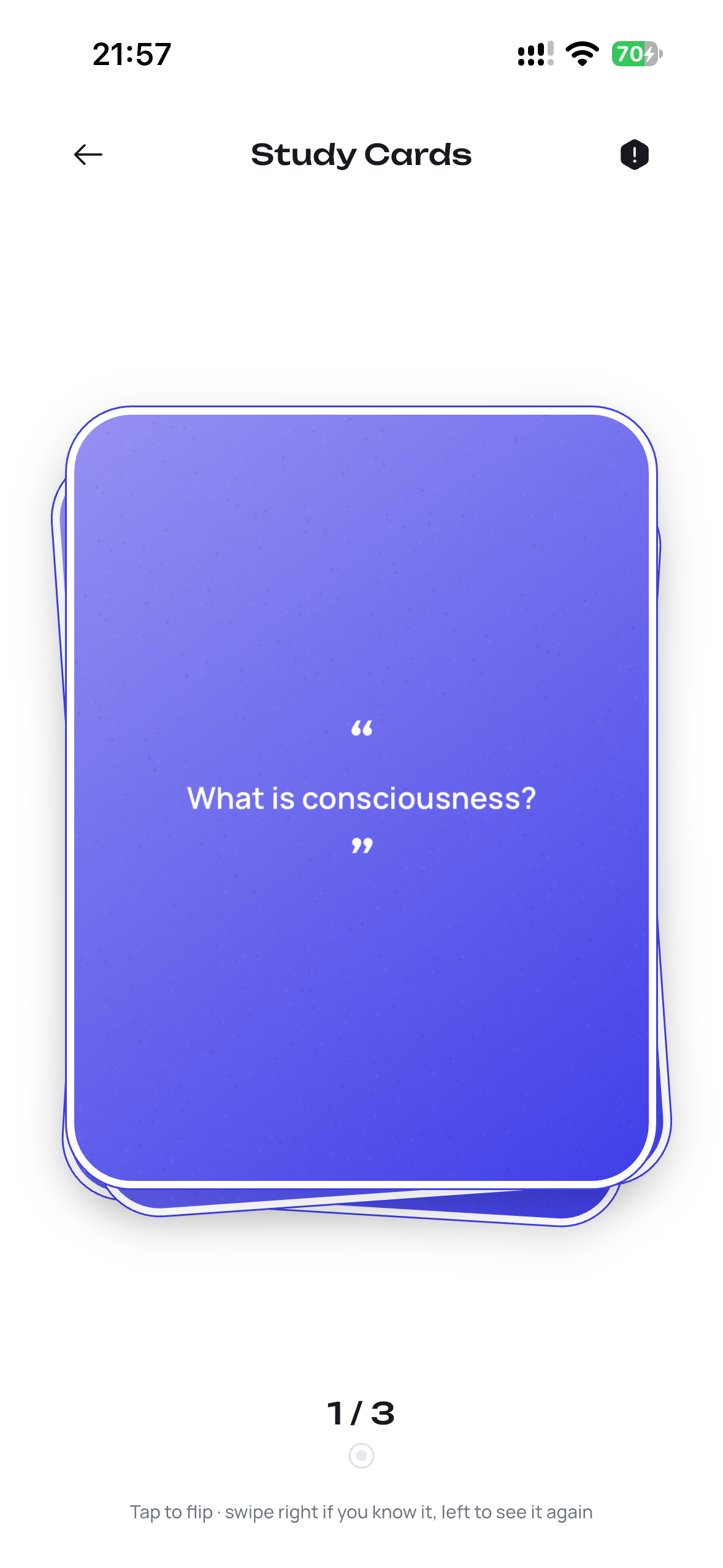
At the heart of Papert is the learning path. Every subject is divided into units and small islands, and each island is a short topic that takes only a few minutes. Instead of testing the learner once at the end, each island walks them through the same idea from several angles. They first read short notes, then go through flip cards they keep until they truly know them, then answer multiple choice questions, fill in missing words, match related concepts and decide whether statements are true or false. When they get something wrong, it comes back until they get it right, and false statements are shown in their corrected form so the mistake itself becomes a lesson. At the end of each unit there is a review island and an island where the learner explains the topic in their own words and compares it with the key points. A learner who already knows a unit can take a short placement test and skip ahead if they score well enough.
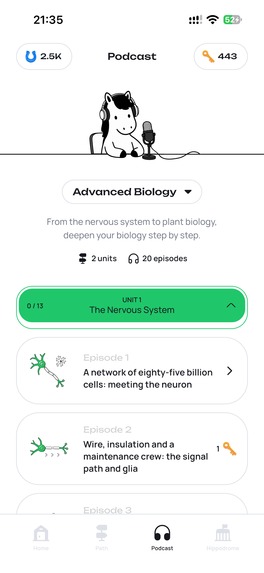
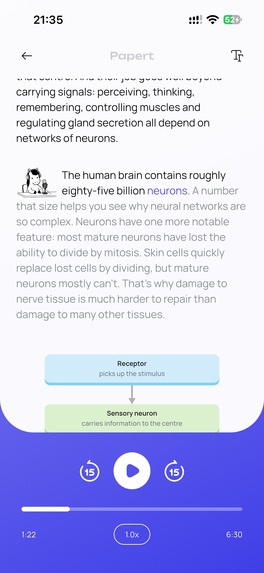
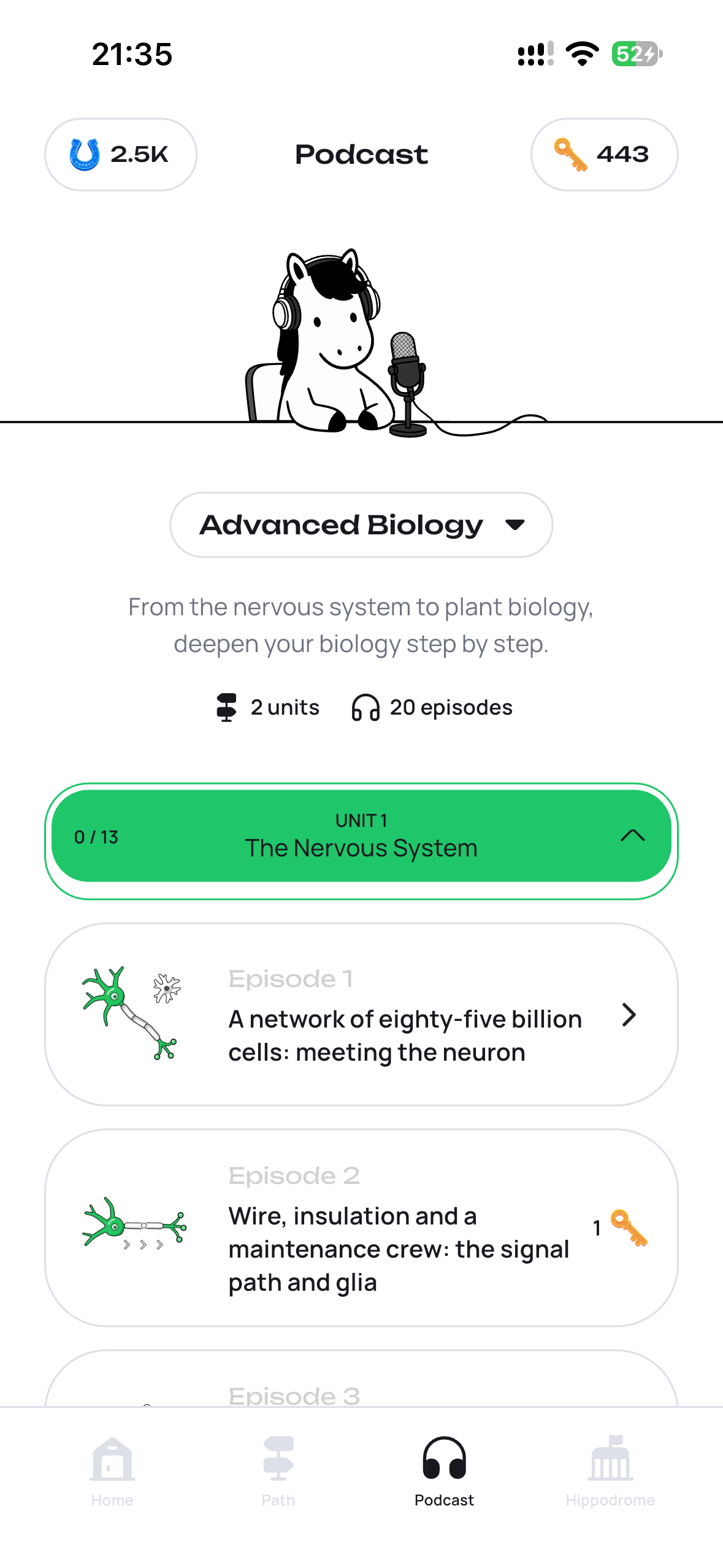
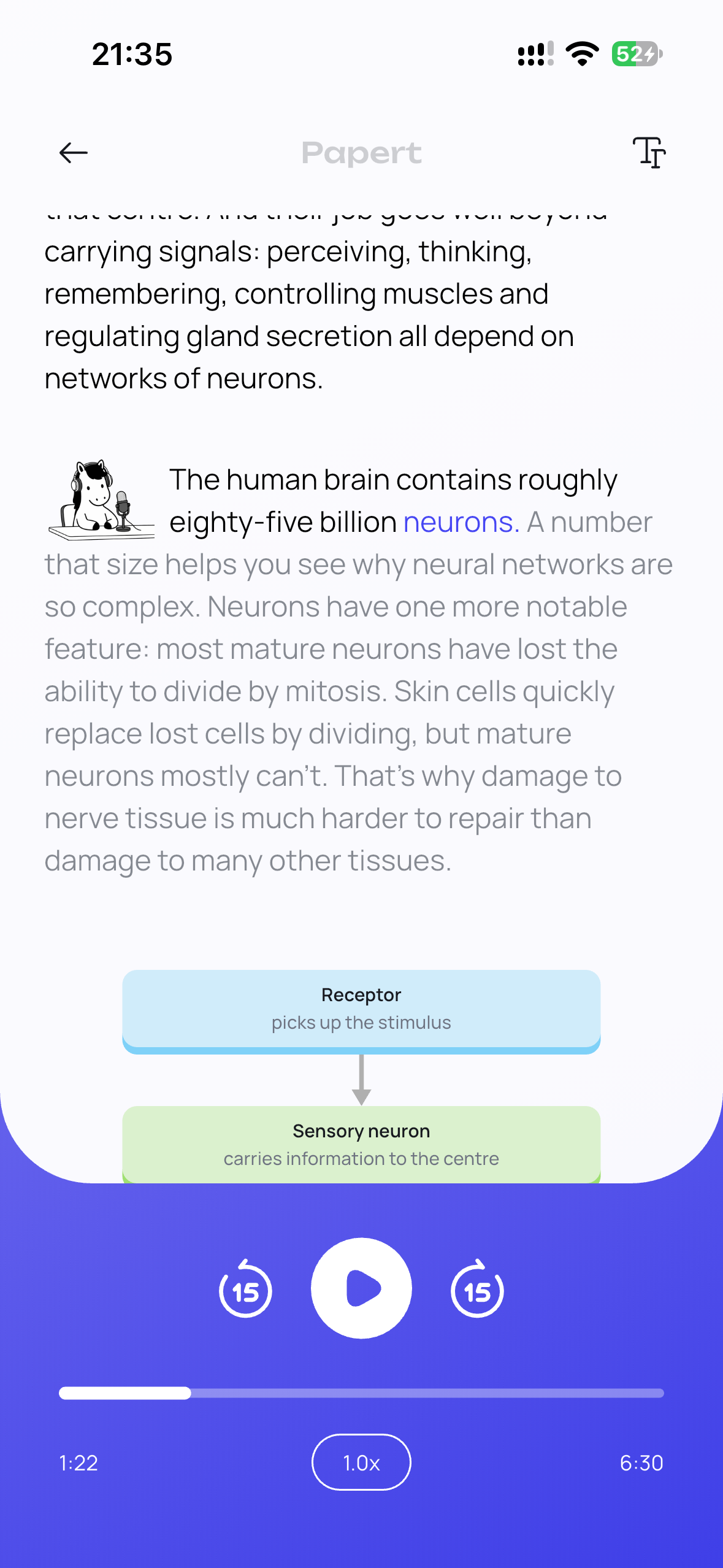
Learning does not stop when the screen is off. Each unit comes with podcast episodes written to be listened to, so learners can go over a topic on the bus or during a walk and earn progress for listening. When a learner is stuck on a single question, they can take a photo of it and get a full explanation that restates the question, names the key rule, solves it step by step, reviews every option including the classic traps, and points out the most common mistake.
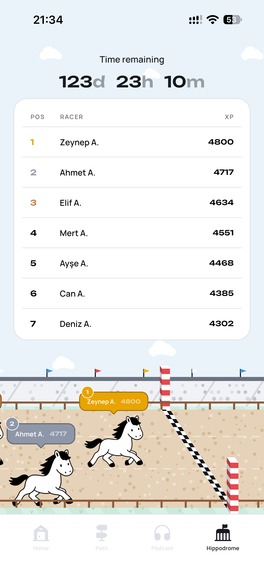
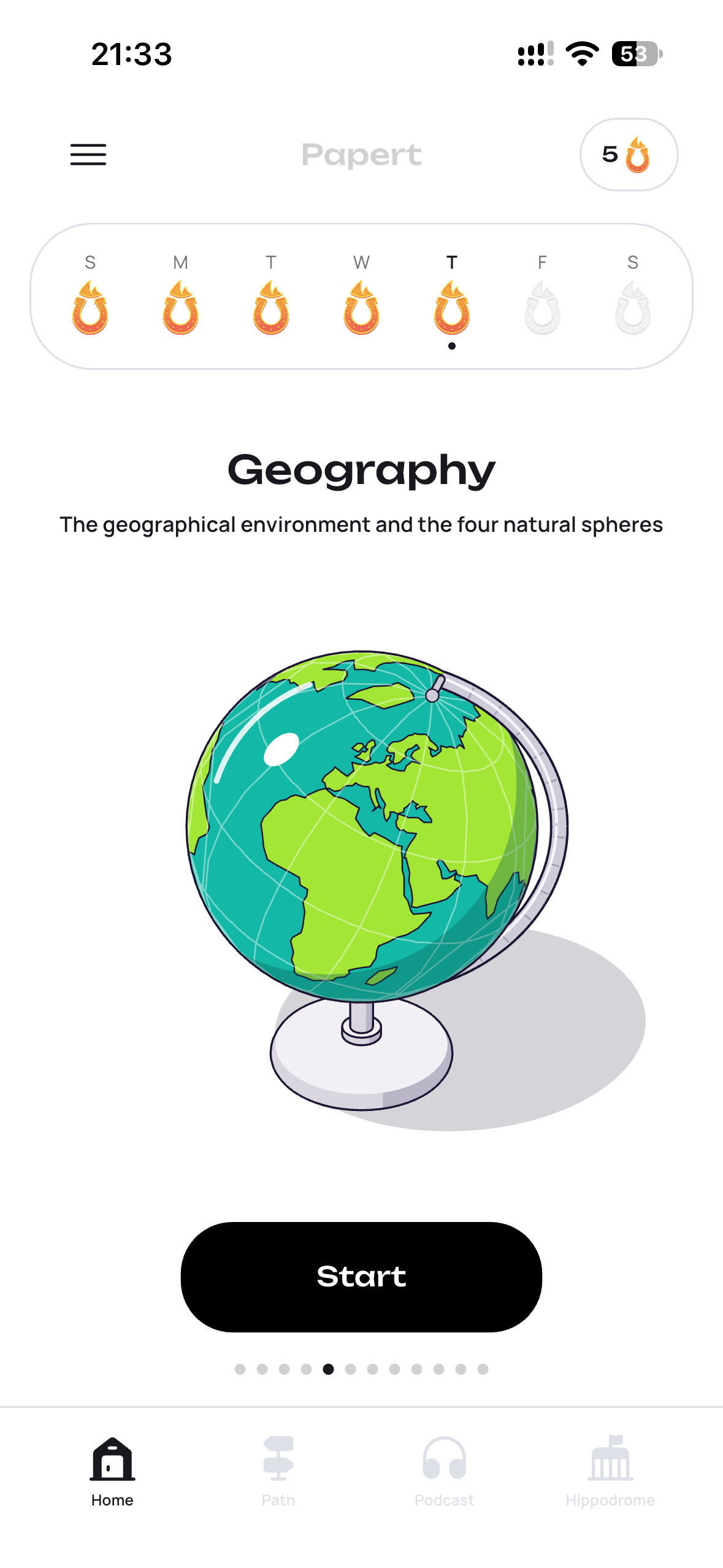
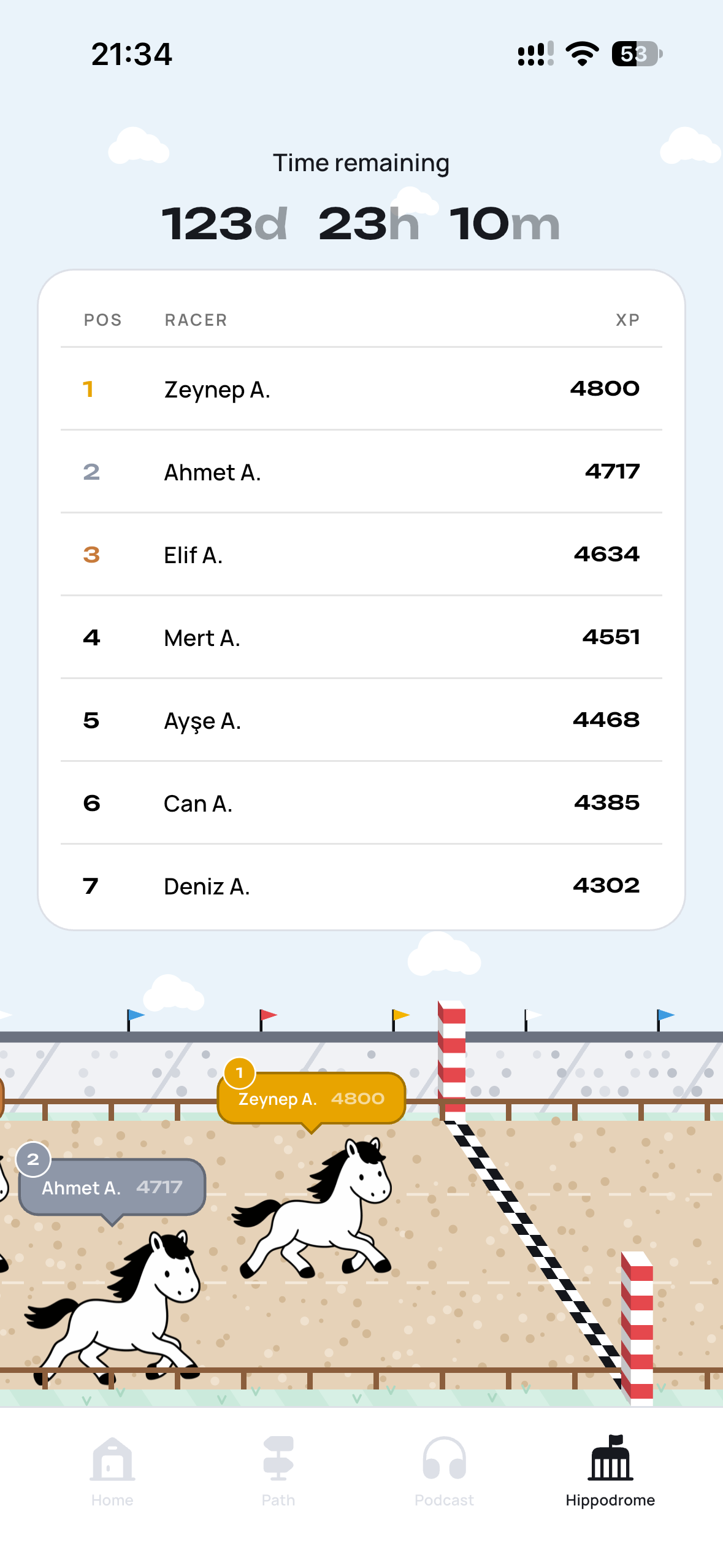
Around all of this, Papert keeps learners coming back. They earn experience for every step, keep a daily streak, unlock new islands with keys that refill over time, and race against other learners in a seasonal horse race inspired by our mascot. A statistics screen shows their accuracy, their activity over time and the topics that need more practice.
How we built it
Papert is a mobile app with its own design language, built so every screen feels part of the same world. A server handles accounts, progress, rewards and fair usage limits, and a background system prepares the heavier work such as solving photographed questions. The built in curriculum covers twelve subjects and nearly three thousand islands. We prepared it with the help of AI and then reviewed it unit by unit, so that every question a learner sees is about something they were actually taught in that island. The podcast episodes were written for the ear and produced as natural sounding audio.
Challenges we ran into
The biggest challenge was trust. AI can produce a lot of material quickly, but one wrong fact or one question about something never explained is enough to make a learner doubt the whole path. We spent most of our time on reviewing and repairing content so that notes, cards and questions stay consistent with each other. Designing the different question types was its own challenge, because each one has to test the idea in a genuinely different way instead of repeating the same sentence in a new form. Reading photographed questions reliably was hard too, since real photos are blurry, cropped badly or contain more than one question, so we added checks that let the learner confirm or fix what was read before solving. Finally, making podcasts that sound natural took many rewrites, because our first versions sounded like a textbook being read aloud.
Accomplishments that we're proud of
We are proud that a single island combines reading, recall, recognition, matching and judgement in a few minutes, and that mistakes keep returning until they are fixed. We are proud of a curriculum of nearly three thousand islands that was checked piece by piece rather than generated and left alone. And we are proud that, with so much inside, the app still feels simple and playful to use.
What we learned
We learned that generating content is the easy part, and making it correct and coherent is the real work. We learned that variety matters. Seeing the same idea as a card, a question, a gap and a true or false statement helps it stay far better than repeating it. And we learned that small rewards and a clear sense of progress do more for motivation than any amount of content.
What's next for Papert : Learn Like You Play
Next, we want the path to adapt even more closely to each learner, using their mistakes to decide what to review and when. We plan to bring the experience to more subjects and languages, let learners turn their own notes and materials into study paths, let friends study and compete together, and give teachers a way to build paths for their own classrooms.
Built With
- claude
- codex
- figma
- flutter
- revenuecat

Log in or sign up for Devpost to join the conversation.