-
-
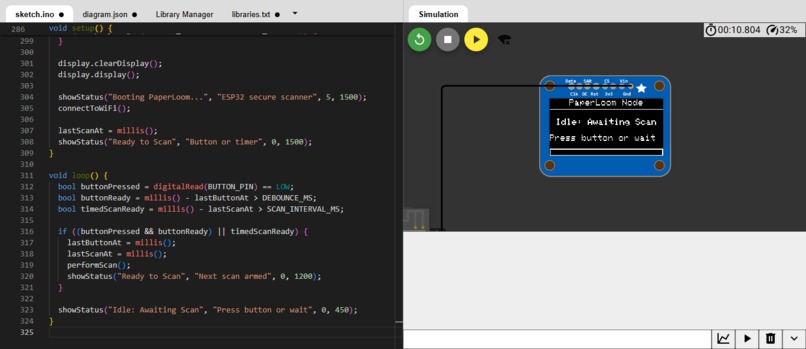
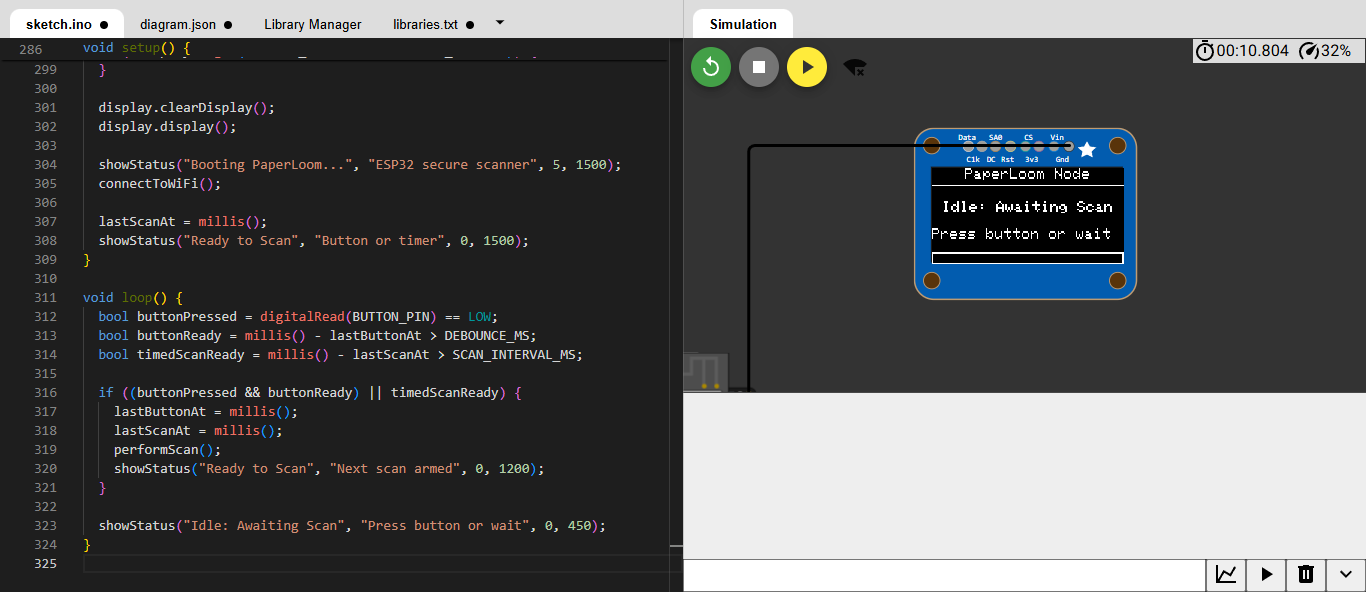
Wokwi for the ESP32 and OLED simulation
-
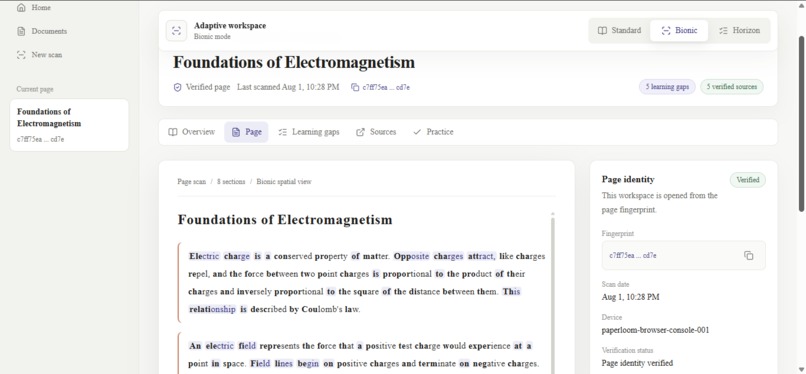
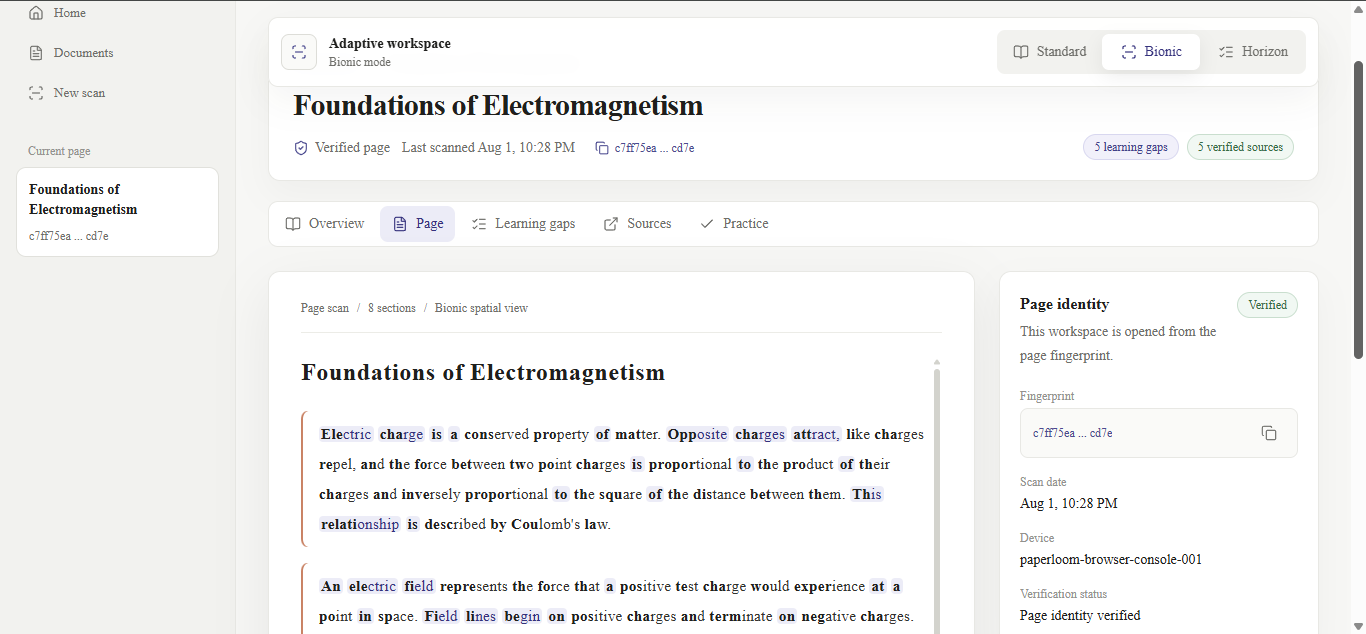
Adaptive workspace for students
-
-
Inspiration
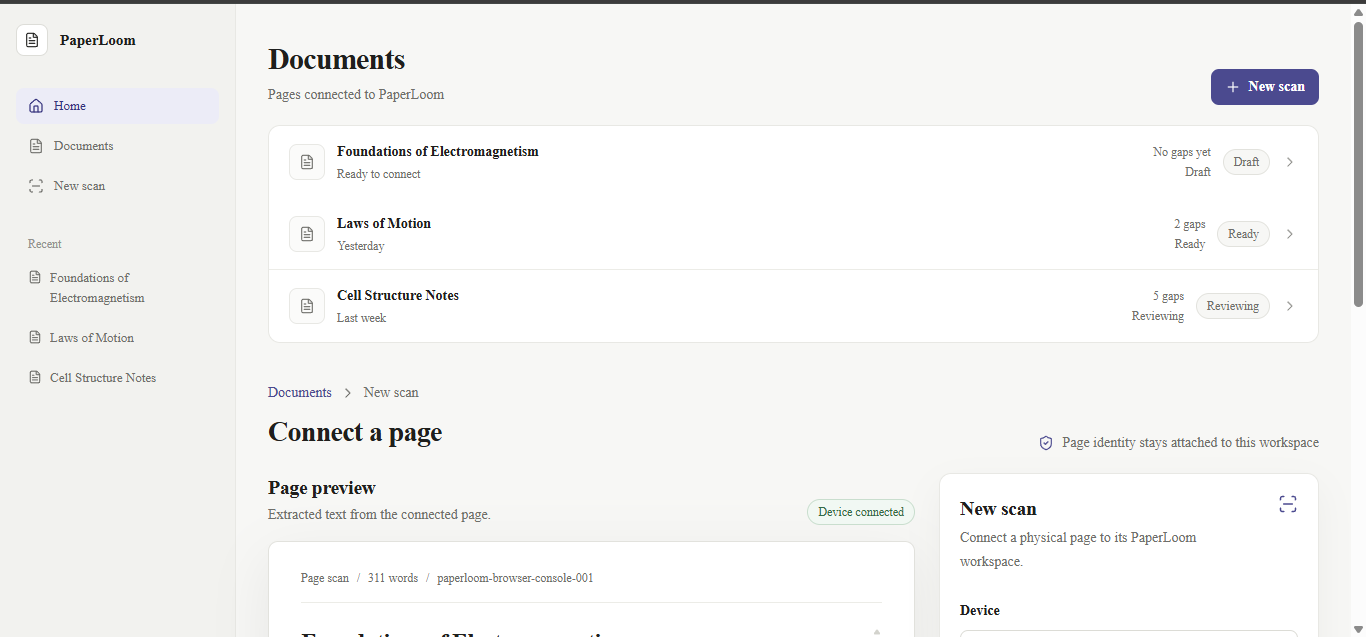
I noticed that scanned notes usually become static PDFs with no context, verification, or meaningful interaction. I imagined a system where the physical page itself could become the identity and access key for a secure AI learning workspace.
What it does
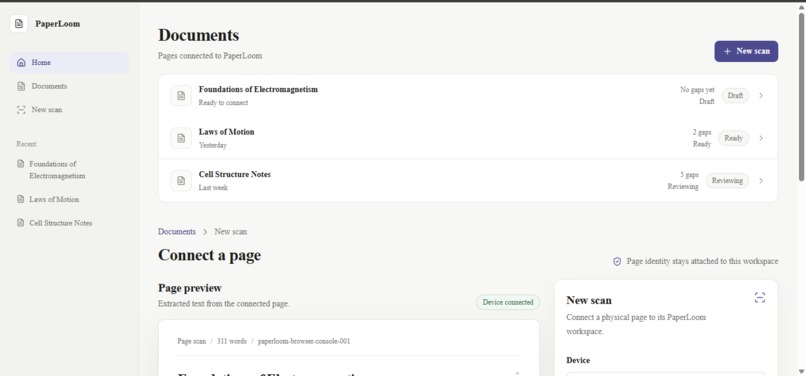
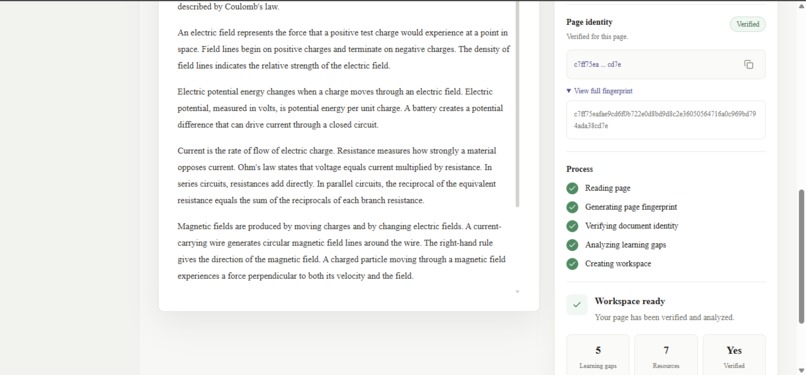
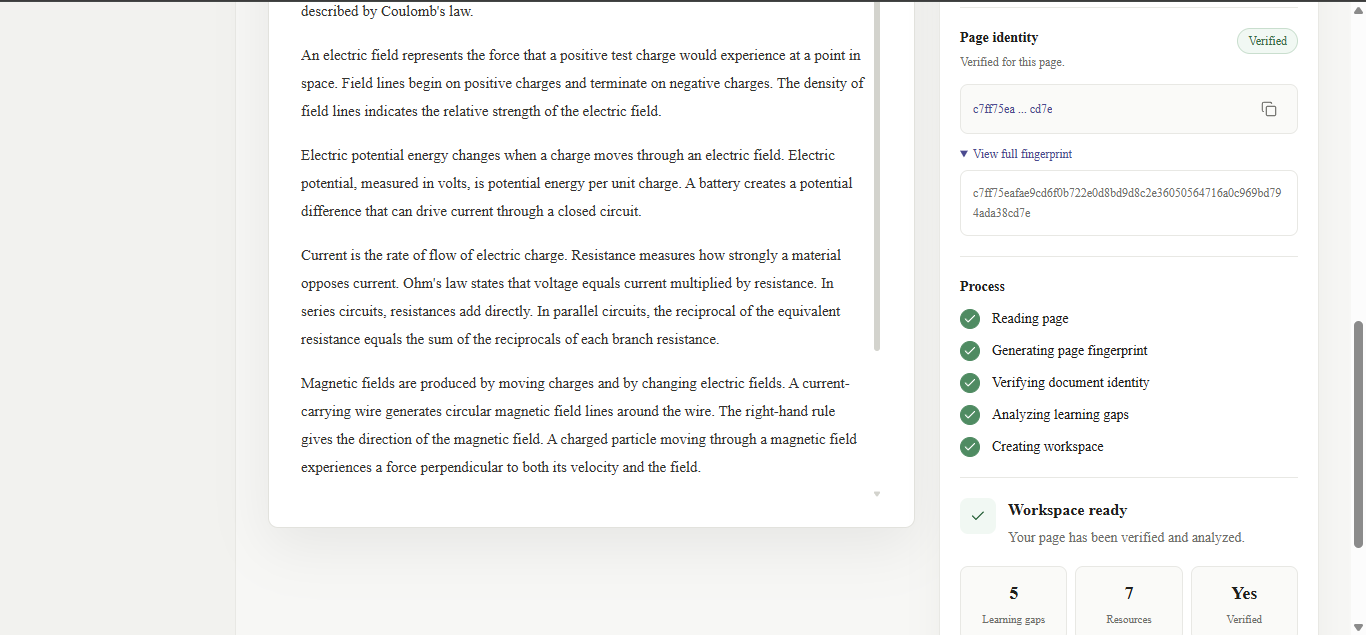
PaperLoom simulates an ESP32 scanner that reads paper-fiber irregularities, generates a SHA-256 fingerprint, and uploads textbook content to a secure cloud node. Tavily retrieves trusted sources, Gemini detects missing concepts and outdated facts, and PaperLoom creates a personalized dashboard with gap analysis, verified resources, and quizzes.
How I built it
I built the application using Next.js App Router, TypeScript, React, and Tailwind CSS. I used Supabase PostgreSQL with fingerprint-bound Row-Level Security, Wokwi for the ESP32 and OLED simulation, Tavily for real-time educational grounding, and Gemini for structured curriculum auditing. Signed JWTs securely unlock each document workspace, while optional Render API integration supports automated deployments.
Challenges I ran into
The hardest challenges were connecting a simulated hardware identity to database authorization, configuring Supabase permissions, enforcing reliable structured Gemini output, and coordinating search, AI analysis, storage, and token generation in one ingestion workflow.
Accomplishments that I’m proud of
I built a complete physical-to-cloud prototype as a solo developer. PaperLoom turns one simulated hardware scan into a cryptographically identified, AI-grounded learning workspace with strict validation, secure access, verified resources, and personalized educational insights.
What I learned
I learned that trustworthy educational AI requires grounding, validation, and security alongside strong prompting. I also gained hands-on experience integrating embedded hardware simulation, secure APIs, PostgreSQL RLS, JWT authentication, real-time search, and structured LLM responses.
What’s next for PaperLoom
Next, I plan to replace simulated fiber readings with real optical sensors, add OCR and handwriting recognition, improve adaptive quizzes, support multi-page knowledge graphs, and test fingerprint stability under different lighting conditions. I also want to expand automated workspace deployment and build educator-facing curriculum analytics.
Built With
- gemini
- nextj
- postgresql
- renderapi
- tailwindcss
- tavily
- typscript
- wokwi


Log in or sign up for Devpost to join the conversation.