-
-
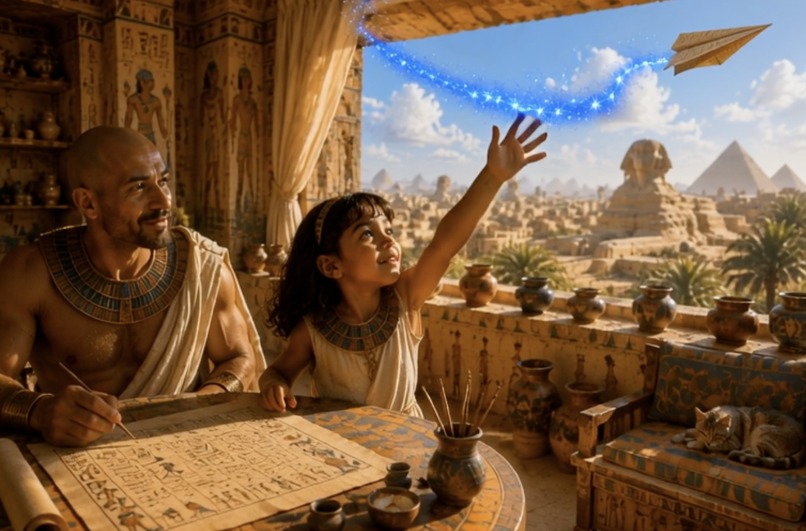
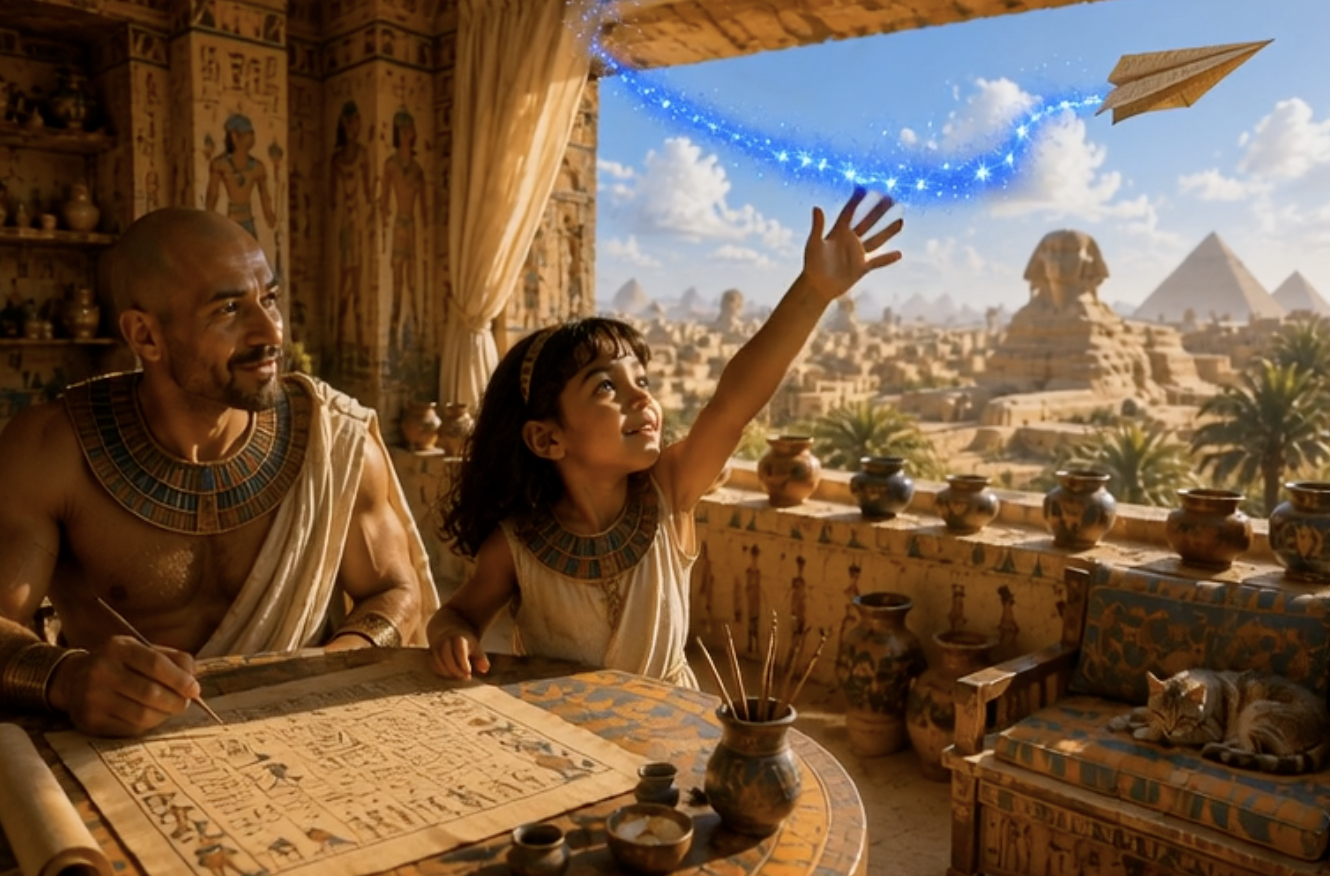
Video Still Image 2
-
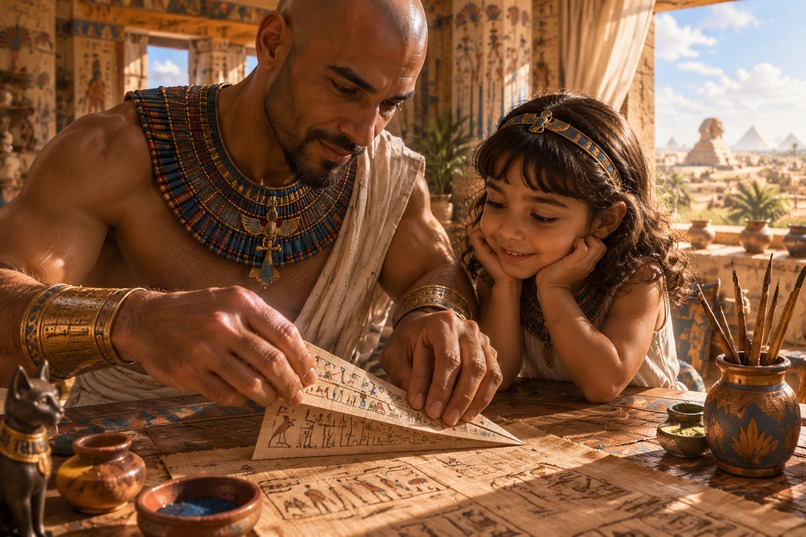
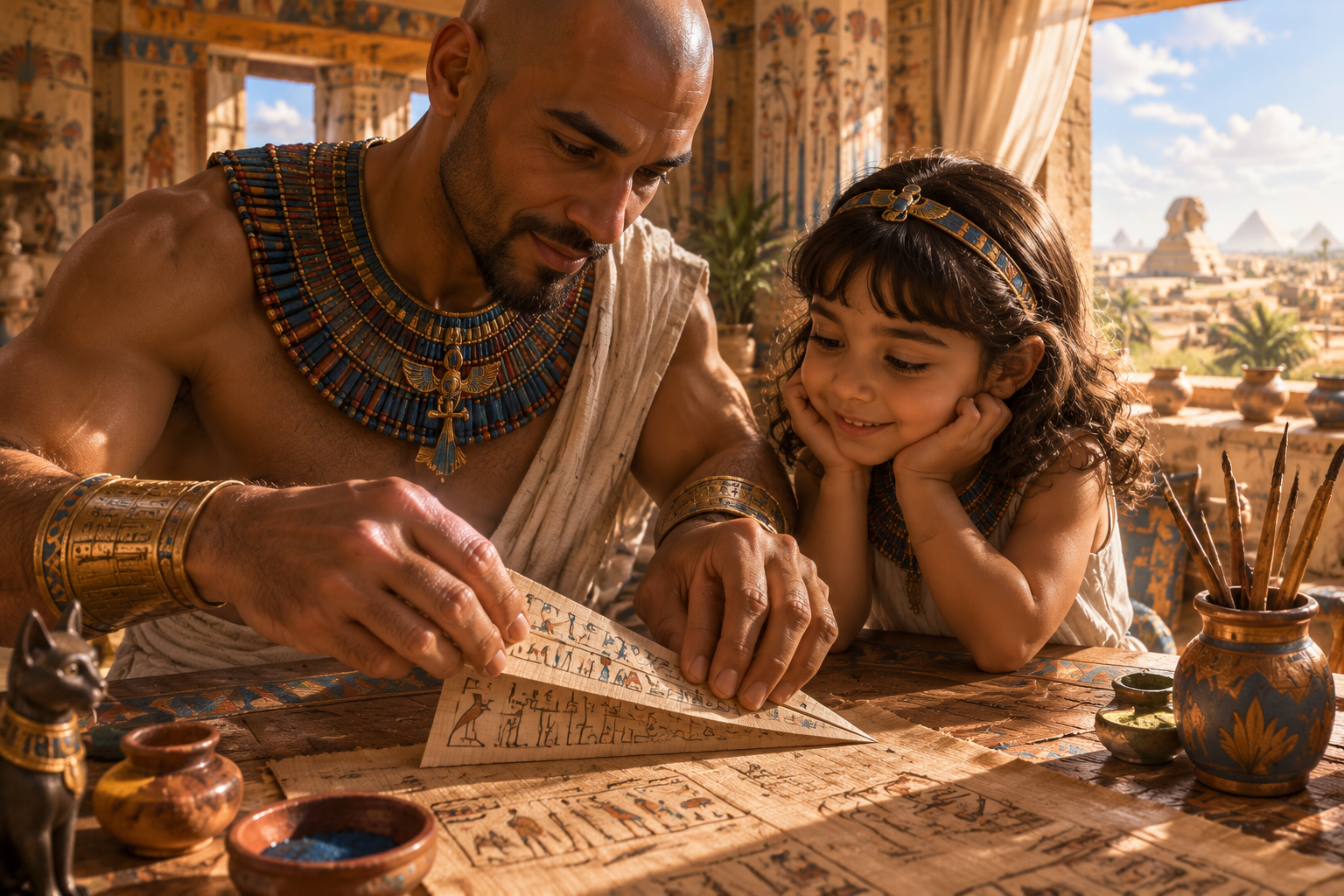
Video Still Image
-
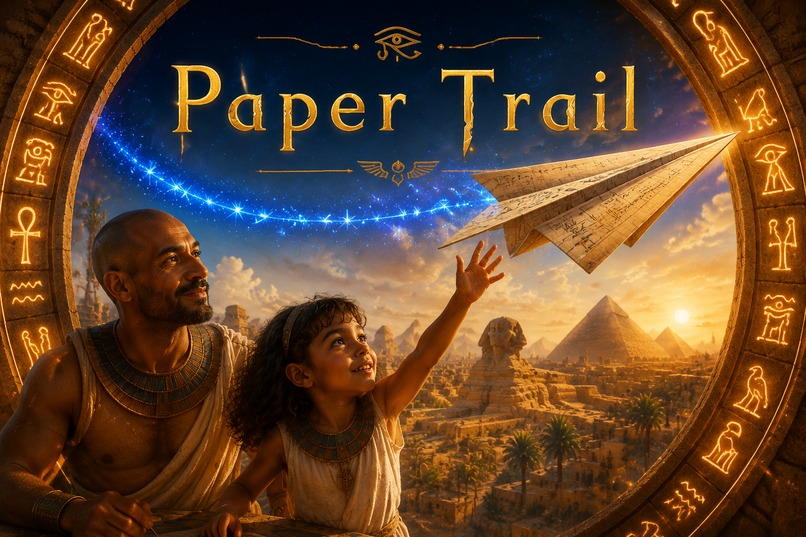
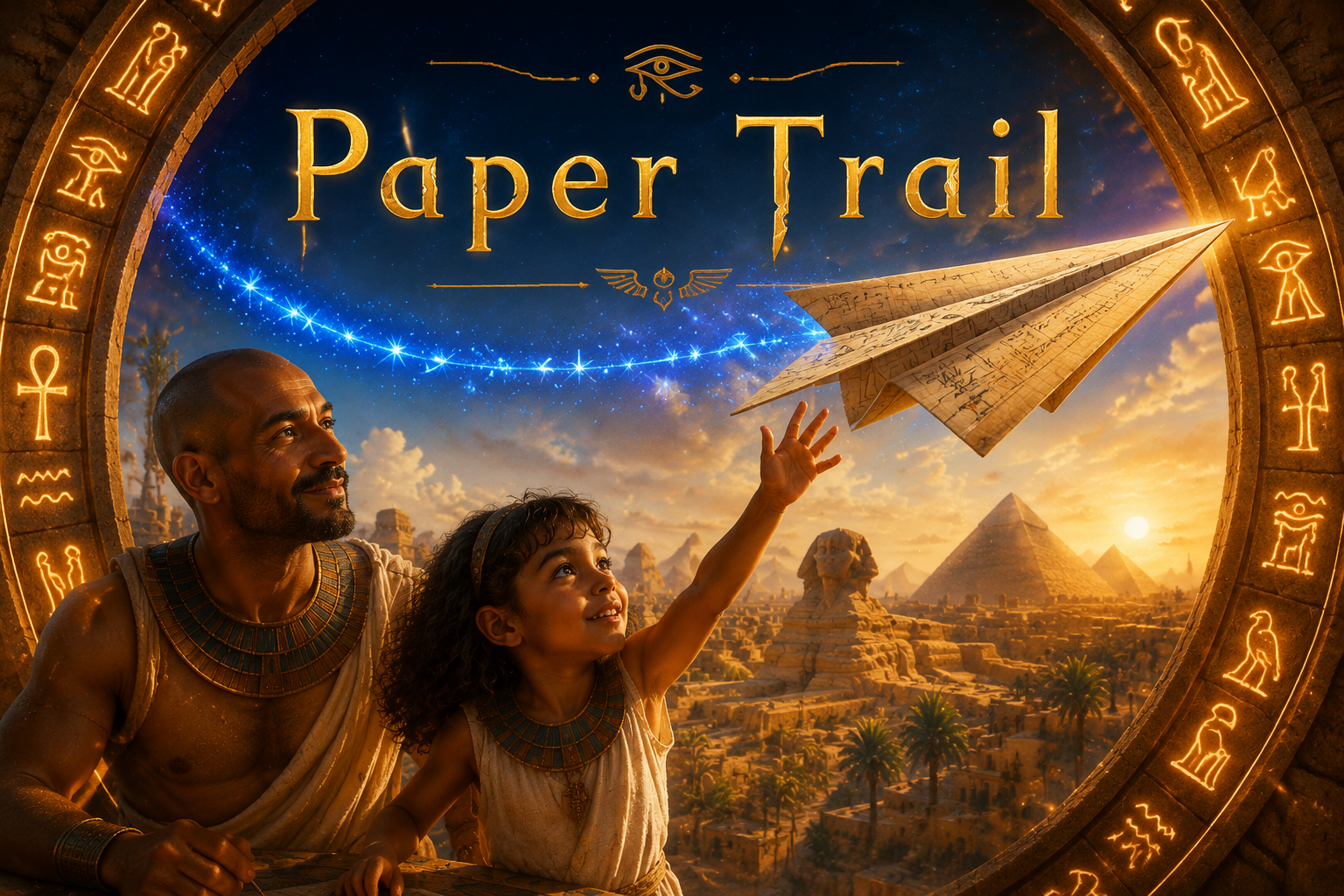
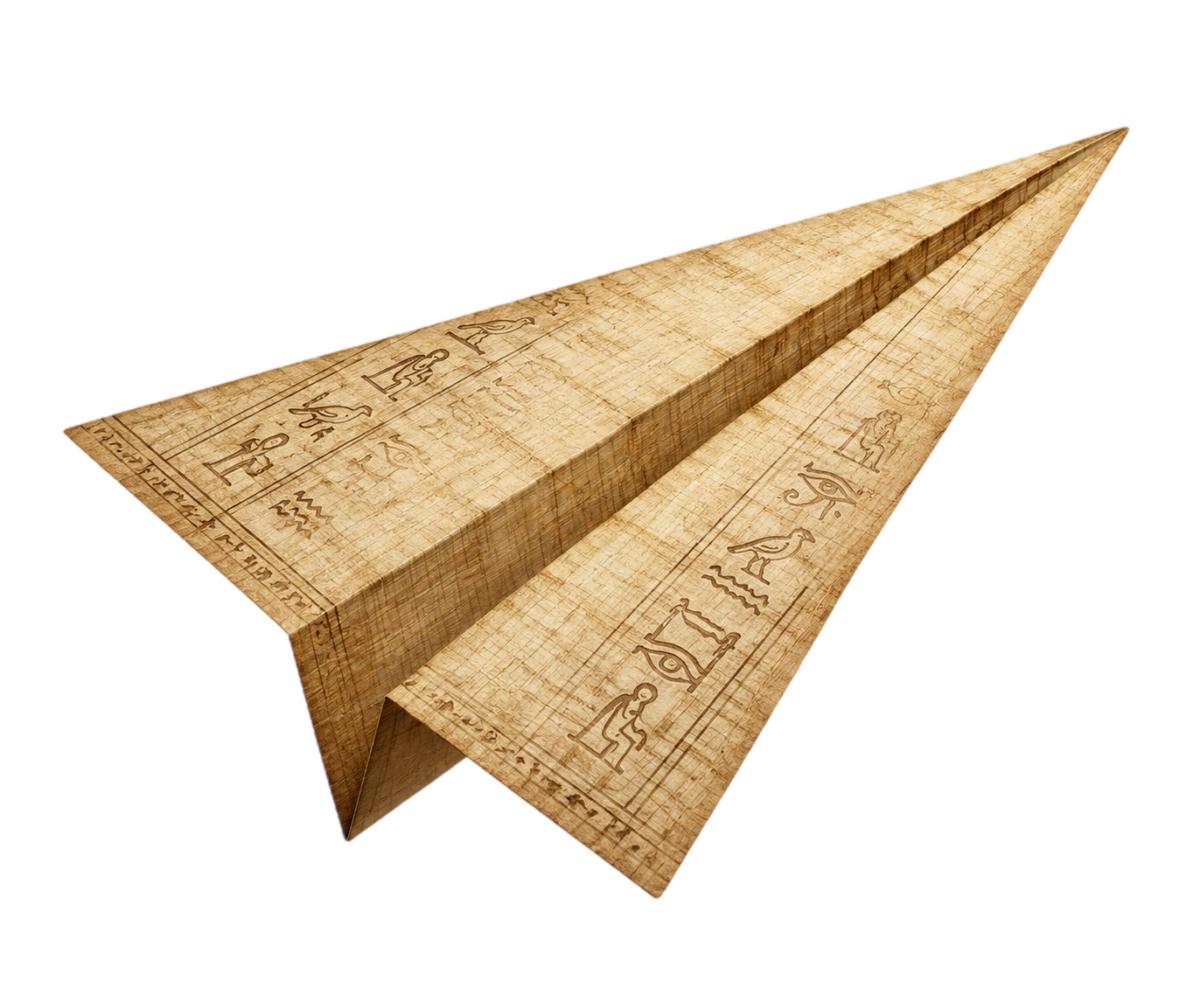
Game Thumbnail
-
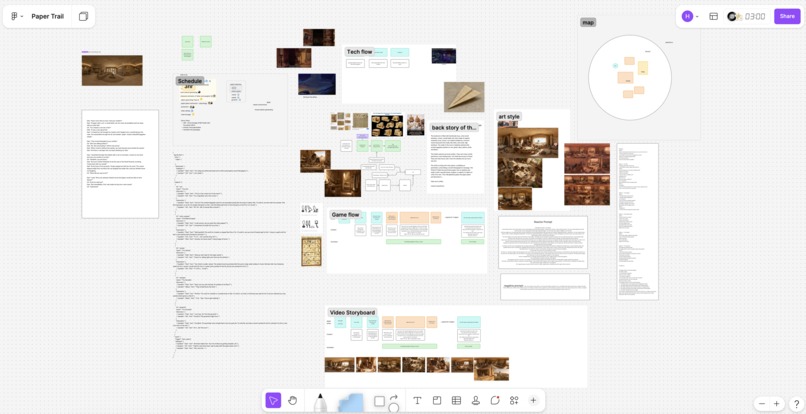
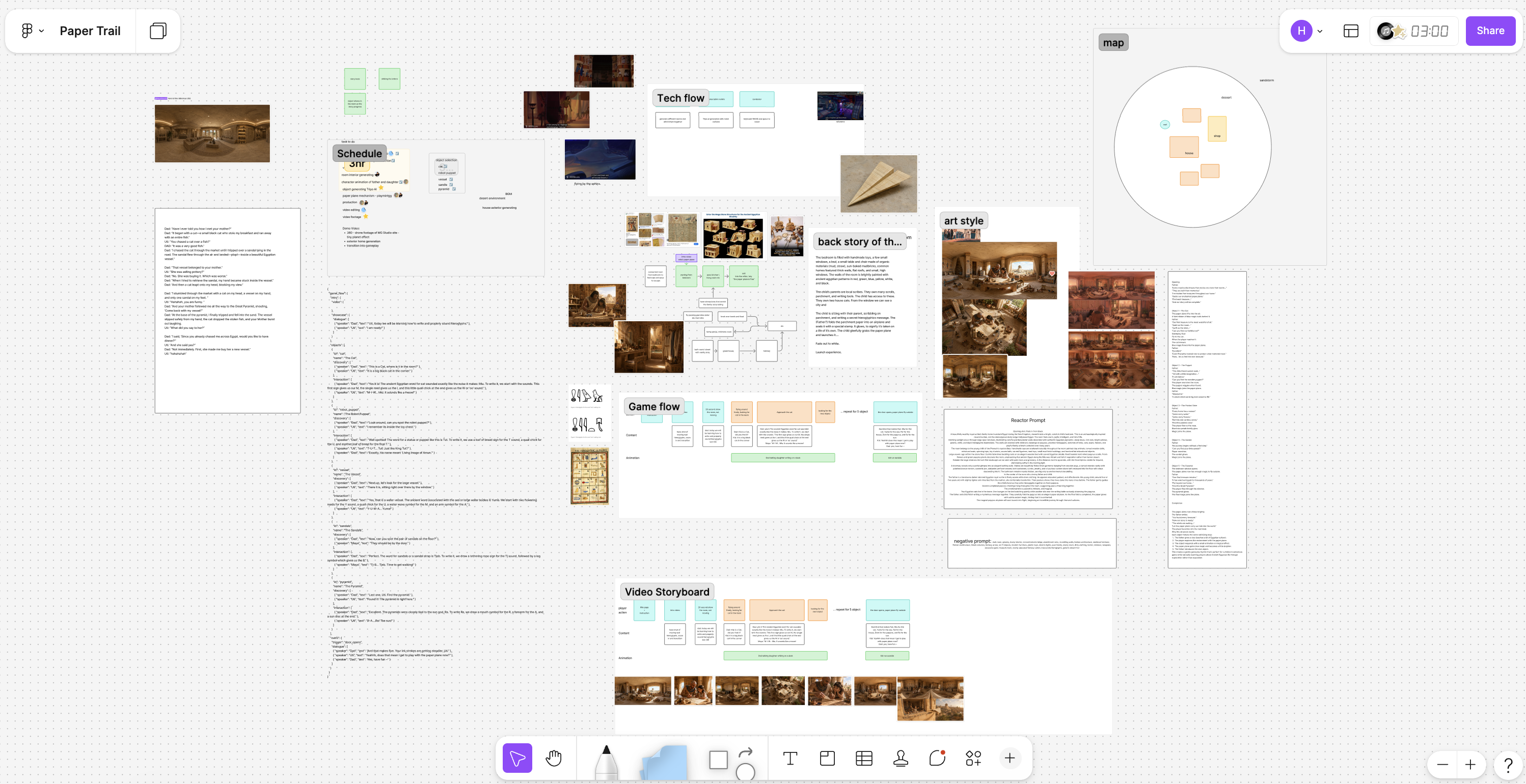
Figma: Team Collaboration and Roadmap
-
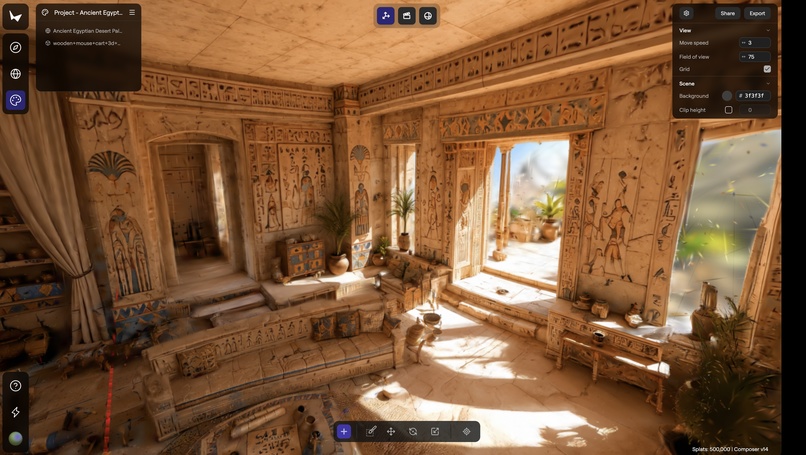
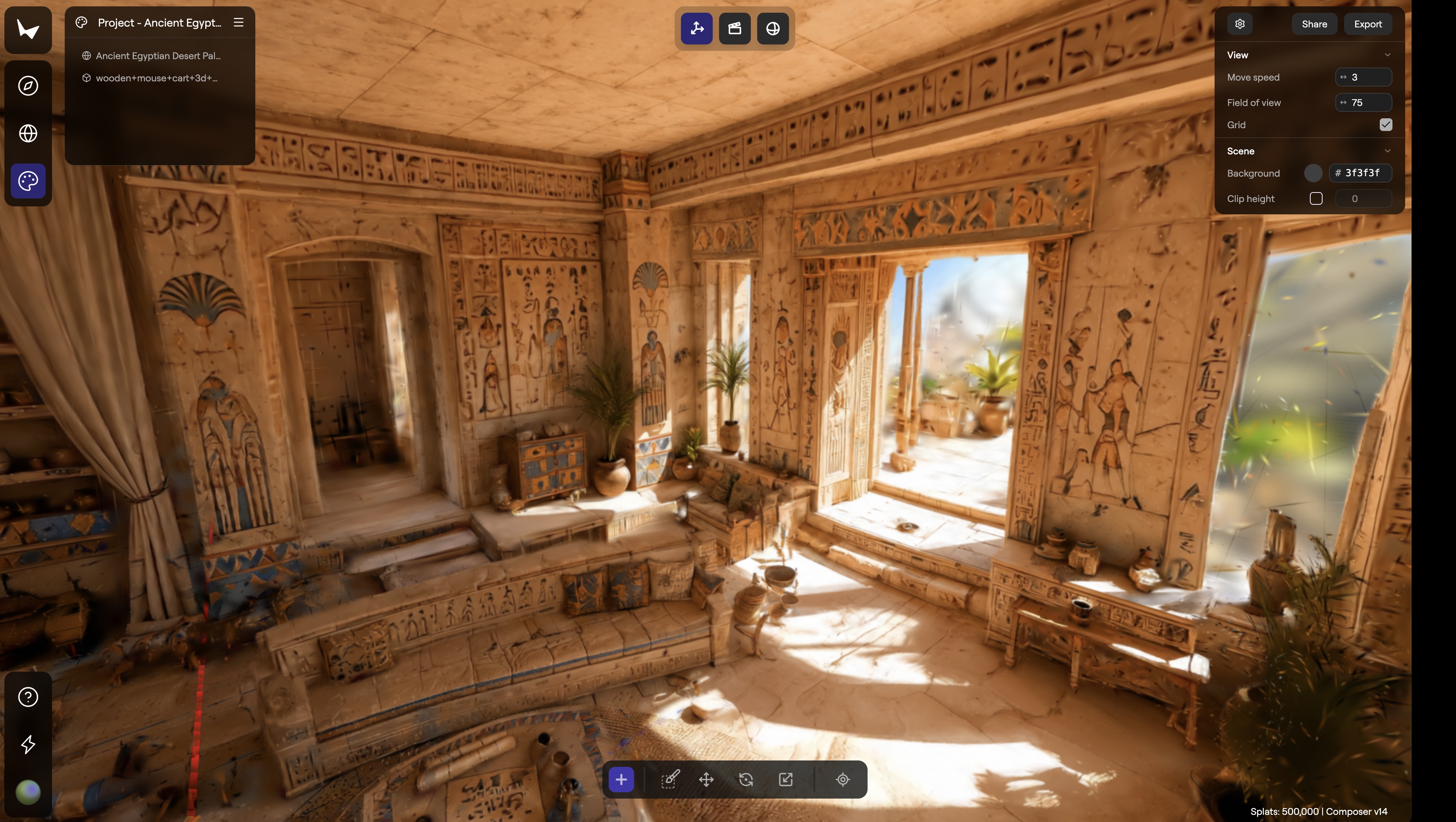
Splat generation
-
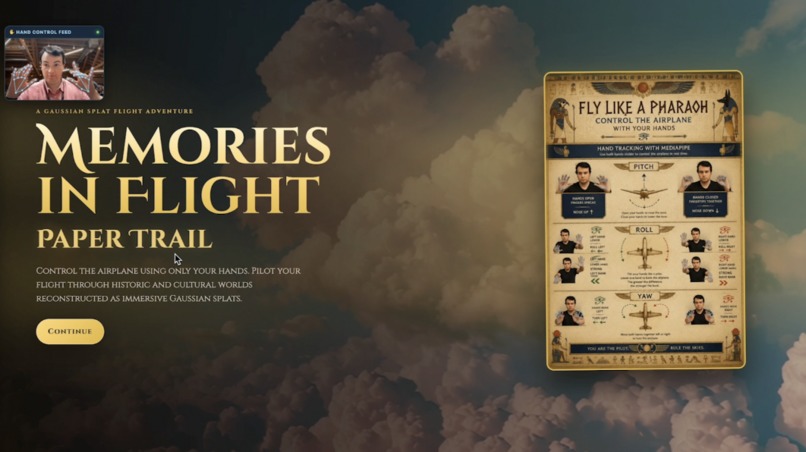
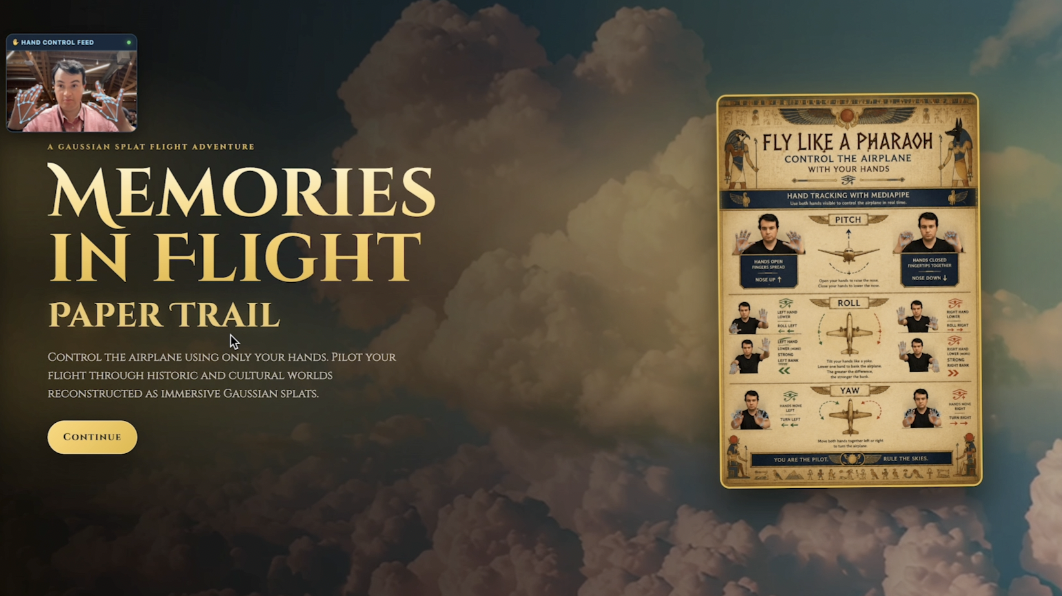
Hand Tracking Instructions
-
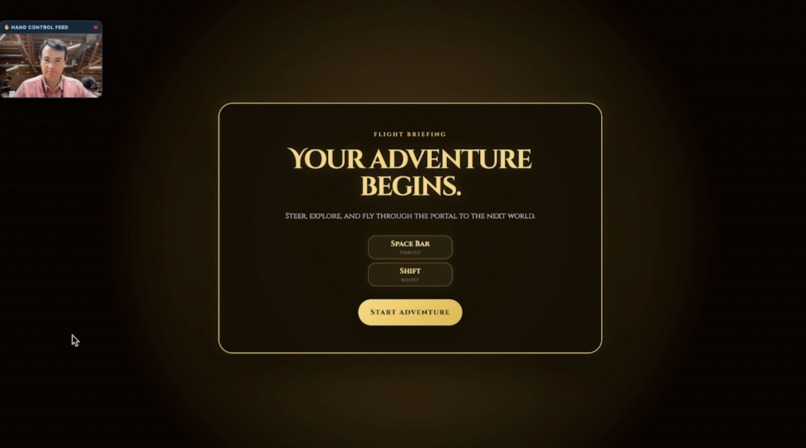
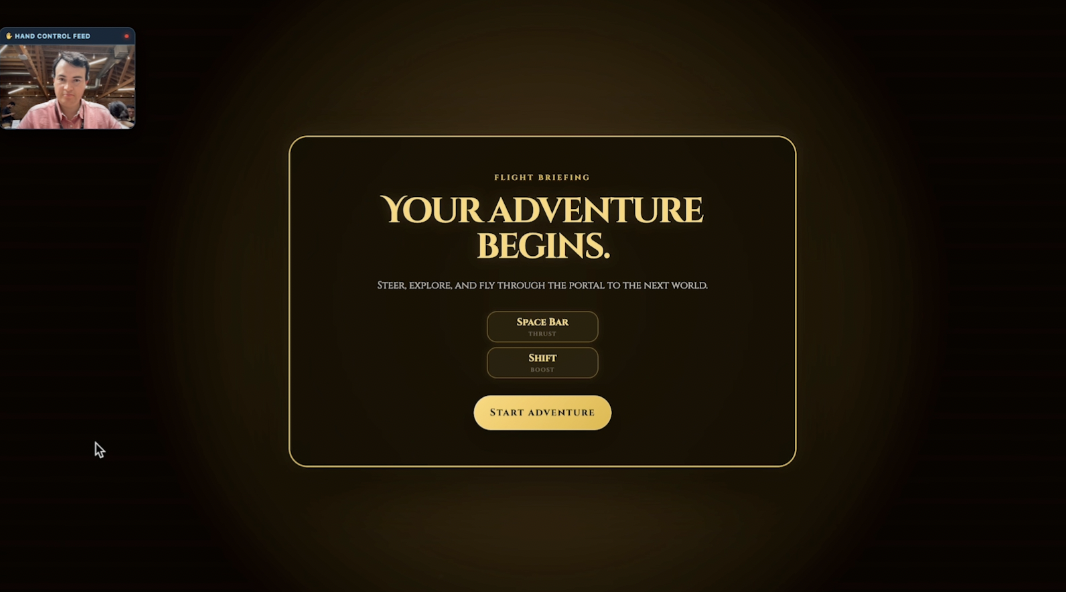
Keyboard Control Instructions
-
fav icon
Inspiration
Paper Trail was inspired by our shared love of storytelling, history, and immersive technology. After meeting at the hackathon, we combined our strengths to create a cozy adventure that sparks childlike wonder. Set in Ancient Egypt, the game celebrates the timeless tradition of parents passing stories to their children.
What it does
Paper Trail is an interactive WebXR storytelling experience where players become a magical papyrus paper airplane enchanted by an Ancient Egyptian scribe. Using hand tracking (or keyboard controls), players glide through an immersive Gaussian Splat recreation of Ancient Egypt, collecting animated memories hidden within meaningful objects. As players discover a cat, sandals, vessel, and pyramid, each object comes alive through animation, sound, and narration, gradually revealing the heartwarming story of how a father met his daughter's mother. Rather than simply listening to a story, players physically journey through it, transforming storytelling into an interactive experience that inspires curiosity, childlike wonder, and a deeper connection to history.
How we built it
Paper Trail combines cutting-edge spatial technology with handcrafted storytelling. Our Ancient Egyptian environment was generated as a Gaussian Splat world using World Labs Marble and rendered in the browser using Spark.js and Three.js. To create a seamless experience, the world streams in the background behind a cinematic introduction before transitioning directly into gameplay. Players control the enchanted papyrus airplane using MediaPipe hand tracking, steering naturally with hand position and gestures. A custom flight system handles banking, pitching, boosting, and smooth idle motion to create a comfortable flying experience. The interactive collectibles were created as Tripo AI 3D assets and animations, while narration, synchronized captions, music, and procedural effects transform each collectible into a living memory within the story. To support interaction inside a Gaussian Splat world, we developed a custom collision workflow using a manually aligned collider shell alongside object-based collision detection. We also built an in-game world editor for placing objects, uploading new splat environments, and rapidly iterating on gameplay during development. Additional creative tools included Midjourney, CapCut, SunoAi for music, TypeScript, Vite, Draco compression, and IndexedDB for asset management and rapid prototyping.
Challenges we ran into
Paper Trail challenged us both technically and creatively. As a newly formed interdisciplinary team, one of our biggest challenges was communication. Our team included native Mandarin speakers, native Spanish speakers, and English served as our common working language. Beyond spoken language, we also had to bridge different creative disciplines. Team members from film, animation, interaction design, storytelling, and real-time graphics often approached the same problem from completely different perspectives. Production habits from film—such as high-resolution assets and linear storytelling—had to be rethought for the performance constraints and interactive nature of WebXR. From a technical standpoint, Gaussian Splats presented unique challenges because they contain no traditional geometry for collision detection. We developed a custom collider shell and object-based collision system to make the world feel physically interactive. Creating intuitive gesture-based flight also required significant iteration. Raw hand tracking is naturally jittery, so we implemented smoothing, gesture normalization, neutral centering, and graceful recovery when tracking was lost to create controls that felt natural rather than frustrating. Finally, like every hackathon team, we balanced ambitious ideas against limited time. Narrowing our scope, dividing responsibilities across multiple disciplines, integrating everyone's work, and polishing the experience under intense time constraints required constant communication, flexibility, and trust.
Accomplishments that we're proud of
We're proud of creating an emotionally driven interactive story that blends historical education with playful exploration. We transformed cutting-edge spatial technology into a warm, family-friendly experience centered around curiosity, imagination, and connection.
What we learned
We learned that the best immersive experiences happen when technology supports the story rather than becoming the story itself. We also discovered how powerful rapid collaboration can be when each team member contributes a unique creative perspective.
What's next for Paper Trail
Expand Paper Trail into a collection of interactive historical adventures spanning different cultures and time periods. Future updates include longer stories, additional environments, collectible memories, educational content, richer interactions, and support for more XR platforms.


Log in or sign up for Devpost to join the conversation.