-
-
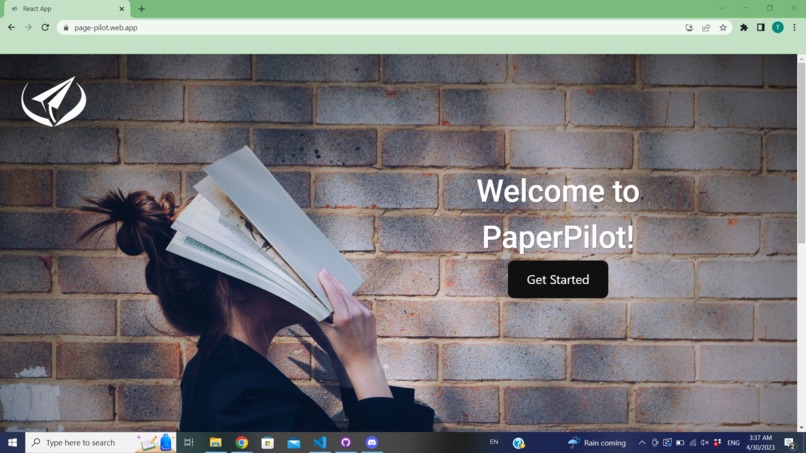
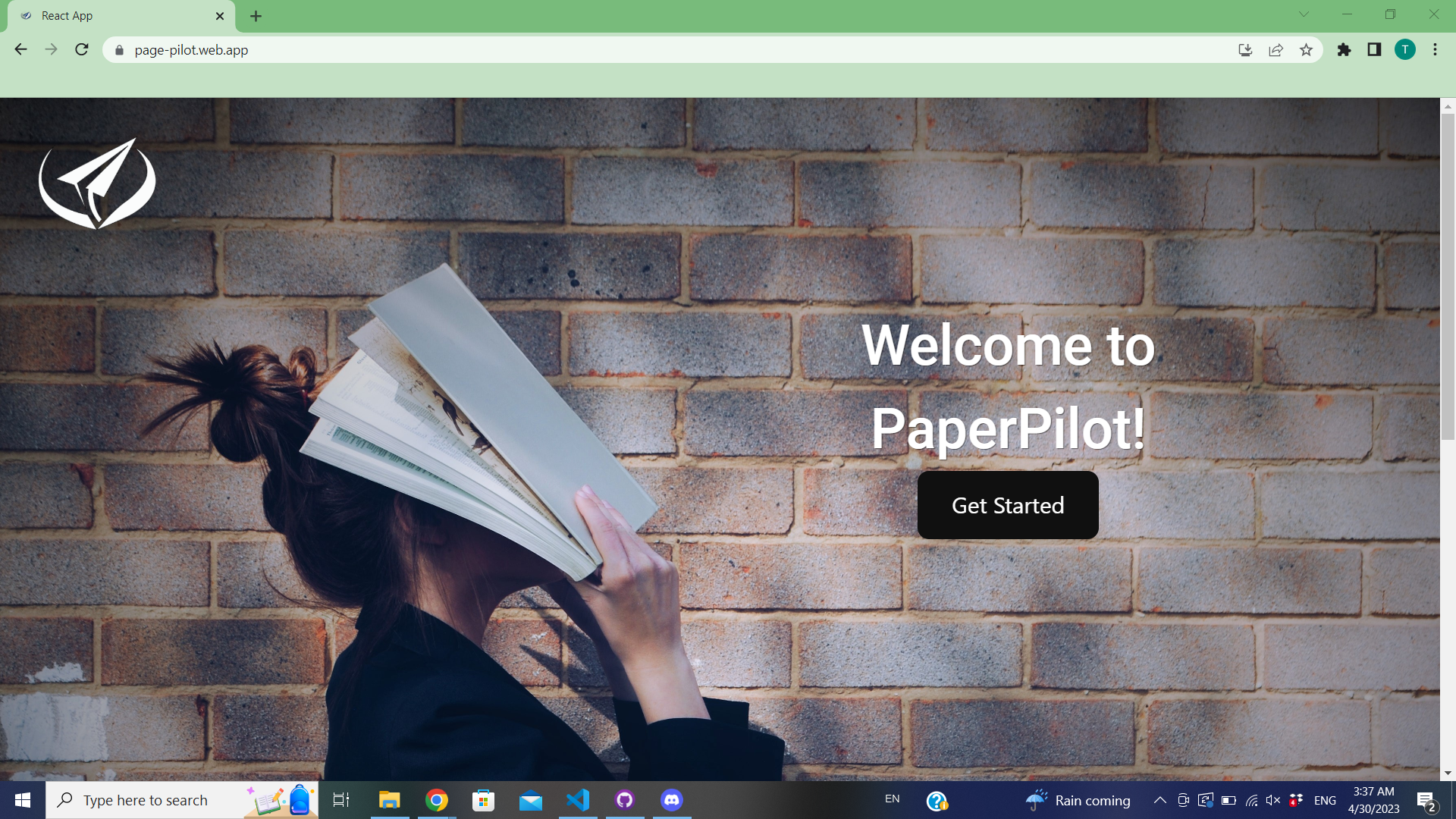
App Landing Page
-
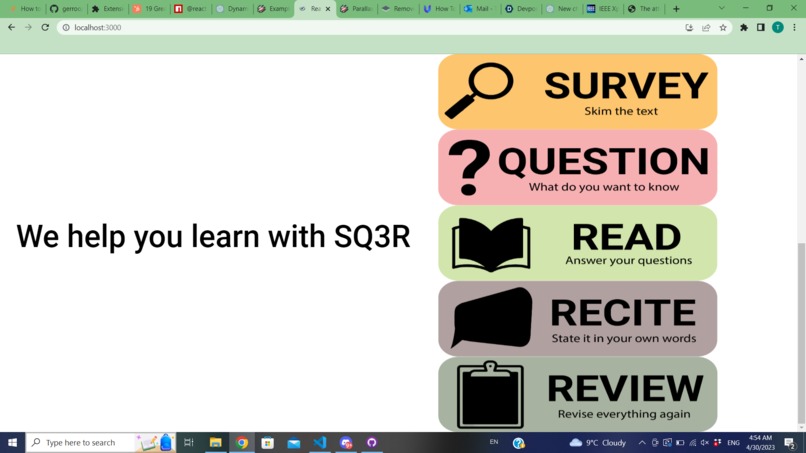
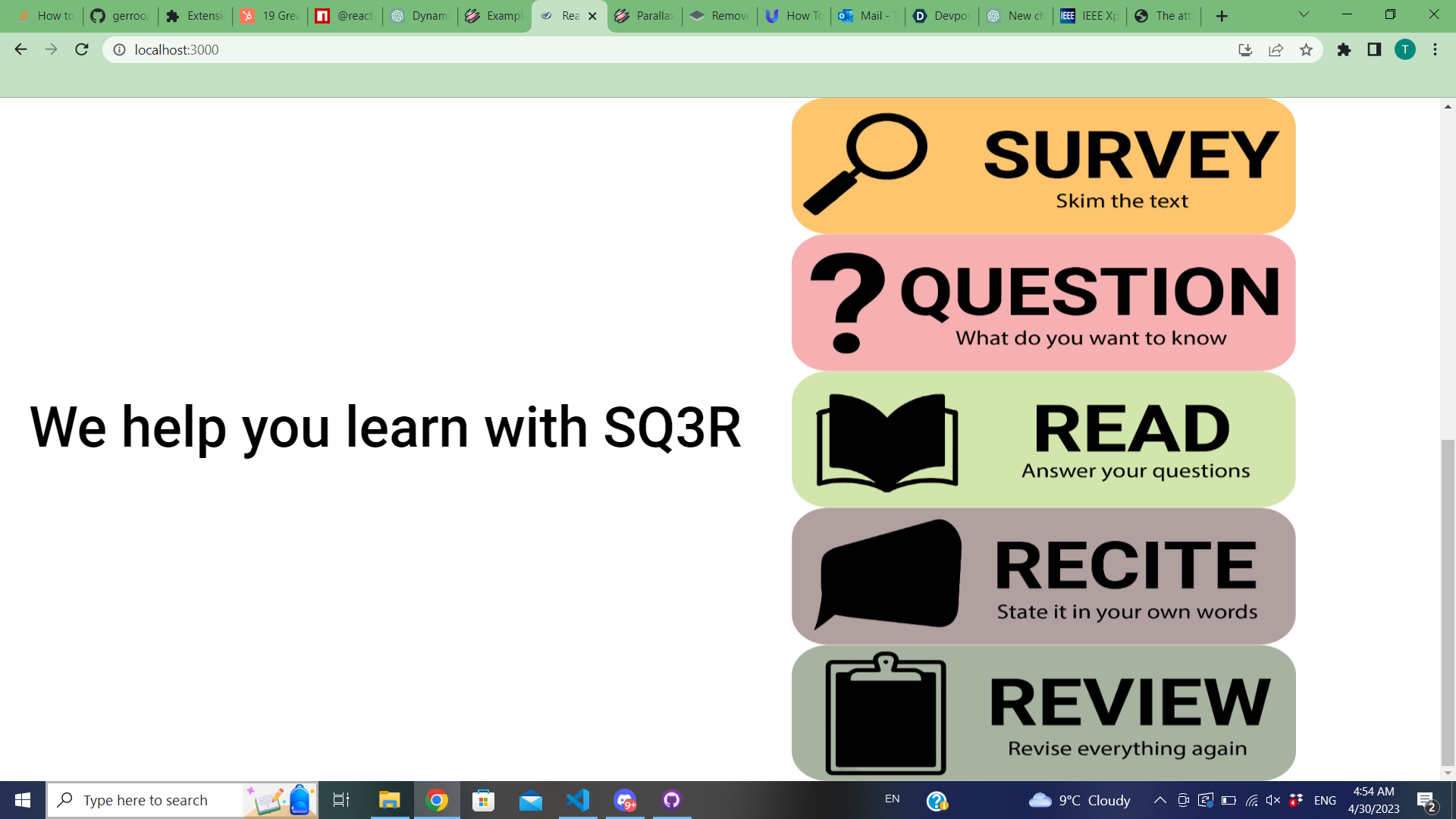
App SQ3R Info Section
-
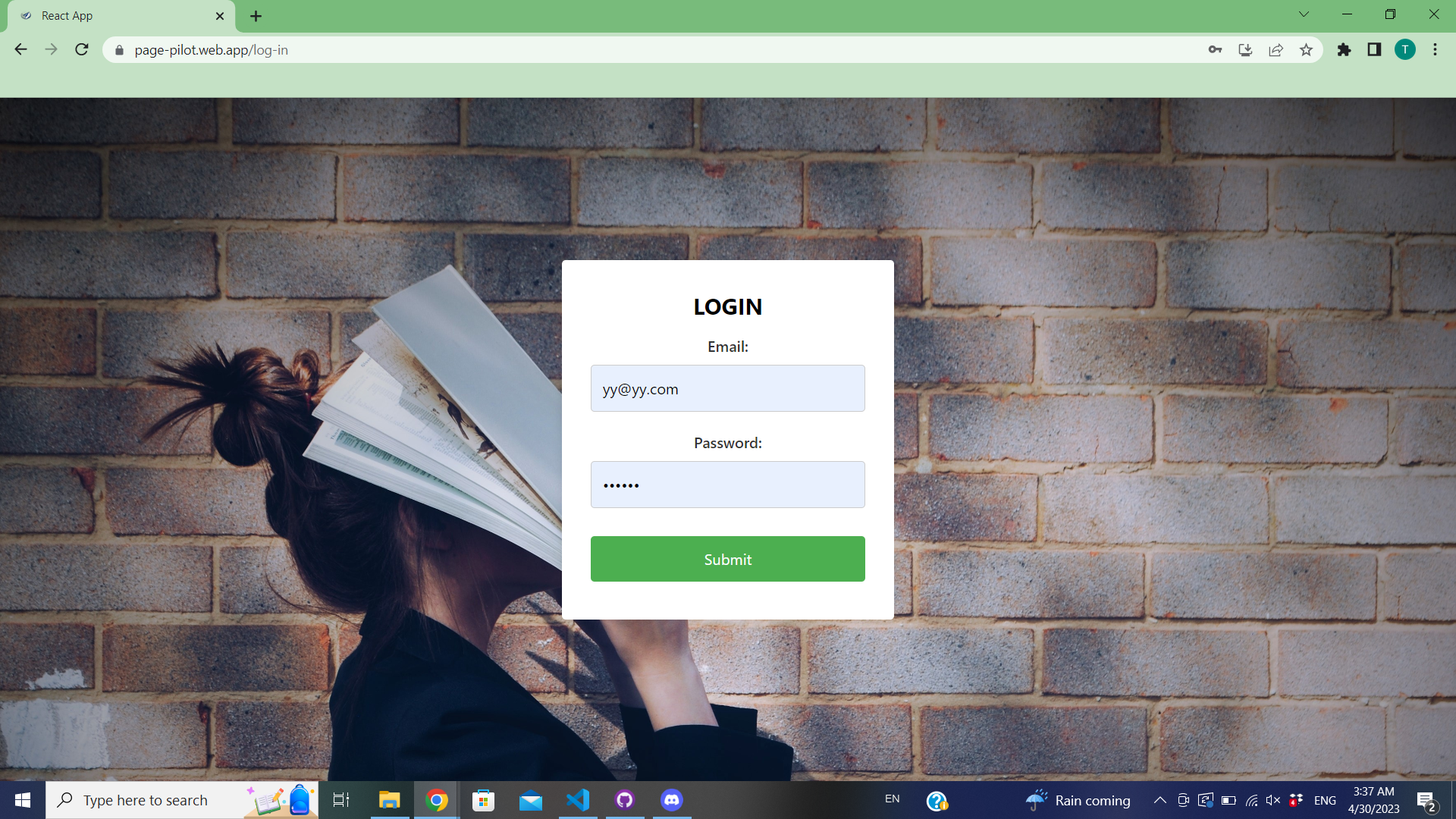
App Login Page
-
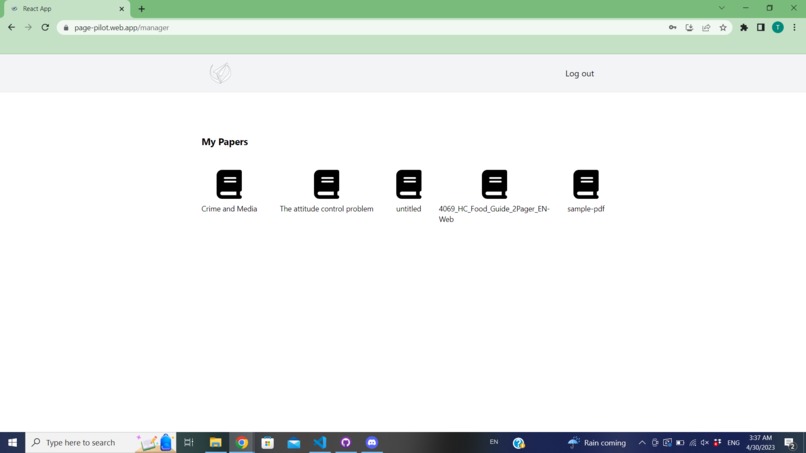
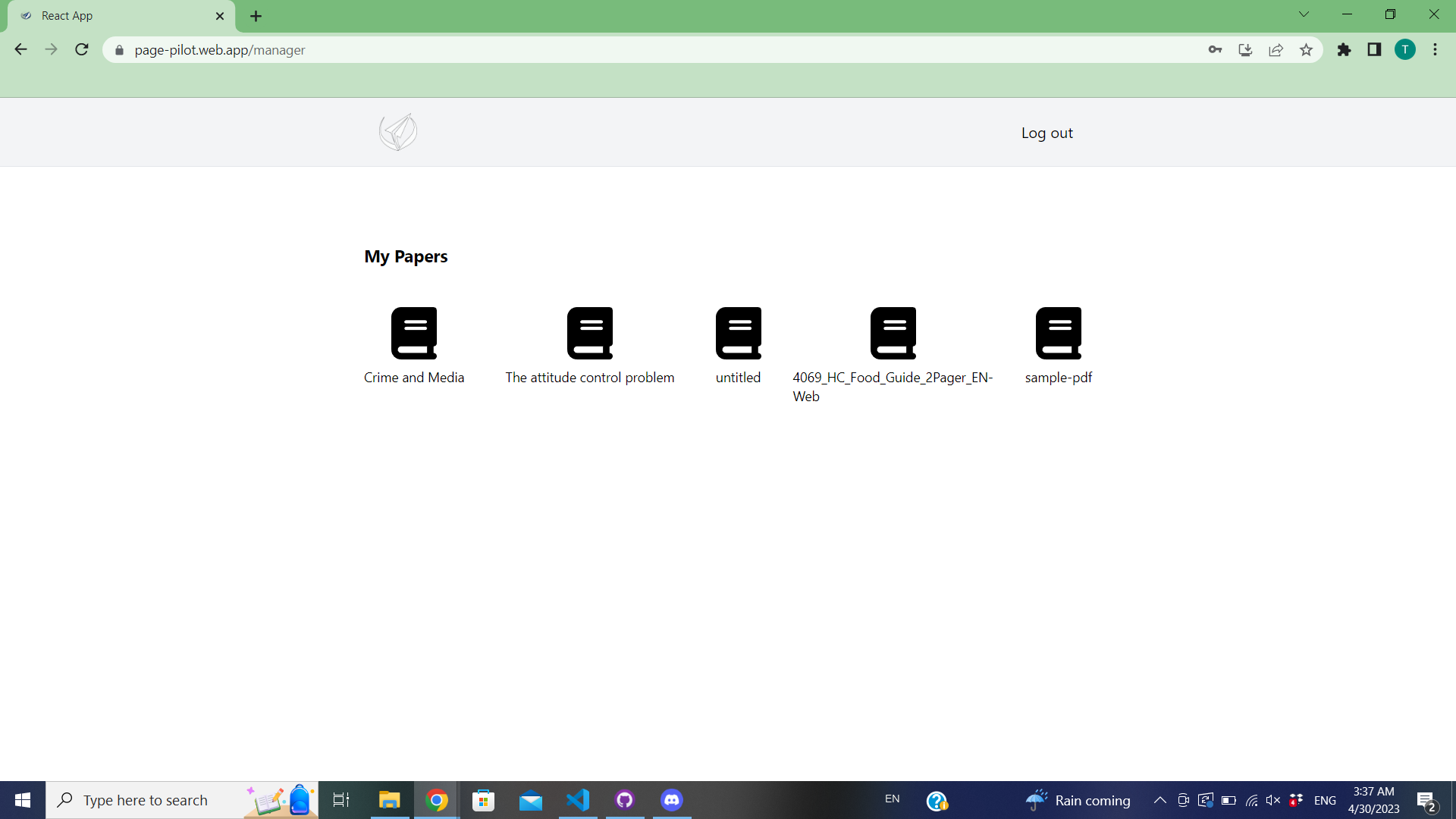
App Manage Papers Page
-
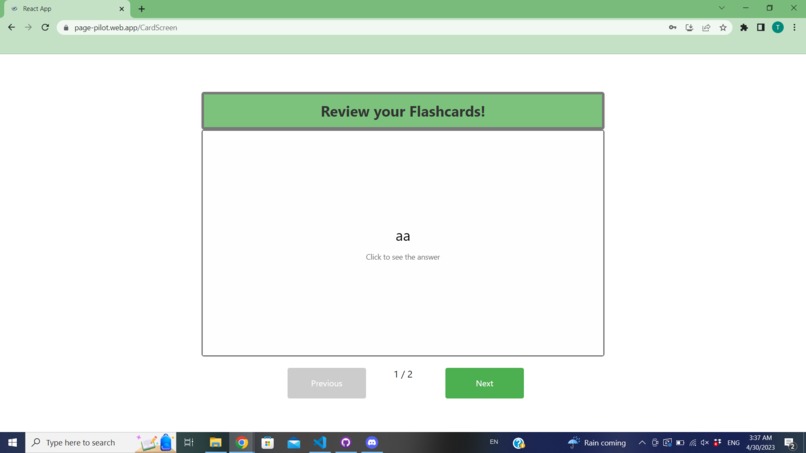
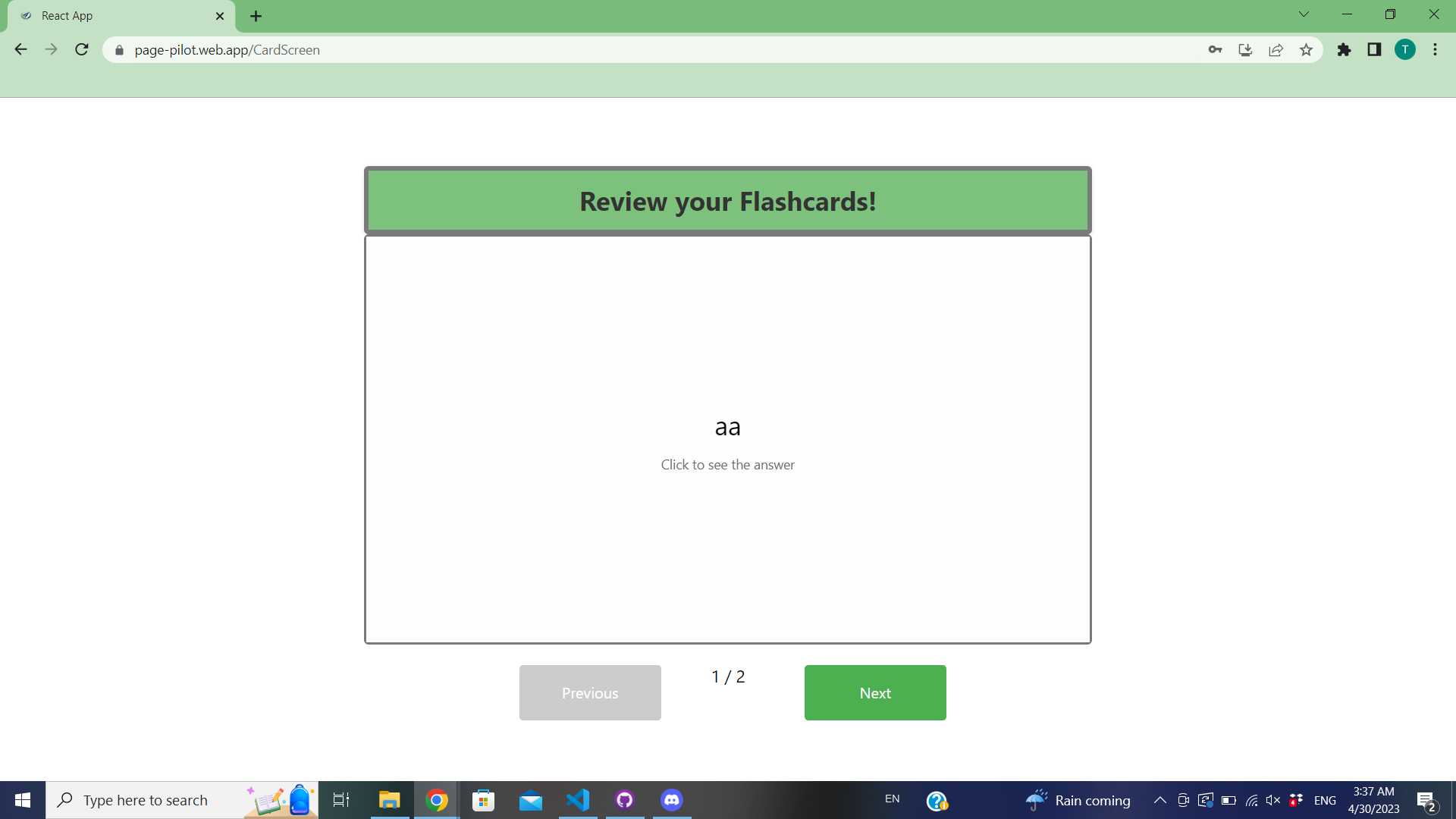
App Review Flashcards Page
-
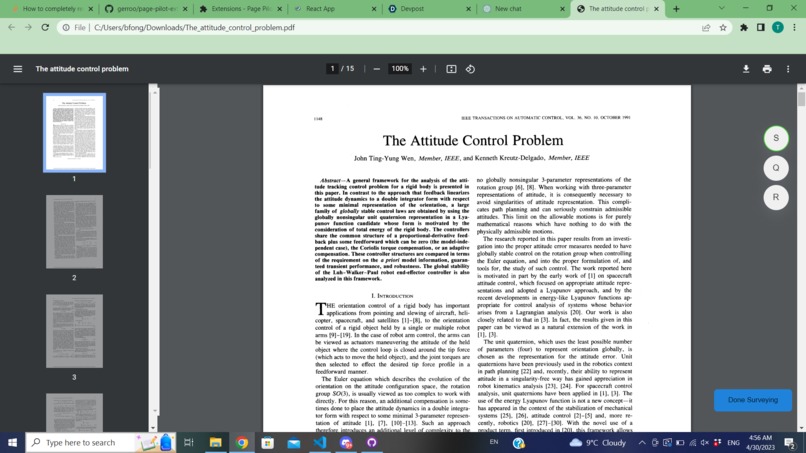
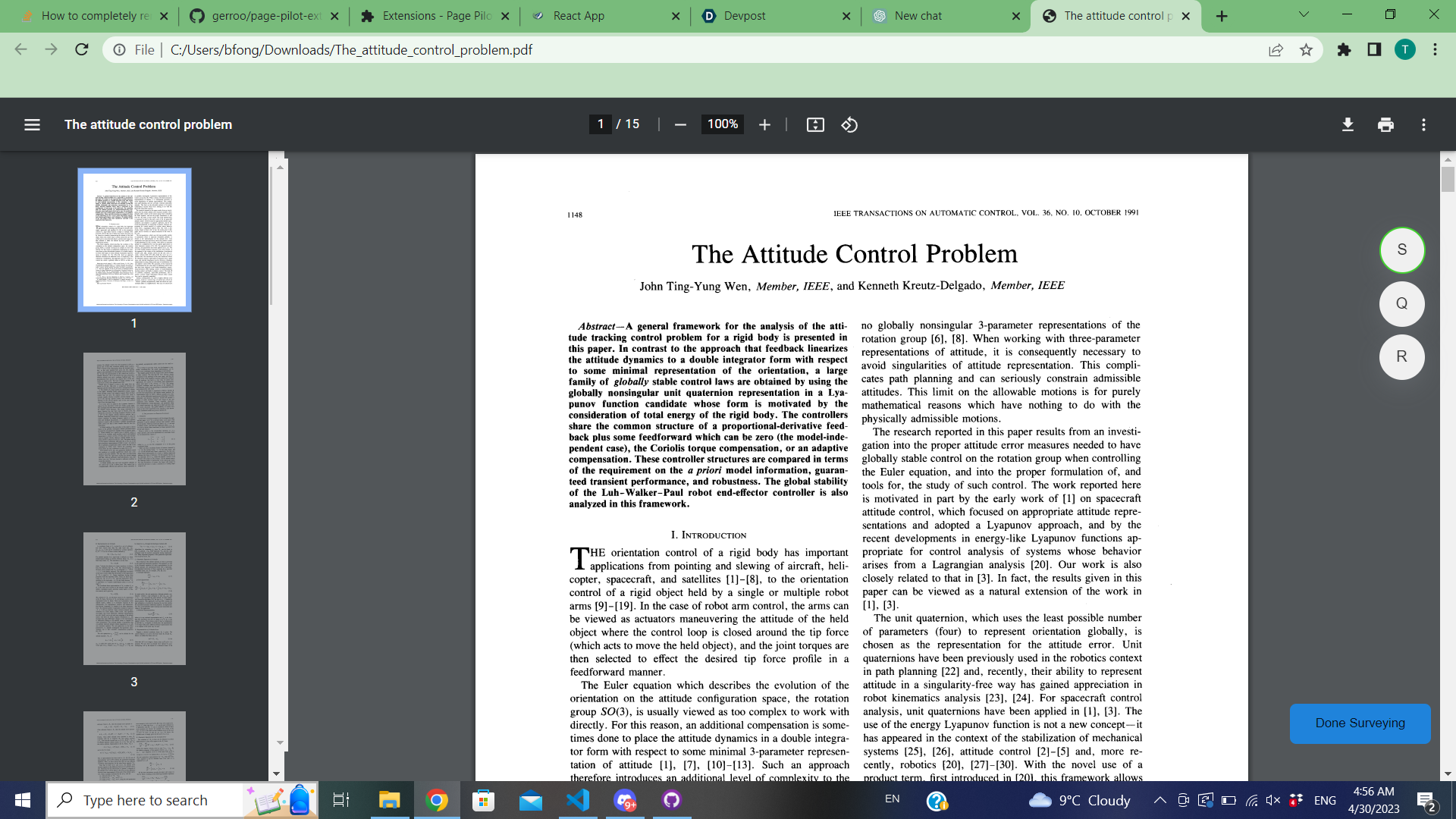
Chrome Extension Surveying step
-
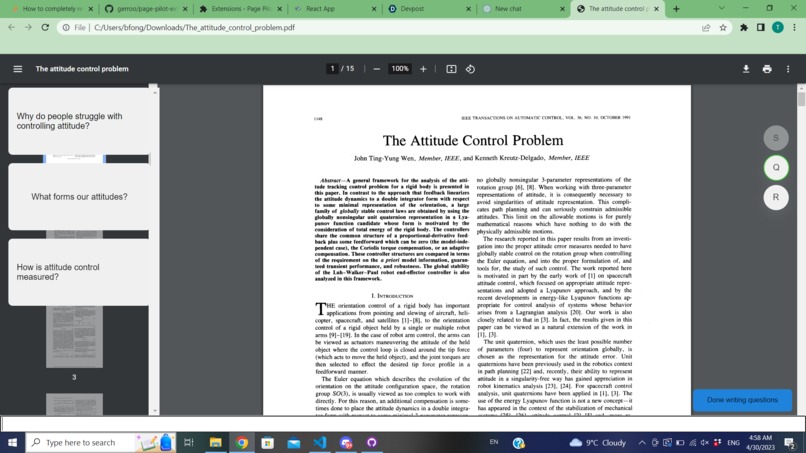
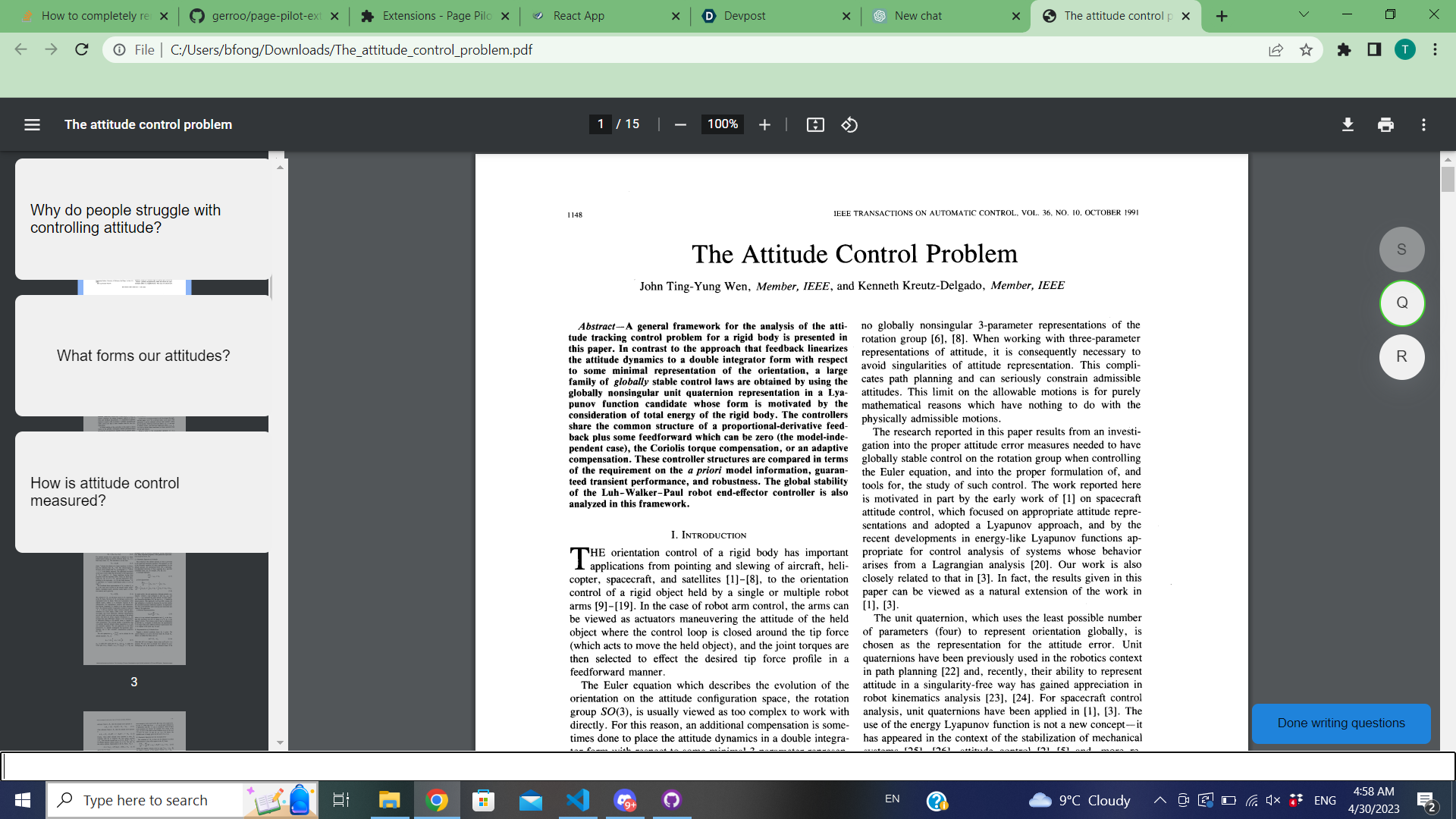
Chrome Extension Questioning step
-
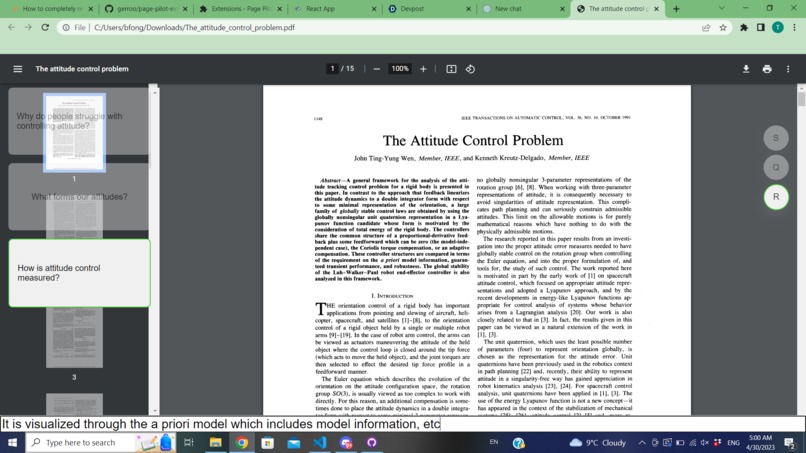
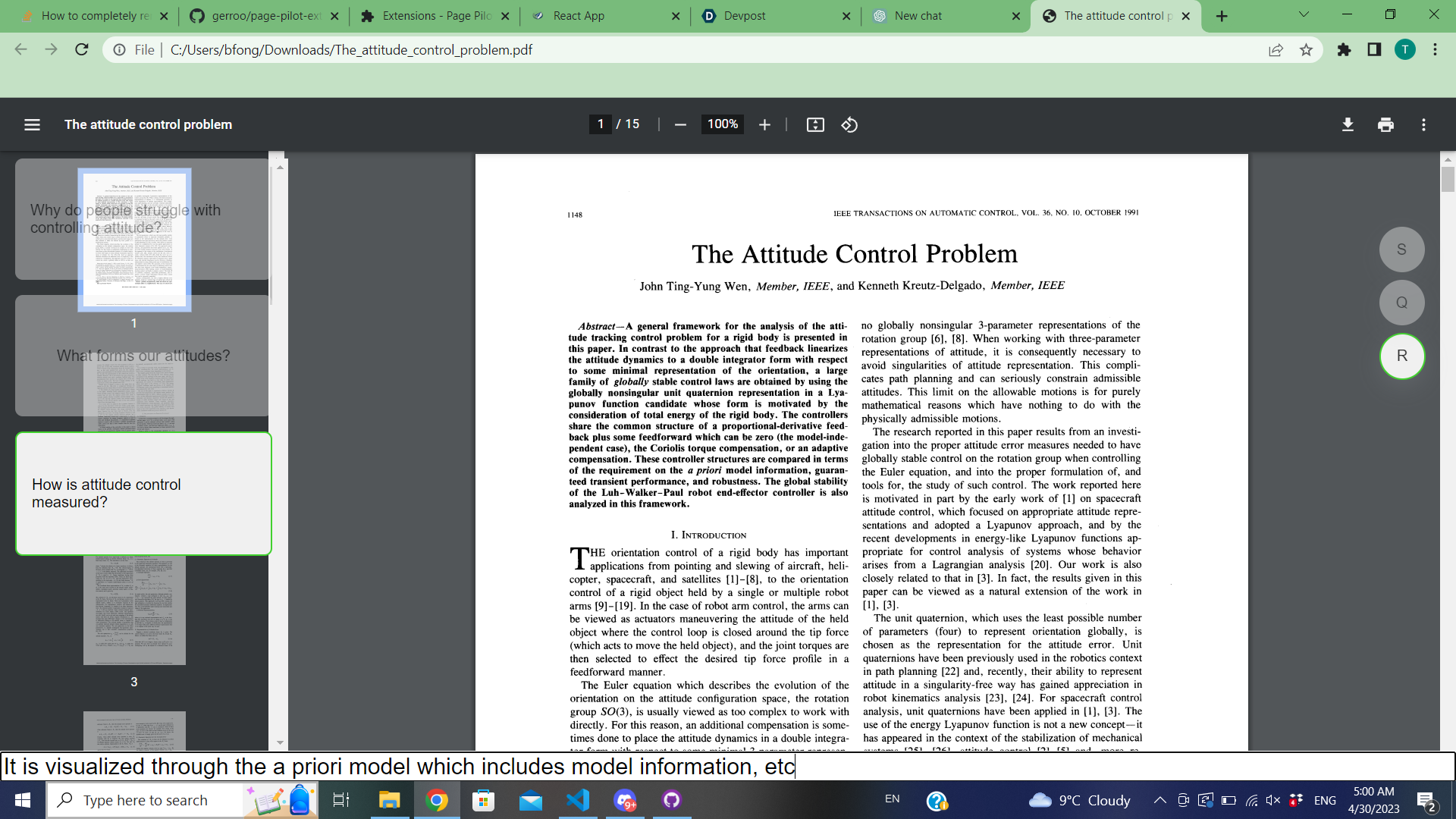
Chrome Extension Answering step
Inspiration
During my social science courses this semester, I observed a common trend among myself and my colleagues: when experiencing stress, our appreciation for the value of learning diminished. We also recognized that integrating knowledge from research papers into our existing knowledge base was a difficult and unnecessarily cumbersome process.
What it does
It facilitates the SQ3R (Survey, Question, Read, Recite, Revise) way of reading with a chrome extension and a flashcards app. Users survey the research paper they are interested in, then they write questions into the extension, read the paper in detail to answer their questions. These questions and answers get turned into flashcards which they can study through our web app.
How we built it
We utilized vanilla JavaScript to build the Chrome extension and leveraged React, a popular JavaScript library, for the development of the web app. To seamlessly integrate the two components, we employed Firebase as a serverless backend.
Challenges we ran into
Throughout the hackathon, we faced a couple of challenges that tested our problem-solving skills and perseverance. One team member encountered issues with outdated coding components, leading to time-consuming fixes and repeated downloads. Meanwhile, another team member experienced frequent computer overheating, resulting in unexpected errors and disruptions.
Accomplishments that we're proud of
We are proud to have managed our time well thoughout the hackathon, with continuous progress being put into the project from the beginning until the end, allowing us the properly progress through the phases of project development. This allowed us time to add content and details that came up to us along the way and fix any issues that came in our path.
What we learned
Throughout the project, we gained valuable skills especially in honing our front-end design and coding abilities while also strengthening our backend development expertise. Additionally, the collaborative nature of the project allowed us to understand each other better and improve our teamwork and communication skills as well as familiarizing ourselves with pushing and pulling on github.
What's next for Paper Pilot
Looking ahead, our focus for Paper Pilot is to continue refining and enhancing our already functioning project. We plan to dedicate time to improving the project's aesthetics, ensuring a visually appealing and user-friendly experience. Additionally, we aim to solidify the back-end processes, strengthening the infrastructure for seamless functionality. Throughout the summer, we will explore and integrate exciting coding ideas that we did not have time to explore during the 36-hour hackathon. We've grown committed to our vision of Paper Pilot and its potential to bring research papers to the forefront of everybody's learning journey.

Log in or sign up for Devpost to join the conversation.