-
-
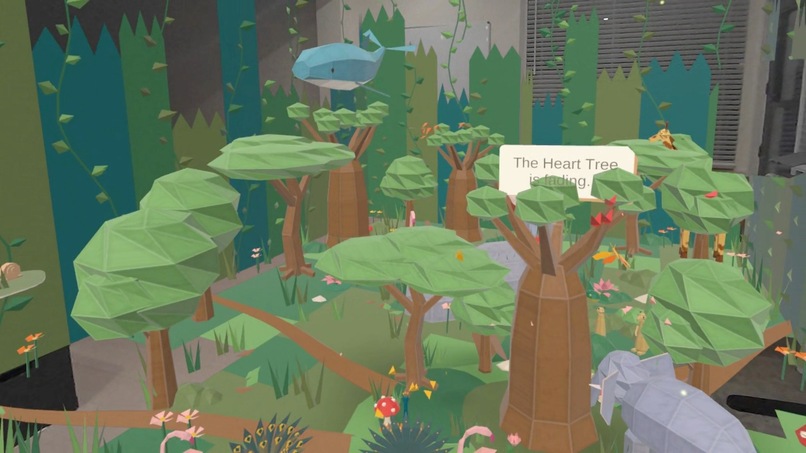
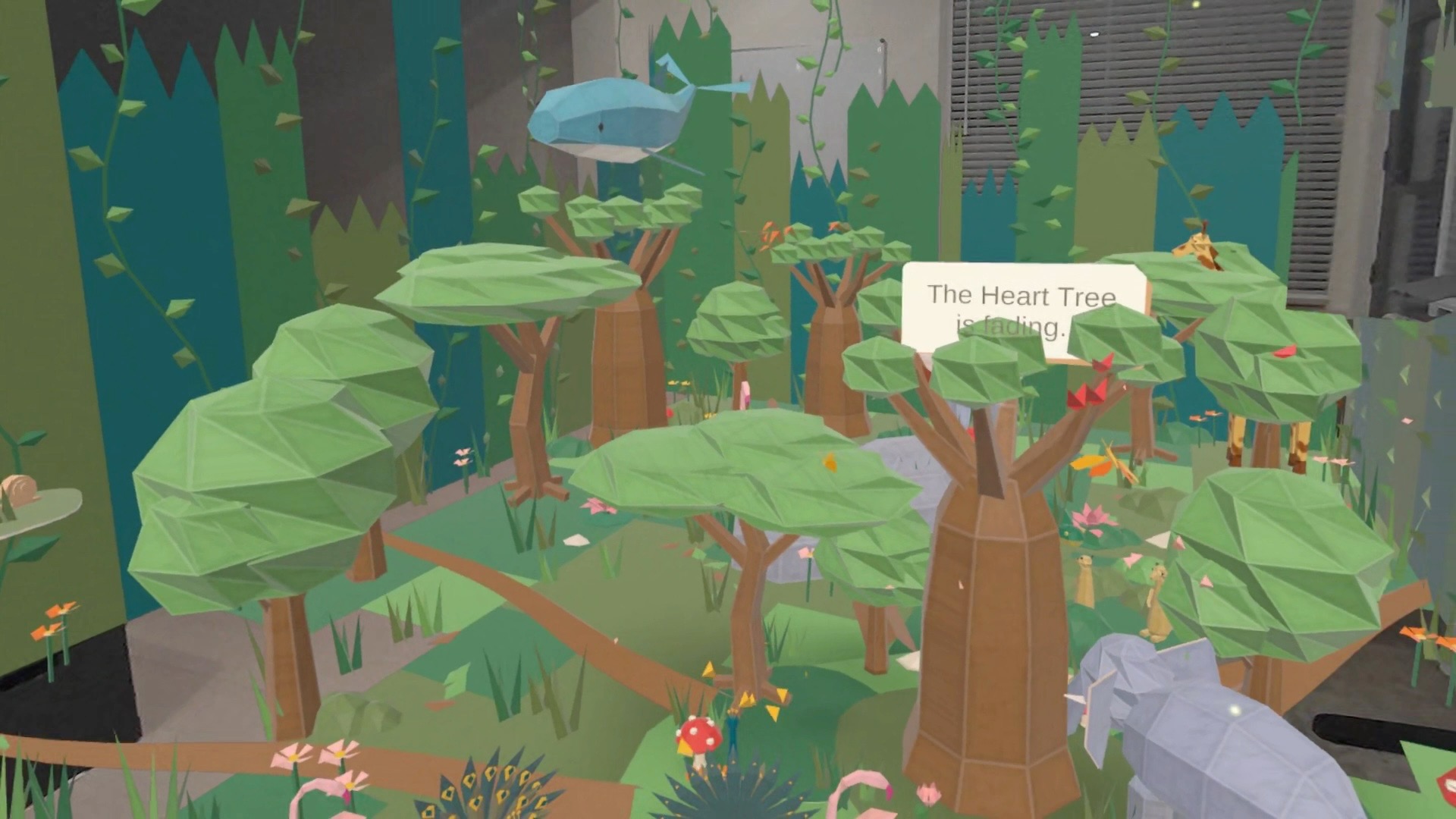
The Jungle mixed reality immersive story scene
-
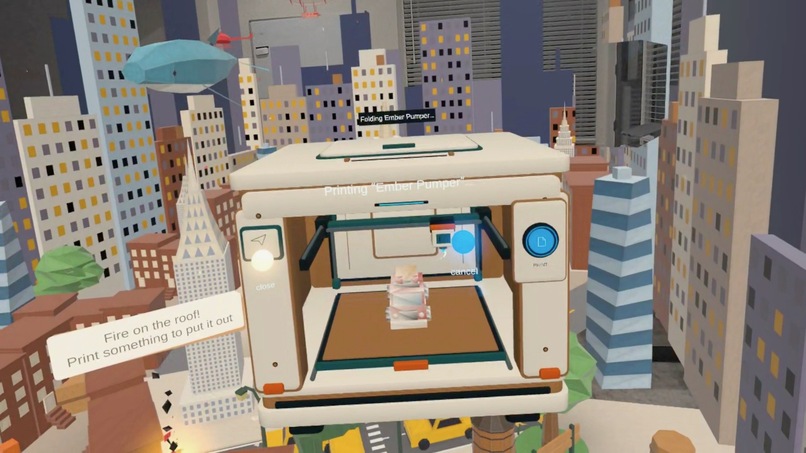
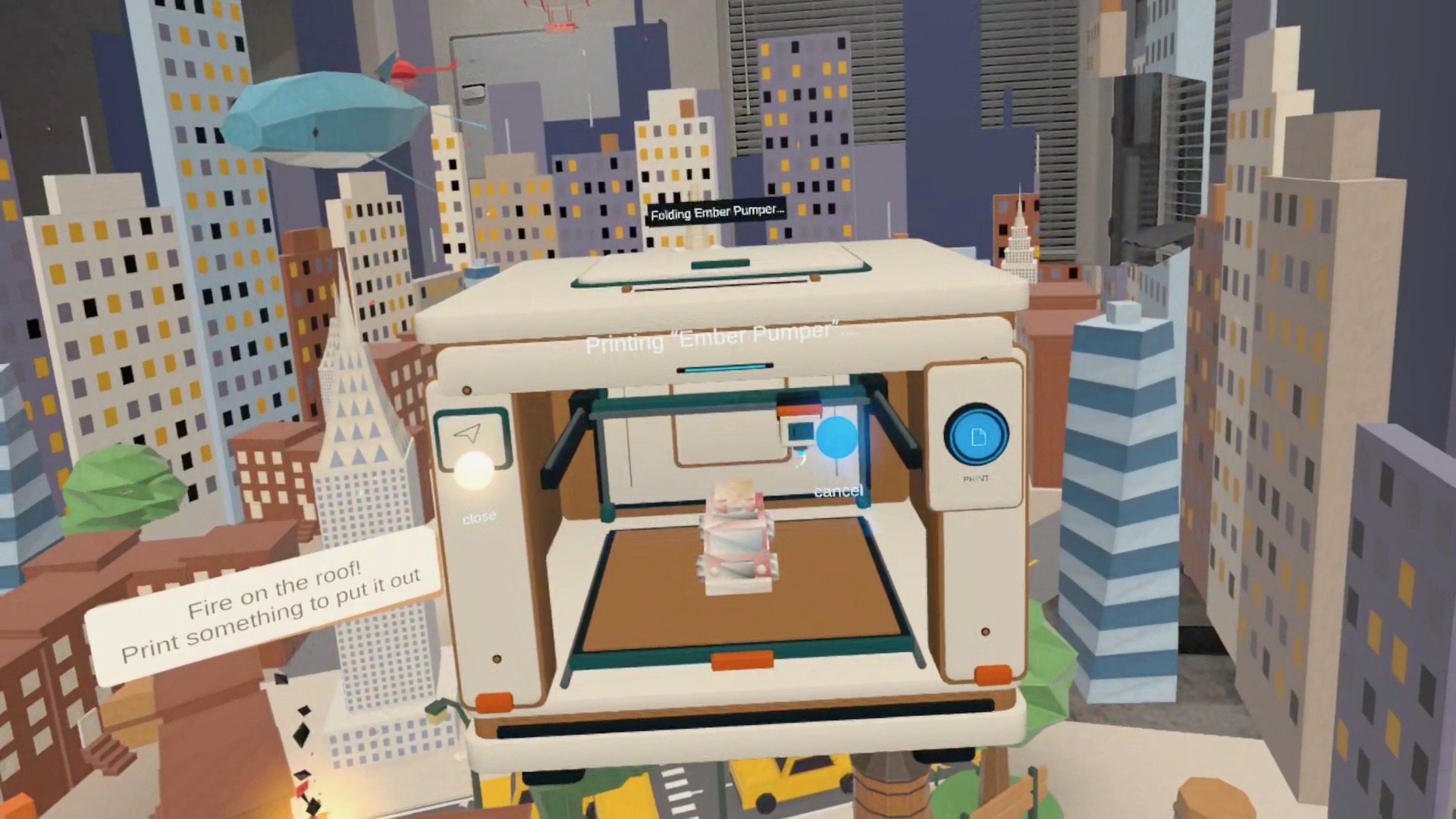
Paper printer - Muse Spark prints any paper objecct you tell it to solve the quest
-
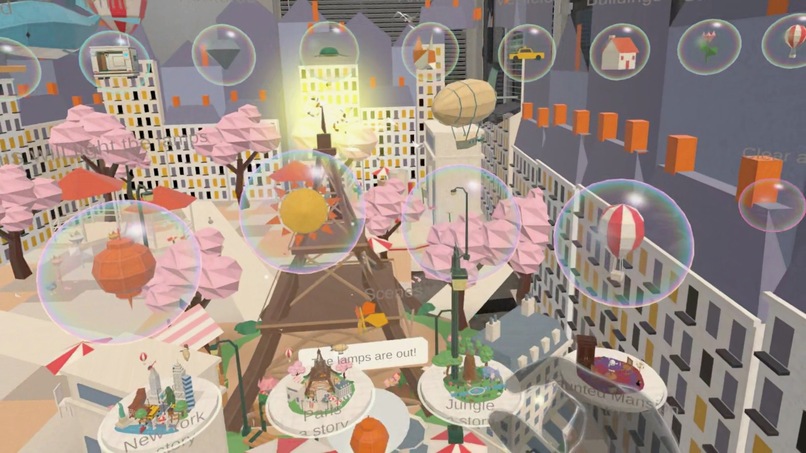
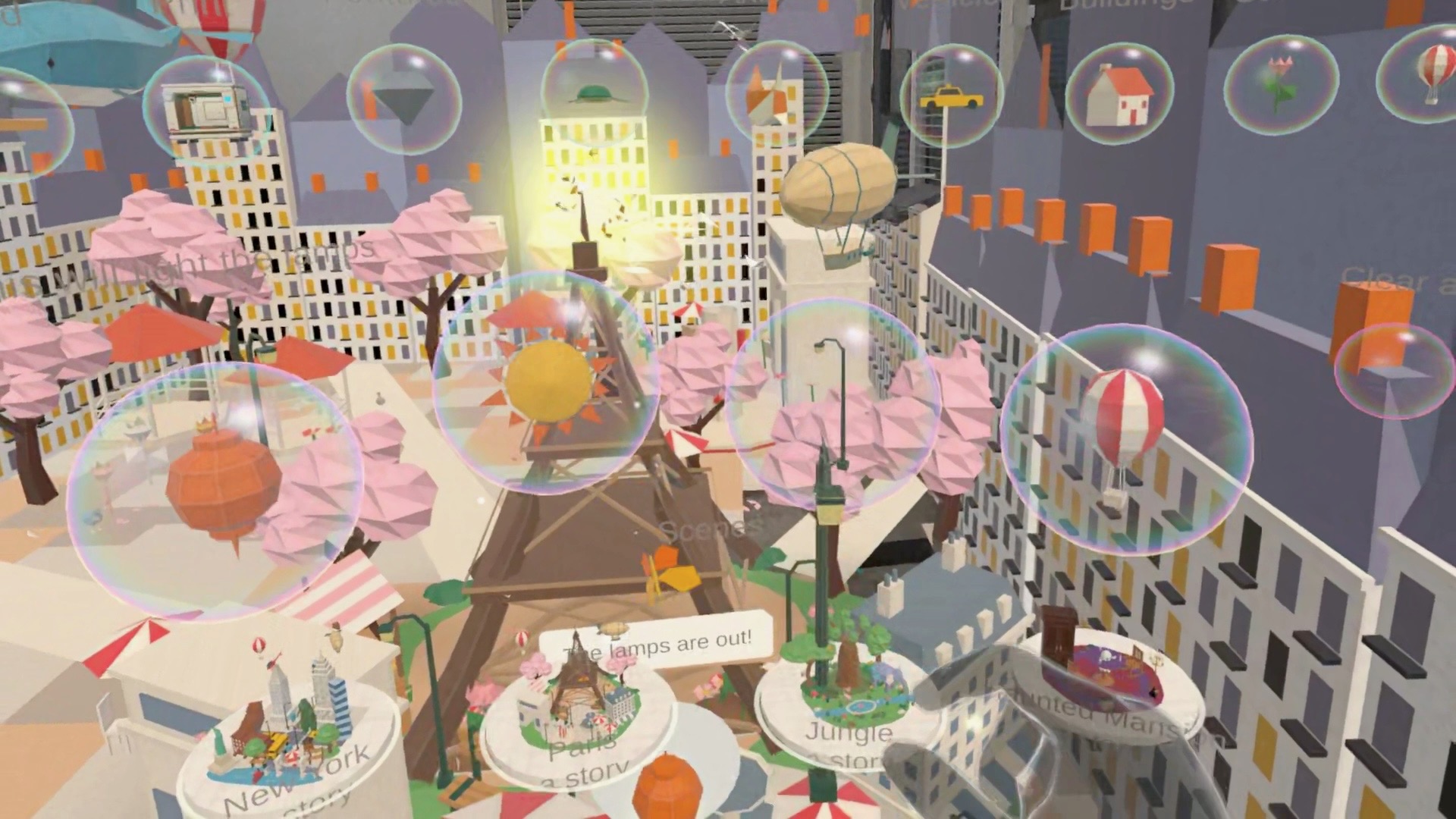
Paris mixed reality immersive story scene
-
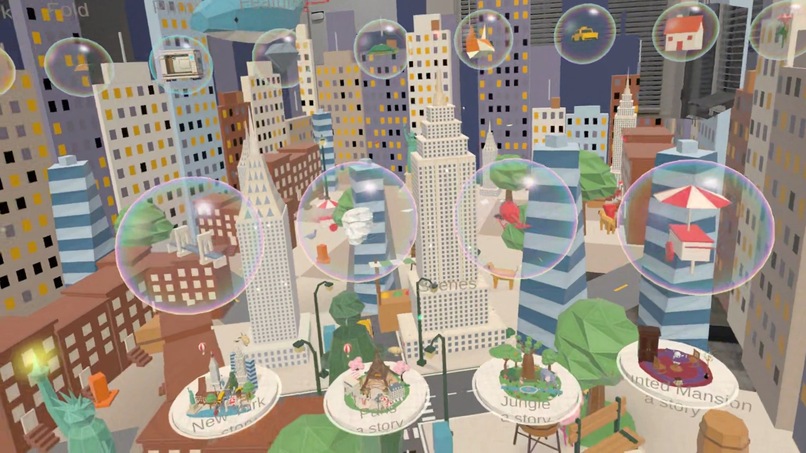
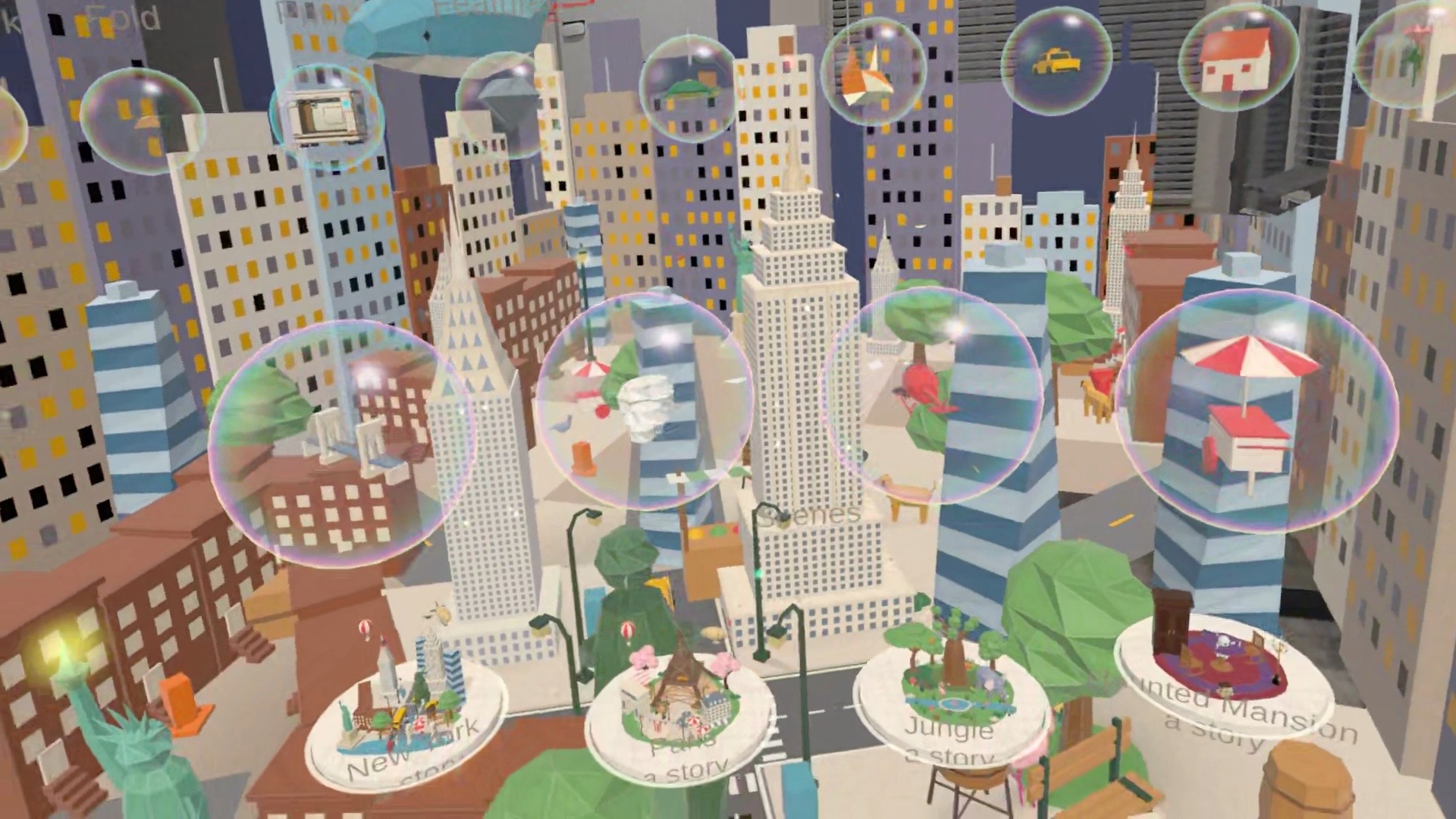
New York mixed reality immersive story scene
Inspiration
Almost everyone has folded a paper airplane. Origami is one of the few crafts that needs nothing but your hands, and that made it a perfect fit for hand tracking: no controllers, no buttons, just a pinch. We wanted to see what happens when the paper doesn't stop at the table, and your whole room becomes something you folded.
What it does
Paper Fold is a mixed reality origami game for Meta Quest 3. Your real room turns into one of four paper worlds (New York, Paris, the Jungle or the Haunted Mansion), built from your room scan so the walls are papered and your own furniture becomes part of the set.
Each world has a story with problems only paper can fix: a broken bridge, a fire, a hidden ghost. You solve them three ways:
- Fold it. Fold real origami models step by step with your bare hands. There are twelve to choose from, including an airplane you can throw and watch glide around your room.
- Pick it. Choose from a library of ready-made paper models. Set one down and it helps by itself.
- Invent it. Say what you need out loud. The paper printer uses Meta's Muse Spark to design a brand-new papercraft model from your words and prints it into your room in real time.
AI also tells the story. Muse Spark acts as the storyteller: it looks at the problem and at the piece you made, even one the story was never written for, decides whether and how it can help, and narrates what happens. Print a teapot to fight a fire, and the teapot pours water on it. You can also direct your pieces just by talking to your host, a paper whale.
There are no timers, no scores and no way to fail.
How we built it
- Unity 6 with URP and the Meta XR SDK: passthrough, hand tracking and the MR Utility Kit for the room scan.
- Our own folding engine. Every model is described as a list of folds, and the game folds the paper mesh live under your fingers. The catalogue holds more than 130 paper models.
- A custom paper shader: two-sided paper with crease shading, light passing through thin sheets, and a fine score line on every fold and cut edge.
- Worlds built from the room. Each world reads the scan for walls, furniture tops and free floor, then dresses all of it, so no two rooms look the same.
- A story engine where every problem lists the ways it can be solved. Ready-made pieces follow fixed rules; printed pieces go to the Muse storyteller.
- Muse Spark and Muse Voice Transcribe for speech, for designing new models, for directing pieces around the real room, and for judging and narrating story solutions. The model's output is treated as data: every shape, size and action is checked and bounded before it reaches the room.
- Automated playtests. Scripts fold every model, play every story to its end and photograph every world, so we could change things quickly without breaking the judges' path.
Challenges we ran into
- AI speed. Directing five pieces at once took around 30 seconds at first. Lowering the model's reasoning effort brought that to about 11, and the story engine falls back to its own choice if the storyteller hasn't answered in 12 seconds, so nothing ever stalls.
- A paper airplane that actually flies. Our first flight used real aerodynamics and the plane stalled, stuttered and hung in the air. We replaced it with a steered glide that plans a circle that fits inside your room and banks away from the walls.
- Making cause and effect visible. In an early test a lighthouse found the ghost, but nothing on screen connected the two, so it felt broken. Now a beam sweeps across the room and lands on the hiding place.
- Picking things up at a distance. Hand rays kept hitting scenery instead of the piece you wanted. We made the pointer forgiving: a near miss still counts, and a piece waiting to be taken always wins.
- Comfort. Paper animals that walked toward the player felt wrong in a small room. Now they walk away from you and keep their distance.
- Real rooms are messy. The room scan isn't always there the moment the app starts, so the game begins in a stand-in room and moves everything across when the real one arrives.
Accomplishments that we're proud of
- A whole room that turns to paper, different in every home.
- A generative AI feature that is part of the game rather than a demo beside it: what you invent is what solves the story.
- An experience a first-time headset user can finish with one hand and no instructions.
What we learned
- Test on the headset, constantly. Most of our best changes came from five minutes of play, not from planning.
- Remove every way to fail. People relax and start playing the moment they realise they can't get it wrong.
- Give AI a clear job and a safety net. Muse Spark works best when it answers a narrow question, and the game always has a local answer ready.
What's next for Paper Fold
More worlds, more folds, and stories that remember what you made last time.


