-
-
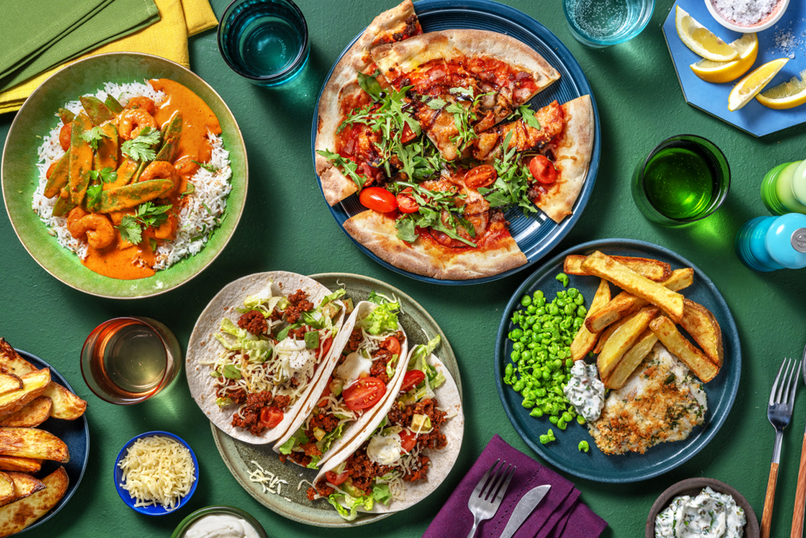
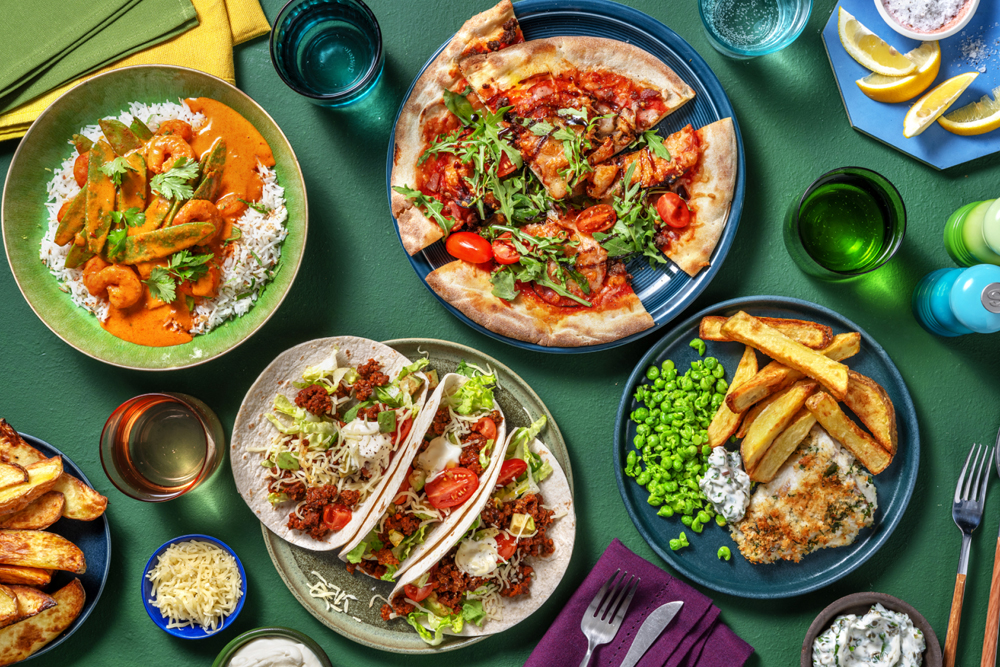
Let's make a feast from leftovers!
-
Food Waste
Inspiration
The inspiration for our food waste reduction web app stems from the everyday challenges faced by college students like us. Balancing our limited time and budget, we often found ourselves making frequent grocery runs or inadvertently wasting ingredients forgotten in the fridge. Recognizing the need to optimize resource utilization, we conceived this project. We sought to empower fellow students to minimize food waste by generating innovative recipe suggestions from their leftovers. Our goal is to help users save time, money, and the environment while making the most of their groceries. This project embodies our commitment to efficiency, sustainability, and the pursuit of a more conscientious college life.
What it does
Our web app revolutionizes kitchen efficiency. Users simply input their available leftovers, and our AI takes charge. It crafts personalized recipe suggestions, utilizing as many mentioned ingredients as possible. This culinary wizardry provides users with a comprehensive array of cooking options for their surplus items, reducing food waste and saving money. Whether you've got a hodgepodge of ingredients or a few stragglers in the fridge, our app transforms them into delectable, resourceful dishes. It's the ultimate kitchen companion, harnessing the power of AI to make every meal a creative and waste-free delight. Say goodbye to food waste and hello to culinary innovation.
How we built it
Initially, we crafted a user-friendly front-end webpage using HTML, CSS, and JavaScript, complete with an input slot for users to list their leftover food items. Moving to the backend, we employed Python and Flask to build a robust server-side system. This backend handled the critical logic, transforming the user's input into an API request. The magic ingredient, so to speak, came from the OpenAI API, which we integrated to convert the list of ingredients into a treasure trove of creative recipes.
Challenges we ran into
Bridging the gap between our front-end and back-end code, particularly in a JavaScript environment, posed a significant challenge. As newcomers to commercial APIs, we grappled with the initial learning curve, navigating the intricacies of API implementation. However, through the help of our numerous mentors, we were eventually able to overcome the challenges and learn from the experience.
Accomplishments that we're proud of
Our journey was marked by significant achievements and personal growth. For many of us, Git and API implementation were uncharted territories at the project's start. However, we are immensely proud of our collective dedication and determination, which enabled us to not only learn but also seamlessly integrate these two key skills into our project. The ability to navigate Git and harness the power of APIs has not only enriched our project but also expanded our own skill sets, making us better-equipped developers and problem solvers. These accomplishments stand as a testament to our commitment to continual learning and improvement.
What we learned
We learned a wide range of both technical and non-technical skills from this project. Some new technical skills that we learned, that were new to most or all of us were: Flask, Git, APIs, Hosting backed and frontend servers separately, Javascript, collaboration and peer programming.
What's next for Pantry Puzzle
An additional feature that allows users to take a photo of their leftovers for an image-to-text conversion, instead of manually inserting as text.


Log in or sign up for Devpost to join the conversation.