-
-
Thumbnail
-
Overview
-
Waste Food Data
-
Problem We Solve
Inspiration
One day, We found a cob of corn in the back of my fridge, the kind you’d usually turn into buttery cheesy corn. But this time, it was too late, It had been forgotten, and when I finally saw it again, it was covered in mold. That moment felt wasteful, not just the food, but the money, the intention, and the effort.
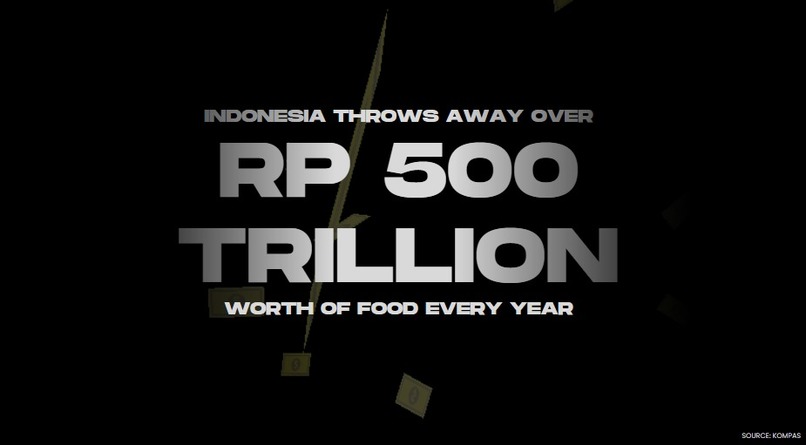
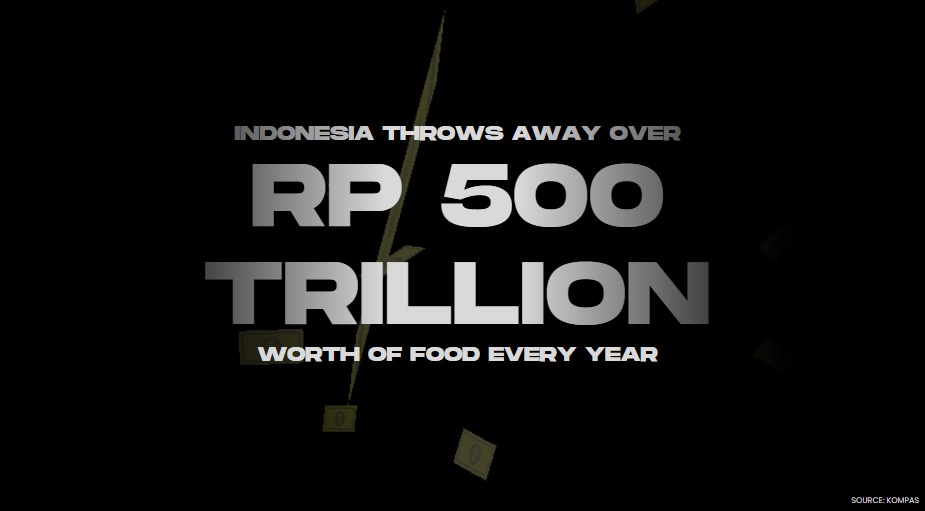
Turns out, it wasn’t just us. Every year, Indonesia throws away over Rp 500 trillion worth of food. According to the Ministry of Environment, food waste accounts for 39.65% of the nation’s total waste. Globally, we contribute nearly 15 million tons of food waste annually that's around 52 kilograms per person.
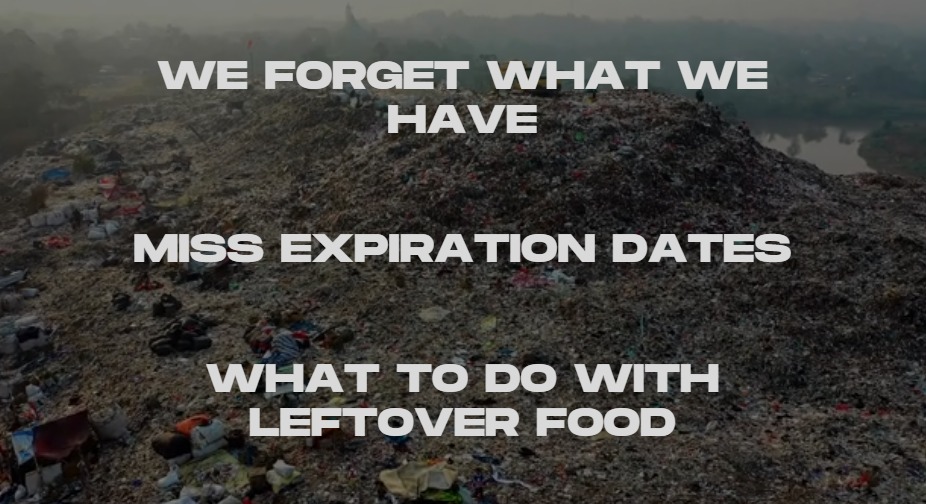
Most of this comes from everyday behavior, forgetting what we’ve bought, what's in the fridge, or simply missing expiration dates. We built PantriKita because we believe these small moments of forgetfulness can be transformed. With the right tool, we can help people remember what they already have, guide them to use it well, and build habits that reduce waste without adding complexity to daily life.
PantriKita is our way of helping every home become more mindful, more efficient, and more sustainable.
What it does
PantriKita has two functionalities:
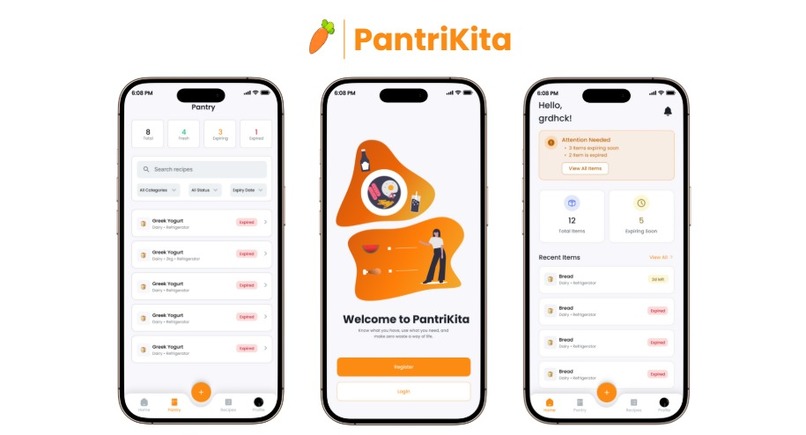
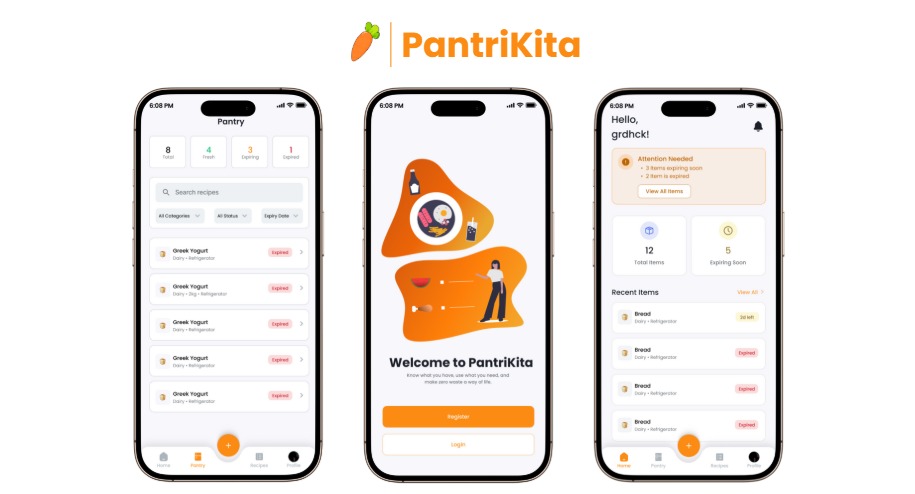
- Smart Pantry Tracking
- Store item name, quantity, and expiration date
- Group items by category (e.g., dairy, produce, grains)
- Color-coded expiry alerts (e.g., green = fresh, yellow= expiring soon, red = expired)
- Recipe Suggestions
- Suggest 2–3 simple recipes based on available ingredients
- Prioritize use of items closest to expiration
How we built it
- Frontend: Developed using Flutter and Dart to deliver a responsive and intuitive cross-platform mobile experience.
- Backend / API: Powered by NestJS, ensuring a robust and scalable server-side application.
- Database: Utilized PostgreSQL for reliable, relational data storage.
- AI / ML: Integrated with OpenRouterAI to support intelligent features like recipe recommendations and leftover suggestions.
- DevOps / Deployment: Managed using Docker to containerize the application and streamline deployment.
Challenges we ran into
- Creating a video presentation using only canva, the only editing software we can use
- How to integrate and fine-tune production-ready models
- Create prompts to ensure good accuracy results
Accomplishments that we're proud of
We are very proud to have successfully launched the MVP feature on time, but unfortunately we have not completed the Google auth and some minor feature work on time.
What we learned
- Learn to implement BLoC state management for our application
- How to make the best of our time to code an application in just 30 hours
- Solving difficult problem in society with the development of an application
- Using AI to make the best output of what we want
What's next for PantriKita
Applications:
- Enable food donation through the app, allowing users to easily donate items they won’t use before expiry to local food banks, shelters, or mutual aid groups.
- Partner with NGOs and community fridges to create a verified network of recipients ensuring donations reach the right hands efficiently and safely.
- Expand to community-level awareness campaigns, educating users on the social impact of food waste and the power of sharing surplus.
Technical:
- Integrate a food donation matching system, using geolocation to suggest nearby drop-off points or pickup options based on item urgency.
- Build a smart classification system to validate donation-eligible items (e.g., unopened, within date, non-perishable) using barcode metadata or AI-based inspection.
- Automate surplus detection, flagging items likely to go unused based on usage history, quantity, and expiration proximity then offering donation as an action path.
- Add a donation log, allowing users to track and feel good about their impact (plus potential for future incentives or gamification).
Built With
- dart
- docker
- flutter
- nestjs
- openrouter.ai
- postgresql

Log in or sign up for Devpost to join the conversation.