
Inspiration
We’ve all been there, opening a case study for law and immediately feeling overwhelmed by endless blocks of text. Retention drops, motivation tanks, and what should be an opportunity to learn feels like a chore. We thought: what if we could flip the experience? What if instead of reading through hundreds of pages, you could see the story unfold like a comic? That’s where Panelogy was born - a way to make learning more engaging, memorable, and fun.
What it does
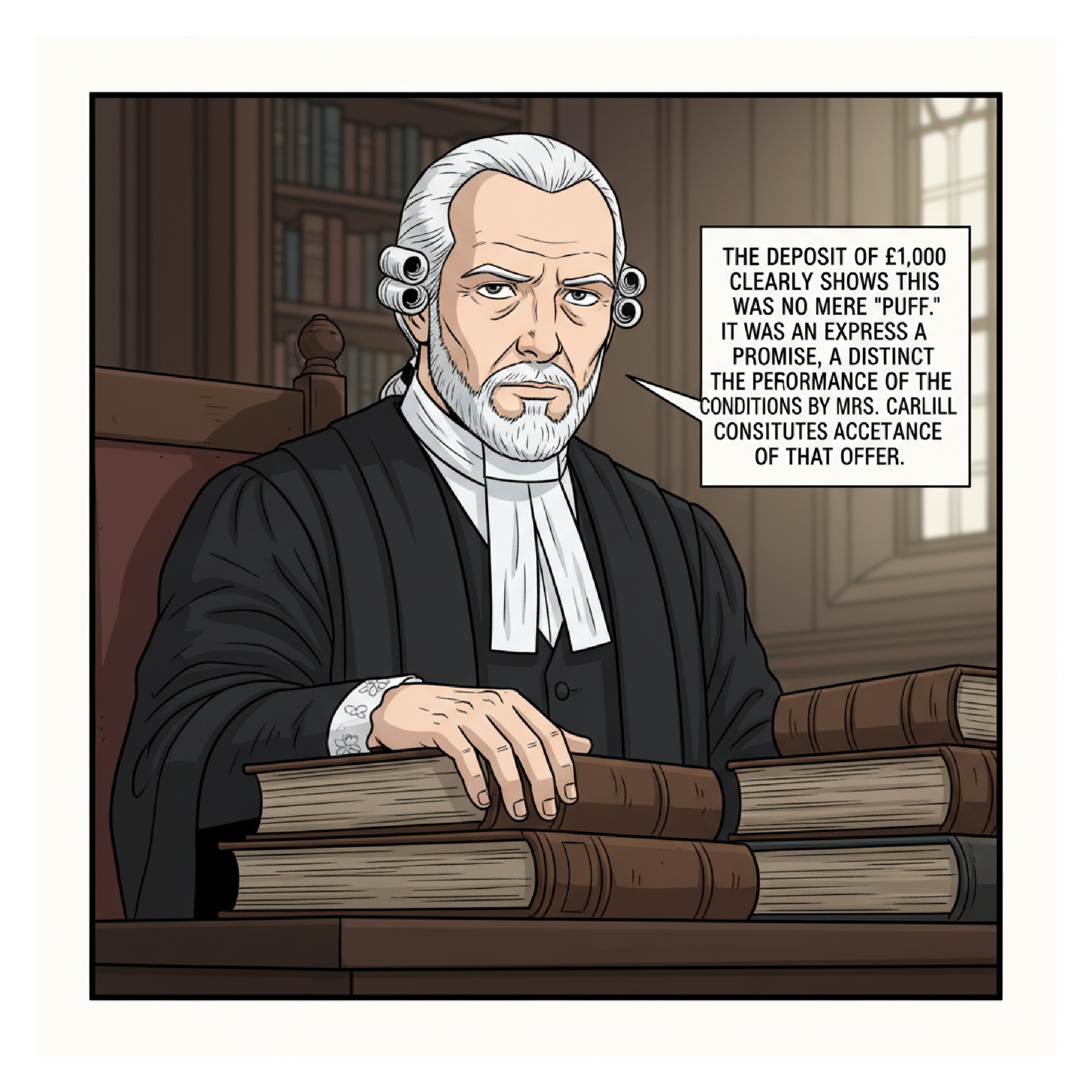
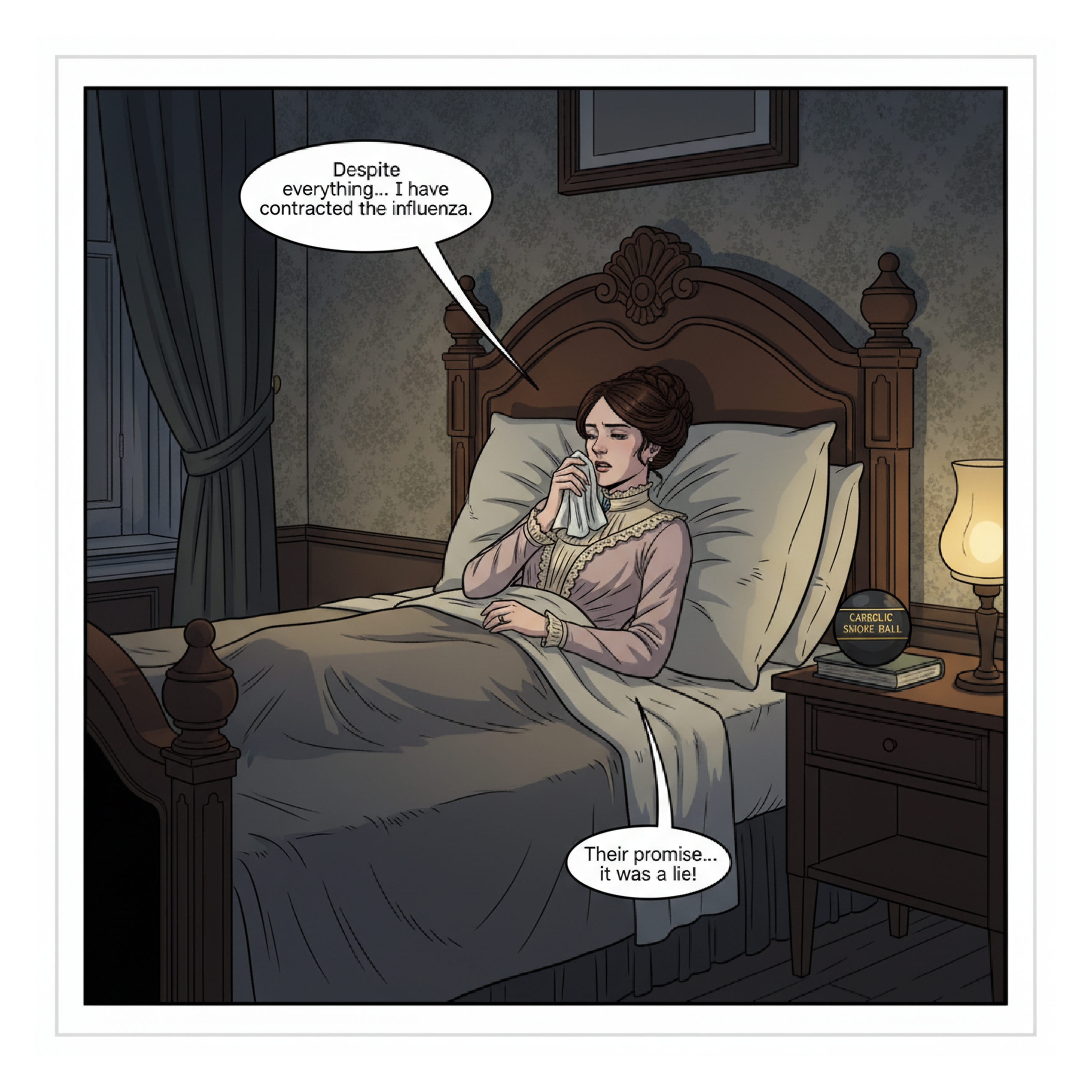
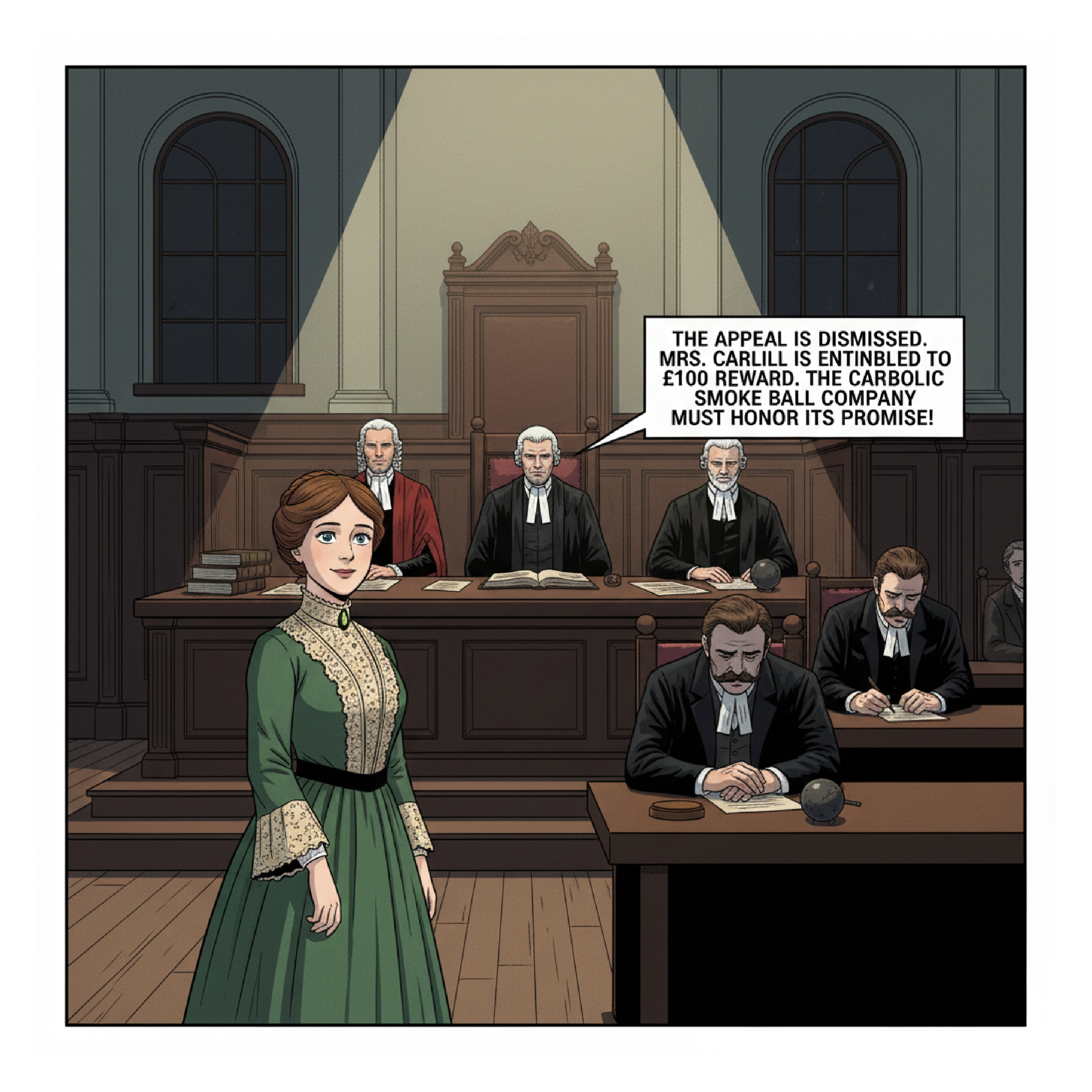
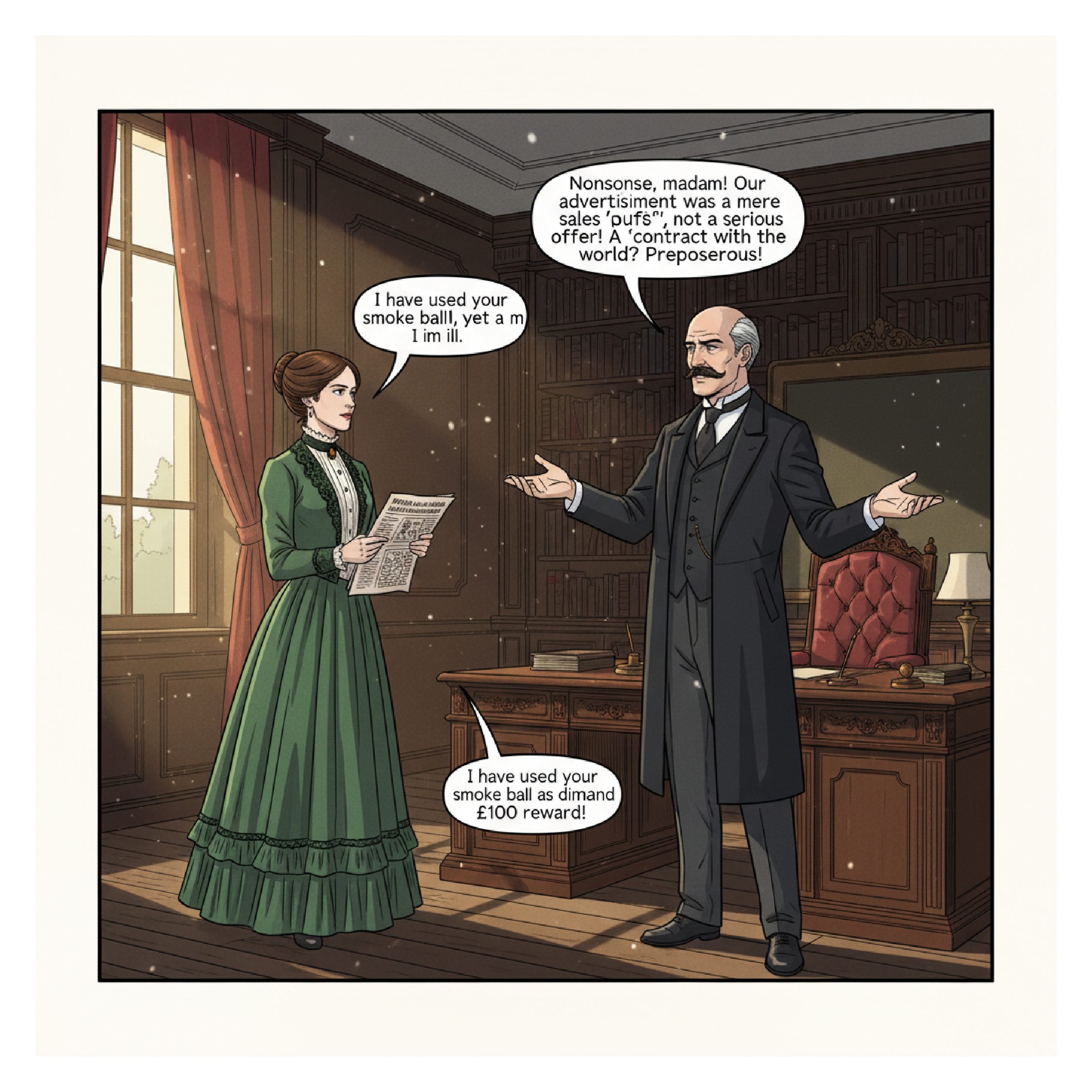
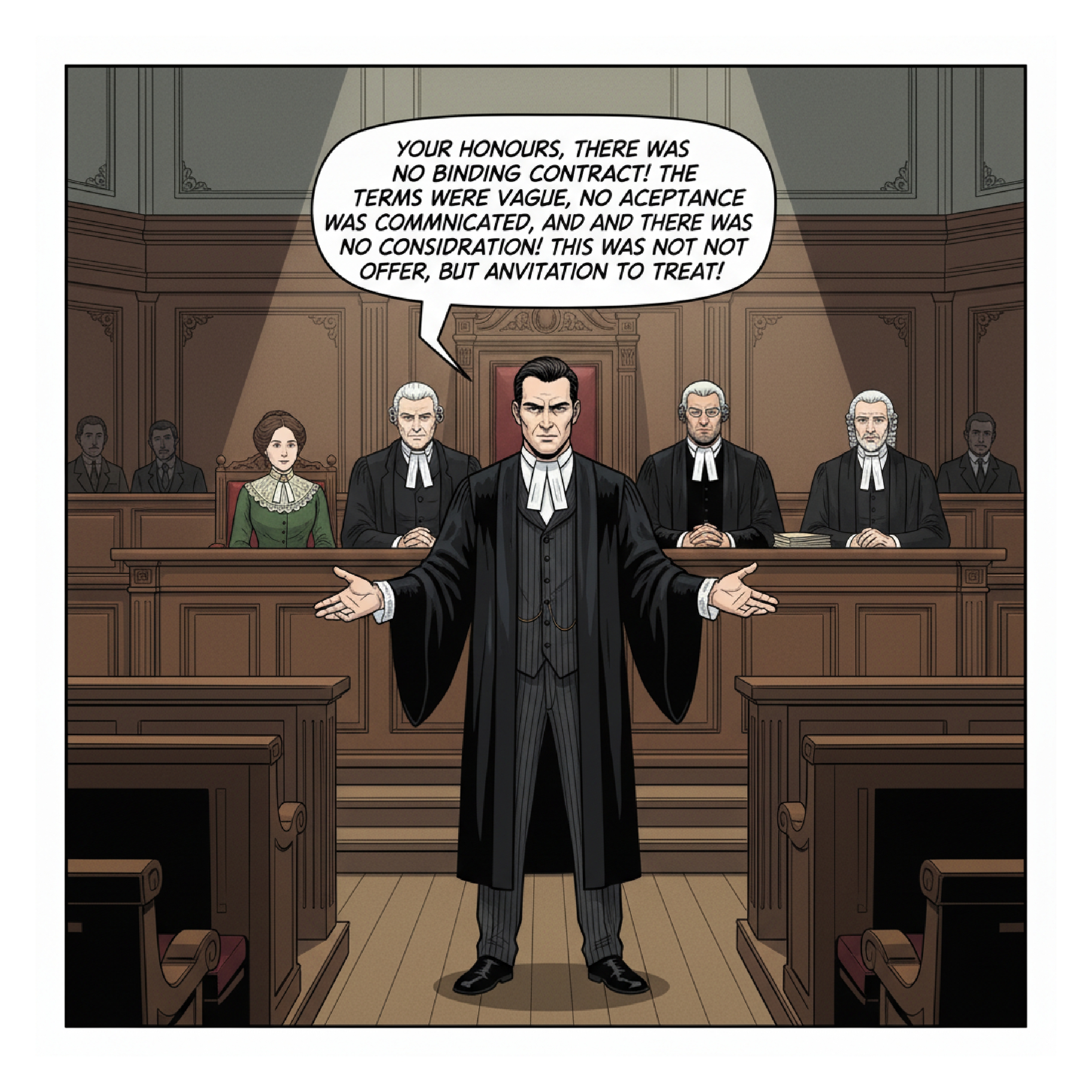
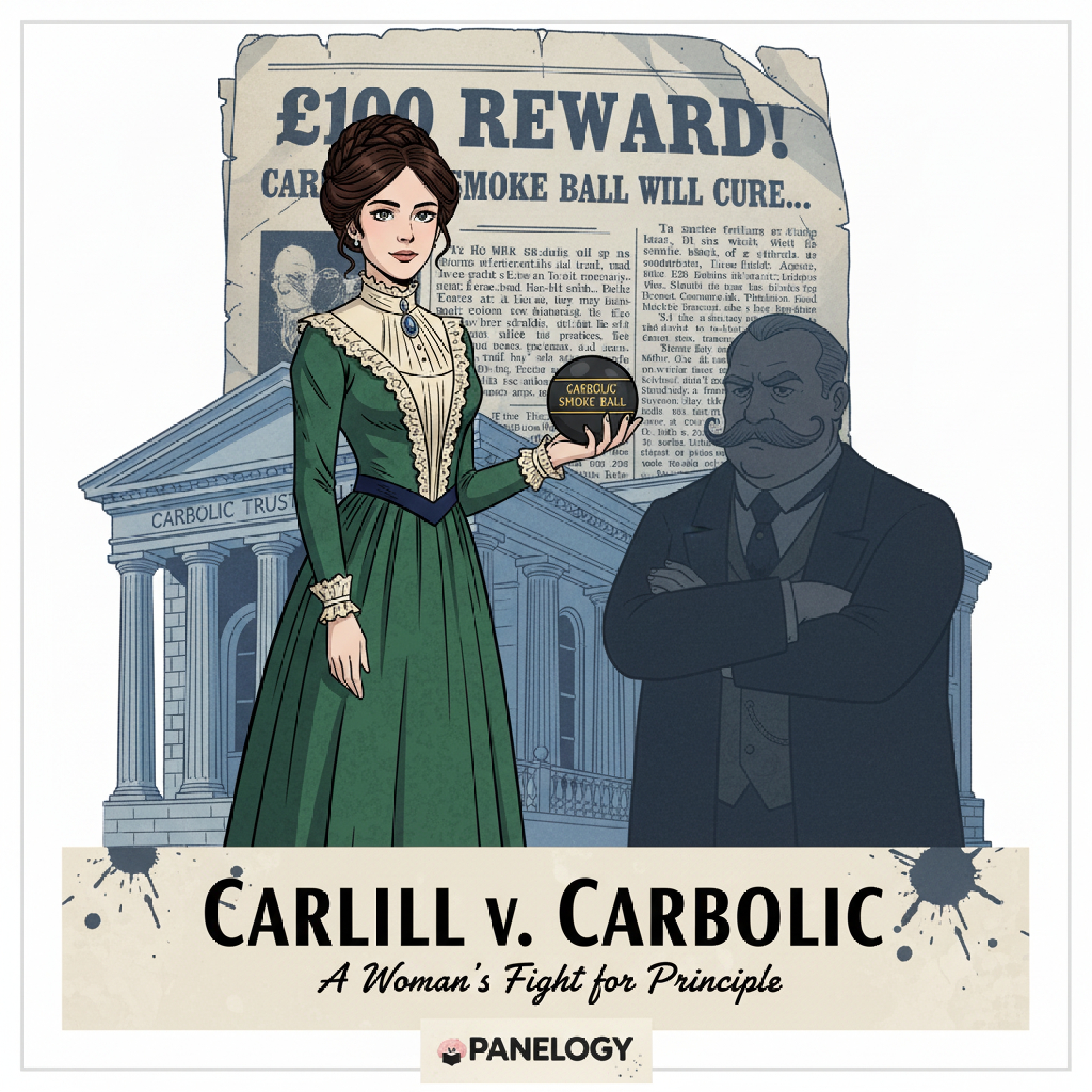
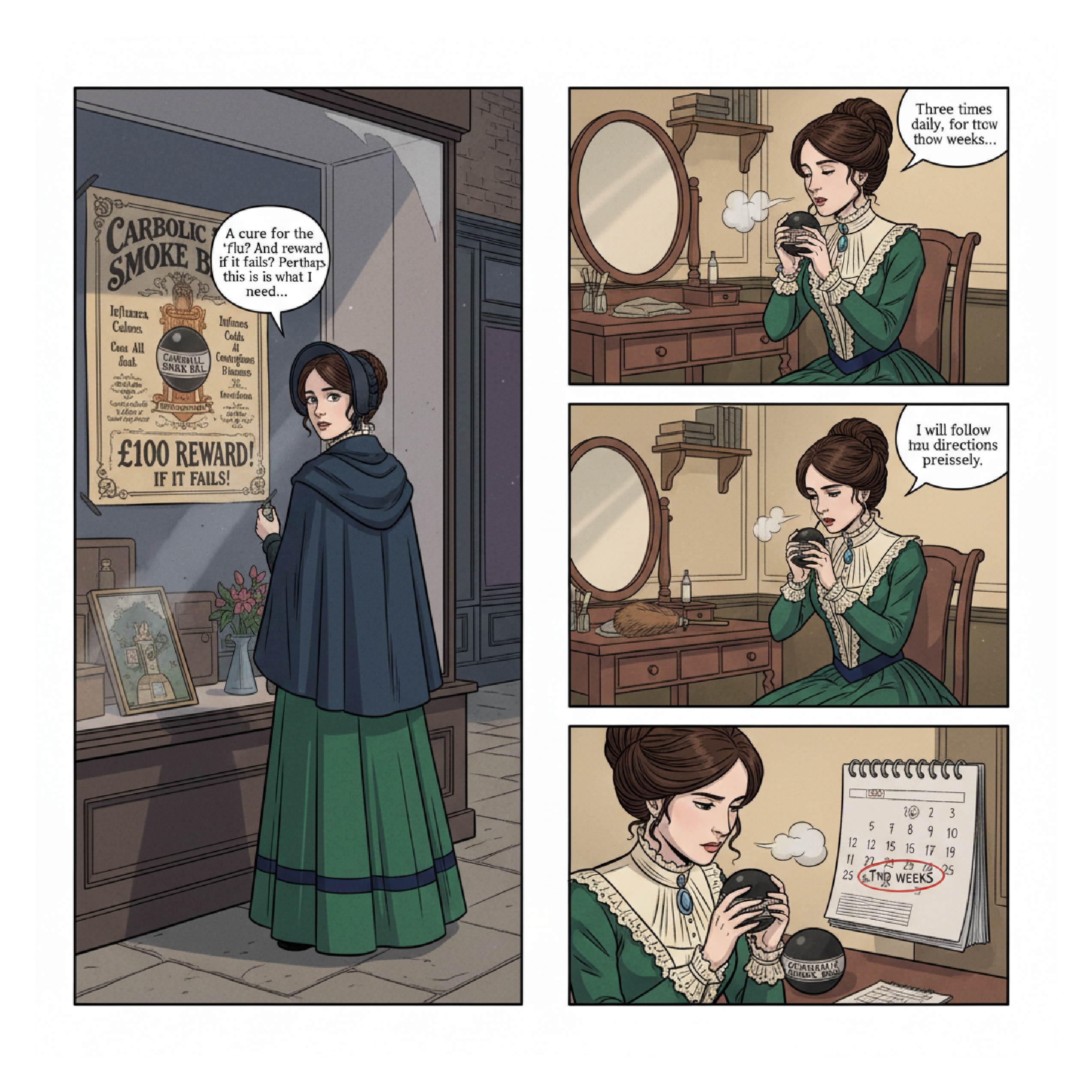
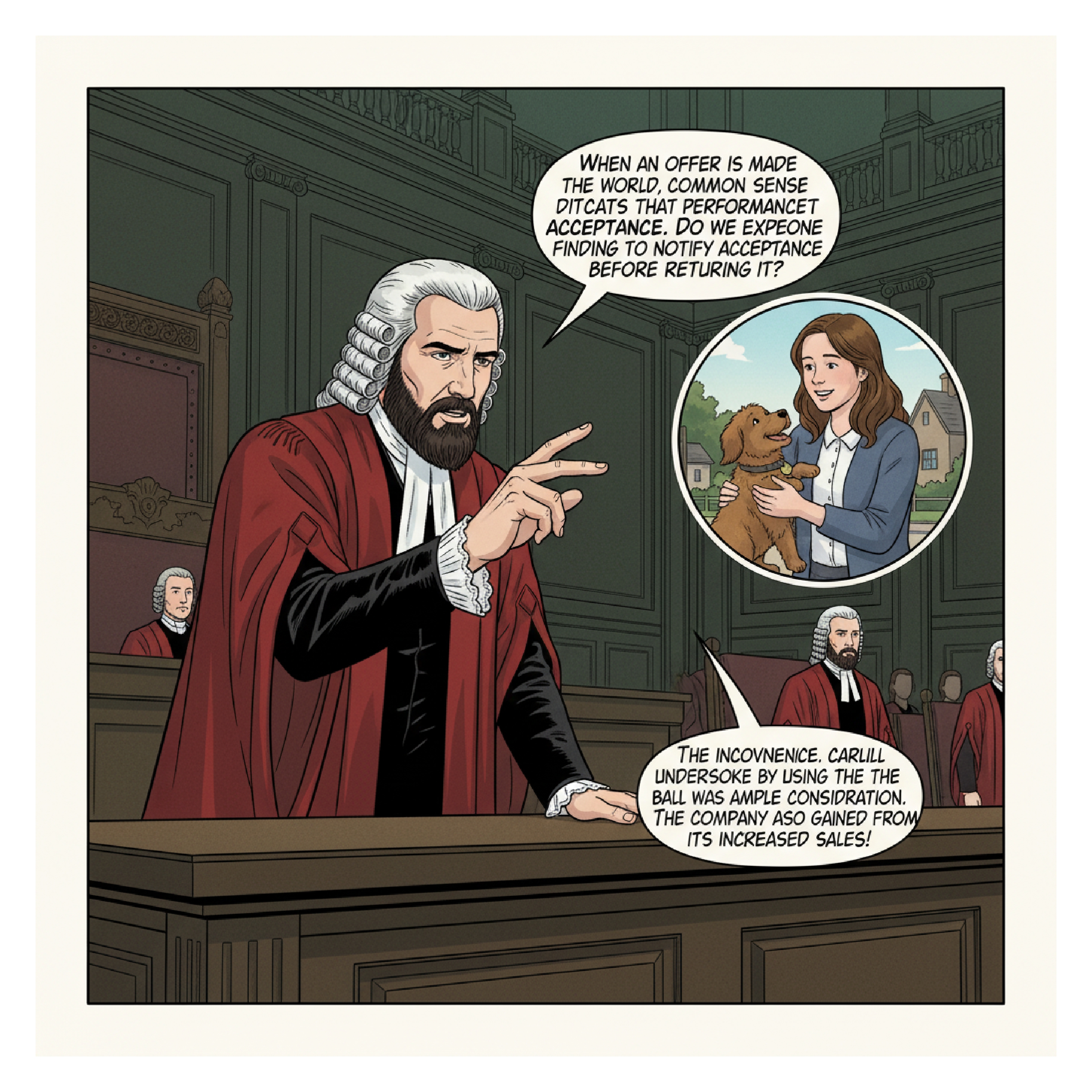
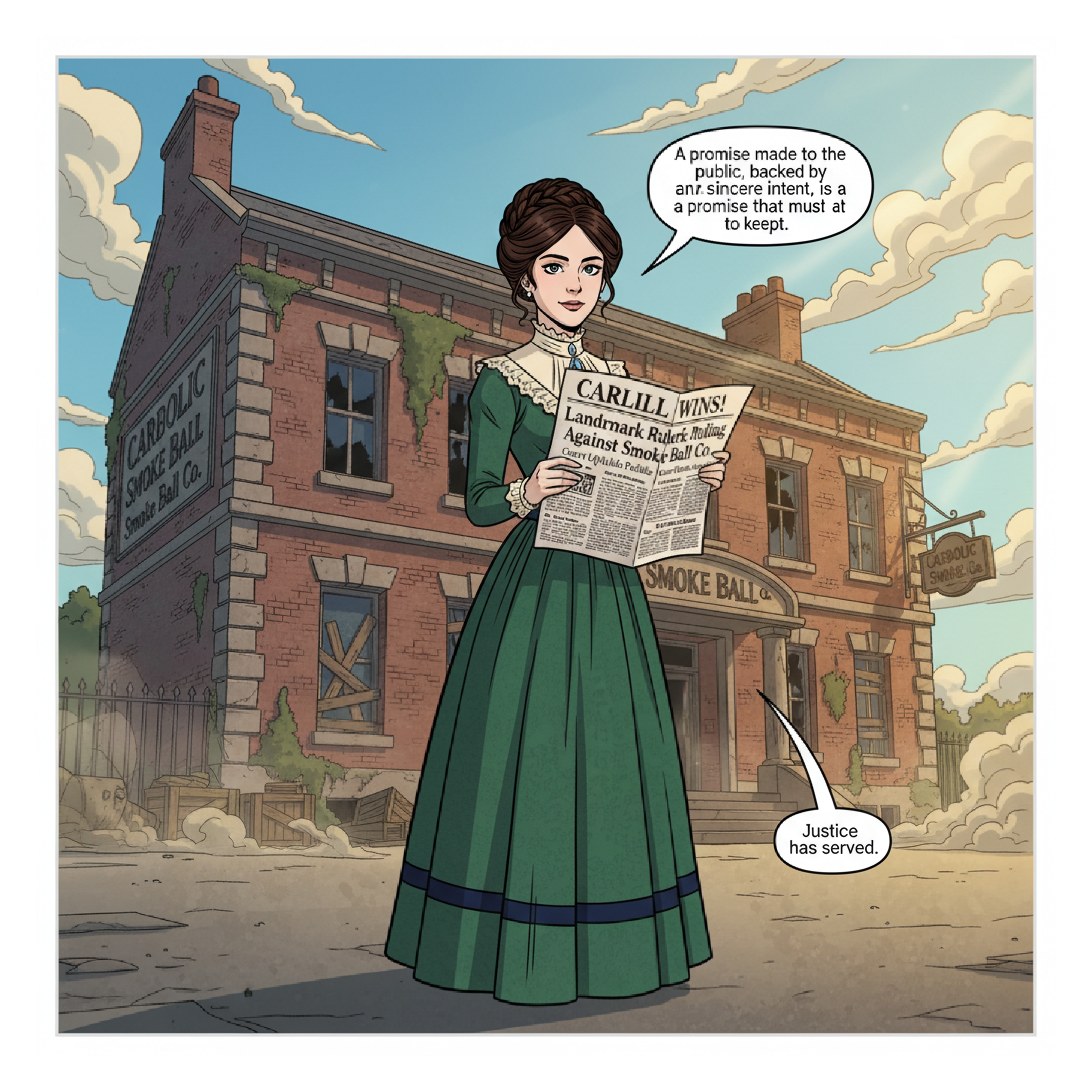
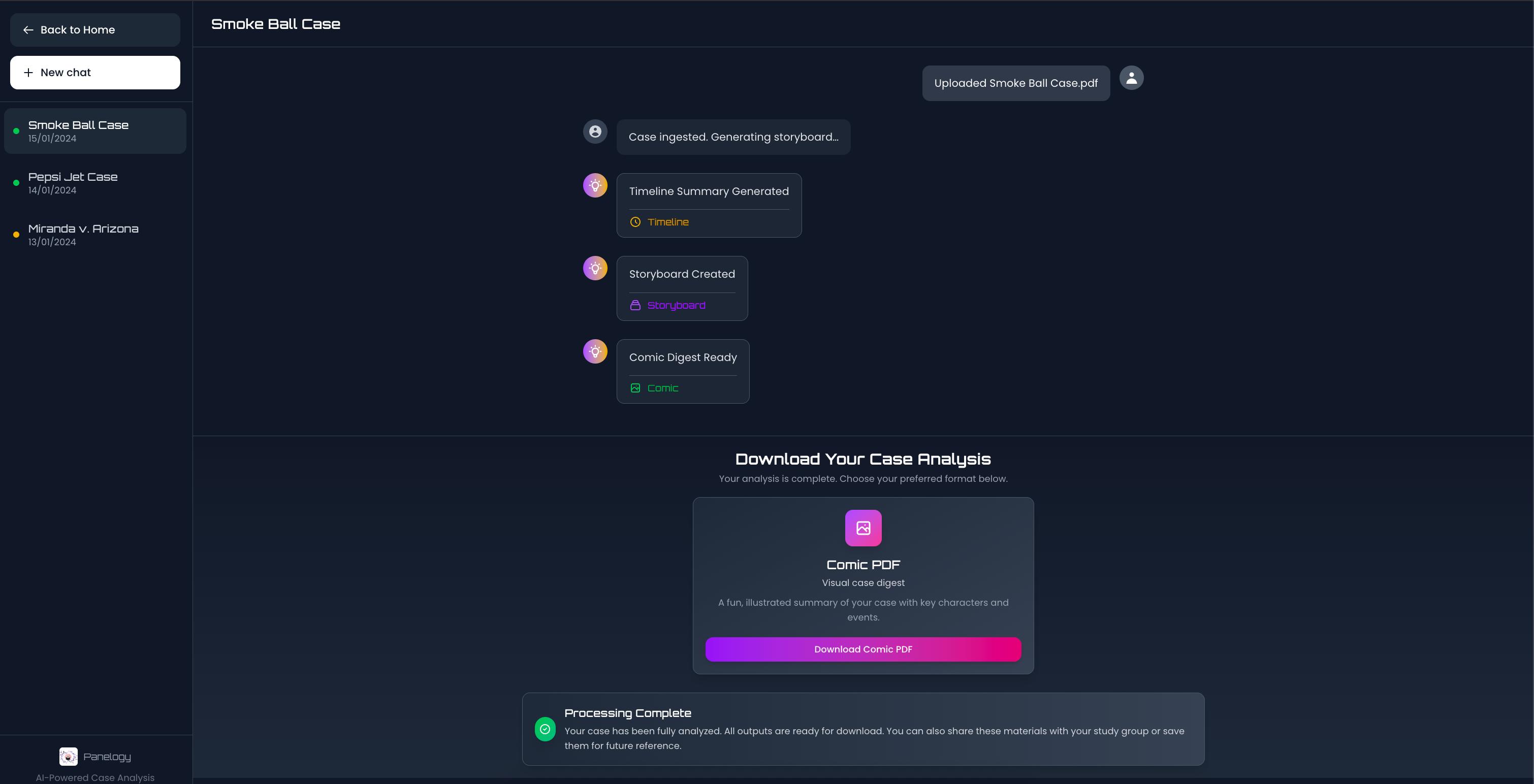
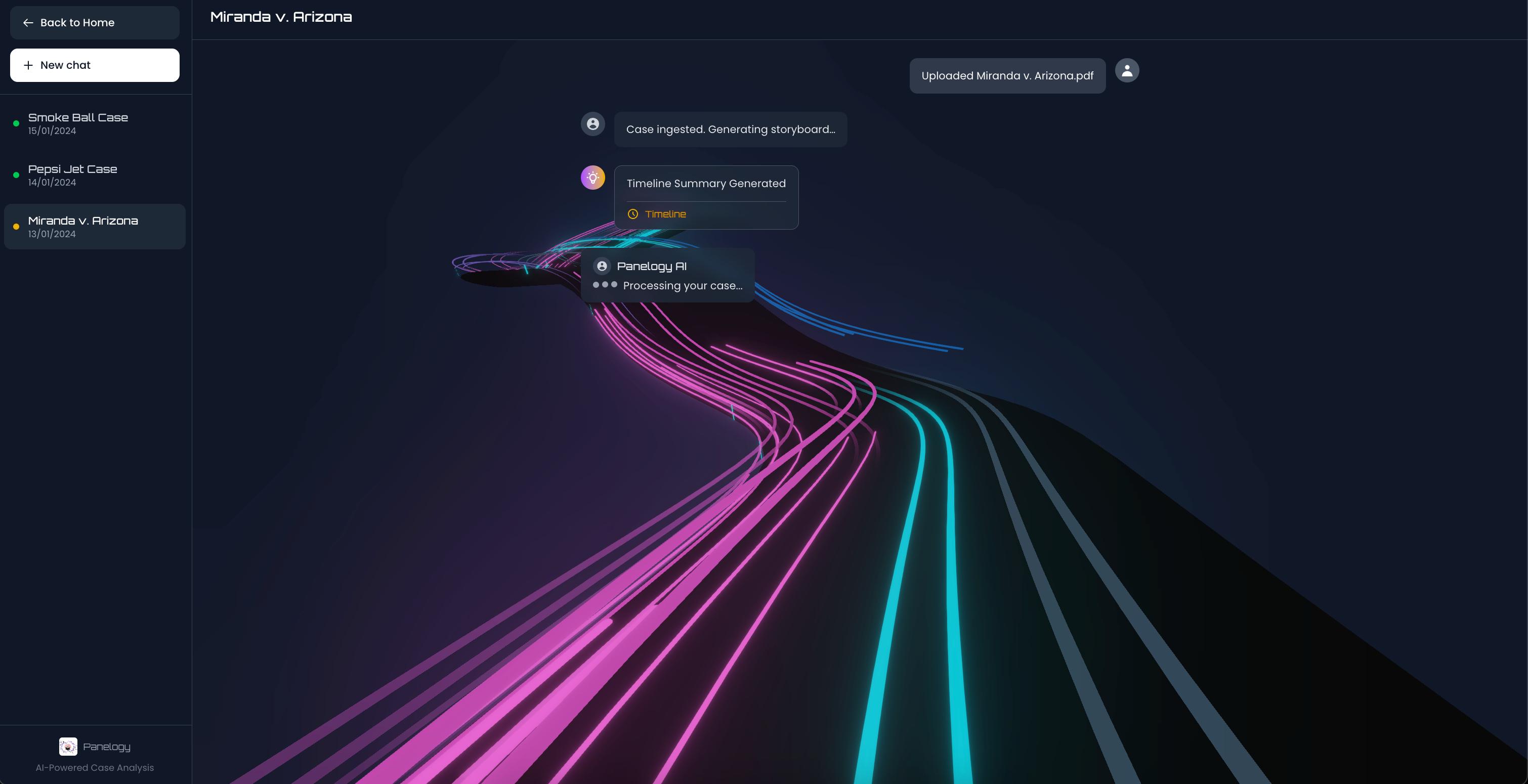
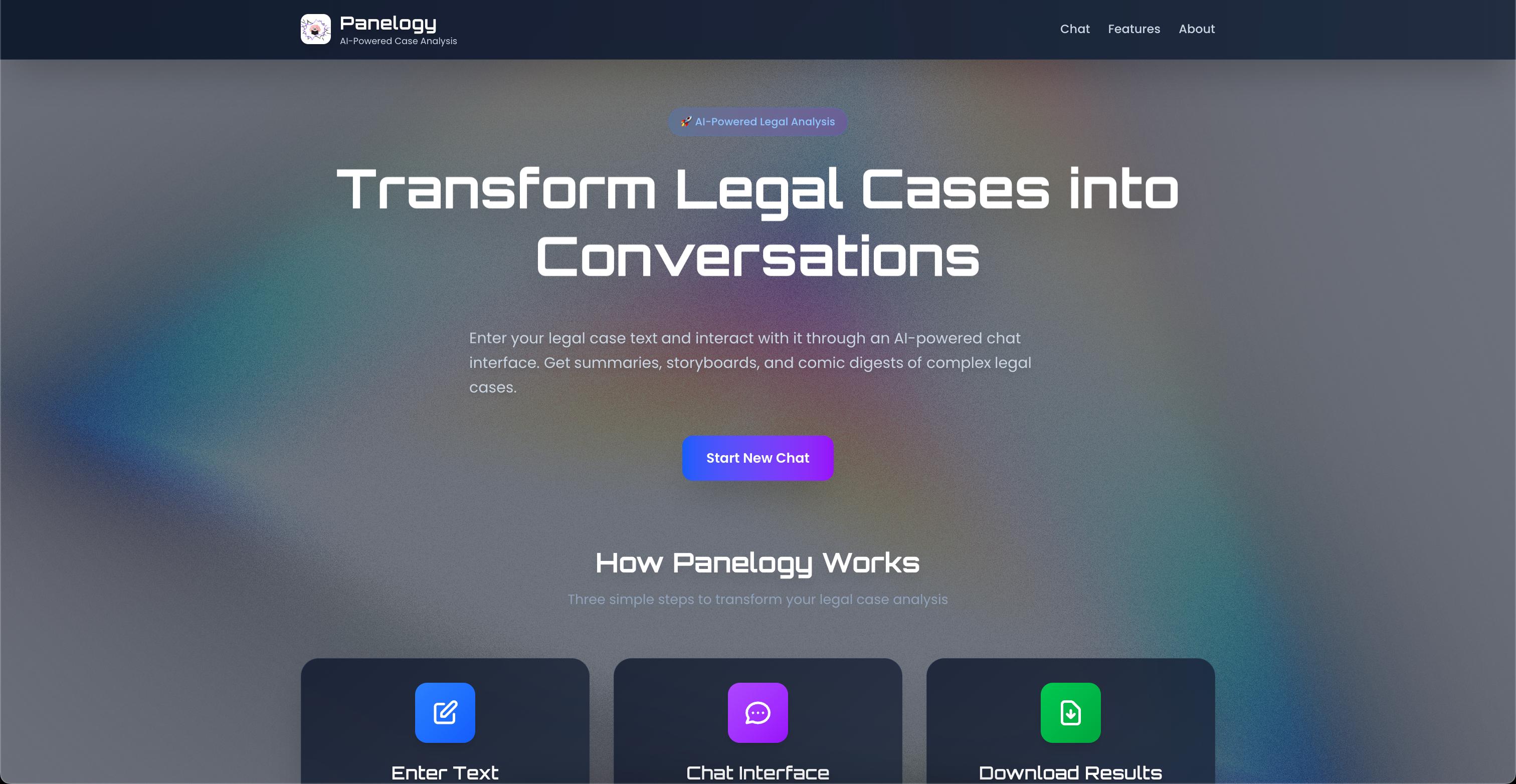
Panelogy takes long, dense PDFs and turns them into short, comic-style narratives. With a few clicks, students can upload a case study and watch it transform into panels with characters, dialogue, and scenes that capture the essence of the case. Instead of slogging through dry text, students follow a story, and stories stick. Panelogy adapts to any case-based subject, helping students learn smarter and remember longer.
How we built it
The project started with a simple idea: make case studies more approachable.
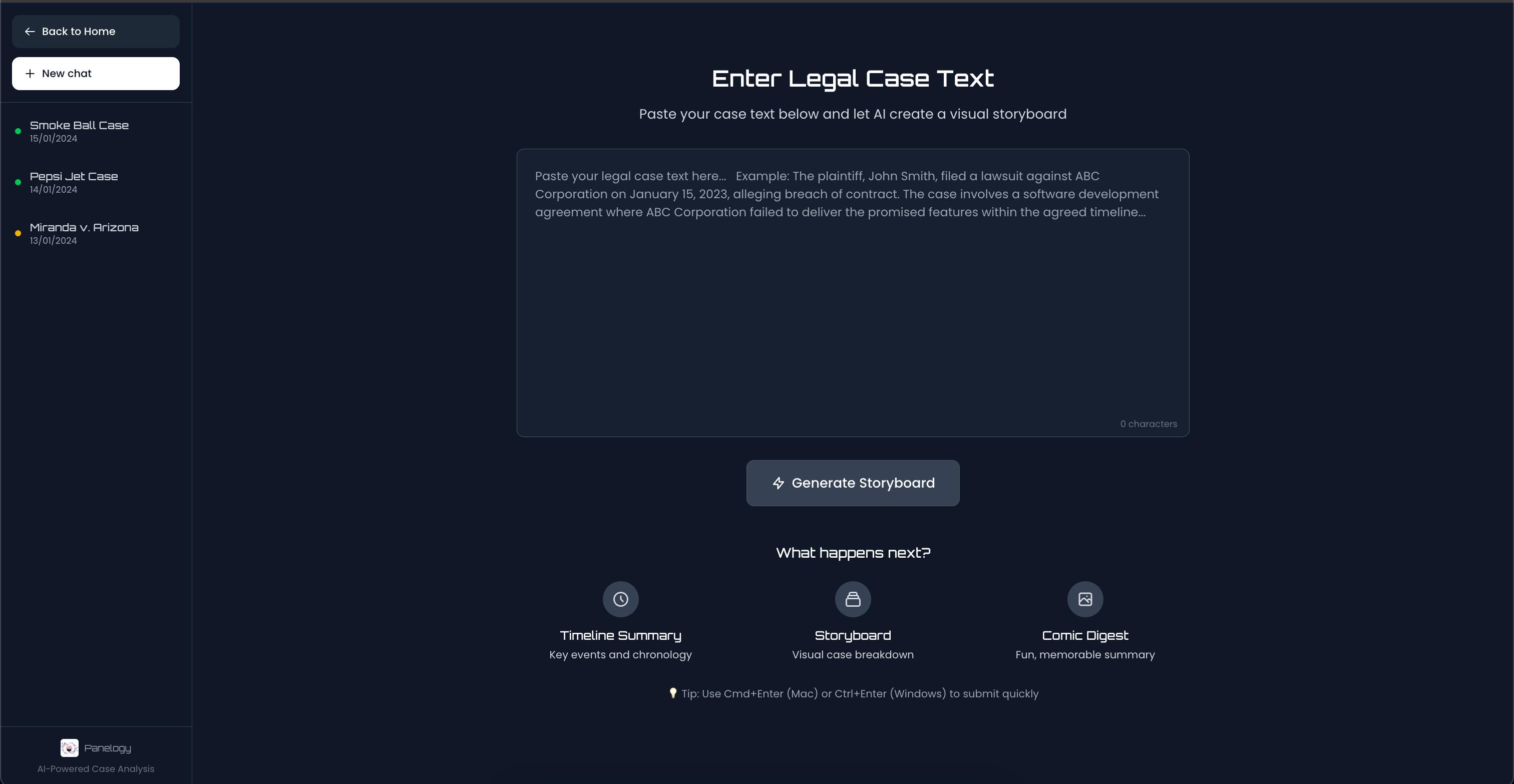
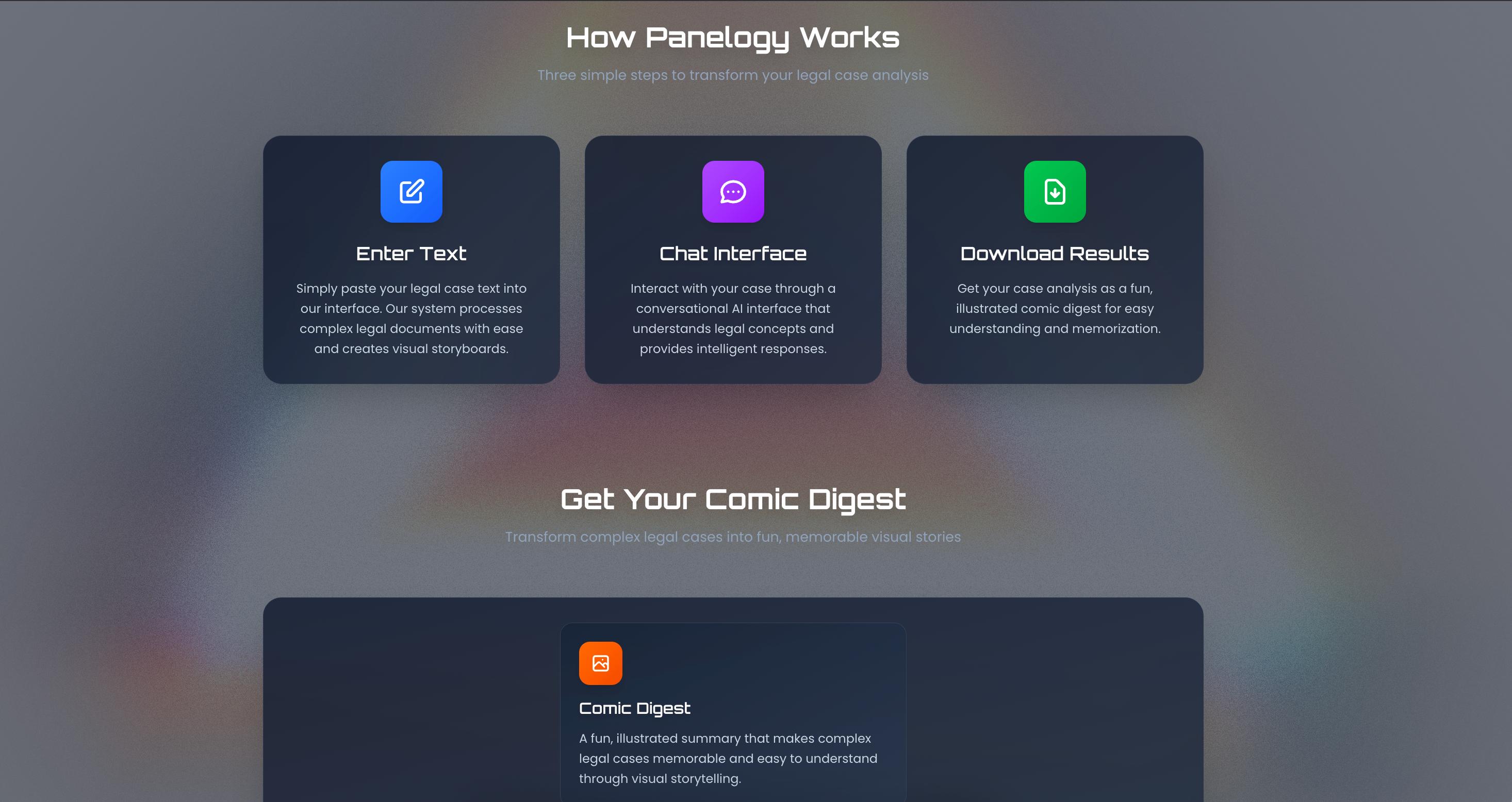
Frontend: We designed an intuitive, comic-inspired interface that’s easy for students to use.
Backend: We built a pipeline combining PDF parsing, AI summarisation, and role/dialogue extraction.
AI + Visuals: Using natural language processing, the system identifies key roles, creates conversations, and renders them into consistent comic panels.
Integration: All components were stitched together into a seamless workflow that takes a PDF in and outputs a comic strip.
Challenges we ran into
One of our biggest challenges was handling long and complex PDFs while making sure the AI could accurately summarise them without losing important context. We also struggled with designing consistent comic characters across panels so that the stories felt cohesive and natural. On top of that, we had to balance strict time constraints while learning new tools on the fly from prompt engineering and PDF parsing to visual rendering.
Accomplishments that we’re proud of
We’re proud to have built a full pipeline that actually works transforming case text into structured, visual panels. Along the way, we created a simple yet striking design that captures the comic feel while staying accessible to students. As a team, we worked effectively by playing to each other’s strengths and solving problems under pressure. Most importantly, we proved that complex learning doesn’t have to be dull it can be transformed into something engaging and fun.
What we learned
Through this project, we learned how to collaborate effectively under the tight constraints of a hackathon timeline. We discovered the true power of storytelling in education and why visual memory works so much better than walls of text. Along the way, we picked up new technical skills from PDF processing and AI summarisation to prompt engineering, UI/UX design, and generating structured visual outputs. Most of all, we learned that even a first-time project can succeed when creativity meets teamwork.
What’s next for Panelogy
We see huge potential for Panelogy beyond the hackathon. Our next steps include optimising the tool to improve summarisation accuracy and ensure consistent, high-quality comics. We aim to expand its use across multiple majors from law to medicine, history, and beyond, making it relevant for any case-heavy subject. To achieve true scalability, we envision a platform where students worldwide can upload their PDFs and instantly receive comic-style case studies. In the long run, we also want to foster a community that shares user-generated libraries of case comics for collaborative learning. Our vision is simple: to make Panelogy the go-to ed-tech tool for smarter, more engaging learning.
Built With
- cloudflare
- gemini
- nextjs
- python
- supabase
- vercel

Log in or sign up for Devpost to join the conversation.