-
-
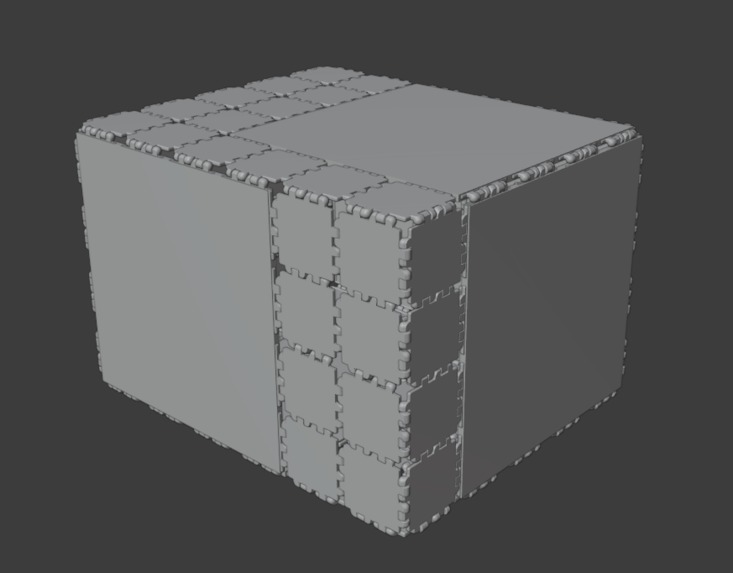
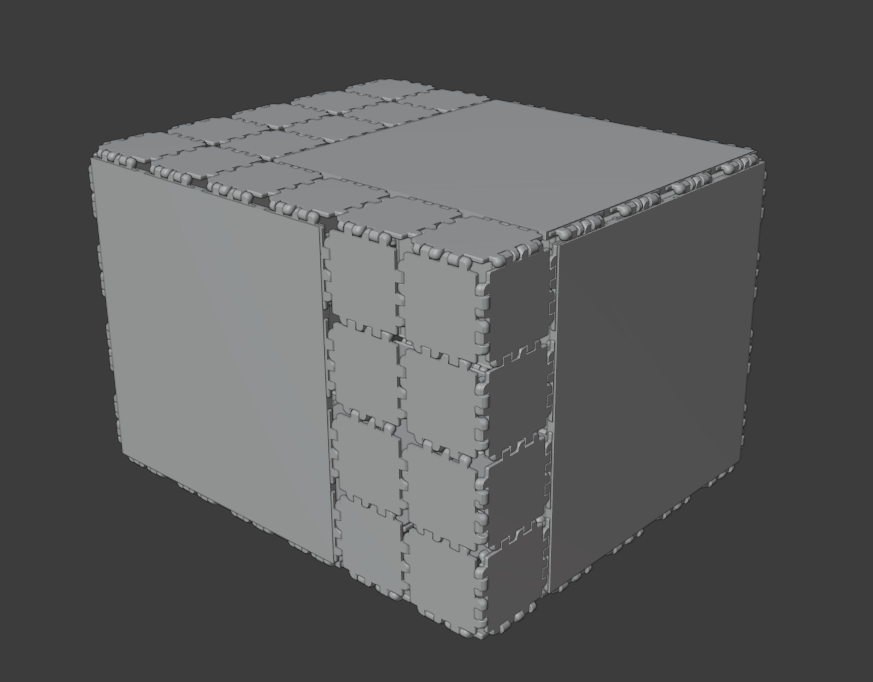
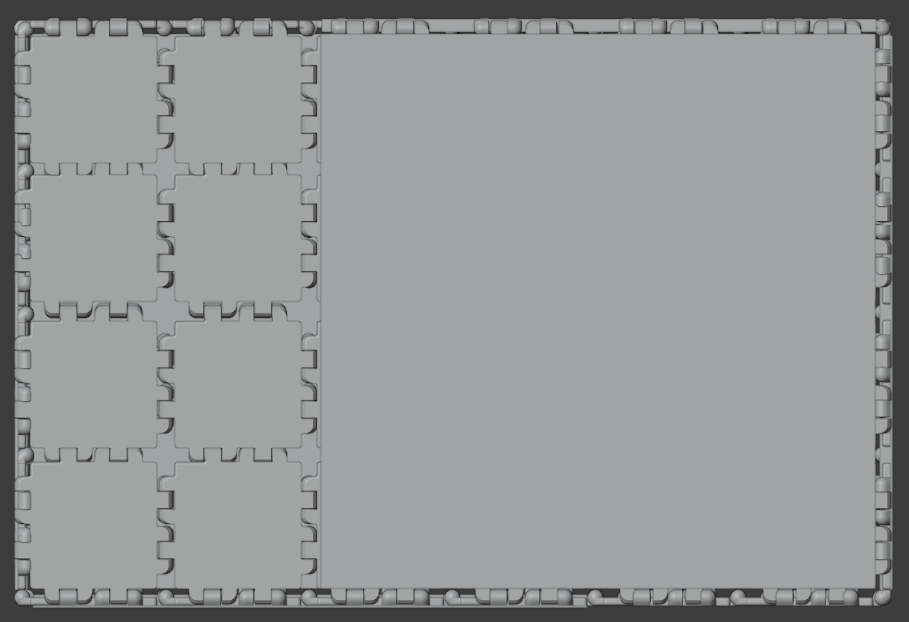
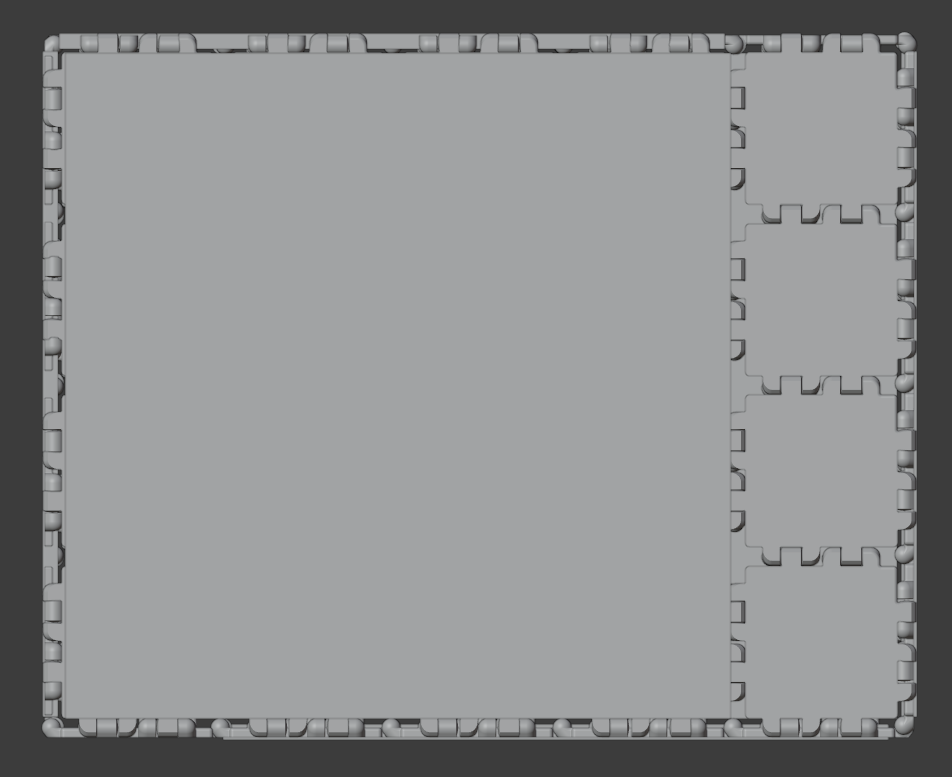
3D Model of a panel-it
-
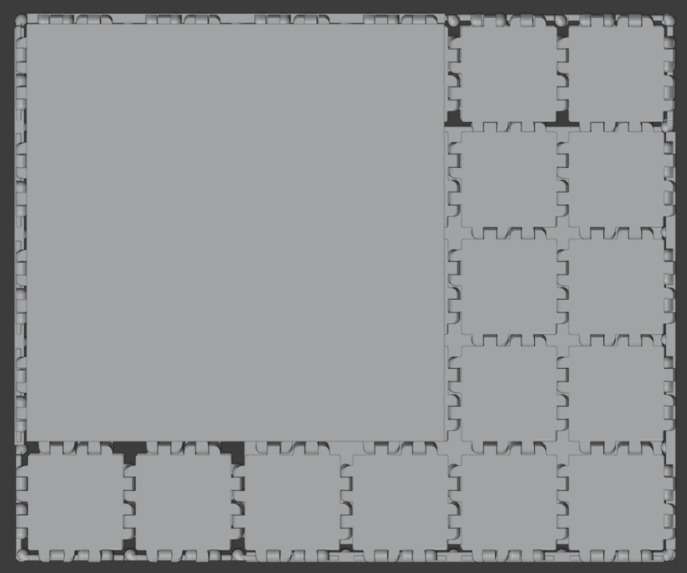
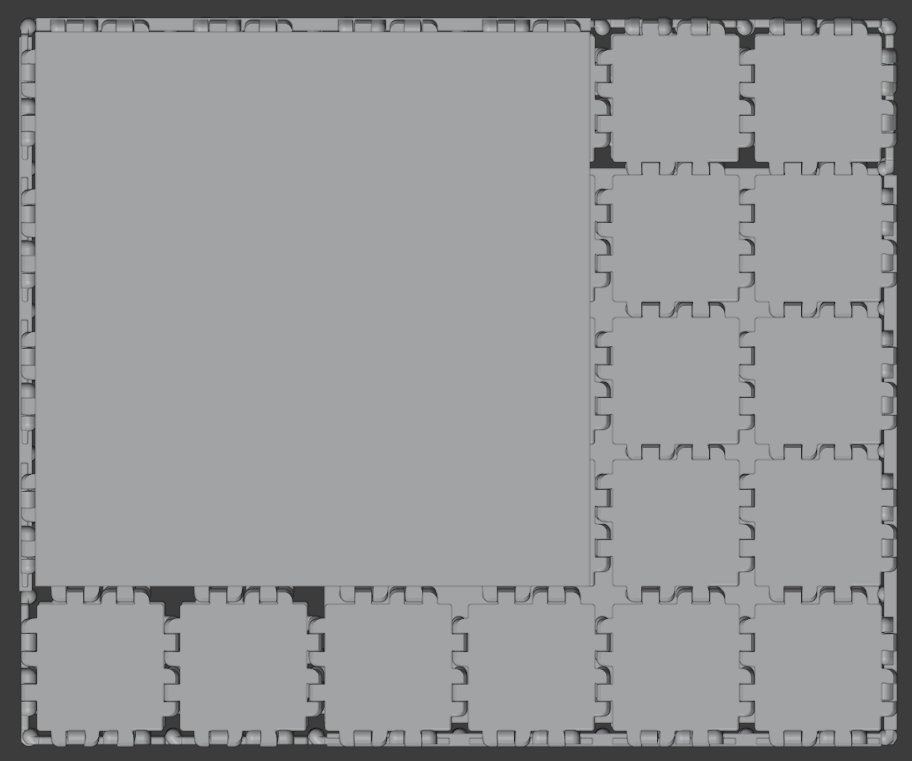
Top View of the Model
-
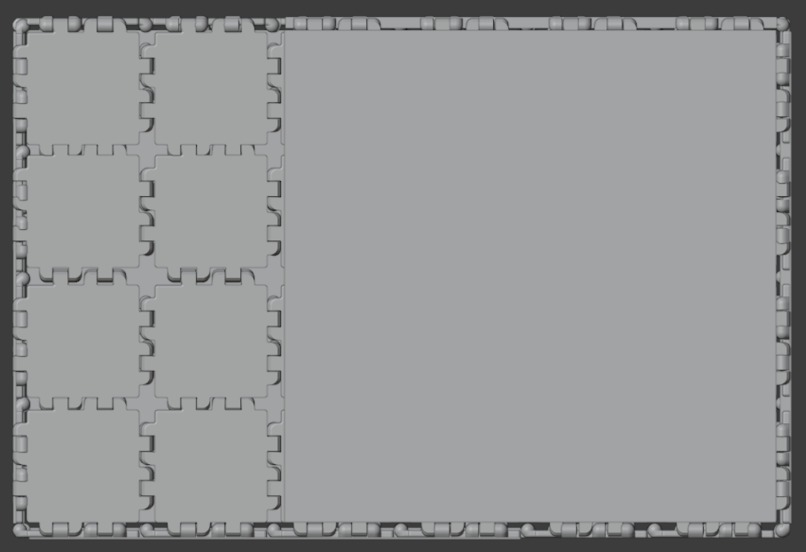
Front View of the Model
-
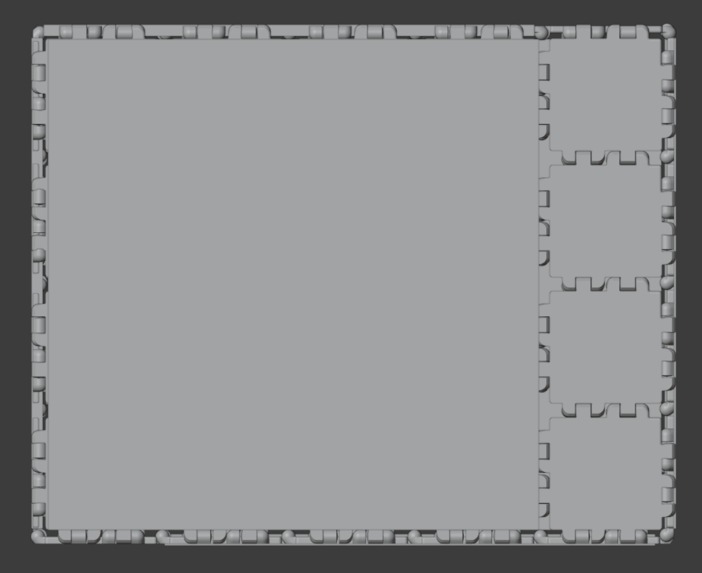
Right Hand Side View of the Model
-
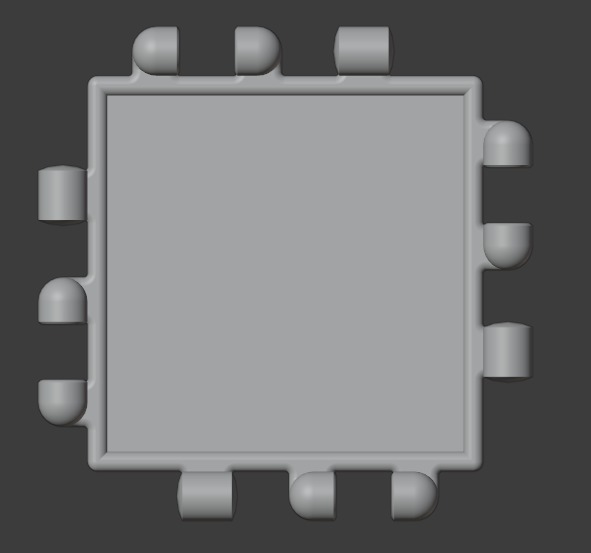
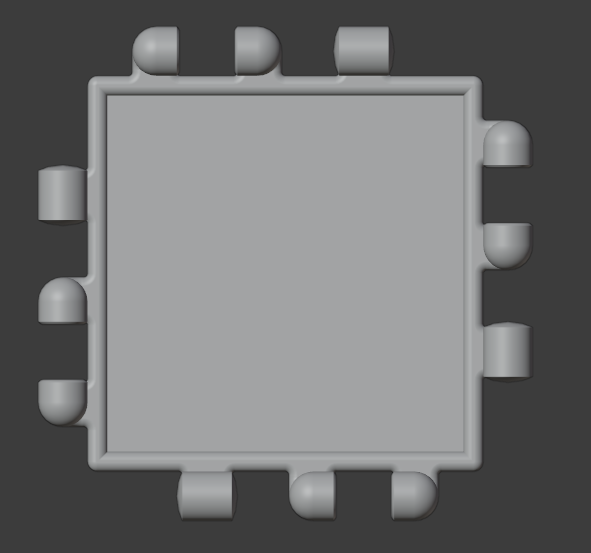
A Polypanel
-
Inspiration
Our main inspiration was receiving an enormous box from Amazon every time we ordered something, with the product being a fraction of the size of the box. Being directly affected by this wasteful process, we decided to come up with an alternative to traditional packing.
What it does
panel-it is a modular packaging solution which can be used to make packaging boxes as an alternative to their conventional cardboard coutner-parts. The panels can be used to make custom-sized boxes for each product, which can later be dimantled and re-used, unlike the use-and-throw cardboard boxes. panel-it is thus the ultimate supply-chain optimisation system.
It thus forms a direct replacement for the packaging used by e-commerce companies as well as other logistics companies to ship their products, as well as the packaging used by packers and movers while transporting goods.
These panels are made from cellulose fibres which are 100% bio-degradable and are also durable and long-lasting. Panels can be made in different sizes to be used to package different sizes of products. The panels are designed to be modular and interconnectable, so that they can be attached to each other without any binding material like tape required. The entire process of assembly of panels can be automated, making it highly efficient.
After use, the panel-it box can be dismantled, and the panels can be reused to assemble new boxes.
How we built it
We designed a panel-it (the box) using 3D modelling software (blender). We didn't have time to perfectly design a panel which could be used, so we used the panel design of a toy company called Polypanel, which makes 3D printed panels for recreational use.
Using the individual panel, we designed a full-sized box and also designed the large panel completely by ourselves. The model is only a proof of concept to show how the product will actually look and function.
Challenges we ran into
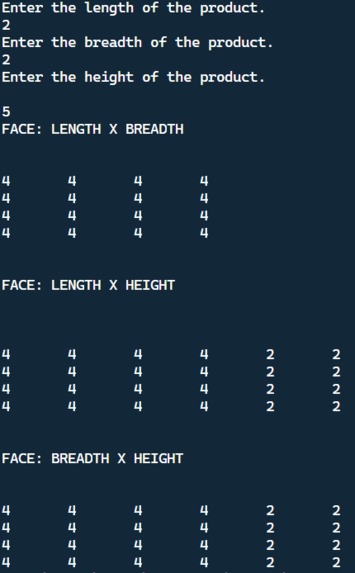
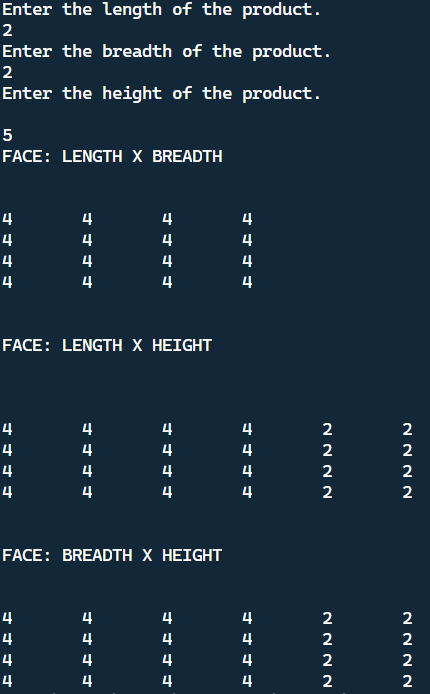
Having not worked on such large coding projects before, we ran into difficulties with coding the algorithms. Our original algorithms for packing and optimising didn't work well, and we had to go through several stages of redesign.
The entirity of our first day was spent debugging the code, and the next day we realised that the very algorithm we were programming was imperfect.
Furthermore, the CAD process also took a lot of time, as it was difficult to perfect the model with limited experience in modelling.
Along the way, we realised small ways in which the product could be made better like the introduction of buffers, using panels in geometric progressions, etc. which acted as optimisations.
Accomplishments that we're proud of
We're proud of basically everything we've done for this project. We worked tirelessly for the whole two days, despite the major set backs. We love how our presentation and 3D model turned out, and how we put the whole idea together.
The entire journey from the brainstorming session on Friday to writing this summary on Sunday has been amazing, and we're proud of how far we've come.
What we learned
Our team (consisting of two members) attended all the workshops, which were quite interesting and informative. We learnt a lot about AI, ML and Digital Fabrication and cold calling, which intrigued us a lot. The ideaition and entrepreneurship workshops were very engaging and interesting. We also learnt quite a bit about problem solving.
On the implementation side, we learnt a lot about how to manage a large project while coding, and how NOT to code. We also learnt the importance of good models, presentations and explanations while implementing a project. Addtionally, this was the first time we properly used GitHub, and learnt a lot about that, too.
What's next for panel-it
We plan to continue panel-it as a company and as a venture. We believe that it has great potential to become a real-world alternative to solve a pressing problem in the modern age. We feel that panel-it will grow to become a household name, and are extremely passionate about it.
Next, we want to perfect our own design of the panels, as well as improve the packing and optimisation algorithms to better this process. We wish to pitch this idea to mainstream e-commerce companies like Amazon and FedEx so that it can be implemented on a large scale.


Log in or sign up for Devpost to join the conversation.