-
Logo
-
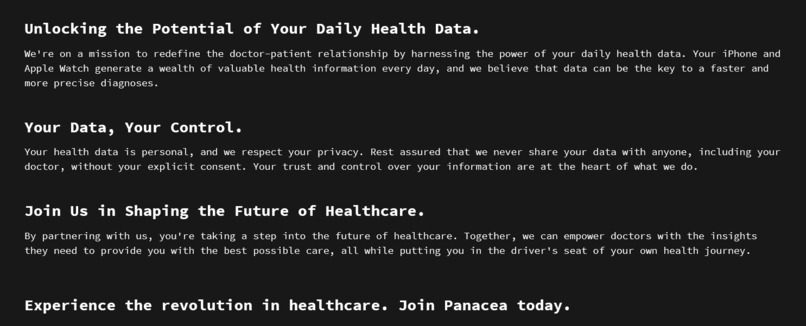
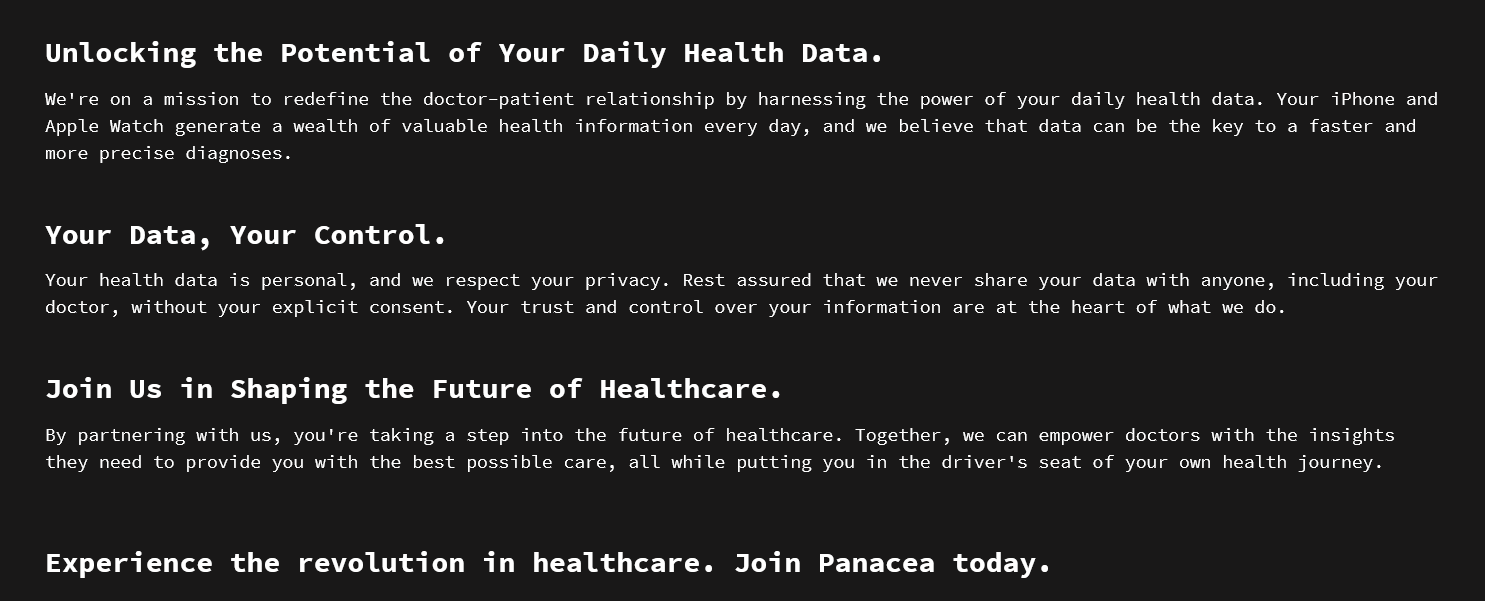
Homepage
-
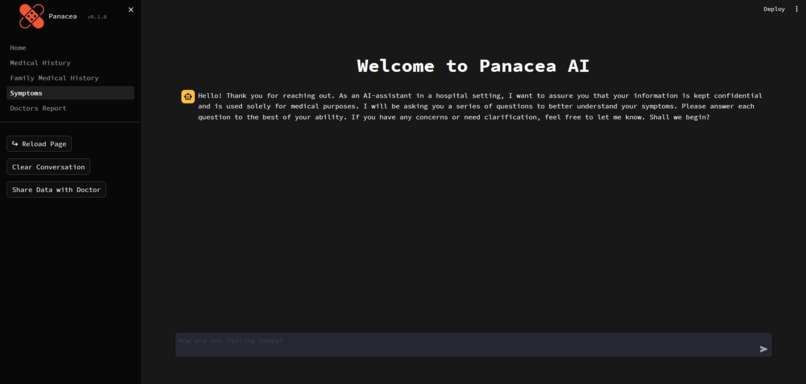
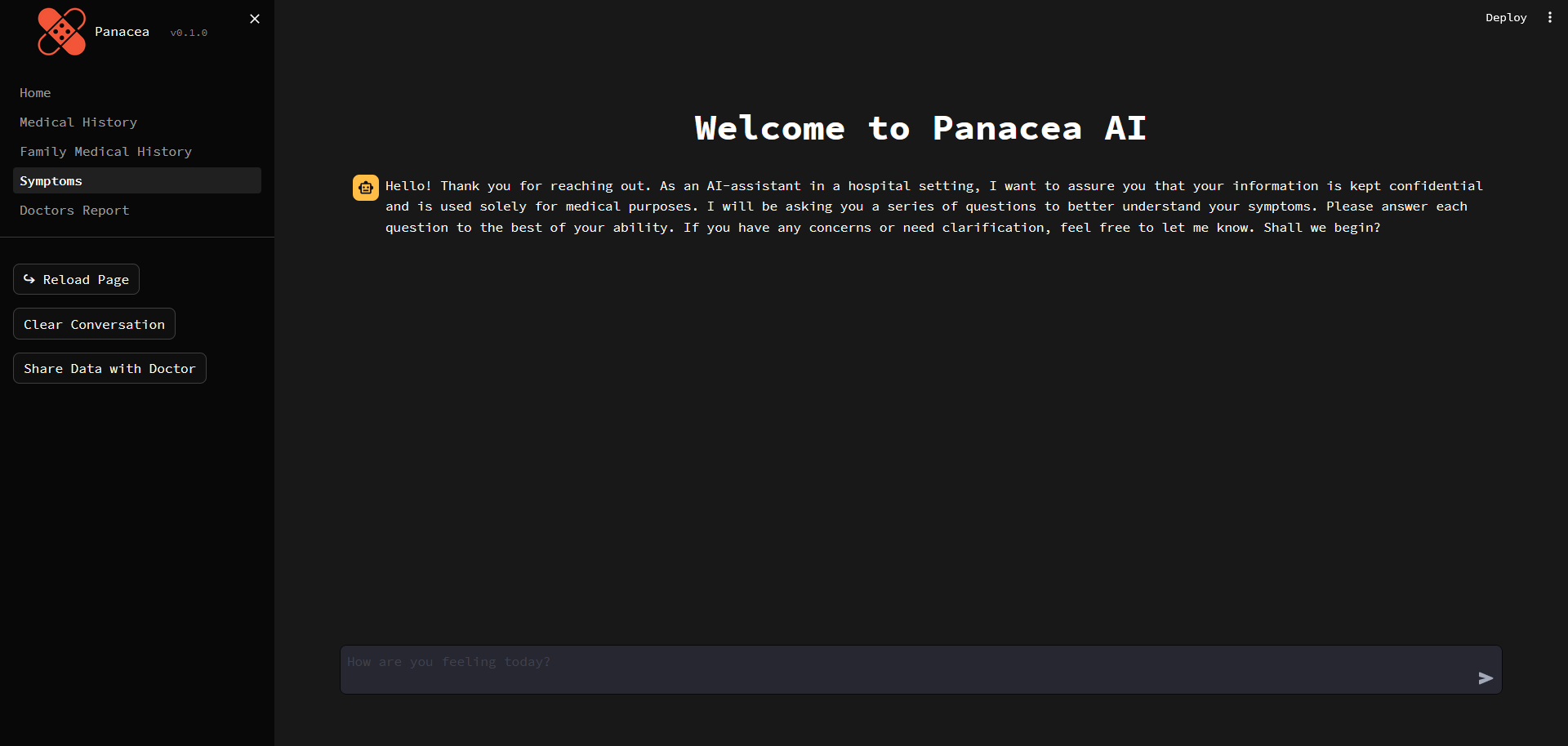
Symptom Interaction w/ Panacea AI
-
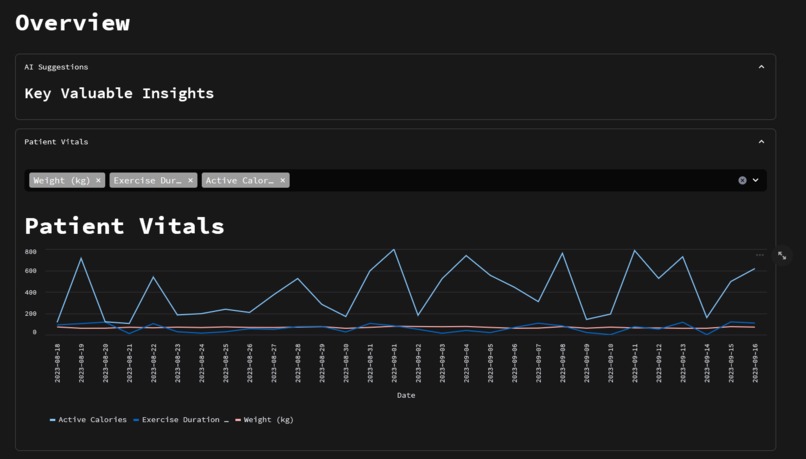
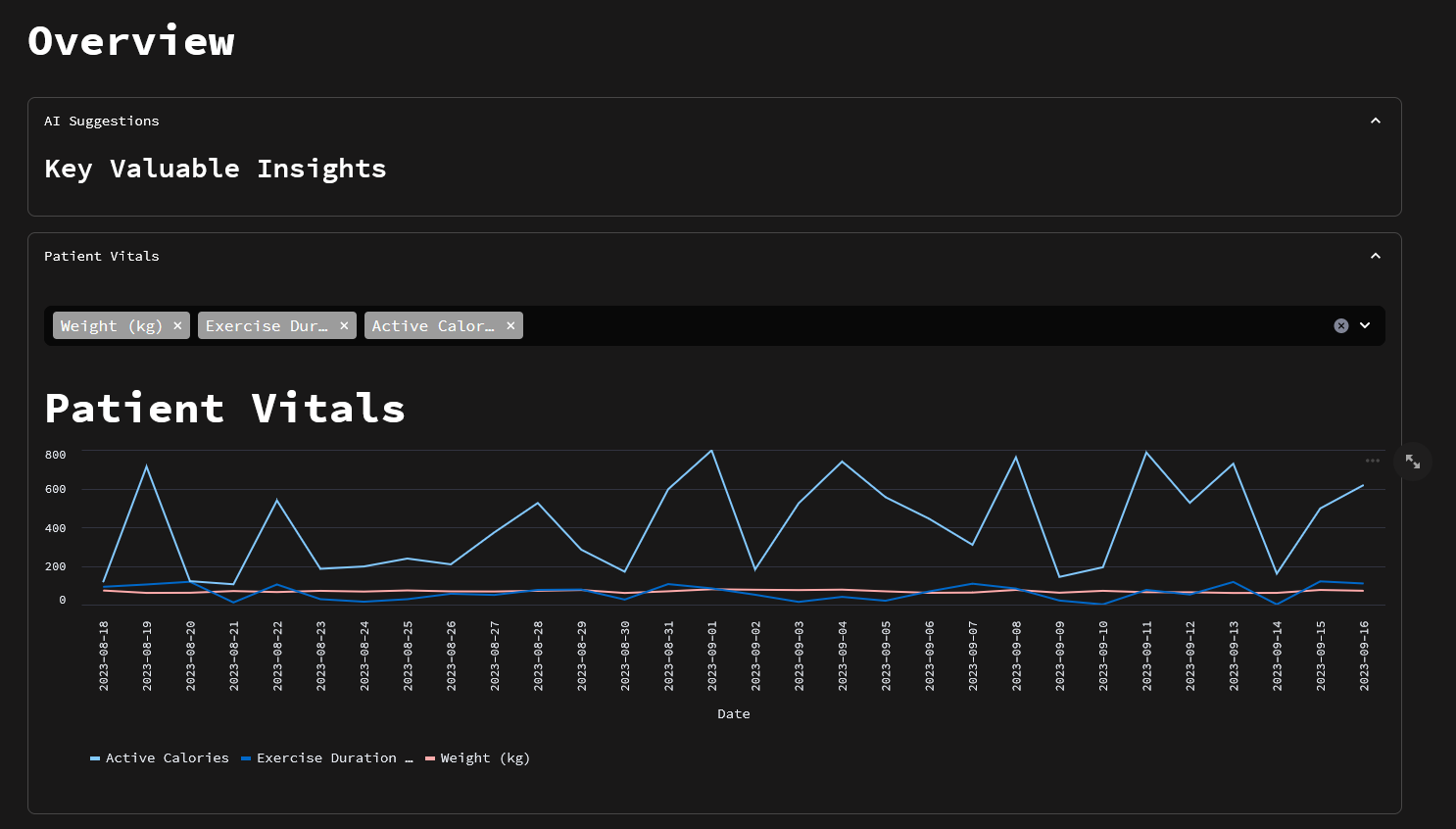
Doctor Dashboard Overview (Blank)
Inspiration
Our motivation stems from our individual encounters with long wait times during visits to the emergency room. Each member of our team has experienced the frustration of waiting in line simply to provide basic information. We recognize that this issue isn't the fault of the dedicated medical staff but rather the result of a poorly implemented system that fails to efficiently accommodate both the healthcare providers and the patients. In response to these systemic shortcomings, we embarked on the journey to create Panacea. This platform is designed with the aim of enhancing the experiences of both patients and healthcare staff by utilizing time that is normally wasted, which helps to address one of the biggest inherent flaws in our existing system.
What it does
Panacea offers users a tailored healthcare experience, allowing them to input both personal and familial medical histories. Utilizing its chatbot feature, Panacea guides users through an interactive process of detailing their symptoms and receiving preliminary insights. This feature is particularly beneficial for addressing symptoms that individuals may find uncomfortable discussing with another human.
Panacea extends its advantages beyond the patient's perspective. With explicit consent from the user, the platform securely transmits up-to-the-minute health data directly from the patient's phone and/or wearable device to accredited healthcare professionals. This data includes crucial trends in vital signs, such as sleep patterns, blood pressure, and oxygen levels, which doctors typically wouldn't have access to except during brief in-office assessments. This exchange of real-time health information empowers doctors to deliver the highest quality of care. Additionally, the chatbot generates an extensive report of its findings and analyses, further serving as a supplementary resource to aid doctors in the diagnostic process. Ultimately, the final decision regarding diagnosis and treatment remains in the hands of the healthcare provider. Panacea facilitates this process by allowing doctors to effortlessly submit their diagnoses and recommended treatments. They also have immediate access to a comprehensive report containing all relevant information, including AI-driven analyses, at their fingertips, streamlining the decision-making process.
How we built it
We started by exploring our options: We knew we wanted to integrate AI (specifically LLMs) into our project, so we started by compiling a list of different HuggingFace transformers. While we found early success in the form of models that fit our needs, we soon realized that we had to pivot to another platform, as we lacked the computational power necessary to run the models. From this, we moved to the OpenAI API, which suited our needs perfectly, and got to work building a locally hosted ML website using streamlit. We quickly began development on the different aspects of our project, building up each of the individual systems that would need to work together in order to fulfill our goal of having LLMs dynamically extract and process data for medical professionals. As these systems came together, we also branched out into building the structure and design of the website, as well as our goals for our users' experiences. Finally, we began the process of linking each of the individual systems together by chaining tasks together. We then began passing and fine tuning our model with data until we reached a level of consistency that we felt was satisfactory. After that, we focused on polishing our idea, adding depth and an enhanced UI to the website, as well as considering the ideas that we considered “out-of-scope” at the beginning of our project.
Challenges we ran into
Undoubtedly, our project presented formidable challenges. One of the most prominent hurdles we confronted was the intricate process of refining prompt engineering. We needed to create forms that could precisely channel data into the Language Model Models (LLMs), a crucial step in enhancing the responses' robustness and maintaining their relevance to the task of evaluating patient symptoms. Striking the right balance was no easy task. We aimed to grant the LLM model enough flexibility to engage with patients effectively and understand their symptoms, while avoiding excessive leeway that might lead to the model offering direct diagnoses, a potential legal concern. Achieving this equilibrium was pivotal to the successful deployment of our app.
In tandem with these technical challenges, our team grappled with a diverse range of experiences and backgrounds. Language proficiency varied, and not everyone possessed the same level of familiarity with navigating through LLMs. However, the unwavering support of our team proved instrumental. We collectively persevered, skillfully integrating each member's unique insights and contributions to shape the final outcome.
Accomplishments that we're proud of
From the very beginning of this project, our unwavering focus has been on simplicity. During one of the workshops we attended on our first at HopHacks, a comment about the complexities and tedium of hospital interfaces deeply resonated with us. We are proud to say that we have successfully realized our objective of crafting a user-friendly platform, catering to the needs of both patients and medical professionals.
One of our significant achievements has been the creation of a comprehensive end-of-session report on the app. This report offers a concise overview for the doctor, encompassing patient symptoms, personal and family medical history, AI-driven analysis, and ultimately the diagnosis itself that the doctor inputs. And, of course, we can't help but mention our remarkable name, which encapsulates the idea of a remedy for all diseases.
What we learned
A valuable lesson we acquired was the significance of thoroughly mapping out our ideas before initiating our project. This preparatory step proved immensely beneficial as it enabled us to pinpoint essential and feasible elements crucial to our project's success. Consequently, we were able to comprehensively develop various facets of our platform while still leaving space for future enhancements and modifications.
In essence, our learning experience was two-fold. On an individual level, team members ventured into coding with new languages and delved into novel concepts like web development, expanding their skill sets. Collectively, we gleaned insights through the exchange of new ideas on LLMs and web development, fostering a collaborative and knowledge-sharing environment.
What's next for Panacea
We're just getting started! We want to start integrating Panacea with Apple API to establish a seamless interface with the Apple Health App. Rest assured, we will also explore options for Android OS and Google Health in the future to ensure accessibility and compatibility for all users. Our mission is to provide patients with a seamless high-quality experience, and as part of this commitment, one of our upcoming initiatives involves fine-tuning a more robust LLM model, PaLM by Google, that has been more specifically trained on medical literature. These enhancements not only aim to streamline patient’s hospital visits but also alleviate some of the burden on our dedicated medical professionals.
Built With
- css
- html
- javascript
- openai
- python
- streamlit


Log in or sign up for Devpost to join the conversation.