-
-
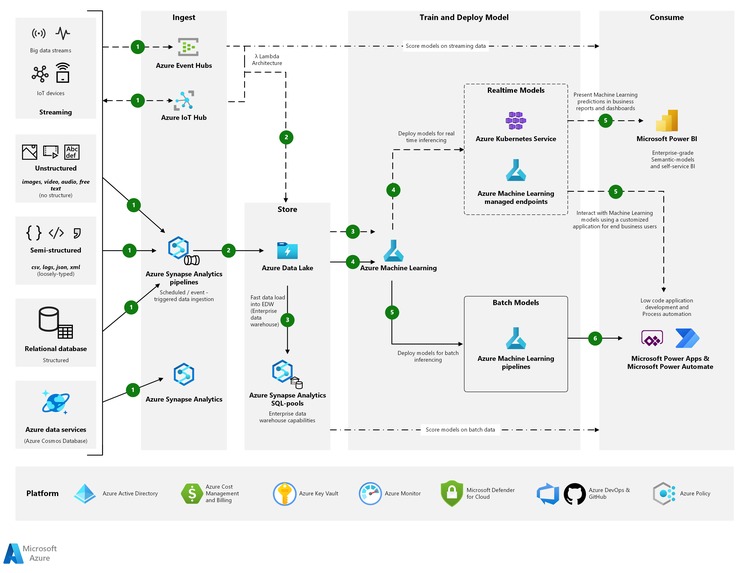
Architecture Guide
-
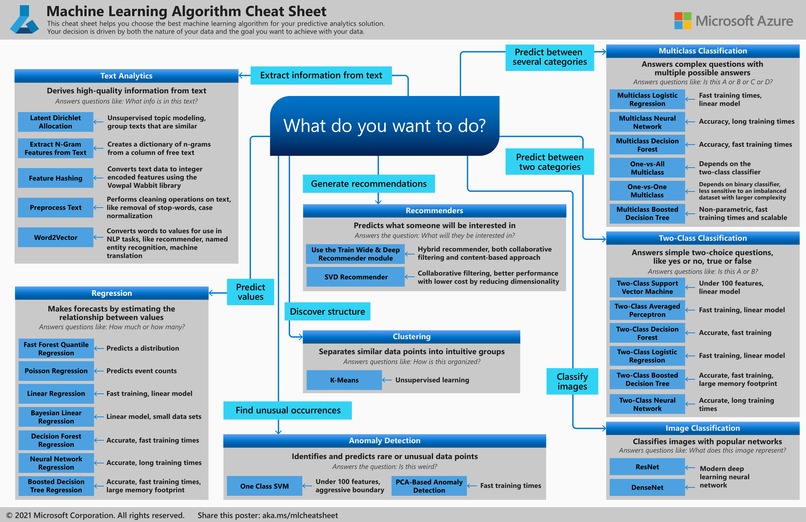
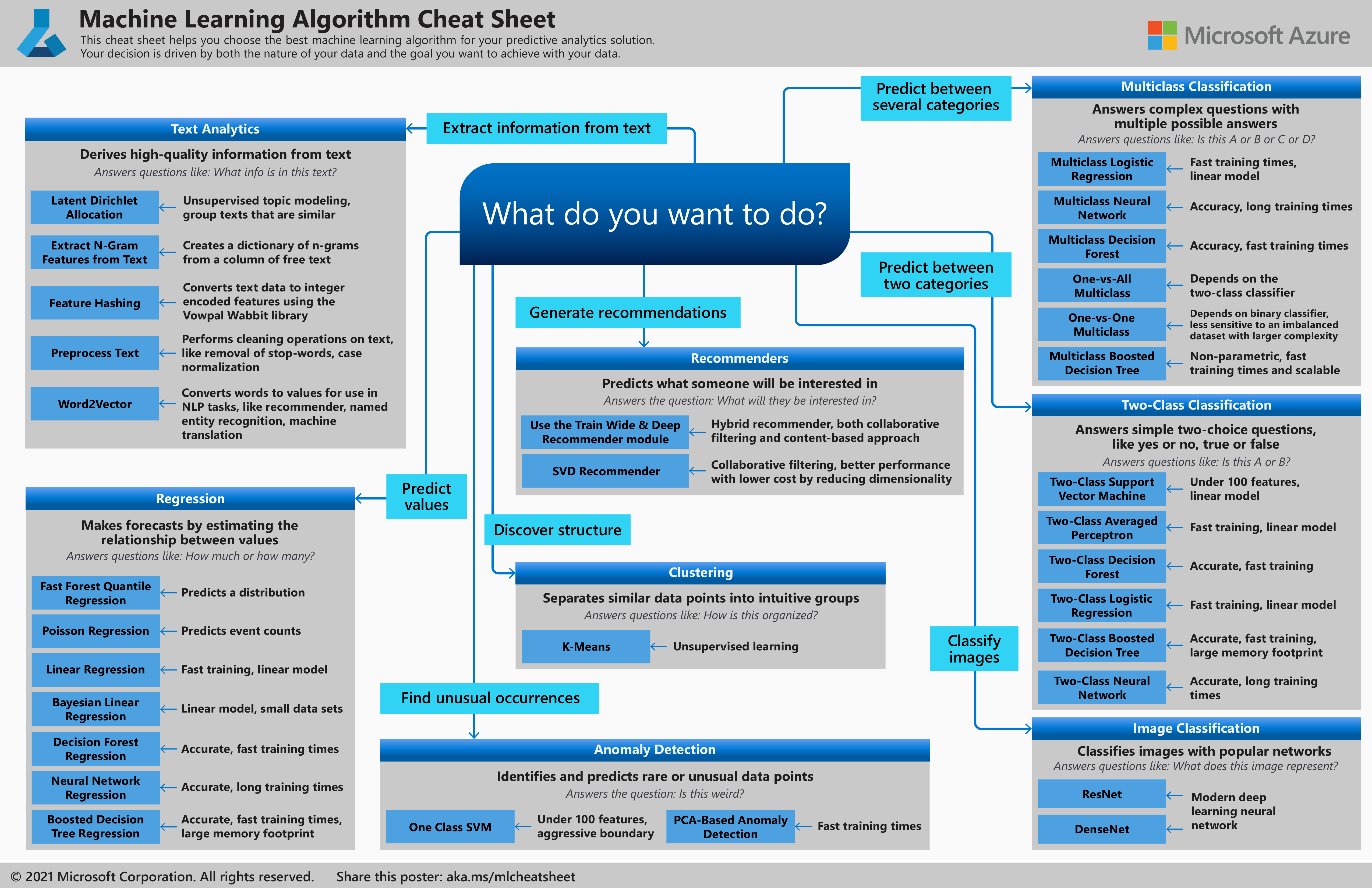
Decide a ML Algorithm for your workload
-
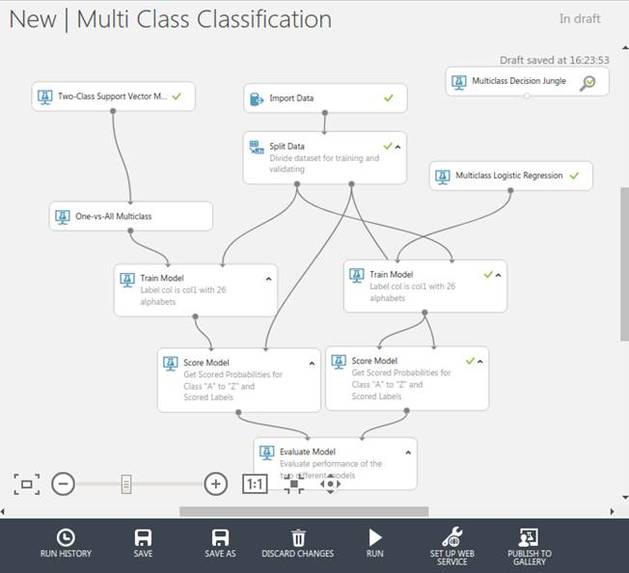
Azure ML Multiclass Classification Designer Model Guide
Hi organisers, judges, fellow participants and enthusiasts! This is my first time attempting a hackathon and trying out machine learning. I came from a non-technical background and worked in the banking and financial sector. Thanks for viewing. I am sorry. This is an incomplete submission. Just participating in a fun way to try out the hackathon. In any way, if it is something of a feasible solution, I am happy to further explore and finetune the idea and workaround. However, sadly I have access issue and might not be able to meet the deadline. Thank you for creating this hackathon event and for your time and guidance. Any comments are welcomed! Feel free to also visit and view my other completed submission for Carsome Challenge I.
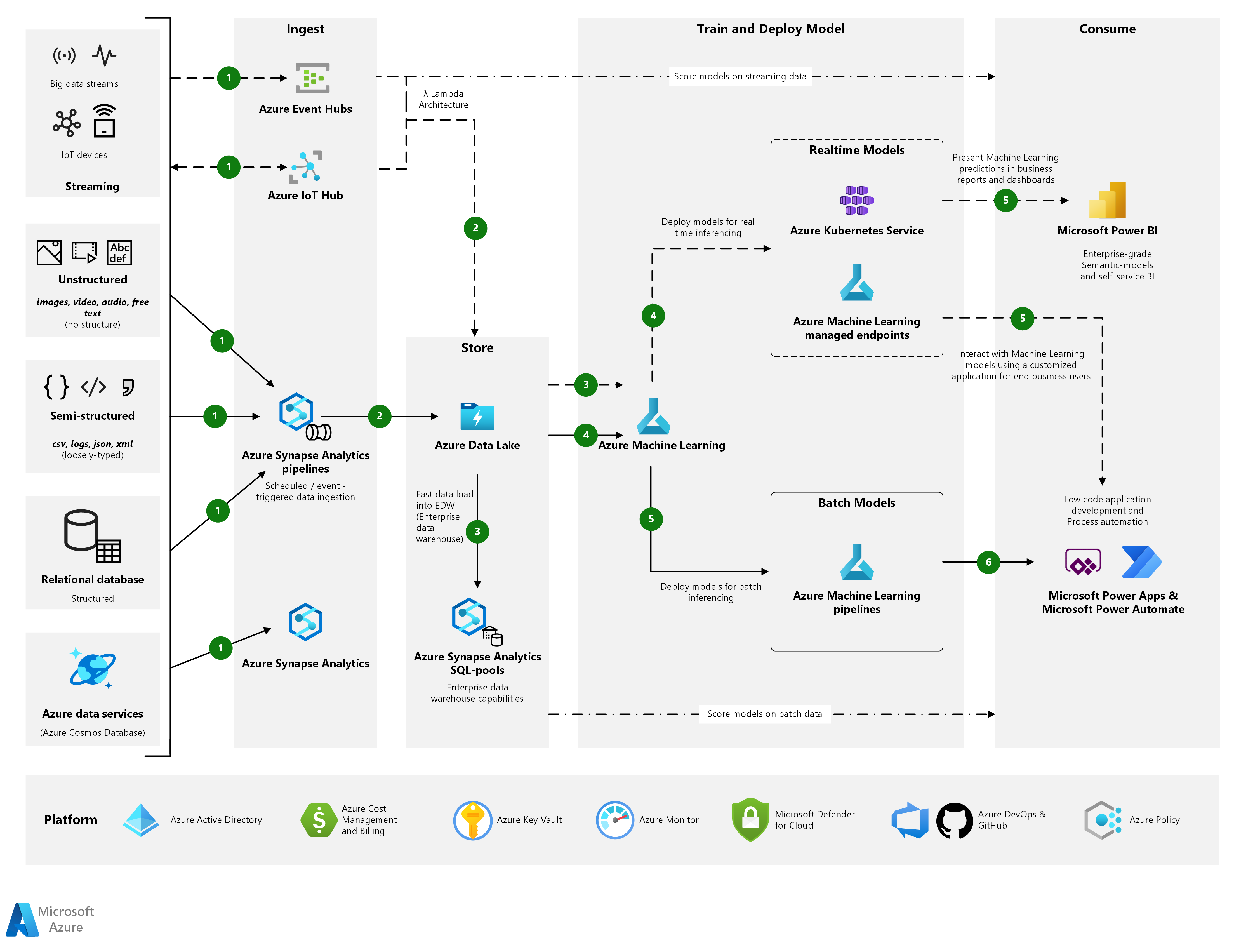
For decades, Microsoft Excel, Word and PowerPoint have been some of the most widely used products for building and maintaining day-to-day business operation solutions for companies worldwide. With increased difficulties in solving business challenges in this ever fast-changing world with little time yet bigger amount of data, I believe in using Microsoft Azure Machine Learning (ML), PowerBI and Power Platform (Power Apps) can help businesses develop low cost, quick and efficient solutions. 💡💻
Please see YouTube video and click next >, expand ⛶ to refer to the images I have submitted for your viewing. 📽️🖻
To get a predictive model to allocate patients to hospitals based on risk level, first, build, train and deploy the model before using it to make predictions. This building and training will teach the model what to look for. Eventually, test the model until the predictive performance is of satisfactory level.
Design: 🏥💟
Use Azure ML to develop a fair and bias-free (regardless of race, ethnicity, education and income) Health Risk Algorithm Model with focus based on patient data on number of pre-existing medical conditions (especially lung, heart, brain, diabetic, blood disorder and other critical conditions), severity/stage and mortality risk rate. Age and gender might be included in the risk calculation to determine severity of certain conditions. In addition, where data is available, factors for premature death risk (smoking and/or drinking, high blood pressure, high blood cholesterol, obesity, etc) may also be considered in deriving the risk statistics. Lastly, special cases (rare and acute conditions, young and elderly, pregnancy, recently given birth, disabilities, allergies, etc) may also be considered in deriving the risk statistics.
In the enhanced dataset, the number of 'yes' for each medical condition and/or factor will be given a score of 1 and then multiplied by the severity percentage (%) and divided by total conditions/factors.
All in all, each patient will get an overall health risk score tied to his/her identity.
Note: May require a small group of experienced medically trained persons as advisory consulting team and for trying out the new system at end-user testing stage.
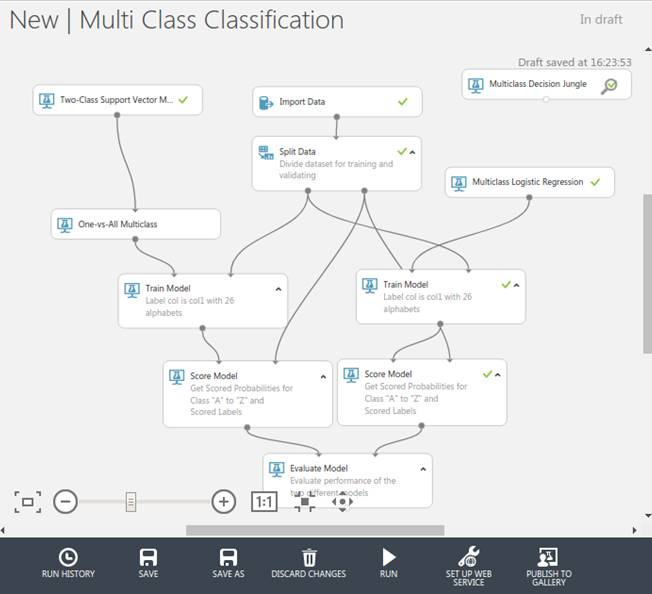
I decided to use the Multiclass Classification model to help me to predict between the three categories of health risk scores. 🤖
Azure ML Designer is the low-code no-code option I have chosen to develop my solution for this challenge. 🖌️
The drag and drop modules are easy to use on the Designer's canvas. 🎨
The library includes Data Transformation, ML Algorithms, Model Scoring, Evaluation and other prebuilt modules which anyone with basic ML knowledge can leverage on.
Health Risk Score: 📈
🟥High risk score (0.8, 0.9, 1)
🟧Medium risk score (0.4, 0.5, 0.6, 0.7)
🟩Low risk score (0, 0.1, 0.2, 0.3)
With the numbered risk score added to patient medical history data and hospital stay duration data, train another model to find out the correlation between health risk score and historical bed occupant duration.
Build a dashboard using Power BI based on the above report findings to obtain insights about the average waiting time for a hospital bed against the risk score. Scores may be further broken down into categories/lists of conditions and severity for visualisation to enhance stakeholders' understanding.
Note: Risk score is an indicator of priority level of patient (high number = high priority) based on past health records kept by the government, used under control and centralised for all public health facilities, e.g. National Electronic Health Record. Doctor should also use his/her judgement based on new findings with latest vital signs status in this new visit and elevate the risk where necessary, critical and emergency condition occurs.
I strongly agree the issue of waiting times is a globally challenging one. It is a difficult to solve problem due to the vast types, complexity and combination of human illnesses and can be difficult to predict and deduce the urgency of treatment entirely even though we have advanced medical technologies and knowledge. Many lives were lost especially during the harder times of the pandemic. Sincerely hope to see a better world with less struggle with problem like lack of bed and timely medical attention, eventually solving it with a universally accepted brilliant and cost-efficient method. 💡🌏
Most Efficient Hospital 🏥🚑
To find out the efficiency rate of each hospital and to eventually determine the most efficient hospital rankings, I would suggest:
- Obtain most recent 5 years of daily raw data: Average general waiting time for admission to ward for each hospital
- Obtain most recent 5 years of daily raw data: Beds Occupancy Rate
Use Power BI to organise, clean and combine these two data sets. Build a dashboard to find out the outcome with charts displaying the ranking and in totality the highest waiting time and highest beds occupancy rate will be marked as the least efficient hospital.
Develop a centralised hospitals status system similar to MyTransport.SG mobile app, MRT crowdedness real-time report (🟢Green: Low occupancy, 🟠Orange: Moderate occupancy, 🔴Red: High occupancy) for hospital admission staff to view. This system should also consider if there is a sudden event, like major event of massive traffic accident, food poisoning, gas poisoning, major fire and burn victims incident, outbreak of a disease, etc). Hence, the system should also have a view of the current emergency cases of each hospital. Suggestion will be to use Power Apps to build a canvas app, and run the app on hospital intranet browser.
The outcome is to allocate patient based on health risk score and the real-time occupancy system mentioned as above. 🏥🛏️
Built With
- azure
- machine-learning
- powerapps
- powerbi


Log in or sign up for Devpost to join the conversation.