-
-
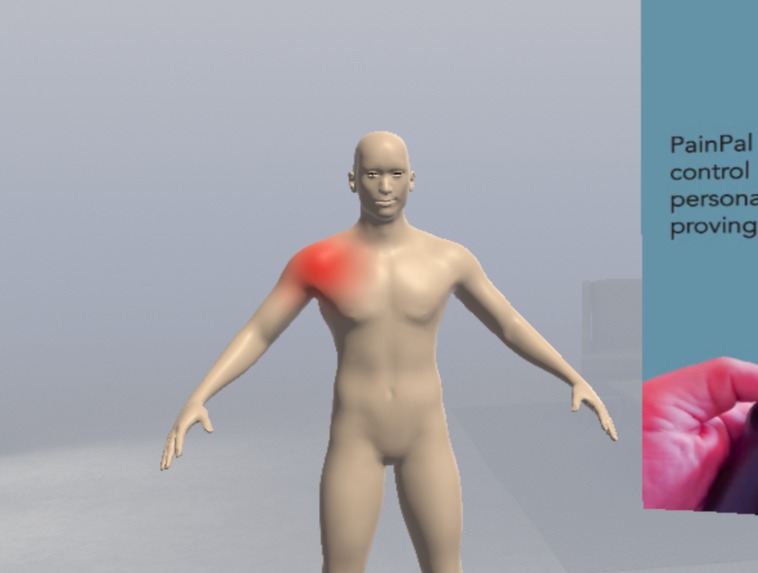
Painting Pain - Aching Pain
-
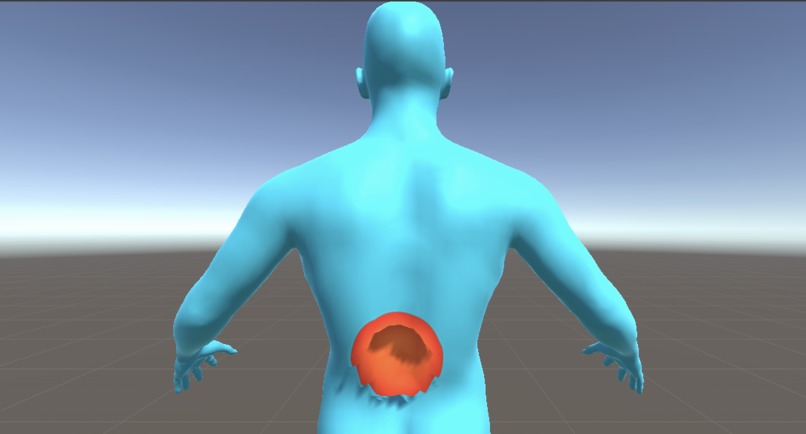
Painting Pain - Burning Pain
-
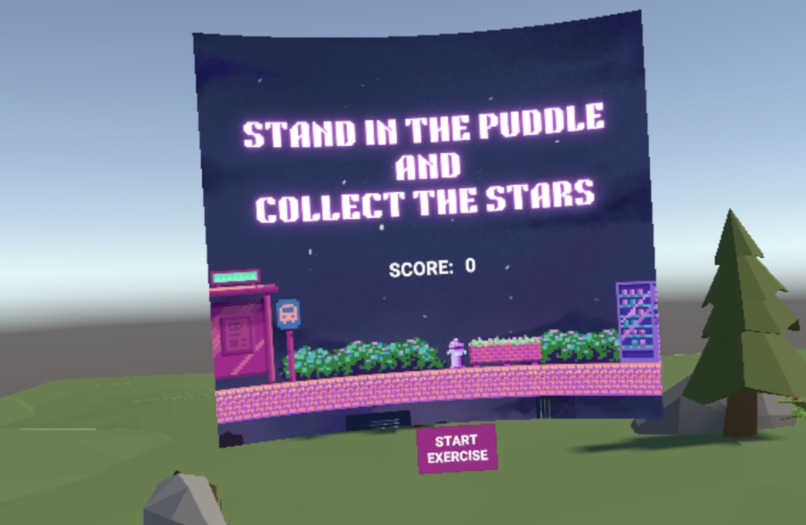
User Education - Menu
-
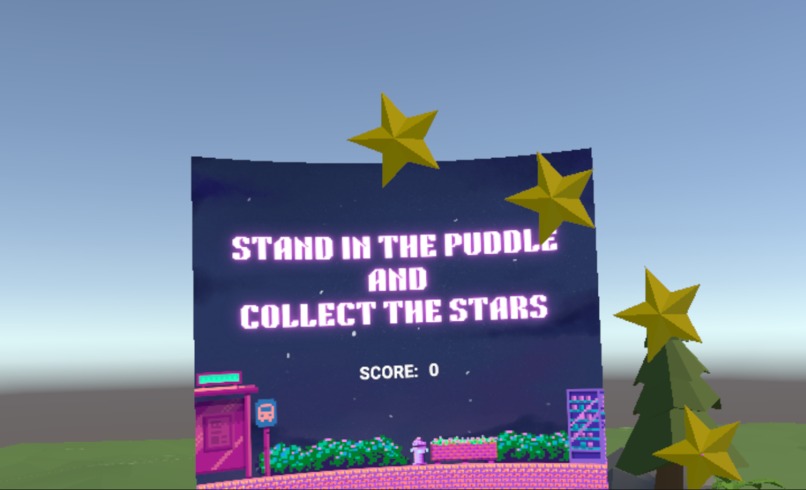
'Star Stretch' Treatment Game - Reaching for the Stars
-
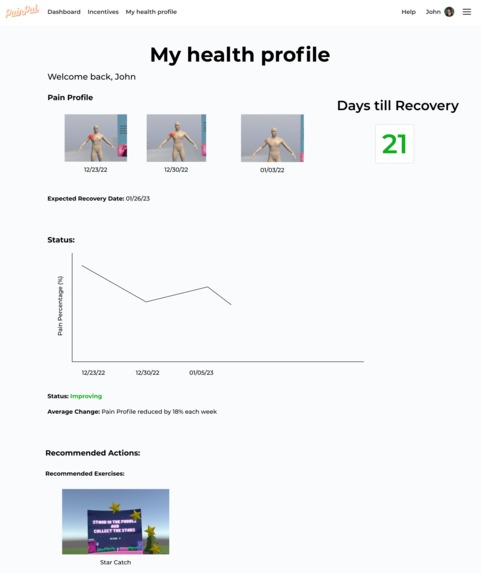
Web Dashboard for Patient View
-
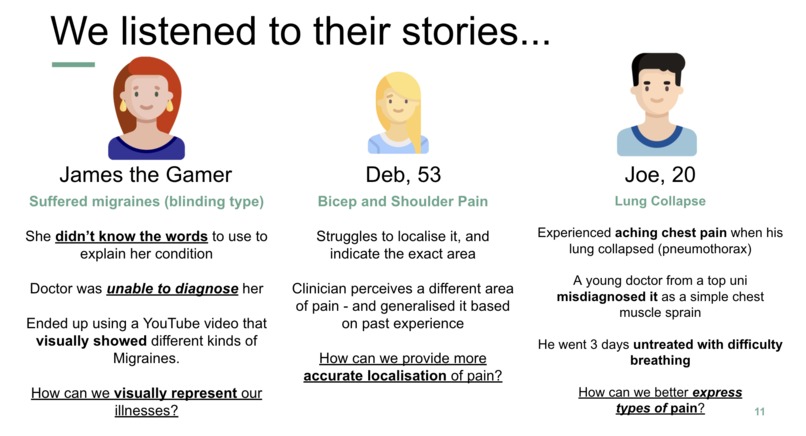
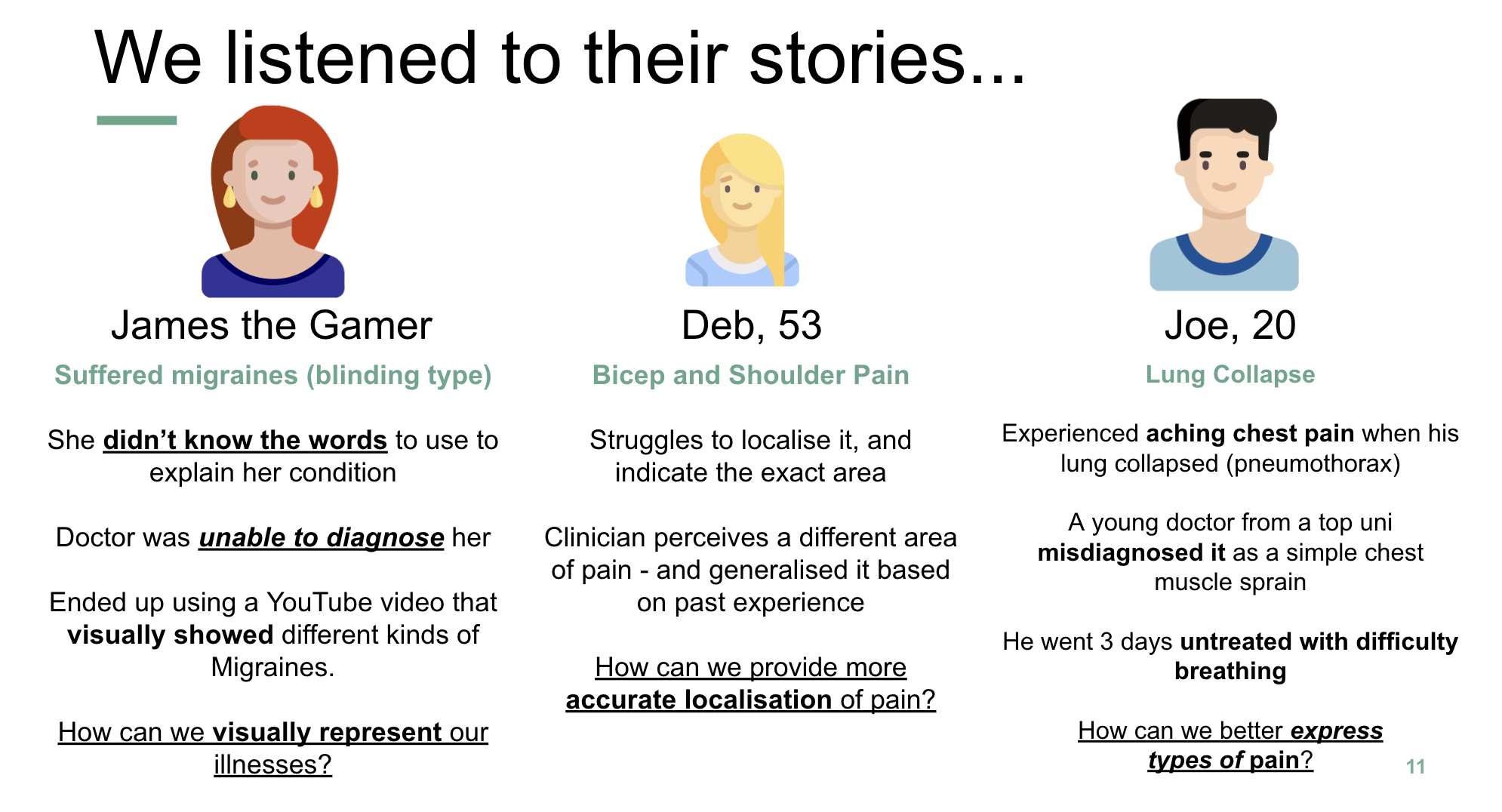
User Stories - All True
-
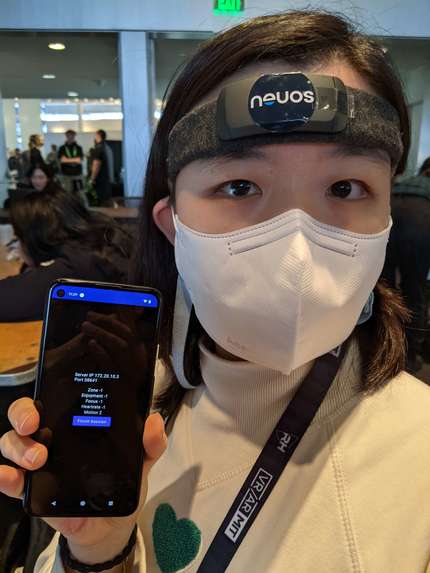
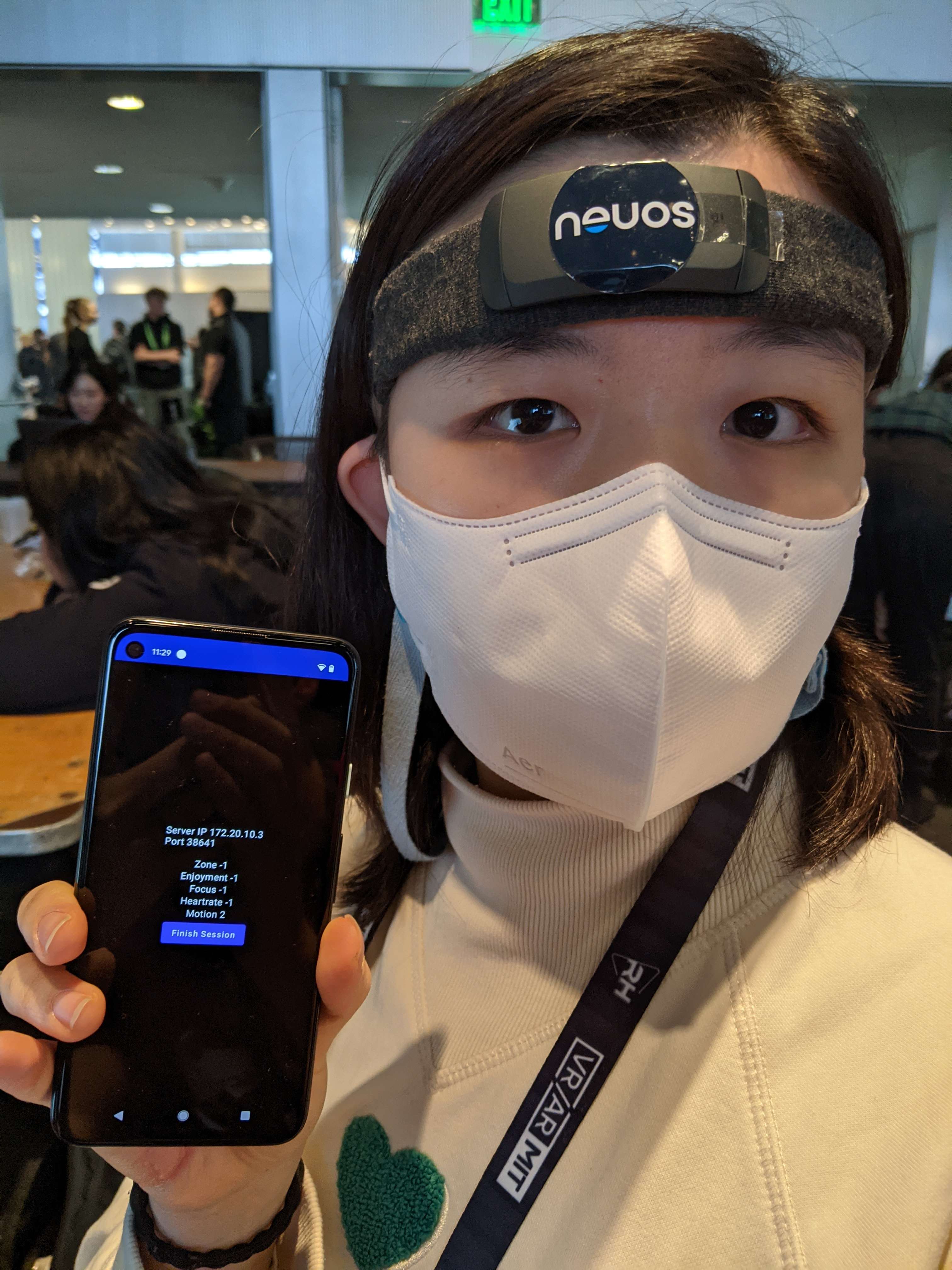
ArcTop Brain Computing Feed: showing enjoyment and focus while undergoing gamified treatment in VR
-
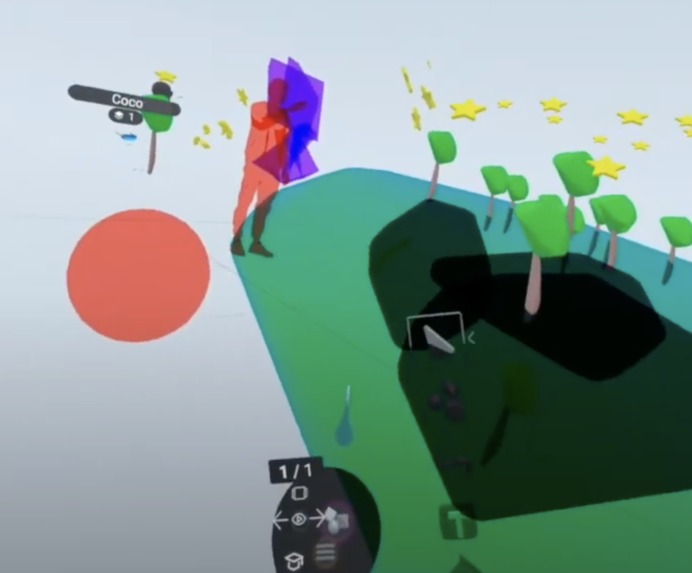
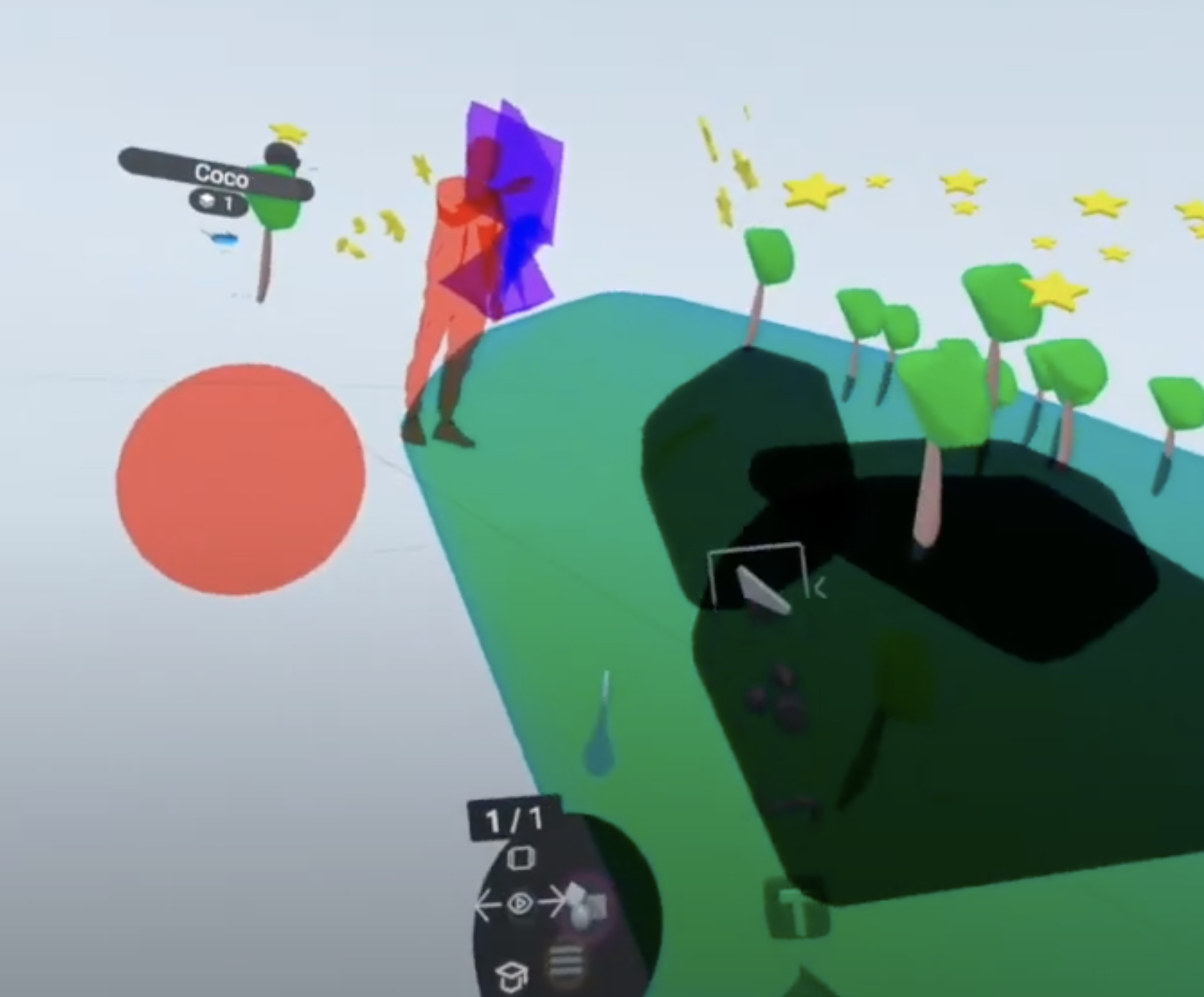
Design - in ShapesXR
-
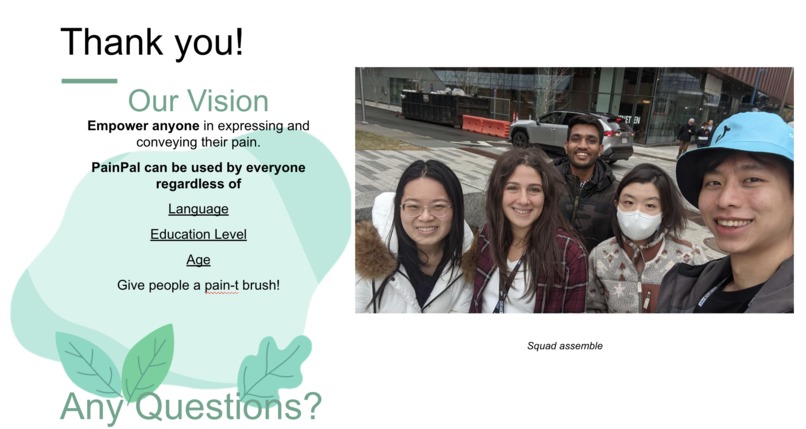
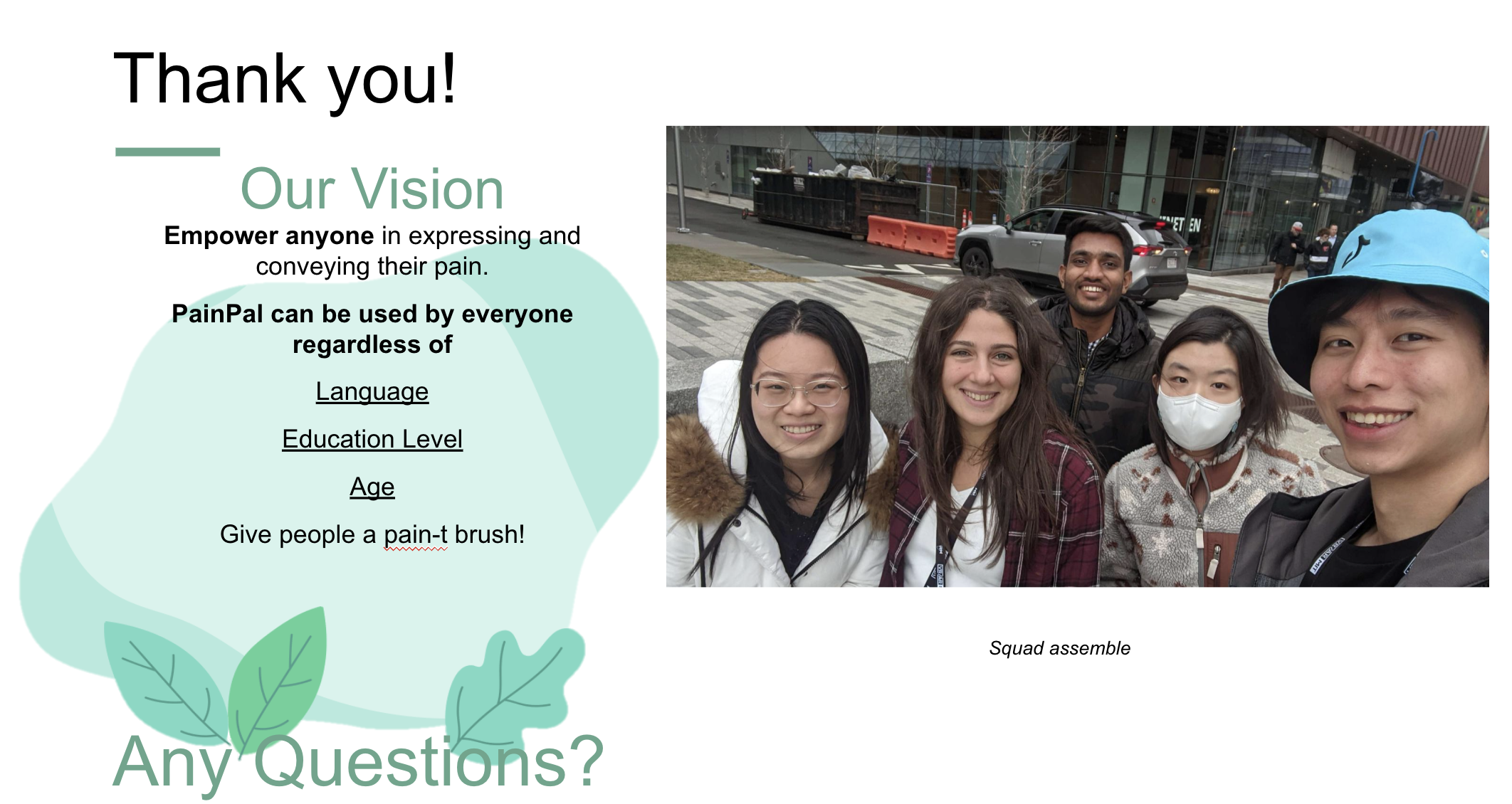
Squad Assemble
-
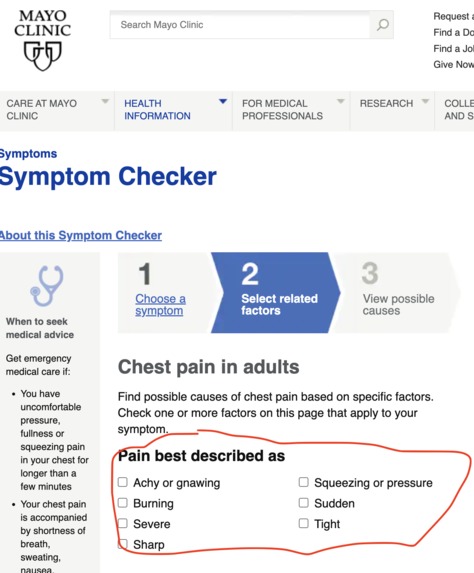
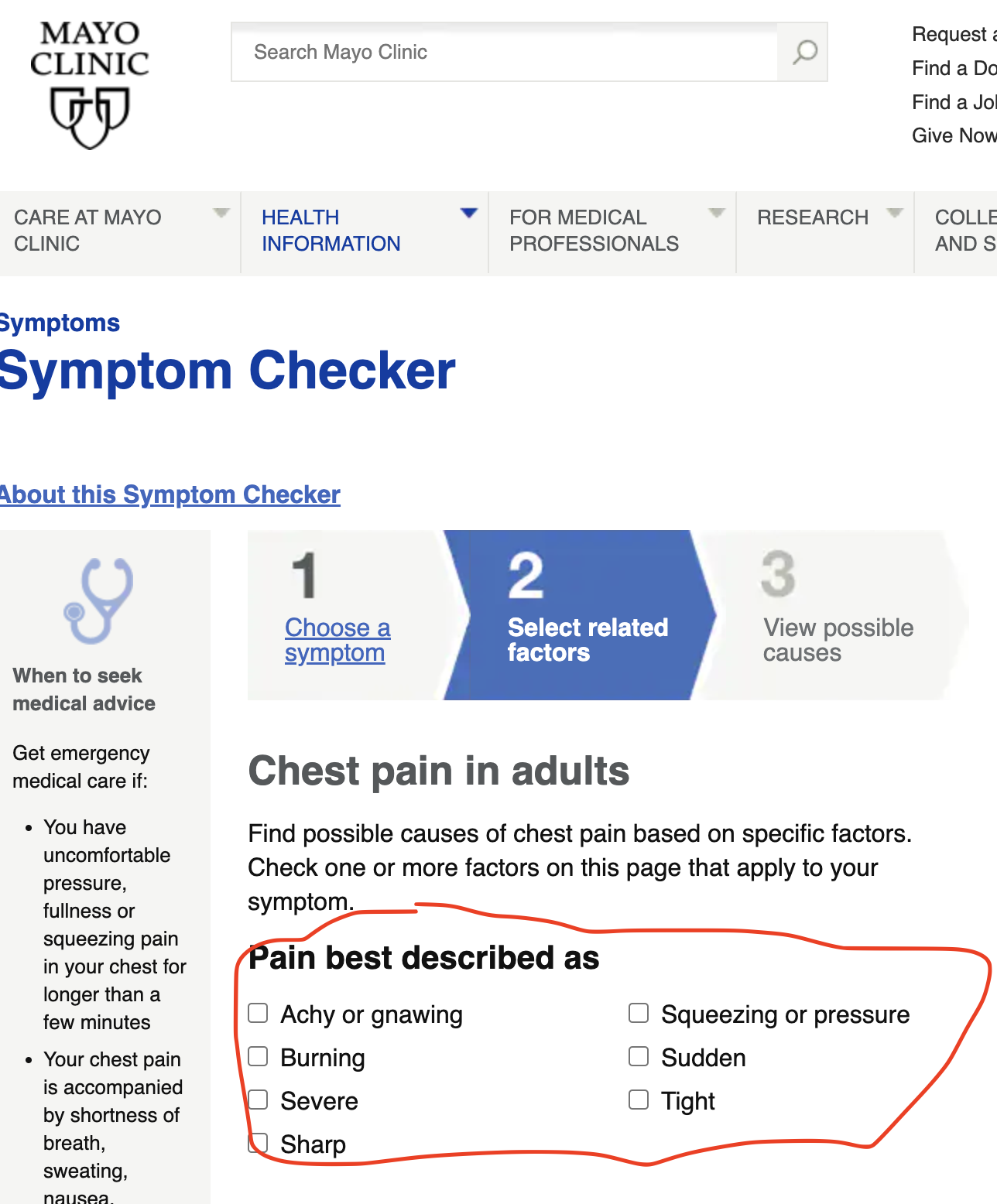
Research: different kinds of pain
-
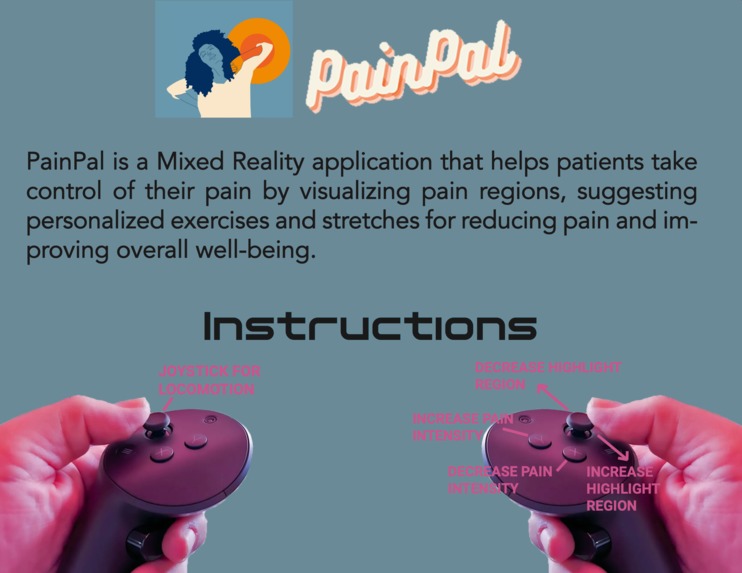
Instructions
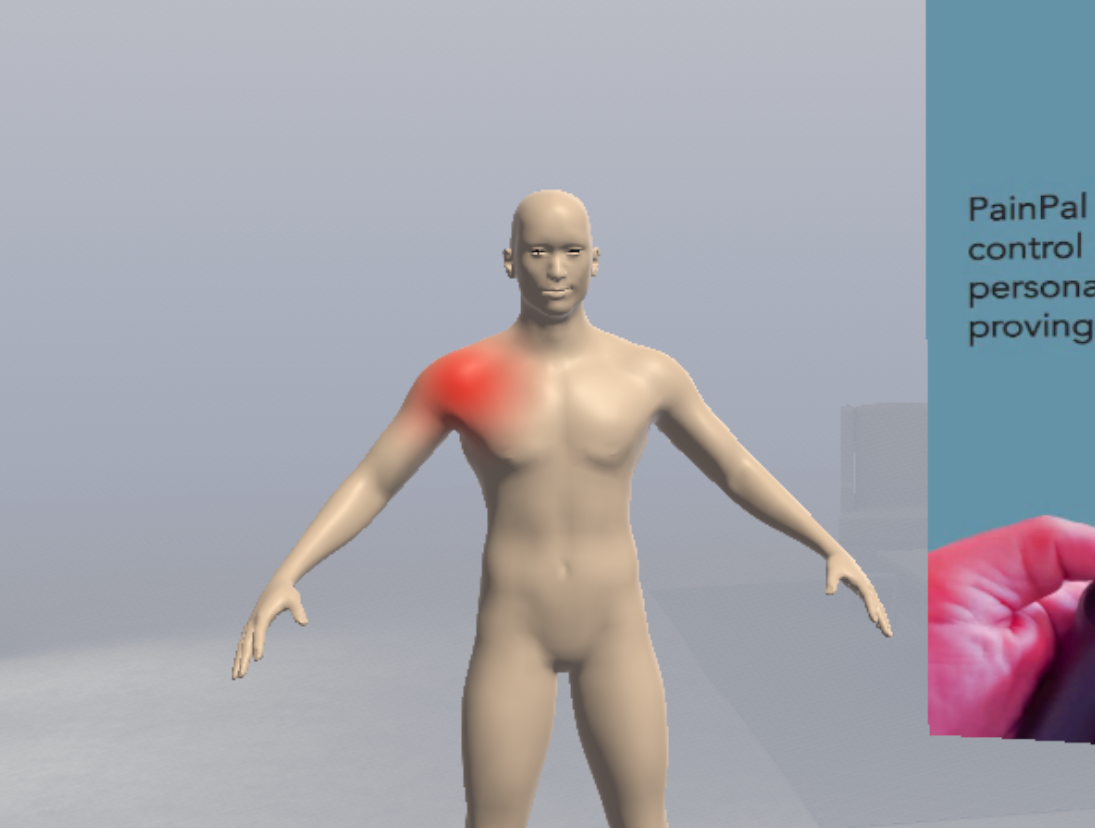
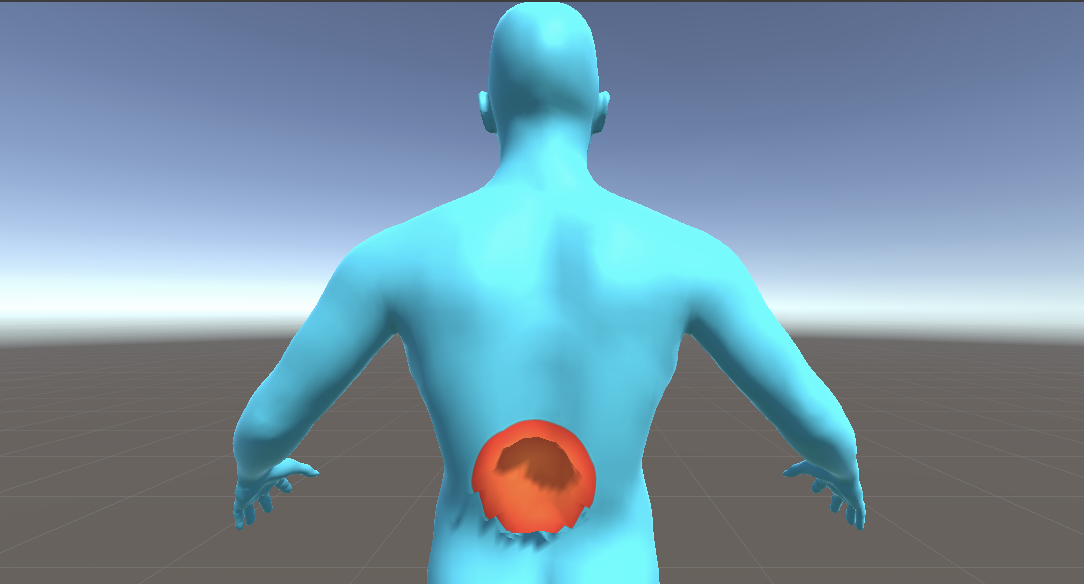
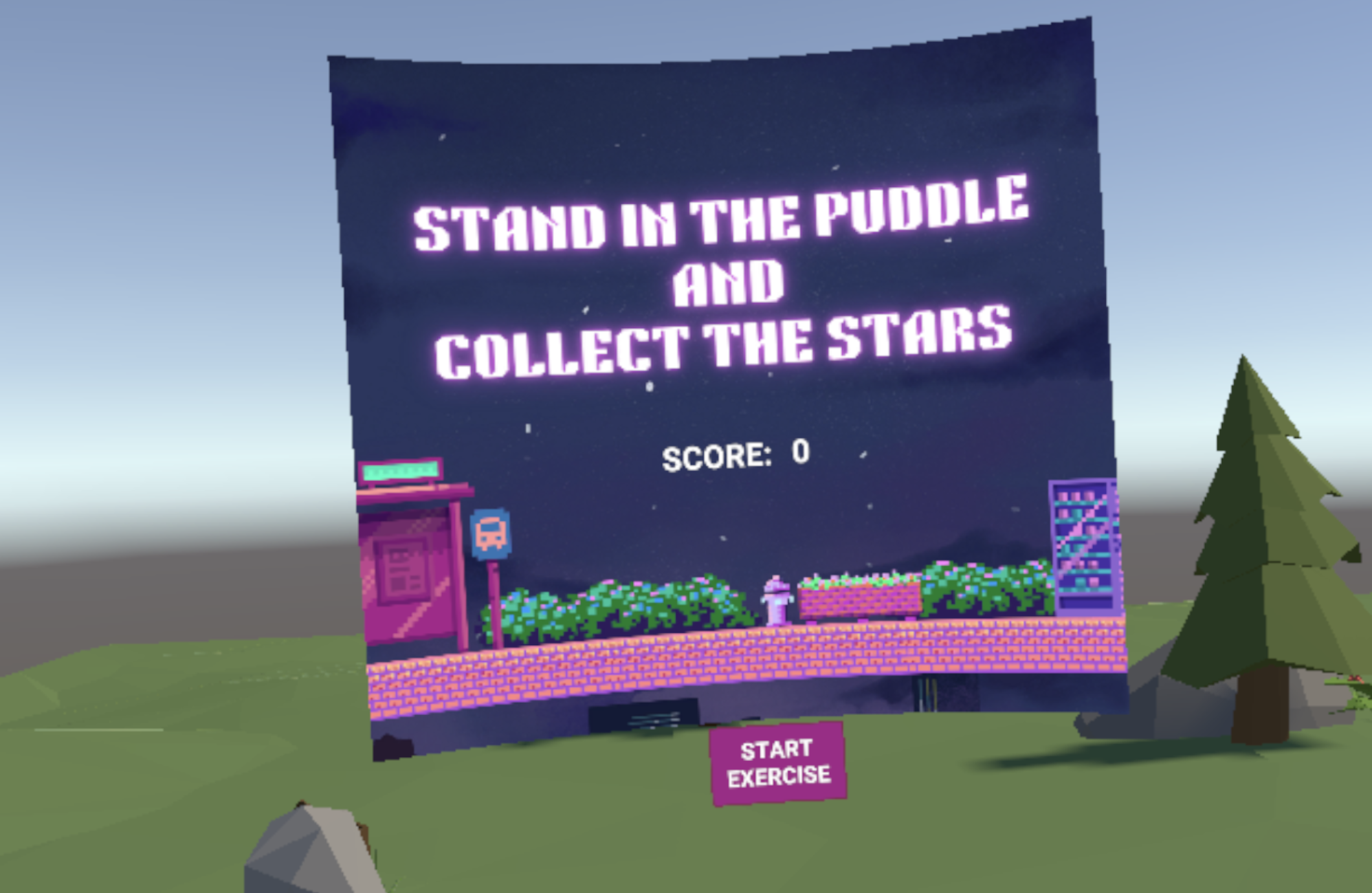
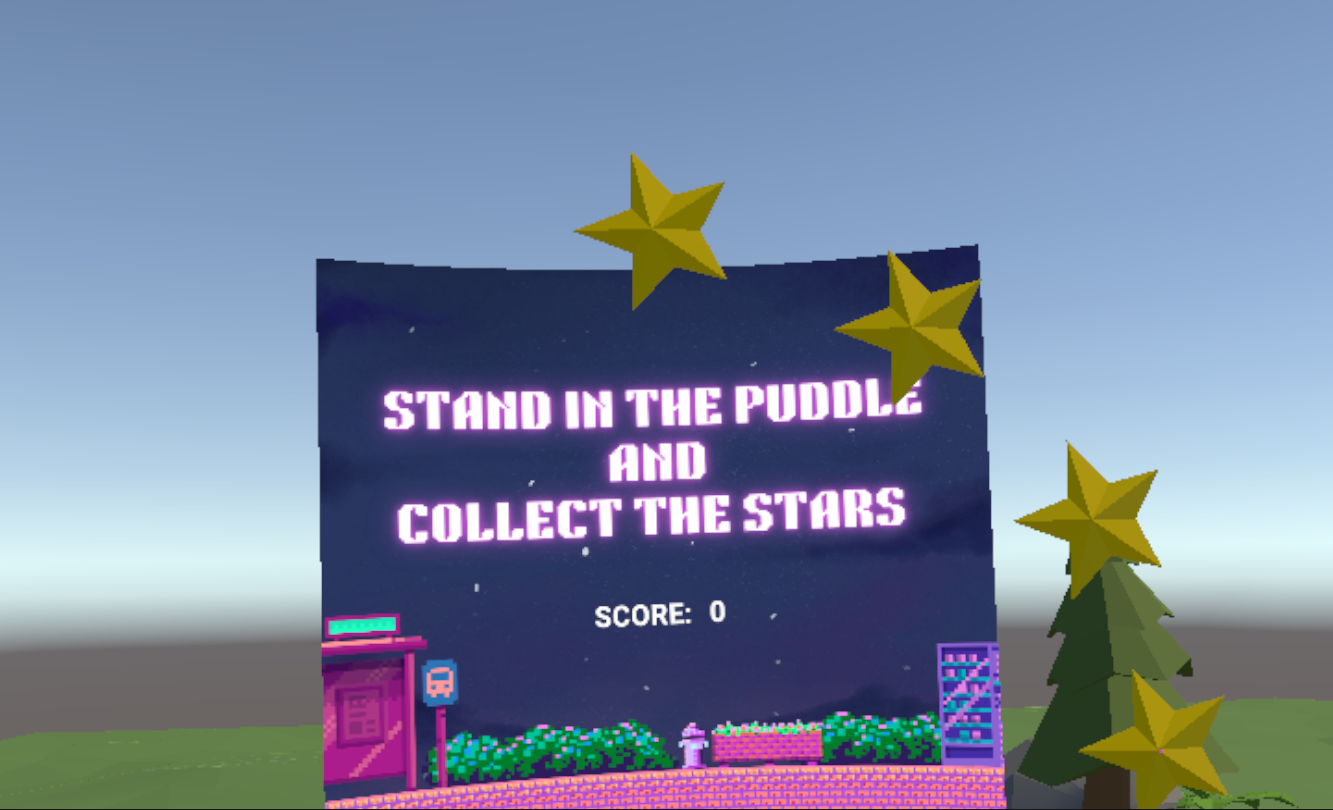
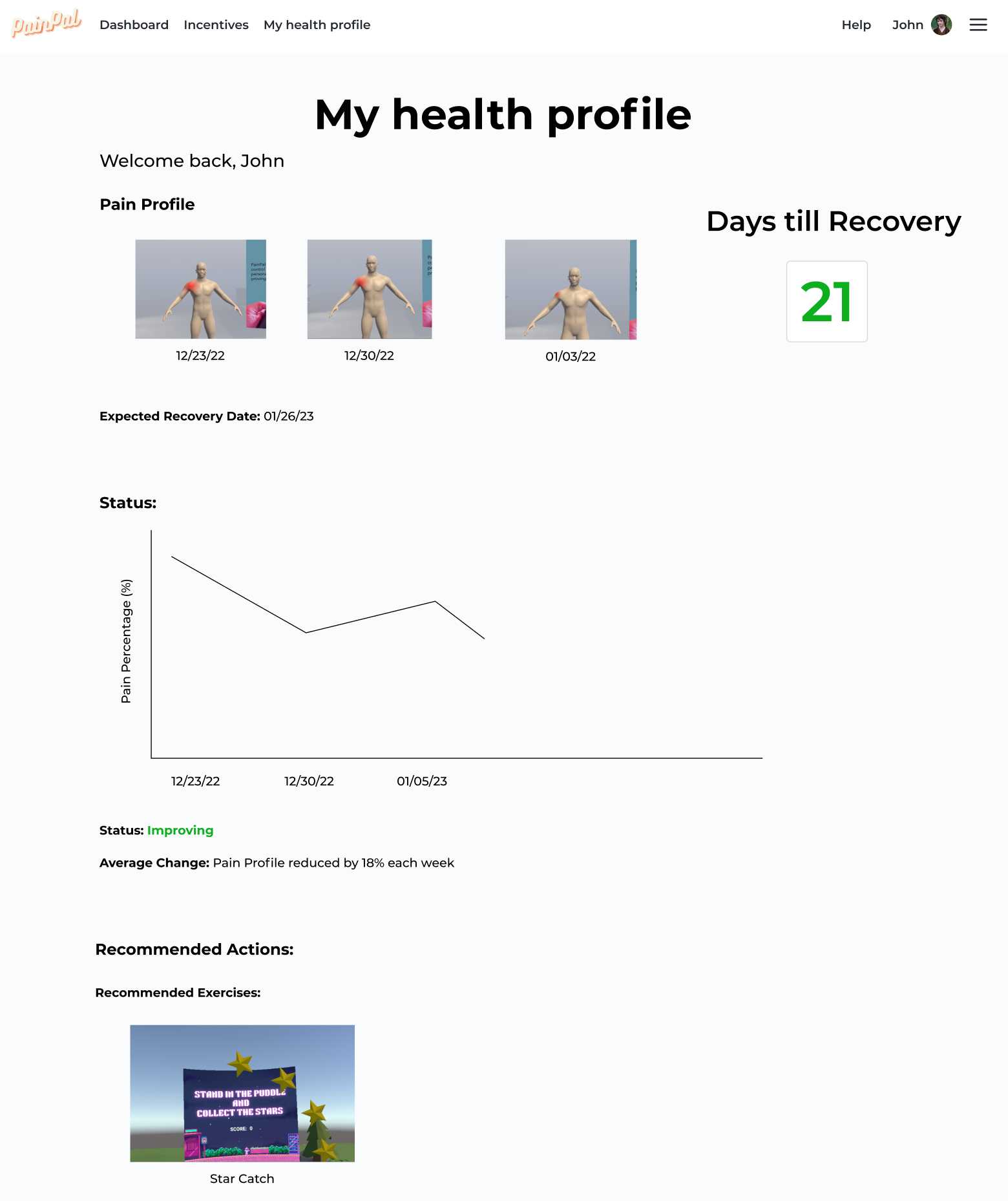

PainPal gives patients a pain-t brush to express and convey the pain they feel to clinicians and their loved ones.
Inspiration
1. Accurate diagnosis is limited.
- Diagnosis of medical diseases is largely dependent on experience of the clinical practitioner.
- One of our members, had a lung collapse that was misdiagnosed as a chest muscle sprain by a young doctor who graduated from Singapore's top university.
- It was correctly diagnosed by a 60+ y.o. doctor with 3 seconds of stethoscope.
- In the absence of an expensive range of diagnostic equipment. There is no super machine so far to diagnose everything.
How can we augment doctors in identifying what's wrong?
2. Treatment in XR
- It's boring to be locked in bed, waiting to recover
- Research shows that willpower and mental wellbeing are critical to recovery.
How can we use XR to immerse the patient and improve recovery outcomes.
The inspiration behind PainPal was the realization that traditional methods of managing and understanding pain can be frustrating and ineffective for many people. We saw a need for a more personalized and intuitive approach to pain management, one that would empower individuals to take control of their bodies and their pain. With the advent of mixed reality technology, we saw an opportunity to create a new kind of pain management solution that would allow users to see and understand their pain in a whole new way. PainPal was born out of a desire to help people live their lives to the fullest, free from the constraints of pain and discomfort. We hope that with PainPal, people will be able to reclaim their bodies and their lives, and live with greater ease and vitality.
What it does
(Future Constructors: 3. Ensure healthy lives and promote well-being for all at all ages)
- Empower patients with a new medium of conveying the abstract and subjective feeling of pain.
- Provide new methods for doctors to diagnose illnesses based on 'Pain Profiles'
- Gamify treatment and provide immersive experienced that improve recovery outcomes.
*Side-positives *
- Guide urban planning into developing more human friendly spaces.
- Encourage green planting
Introducing PainPal, the revolutionary new way to manage and understand your pain. PainPal uses Mixed Reality technology to create a detailed visualization of your pain points, allowing you to see exactly where and how your body is affected. With this information, PainPal suggests personalized exercises and stretches tailored to your specific needs, helping you to reduce pain and improve your overall well-being. Whether you're recovering from an injury or dealing with chronic pain, PainPal is here to help you take control of your body and your pain.
Pain profile:
- Convey: We help people convey their pain
- Understand/diagnose: We help others understand their pain
Gamified Treatment:
- Treatment: We help people recover from their pain.
- Encourage: We incentivise patients to follow treatment plans, and directly support it.
- Find conducive presence-enhancing spaces: We help people find places that enhance their presence
- Relate: We help people form a bond with their future selves through a pain profile timeline - who they could be/who they wouldn't want to be – and their present selves.
- To improve healthier lifestyles and adherence to treatment.
Design Process
We used ShapesXR and we found it super easy to use and adapt our Figma practices to it.
See https://youtu.be/2Rk-CpDQMlM for a runthrough of our design in ShapesXR.
How we built it
- ShapesXR for design (Our design process https://youtu.be/2Rk-CpDQMlM)
- ArcTop HCI and SDK
- Unity
- VR Interaction SDK
- Quest Pro
The PainPal project was built using Unity3D, a powerful game engine that allowed us to create a visually stunning and interactive virtual reality experience. To bring this experience to life, we utilized Meta Quest Pro 2, a virtual reality development tool that seamlessly integrated with Unity3D and gave us the ability to create an immersive VR environment. To make the therapy experience more engaging and interactive, we employed shader programming to visualize the pain in a unique and meaningful way, allowing users to better understand and manage their pain. Furthermore, we also gamified the exercise experience to make it more entertaining and motivating for users to participate in. All of these elements came together to create PainPal, an innovative virtual reality solution that is set to revolutionize the way we approach physical therapy.
Challenges we ran into
- Visualizing different kinds of pain and what effects to use for different pains was challenging.
- Implementing Shader programming
- ArcTop integration
Accomplishments that we're proud of
- We're able sucessfully able to vizualise different pains
What we learned
- How to wireframe and design faster in ShapesXR
What's next for PainPal
- Accessibility Design:
- Left-handed users
- ParkWalk:
- Using the immersion of VR to heal.
- CityScape and Forest walk with ArcTop brain computing interfacing feed to determine places that are conducive to recovery.
Built With
- arctop
- metaquestpro
- shapesxr
- unity


Log in or sign up for Devpost to join the conversation.