Inspiration
The idea for PageCub came from a very personal need: getting my own kids interested in reading. I started experimenting with AI tools to make custom illustrated ebooks where they were the main characters, and their engagement skyrocketed. It gave me a chance to weave in lessons they needed and subjects they loved. However, I quickly realized two things: creating these manually was a massive time investment, and the ebooks were just adding to their daily screen time. I wanted them holding real, premium physical books. That is when the concept for PageCub was born: an automated way to generate completely bespoke, physical hardcover books where every child gets to be the hero.
What it does
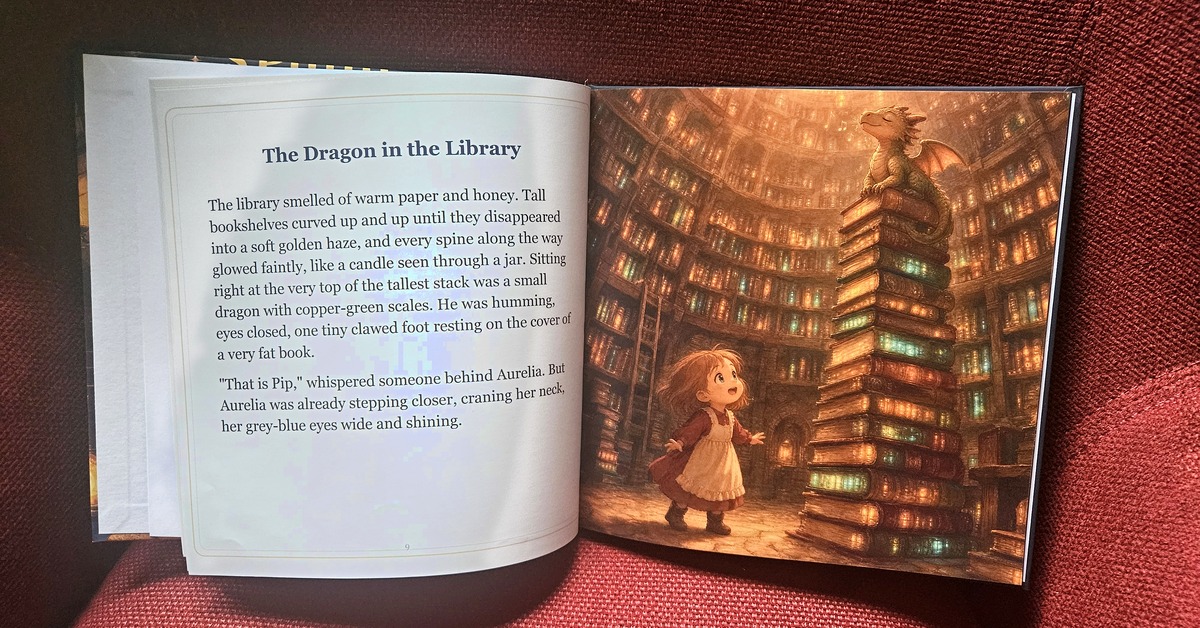
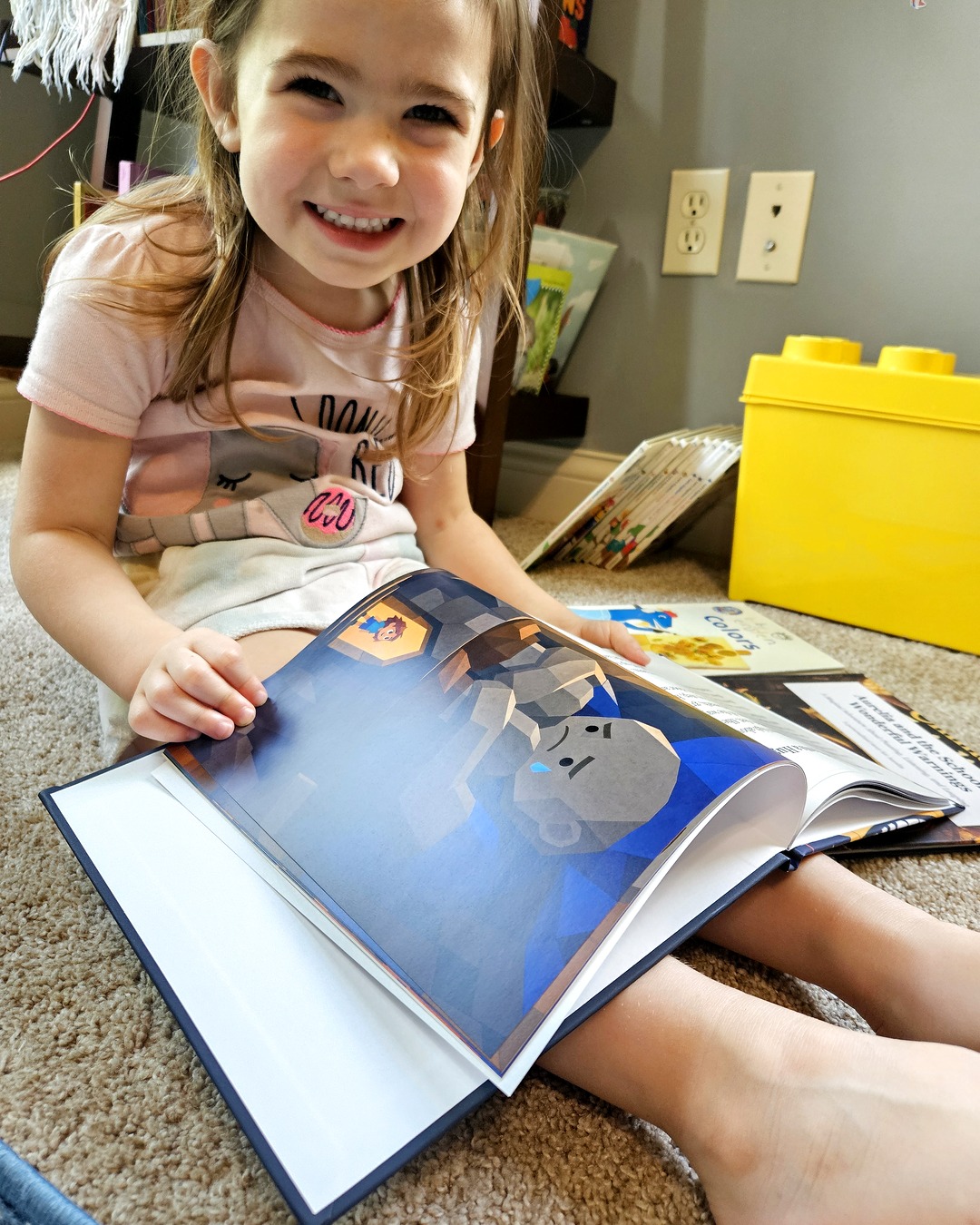
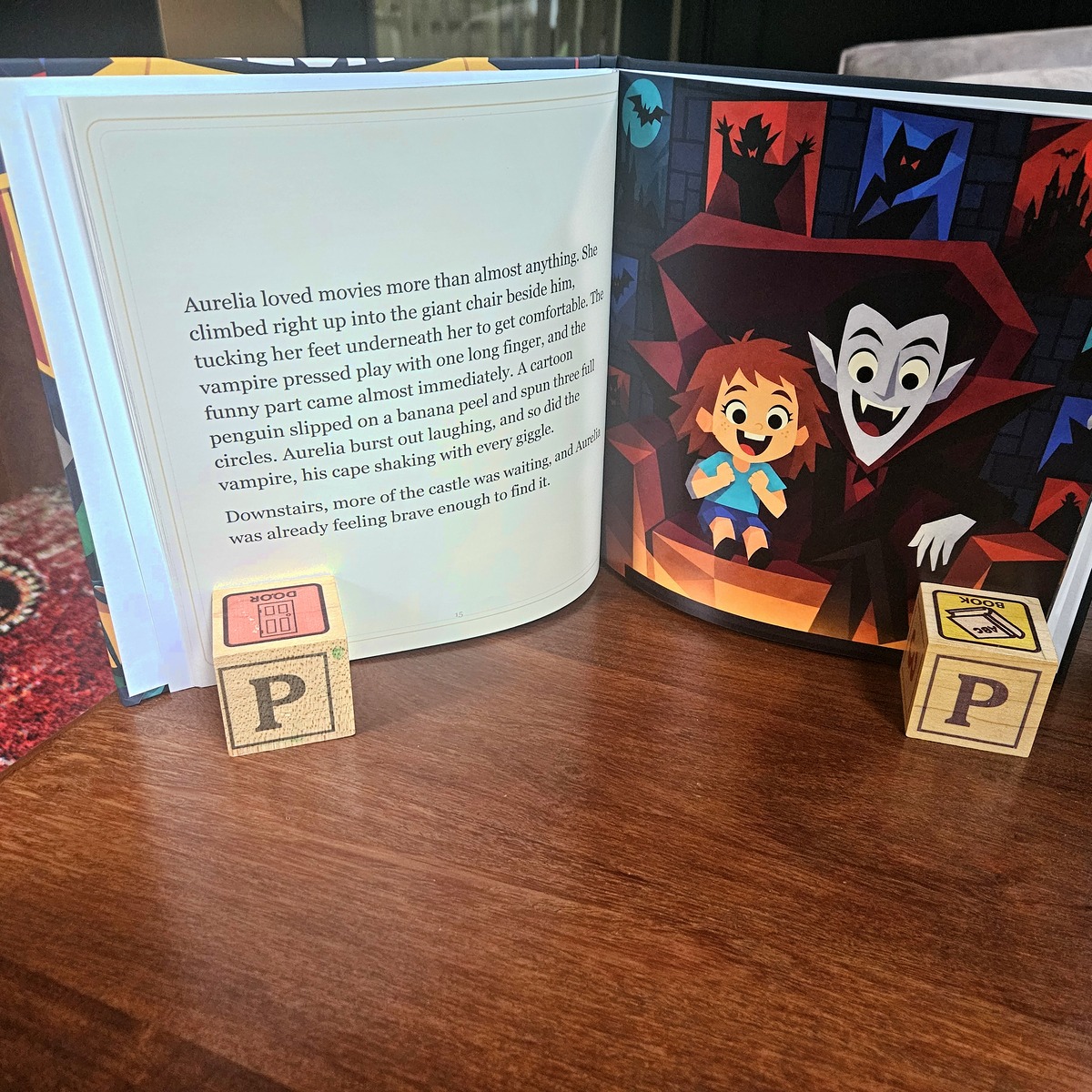
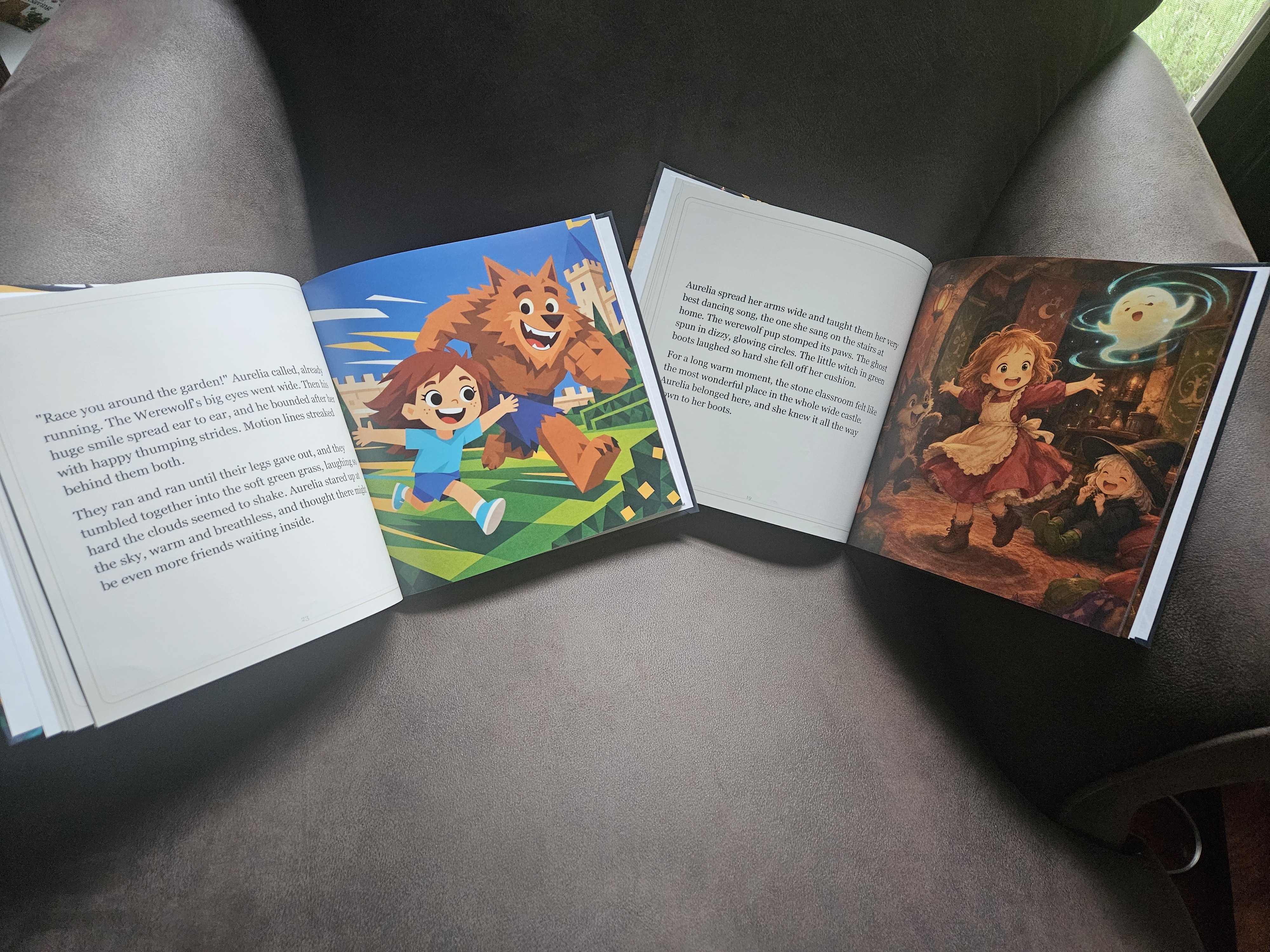
PageCub is an AI native platform that creates fully personalized children's books. Parents provide their child's name, upload a photo, and share details about their personality and interests. Our AI engine then writes an original, roughly 49 page chapter book from scratch. It is not a generic template where a name is just swapped in. The platform generates 20 custom illustrations matching the real child's exact appearance. The stories are built around themes of agency, curiosity, and self development. Users first receive a digital preview, followed by an ebook, and finally a premium hardcover print.
How I built it
I built the entire backend with a custom integrated setup using an open source agent framework to handle the wiring and database management. The core workflow relies on specialized AI models taking the parent's input form and breaking it down into a structured narrative arc with 10 distinct chapters. The image generation pipeline uses the uploaded photo as a consistent reference for the protagonist across all the illustrations. Everything is brought together by our custom platform, ensuring the final product looks like a cohesive, professionally published book rather than a loose collection of AI generated scenes.
Challenges I ran into
- Ensuring character consistency across 20 custom illustrations was incredibly difficult.
- Moving away from simple fill in the blank templates meant the AI needed to write a genuinely engaging story with a clear beginning, middle, and end, which required extensive prompt engineering.
- Bridging the gap between digital generation and high quality physical printing logistics for individual, unique hardcovers.
Accomplishments that I'm proud of
- Successfully building a fully automated pipeline that can deliver a finished digital book by email in about an hour.
- Creating a system that handles highly sensitive data responsibly, ensuring children's details are never sold or brokered.
- Seeing reviews from parents who say our books actually got their kids interested in reading on their own.
What I learned
I learned that families value a slow, meaningful approach over speed and cheap margins. When you take the time to build a story around a specific moment, like a new sibling arriving or nerves before the first day of school, it resonates in a way mass produced books simply cannot. I also learned a massive amount about agent orchestration and managing complex AI pipelines in production.
What's next for Pagecub
- Expanding our age range options to cater more specifically to older kids and even adults who want to commission a story as a unique gift.
- Refining our hardcover printing and shipping logistics to handle higher volume.
- Continuing to improve the AI models for even higher quality, hyper personalized illustrations.
Built With
- nextjs
- postgresql
- tailwind
- vercel
