-
-
Logo
-
-
-
-
-
-
-
-

-


Inspiration
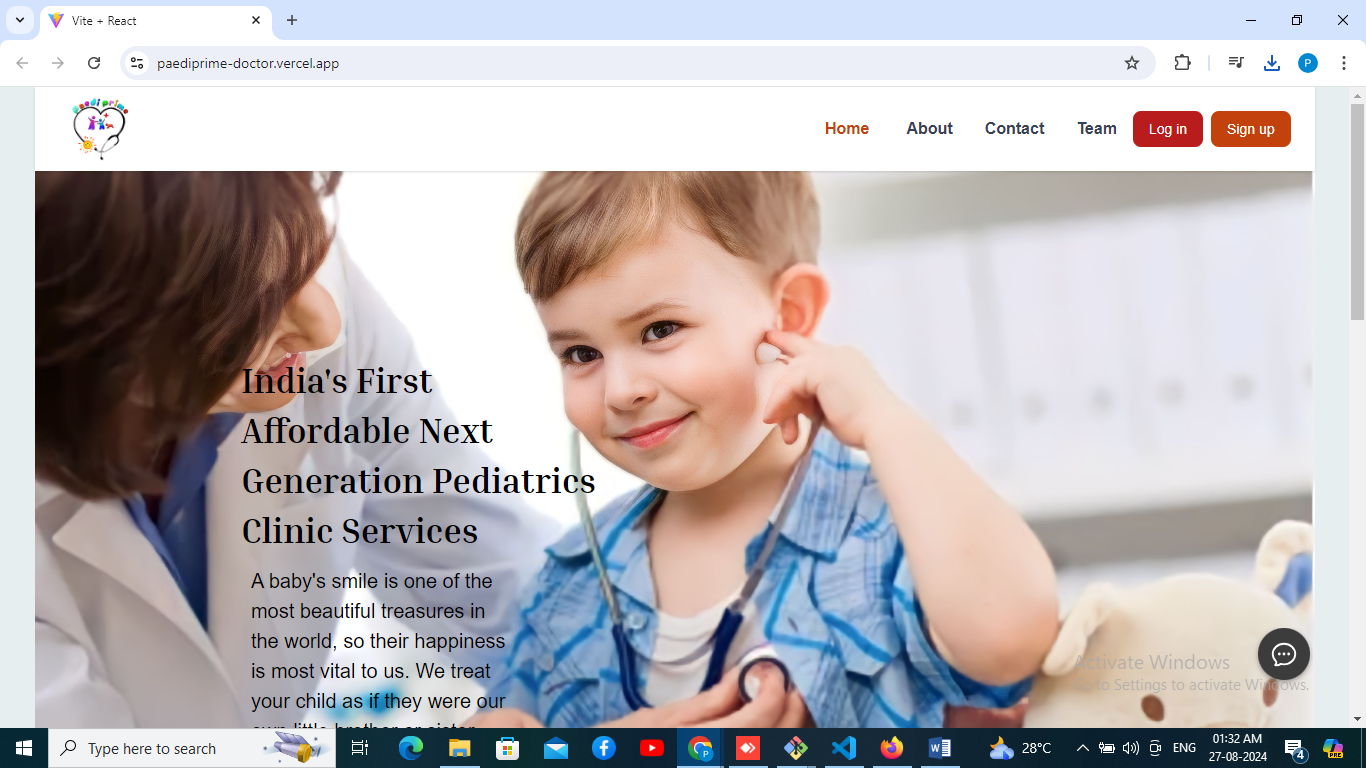
The Paediprime project is inspired by the inefficiencies and limitations in current pediatric healthcare systems, particularly regarding data accessibility, real-time decision support, and optimal resource allocation. The platform is engineered to harness advanced computational techniques, including deep learning, natural language processing (NLP), and real-time data analytics, to address these challenges.
What it does
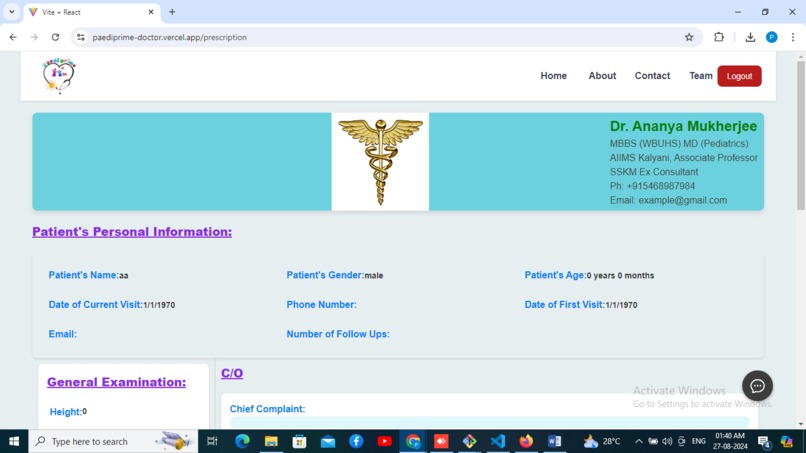
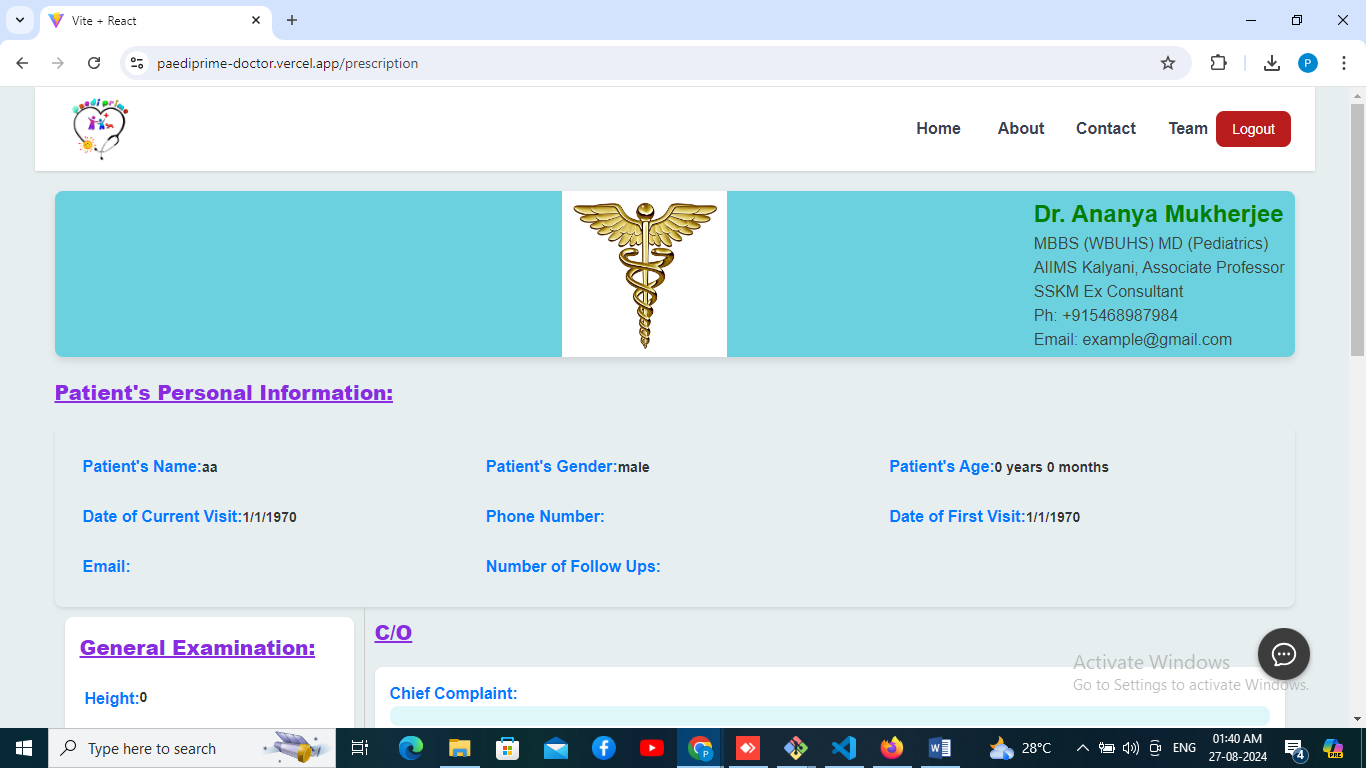
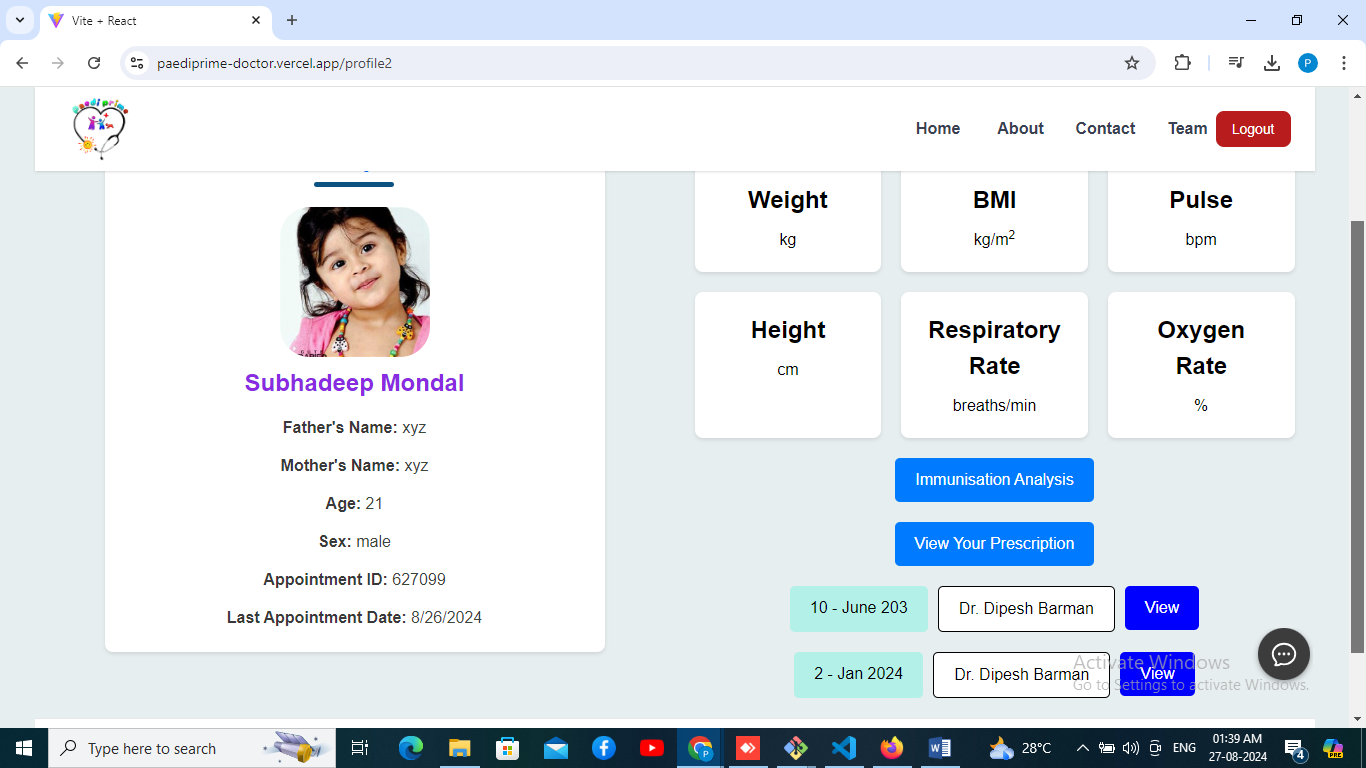
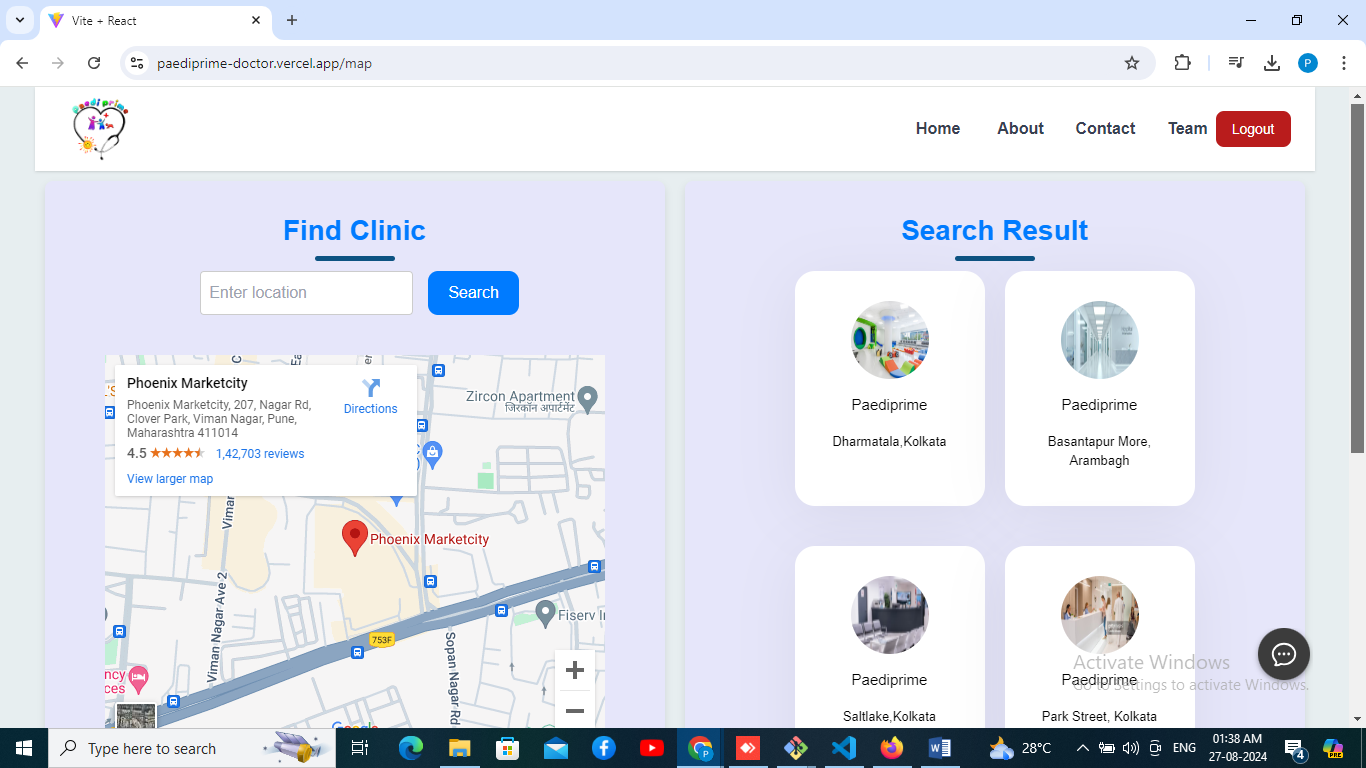
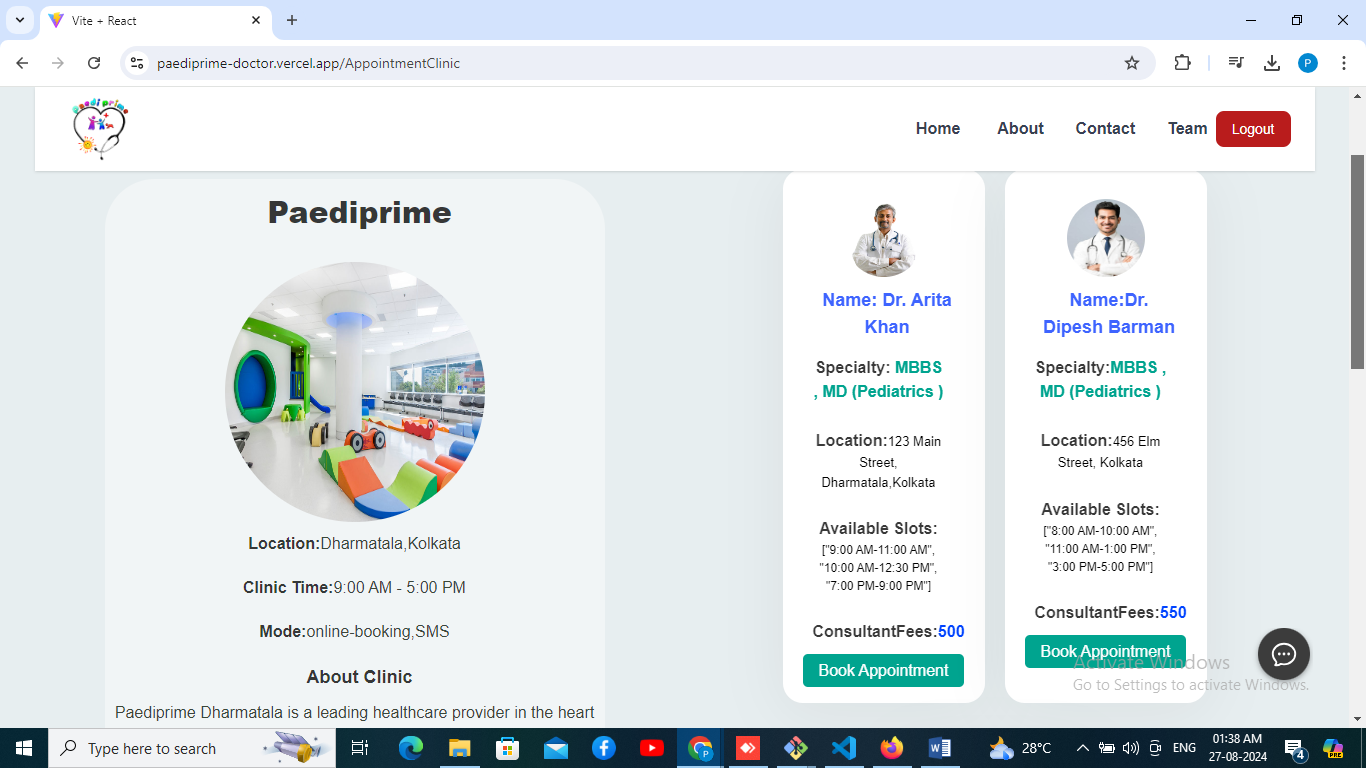
Paediprime is a comprehensive healthcare platform designed with a multi-layered architecture that integrates AI-driven diagnostic support, dynamic electronic health records (EHRs), and predictive patient flow management. The platform's core functionalities include:
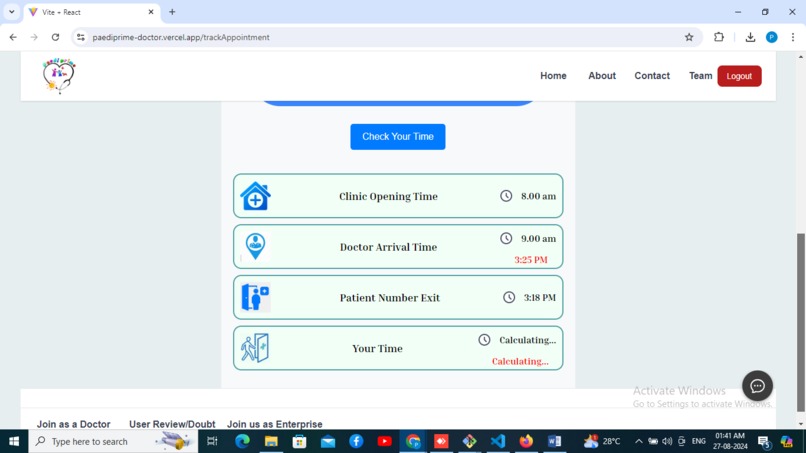
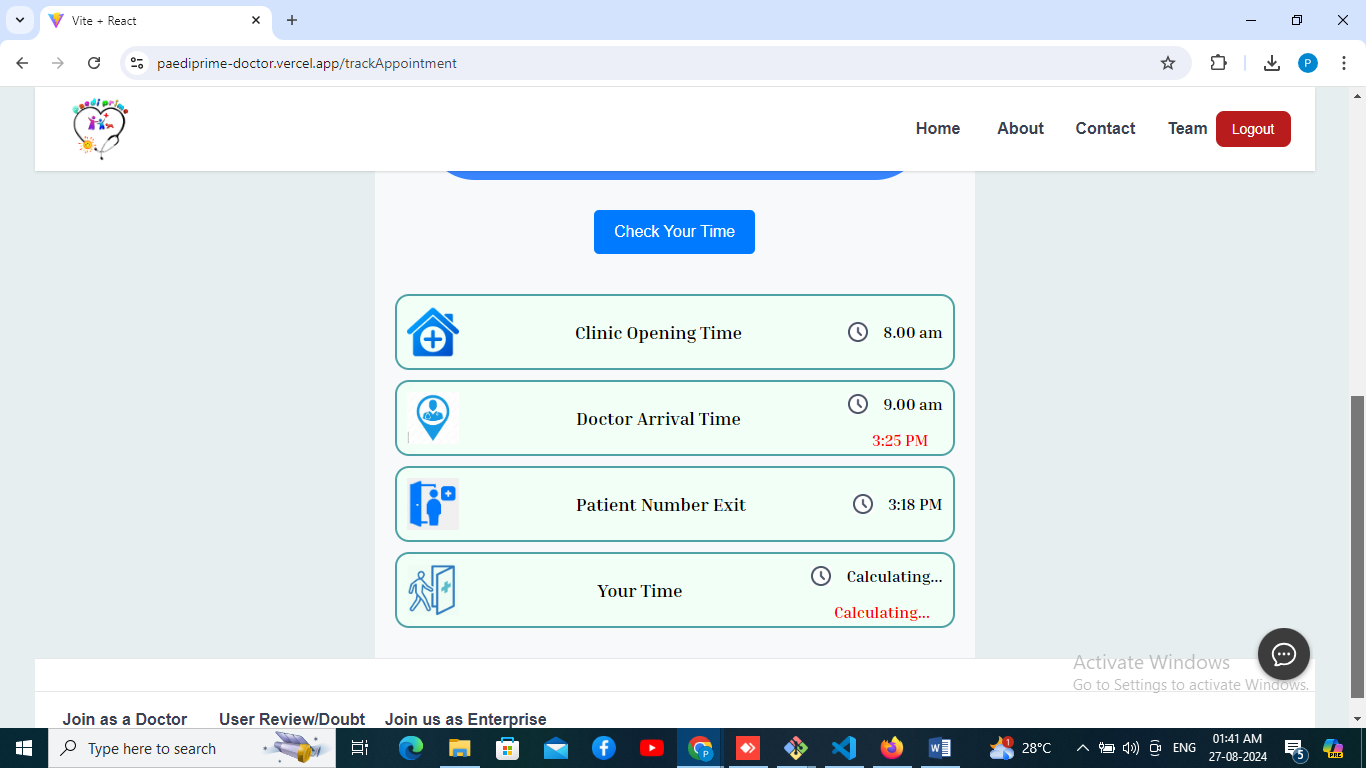
Predictive Analytics and Queue Optimization: Utilizes time-series forecasting algorithms like ARIMA and reinforcement learning to dynamically allocate appointment slots, minimizing patient wait times and optimizing clinic throughput.
AI-Powered Clinical Decision Support (CDS): Integrates convolutional neural networks (CNNs) and transformer-based models (e.g., BERT) for image recognition and NLP, respectively. These models assist in diagnostic accuracy by analyzing patient data, including radiological images and textual records, and providing probabilistic outputs for differential diagnoses.
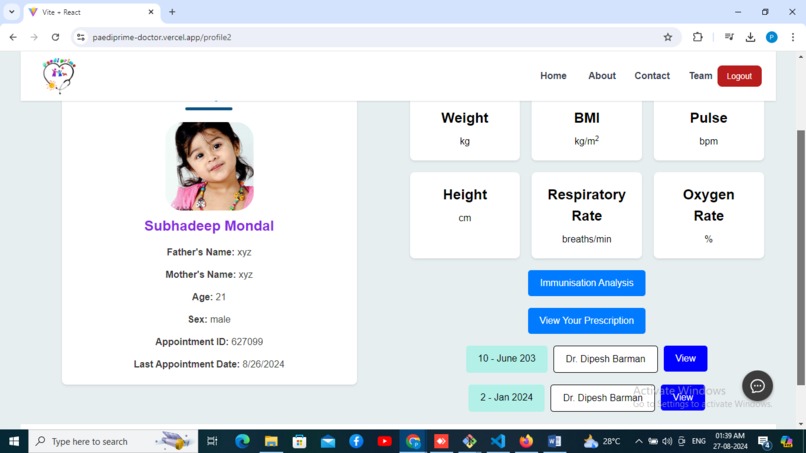
Dynamic EHR System: Implements a microservices architecture for the EHR system, with data stored on a distributed cloud infrastructure using Google Cloud Platform (GCP). The EHR system also features real-time data visualization through interactive dashboards powered by GraphQL APIs.
Pharmaceutical Recommendation Engine: Deploys a knowledge graph-based AI system that connects drug interactions, patient history, and clinical guidelines to suggest optimal pharmaceutical interventions.
How we built it
Paediprime is built using a modular, service-oriented architecture (SOA) that allows for scalability and ease of integration with existing healthcare systems. Key technical components include:
Cloud-Native Microservices: Deployed on Kubernetes clusters, each service handles specific functions such as patient data management, AI-driven decision support, and appointment scheduling. This architecture facilitates independent scaling and fault isolation.
Machine Learning Models: The platform leverages a combination of supervised and unsupervised learning models. For predictive analytics, we used Long Short-Term Memory (LSTM) networks and ARIMA models. The CDS system employs BERT for NLP tasks and InceptionV3 for image analysis.
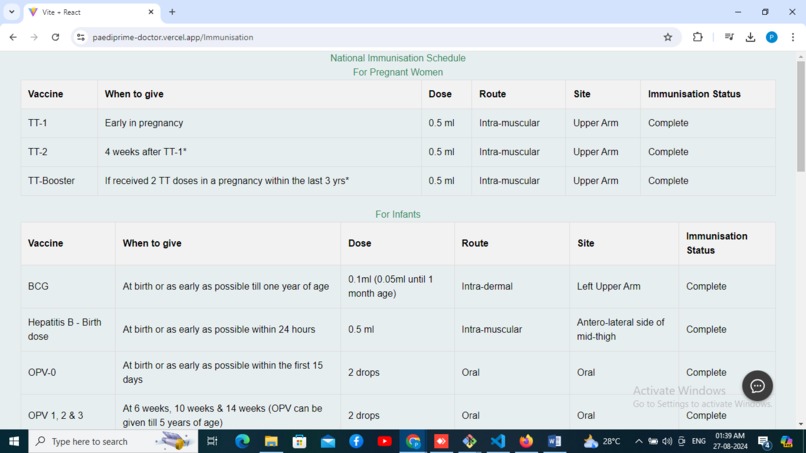
Data Interoperability and Security: The EHR system adheres to FHIR (Fast Healthcare Interoperability Resources) standards, enabling seamless data exchange. Data security and privacy are ensured through robust encryption mechanisms.
AI Model Training and Deployment: Utilized TensorFlow and PyTorch frameworks for training and inference of AI models. The pharmaceutical recommendation engine is built using reinforcement learning to adapt to new clinical data.
Challenges we ran into
High-Dimensional Data Management: The integration and processing of heterogeneous data types, including structured, unstructured, and semi-structured data, required sophisticated ETL (Extract, Transform, Load) pipelines and feature engineering techniques to maintain data consistency across models.
Real-Time Inference at Scale: Ensuring low-latency inference for the AI-driven CDS system required optimization of model serving infrastructure and deployment on GPUs to accelerate computation.
Data Privacy and Compliance: Implementing robust encryption mechanisms and ensuring compliance with GDPR and HIPAA regulations posed significant technical challenges.
Accomplishments that we're proud of
Scalable AI Inference: Achieved sub-second inference times for the CDS system by optimizing neural network architectures and leveraging hardware accelerators, enabling real-time decision support in clinical settings.
Secure and Interoperable EHR System: Successfully integrated cloud and distributed systems, ensuring data integrity and facilitating secure cross-institutional data sharing.
What we learned
Complexity of Multi-Modal Data Fusion: Combining disparate data sources (e.g., radiological images, patient histories, lab results) in a coherent manner for AI model training necessitates advanced data preprocessing and feature fusion techniques.
Trade-offs in AI Model Deployment: Balancing model accuracy, latency, and computational cost in a clinical environment highlighted the need for continual optimization and benchmarking of AI models against real-world healthcare data.
What's next for Paediprime
Integration of Edge Computing: To further reduce latency and enhance data privacy, we plan to deploy parts of the AI inference pipeline on edge devices, allowing for on-premises data processing and faster decision-making.
Advanced NLP for Patient-Doctor Interactions: Developing a context-aware NLP model capable of real-time speech-to-text conversion and semantic analysis during patient consultations, aiming to further assist doctors in real-time decision-making.
Expansion of Knowledge Graphs: Continuously updating and expanding the knowledge graph for pharmaceutical recommendations, incorporating real-world evidence (RWE) and post-market surveillance data to improve the system's efficacy.
Built With
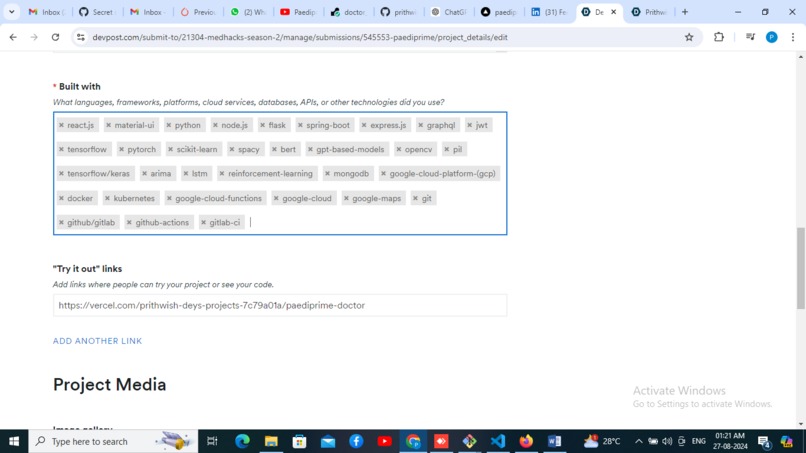
- arima
- bert
- docker
- express.js
- flask
- git
- github-actions
- github/gitlab
- gitlab-ci
- google-cloud
- google-cloud-functions
- google-cloud-platform-(gcp)
- google-maps
- gpt-based-models
- graphql
- jwt
- kubernetes
- lstm
- material-ui
- mongodb
- node.js
- opencv
- pil
- python
- pytorch
- react.js
- reinforcement-learning
- scikit-learn
- spacy
- spring-boot
- tensorflow
- tensorflow/keras


Log in or sign up for Devpost to join the conversation.