
Inspiration
Football management games often lean toward opposite extremes: they are either dense, spreadsheet-heavy simulators that take hours to reach match day, or uninspired mobile clickers that lack genuine on-pitch identity. We wanted to build something nostalgic, responsive, and tactile. Our goal was to create an indie football experience that strips away bloated sub-menus, letting players rip open packs, set up their tactical formations, and instantly watch their squad battle it out on a dynamic, physics-driven pitch.
What it does
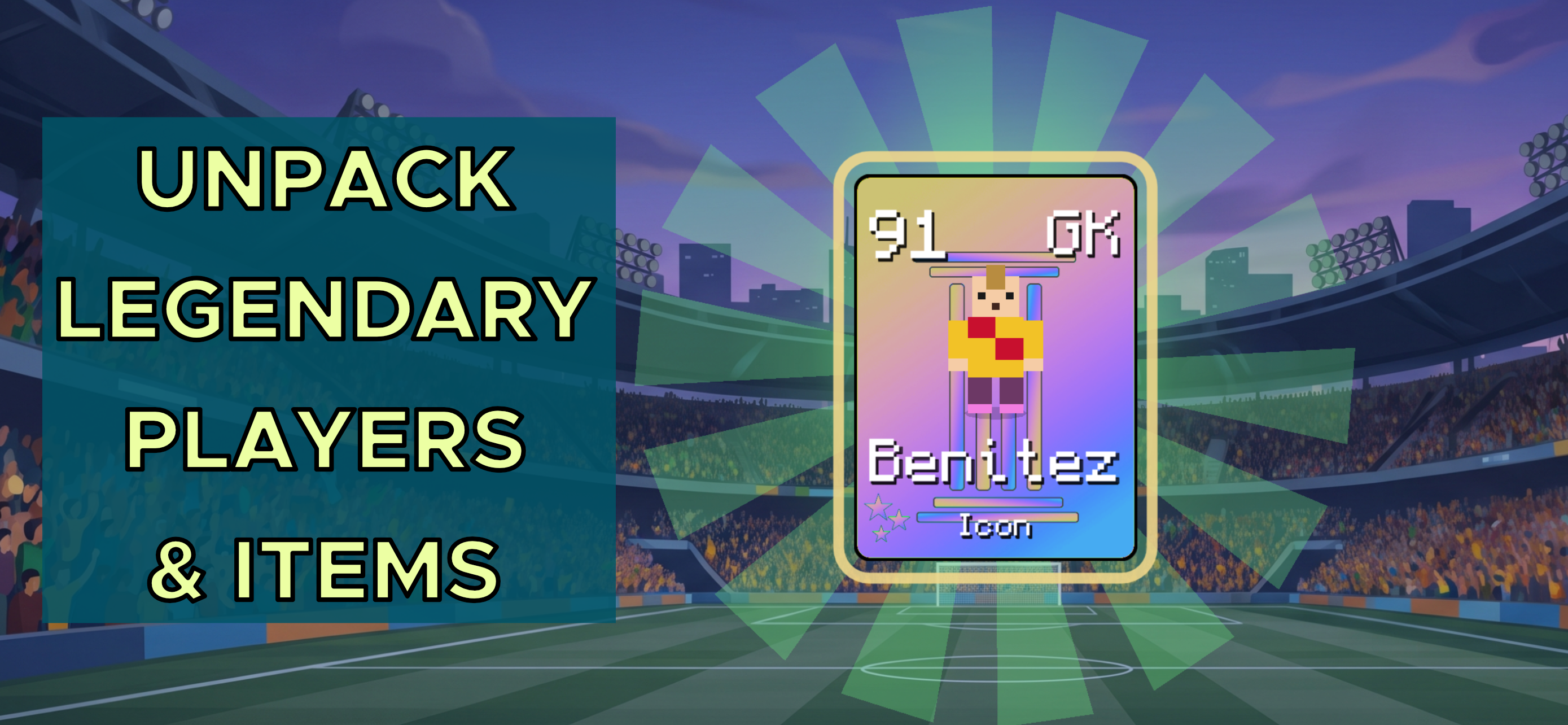
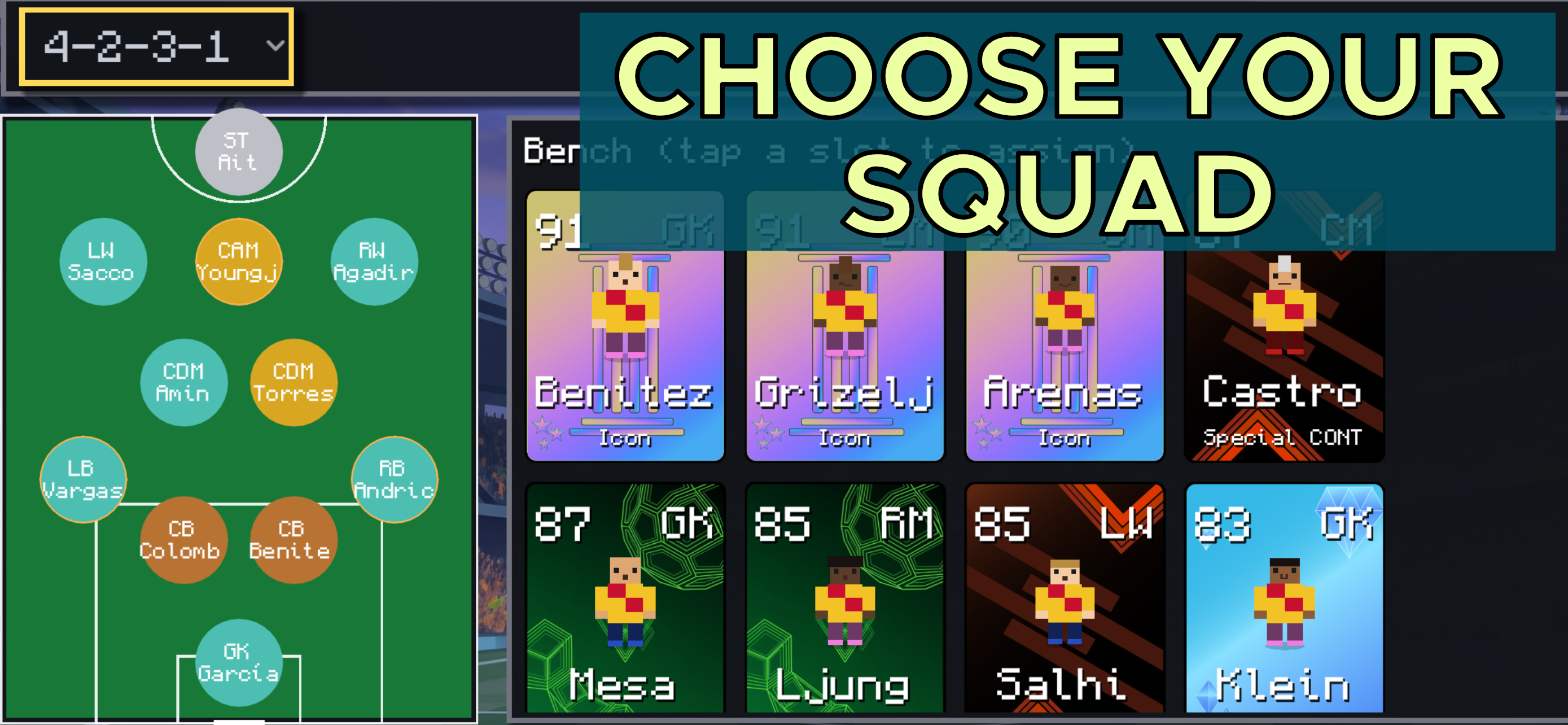
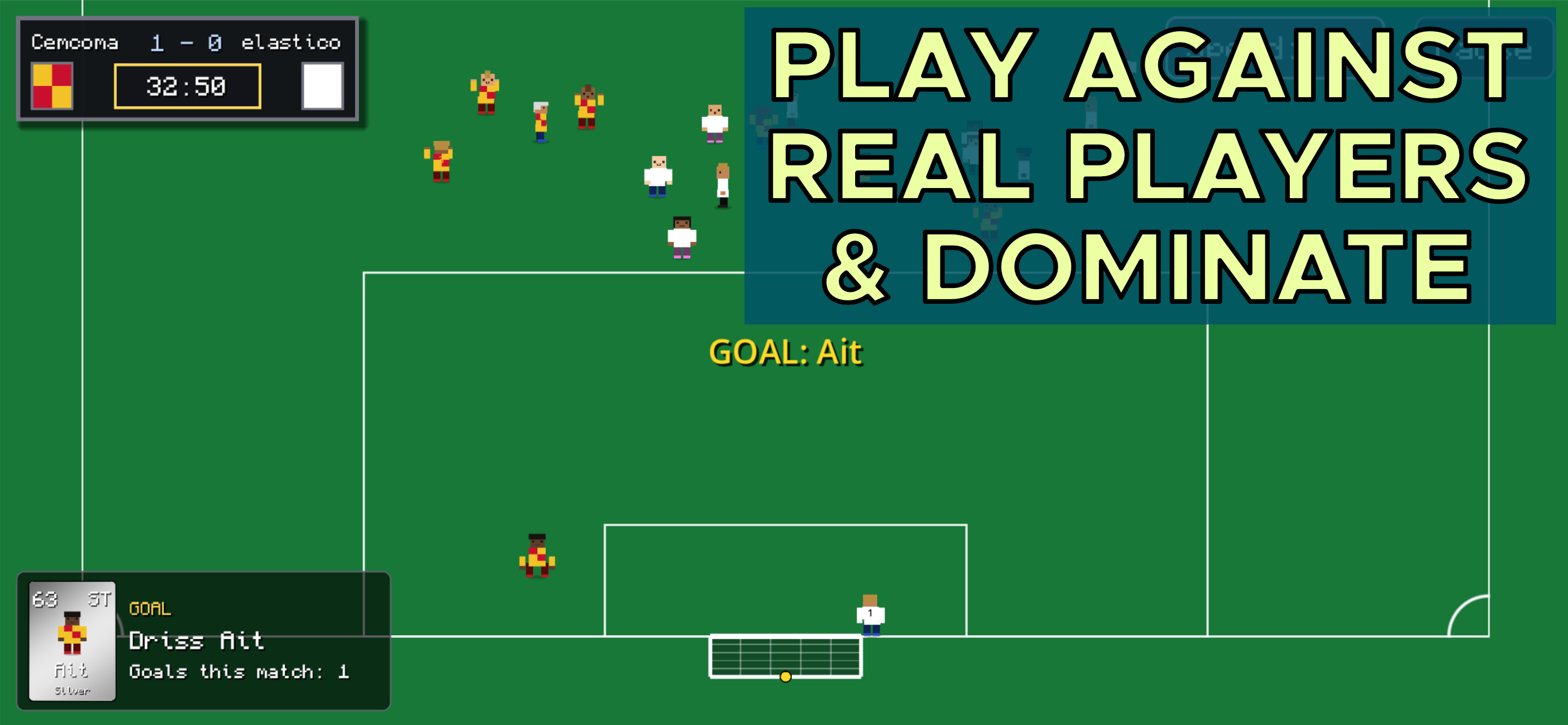
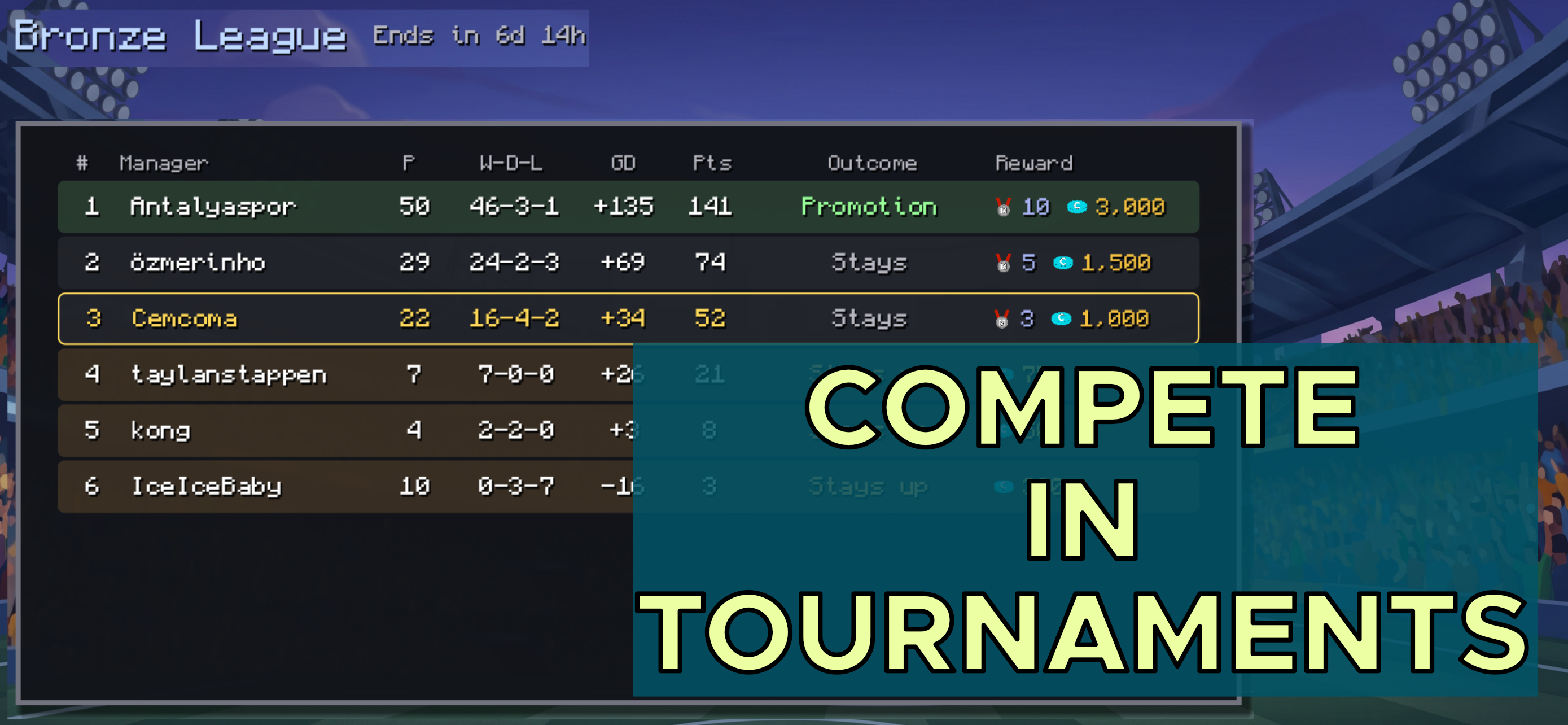
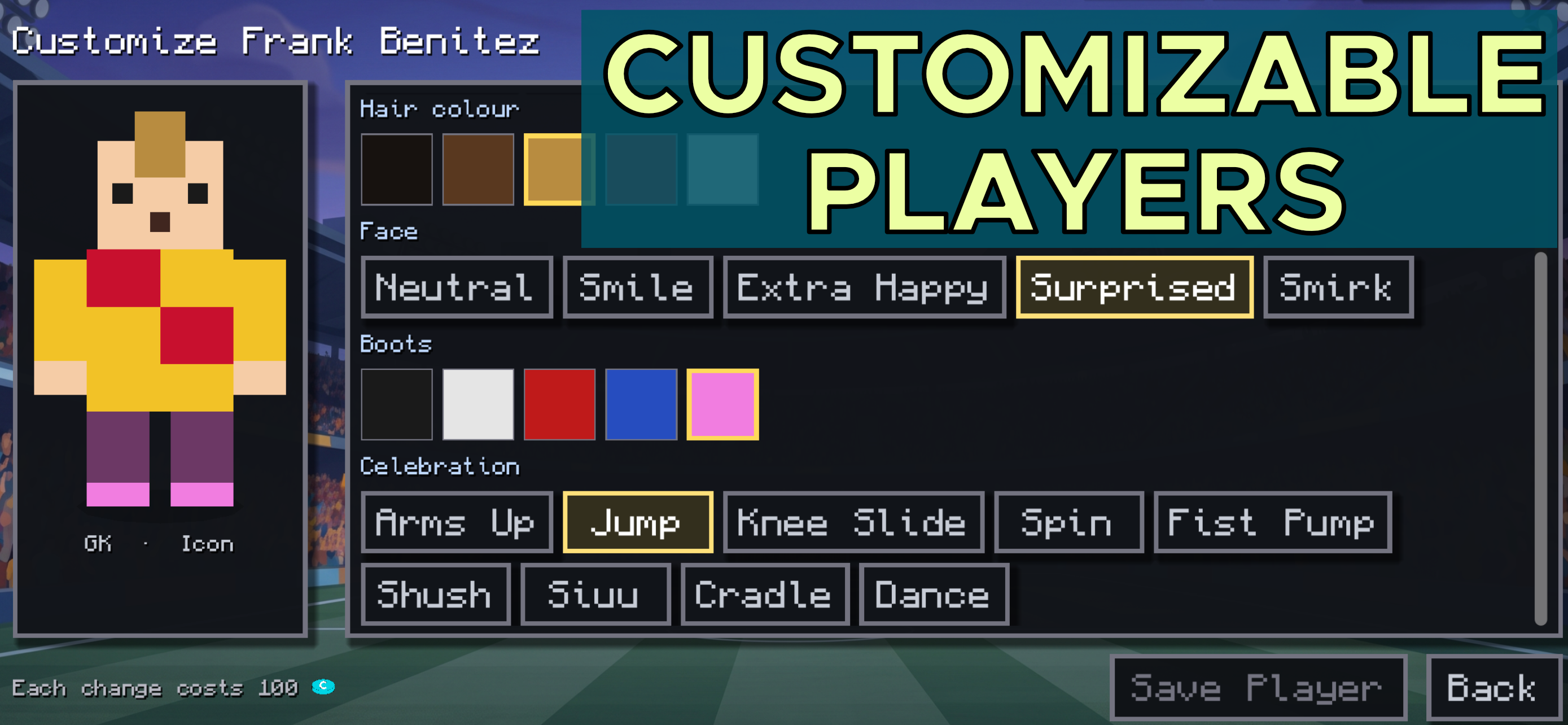
PackedFootball combines collectible card mechanics with an active, physics-based match simulation into a fast-paced managerial experience. Players tear into randomized player card packs, supported by in-game currency and optional microtransactions, to get better players and items to improve those players. Once a lineup is assembled and positioned in custom tactical formations like a 4-2-3-1 or 3-5-2, players dive into real-time 2D matches where outcomes are determined by emergent pitch geometry, collision, and player positioning. Outside of matches, managers climb competitive league tables for promotion, earn rewards, and customize their club's aesthetics, player appearances, and goal celebrations.
How we built it
We architected the game around a responsive client interface coupled with a custom 2D physics simulation loop where on-pitch action unfolds organically from spatial dynamics rather than arbitrary probabilistic die rolls. Instead of relying on abstract shooting formulas, a striker's chance to score is dictated by pure physical interactions: their instantaneous velocity, proximity vector to the ball, diving reach, and shot trajectory angles toward the net. The only direct attribute-comparison checks evaluate physical ground clashes, specifically pitting the defender’s tackling rating against the carrier’s ball control value, while the rest of the match emerges naturally from collision geometry, clearance vectors, and continuous spatial bounds.
Challenges we ran into
Engineering a physics-based football engine with 22 autonomous agents was our most demanding challenge, as early builds easily devolved into chaotic scrums around the ball or erratic pinball bounces off the touchlines. Tuning player dive triggers, clearance impulse vectors, and collision damping took countless iterations so that positioning felt deliberate, loose balls felt contestable, and scorelines stayed believable. On the production side, navigating the App Store submission process presented steep hurdles around properly integrating microtransaction architectures, configuring data privacy manifests, and ensuring full compliance with Apple’s guidelines regarding transparent pack drop-rate disclosures in the store UI.
Accomplishments that we're proud of
We successfully built a responsive, physics-driven match engine where goals feel earned through spatial movement, timely tackles, and natural pitch physics rather than predetermined dice rolls. Seeing a lineup you assembled from raw card packs execute clean defensive clearances, win contested ground duels, and dive for loose balls in the box makes the entire managerial loop deeply satisfying. We are also immensely proud to have taken PackedFootball from an initial blank canvas all the way through full mobile deployment, delivering snappy UI, authentic retro pixel aesthetics, and a fun pack-opening experience to players' hands.
What we learned
Developing PackedFootball taught us that physical interactions in sports simulations often create far more exciting, emergent moments than purely statistical calculation tables, provided the collision and control checks are tightly bounded. We also discovered that shipping a live mobile game with in-app microtransactions requires an immense amount of operational discipline beyond writing simulation code. From balancing in-game store economies and satisfying strict store review mandates to handling responsive layout scaling across different mobile screen dimensions.
What's next for PackedFootball
The roadmap for PackedFootball centers heavily around social connectivity and community competition. We are actively developing a comprehensive Clan system where managers can band together, form clubs with their friends, and battle in high-stakes Clan Tournaments for collective glory and exclusive pack rewards. Alongside friend-list interactions and direct head-to-head challenges, we plan to continue rolling out fresh card drops, expanding cosmetic customization with community-voted celebration animations, and refining our physics engine to introduce new physical clash dynamics and set-piece opportunities.


Log in or sign up for Devpost to join the conversation.