Inspiration
<<<< 🌠 Thanks for watching! What was your favorite moment? We read and reply to COMMENTS. 🌠 >>>>
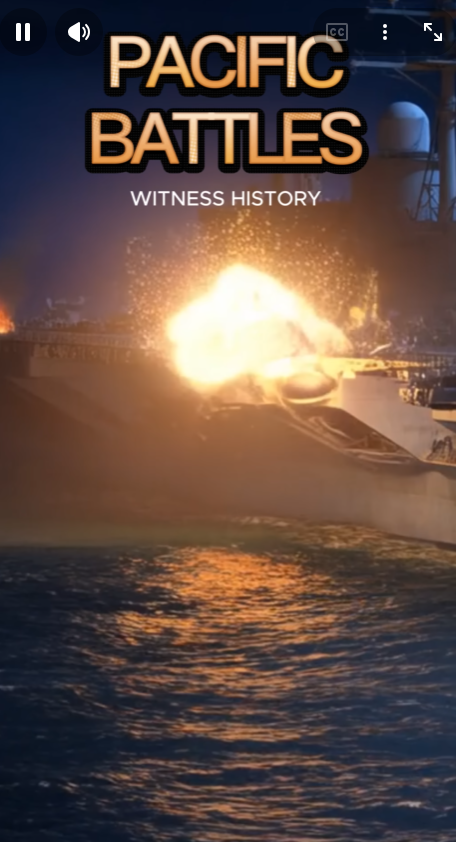
Pacific Battles was inspired by my lifelong fascination with the Pacific Theater of World War II and the incredible bravery, strategy, and chaos that defined the naval battles of that era. After creating multiple AI-driven films, I wanted to attempt something historically grounded — a series that not only entertains but also helps viewers visualize history in a visceral, cinematic way.
The short-format reel format allowed me to focus on capturing the emotional intensity of aviation, fire, explosions, and maritime danger in a condensed, highly rewatchable visual moment.
What it does
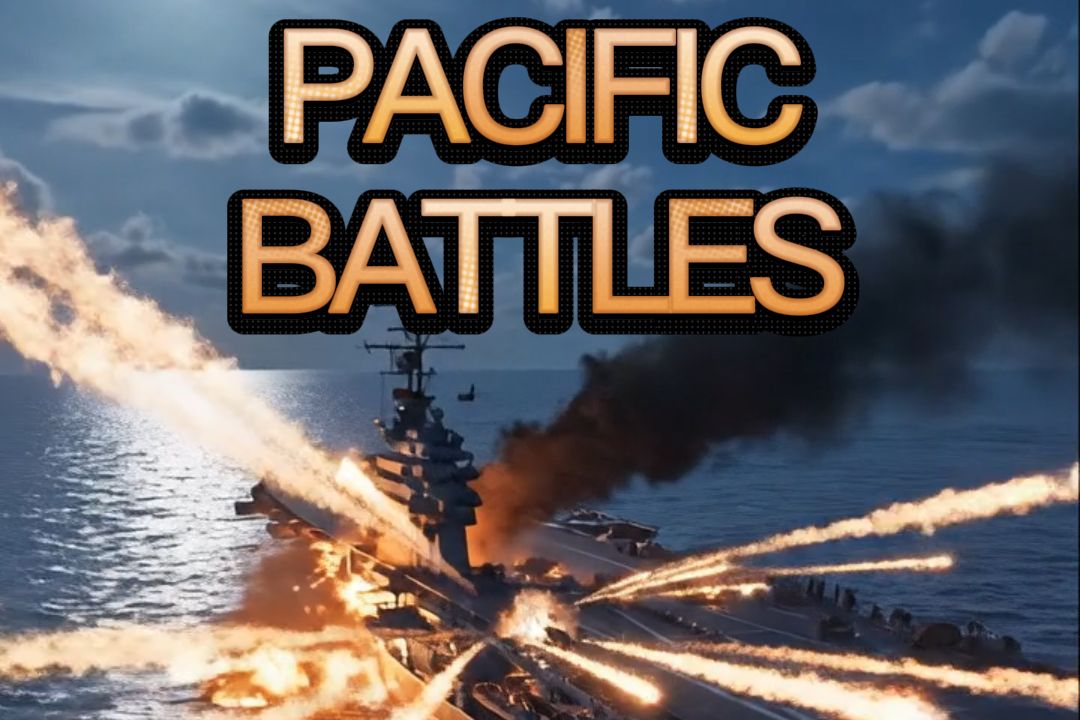
This project reenacts WWII Pacific naval combat using cutting-edge generative AI.
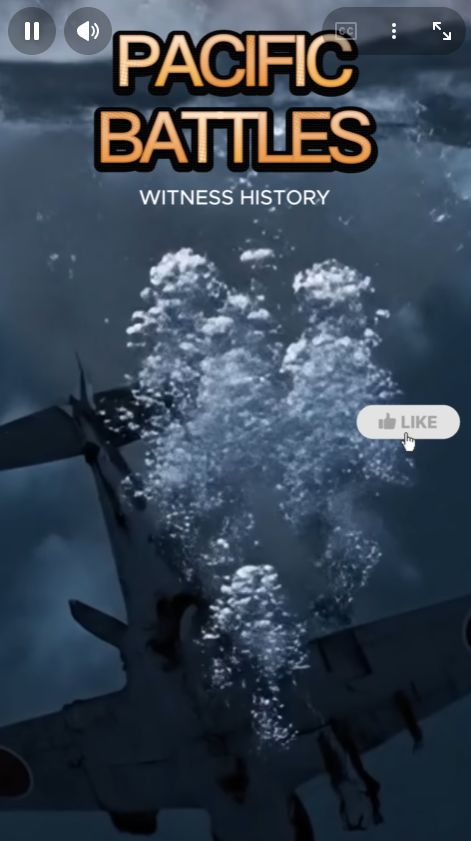
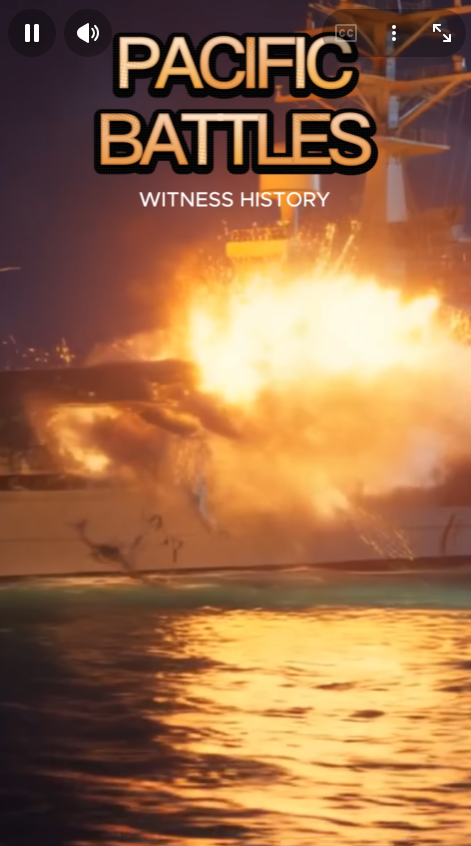
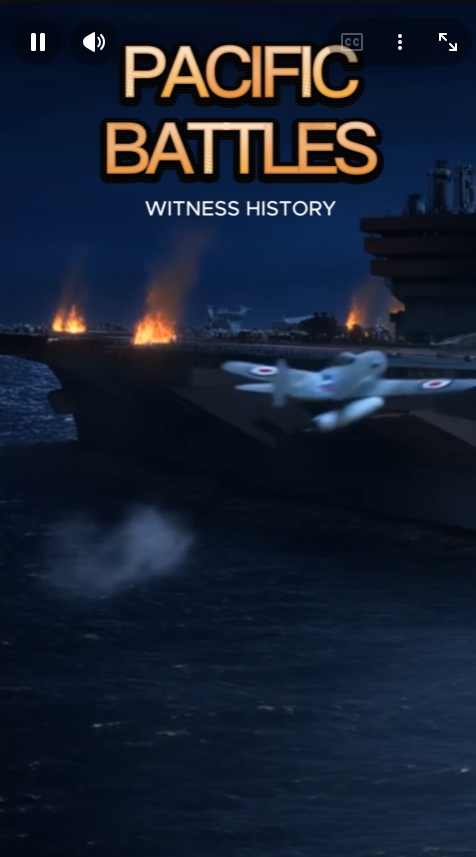
The film condenses dogfights, carrier strikes, and ship damage into a cinematic micro-sequence designed to feel like a trailer for a much larger series. It introduces audiences to the visual tone and emotional impact of the full Pacific Battles project, which will recreate iconic engagements battle-by-battle.
How we built it
The shots were created using:
Google VEO 3 for hyper-realistic aircraft, explosions, water simulations, and nighttime fire FX Flux, Magnific, and Topaz for detail passes and upscaling CapCut & After Effects for compositing, motion tweaks, sequencing, and stabilization AI-assisted color grading to match historical film references Precision audio design to give the short the emotional punch of a war-film trailer
Every shot was storyboarded, generated, refined, stitched, and then re-lit to create visual continuity despite being built from different AI generations.
Challenges we ran into
Maintaining historical accuracy inside generative models that want to hallucinate futuristic or incorrect aircraft components Consistency across shots, especially aircraft nose art, carrier deck layouts, and damage modeling Water and fire realism, which are among the hardest visual effects for AI to generate reliably Timing the micro-drama beats in just a few seconds of runtime while still respecting real historical physics
Accomplishments that we're proud of
Achieving a movie-trailer level look in under 15 seconds of runtime Capturing the emotional escalation of tension → impact → aftermath Creating a foundation for a long-form Pacific Theater series Producing historically inspired cinematic AI visuals that resonate strongly with viewers Receiving strong engagement and viewer requests for full-episode recreations
What we learned
Generative AI can produce extraordinary historical visuals, but only with careful creative control, multiple regeneration passes, and strong art-direction prompts Short form social reels can be more effective at capturing immediate attention than long-form content Historical audiences appreciate accuracy, even in AI reinterpretations AI filmmaking shines when paired with real-world knowledge, human editing, and layered sound design
What's next for Pacific Battles – AI-Generated WWII Naval Combat
Expanding this into a full serialized project recreating major Pacific battles chronologically Longer episodes recreating Pearl Harbor, Coral Sea, Santa Cruz Islands, Philippine Sea, Leyte Gulf, and Okinawa Director’s Circle voting on which battle is created next Creating behind-the-scenes breakdowns showing how each shot was generated Potential release as a full documentary-style series structured like World War II in HD but entirely AI-enhanced
Built With
- capcut
- flux
- kling
- suno
- veo


Log in or sign up for Devpost to join the conversation.