-
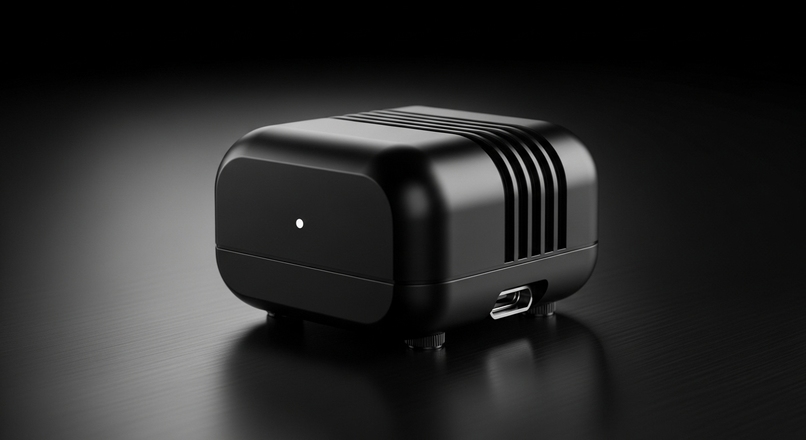
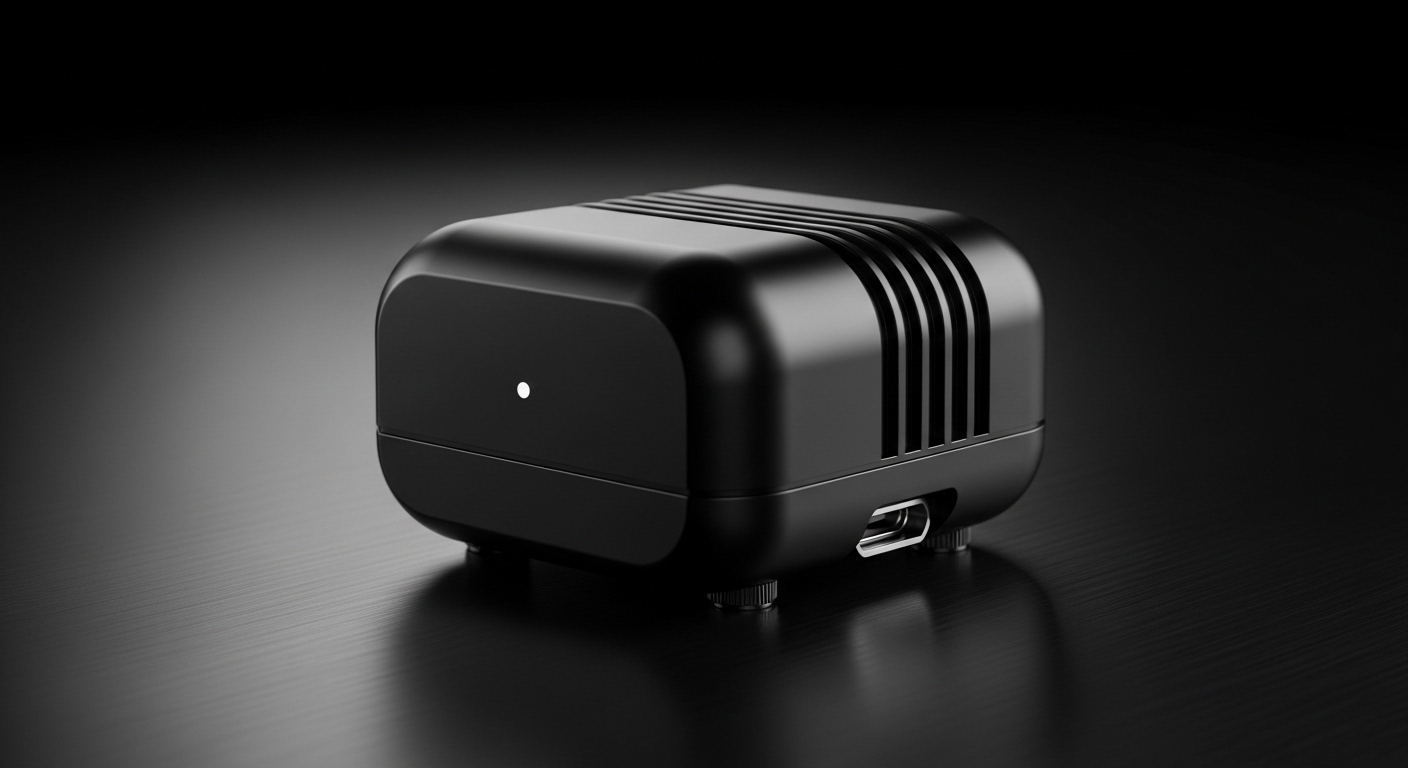
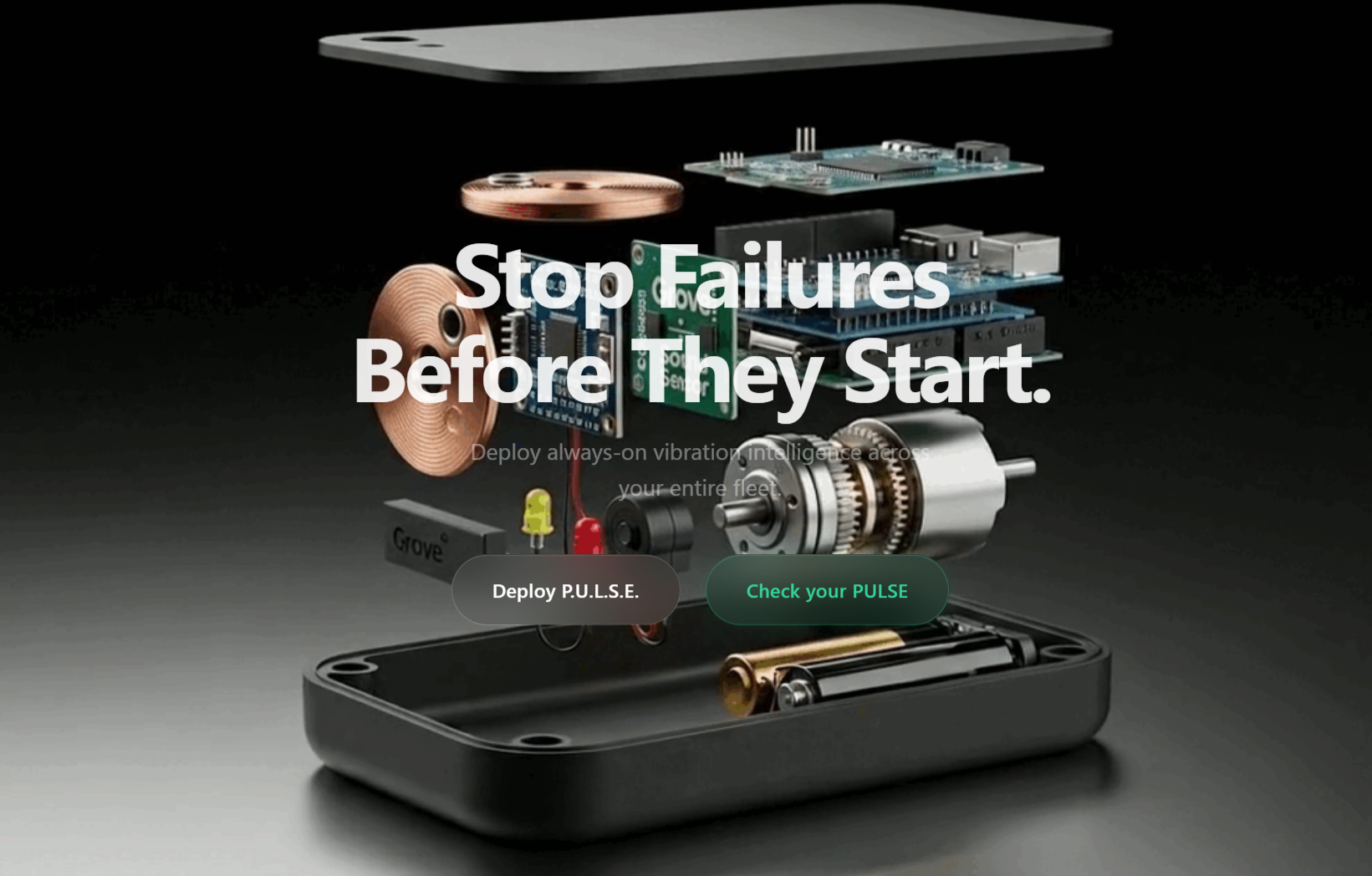
Outer Shell
-
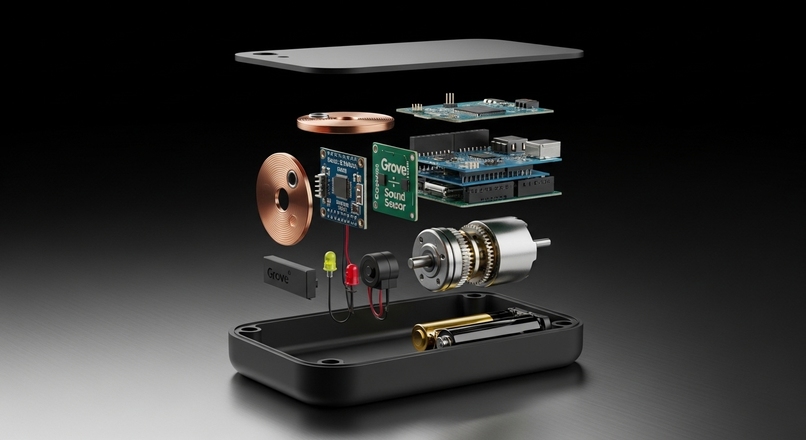
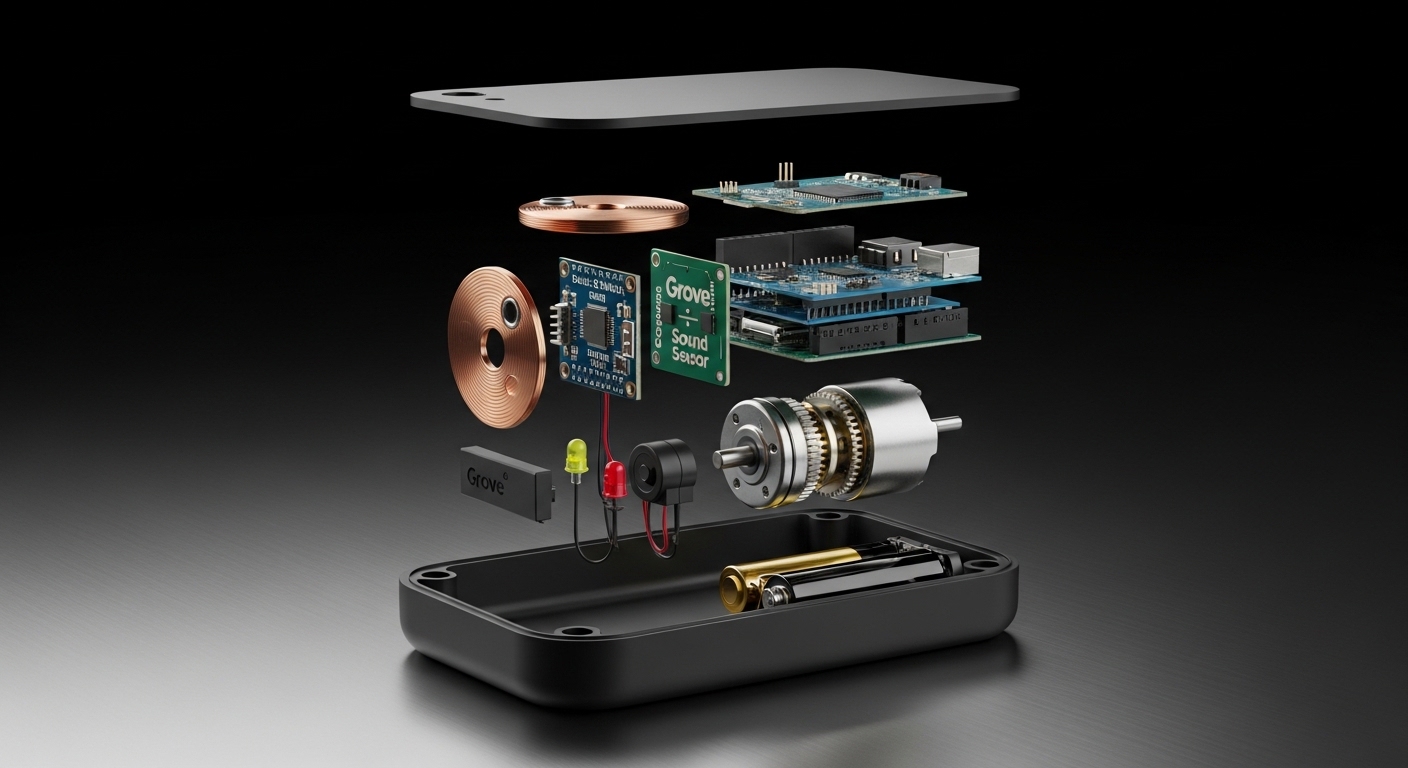
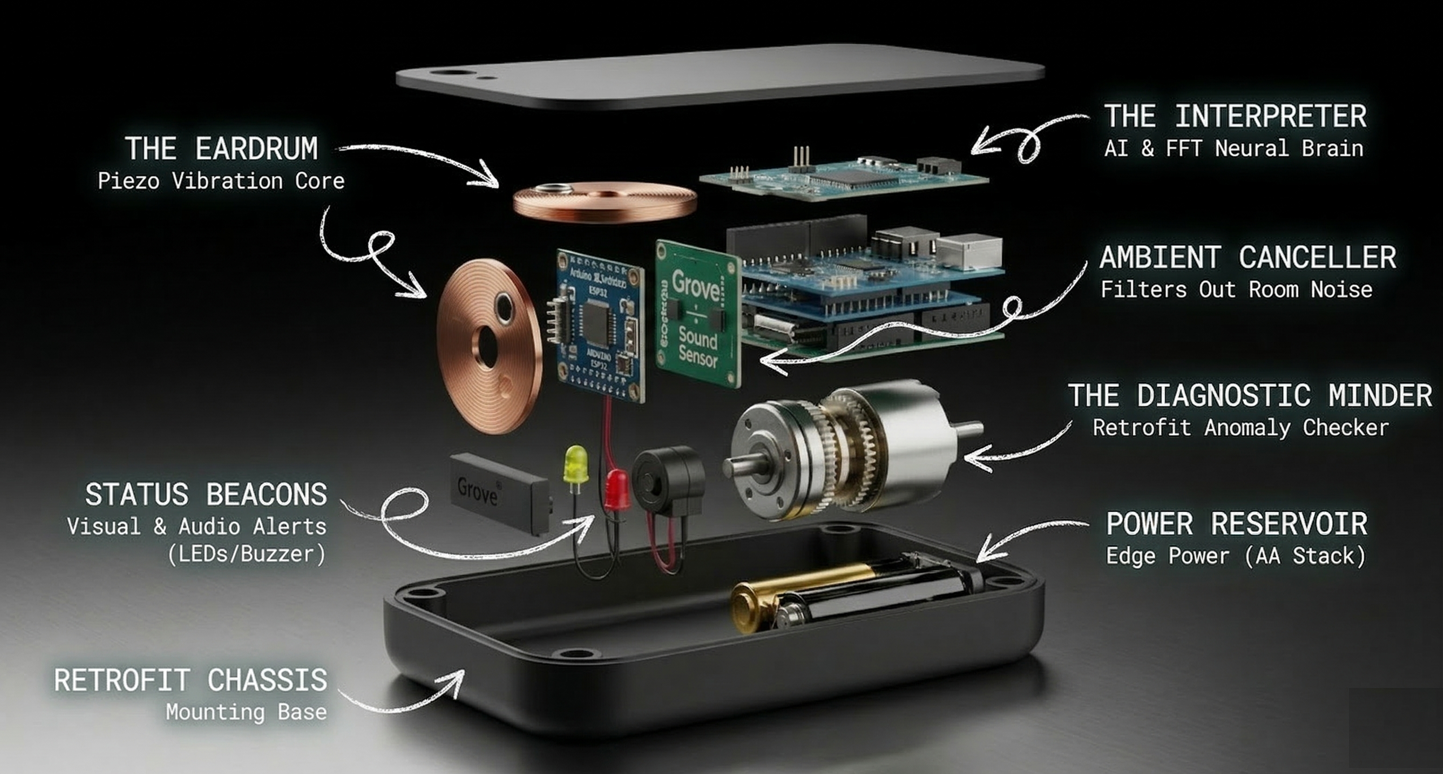
Inner Components
-
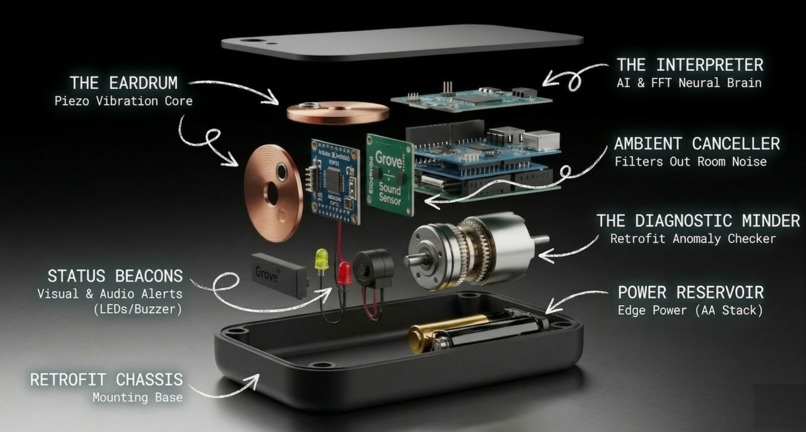
-
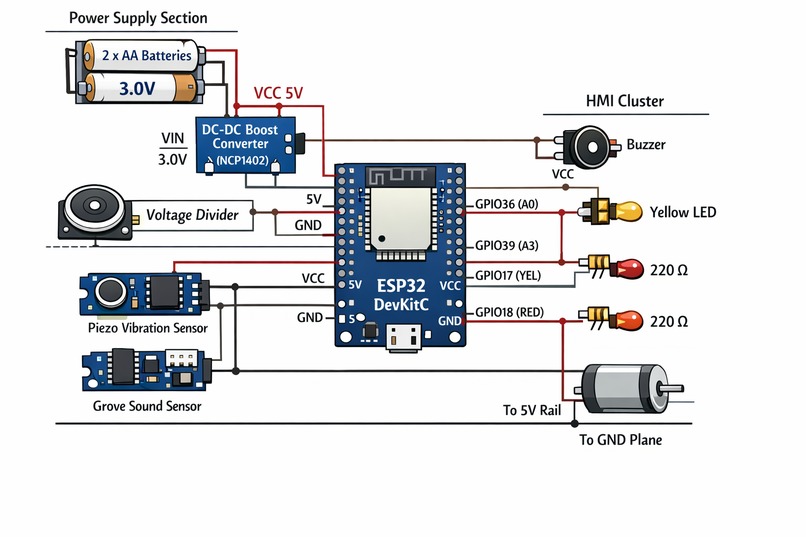
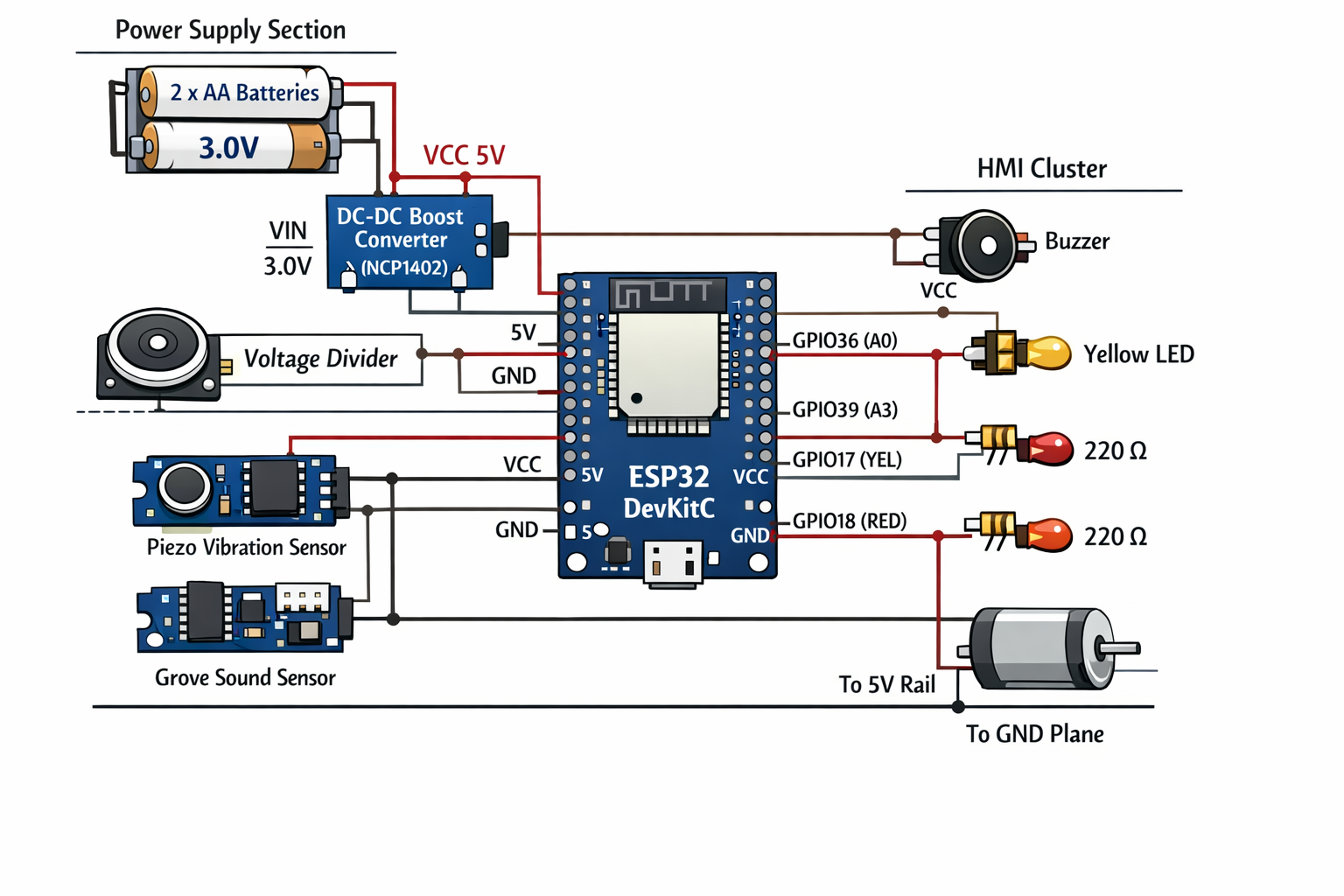
Circuit Diagram
-
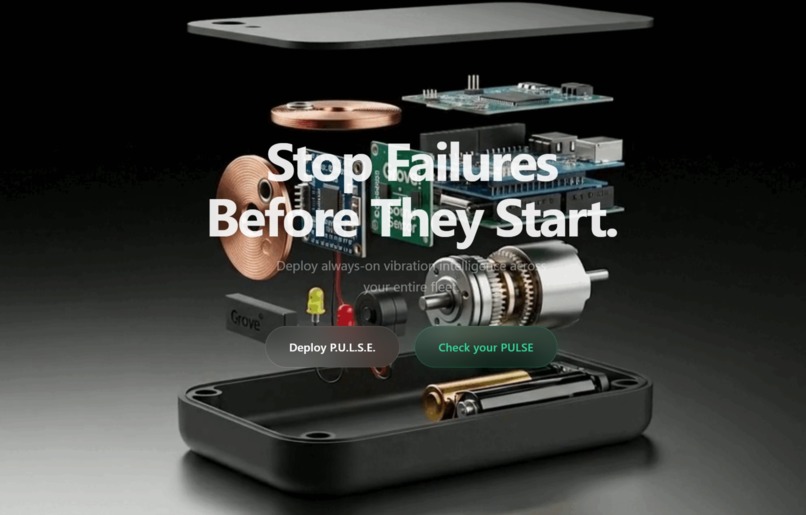
Website
Inspiration
Our inspiration comes from the invisible waste and massive carbon footprint of industrial and household inefficiency. When critical machinery like a commercial HVAC or walk-in freezer fails, it doesn't just cost money; it wastes thousands of dollars in energy, ruins valuable inventory (like food), and leads to the early, unnecessary replacement of entire multi-ton assets. We built P.U.L.S.E. to be the "ears" these machines were born without, to make invisible waste visible.
What it does
P.U.L.S.E. is an autonomous industrial monitor that uses Macro-Peak Envelope Calibration to understand the "heartbeat" of heavy machinery. Unlike simple alarms, it doesn't just look for loud noises; it learns the normal impact force of a healthy machine (like a rhythmic valve or compressor). If those healthy impacts vanish or drop below a learned threshold (indicating a mechanical seize or grinding), P.U.L.S.E. instantly triggers a "Critical" alert to the cloud. It effectively "hears" the silence of a failed component before the machine sustains permanent damage.
How we built it
The system is built on a Dual-Phase Python Engine: Phase 1 (Macro-Peak Calibration): For the first 25 seconds, the system uses a deque memory buffer to map the maximum normal impact forces of the machine, establishing a "Healthy Baseline." Phase 2 (Autonomous Inference): The system then switches to active hunting. It processes audio in chunks, calculates the Rolling Peak Amplitude, and compares it against the baseline. The Cloud Bridge: We utilized multi-threading to send real-time status updates (Calibrating, Healthy, Critical, or Offline) to a Firebase Realtime Database without interrupting the high-speed audio analysis.
Challenges we ran into
Audio Calibration Logic: Designing a Python algorithm capable of listening to a live audio stream, dynamically mapping a "healthy" acoustic baseline for 25 seconds, and then instantly shifting into an active anomaly-hunting mode.
The "Infinite State Loop": When we connected our React dashboard to Firebase to poll the live acoustic data, the UI would aggressively reset to "Offline" every half-second. We had to carefully untangle our frontend logic to handle rapid 500ms telemetry updates smoothly.
Browser-to-Edge Execution: We wanted a "one-click" demo. Figuring out how to make a button on a web browser securely trigger a local Python audio-processing script on the host machine required building a custom background API bridge.
Accomplishments that we're proud of
Real-Time Digital Twin: We successfully built a complete pipeline where physical audio data triggers cloud state changes—and updates the web dashboard—with less than 500 milliseconds of latency.
Hardware-in-the-Loop UI: Our dashboard doesn't just show numbers; it visually simulates the exact electrical relay actuation (ESP32 → Relay → Motor/Strobe) in real-time based on the AI's payload.
Flawless State Persistence: The system intelligently knows exactly what phase it is in. The UI visually transforms from a neutral "Offline" state, to a blue "Calibrating" state, to a green "Healthy" state, and finally a red "Critical" state, handling the entire lifecycle autonomously.
What we learned
Acoustic Anomaly Detection: How to process live audio streams using rolling memory buffers and peak envelope math to detect when a machine starts grinding or failing.
Full-Stack Orchestration: How to seamlessly bridge Python audio-processing scripts, Firebase real-time databases, and Next.js React components into one fault-tolerant ecosystem.
Advanced UI Architecture: How to use Framer Motion and Tailwind to build a fluid, responsive, "Apple-keynote-style" dashboard that perfectly matches the high-tech nature of our backend.
What's next for P.U.L.S.E.
P.U.L.S.E. is just the beginning. Our next step is to integrate multi-sensor fusion, adding a temperature sensor to the node to validate the acoustic anomaly. We want to move beyond simple detection and into "Prescriptive Diagnosis"—not just saying "it's broken" but also saying "It's the bearing on the main drive, order a 10mm replacement." This enables a proactive "Supply Chain Optimization" that stops failures before they start.

Log in or sign up for Devpost to join the conversation.