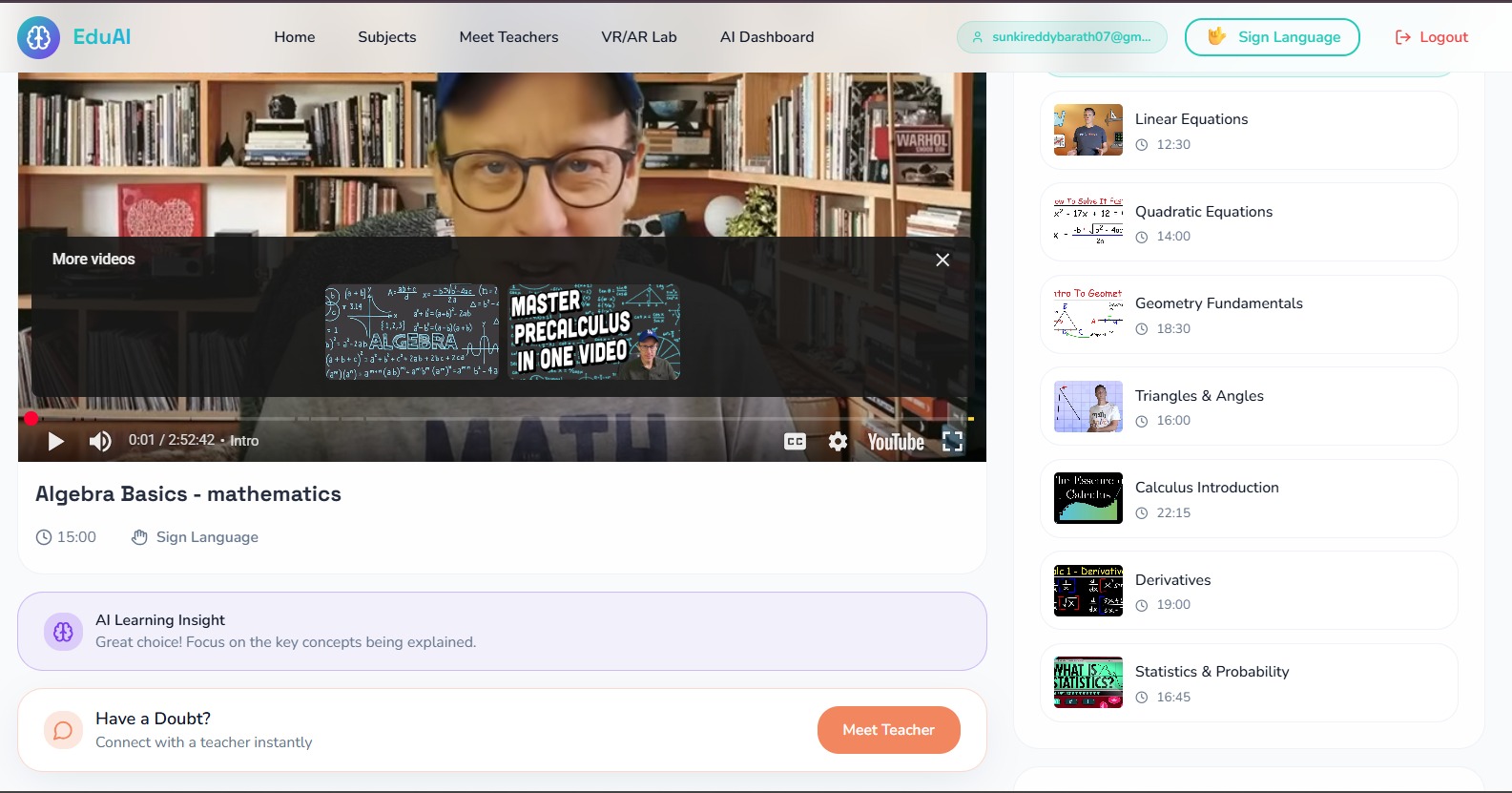
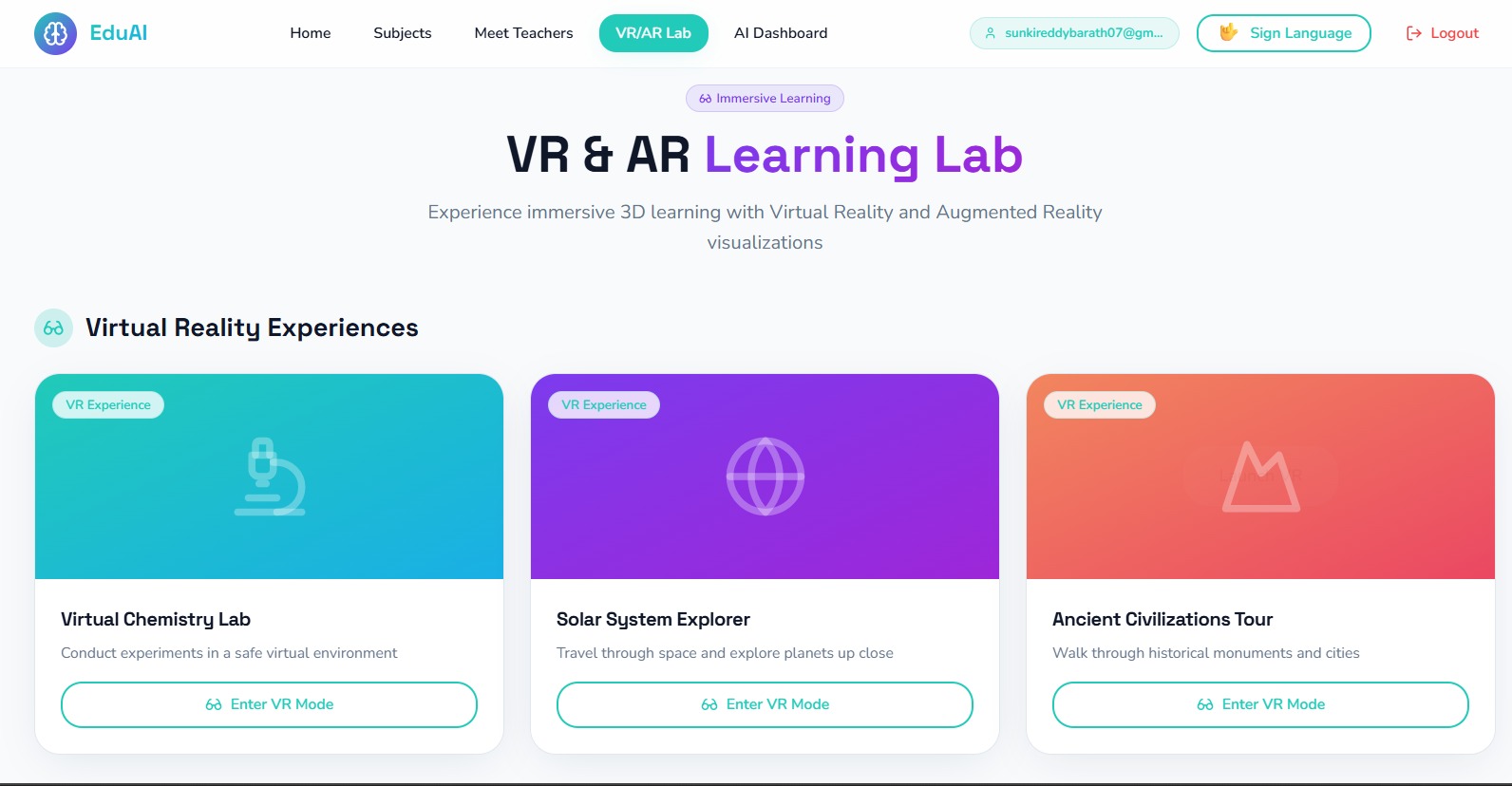
P.E.E.R (Peer-to-Peer Education & Energy Resource)[https://peer-learning-platform-ten.vercel.app/login]
🌍 Inspiration
Access to quality education and reliable energy resources is still uneven across many communities, especially in rural and under-resourced regions. Most existing systems are centralized, expensive, and slow to adapt to local needs.
We observed two major gaps:
- Knowledge Silos: Information remains locked within institutions instead of being shared peer-to-peer.
- Accessibility: Energy awareness and sustainable practices are not easily accessible at a community level.
This led us to a core question:
"Can communities empower each other directly without intermediaries?"
That question became the foundation of P.E.E.R.
💡 What the Project Does
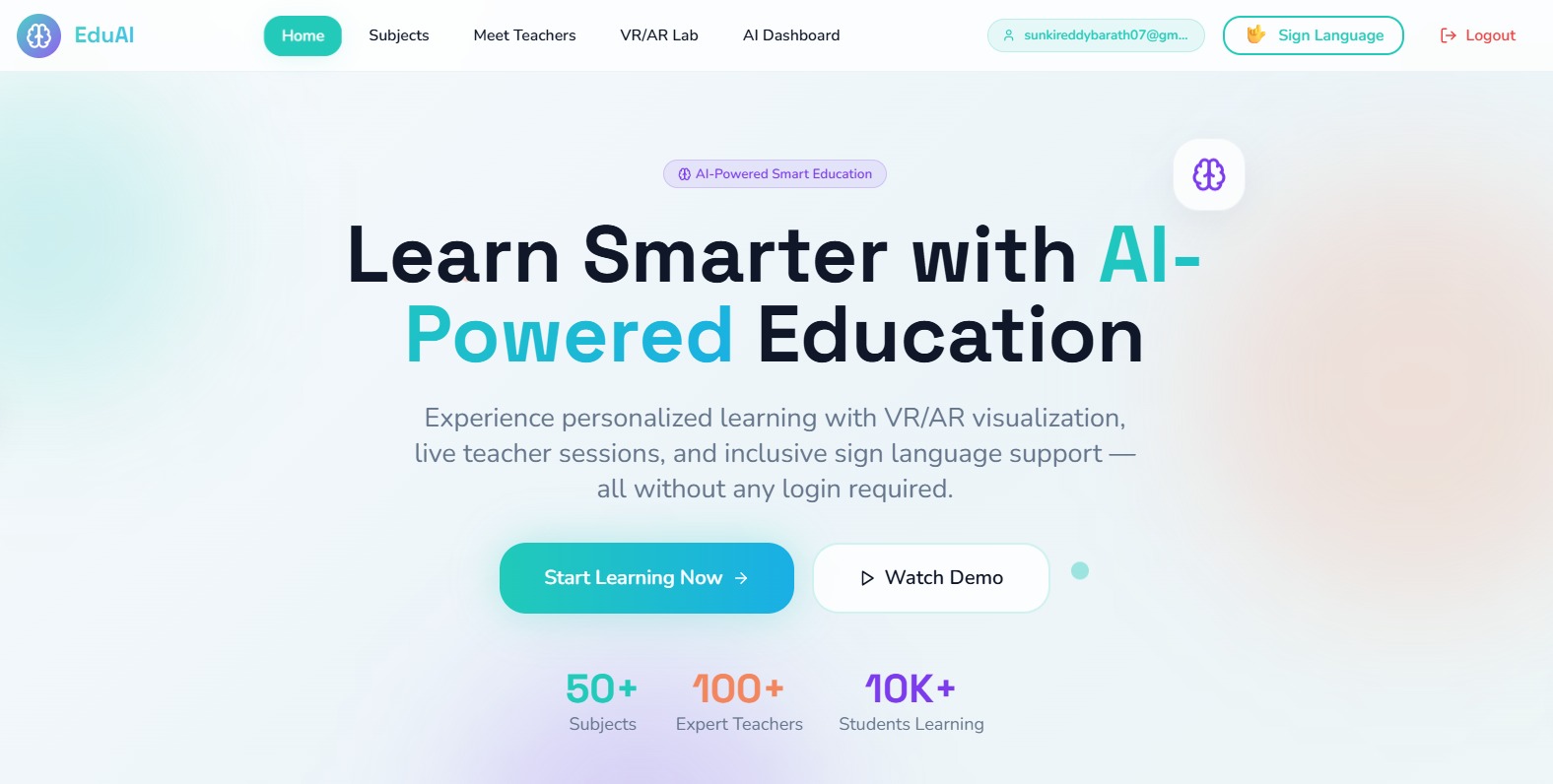
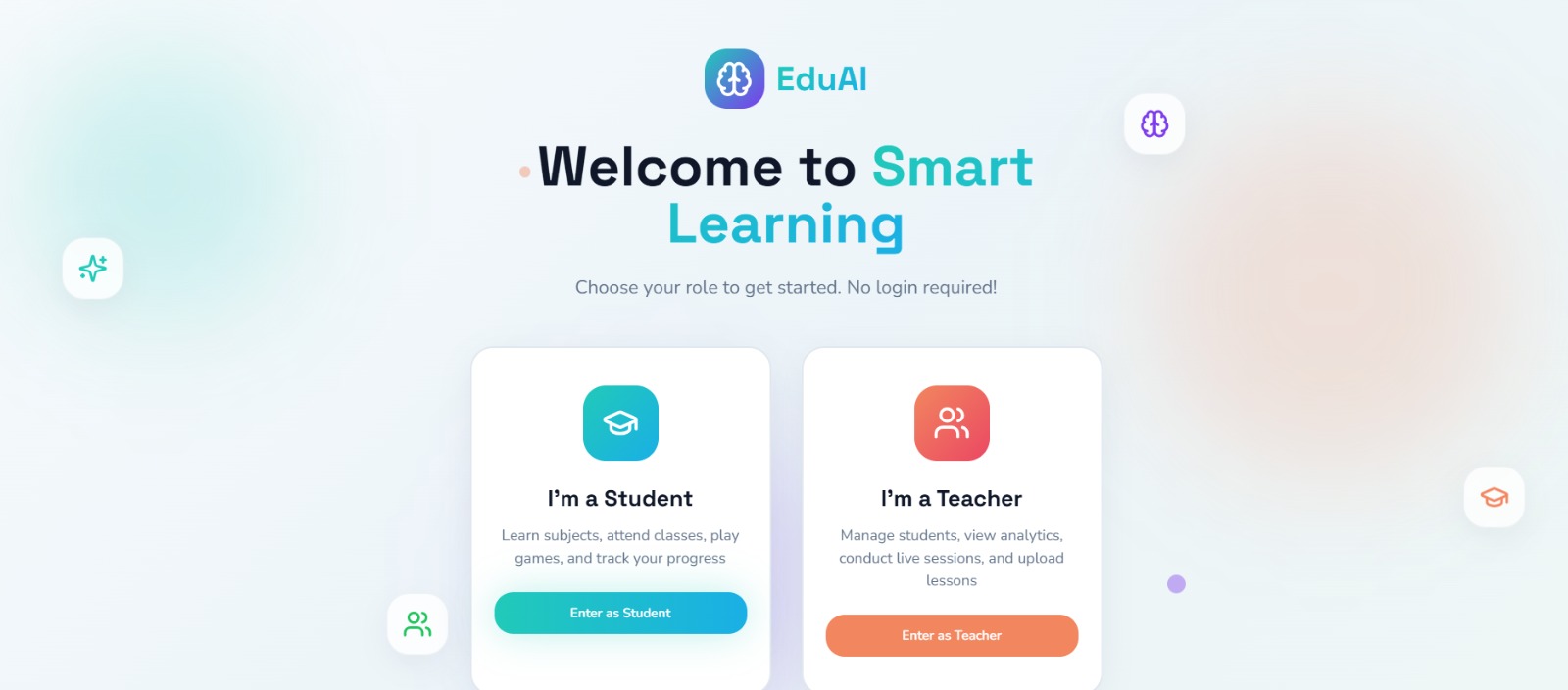
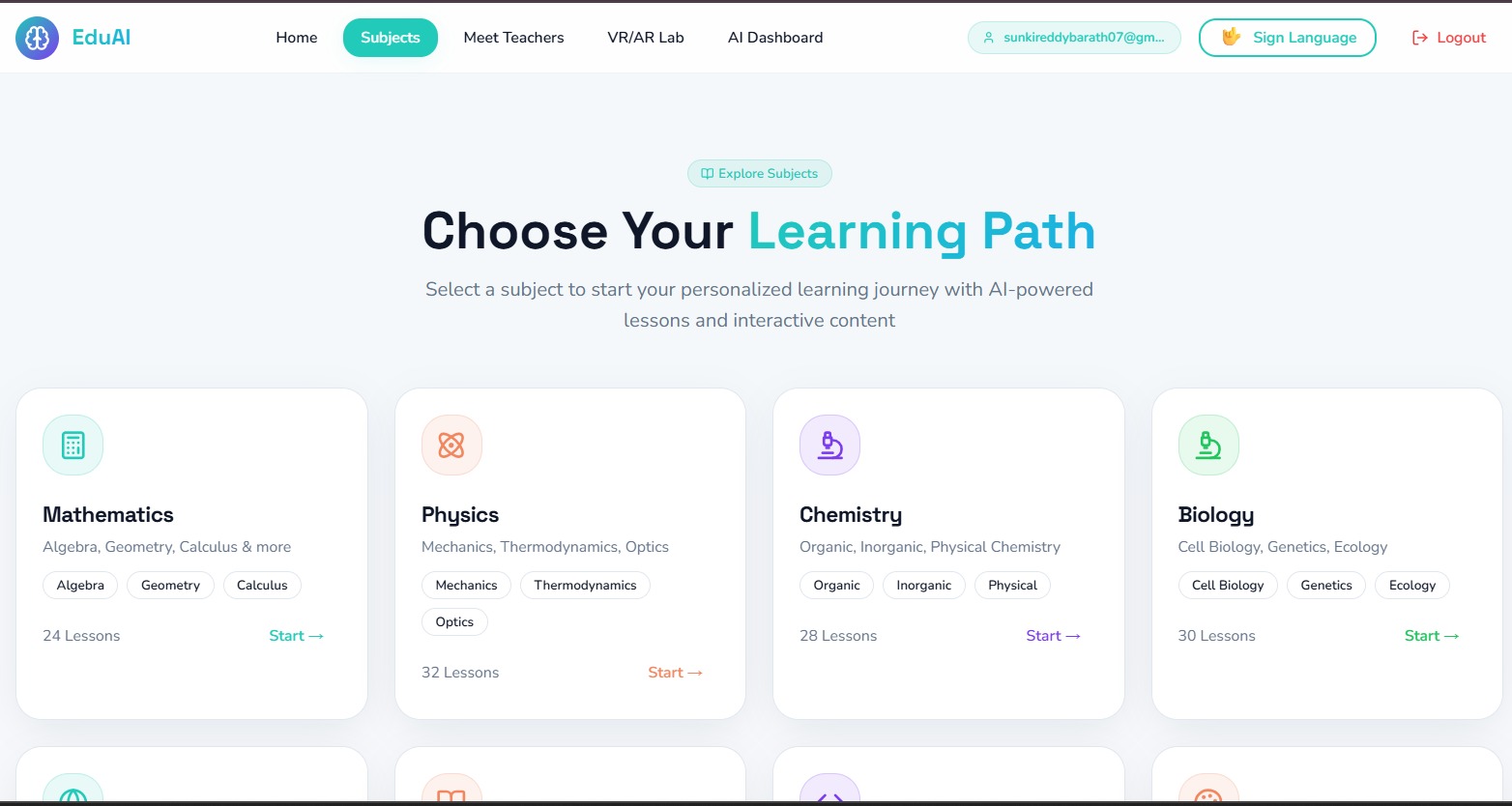
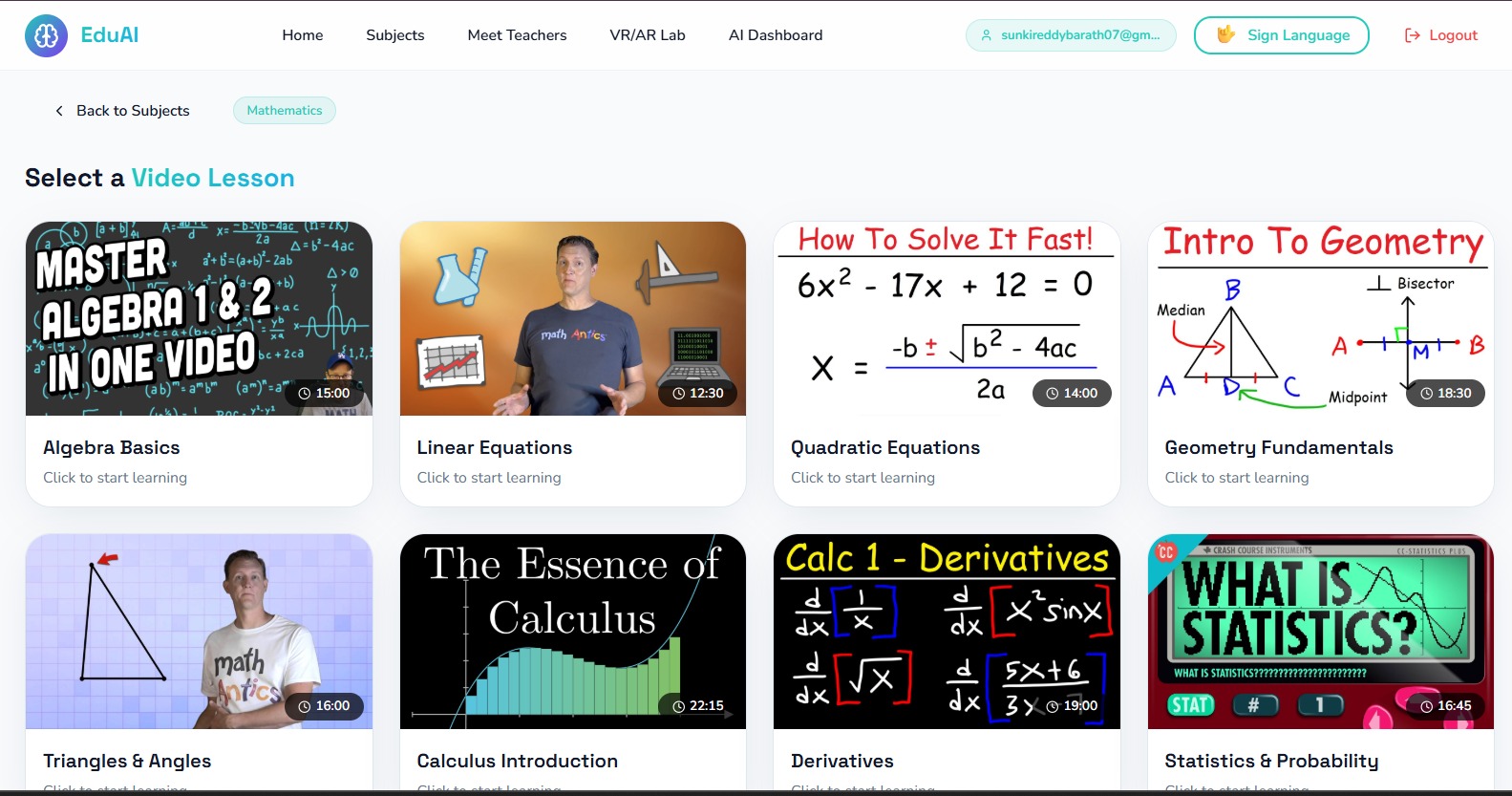
P.E.E.R is a peer-to-peer, community-driven platform that enables individuals to share educational resources and energy-related knowledge in a decentralized manner.
Key Capabilities:
- P2P Content Sharing: Exchange notes, tutorials, and skills directly.
- Energy Awareness: Community-driven resource knowledge and sustainable practices.
- Transparent Access: Open participation designed for inclusivity.
- Dual-Role Ecosystem: Users act as both learners and contributors to maintain sustainability.
🛠️ How We Built It
The system was designed using a modular architecture to ensure scalability and future expansion.
High-Level Architecture
- Frontend Layer: A simple, intuitive web interface for accessibility.
- Backend Layer: Handles peer coordination, content management, and validation logic.
- Data Layer: Stores educational and energy-related resources.
- Governance Logic: Ensures trust, moderation, and fair access.
Conceptual Participation Logic:
if user.contributes?
  grant_access(user)
else
  encourage_participation(user)
end
This logic ensures fairness while maintaining an open-access philosophy.
🚧 Challenges We Faced
- Trust Building: Establishing a reliable environment without a central authority.
- Moderation Balance: Avoiding over-centralization while preventing the spread of low-quality information.
- Technical Optimization: Designing for users with low bandwidth and limited hardware resources.
- Scope Management: Keeping the system simple and impactful within the constraints of a hackathon.
📚 What We Learned
- Incentive Alignment: Peer-based systems flourish when contribution is a natural part of the user journey.
- Social Integration: Technology must align with existing social behaviors rather than trying to replace them.
- Community Ownership: Sustainability solutions are most effective when the community feels a sense of ownership.
- Open-Source Velocity: Adopting an open-source mindset significantly accelerates innovation and peer adoption.
🚀 Impact and Future Scope
P.E.E.R aims to improve access to education, reduce dependency on centralized energy information, and enable local knowledge sharing.
Future Enhancements
- Incentivization: Robust mechanisms to reward high-quality contributors.
- Offline-First: Enabling access for rural deployment without stable internet.
- AI Integration: Personalized resource recommendations based on user needs.
- Strategic Partnerships: Integration with NGOs, schools, and community programs.
The long-term vision of the project is defined by the following relationship:
🌱 Conclusion
P.E.E.R demonstrates how peer-to-peer collaboration can address real-world challenges in education and energy access. By empowering communities to teach and support each other, the platform creates a scalable, inclusive, and sustainable ecosystem.

Log in or sign up for Devpost to join the conversation.