-
-
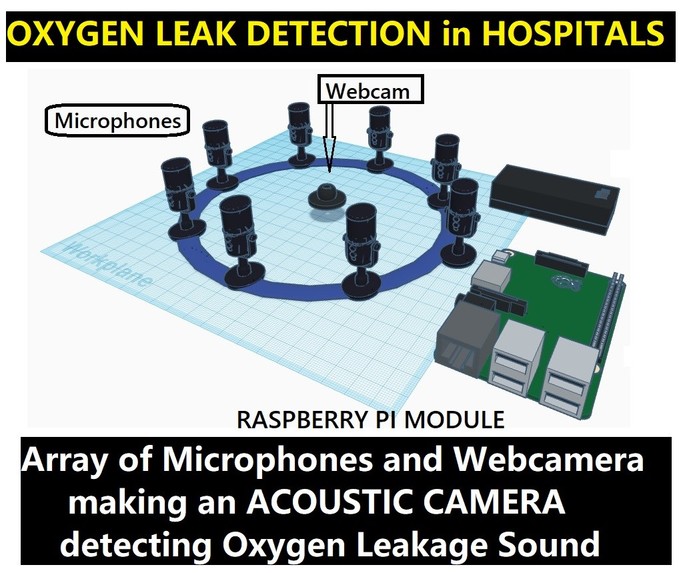
3D Model
-
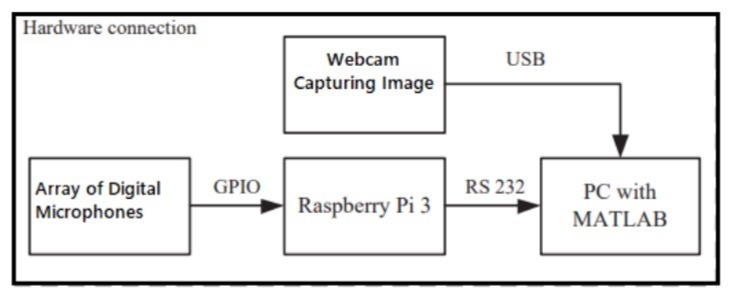
Schematic Diagram
-
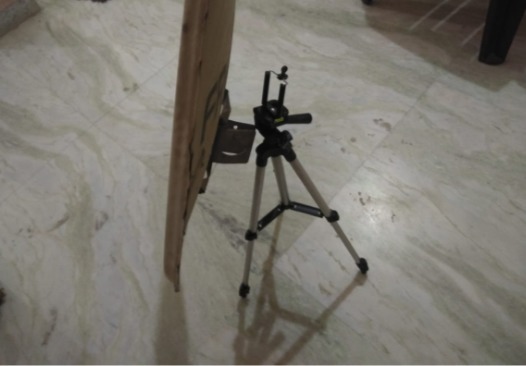
Framework
-
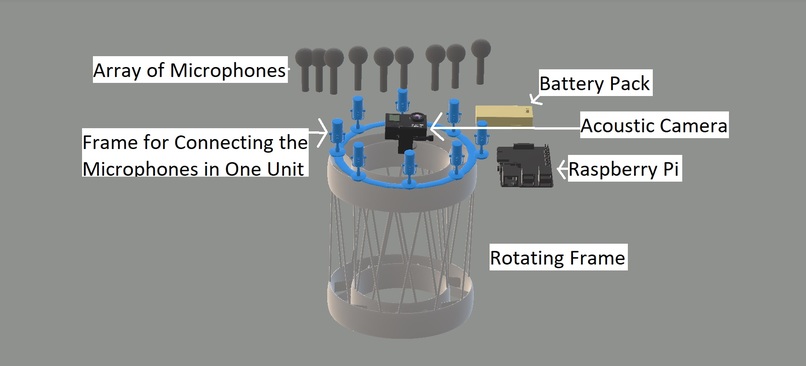
Exploded View
-
Perspective View
-
News
Inspiration
During transfer of LMO to many tanks installed in hospital, the hose pipe (connecting hose) is connected to input of tanks and transfer of LMO is done. Thereafter, the connection is removed and connected to another tank, then one after another. During the engagement and disengagement of connection pipe every time, the leakage is happened. Some mechanism can be designed to avoid the loss of oxygen during transfer of LMO to tanks. Transfer of liquid medical oxygen (LMO) from capsule (Mobile tank) to tanks installed in hospitals is a major node here. The idea struck me I noticed that the household gas cylinder while leaking . During this it made a ‘Hissing’ sound which was quite low but still audible to me and I inferred that if the leakage is too low it would at least generate an ultrasonic noise source that is distinguishable from mechanical noise sources. This brought the idea of designing an acoustic camera that can be used to detect these noise sources by increasing the number of microphones and creating an array of them and then multiple layers of such an array of microphones to capture the leakage. The aim was thus to make the leakage (sound of leakage) visible through the coordination of camera and microphone .
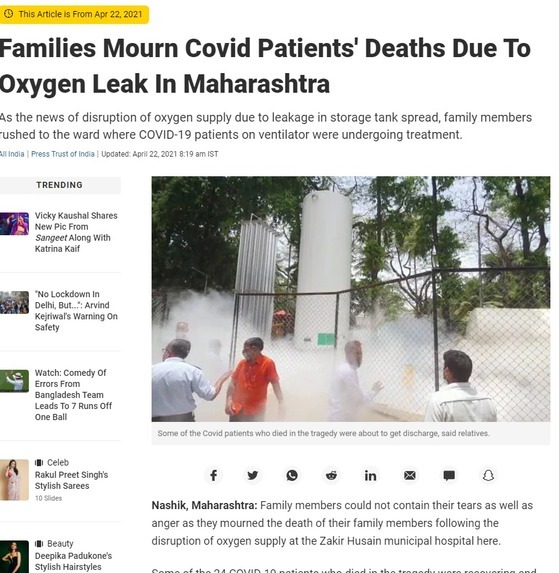
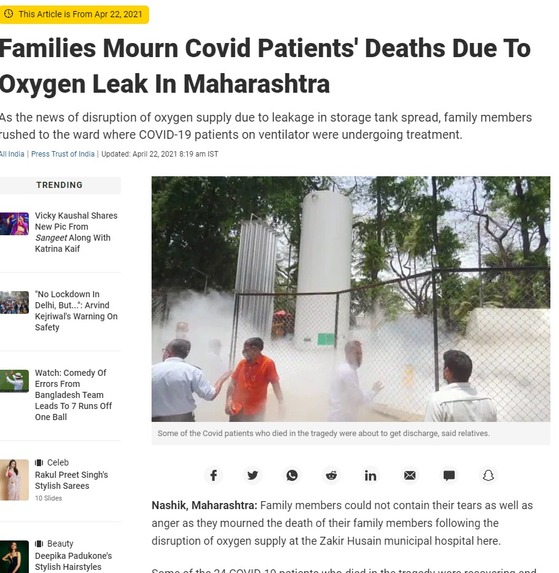
Hundreds of Indian COVID-19 patients died in one of the many events after oxygen tanker leakage during India's Oxygen Crisis in Second COVID Wave.
What it does
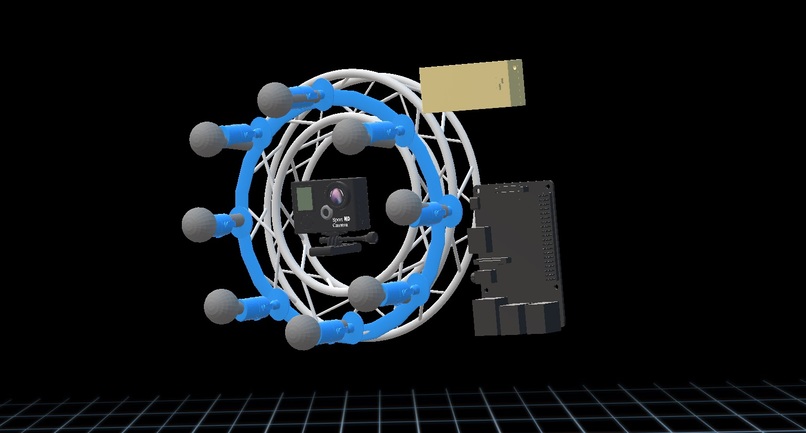
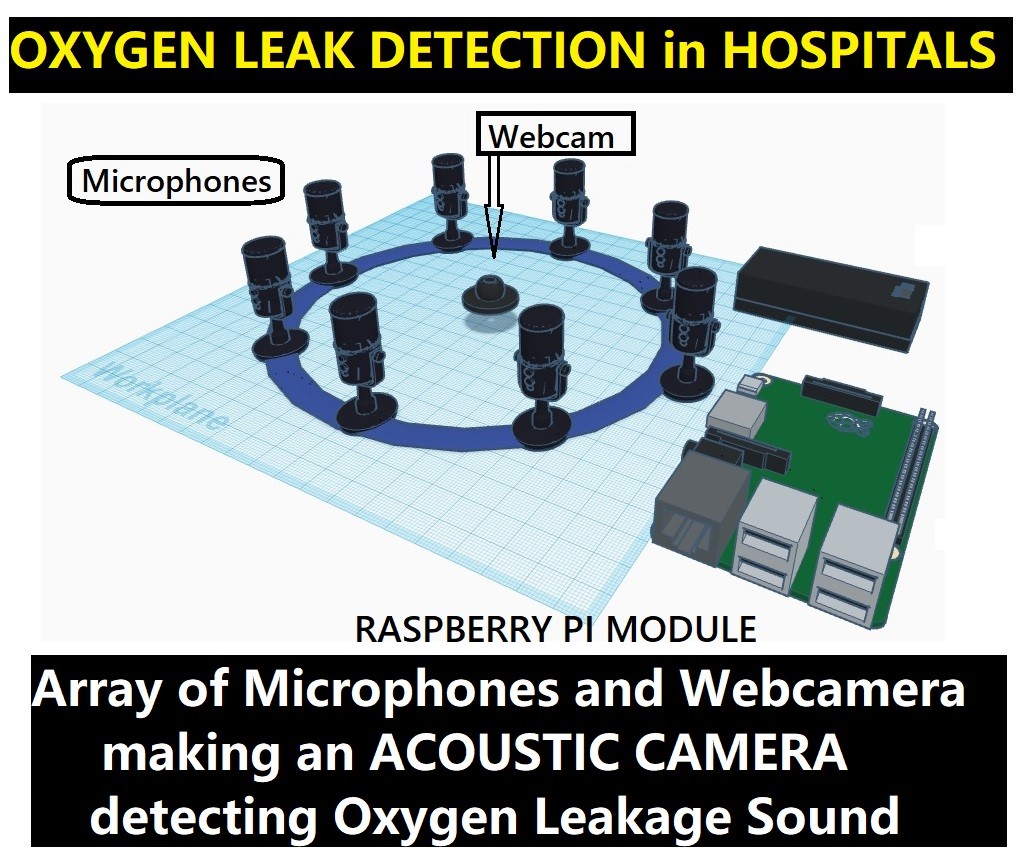
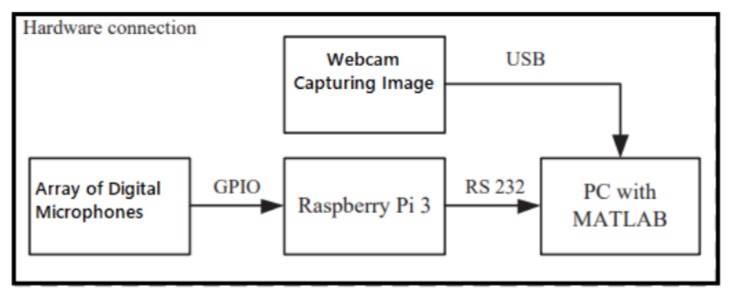
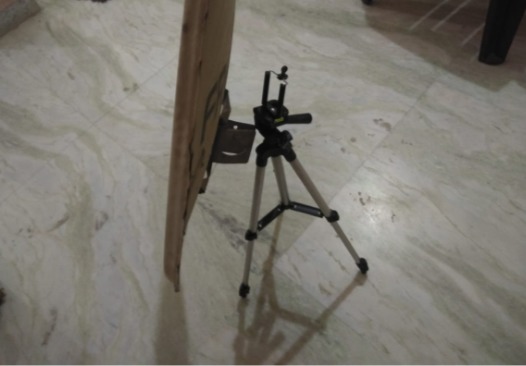
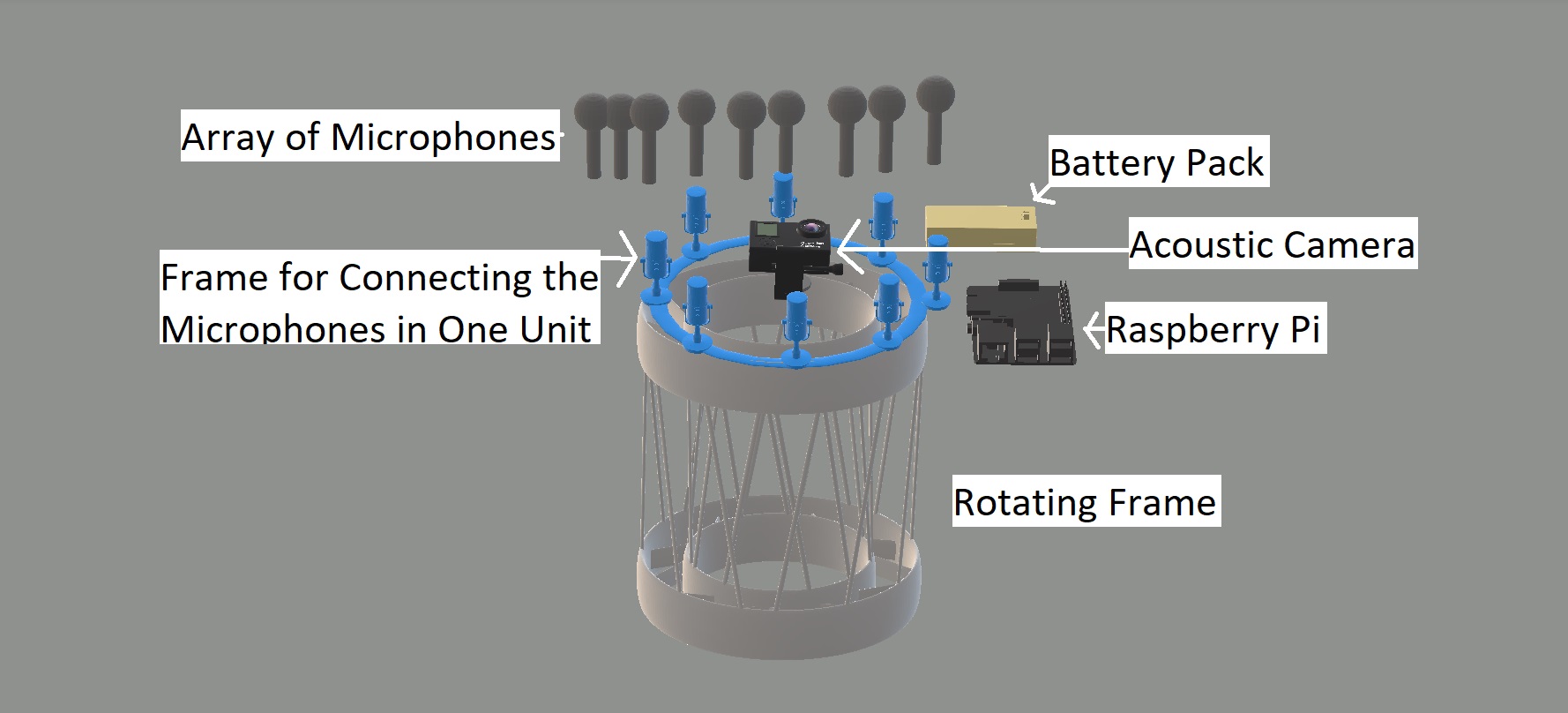
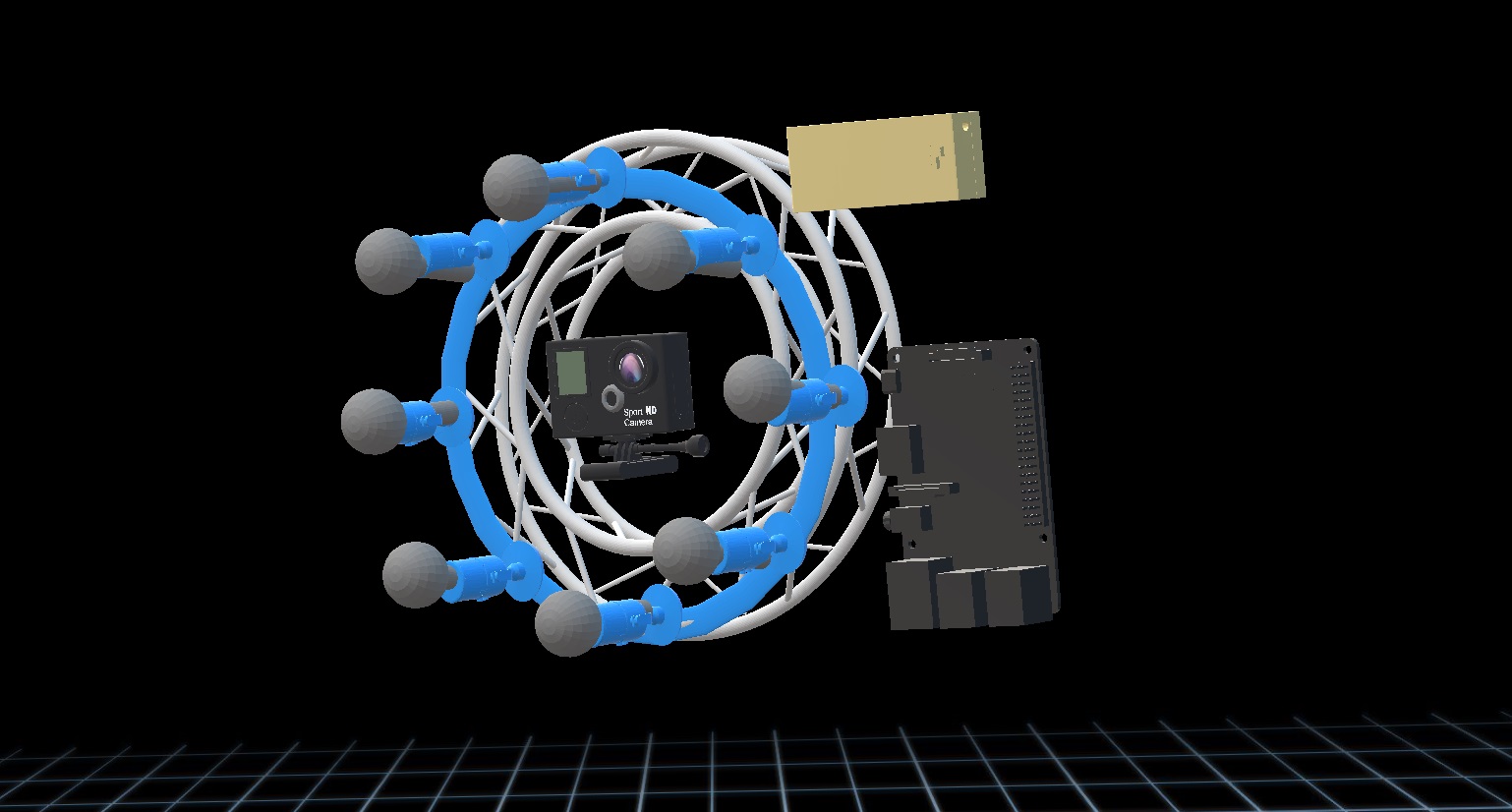
Proposed is the design of a Low Cost - High Sensitivity Acoustic Camera . This setup will be able to detect Oxygen Leakage Hotspot while the patients are sleeping with the oxygen mask on as improper fixing of oxygen mask on face is a reason for oxygen wastage . It can be used while we are transferring liquid medical oxygen (LMO) from a capsule (Mobile tank) to tanks installed in hospitals. The setup here consists of a camera, for capturing an image, a group of digital microphones ,and a Raspberry Pi Model 3 to read data from the digital microphones simultaneously and then transfer the data to a PC for post processing. Delay and sum beam forming is implemented in this design. To facilitate the model prepared, a low cost framework for such a model using a Camera stand and Dish Antenna which can act as a structure to be kept inside the hospital’s ward where the patients are sleeping with their masks on so that any leakage can be detected. At the smaller scale sometimes due to improper fixing of the oxygen mask on the face, the oxygen is not properly utilized to support the patient's needs. If the mask is not properly fixed on the face, some amount of oxygen is not inhaled by the patient and it is gone as waste. To compensate for the need of the patient, the flow rate of oxygen is increased which further increases the wastage of oxygen. This solution, I believe, can solve for all levels in the current supply chain system of oxygen being transferred. The frame can be made to continuously rotate and scan the patient’s masks or the node where Liquid Oxygen is being transferred from Tanks to Hospitals
Challenges we ran into
When there is a leakage from any source , a very mild "HISS "sound can be heard if we observe quietly.This observation which is even audible to normal human's ear can be amplified through a device if we add lots of microphones in the device to make it more prone to that sound.Over this we add a Camera so as to convert it into an Acoustic Camera By measuring the timing and phase differences of signals appearing at each microphone, it’s possible to determine the location of sound sources in front of the the lineup of the microphones. There have been cases where oxygen leakage has costed the lives of many patients.The greatest risk of large leakage can be when the oxygen from the Mobile tank is being transferred.This leakage needs to be stopped since it is the first checkpoint and a crucial one. The frame structure was to be made rigid so as to keep an eye continously.
Accomplishments that we're proud of
Centre for Advanced Studies and APJ Abdul Kalam University listed the project as Top 18 Innovations during that time and it recieved accolades from University of Petroleum & Energy Studies as well as Print Media.
What's next for Oxygen Leak Detector
I aim to convert the project into a low cost working model for developing countries to save oxygen and do the surveillance in hospitals and during transfers of oxygen. Cost of one such device would come arounf 100 Euros which can be reduced in case of mass production.Also for patients on oxygen support at remote location this device can serve for surveilling at night.
Built With
- ibm-cloud
- mic
- raspberry-pi
- webcam

Log in or sign up for Devpost to join the conversation.