
Inspiration
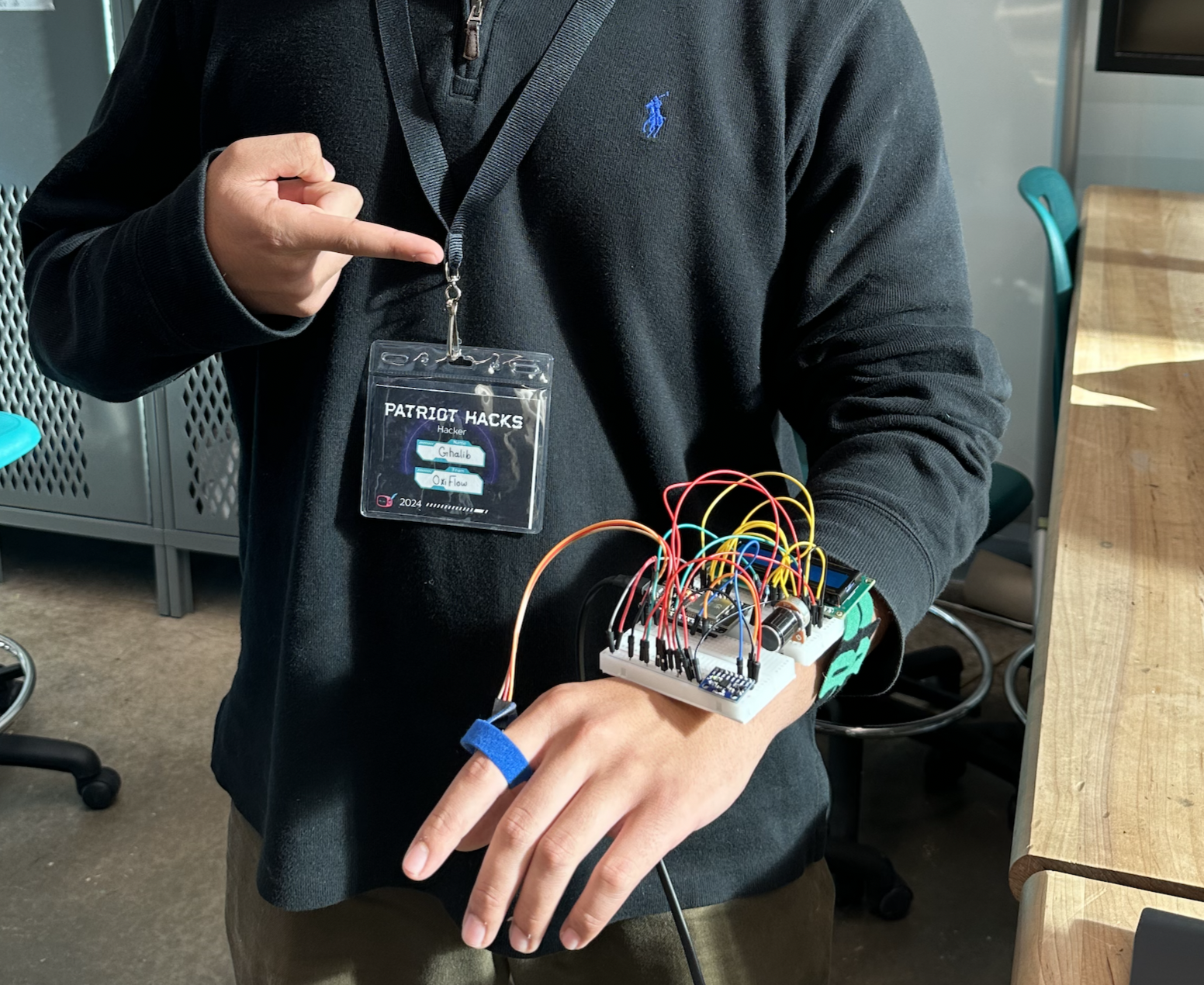
We were inspired by the need for better health monitoring, especially for the elderly and people with chronic conditions. We wanted to create a wearable device that could detect heart rate, body temperature, and falls, helping caregivers respond quickly in emergencies. The idea was to combine cool, futuristic design with practical, life-saving tech.
What It Does
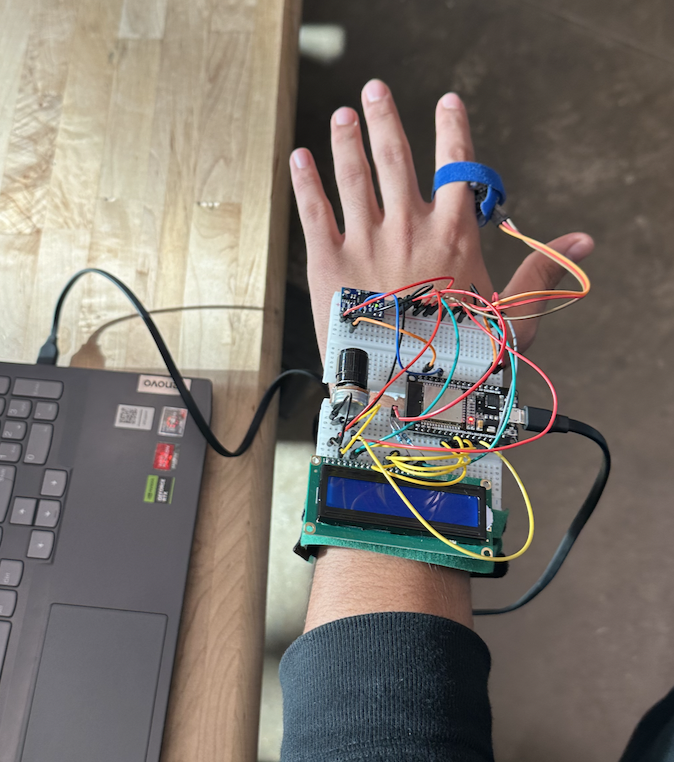
OxiFlow is a wrist-worn device that:
- Monitors heart rate using a pulse sensor.
- Tracks body temperature in real time.
- Detects falls and sends alerts if something goes wrong. It connects via Audrino Nano to power up the circuit.
How We Built It
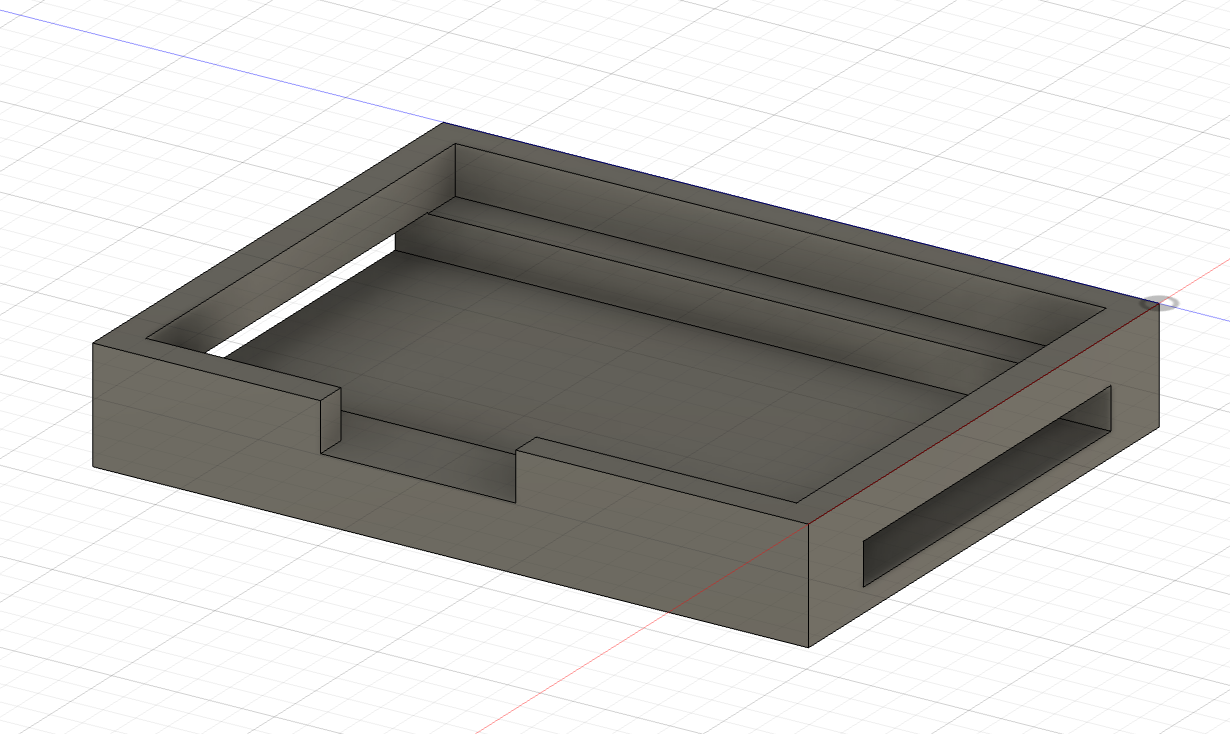
- We used 3D printing for the outer design and integrated a pulse sensor.
- Powered by an Arduino Nano, which handles the data processing.
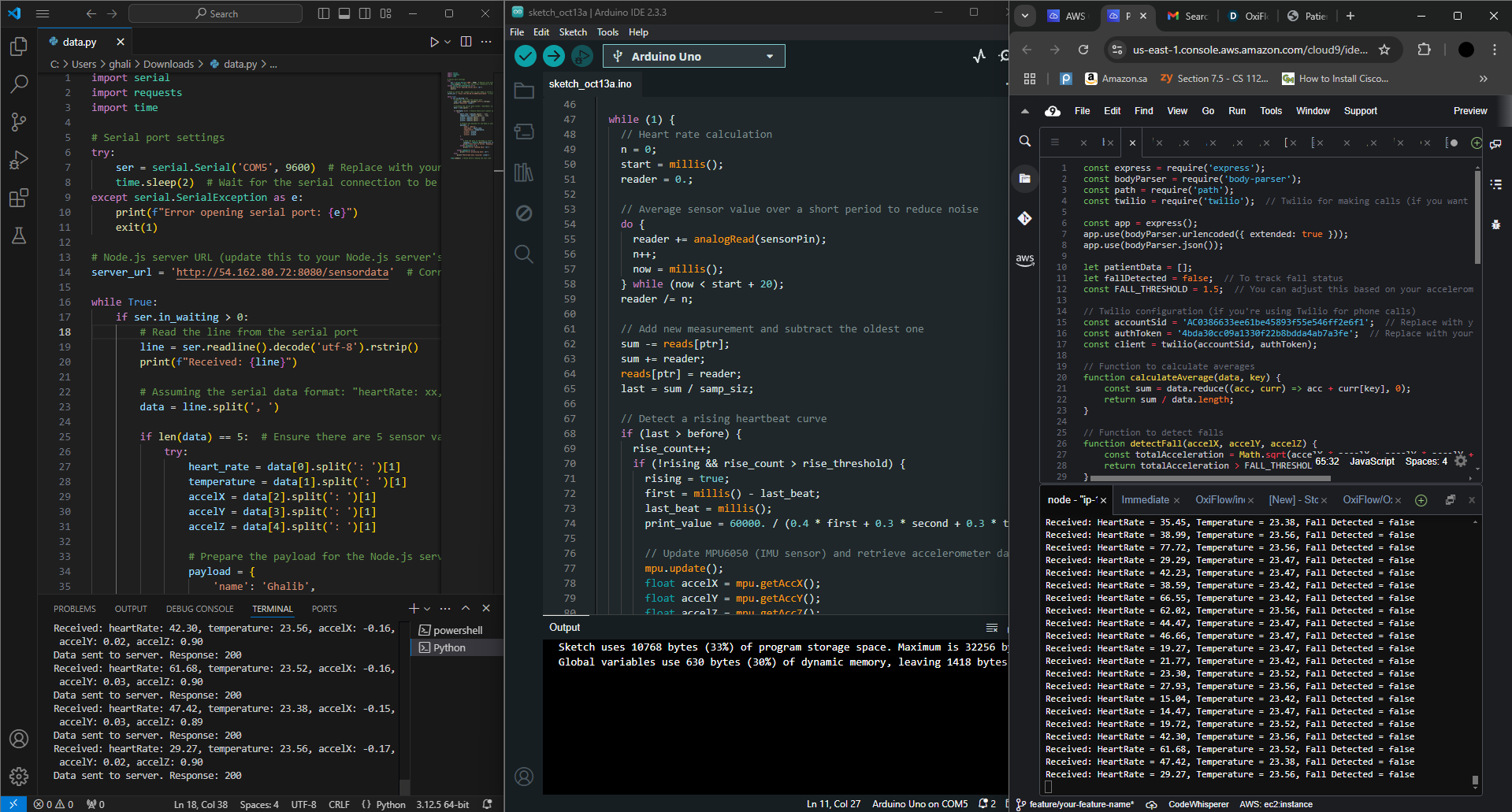
- Added an LCD screen for real-time data display, and calls are made automatically via Twilio API when the patient falls it contacts family and caregivers first and if no confirmation is made it makes a call to the police within 2 minutes. -We built a Web Application* that displays real-time information from the device and is managed using AWS cloud9.
Challenges We Ran Into
- Sensor accuracy was tricky, and we had to calibrate them carefully to avoid false readings and we fixed this by incorporating a red LED. -Sending the data from the wrist device to the web application wirelessly.
- Integrating all the sensors and ensuring reliable real-time alerts took a lot of trial and error. -Connecting ESP-32 was a hassle as it did not connect to wifi for it to send patient data wirelessly to the cloud so we had to switch to other microcontrollers.
Accomplishments That We're Proud Of
- Building a working prototype that accurately monitors health and sends real-time alerts.
- Successfully integrating multiple sensors into a compact, wearable device.
- Creating a design that's both functional and futuristic.
What We Learned
We learned a lot about hardware integration and balancing power consumption with functionality. It was also a big lesson in building user-friendly devices that can make a real difference in healthcare.
What's Next for OxiFlow
- We want to add more features like oxygen monitoring and ECG.
- Build a mobile app to track health data over time.
- incorporate a battery and ESP-32 for the watch to be worn wireless for patient comfort as well as to be able to transmit the data to the web application via AWS Cloud9. We’re excited to keep developing OxiFlow and see how it can make an impact in health tech!
Built With
- amazon-ec2
- amazon-web-services
- cloud9
- css
- esp-32
- html
- javascript
- ky039
- lcd
- twilio


Log in or sign up for Devpost to join the conversation.