


Inspiration
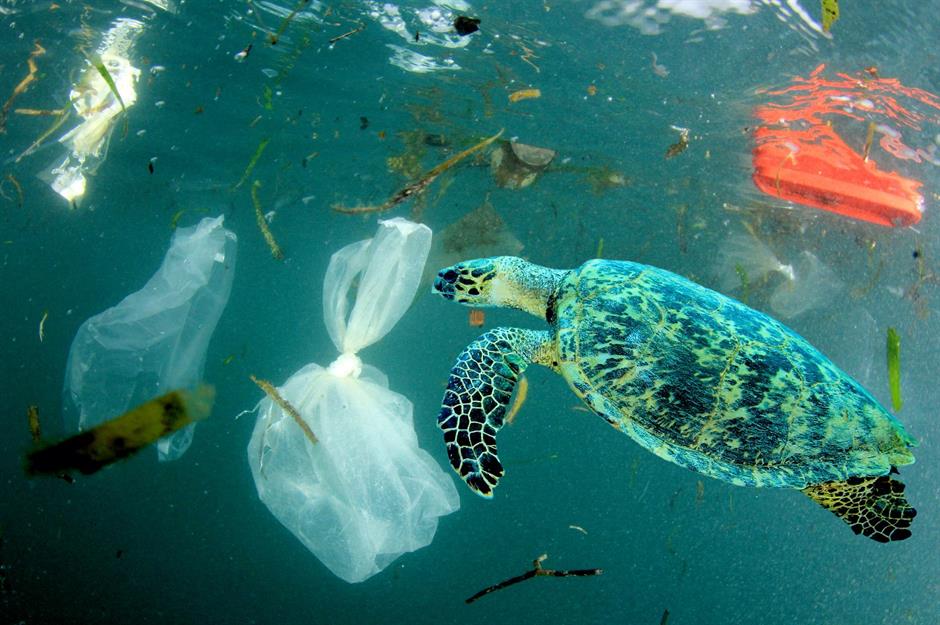
Inspired by the unwavering dedication of organizations devoted to cleaning the oceans and protecting marine life, we felt a deep desire to contribute to their mission. Witnessing their tireless efforts to combat pollution and restore fragile ecosystems, we were compelled to join the movement. Recognizing the critical importance of preserving our oceans for future generations, we set out to find meaningful ways to make a difference. Whether through raising awareness, supporting local initiatives, or advocating for policy changes, we were driven by a shared sense of purpose to protect our planet's most precious resource.
What it does
We utilized deep learning AI technology to create a cutting-edge model capable of detecting plastic pollution in ocean environments. Our AI system, trained using Roboflow, can analyze images, videos, and live webcam feeds to accurately identify various types of plastic debris. This tool enables us to monitor and track the presence of plastic pollution more effectively, providing valuable insights for conservation efforts aimed at protecting marine ecosystems. We also made a website for organizations to access the resource.
How we built it
We utilized Roboflow's platform along with YOLOv8 architecture to train our own AI model, specifically tailored to detect plastic pollution in ocean environments. By curating a custom dataset and leveraging YOLOv8's efficient object detection capabilities, we optimized our model to accurately identify various forms of plastic waste in real-time. This technology enhances our ability to monitor and combat marine plastic pollution effectively, providing valuable insights for conservation efforts aimed at safeguarding our oceans.
Challenges we ran into
Integrating AI directly into our website proved challenging during the web design phase. We struggled with technical complexities, optimizing performance, and ensuring compatibility with various web frameworks. Maintaining a seamless user experience while incorporating AI functionality also posed difficulties. However, through perseverance and innovative solutions, we successfully integrated the AI model, enhancing our website's capabilities to address environmental issues such as ocean plastic pollution.
Accomplishments that we're proud of
We're incredibly proud of our AI model and its potential to make a meaningful difference in protecting our planet. This technology represents a significant step forward in addressing environmental challenges. By leveraging its capabilities, we can tackle issues like plastic pollution in oceans and beyond. Our AI model provides us with valuable insights and tools to take targeted action and inspire positive change on a global scale.
What we learned
In our group, we recognized the importance of diverse skill sets to achieve our common goal of making a positive impact on the environment. Some members focused on learning web development, mastering the creation of functional and user-friendly websites. Others delved into AI training, acquiring expertise in machine learning algorithms and model development. By leveraging our individual strengths and knowledge areas, we collaborated to create a comprehensive solution that integrates both web technology and AI to address environmental challenges effectively.
What's next for OWP Plastic Object Detection
Our immediate focus is on refining our AI model to better differentiate between marine life and plastic debris, ensuring greater accuracy in its detection capabilities. This entails rigorous testing, algorithm optimization, and the incorporation of additional training data to improve performance in real-world ocean environments.
Simultaneously, we're actively seeking partnerships with prominent ocean cleanup organizations to implement our AI technology into their operations. Collaborating with these organizations allows us to leverage their expertise and resources, while our AI model enhances their cleanup efforts by efficiently identifying and prioritizing areas with high concentrations of plastic pollution.
By combining advanced technology with strategic partnerships, we aim to maximize the impact of our AI model in combating ocean plastic pollution, ultimately contributing to the preservation of marine ecosystems and biodiversity.


Log in or sign up for Devpost to join the conversation.