-
-
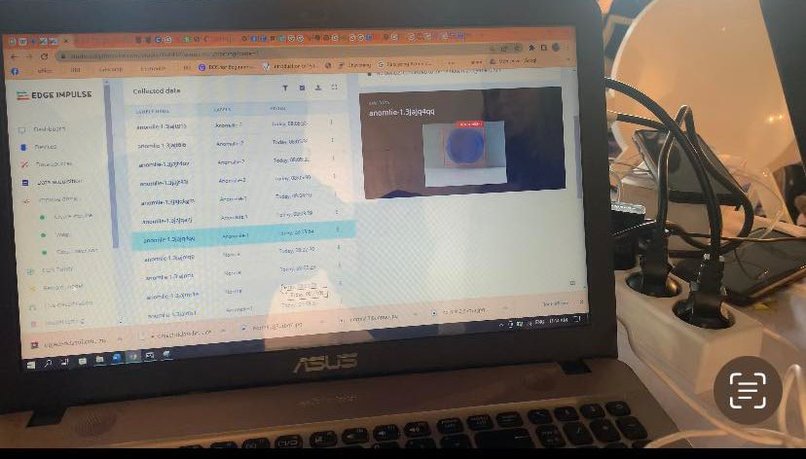
Edge Impulse ( AI Model )
-
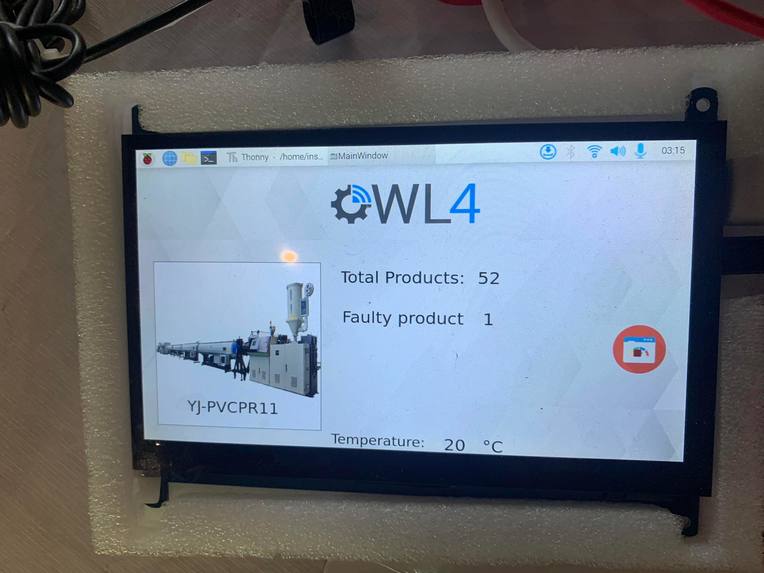
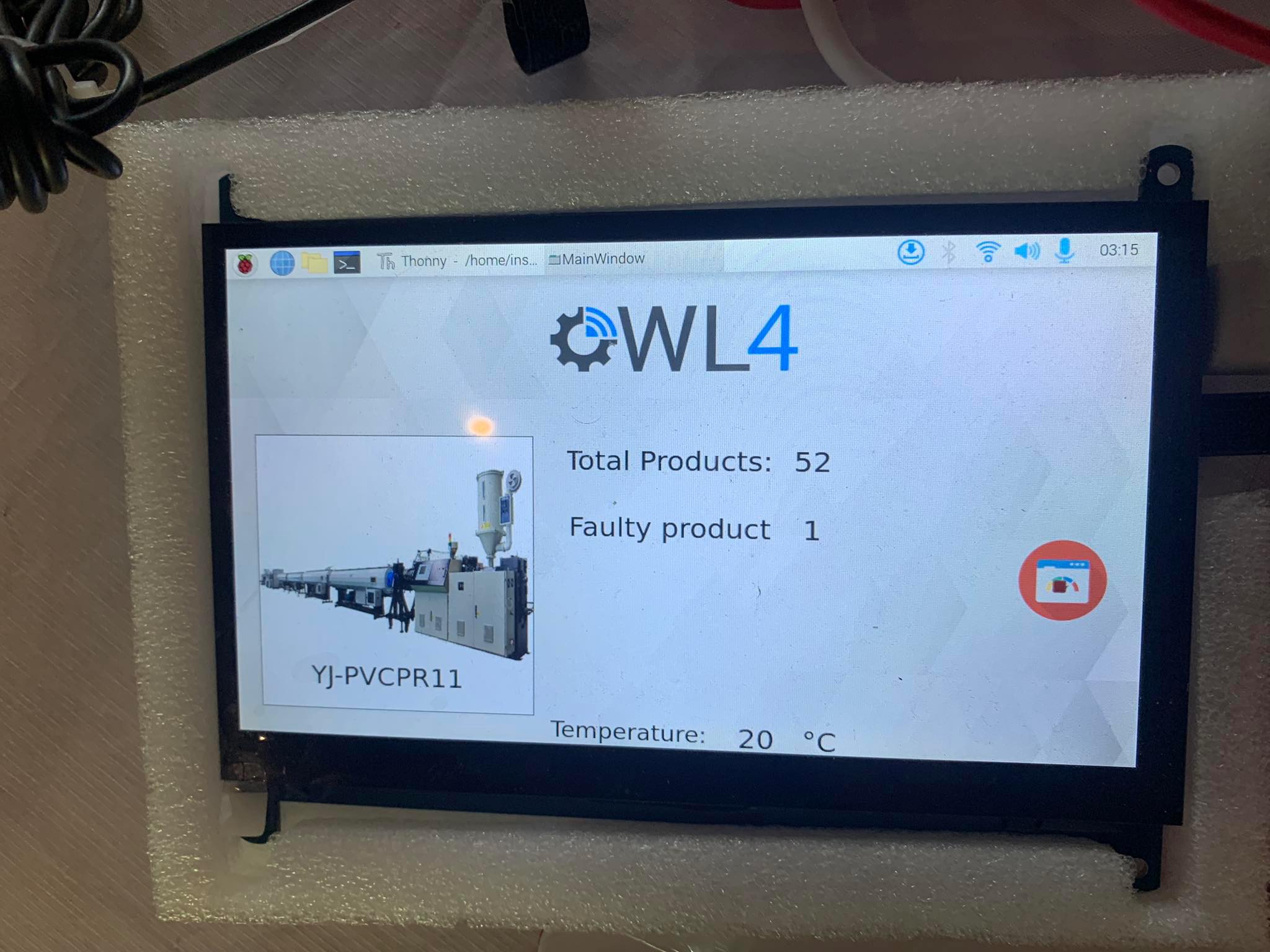
Dashboard
-
-
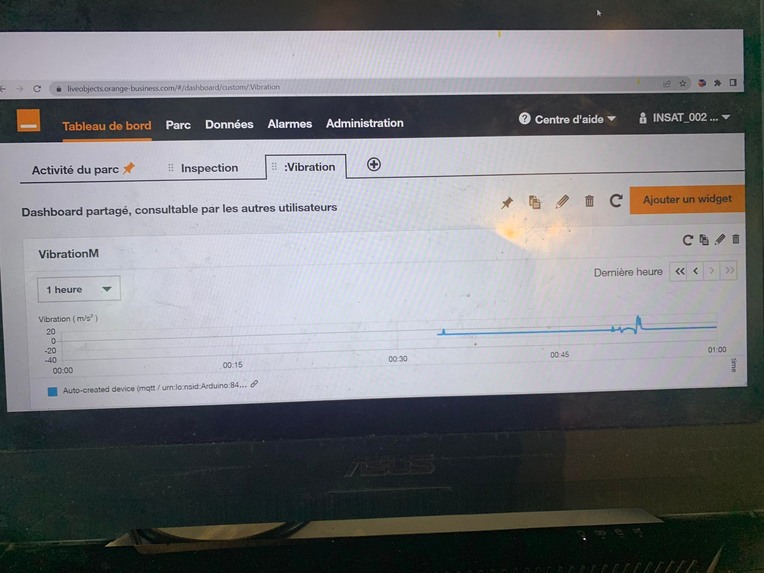
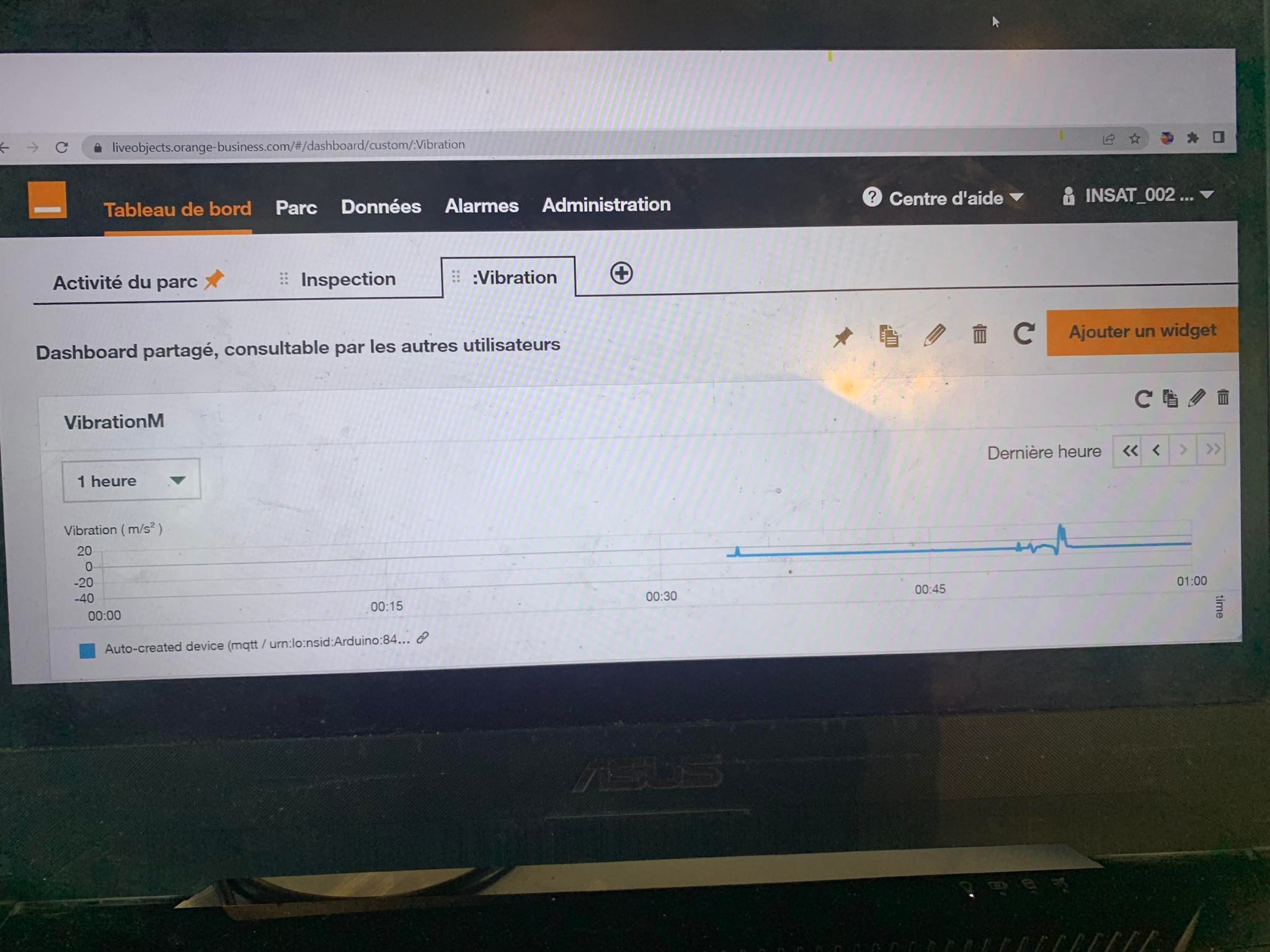
Cloud and LiveObjects
-
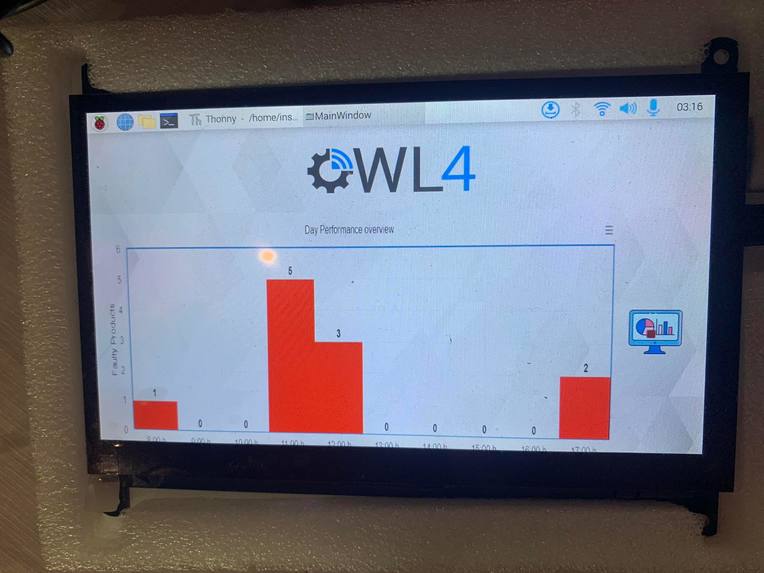
Dashboard screen 2
-
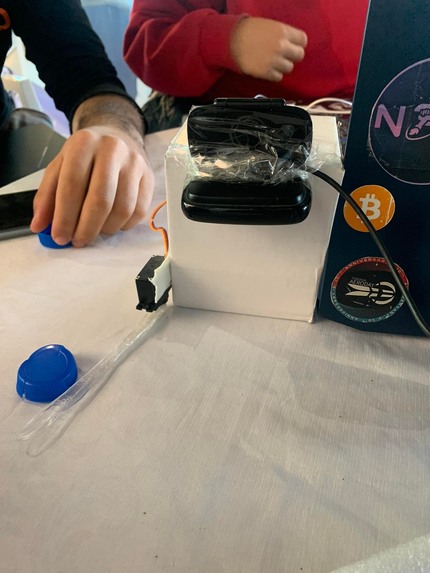
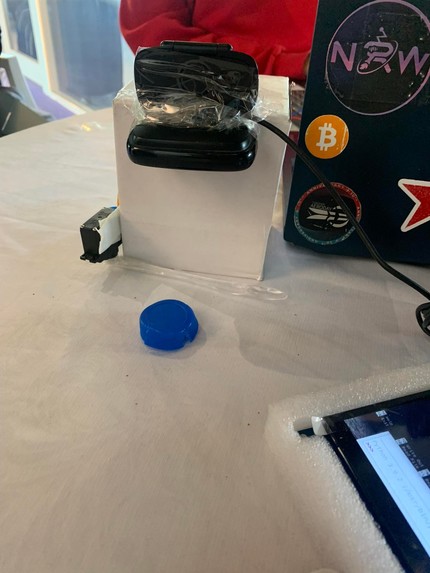
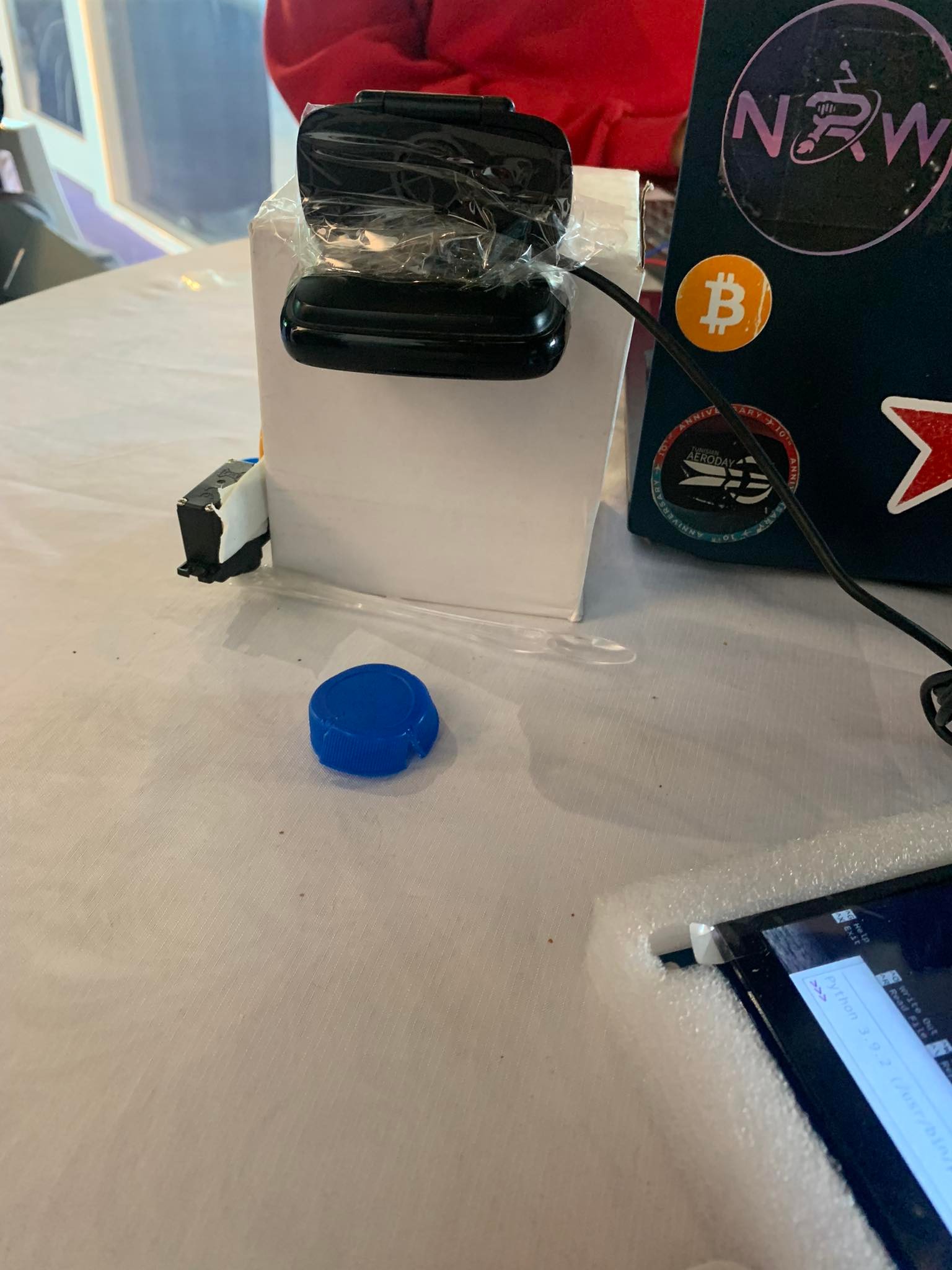
Inspection system
-
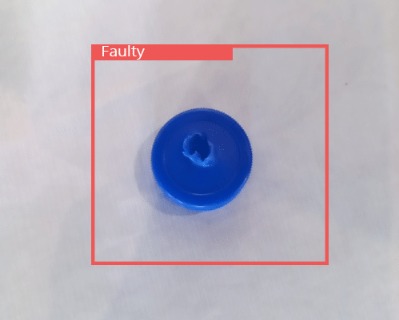
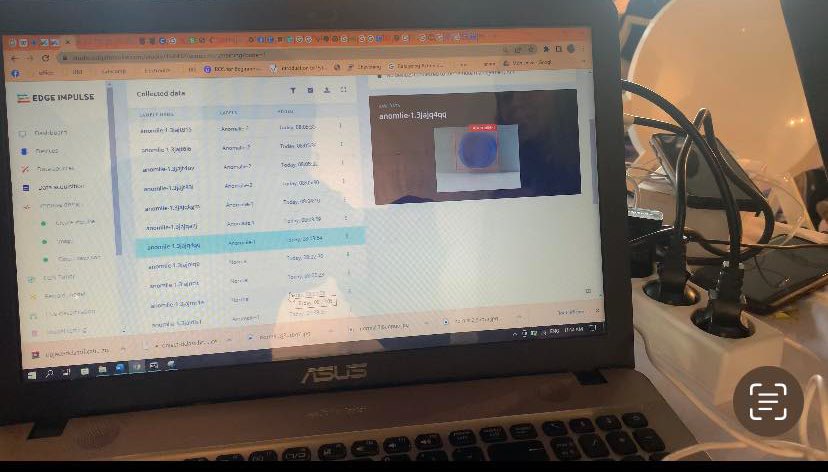
Edge Impulse result
-
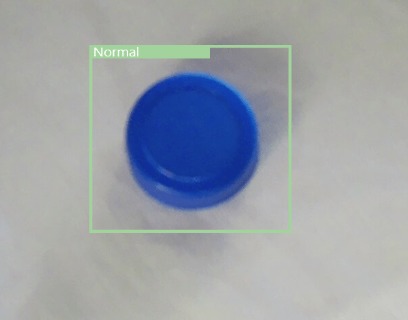
Edge Impulse result
Inspiration
As a team with high passion for Robotics and IoT, We got inspired by diffrent technologies in the Industry 4.0. We have noticed that a good percentage of industries in Tunisia are still using old-fashioned methods and procedures of product inspection which led us to find a convenient solution that can fit into the Tunisian market.
What it does
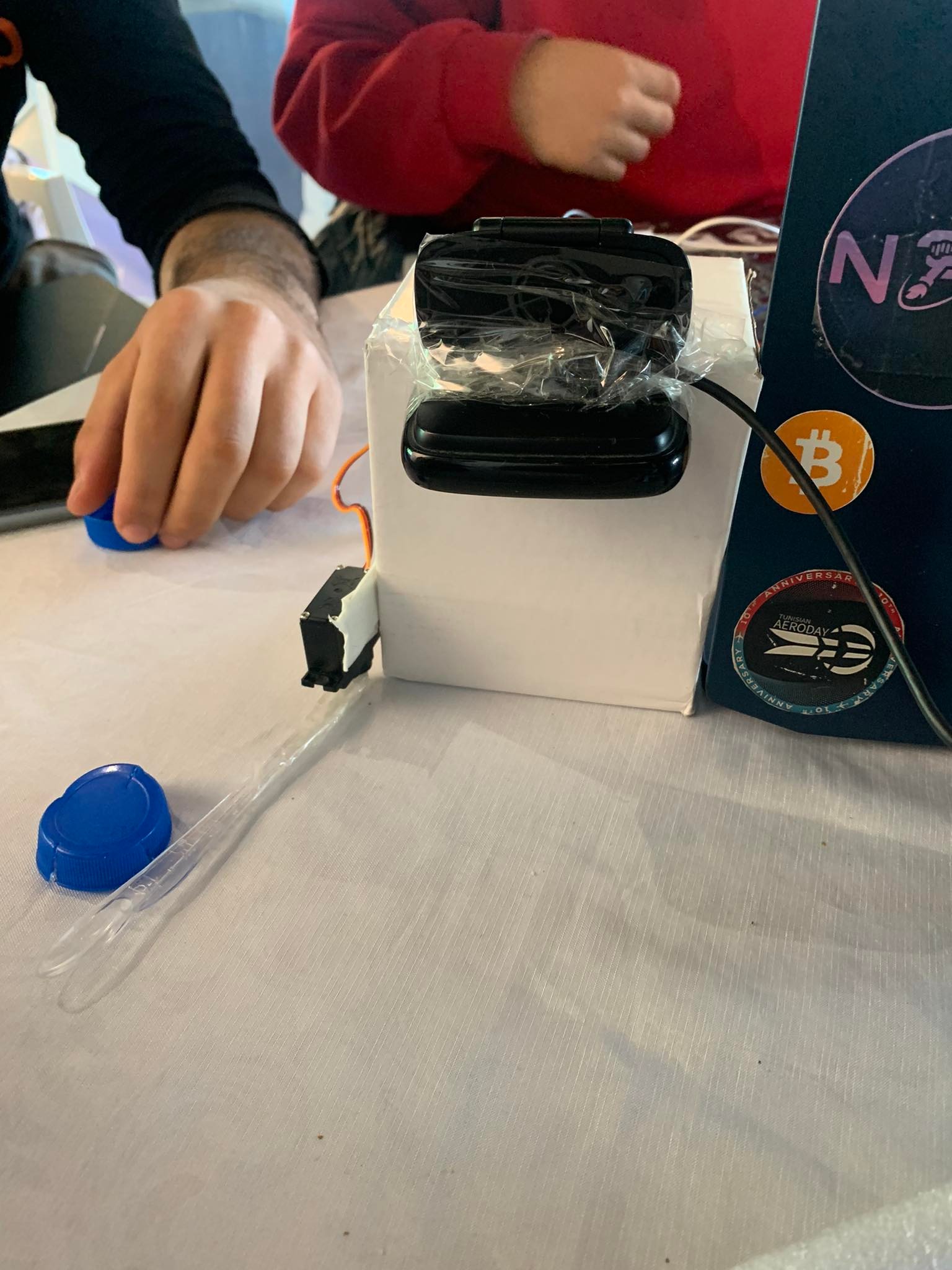
Our product Owl4, is a solution that makes the manual inspection process into a fully automated implemetation, without the need of human intervention.
How we built it
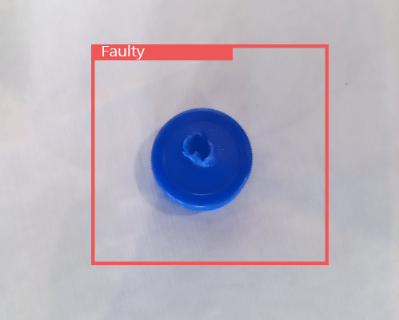
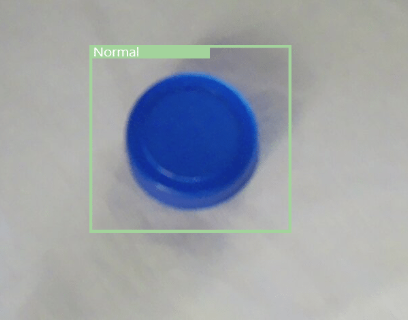
The first step was to have enough data composed of the product in its perfect shape and condition, and other pictures of the product damaged. Then, we trained our model using Edge Impulse that can quickly generates a model easily implemented on a Raspberry Pi. We have enough tests and we have validated the model with a high accuracy (~96%).
We have designed a simple mechanical system using SolidWorks attached to a servomotor that is used to eliminate the damaged products from the main production line. This system is run on an ESP32 and connected to a cloud service and an email API.
We used the LiveObjects platform by Orange Business to store our data to visualize it and to use it for further exploitation. Also, we used the SMTPLIB API to send en e-mail to the head of production whenever an anomaly happens.
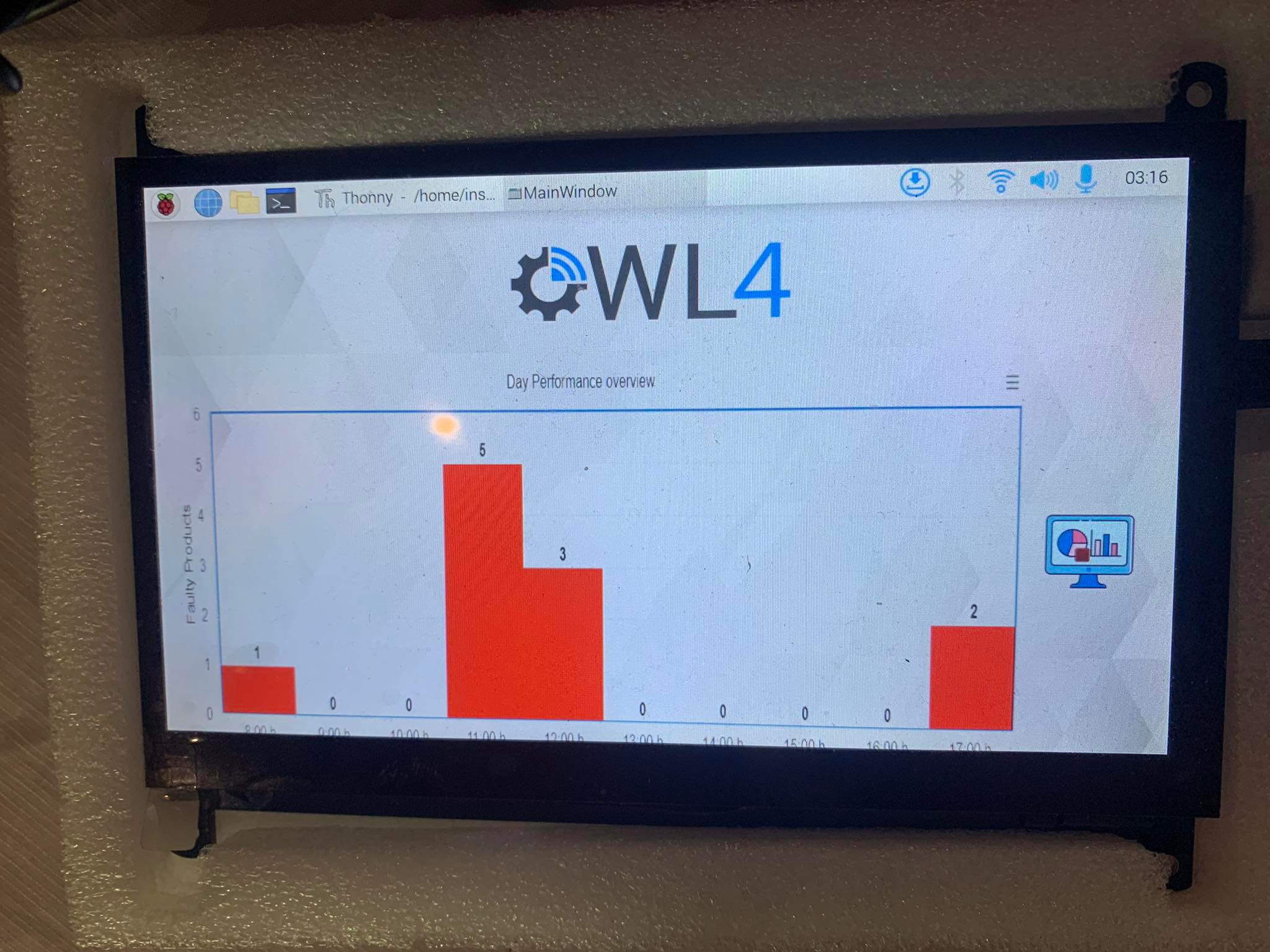
On the other hand, we have a developed a dashboard using Qt framework that displays our data in real time in a user friendly way, which will be used by employees on-site to easily access to the machine performance.
Challenges we ran into
Among the many challenges we faced is the complexity of our idea, It consists of many modular functionnalities. During the brain storming phase each one of us suggested many sophisticated functions and going through the actual implementation we chose to maintain the only needed parts
In this challenge, we were exposed to many new technologies that we have never worked on. It was our first time running an AI model on a RaspBerry Pi. Good enough, that Edge Impulse was a friendly framework that made it easier for us to train a model and see good results quickly.
Also, It was the first time we heard about the LiveObjects platform. We took as a challenge to include it in our solution that will facilitate the communication with the cloud. We had two members learning this new technology throughout the makeathon and we finally reached to implement it in a real project.
Accomplishments that we're proud of
During the makeathon we did a lot, To start with we created our own dataset for the anomaly detection model, Despite the fact that using a ready dataset will make it easier we chose the right and difficult part.
For the connectivity aspect of our project we chose two different layers, The first one is sending real time emails to managers in case of any major updates, We also used Live Objects to push all data to the cloud and monitor your machines condition to do so we used MQTT Connectivity between the Raspberry pi4 that detects the product and the ESP32 that take the action via UART
Talking User Experience and GUI we are proud of our QT interface the thing that allowed realtime updates and state monitoring. Our HMI is user friendly and provides a decent UX.
The big challenge for us was to link our different nodes together. The Master, in this case the Raspberry Pi played a critical role linking all different aspects since our wok was modular and divided between all our members.
Last Our connected sensors to the ESP32 Provided a bigger picture on the current state of the machine.
What we learned
In the makeathon we for sure made a giant step ahead, For the first time and in short notice we learnt about MQTT and used it in order to push our data to the live objects platform. Yet another big discovery is Edge impulse, It made very easy the job of training and deploying AI models to the edge devices. We also learned about the process of creating a dataset, we found out about Data augmentation and how it could help us reach bigger performances since the process of generating our dataset lies under strict rules such as data balance Using QT was also a major upgrade to our system in order to avoid using ordinary displays.
What's next for Owl4
While visual inspection can yield to great results. We will be focusing more on acoustic inspection that allows us to make better decisions and inspect more objects in more fields where visual inspection is not enough. Also, we believe that our project can be more scalable to other products and industries and we are ready to make it reality. Also, we are looking forward to implement q TIME Series model in order to predict future anomalies.
Built With
- ai
- camera
- data
- edge
- esp32
- impulse
- iot
- liveobjects
- mqtt
- python
- qt
- raspberry-pi
- science
- smtpblib

Log in or sign up for Devpost to join the conversation.