-
-
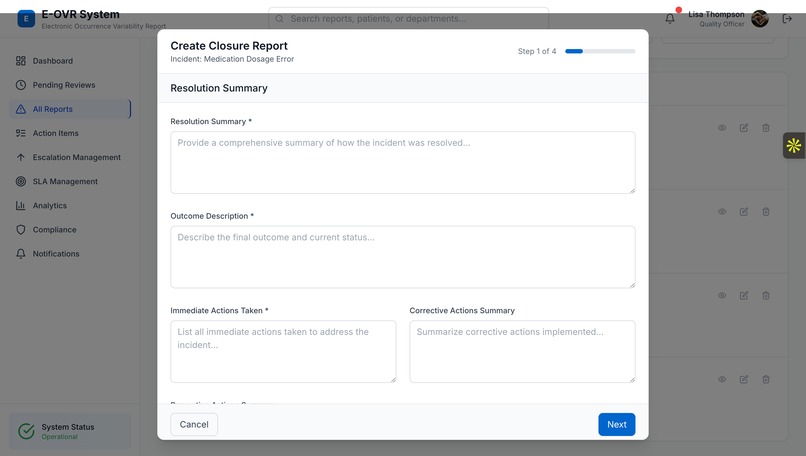
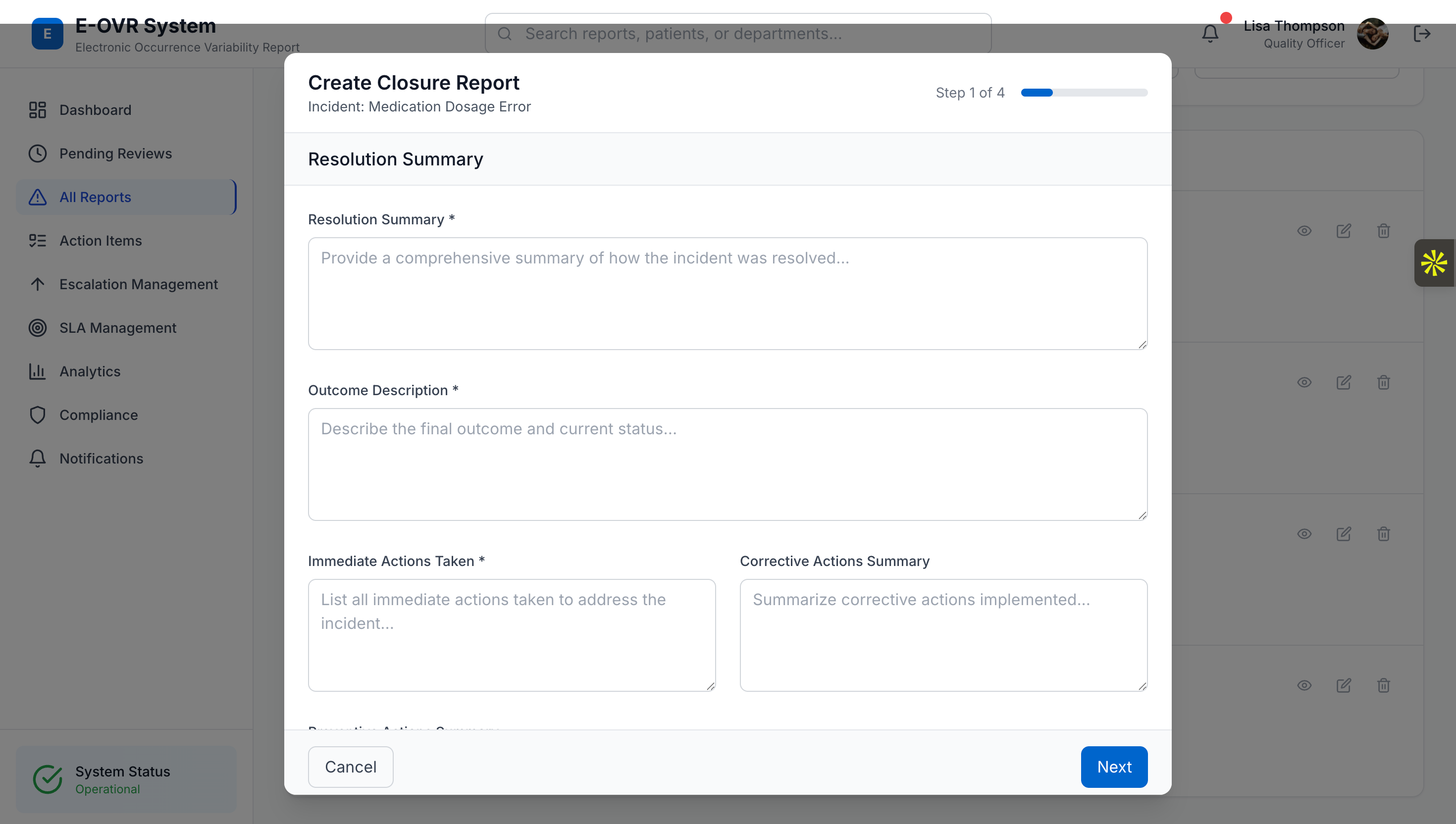
Closure report on the Incident
-
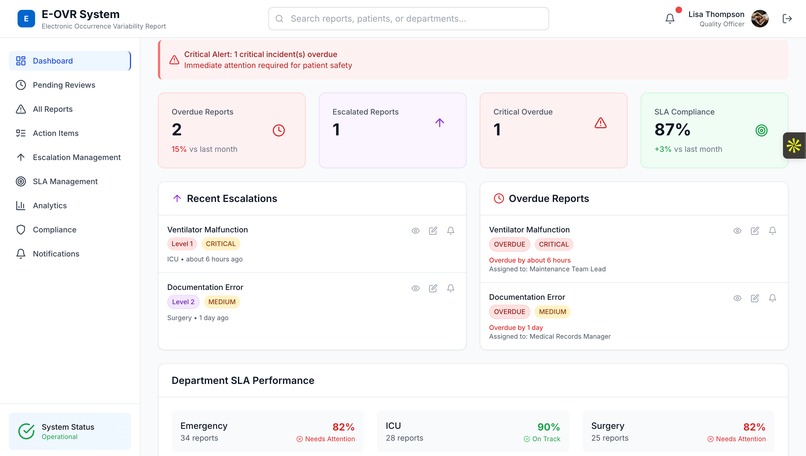
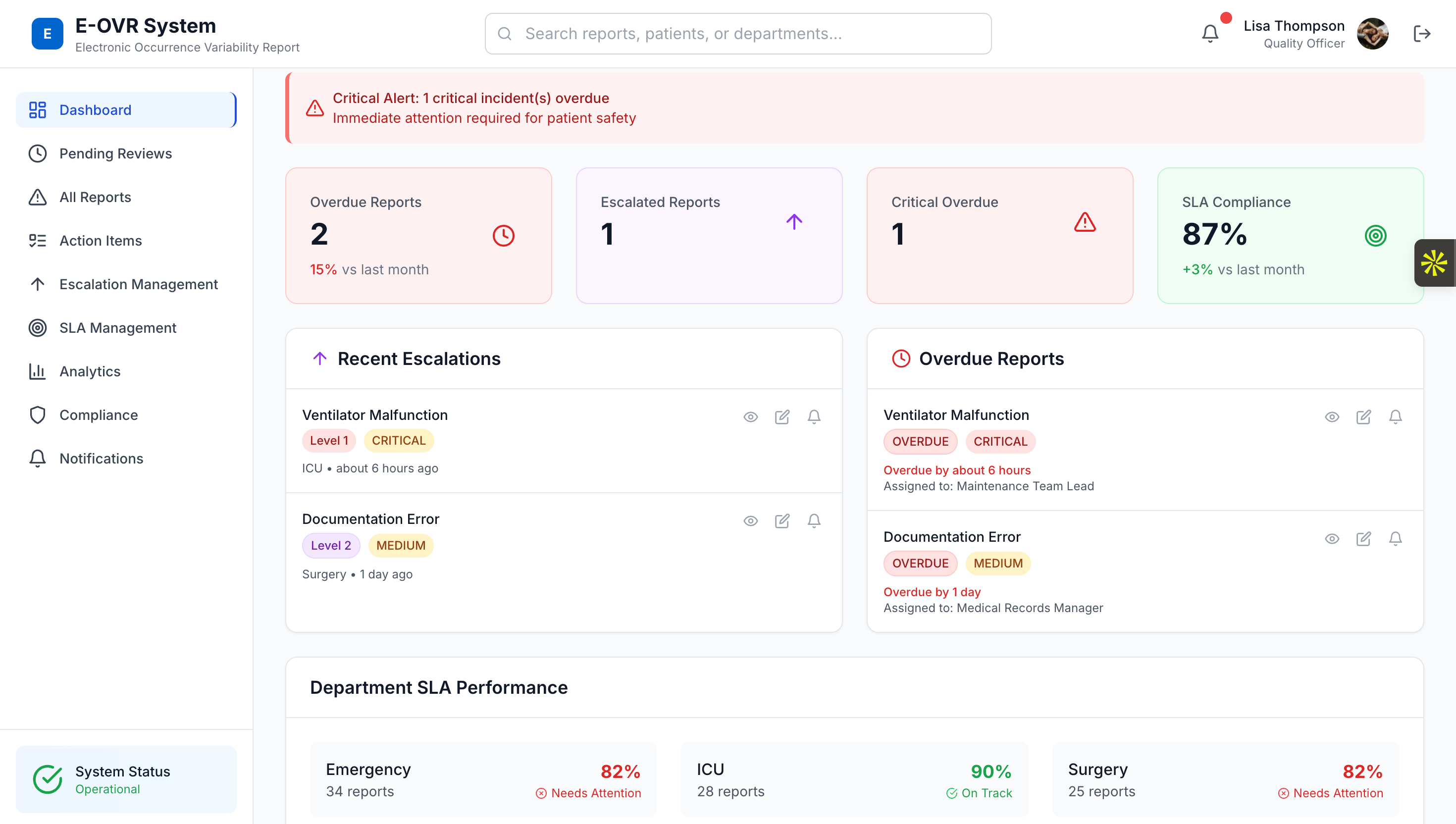
Stats for the system
-
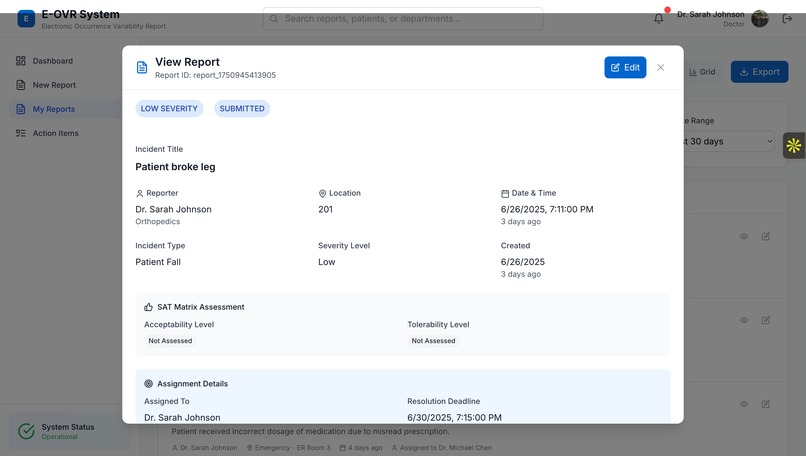
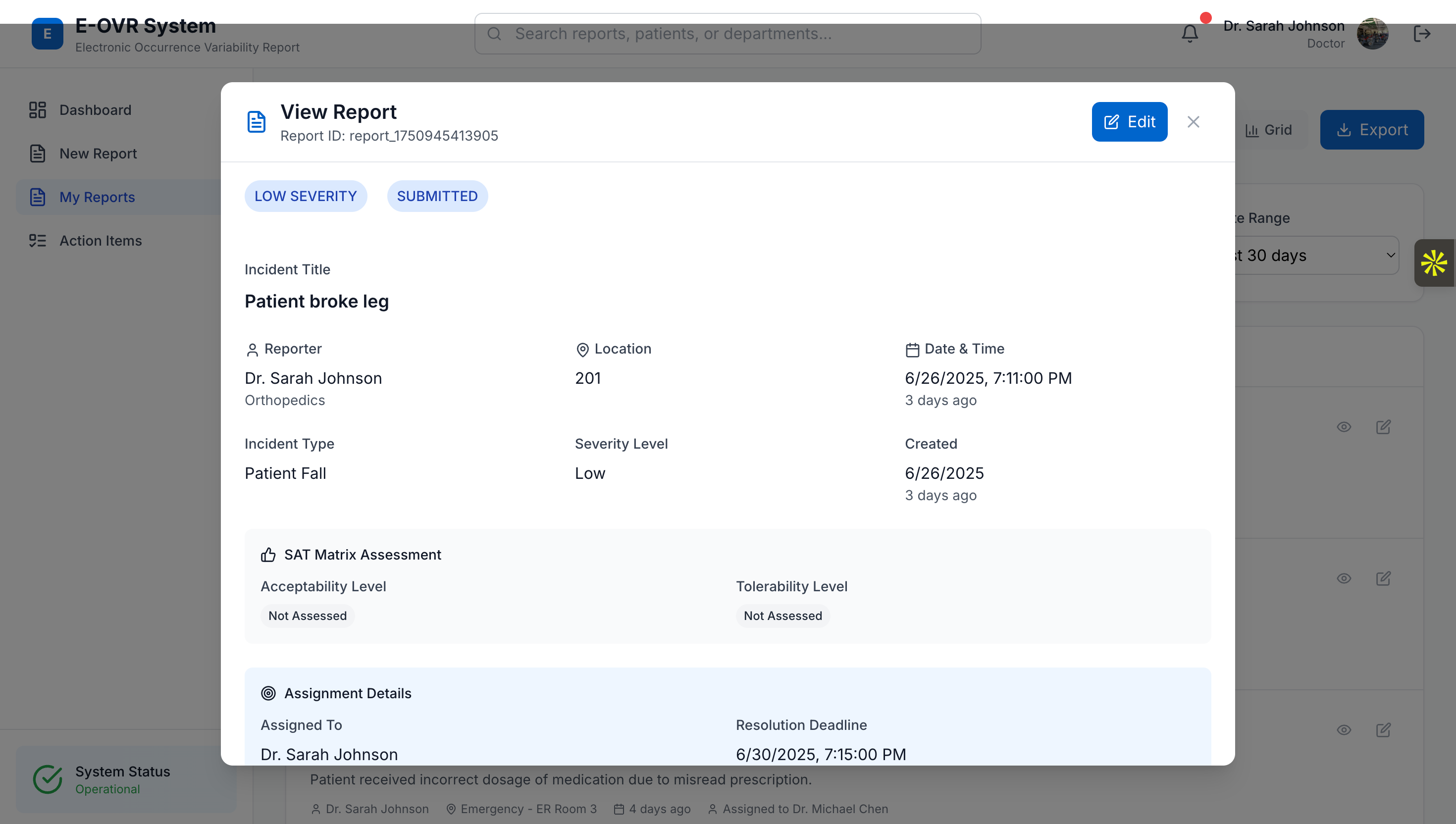
Incident Report
-
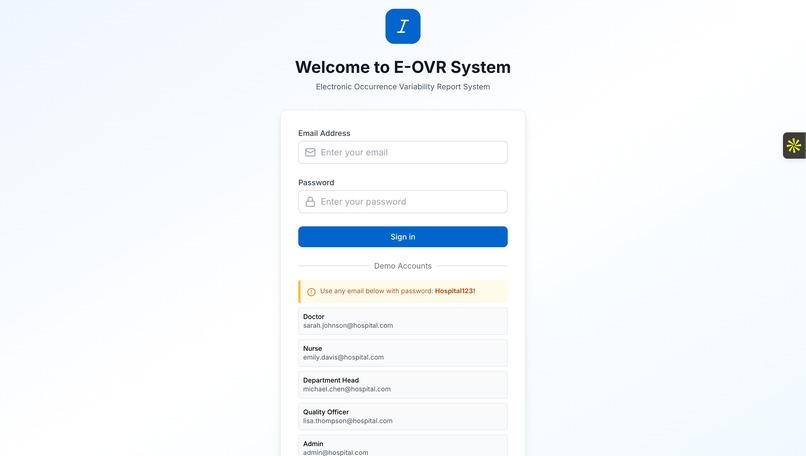
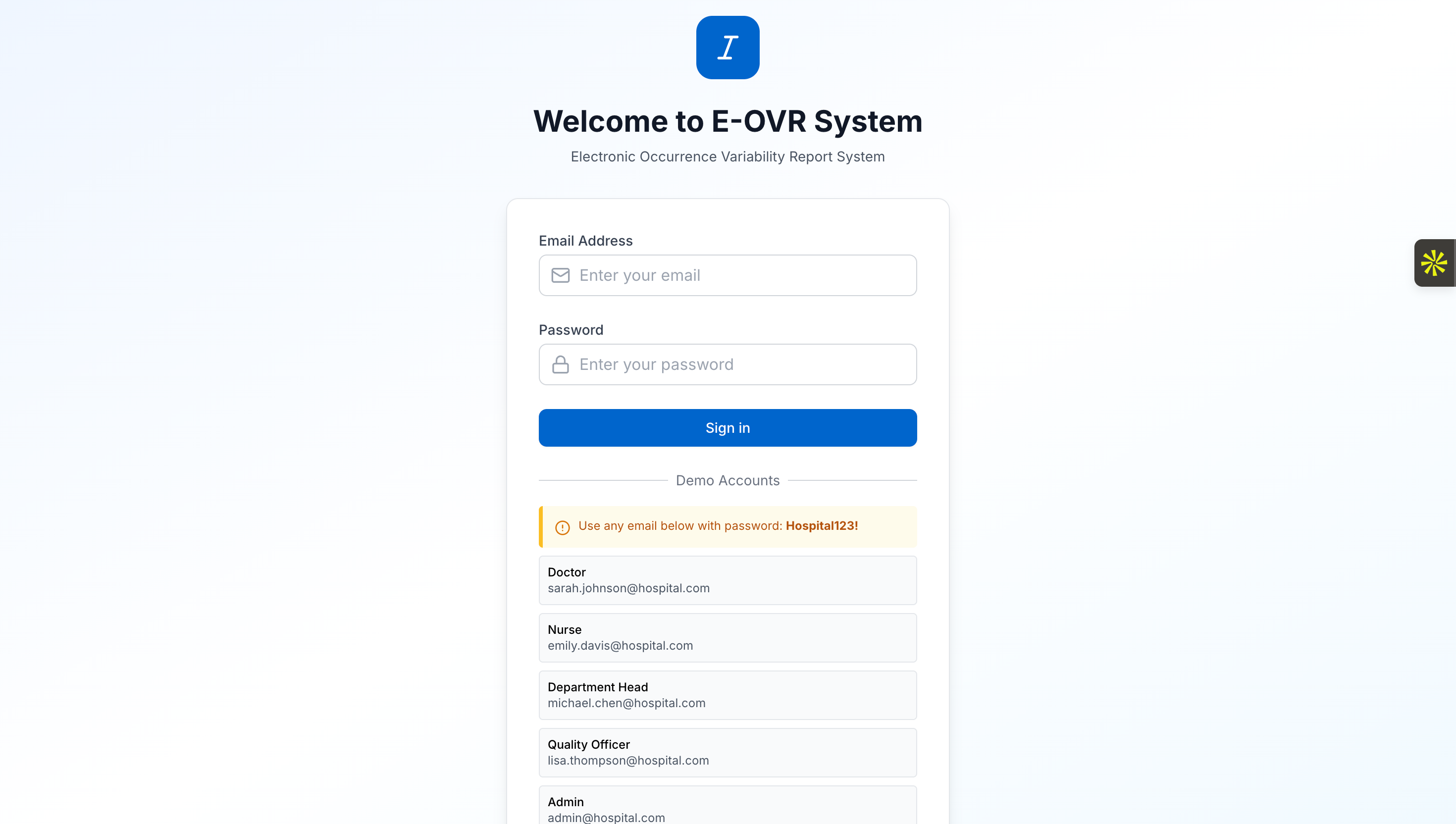
E- OVR Login
-
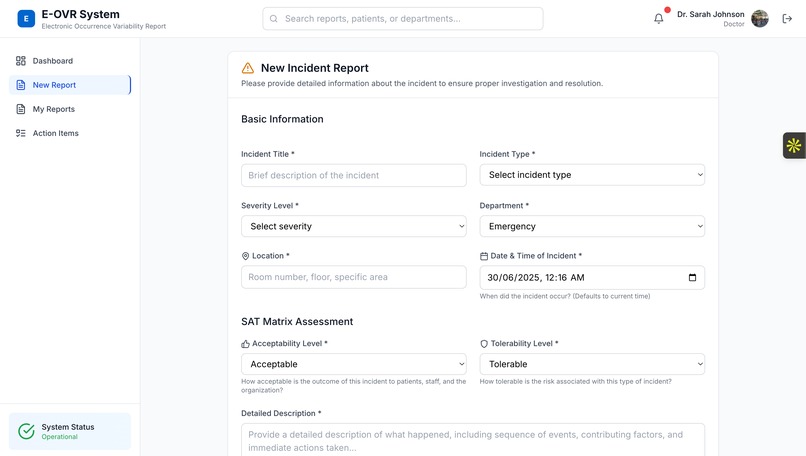
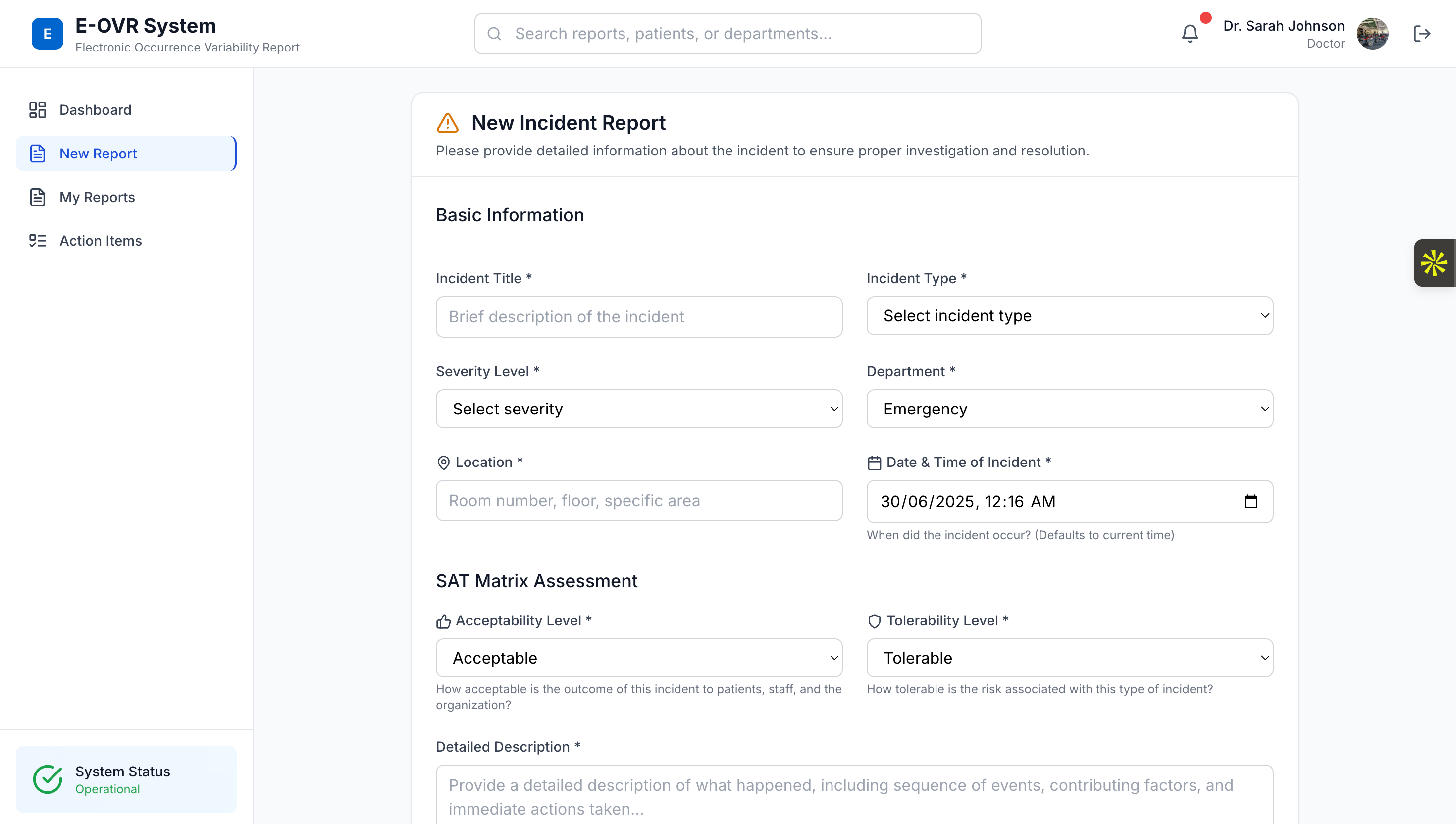
New Incident Report
OVRDesk – E-OVR Incident Reporting System
🚀 Inspiration
This project began with a LinkedIn lead — a hospital searching for an E-OVR (Electronic Occurrence Variability Report) system. I had always been fascinated by creators around the world building functional software using low/no-code tools. That curiosity sparked an idea: why not try building this real-world hospital solution myself?
With ChatGPT's guidance and the power of a low-code platform, I decided to dive in. What started as an experiment turned into an engaging, hands-on journey — one that taught me new tools, introduced me to the healthcare tech domain, and helped me bring real impact to a live project.
💡 What it does
OVRDesk is a complete incident reporting and safety management system designed for hospitals. It helps them:
- Report and track workplace and clinical incidents
- Conduct Root Cause Analysis (RCA)
- Escalate issues department-wise and assign accountability
- Define and track SLA timelines
- Generate closure reports and audit logs
- Implement precautionary and preventive measures
- Ensure compliance with standards like NABH, HL7, HIPAA
It doesn't just record incidents — it helps hospitals fix them, learn from them, and build a safer, more efficient healthcare environment.
🔧 How we built it
I built the MVP using a powerful no-code/low-code tool, guided by prompts and structured planning through ChatGPT. Each step — from form workflows to escalation trees, from RCA modules to dashboards — was iteratively developed. I gradually expanded the features:
- Started with basic incident reporting
- Added RCA tools and SLA tracking
- Integrated departmental escalation system
- Built compliance-ready modules (NABH/HL7/HIPAA)
This was an agile, evolving development process fueled by curiosity and use-case validation.
🧱 Challenges we ran into
- Understanding the specific operational needs of hospitals (NABH workflows, RCA methodology, etc.)
- Creating a balance between ease of use and regulatory depth
- Structuring complex workflow escalations without custom code
- Adapting the tool for compliance (HIPAA, HL7) with a no-code approach
- Designing dynamic reporting for different user roles
🏆 Accomplishments that we're proud of
- Built a commercial-grade app using only a no-code tool and ChatGPT guidance
- Delivered a fully functional, branded, client-facing application
- Implemented professional features like auto-escalation, SLAs, departmental assignment, and real-time RCA workflows
- Created something that genuinely helps hospitals improve safety and operations
- Positioned the app for use in other industries like manufacturing with minimal adaptation
📚 What we learned
- Deep understanding of healthcare operations, patient safety, and compliance
- How to use low-code tools to build enterprise-grade applications
- How to ask better questions and structure development with AI support
- The power of iterative design and early feedback in real-world deployment
- That a solo developer with the right tools can solve complex industry problems
🔮 What's next for OVRDesk
- Full HL7 and HIPAA integration for broader global compliance
- Expand to more hospitals across India and overseas
- Add more modules: training tracker, risk registers, PSO reports, patient feedback loop
- Build tailored versions for manufacturing, aviation, and other high-risk sectors
- Launch a SaaS platform for consultants and hospitals to self-onboard
The journey of OVRDesk is just beginning — and it's being shaped by real needs, real users, and real impact.
Built With
- react
- recharts
- supabase
- typescript
- vapid
- vite
- web-push


Log in or sign up for Devpost to join the conversation.