-
-
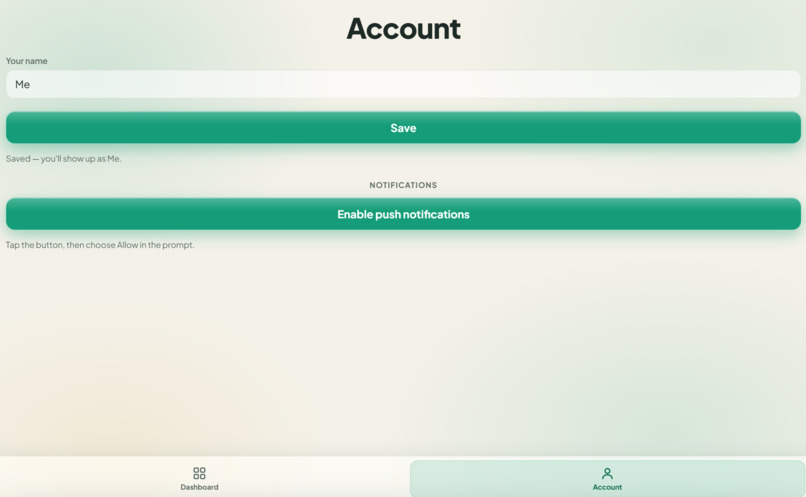
Worker account
-
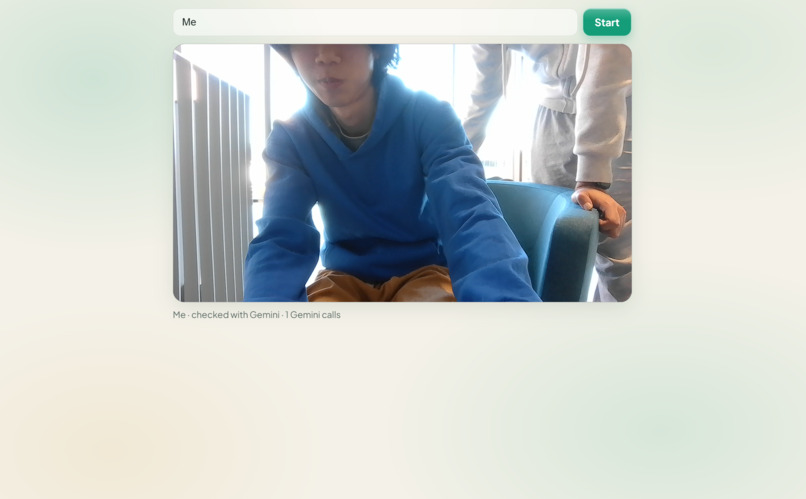
Camera setup
-
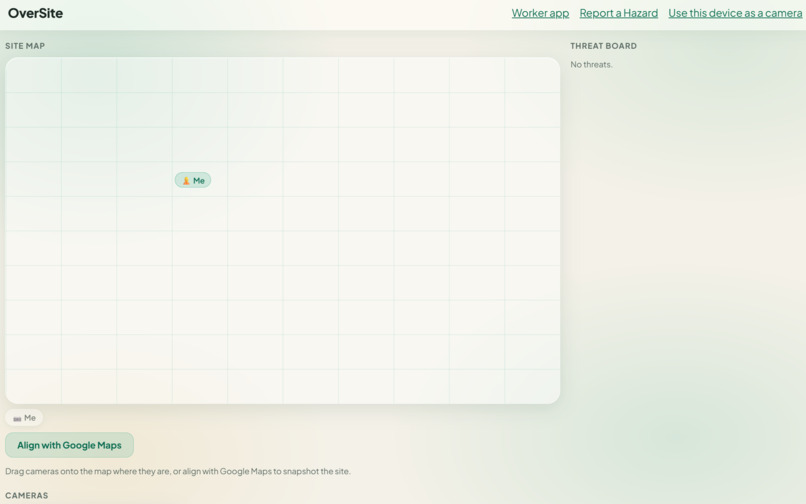
Dashboard
Inspiration
Every year, over a million people lose their lives to work-related accidents and injuries, including those in the construction industry. Behind every statistic is a person, a family, and a future that was cut short. Existing safety measures only come into play after something has already gone wrong. Security cameras can only passively record; they can't actively intervene in a dangerous situation. Protecting workers shouldn't be reactive; it should be proactive, because at the end of the day, every worker deserves to make it home safely.
What it does
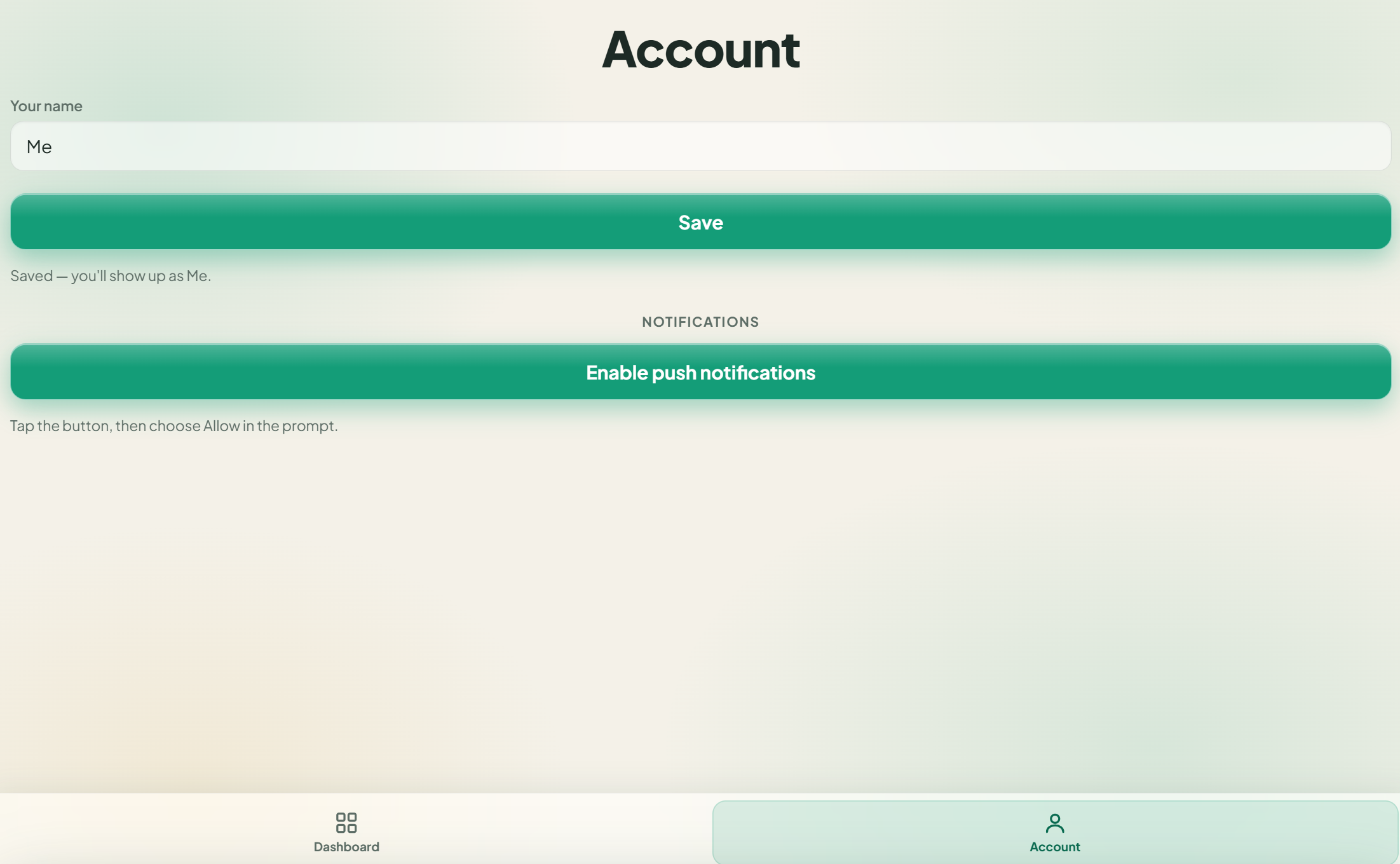
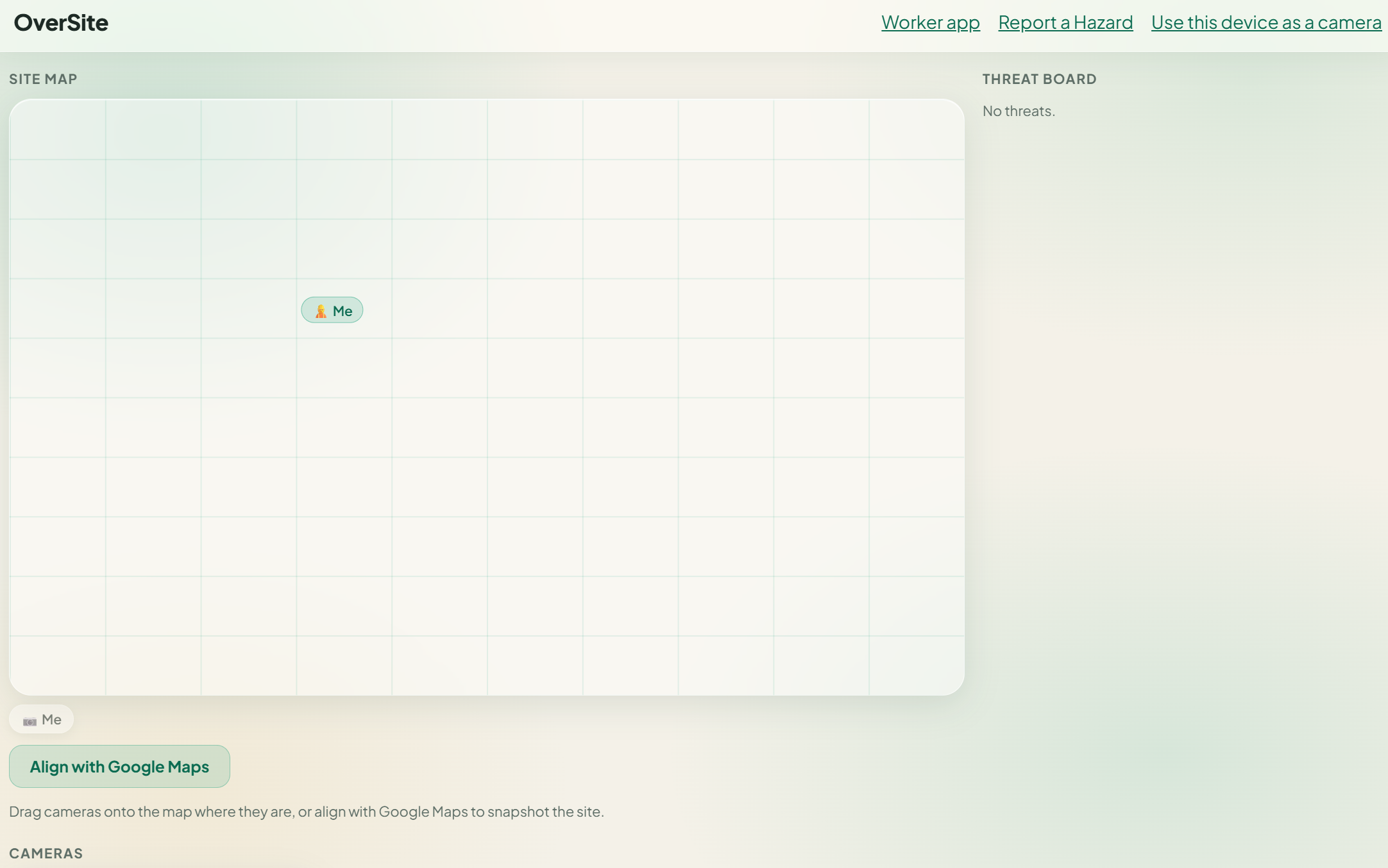
OverSite transforms existing security cameras into an intelligent safety monitoring network. Using AI computer vision powered by the Gemini API, it analyzes camera footage to identify potential hazards and alerts workers and managers so they can respond quickly. Managers can monitor threats through a centralized dashboard, while workers receive notifications and can submit reports of their own. By integrating with existing security infrastructure, OverSite makes proactive workplace safety more accessible without requiring expensive new hardware.
How we built it
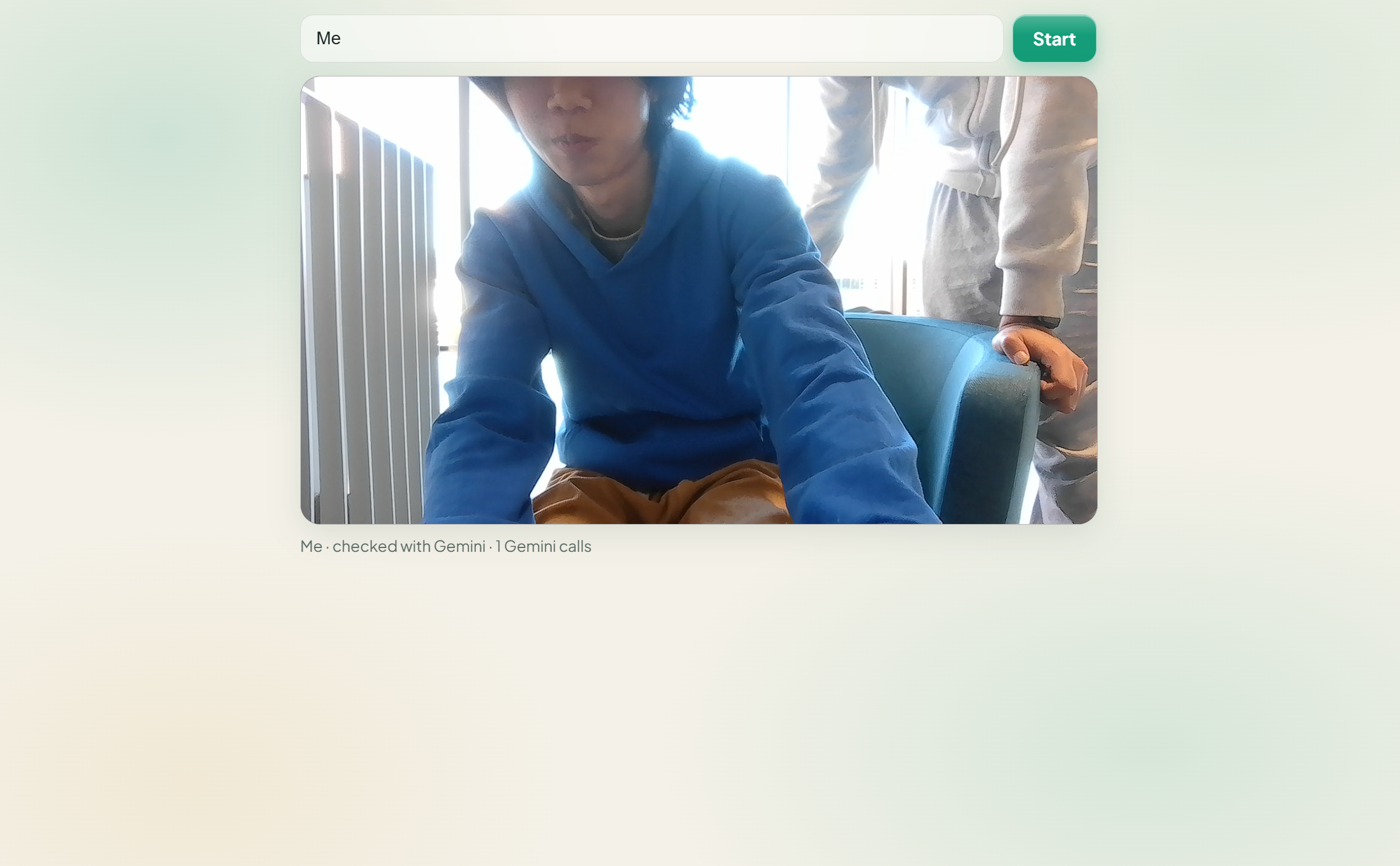
We built OverSite as a full-stack application using Rust, with Leptos for the frontend and Axum for the backend. Cameras connect to our network through a simple link or QR code, allowing us to integrate with existing security infrastructure. Our system periodically captures camera frames and sends them to the Gemini API for analysis, identifying potential hazards in the footage. When a threat is detected, the system flags it for managers and alerts workers through our worker app. We also developed a centralized dashboard for monitoring threats and a reporting system that allows workers to contribute to workplace safety.
Challenges we ran into
One of our biggest challenges was establishing reliable communication between our cameras and the server. Making the camera feeds accessible across different network environments was more complicated than we initially expected, especially when working with Cloudflare Tunnels. We had to work through networking and connectivity issues to ensure the server could access the feeds reliably. This taught us how important networking infrastructure is when building applications that interact with real-world hardware and external services.
Accomplishments that we're proud of
We're proud that we turned an idea into a working safety monitoring system that brings together AI-powered hazard detection, camera integration, and worker notifications. Instead of requiring specialized hardware, OverSite is designed to work with existing security infrastructure, making it easier to adopt. We're also proud of building the application with a modern Rust-based full-stack architecture and bringing together several different technologies into one cohesive platform. Most importantly, we created a foundation for shifting workplace safety from reactive incident reporting toward proactive hazard prevention.
What we learned
OverSite gave us hands-on experience building a full-stack application with Rust, Leptos, and Axum, technologies that were relatively new to us. We learned how to connect frontend and backend components, integrate external AI services, and work through networking challenges involving camera feeds and Cloudflare Tunnels. We also learned that building an AI-powered product involves much more than connecting an API: reliable data flow, system integration, and a usable interface are just as important as the AI itself.
What's next for OverSite
Our next step is to make OverSite faster, smarter, and more reliable. We want to improve hazard detection, reduce false positives, and move toward more real-time monitoring so workers can be alerted as quickly as possible. We also envision expanding our integrations with existing security systems, adding more detailed incident tracking and analytics for managers, and making the platform easier to deploy across multiple workplaces. Ultimately, our goal is to make OverSite a scalable safety network that helps organizations prevent accidents before they happen.
TO RUN THE PROJECT: Go to our github, Clone, .\run.ps1, Link up cameras and watch it work!


Log in or sign up for Devpost to join the conversation.