Inspiration
Nowadays, in our post privacy-society, we are used to the idea that big corporations know everything about us from what we do online. Overseer seeks to take the next step. Now, you don't even have to be online to have your personal privacy compromised!
What it does
Overseer takes a live input, such a webcam, and does three things:
1.) Identifies individuals who are present.
2.) Gets information about them via their clothing.
3.) Presents this information in a way that it can be used to determine their preferences from properties such as the color of their shirt or pants.
After processing this information, it could be used for targeted advertisements by large companies like Amazon or Walmart; or even by small companies as a way to help meet their customer's preference.
How we built it
In the backend, we used python libraries like OpenCV's Haarcascade and Face_Recognition to identify individuals and categorize different parts of their body. We then used a kRandomCenters algorithm to find the dominant color in the clothing areas, and used a euclidean nearest neighbor to match that with the nearest color in the webcolors.py library.
For the GUI, we used the default python library to display all the data which the backend was scraping.
Challenges we ran into
One of the major challenges of this project is AI clothing retrieval, which is considered difficult even with well trained (much longer than the 24hr hackathon with much more power than our laptops have) neural networks.
Accomplishments that we're proud of
The detect clothing methods we used, while haphazard, are something we are particularly proud of as it was very difficult to find a way to extract data from one's clothing in the timeframe we were given for the hackathon.
What we learned
One of our members had never programmed in python before, so he learned a ton about that. As well, we all learned alot about working with github and frontend backend development.
What's next for Overseer
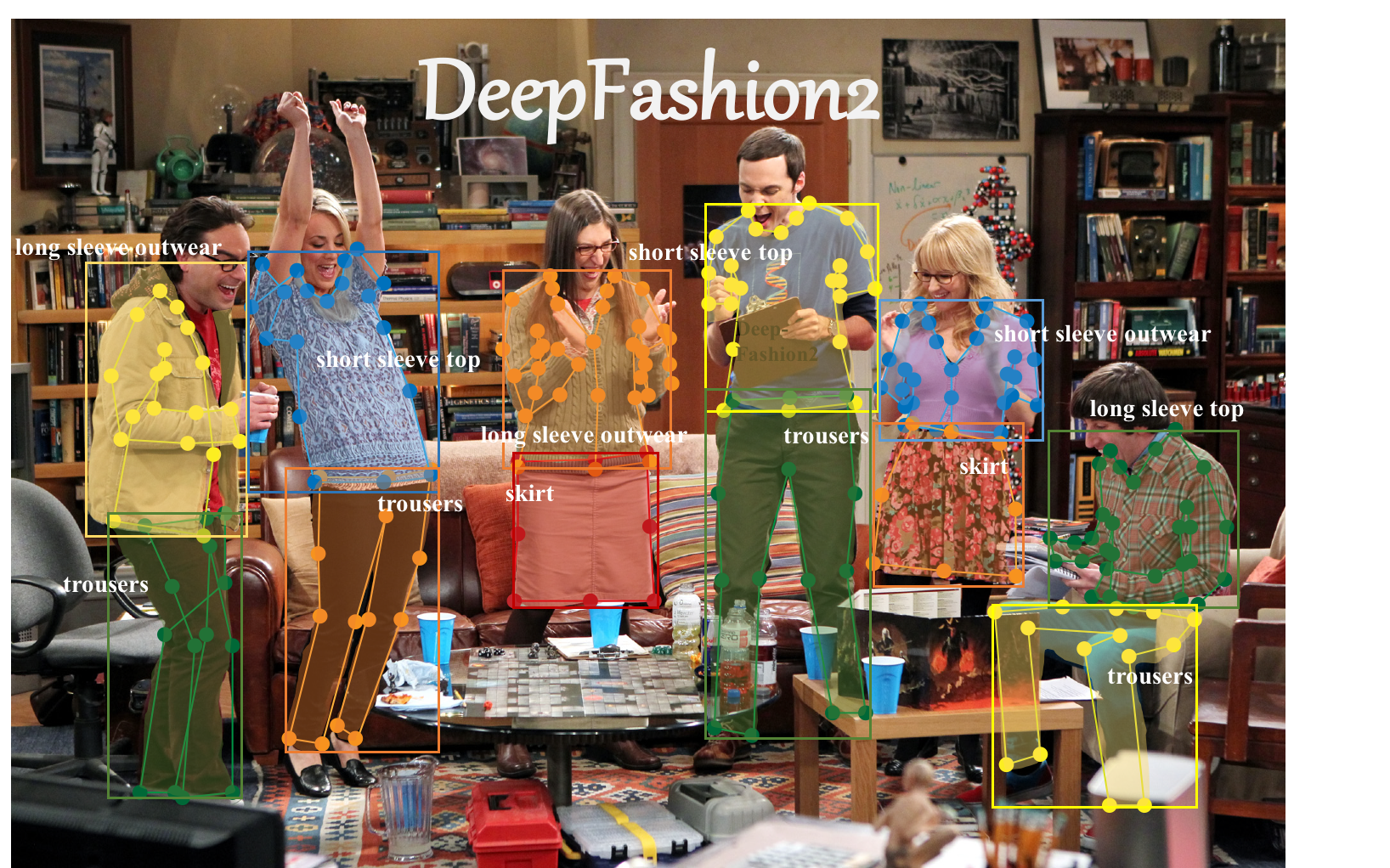
In the future, given time and resources, we could use DeepFashion2 (https://github.com/switchablenorms/DeepFashion2), which is a dataset for training networks to recognize clothing, to generate more advanced and useful data about the clothing people are using. As well, we could work to optimize the facial recognition algorithm such that we could accurately, efficiently, and automatically process and categorize individuals in real time. Finally, we could make a database and combine public data with public feeds to produce a large database of information on present individuals.
Conclusion
If a group of inexperienced newcomer freshman can achieve this in 24hrs, then so can the experts at all the big firms. Personal privacy is going extinct, and with this project, we hope we can also raise awareness as to just how drastically our world will change in the next ten years due to recognition technology.

Log in or sign up for Devpost to join the conversation.