-
-
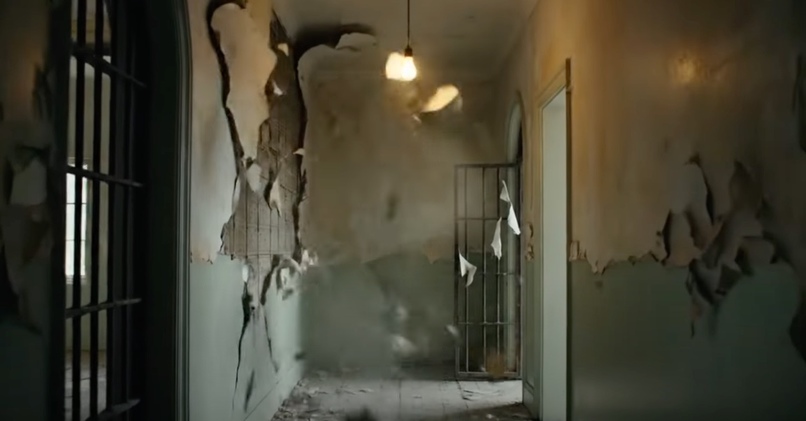
Confined within the decaying walls of another's diagnosis
-
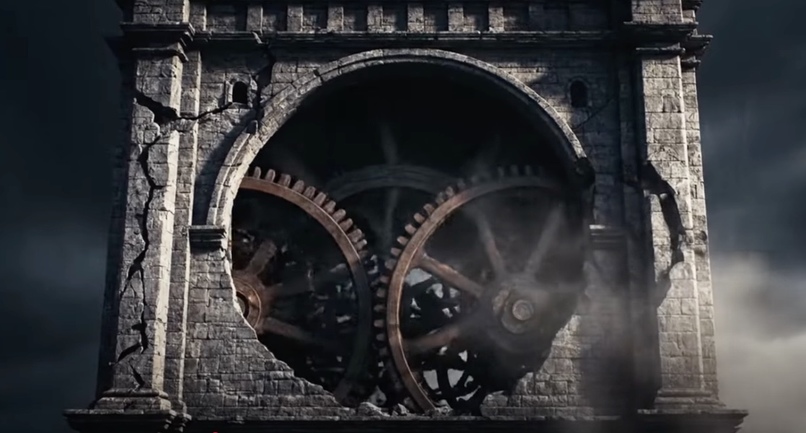
The moment faith in a shared reality shatters into broken gears
-
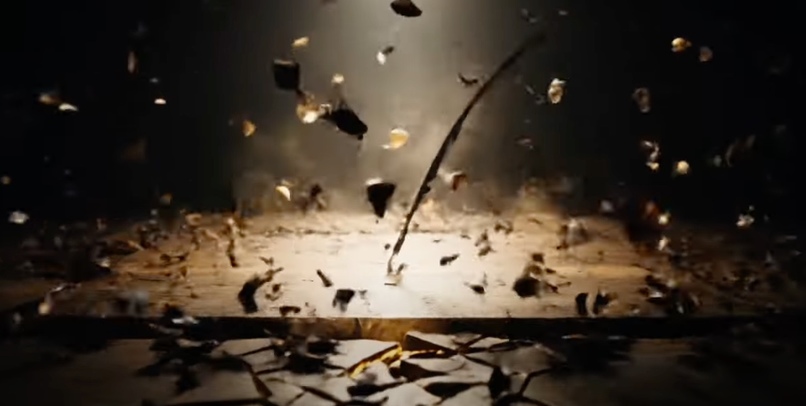
The violent silencing of a voice that dared to define itself
-
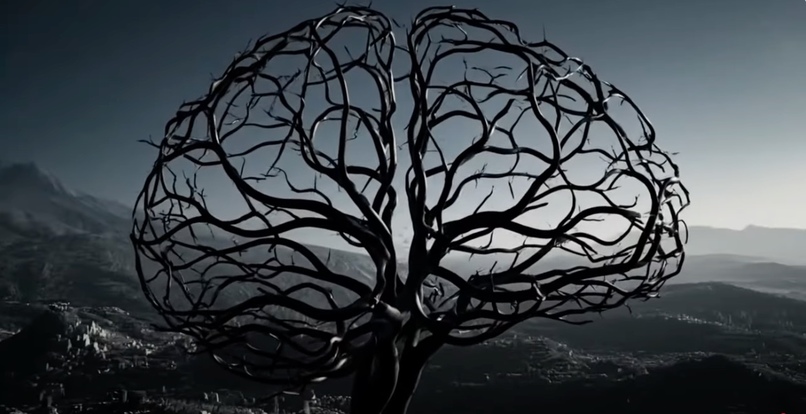
The mind, stripped bare to its roots, endures over a desolate landscape
-
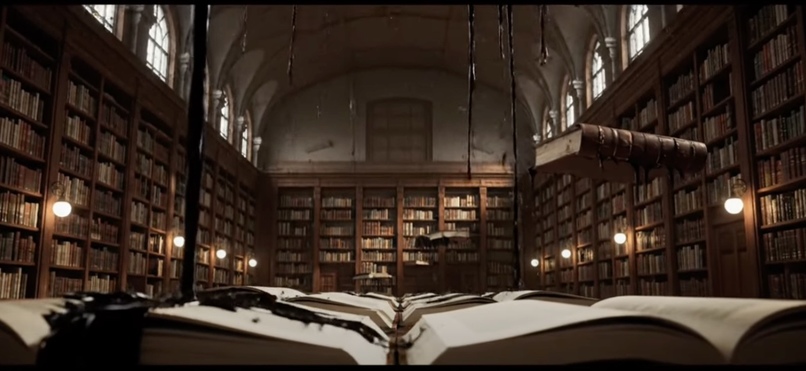
When your personal history is poisoned by another's narrative


Inspiration
Over The Line began with a specific kind of hurt: the moment your thoughts get dismissed as illness. That kind of erasure isn’t loud. It seeps in quietly, making you question what’s real. The video came from wanting to show that—how it feels when your perception is called into doubt and you’re told your mind is broken. I wanted to make that invisible battle visible.
What it does
This is an experimental music video built on industrial sound and AI-generated visuals. It tracks a symbolic journey through psychological trauma, aligning harsh, surreal imagery with the song’s progression. The visuals don’t illustrate the lyrics—they echo the emotional weight behind them. It’s meant to hit on a gut level, not explain. The result is a tightly wound audiovisual experience that lets the viewer feel the collapse and the resistance without needing it spelled out.
How I built it
I used AI at every step, except the lyrics, which clarified the emotional throughline. I cloned my voice with Suno so the vocals stayed grounded in personal experience. I then mapped out the visuals, working through rough sketches that mirrored the song’s mood and structure. From there, I used Google’s Flow and Sora to generate video fragments tied to those concepts. Editing became the final pass—threading together sound and image into one continuous arc.
Challenges I ran into
Keeping the visual language emotionally sharp was the hardest part. AI tools give you striking output, but not always with the right emotional tone. I had to prompt, refine, and re-prompt constantly to avoid imagery that looked impressive but said nothing. And with multiple tools involved, the risk was a fractured aesthetic. Keeping the tone consistent—across sound, voice, lyrics, and visuals—took constant iteration. It wasn’t about making it look good. It had to feel right.
Accomplishments I’m proud of
This project took something abstract and made it visceral. I’m proud of that. It’s easy for AI-driven work to slide into novelty or aesthetic tricks. This doesn’t. It’s technically layered, but emotionally clear. It lands because the tools serve the feeling, not the other way around. The piece lives comfortably in the Experimental / Open category, but I think it also proves something else: that AI can carry serious emotional weight when used with intent.
What I learned
AI’s power isn’t in generating—it’s in conversation. You get results by shaping prompts, rejecting easy outputs, and staying close to your original vision. I learned to treat the tools like collaborators, not shortcuts. The best moments came when I used that feedback loop: visualizing emotion, testing it, then refining until it rang true. It’s not about control. It’s about alignment.
What’s next for Over The Line
This is one piece in an ongoing process. I didn’t start it for a contest—I started it because I needed to make it. Submitting to Chroma felt right because it’s rare to find a platform that takes AI art seriously, especially when it’s not just playful or novel. But the work continues, contest or not. I’ll keep building projects that pull emotion through code, translating internal states into music and image. Over The Line isn’t a conclusion. It’s a midpoint.
Built With
- flow
- logic
- sora
- suno

Log in or sign up for Devpost to join the conversation.