-
-
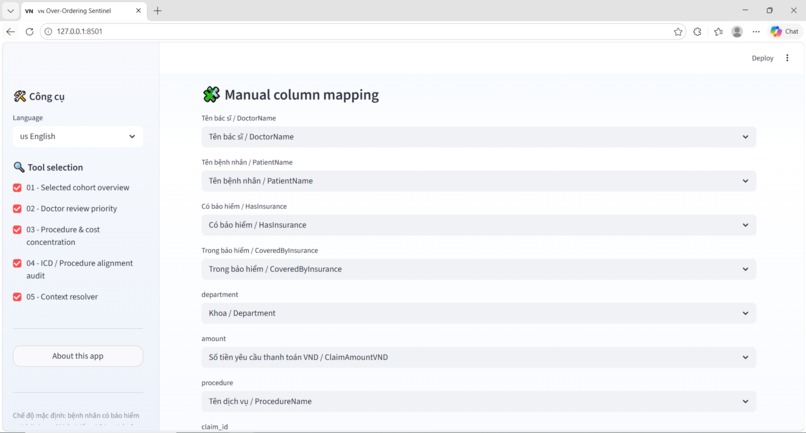
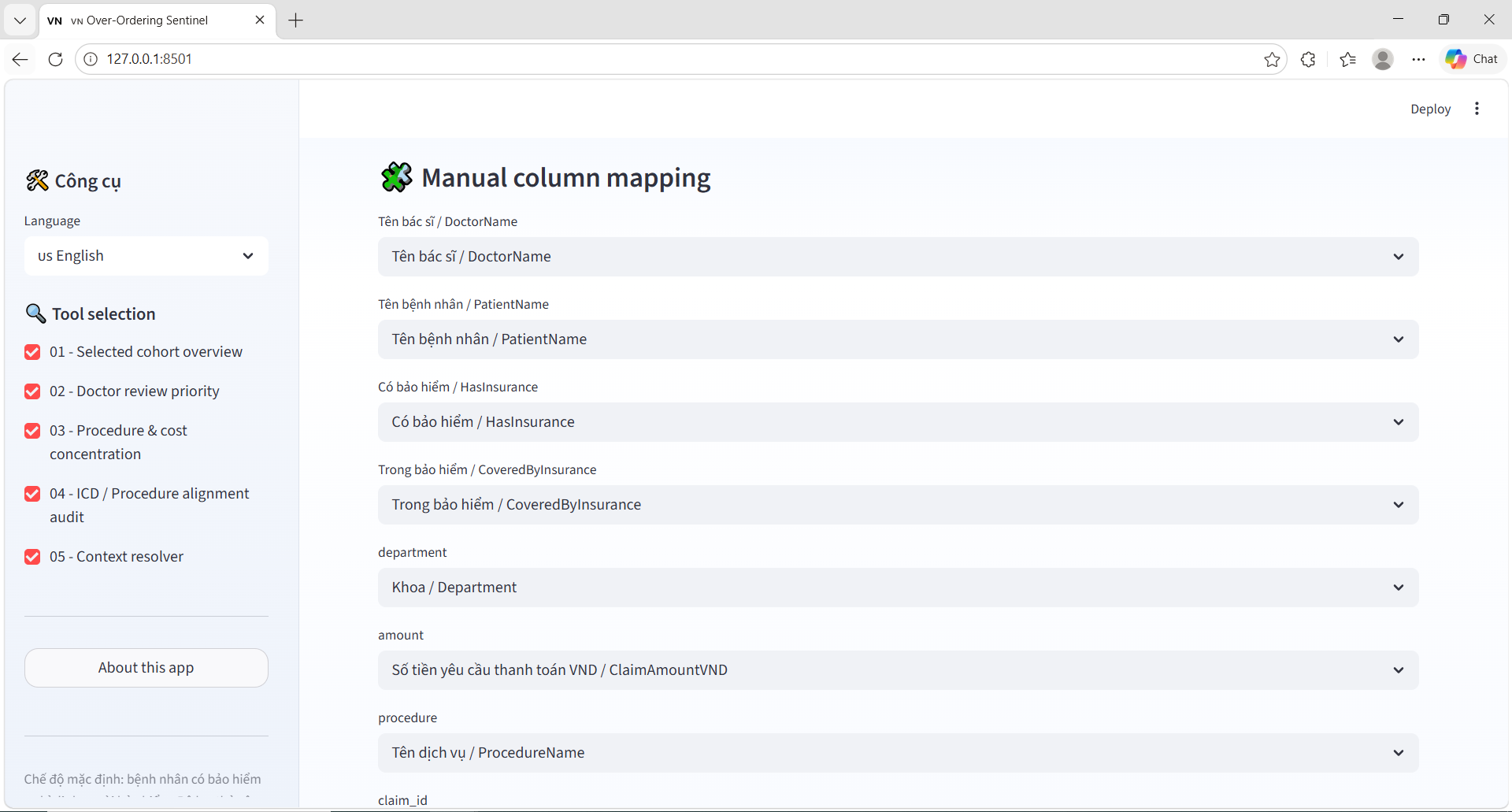
manual data
-
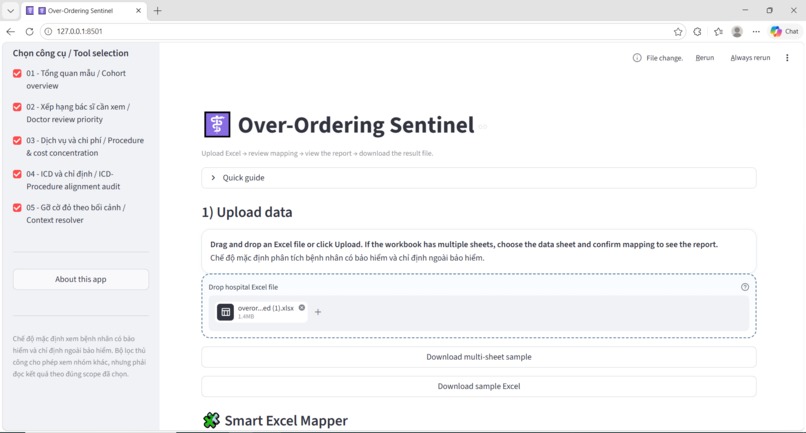
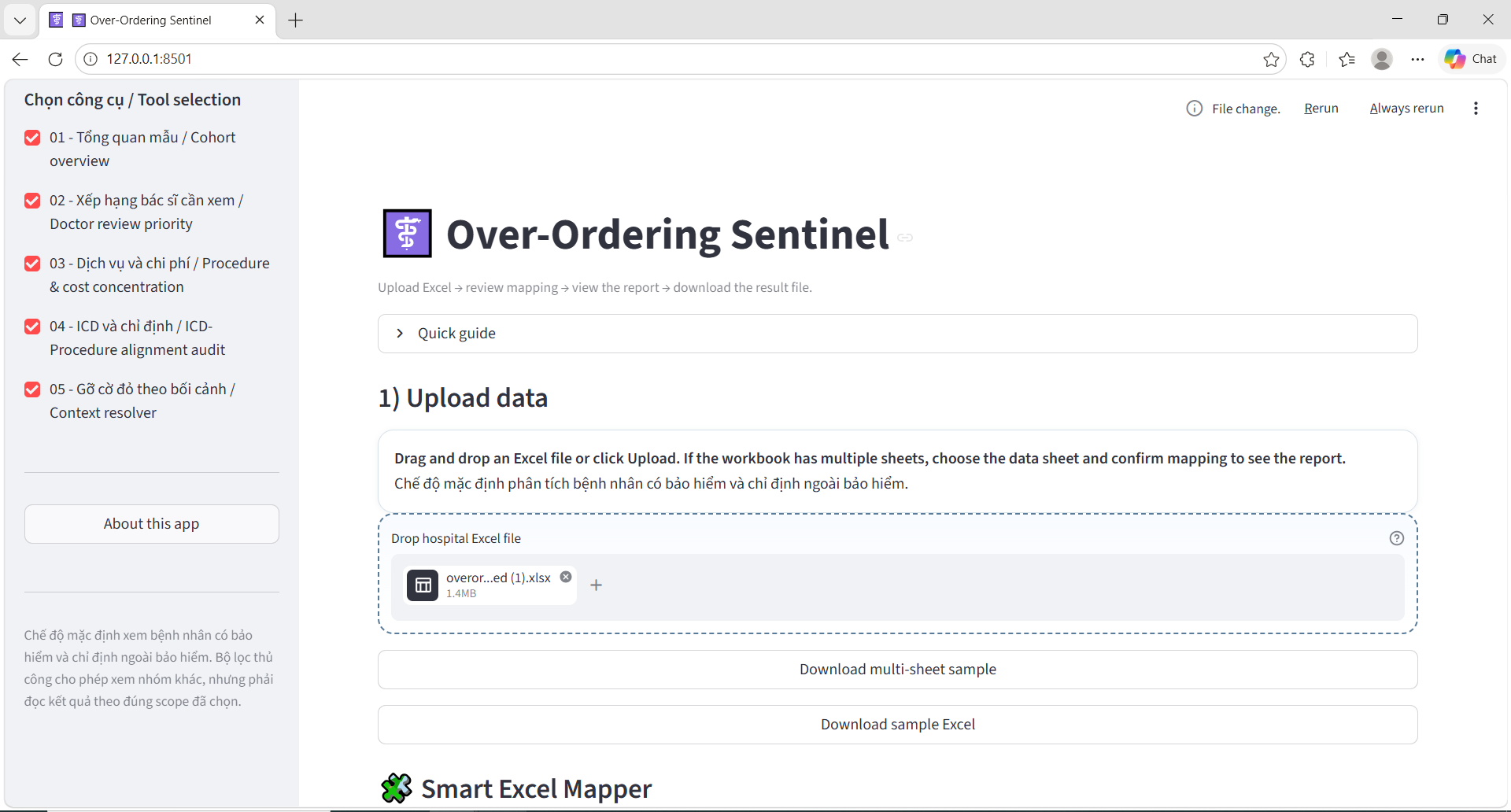
home app
-
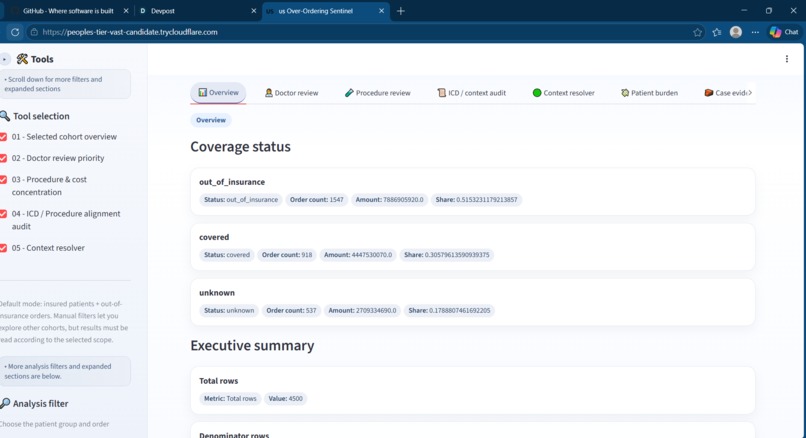
6 tool
-
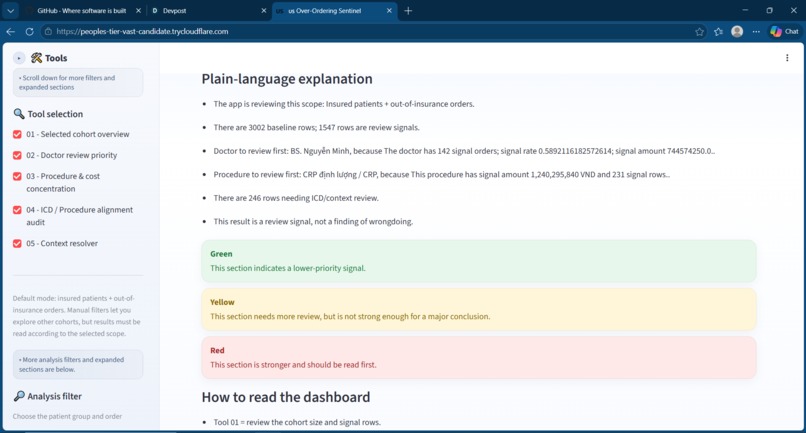
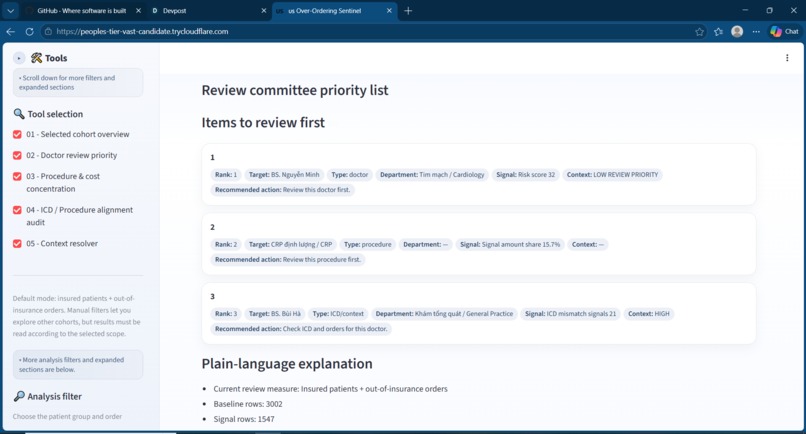
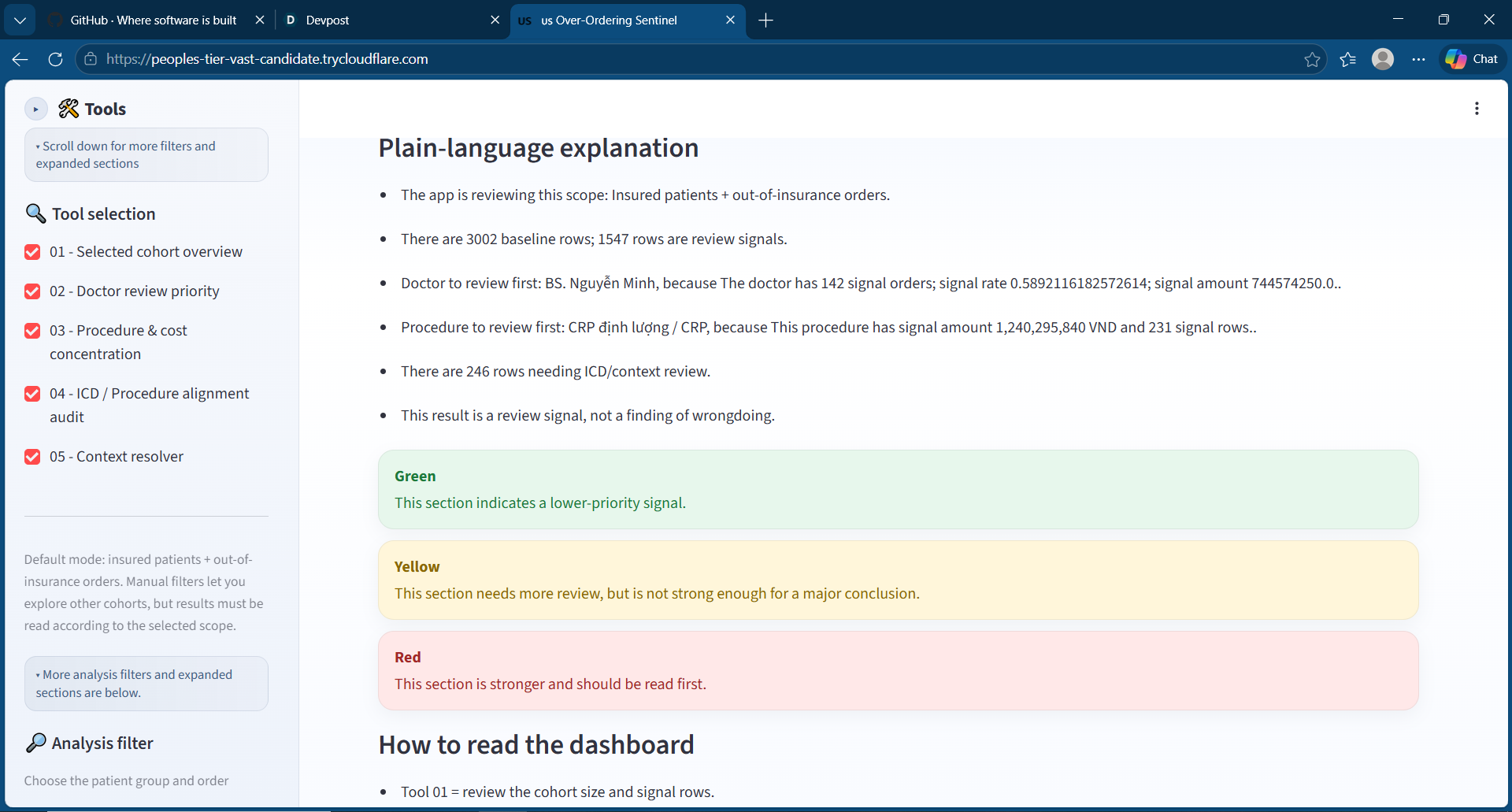
Plain-language explanation
-
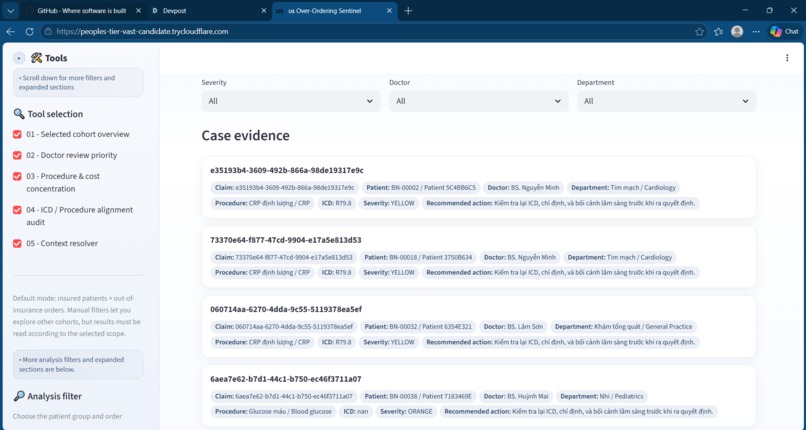
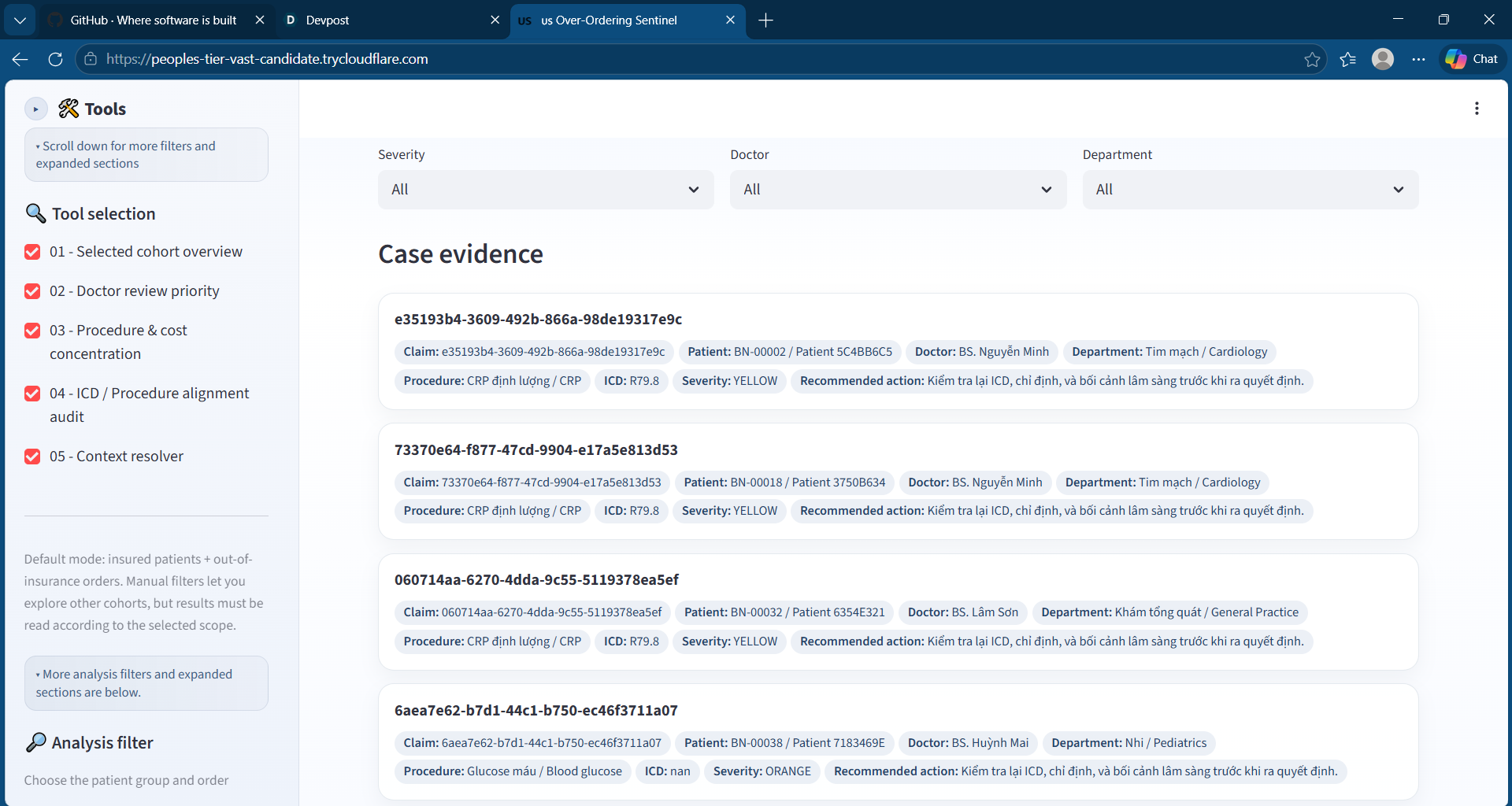
Case evidence
-
tool review
Inspiration
The United Nations set 17 Sustainable Development Goals. Goal 3 is about ensuring healthy lives and promoting well-being for all. Within this goal, universal health coverage is one of the most important targets: people should be able to access healthcare without being pushed into financial hardship.
But in real life, one question still troubles me:
Do insured patients actually get to use the insurance benefits they are supposed to have?
When a patient has insurance, do doctors truly prioritize the covered options that the patient is entitled to? Or are patients sometimes directed toward out-of-insurance tests, imaging, or services that they must pay for themselves, even when they may deserve better protection from the insurance system?
Out-of-insurance medical orders are a grey zone in healthcare. Insurance agencies mainly care about the services they have to reimburse. But when a doctor orders something outside the covered list, the cost often falls directly on the patient. That creates a blind spot: the insurance system may look fine on paper, while the insured patient still ends up paying out of pocket.
In Vietnam, there are many hard-to-verify stories from patients who complain that they were asked to pay for CT scans, MRI scans, or other tests that they did not fully understand or were not sure they really needed. These stories cannot be used to accuse doctors. They are not enough to prove wrongdoing. But they raise a serious question: who is watching the pattern?
That concern is why I built Over-Ordering Sentinel.
This app is designed to support NGOs, medical review boards, public auditors, and healthcare oversight groups in reviewing out-of-insurance medical orders among insured patients. It does not punish doctors. It does not declare fraud. It does not replace clinical judgment.
It works more like a Sword of Damocles above the ordering process: not to attack doctors, but to remind them that every out-of-insurance order should be necessary, explainable, and fair before asking an insured patient to pay for it.
What it does
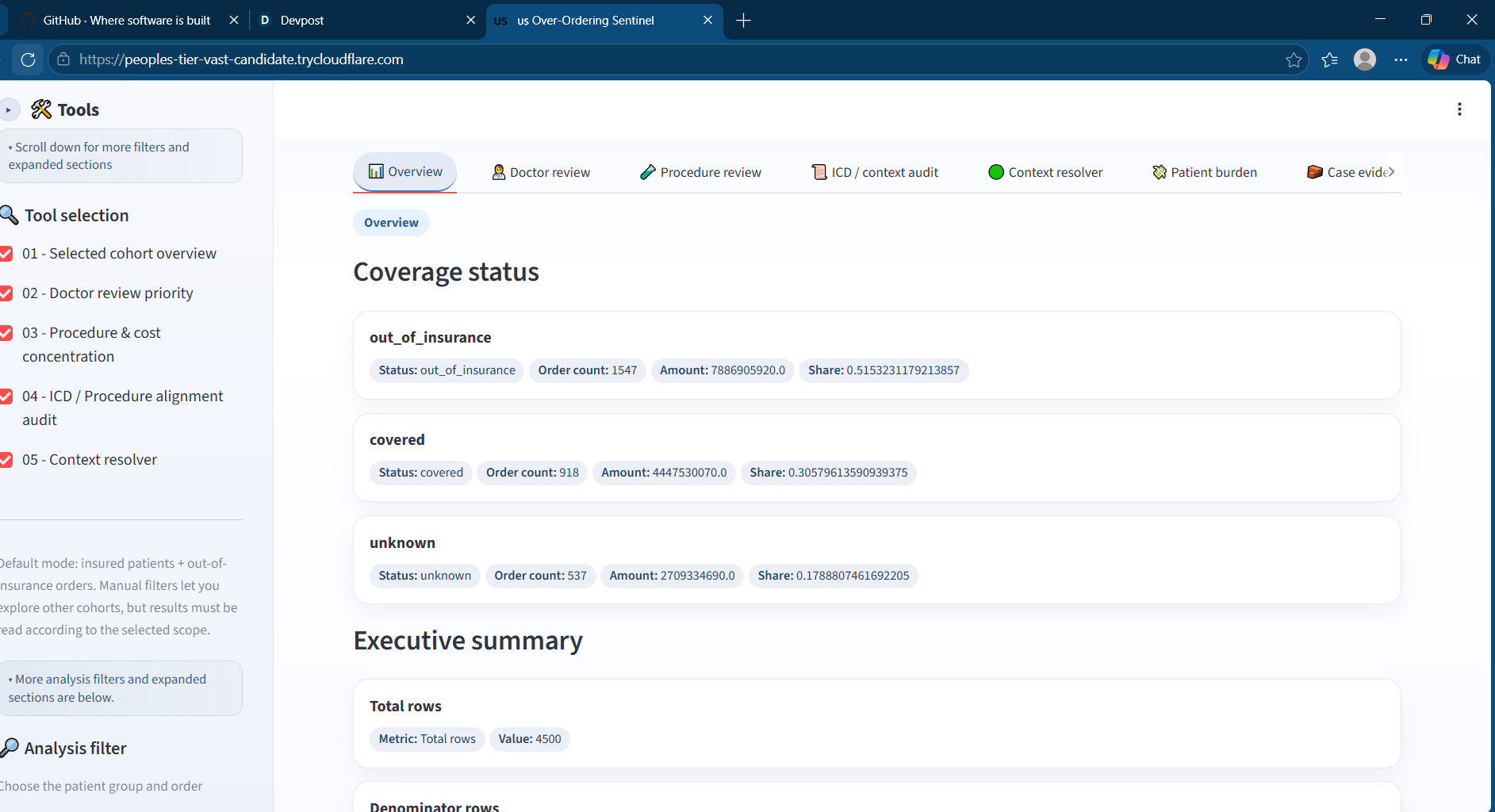
Over-Ordering Sentinel checks whether doctors have unusual out-of-insurance ordering patterns among insured patients.
The app separates two important ideas:
- HasInsurance: whether the patient has insurance.
- CoveredByInsurance: whether a specific medical order is covered by insurance.
The app uploads hospital Excel data, filters insured patients, then analyzes whether doctors are giving many out-of-insurance orders to that insured patient group.
It can show:
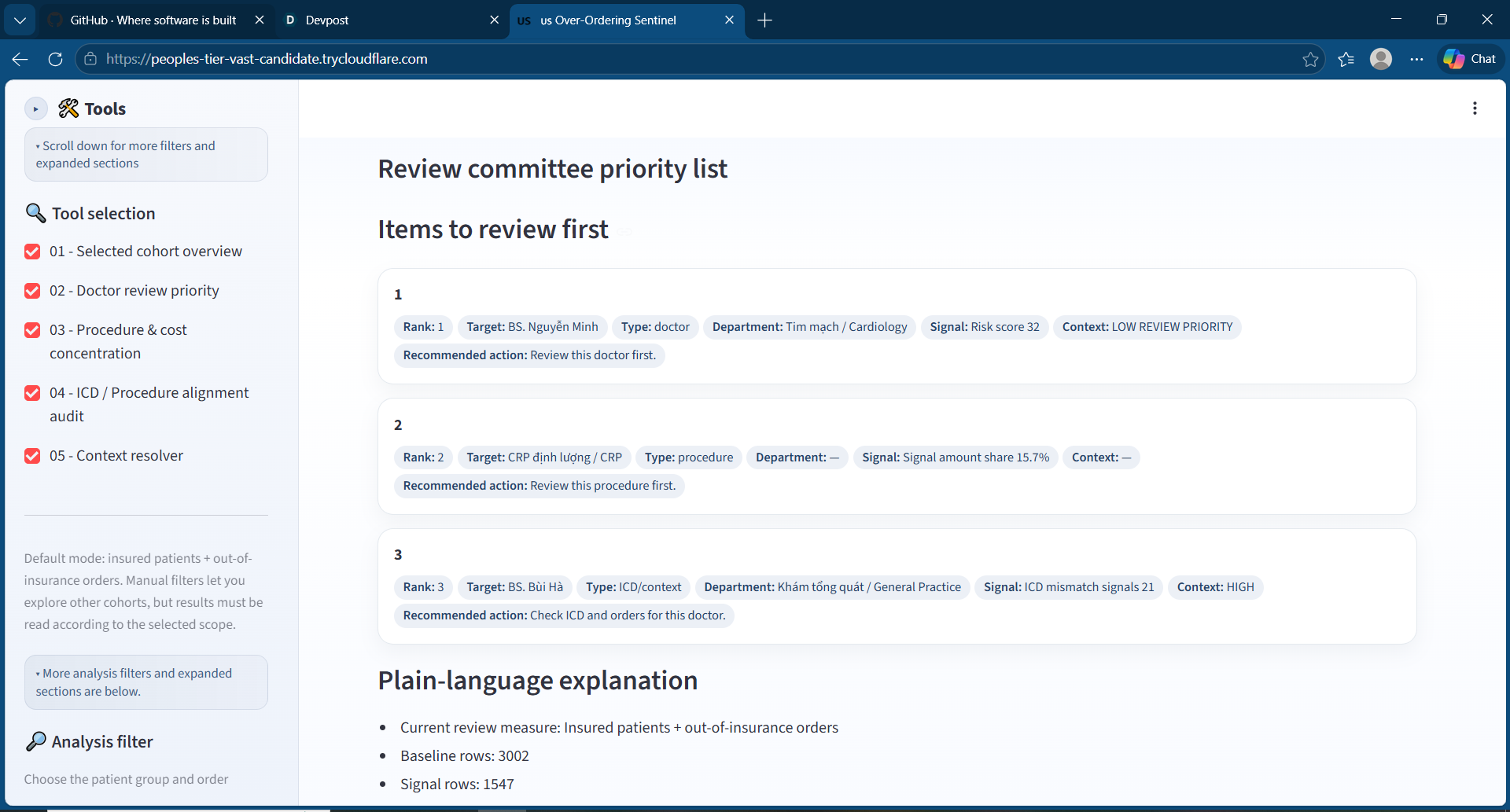
- which doctors have high out-of-insurance ordering rates;
- which departments have unusual patterns;
- which high-cost services appear often outside insurance coverage;
- whether sensitive services such as CT, MRI, HIV tests, HbA1c, glucose, troponin, CRP, or coagulation tests appear unusually;
- whether some orders lack ICD or clinical context;
- which cases should be reviewed by a professional committee.
The app is not a punishment tool. It is a review-support tool.
How we built it
I built the app with Python and Streamlit.
The workflow is:
- Upload a hospital Excel file.
- Detect the correct sheet and header.
- Map messy Excel columns into the app’s standard structure.
- Separate patient insurance status from order coverage status.
- Filter insured patients.
- Analyze out-of-insurance orders.
- Rank unusual doctor-ordering patterns.
- Export an Excel report for review.
A major part of the app is the Smart Excel Mapper. It helps handle messy hospital Excel files where column names are not standardized.
Challenges we ran into
The biggest challenge was that real healthcare data is messy and easy to misunderstand.
The most dangerous mistake is confusing:
- whether the patient has insurance;
- whether the doctor’s specific order is covered by insurance.
If these two are mixed up, the whole analysis becomes wrong.
Another challenge was ethics. This app must not accuse doctors automatically. It only points out unusual patterns that deserve review.
Accomplishments that we're proud of
I am proud that this project turns a difficult and sensitive healthcare concern into a practical data review workflow.
Instead of relying only on patient complaints or isolated stories, the app helps reviewers look at patterns:
- doctor by doctor;
- department by department;
- service by service;
- case by case.
It gives reviewers a way to ask better questions before patients’ financial burden is ignored.
What we learned
I learned that healthcare transparency is not only about having data. It is about asking the right question.
For this project, the key question is not simply “Does the patient have insurance?”
The real question is:
When the patient has insurance, are they still being pushed toward out-of-insurance costs in an unusual way?
What's next
Next, I want to improve the app with:
- better doctor and department comparison dashboards;
- more configurable review rules;
- stronger privacy controls;
- better synthetic data for safe demos;
- clearer case-level explanations for review committees.
The long-term goal is to help protect insured patients from unnecessary financial burden while still respecting doctors and clinical judgment.

Log in or sign up for Devpost to join the conversation.