Inspiration
Confronting a full closet yet feeling unsure every morning highlighted the gap for a smart stylist that understands personal taste, local weather, and social context. Outfit AI transforms outfit planning into a joyful experience so users worldwide can quickly discover looks that feel both appropriate and expressive.
What it does
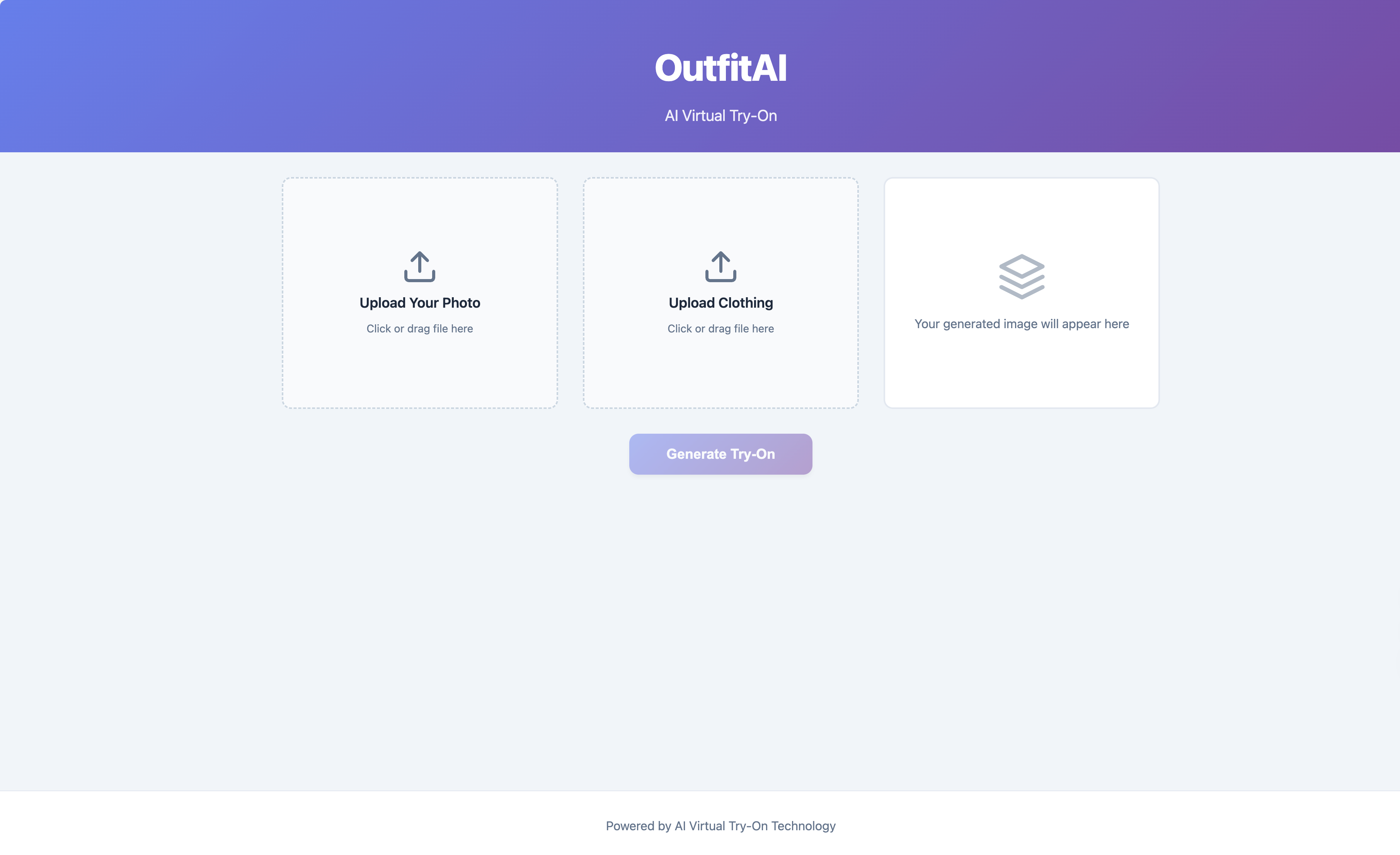
Outfit AI lets users upload garments or pick from categories, then analyzes color harmony, silhouettes, and fabrics. It fuses this with local weather, event requirements, and style preferences to deliver tailored outfit recommendations. The platform on outfitai.org also offers trend insights, shoppable links, and wardrobe management to guide users from inspiration to execution.
How I built it
The frontend uses Next.js and Tailwind CSS for a responsive UX. A Python/FastAPI backend powers recommendation logic, while a vector database stores garment embeddings. A blended LLM generates nuanced styling copy, and a trained image-classification model extracts apparel attributes. Everything is deployed across multi-region CDNs to serve global audiences with low latency.
Challenges I ran into
Adapting to diverse regional fashion cultures and weather patterns was the biggest hurdle, followed by maintaining high accuracy on uploaded garment images. I introduced geo-specific baselines, built a robust image-cleaning pipeline, and tuned recommendation scoring to balance practicality with novelty so suggestions never feel repetitive.
Accomplishments that I'm proud of
I cut outfit generation time down to seconds, significantly boosted repeat visits, and curated a rich global style corpus that enables the AI to deliver natural, on-brand English descriptions. SEO improvements also helped outfitai.org capture organic traffic for numerous long-tail keywords.
What I learned
I gained a deeper appreciation for geo-specific preferences in color, fabric, and comfort, and saw firsthand how critical clean data is for recommendation quality. Most importantly, I learned to iterate quickly while keeping UX consistent across cross-functional teams.
What's next for Outfit AI
Next steps include launching a lightweight mobile applet with offline wardrobe sync, exploring 3D/AR virtual try-ons for immersive fitting, and expanding API integrations with e-commerce partners and local designers to offer instantly shoppable, hyper-personalized outfits.

Log in or sign up for Devpost to join the conversation.