-
-
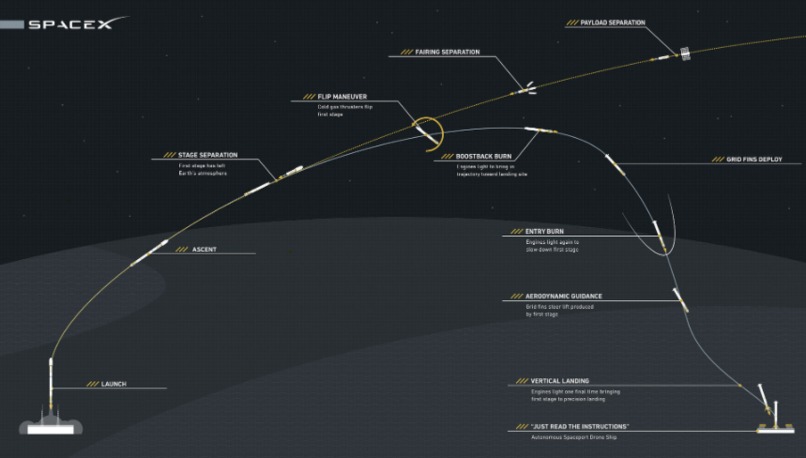
Flight to Orbit Stages: Other SpaceX Missions
-
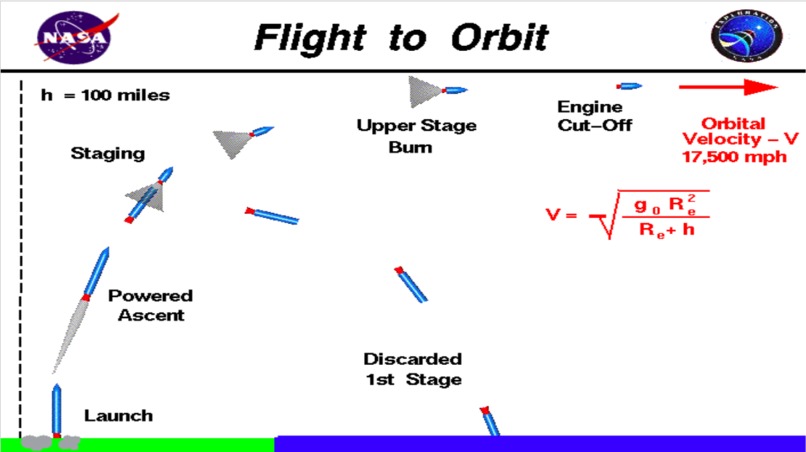
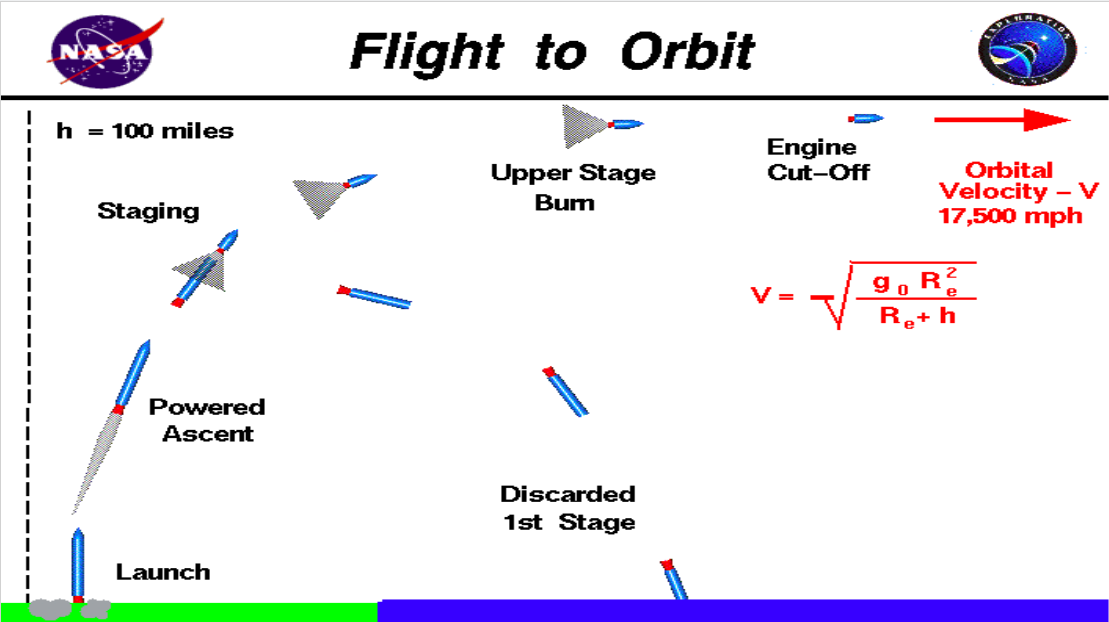
Flight to Orbit Stages: NASA's Process
-
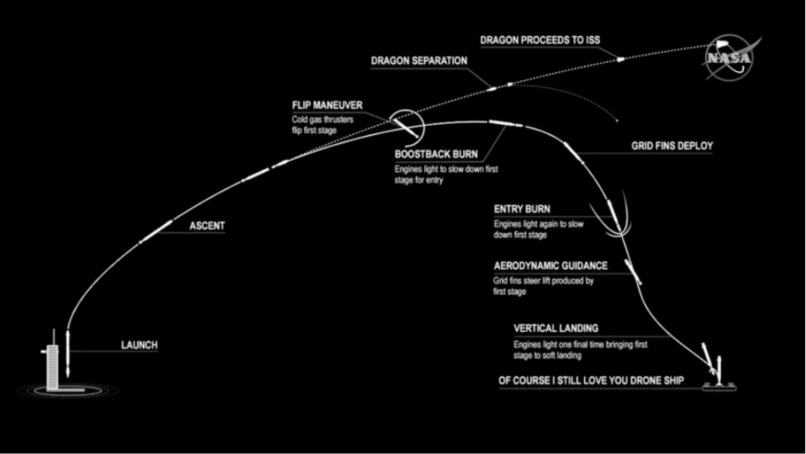
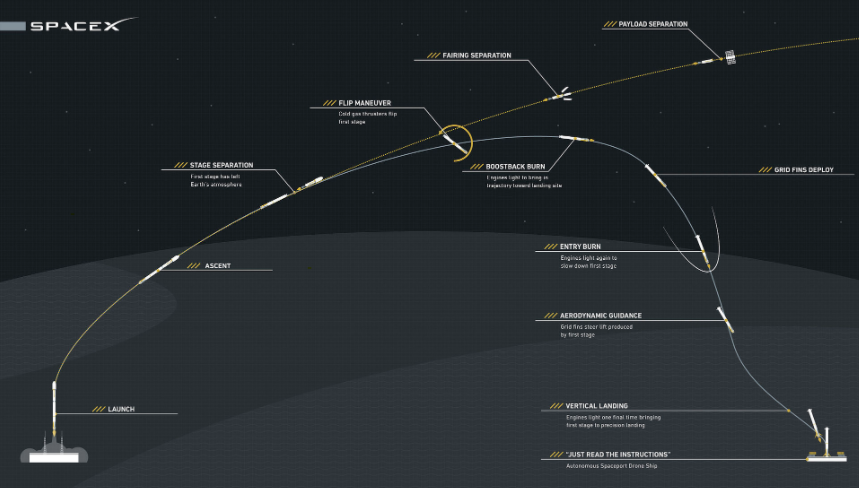
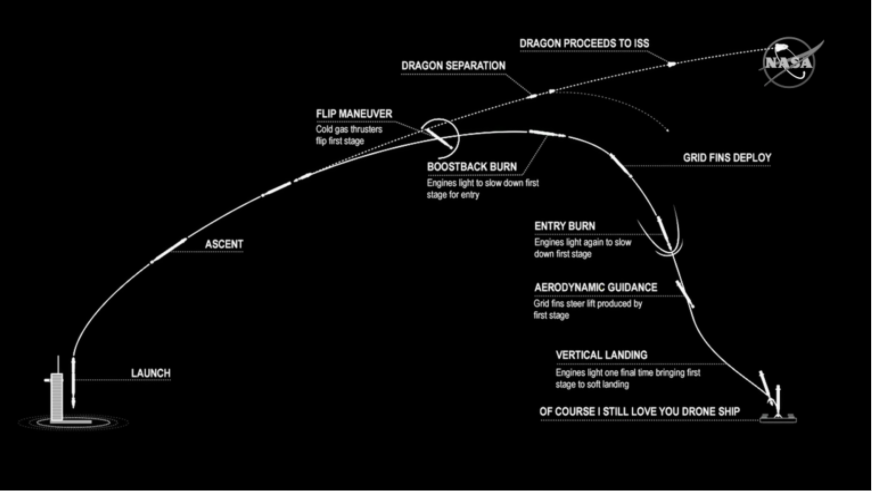
Flight to Orbit Stages: SpaceX and NASA's Falcon 9’s launch of Crew Dragon’s second demonstration (Demo-2) mission
-
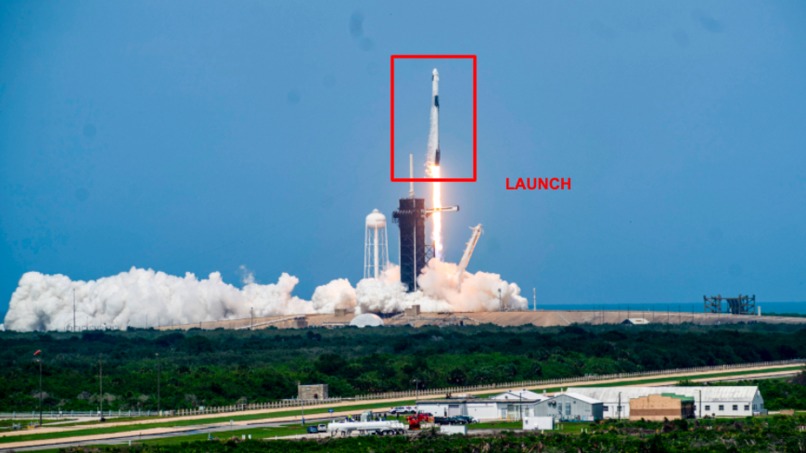
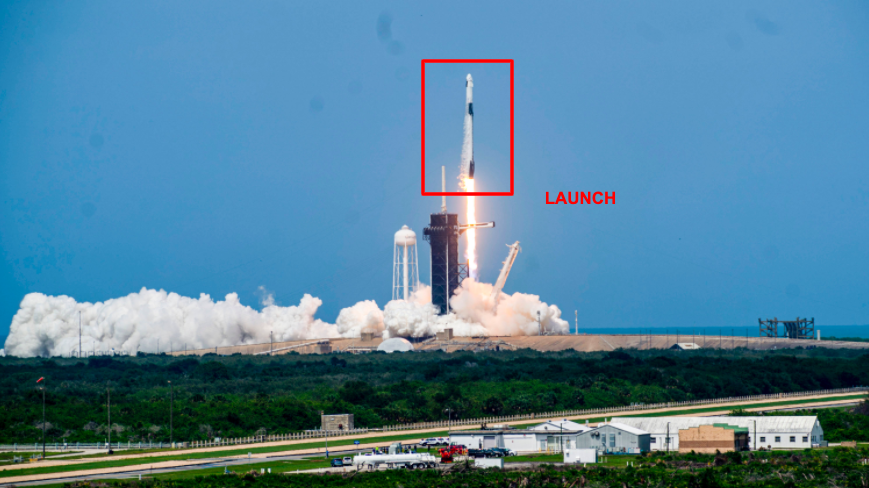
Flight to orbit process: Launch stage detected by the algorithm
-
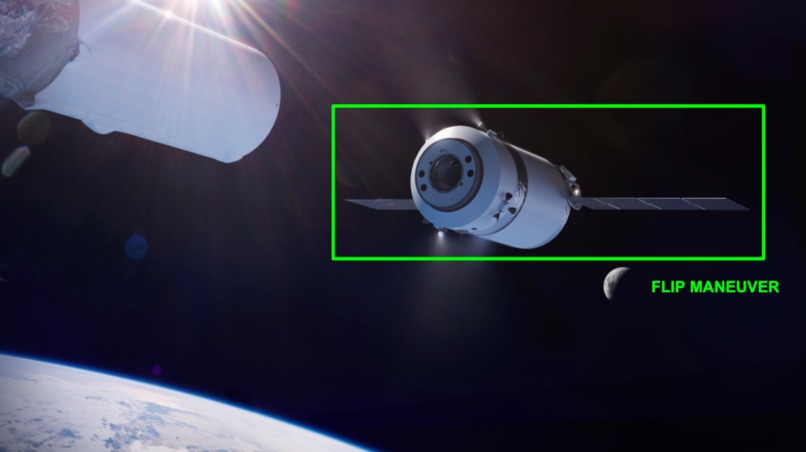
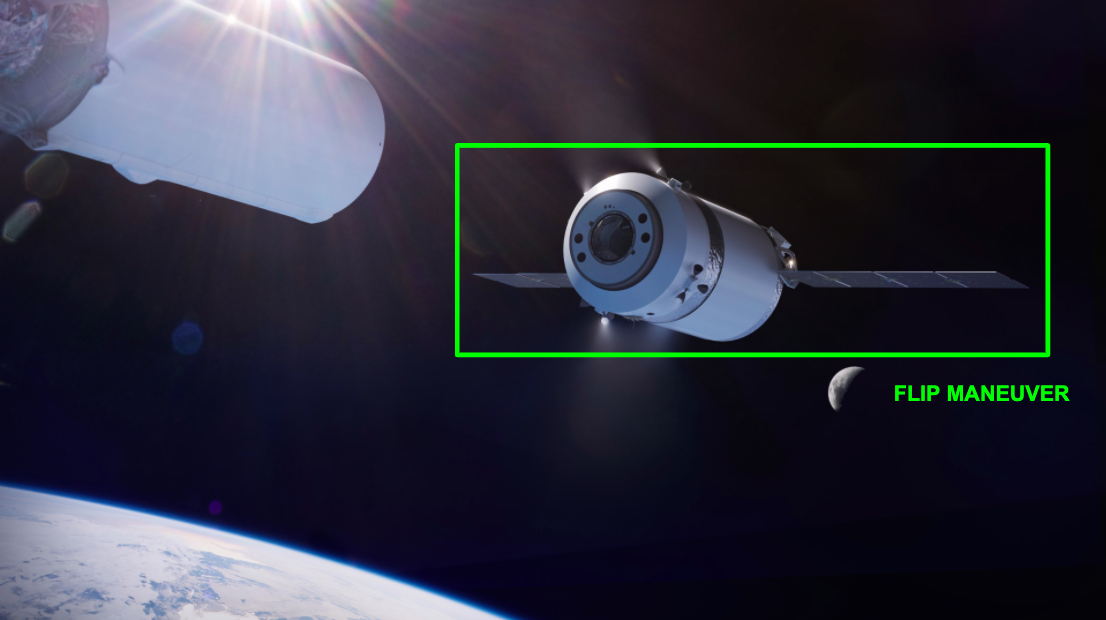
Algorithm detecting that a Flip Maneuver has happened
-
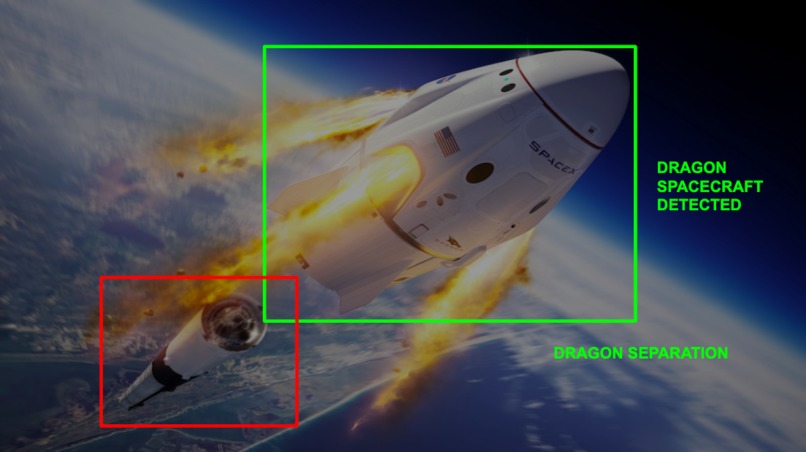
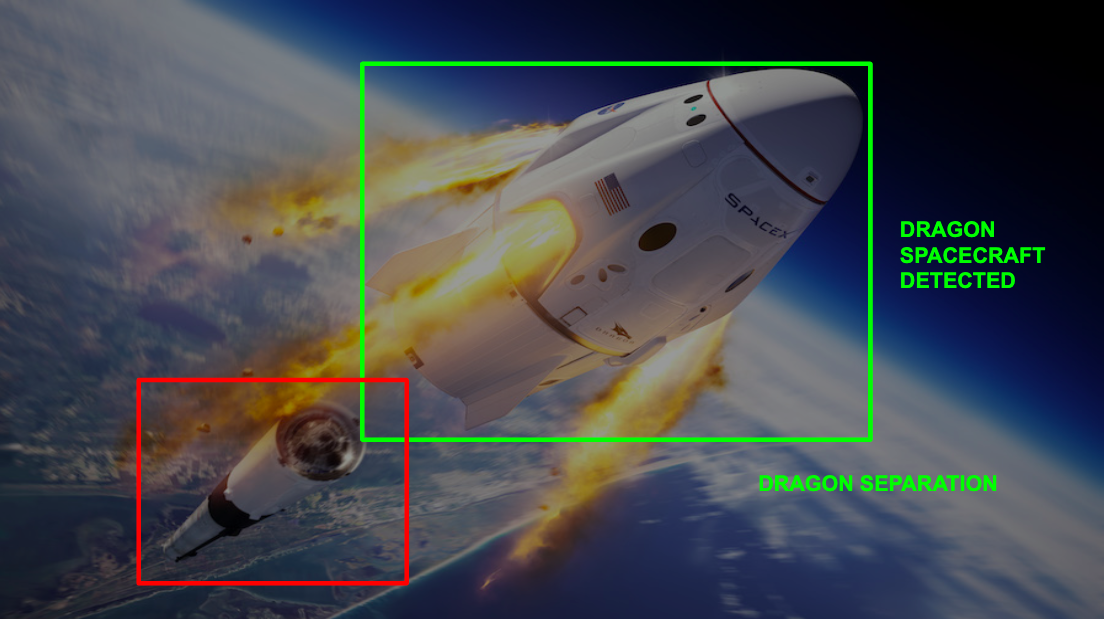
Algorithm detecting a Dragon spacecraft, and that Dragon separation has happened
-
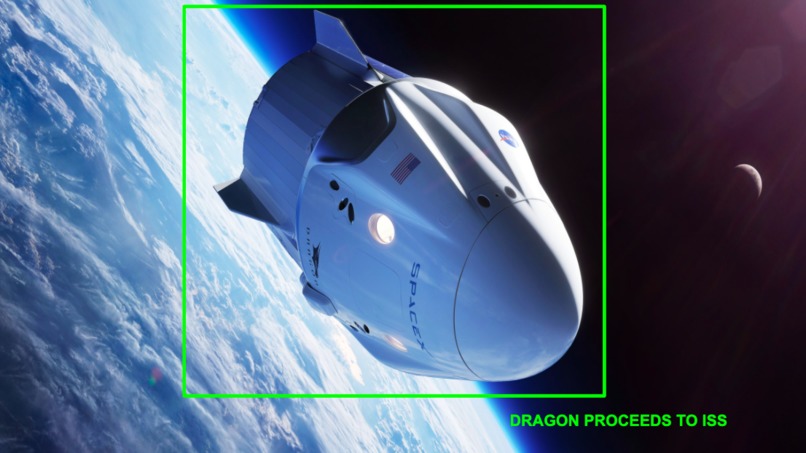
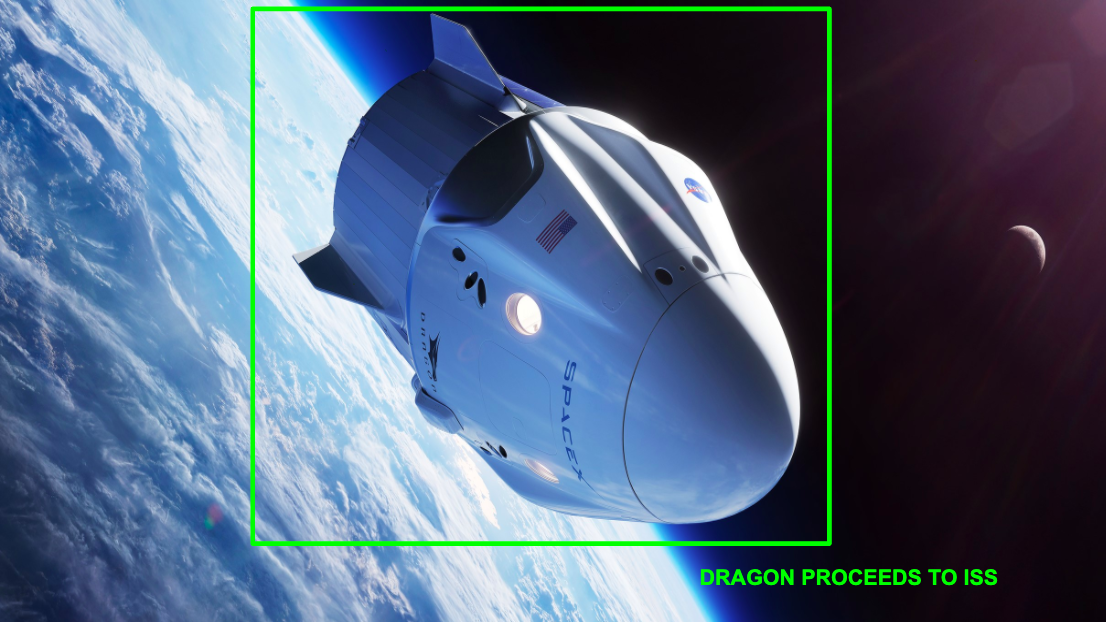
Algorithm detects that the Dragon spacecraft is proceeding to the International Space Station (ISS)
-
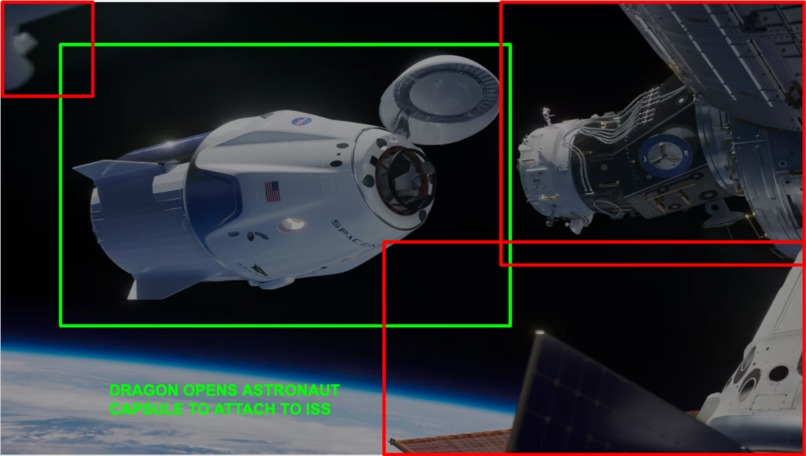
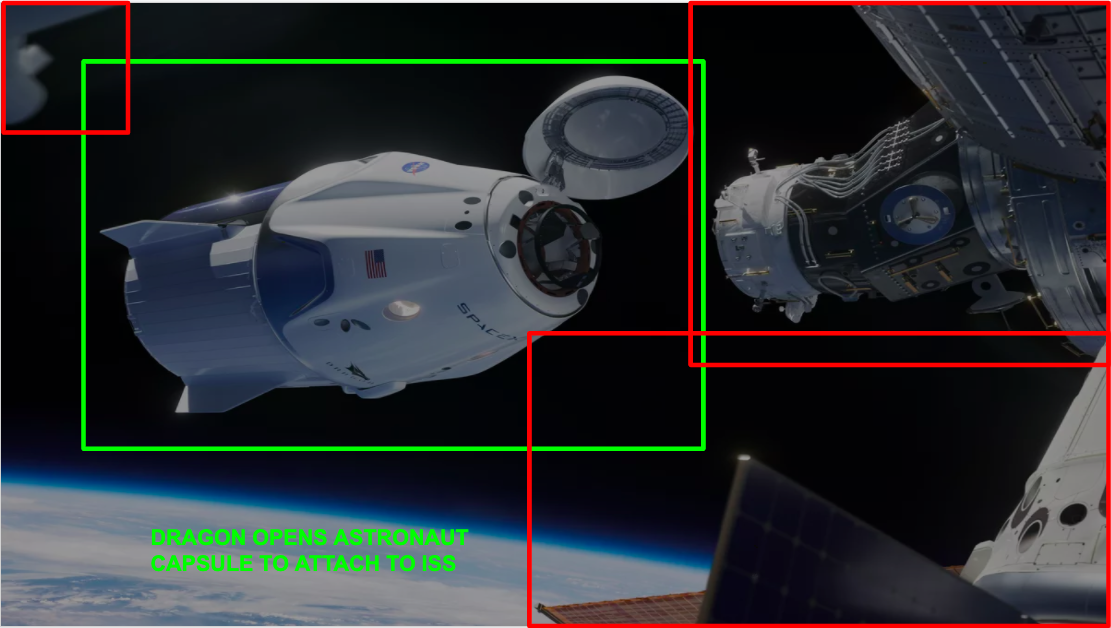
Algorithm detects that the Dragon spacecraft opens the Astronaut Capsule to attach to the International Space Station (ISS)
-
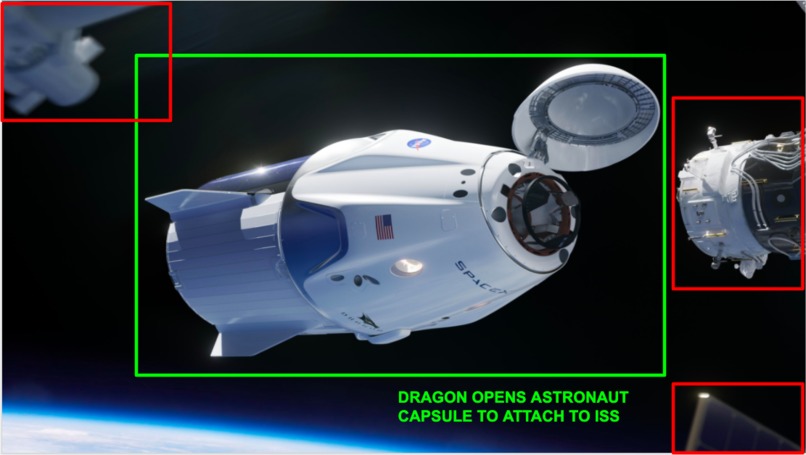
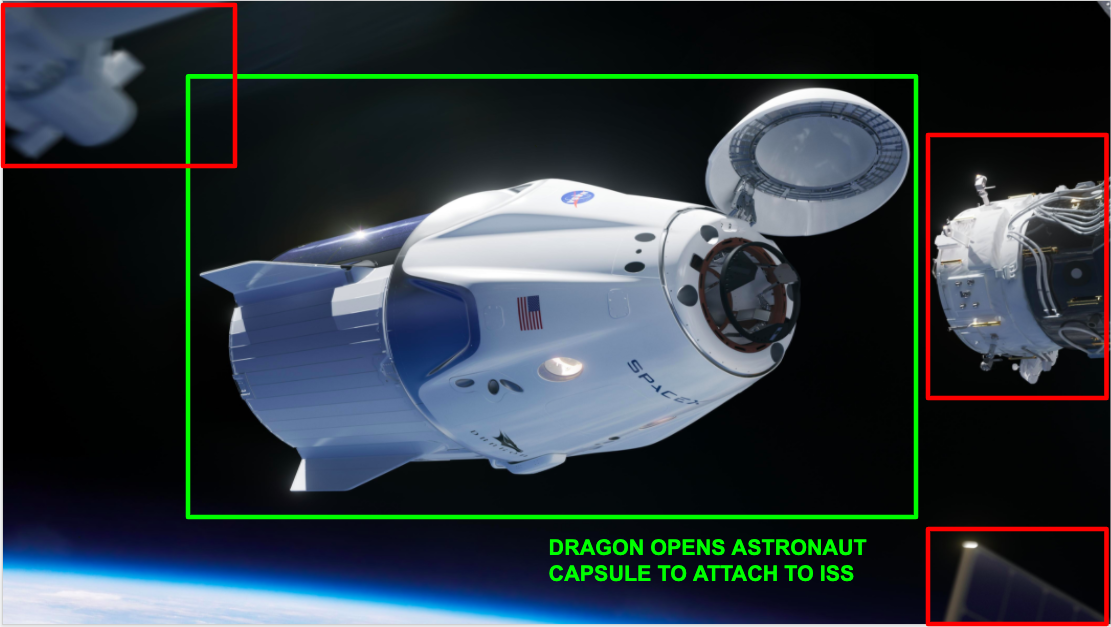
Close up of previous image (“DRAGON OPENS ASTRONAUT CAPSULE TO ATTACH TO ISS”) to provide more training data to the algorithm
-
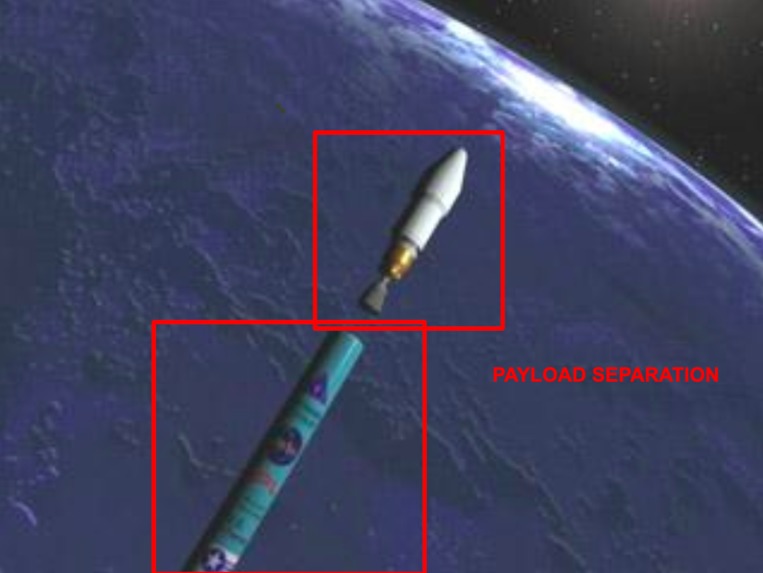
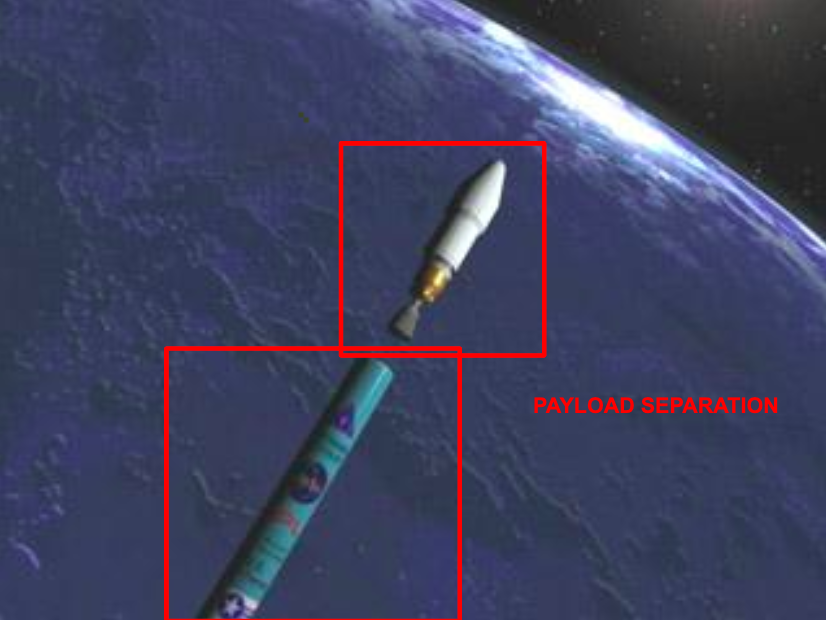
Algorithm detecting that a Payload Separation has happened
-
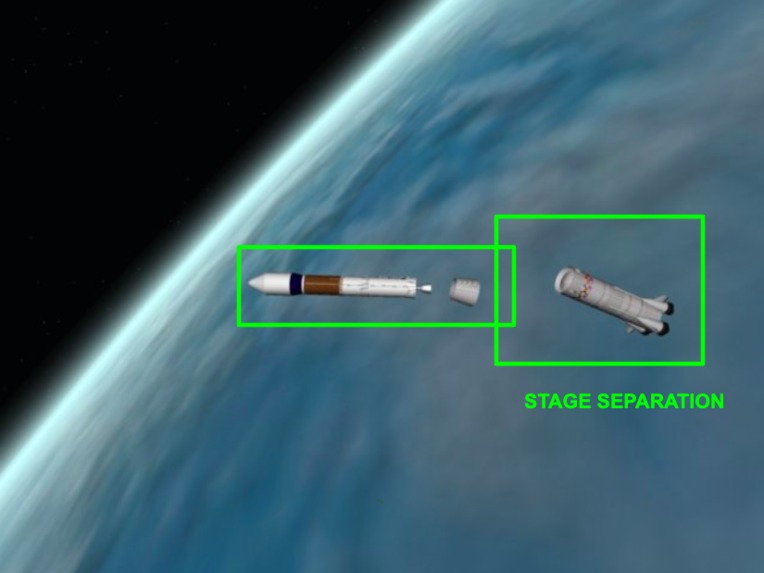
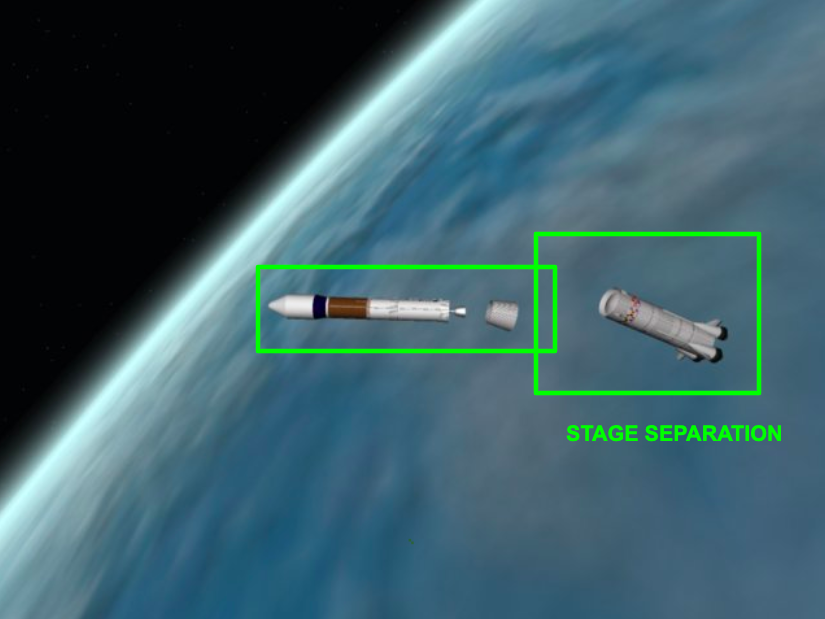
Algorithm detecting that a Stage Separation has happened
Inspiration
- This project was inspired in light of a recent international event, which was the highly-anticipated SpaceX and NASA combined mission
- This project served as a stepping stone for furthering my interest in technology and aerospace, in order to thoroughly understand these two inter-related fields, along with continuing humankinds' endeavours in the fields of technology and aerospace.
What it does
- This system/algorithm identifies the stages of space flight, specifically the flight to orbit stages, that the spacecraft undergoes.
How I built it
- Tensorflow libraries
- Google Colab notebooks
- Python
Challenges I ran into
- GPU's setup
- Finding training and testing data
- Achieving a high accuracy rate in the algorithm
Accomplishments that I'm proud of
- Having a high accuracy rate (90%) for the machine-learning algorithm, with the given training and testing data
What I learned
- Understanding the technical aspects of Tensor flow libraries and Google Colab notebooks
- This was done through following tutorials, along with asking help from mentors, in order to develop this interactive platform
What's next for Out of this World!
- Providing more training data such as image datasets of additional companies and agencies in the field of space exploration, other than SpaceX and NASA
- Reducing the limitations in the algorithm (e.g. identifying spacecraft from a wide range/variety of companies and agencies)
- Collaborating with educational platforms (e.g. Khan Academy, Udemy, and Skillshare) to teach others about and introduce them to the field of space exploration, specifically the phases needed in the flight to orbit process


Log in or sign up for Devpost to join the conversation.