Inspiration
Most educational tools either collect data passively for later review or pull you out of your flow with screens and notifications. We wanted something different: a device that teaches in the moment, right where your attention already is, without getting in the way.
What it does
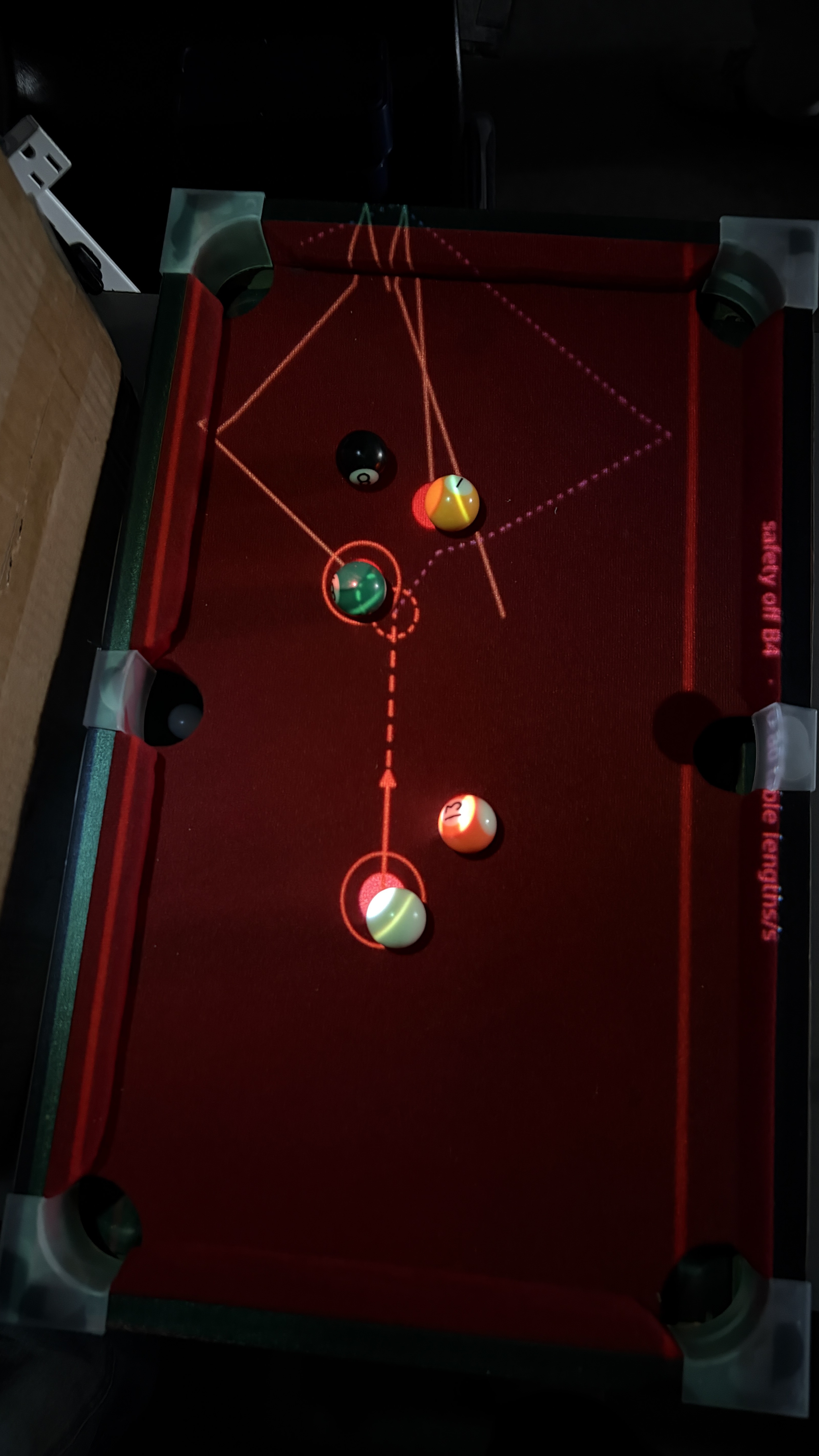
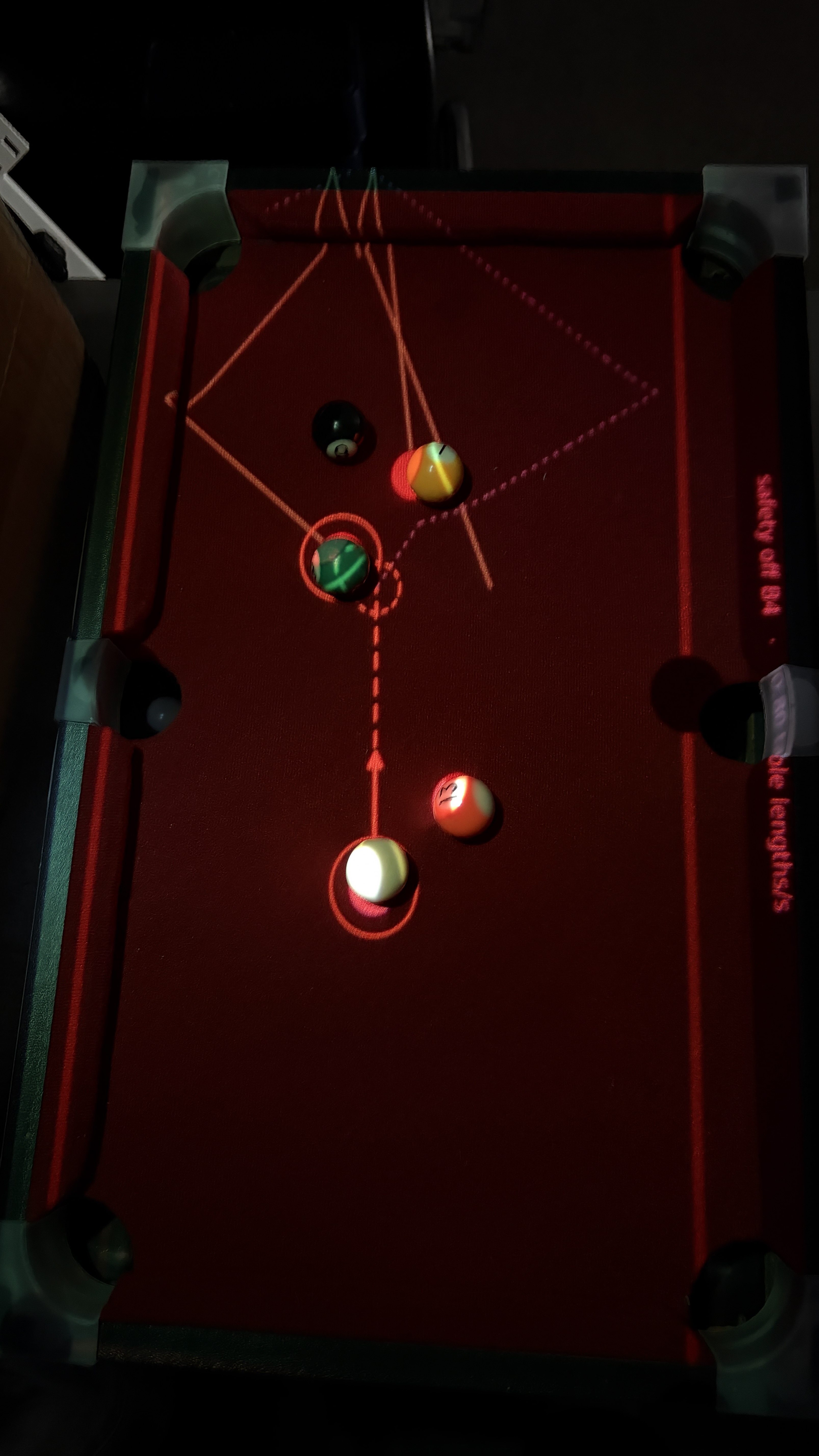
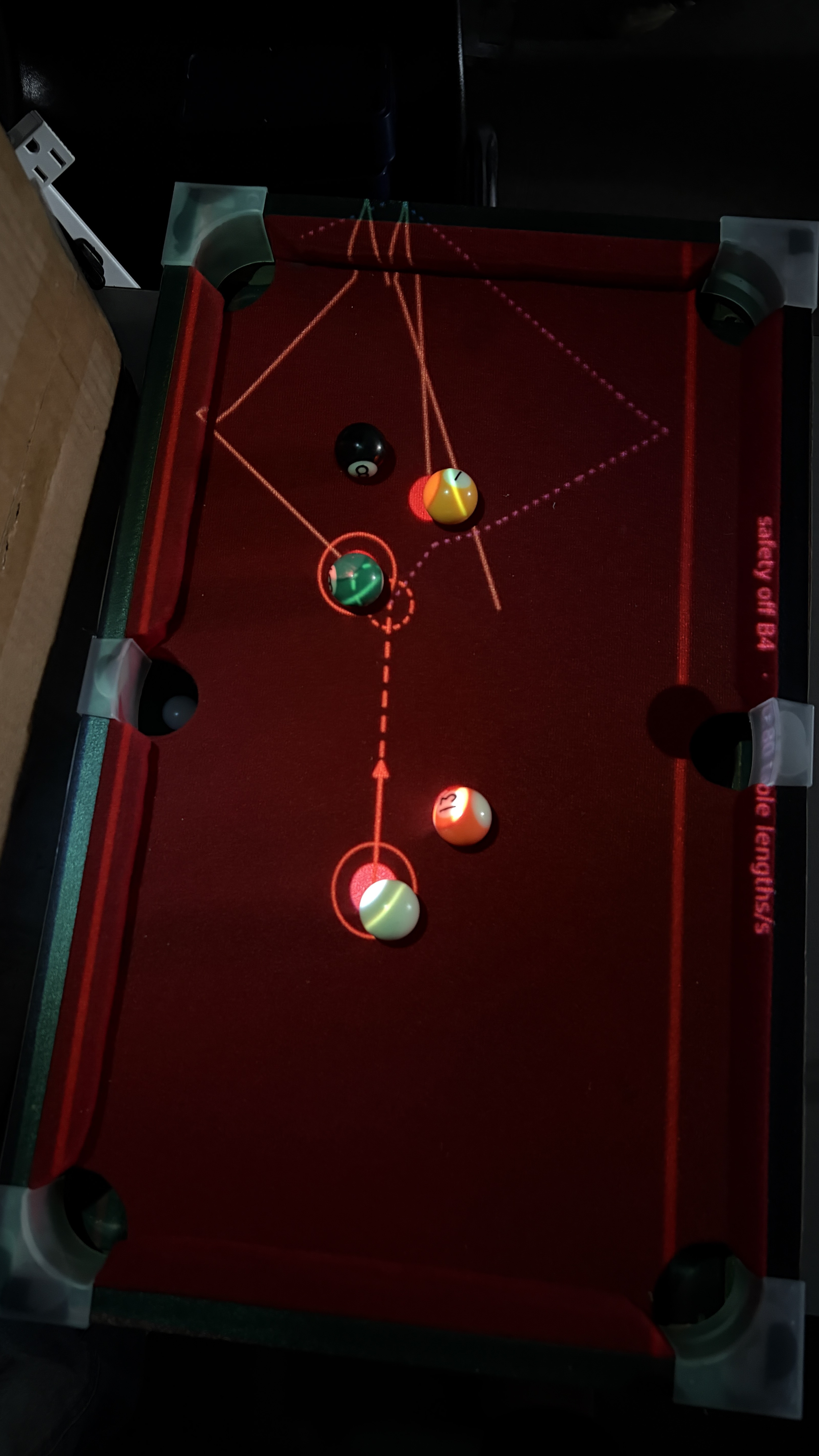
Otli sees the world through its camera and "sheds light" on it, literally. A computer vision framework interprets the scene, then passes that information to a machine learning model that emulates a physics engine. Otli turns the model's output into visuals and projects them directly onto the physical objects in front of you, so explanations appear on the world itself instead of on a screen.
How we built it
A Raspberry Pi ties everything together: it runs the camera and projector and drives a stepper-powered gear train that lets Otli pan to take in more of its surroundings. We designed the gear train in Fusion 360, 3D printed the parts, and combined them with off-the-shelf bearings and stepper motors.
Challenges we ran into
Our 3D printers broke down often, and the print quality wasn't precise enough for parts to fit together cleanly. The printers' small build plates also forced us to split Otli into many smaller subcomponents, which meant more prints, more assembly, and more places for tolerances to add up.
We also ran into a string of hardware shortages. Our kit didn't include a power cable for the Jetson Nano, one of our Arduino Unos broke partway through, and we had no jumper wires or AAA batteries on hand. Each gap forced us to hunt down replacements or find workarounds, which ate into our build time.
On the software side, we couldn't get a depth camera, which limited what our CV model could identify. We also lacked the peripherals needed to set up and program the Raspberry Pi, which slowed down development and integration.
Accomplishments that we're proud of
Otli brings together software, machine learning, embedded electronics, and moving mechanical parts in one system. It's not a project you can build with just a laptop: it took expertise in all four areas and careful coordination to make them work together.
We're just as proud of how we handled the obstacles along the way. We realized late that we needed a pool table for our demo, and with no Amazon delivery available in time, we turned to Facebook Marketplace, found a mini pool table that was perfect for the demo, and drove out to pick it up at 2 a.m.
That wasn't the only gap we had to fill. We had no cables for the projector, no batteries for the remote needed to operate it, and an extension cord that wasn't long enough. Instead of letting any of it stop us, we got resourceful: we scoured the building for materials, repurposed boxes and whatever else we could find, and kept the build moving.
What we learned
Don't overcommit to manufacturing you can't control. At a hackathon, 3D printing is often the only fabrication option, so the printers get overloaded and quality suffers. Next time we'll focus on proving the core idea first and use quick materials like tape, cardboard, and boxes to make the demo work, even if the prototype isn't pretty.
What's next for Otli
Our immediate next steps are to finish the full software pipeline, collect the remaining printed parts, and assemble and integrate the pan mechanism. Bringing the electrical, software, and mechanical systems together will be the biggest challenge, but we've already scoped that work out so our goals stay realistic.
Beyond that, we want to make Otli's software far more robust. Right now, the model works best in the scenarios it was trained on. Our goal is to help it generalize to situations it has never seen before, so it can handle new objects, layouts, and conditions without being retrained for each one. That opens the door to many more uses: other sports beyond pool, workspaces where Otli can guide people through hands-on tasks, and collaborative spaces where groups can learn and solve problems together around the same projected visuals.
We also want Otli to look as good as it works. We plan to redesign the casing to be sleeker and more polished, and to make the hardware more adaptable, so it can be set up easily in different rooms, lighting conditions, and surfaces.
Built With
- 3d-print
- autodesk-fusion-360
- bambu
- claude-code
- cloud
- codex
- cursor
- data
- devin
- embedded
- gear-train
- holography
- motor
- opencv
- phsyics
- python
- raspberry-pi


Log in or sign up for Devpost to join the conversation.