-
-
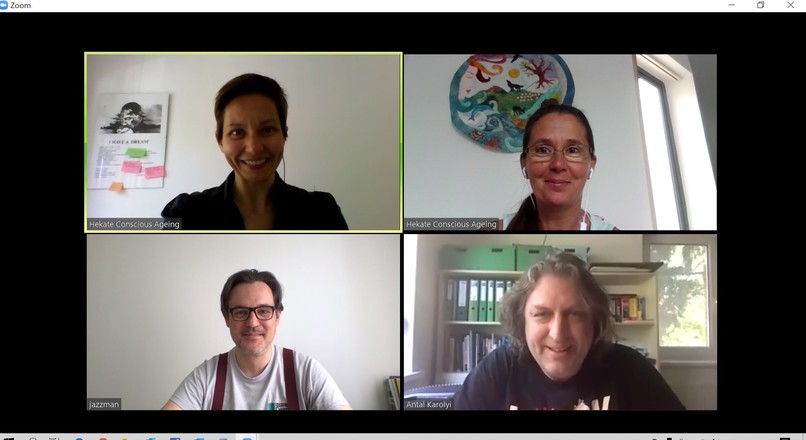
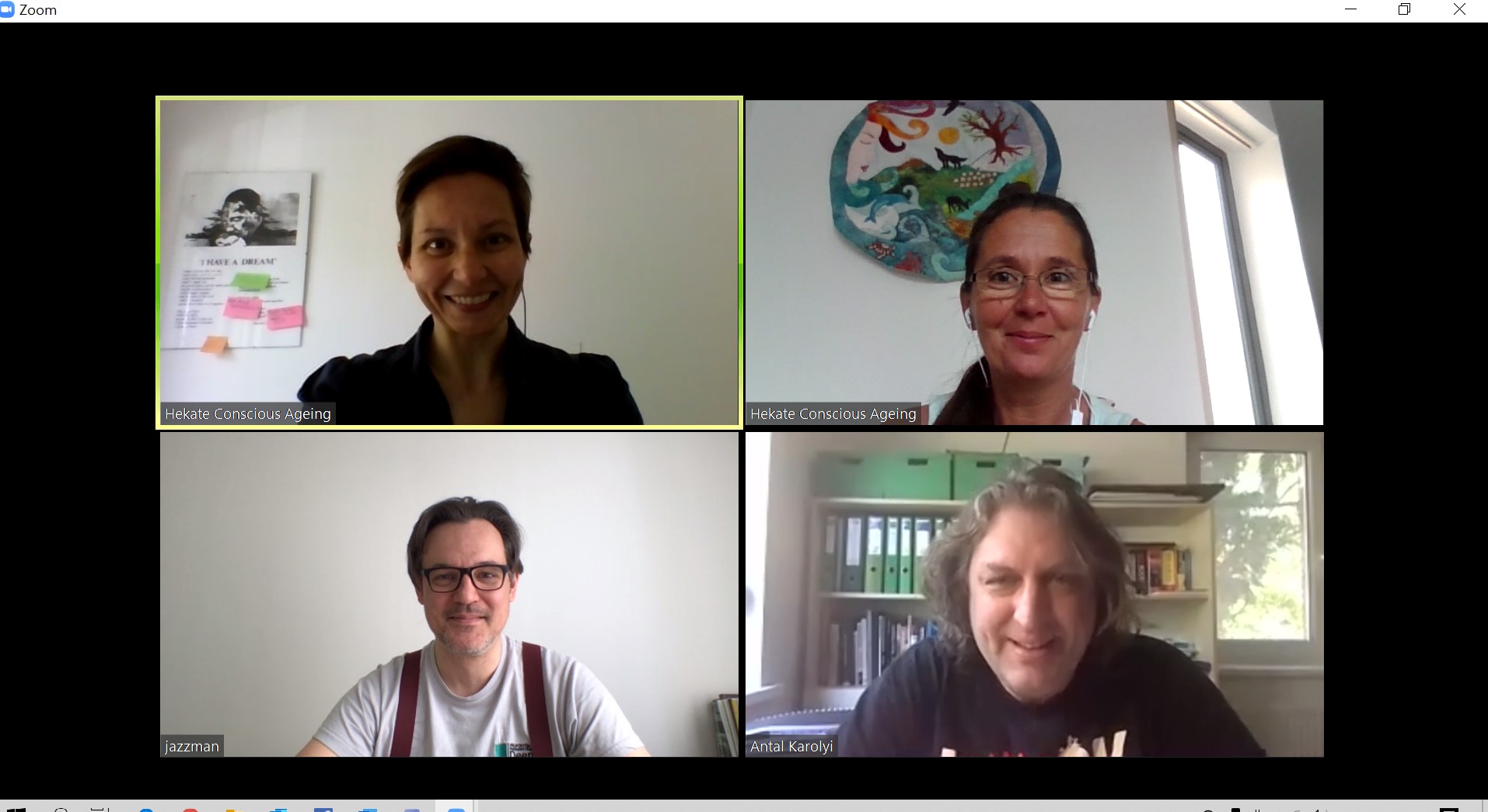
the Team
-
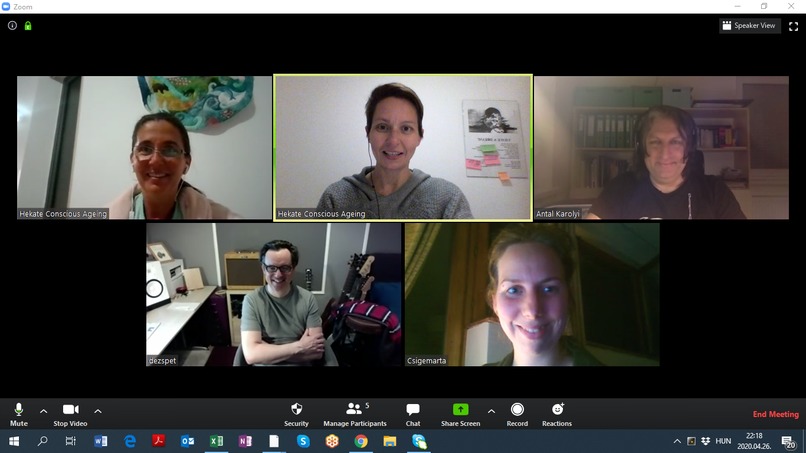
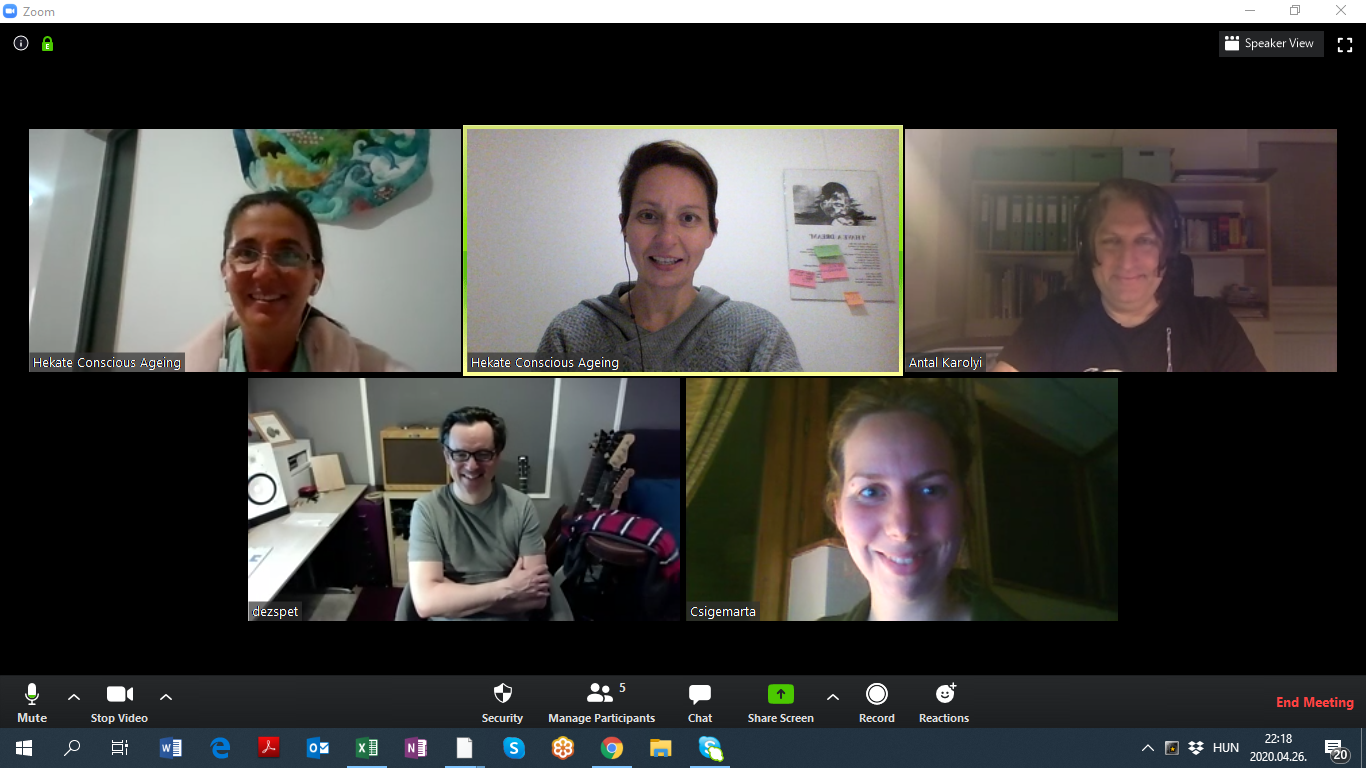
the Team, much later in the day
-
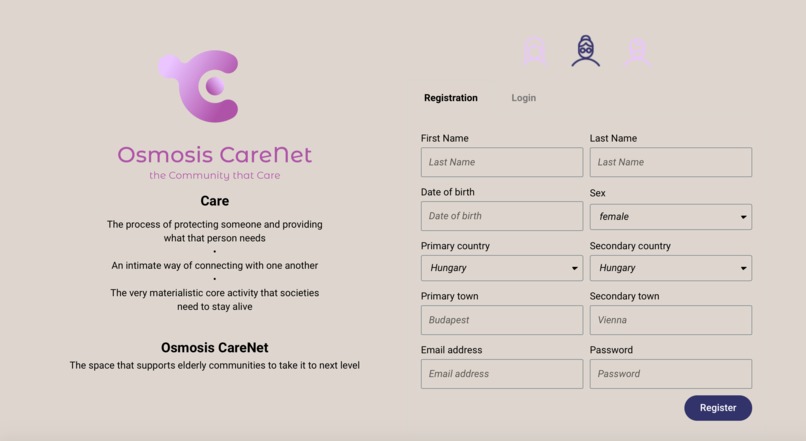
Osmosis CareNet demo site
-
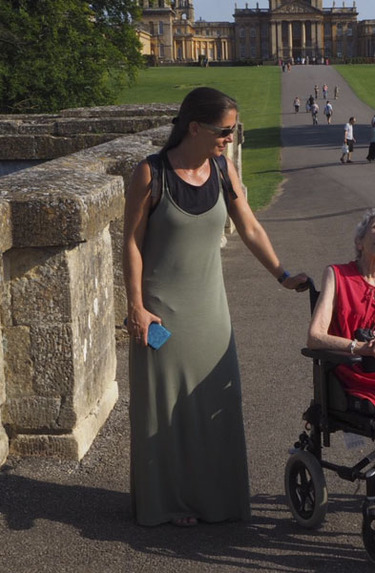
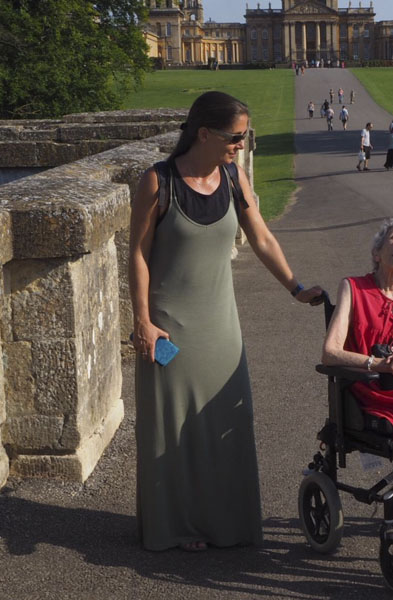
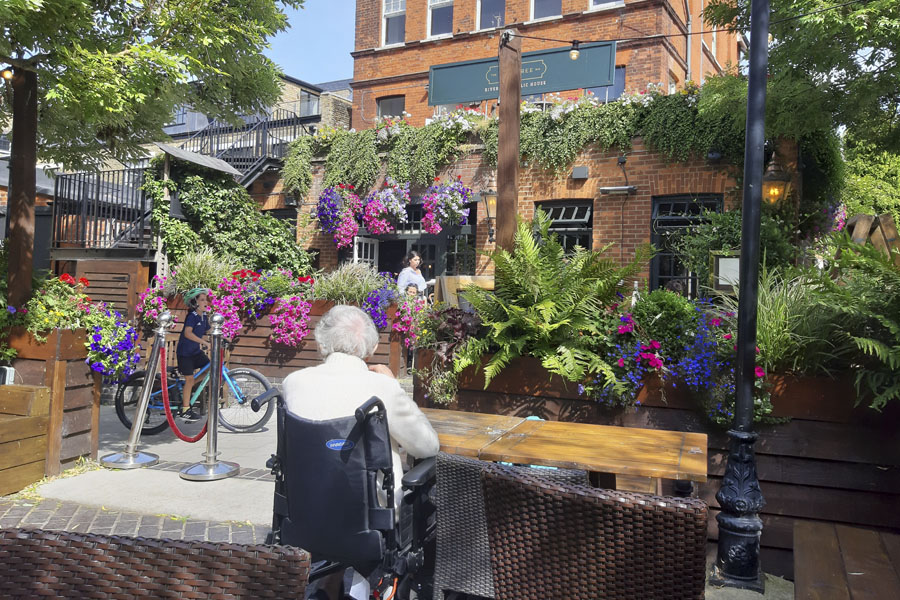
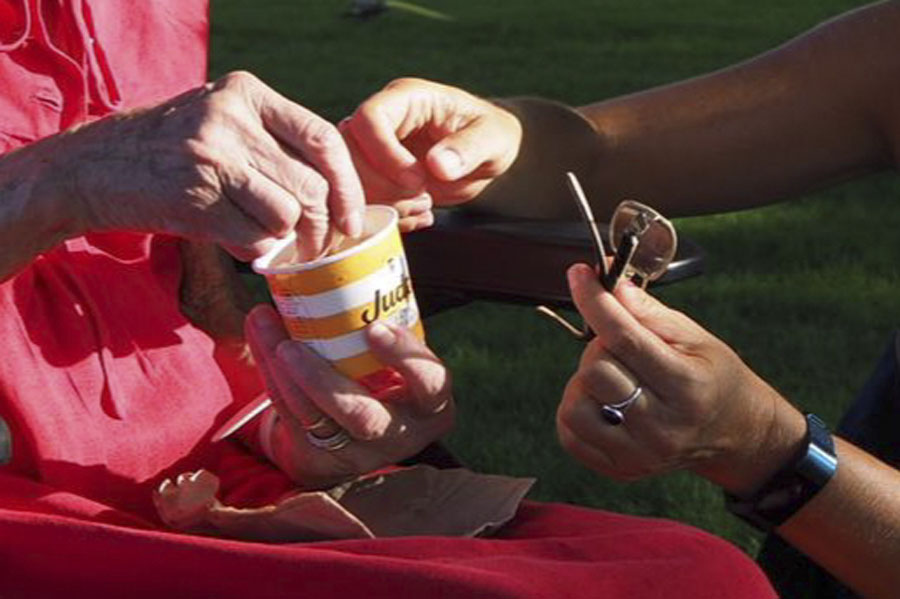
Elderly care in practice
-
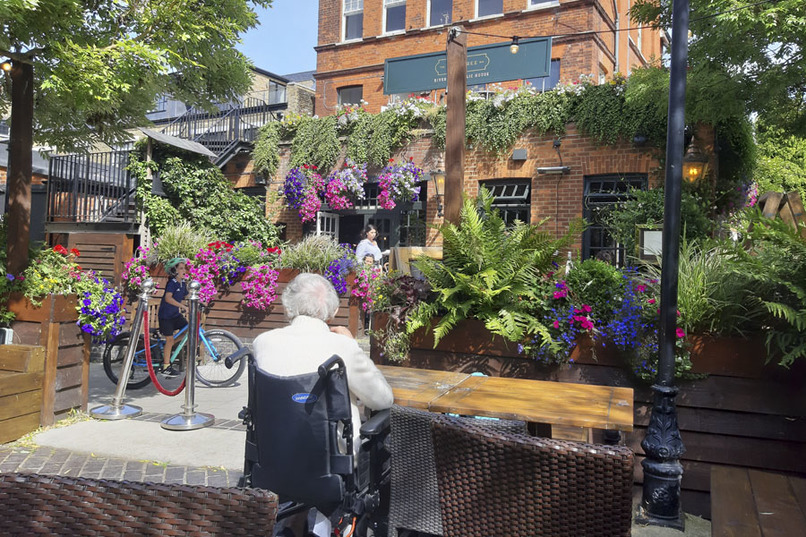
Elderly care in practice
-

Elderly care in practice
-
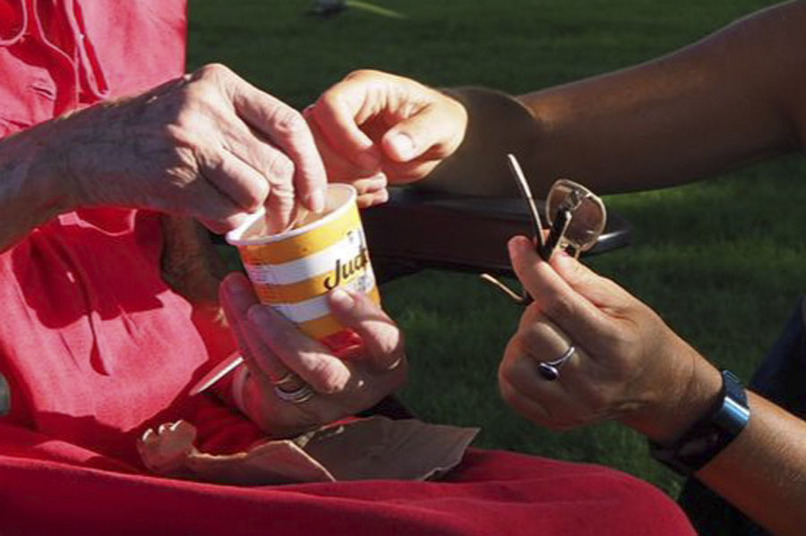
Elderly care in practice
-
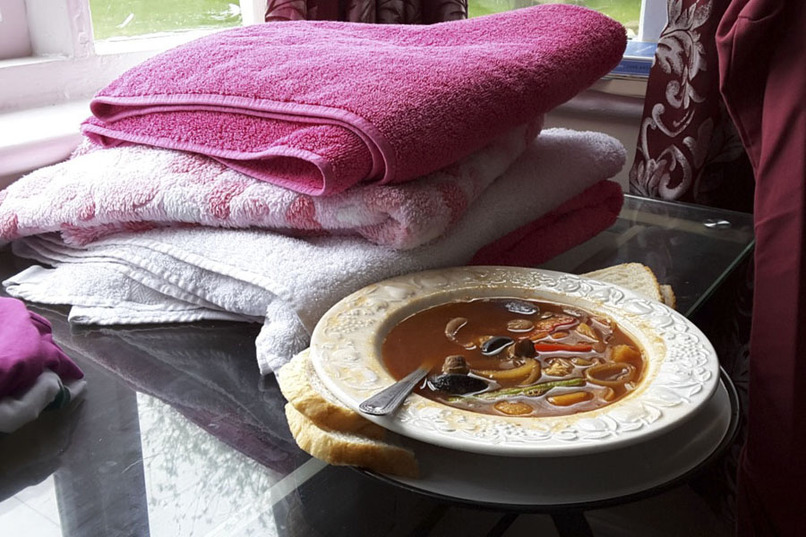
Elderly care in practice
-
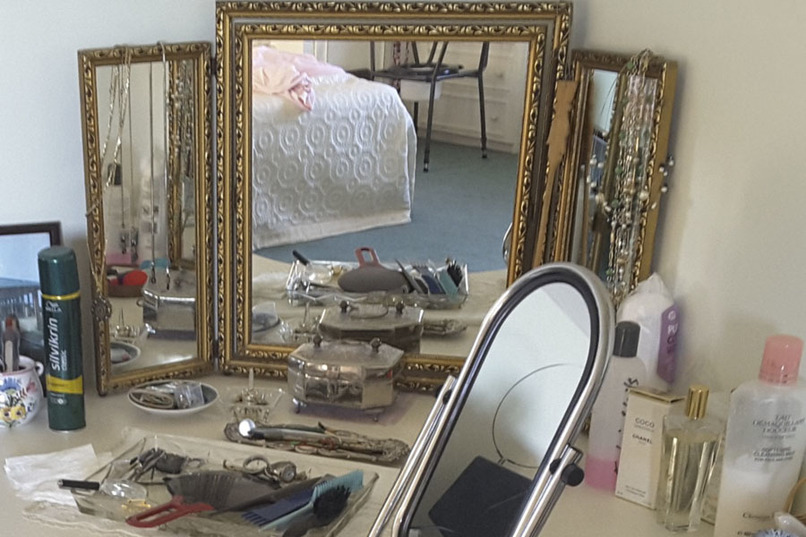
Elderly care in practice
-
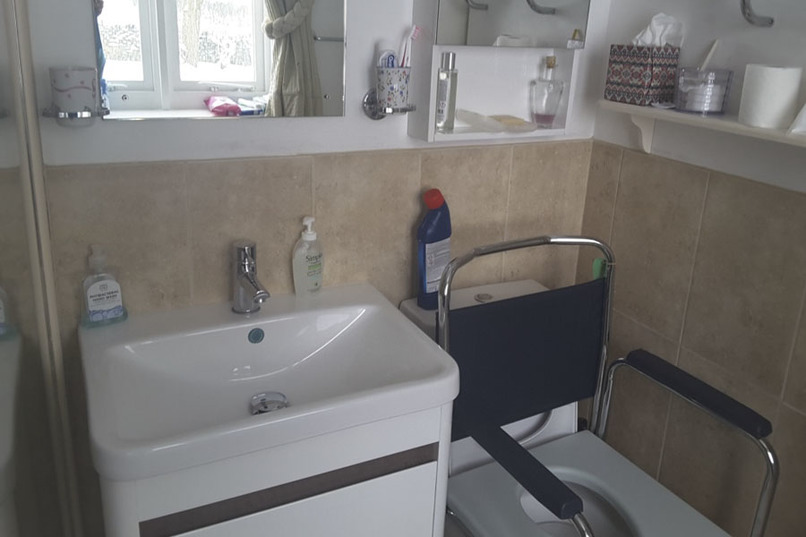
Elderly care in practice
-
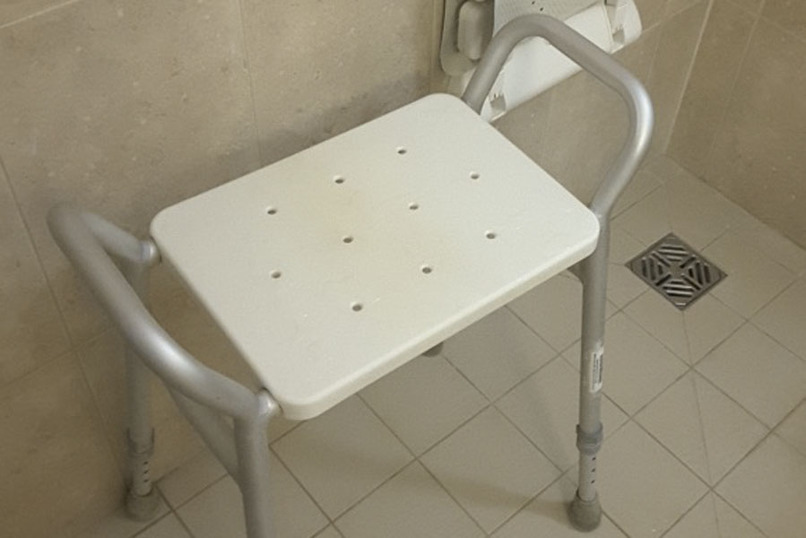
Elderly care in practice

The Problem We Solve
The EU and its member states face the care work crisis. Elderly care, in particular, is in a dramatic state right now with the Corona pandemic. Demand for home care is skyrocketing. Current solutions are insufficient. The lack of protocols and equipment puts carers into danger. Since Western-European elders are often looked after by CEE care-migrants and many of them returned home, hundreds of thousands of people are now either without care or jobs only in the elderly care sector.
Lack of skilled caregivers combined with insufficient regulations is a growing issue in most countries. Also, proper community structures for supporting families are often missing.
Care migration is a huge issue not managed properly and not addressed systematically. This is a chronic and inherently EU-level problem.
To put these challenges into numbers: The elderly population (aged 65 or over) of the EU countries is estimated at 90.7 million according to 2019 data. Home care is a 65 billion EUR underserved market.
It’s time to change gears.
The Solution We Bring to the Table
Osmosis CareNet is a community platform that puts elderly home care into a brand new perspective.
At its core, Osmosis CareNet provides a quality assured solution on European and local levels as well. At the same time, it can be integrated into the national healthcare systems. That’s how we can tackle cross-border challenges like care migration.
It’s like Airbnb for elderly care, a matchmaking solution with vital services like quality assurance and training. What the platform offers:
- We help families to find their ideal caregivers quickly.
- We provide quality assurance via authentication and reviews.
- We assist our users with training, protocols, online consultancy, and helpline.
One of the cool features in Osmosis is the filters: incoming inquiries and capacities are carefully matched according to regional needs and different types of care, like live-in, domiciliary, palliative, respite, or dementia care.
We Build On Existing Traction
Our solution relies heavily on active carer and care-migration IRL experience and research that has been built over several years. Caring for elderly and vulnerable people is a profession. It is a very personal and sensitive matter that demands both emotional intelligence and essential know-how. All industry actors need to bring an empathic and delicate approach with them. A digital platform must respect and serve these needs adequately.
We have acquired the necessary industry insights over 20 years of fieldwork and research.
Based on that we started our IRL elderly care system in Hungary. Since then, we have helped more than 2500 families and carers. We have created a 6000-strong home care community through blogs and social media. Osmosis CareNet Founder, Kinga, has over 20 years of experience in care work and building communities. She has already created a diverse following around the project. We can leverage the existing support.
What We Have Done During the Weekend
The Hackathon is a great opportunity to progress on the Osmosis CareNet platform. During the weekend we:
- added three team members with business and design skills,
- defined the MVP,
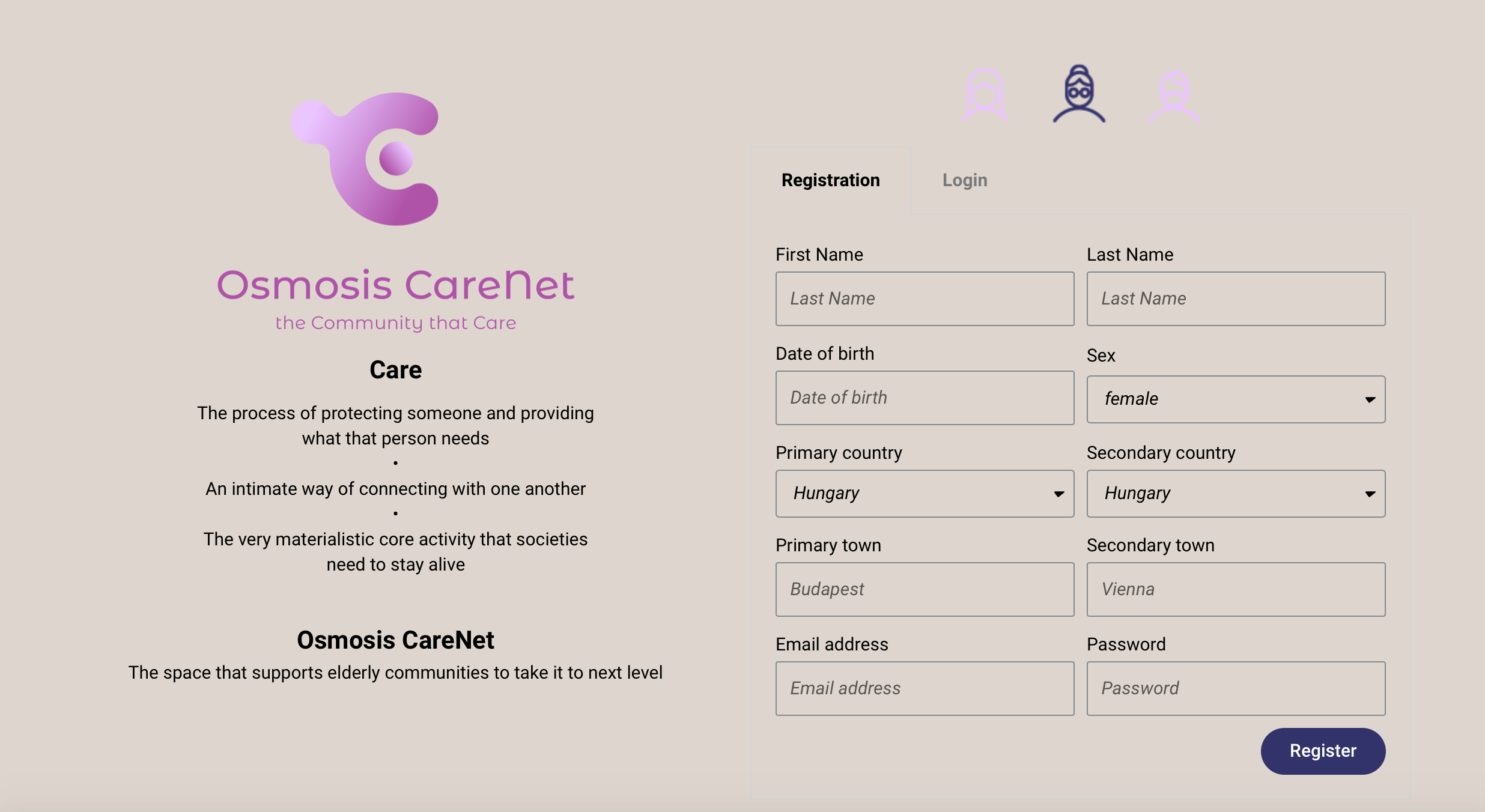
- developed the site design and demo,
- and worked out a business model.
We are particularly proud of Marta, who has designed the demo site and created the pitch video. We are loving it!
The Solution’s Impact on the Crisis
Considering the home care market, our solution addresses one of the major COVID consequences. The team’s deep understanding of the industry guarantees rapid growth.
The first edition of Osmosis CareNet platform could potentially reach over 1000 members in 2 months after starting.
However, our growth model is flexible enough to be scalable for combatting COVID EU-wide.
The Necessities in Order to Continue the Project
As we can build on an existing network we can kick-off the platform within two months to tackle the crisis.
We go live in the Netherlands, Hungary, and Malta to represent different cultures and geographies, in order to develop best practices that are scalable across Europe.
Our go-to-market strategy focuses on local governments that experience the care crisis first hand. We already have strict commitments from three municipalities in Hungary.
We are raising 380,000 EUR to build an MVP and grow the communities for 12 months. The funds will be used for developing the platform, marketing, and operations.
We Have a Sustainable Business Model
Regarding the COVID situation, we see two different phases.
1) Right now we are facing an emergency. We need large-scale solutions in a short amount of time. The type of funds necessary are:
- Grants
- Subsidies
- Private donations
2) Mid- and long term, we create a sustainable platform. Major sources of income include:
- Commission from marketplace services.
- Revenue from services offered to and through local governments.
- EU-level social care and social inclusion related funds
The Value of Our Solution After the Crisis
By 2050 the number of people over 65 years old in Europe is expected to jump to 200 million. Home care will remain increasingly important even after the COVID crisis. Existing approaches need to transform into a more sustainable and resilient home care model.
Osmosis CareNet has the potential to become the go-to digital platform for elderly care in Europe.
Sources
https://ec.europa.eu/eurostat/databrowser/view/tps00001/default/table?lang=en
https://population.un.org/wpp/Graphs/DemographicProfiles/Line/908
https://ec.europa.eu/eurostat/web/products-statistical-books/-/KS-02-19-681


Log in or sign up for Devpost to join the conversation.