-
-
-
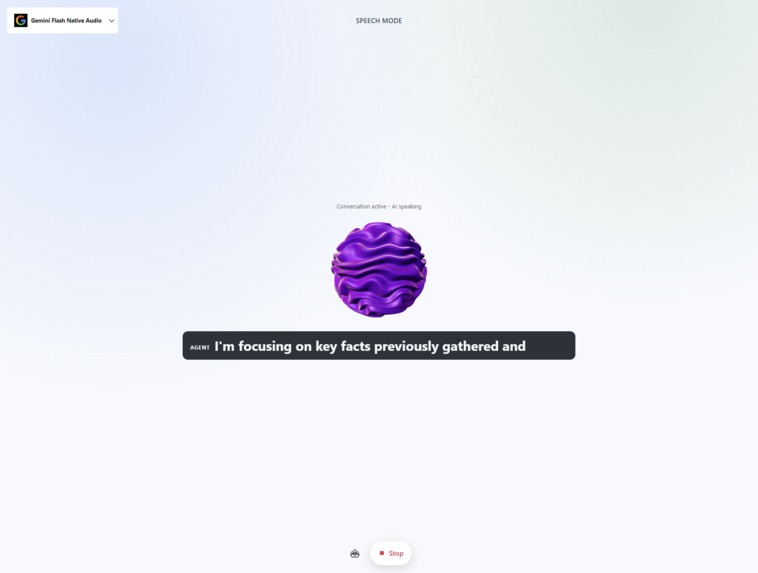
Gemini Speech
-
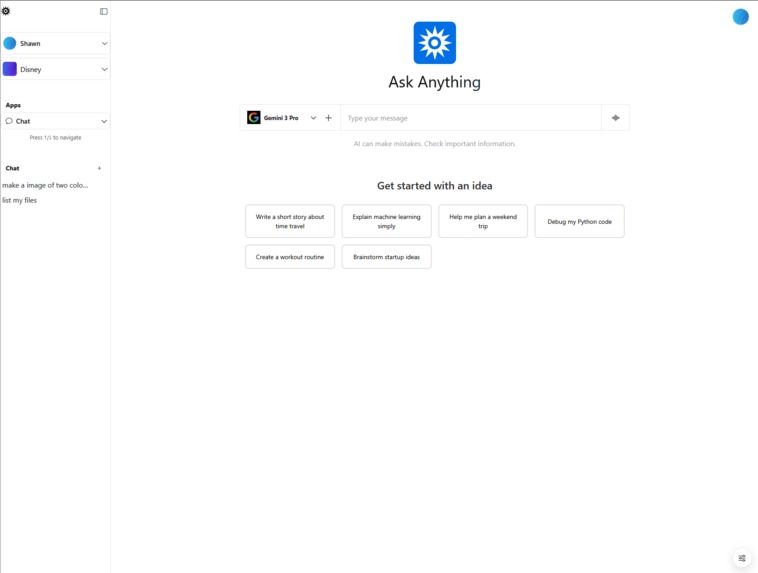
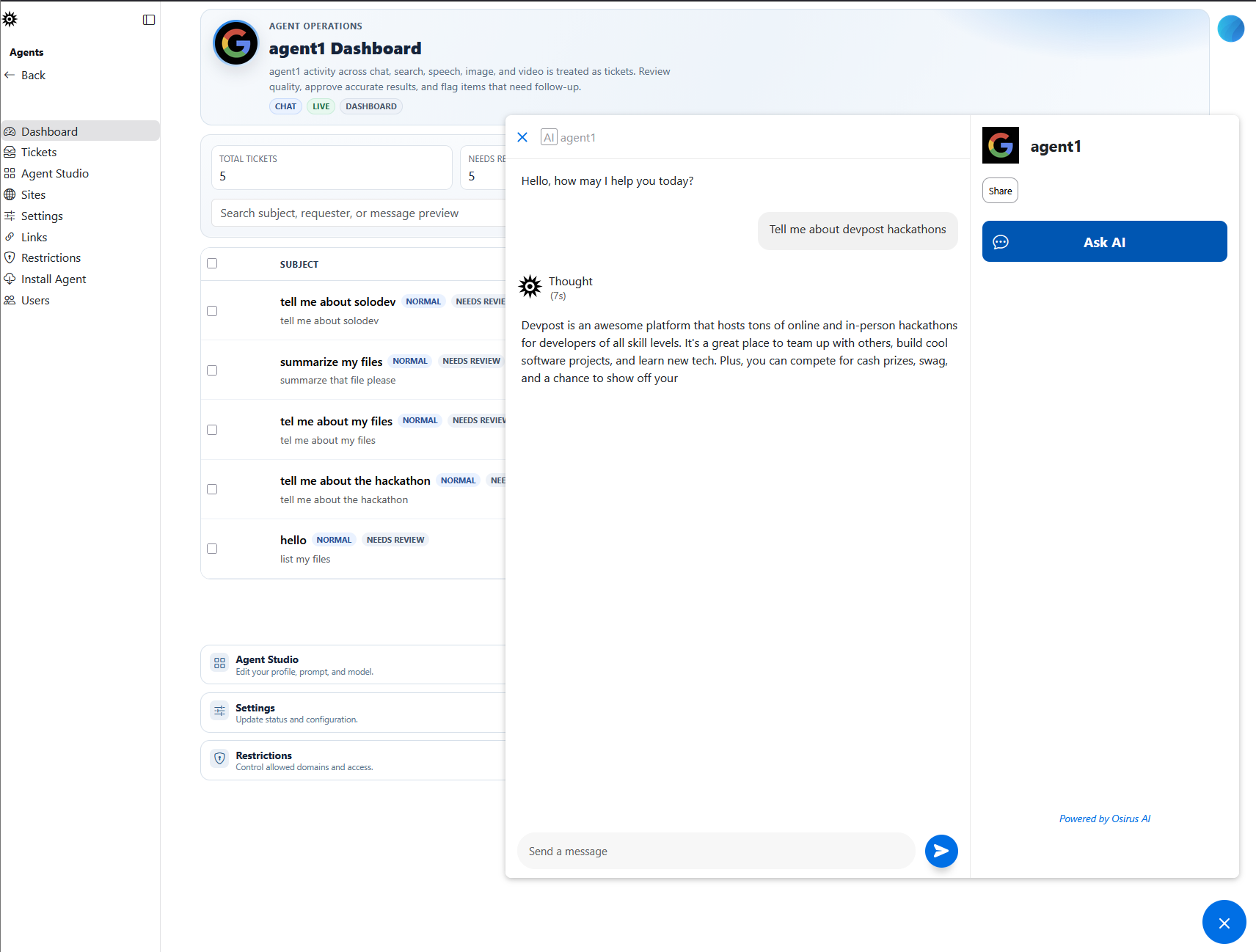
Gemini Chat
-
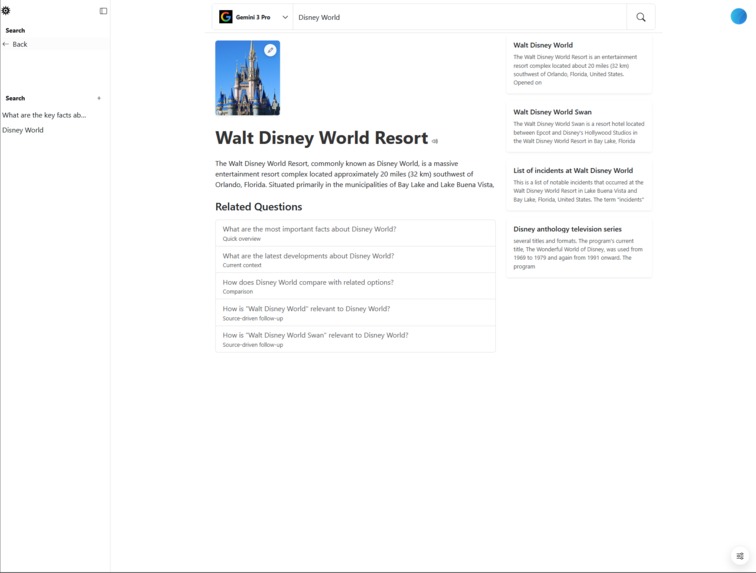
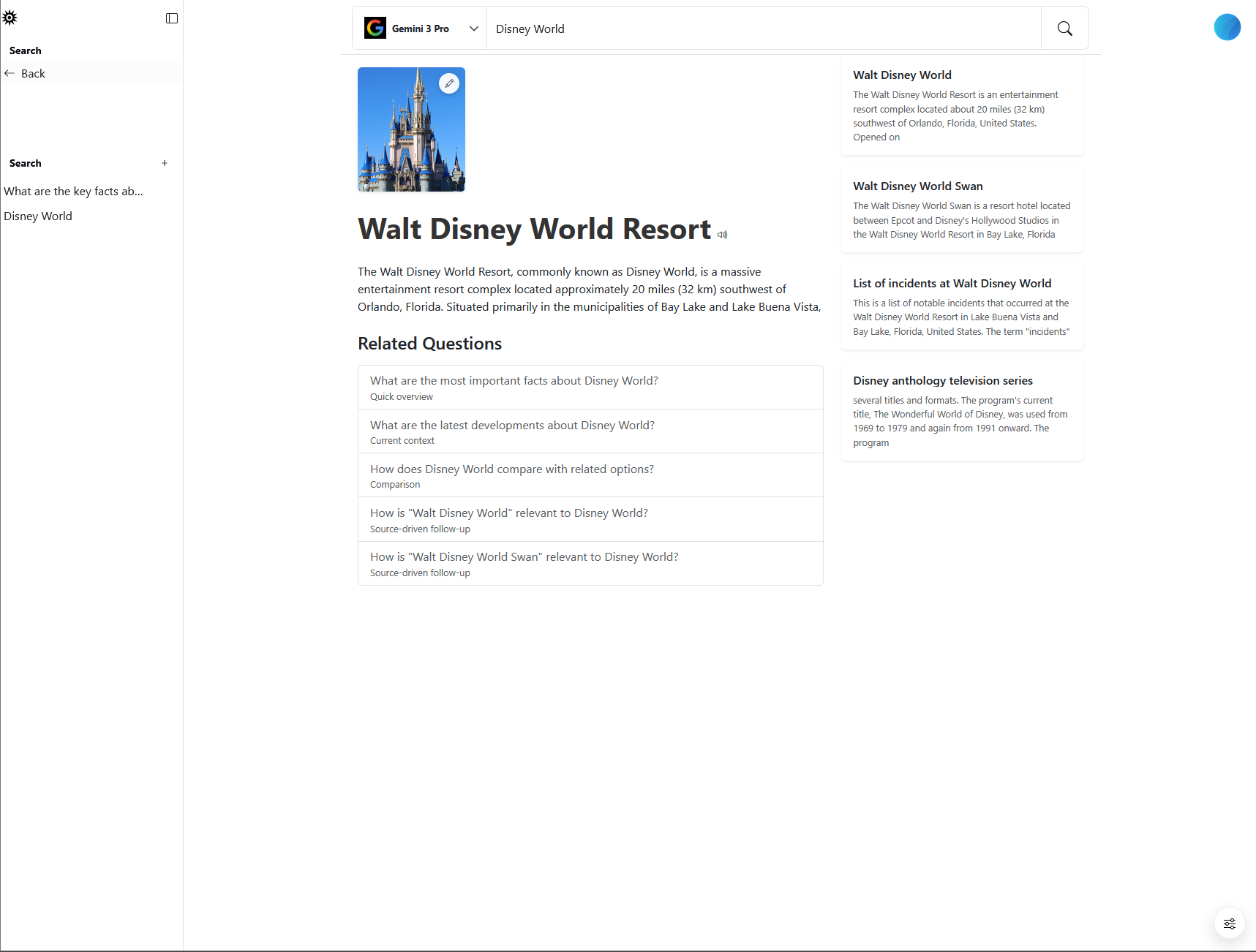
Gemini Search
-
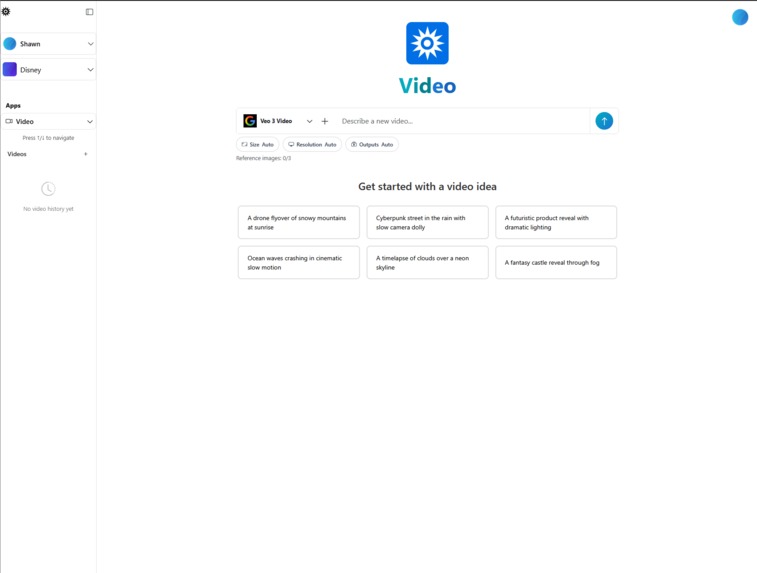
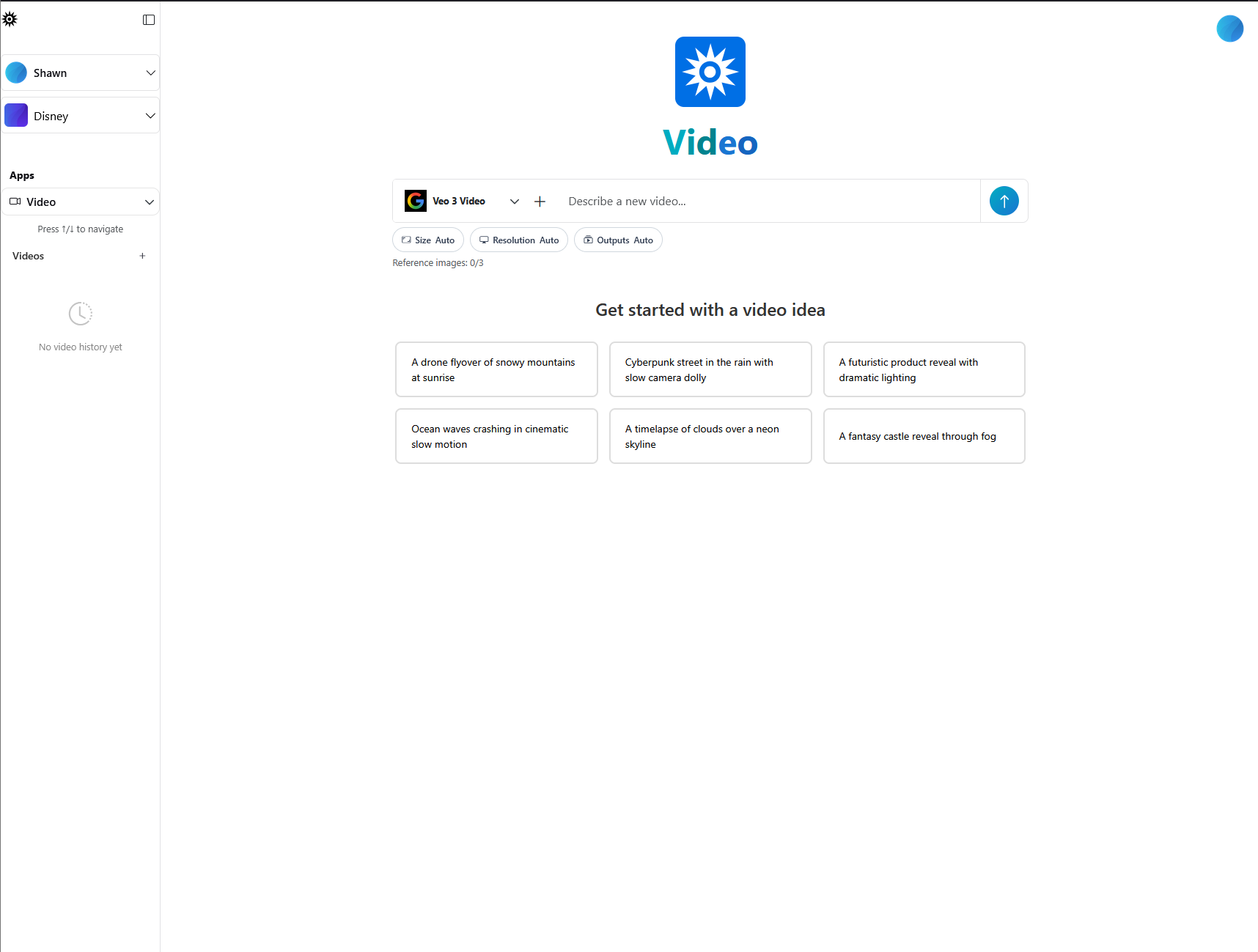
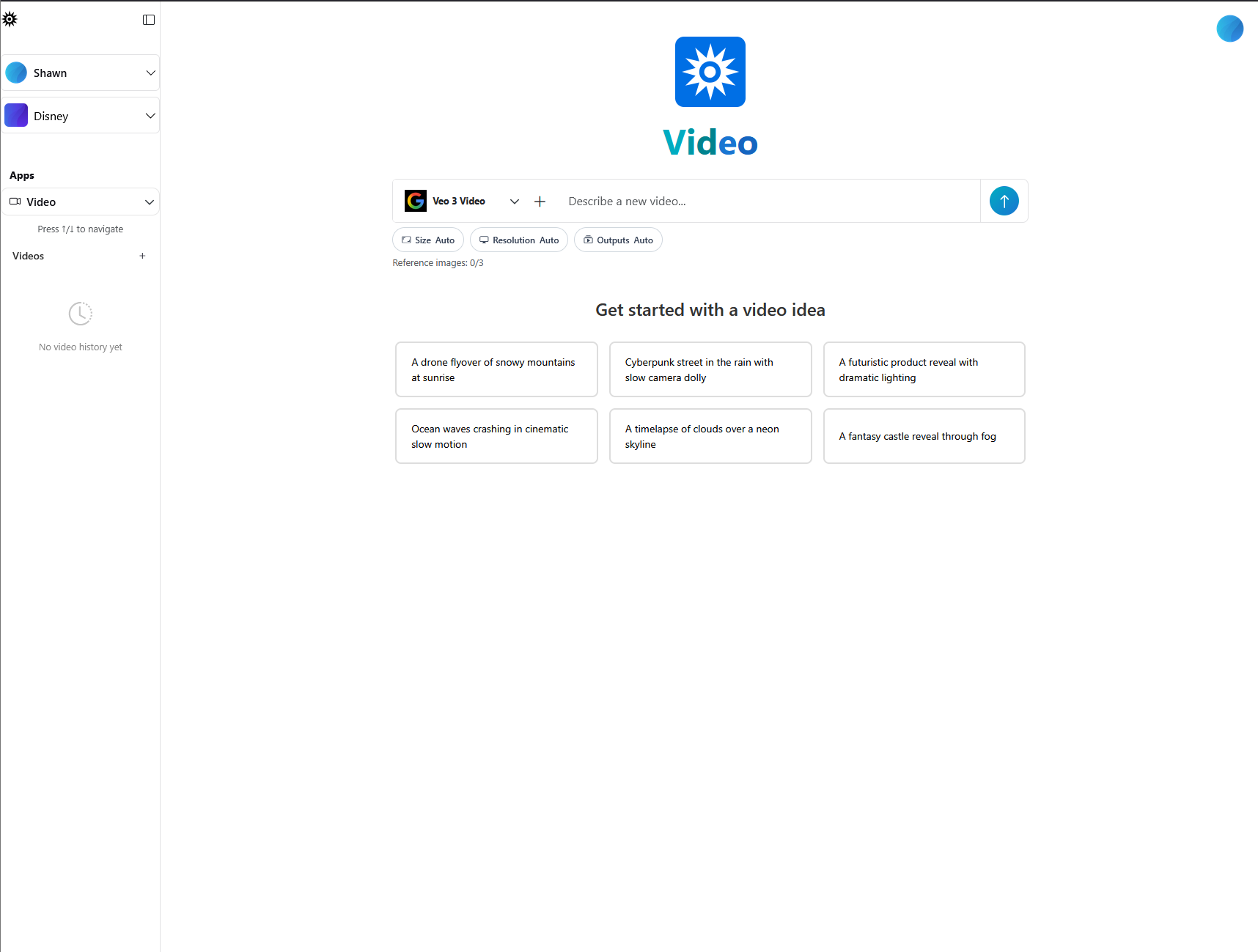
Gemini Video
-
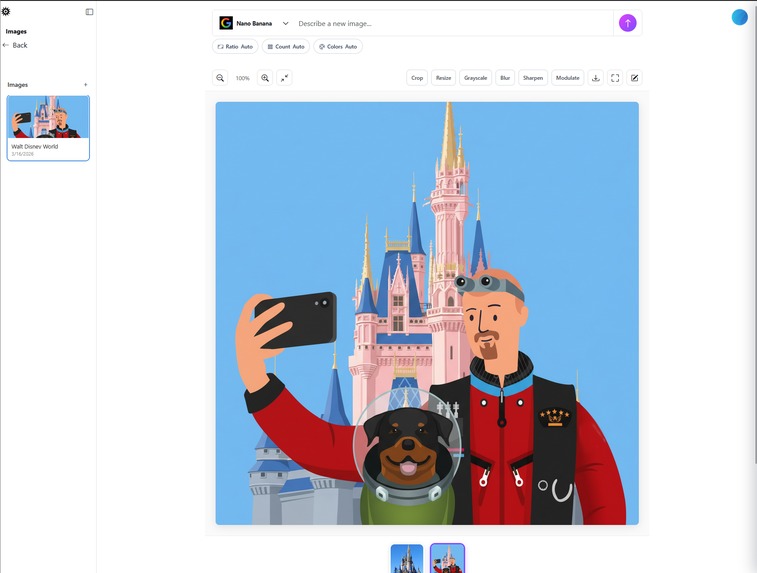
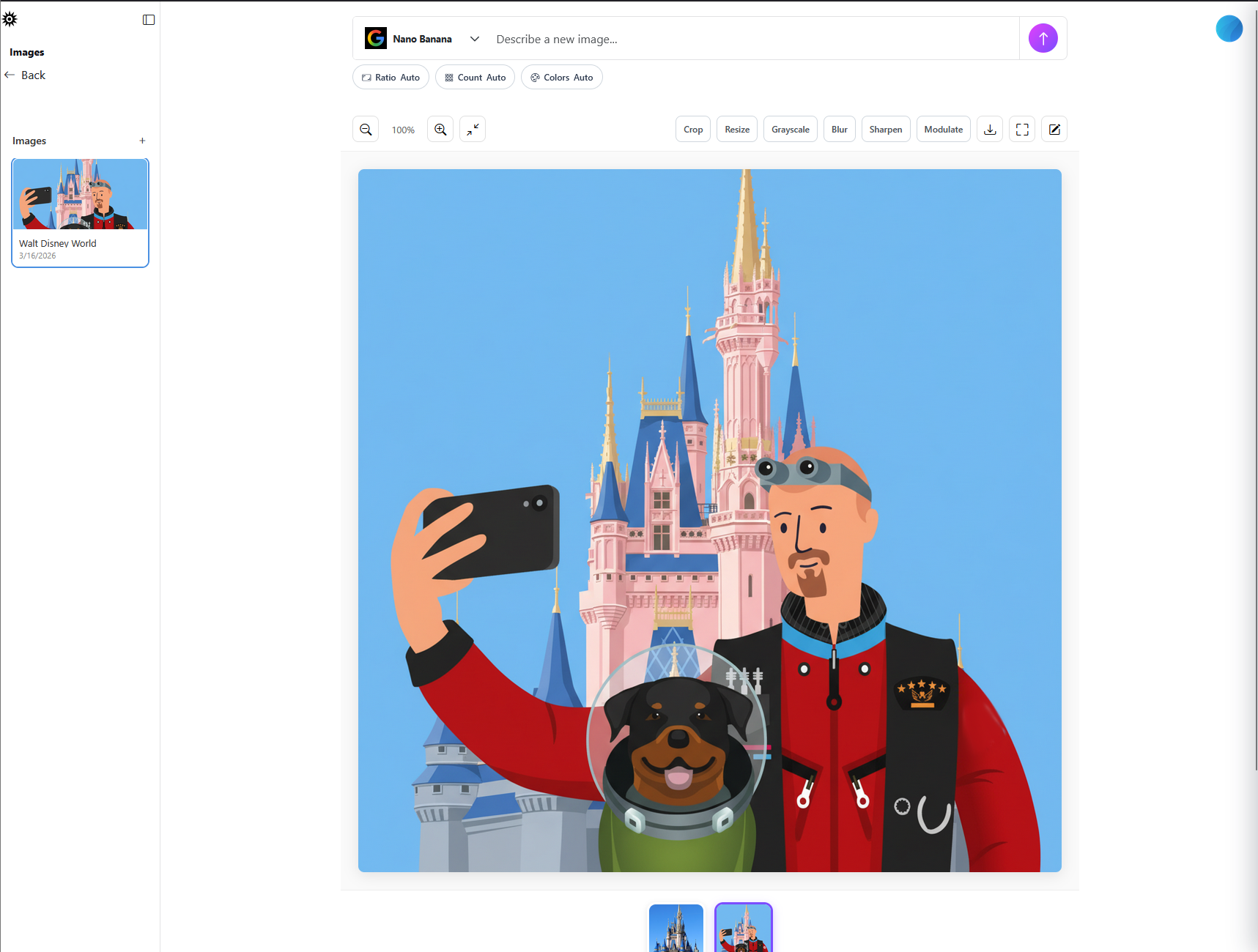
Gemini Images
-
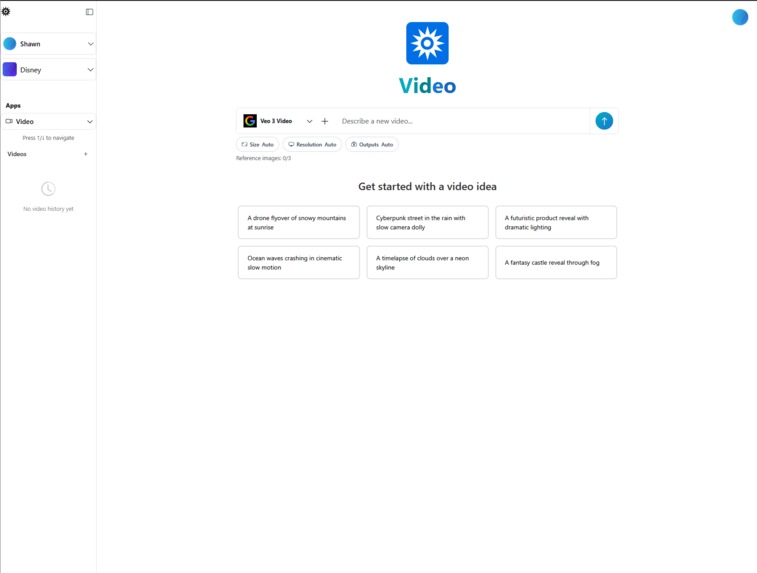
Gemini Video
-
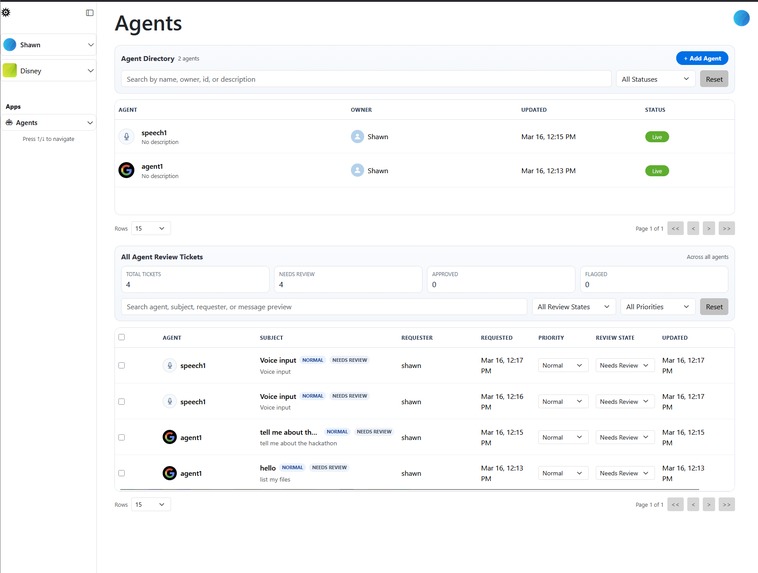
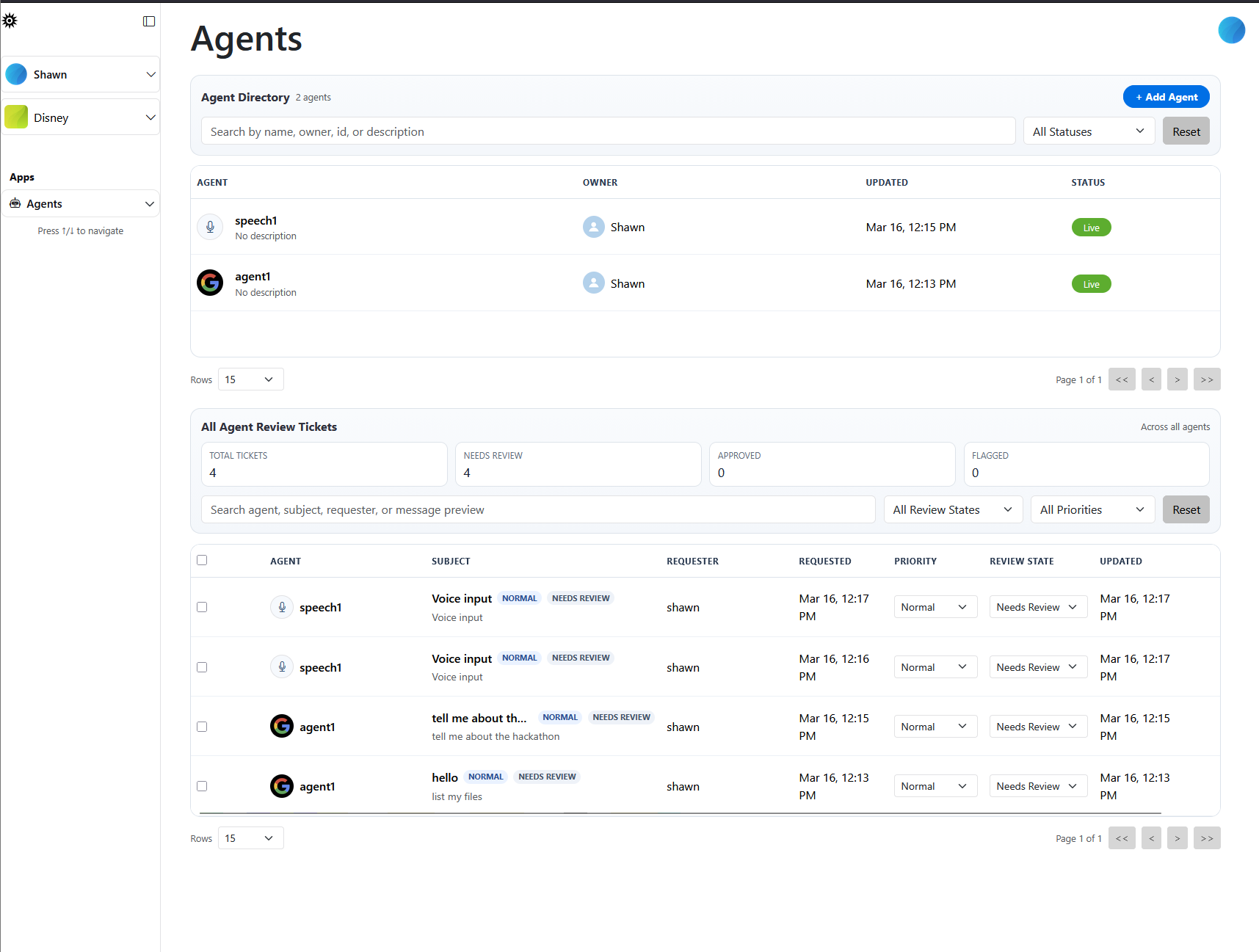
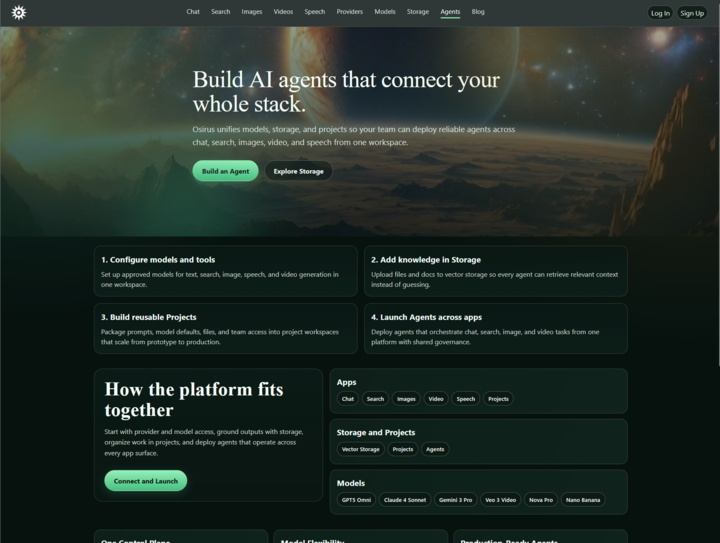
Gemini Agents
-
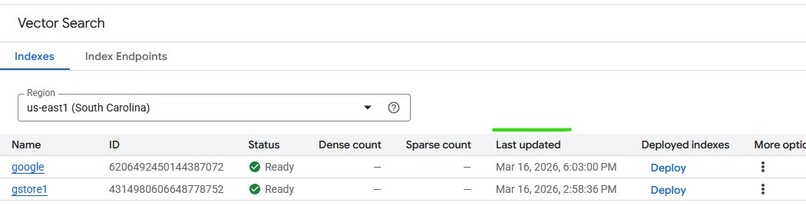
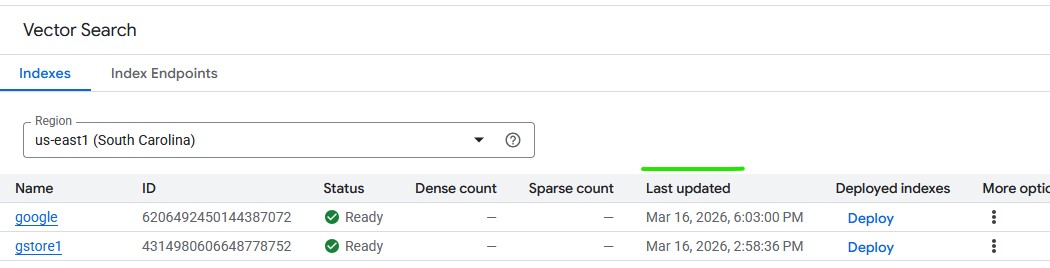
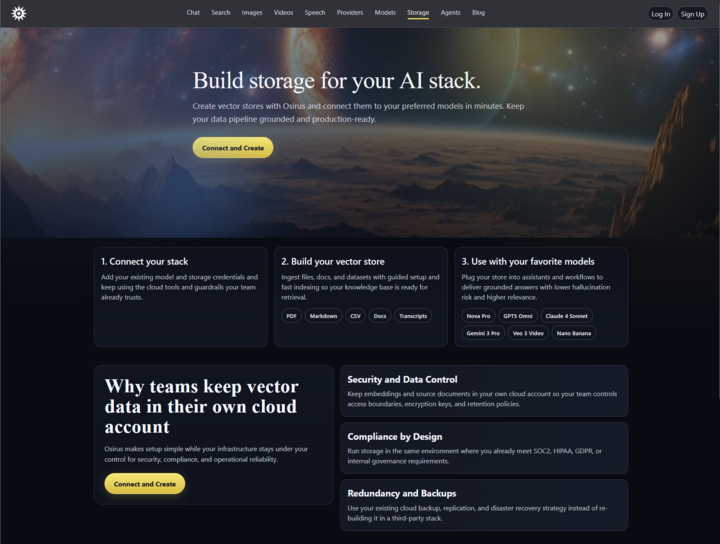
GCP - Vector Search Generated Dynamic from App
-
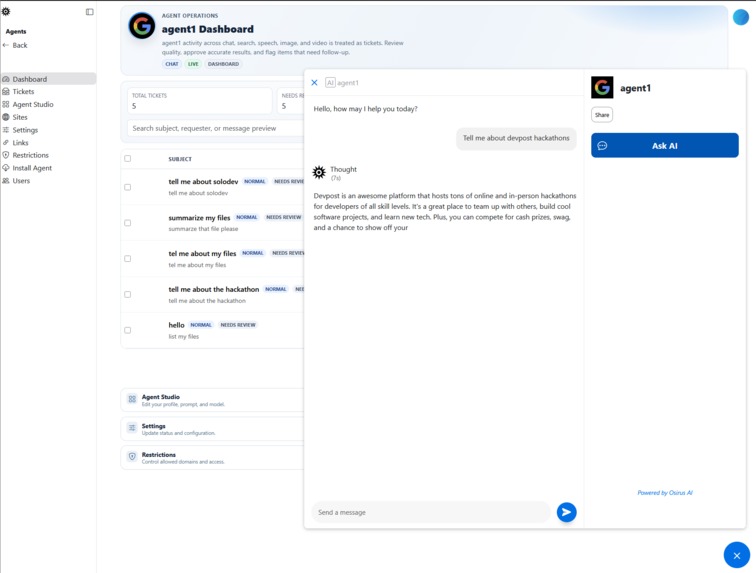
Gemini Chat Assistant
-
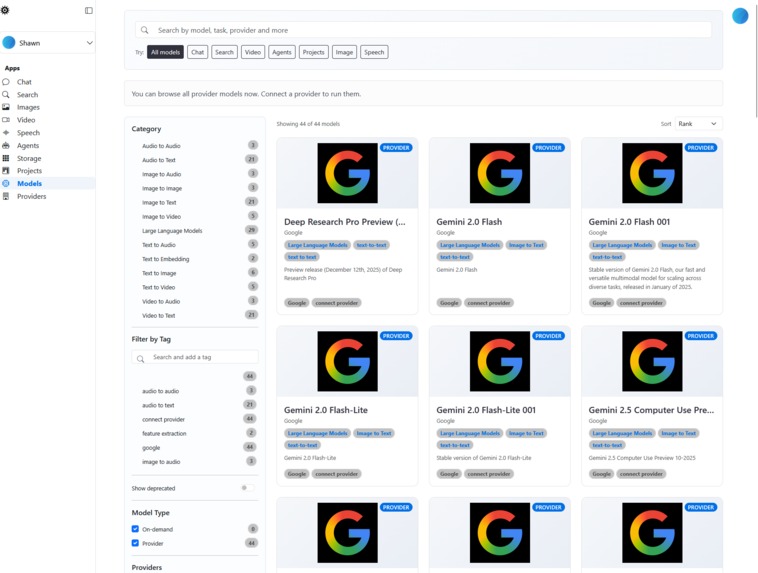
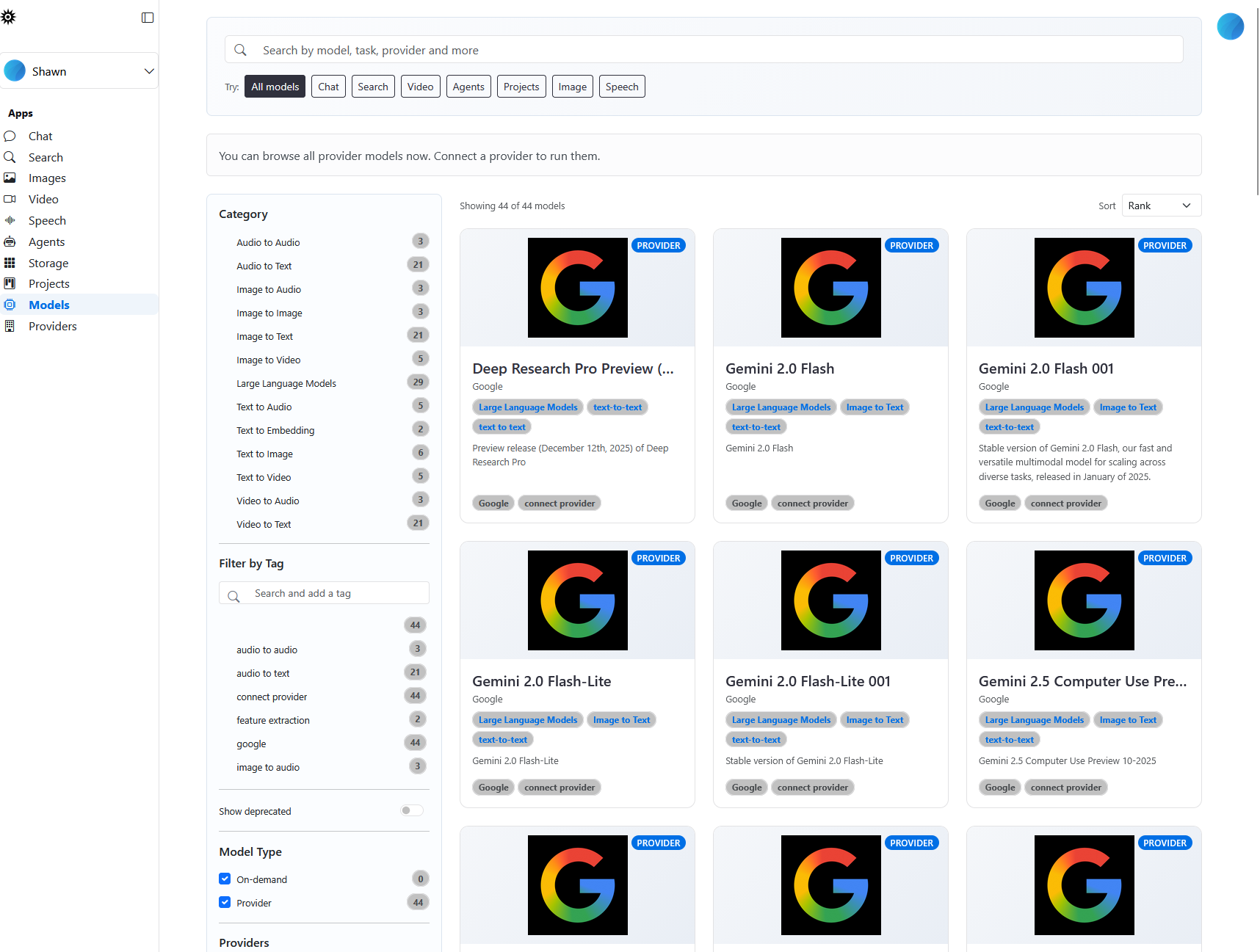
Gemini Models
-
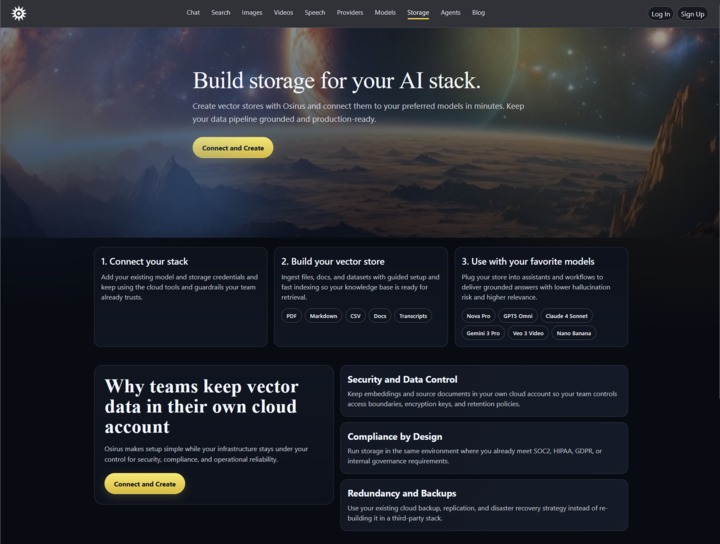
Gemini Storage
-
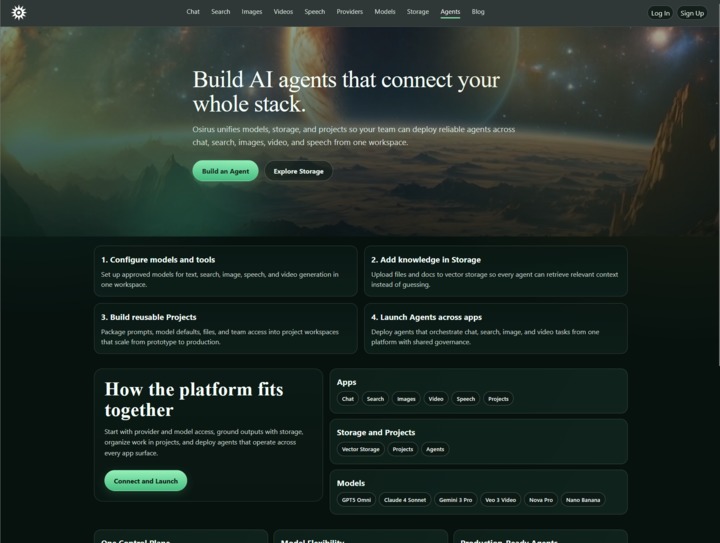
Agents Overview
-
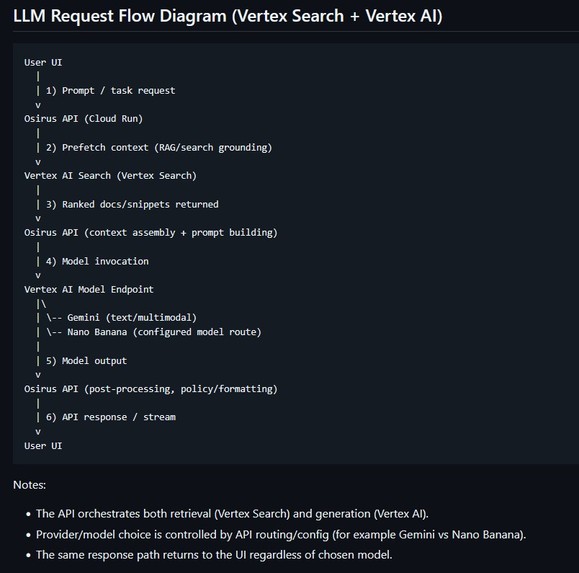
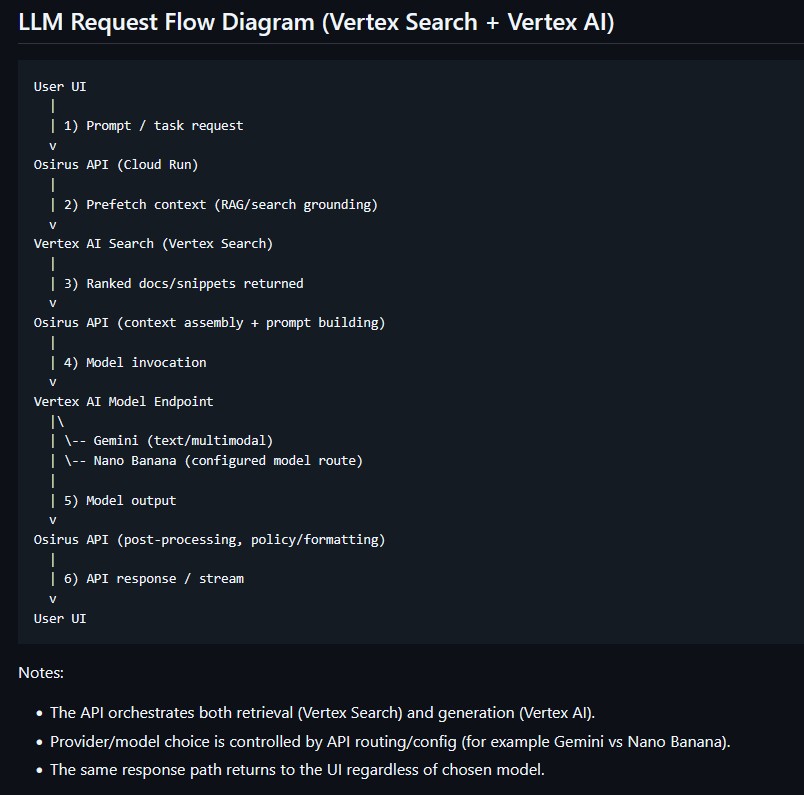
GCP Agent - Architecture Diagram
Inspiration
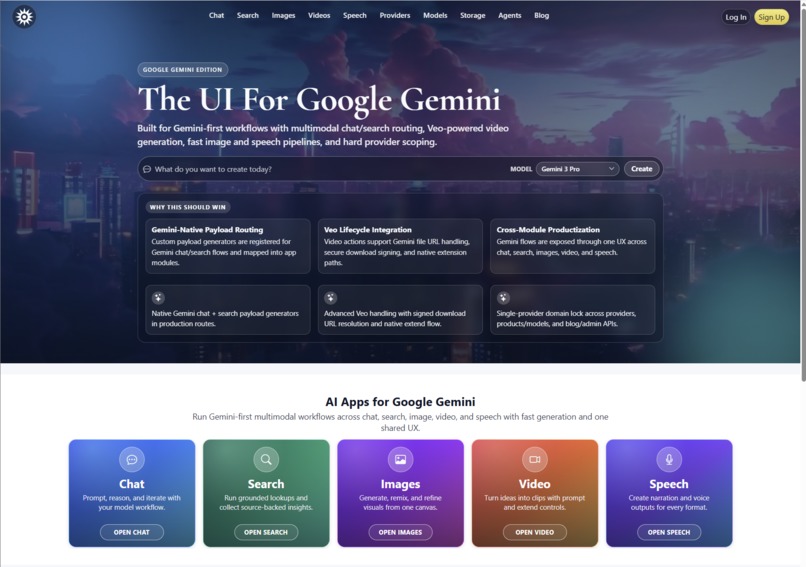
Enterprises are racing to adopt AI, but the reality is messy and disconnected. According to MIT, 95% of AI projects fail before reaching production. We see this challenge every day with commercial customers and public sector organizations that serve citizens. Teams want conversational assistants, AI search, multimodal applications, voice experiences, and intelligent agents to automate real workflows — but these capabilities are scattered across different tools, models, APIs, and pricing structures, and a lack of context is a persistent challenge. The result is fragmentation, and engineers spend time stitching together services while leadership struggles with cost optimization, governance, and operational scalability. Many organizations simply lack a unified platform for building secure, sustainable AI solutions at scale. That inspired us to build Osirus AI.
What It Does
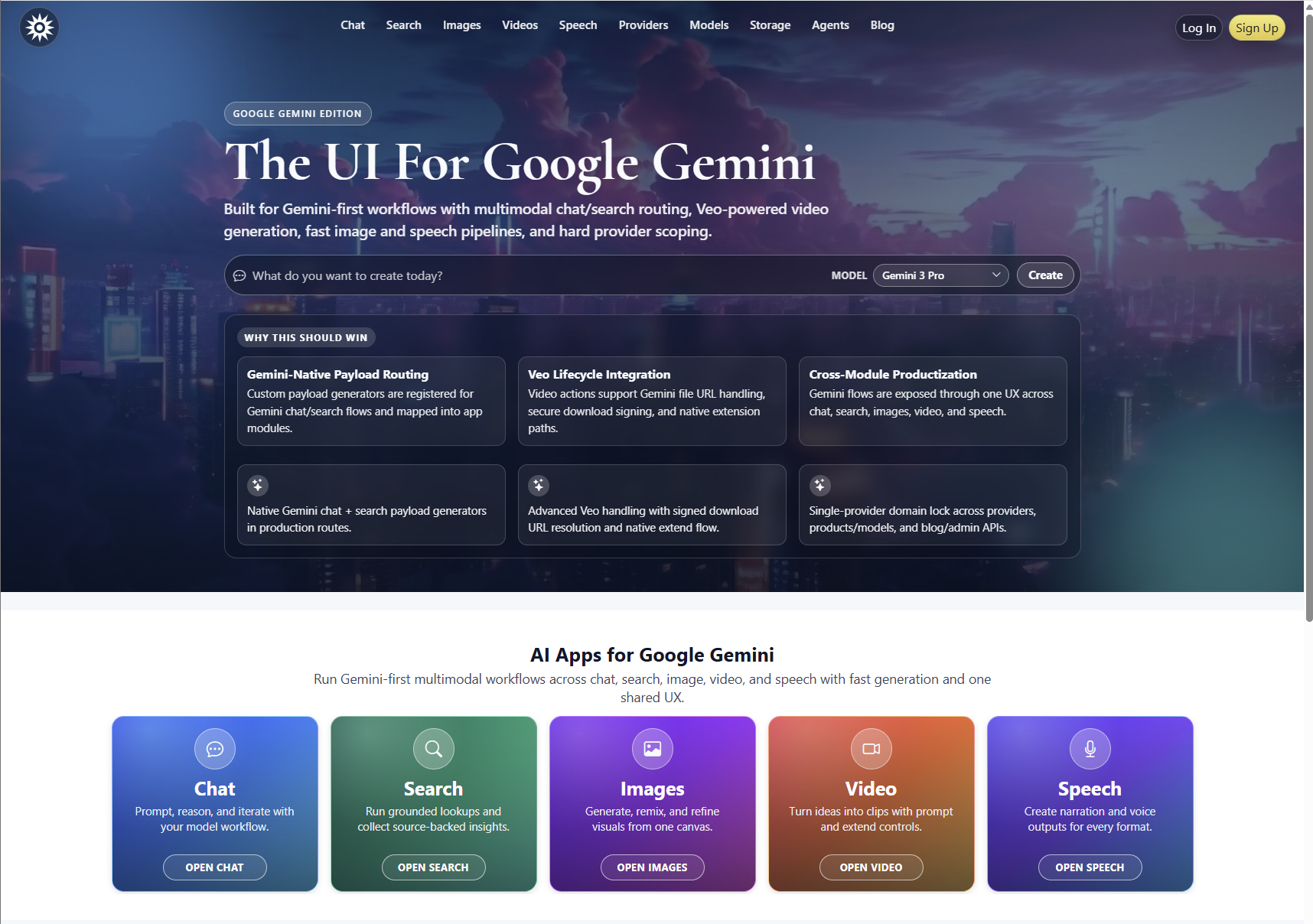
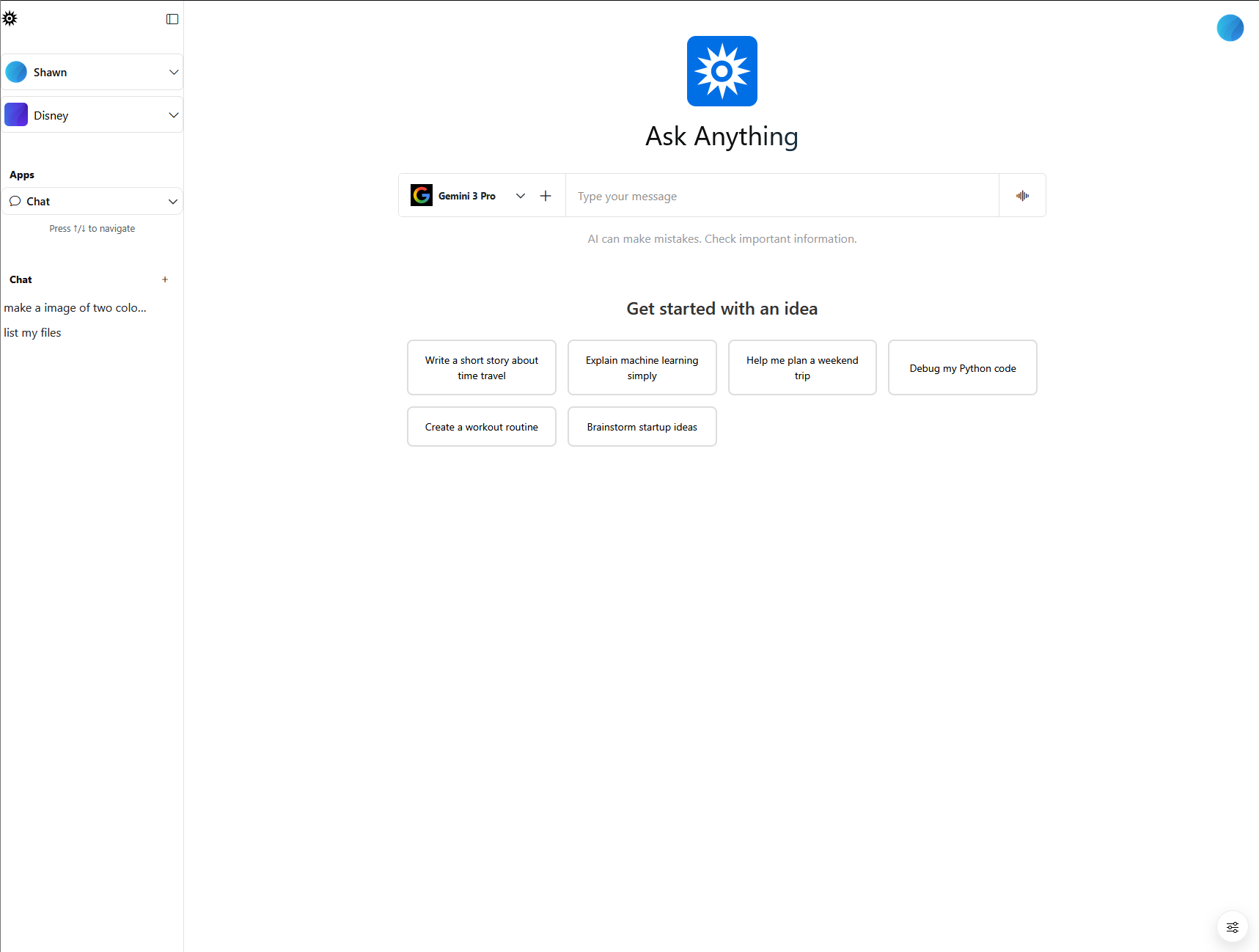
Osirus is the UI for Gemini: a unified enterprise AI development platform powered by the full family of Google Gemini models and designed to run within your own Google Cloud environment. It enables organizations to deploy agentic AI strategies, where intelligent agents leverage Gemini’s reasoning, multimodal capabilities, and long-context understanding to tackle complex real-world problems. The platform supports multimodal AI, allowing teams to build applications that can search, understand, and generate content and answers across text, documents, images, audio, and video — with context maintained across projects. Using Gemini-powered agents, teams can automate operational workflows, interact with applications, and orchestrate intelligent systems that assist both employees and customers. Instead of managing multiple AI tools and APIs, enterprises get a unified orchestration layer with observability and governance, allowing developers to move faster, experiment safely, and standardize how AI gets built and deployed.
How We Built It
Osirus AI was built on a scalable cloud architecture powered by Google Cloud. We leveraged the full family of Google Gemini models and built agent-based systems using the Google GenAI SDK and the Agent Development Kit (ADK), enabling us to create intelligent agents capable of reasoning, multimodal understanding, and workflow orchestration. By combining Gemini models with Google Cloud infrastructure, the ability to create GCP Vector Search On-Demand for Context, we were able to design a platform that supports conversational AI, multimodal content generation, and automated workflows within a unified developer experience.
Challenges We Ran Into
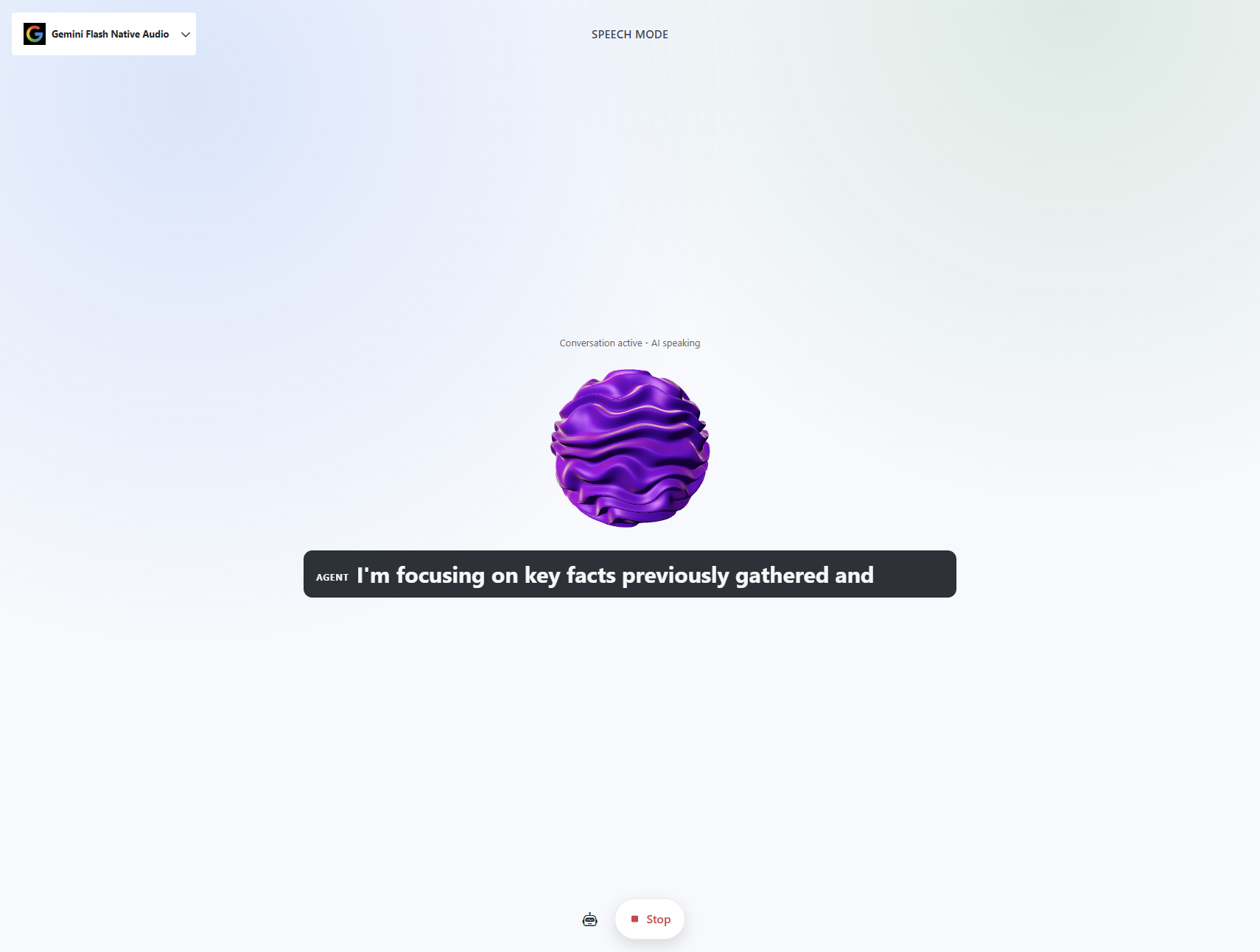
The most complex challenge we faced was real-time voice interaction. Unlike text interfaces, voice conversations introduce timing and orchestration challenges — particularly when users interrupt or talk over an AI agent mid-response. Without careful design, this can break the conversational flow. To address this, we engineered a stateful conversational session layer that allows voice interactions to remain natural even when users interrupt, redirect, or change topics mid-conversation. This architecture maintains context across conversations and enables smoother, more human-like voice experiences powered by Gemini’s multimodal capabilities.
Accomplishments We’re Proud Of
Osirus AI represents a major step toward making enterprise AI development more accessible and operationally sustainable. By combining the capabilities of Google Gemini with a scalable Google Cloud architecture, we built a platform that enables organizations to move rapidly from experimentation to production-scale deployment. The platform already supports the types of capabilities our customers are asking for — from intelligent agents to automated workflows and multimodal AI experiences. Most importantly, Osirus provides a unified interface for managing these capabilities, helping organizations reduce fragmentation and accelerate the adoption of AI-powered systems.
What We Learned
Building Osirus reinforced how quickly the economics of enterprise AI development are changing. With powerful multimodal models like Gemini and modern agent development frameworks, organizations can now build intelligent systems that previously required massive engineering investment. This dramatically lowers the barrier to entry for organizations with tighter budgets — particularly public sector institutions and mission-driven organizations — enabling them to adopt AI solutions that improve services, automate processes, and accelerate innovation.
What’s Next for Osirus AI: The UI for Gemini
Our vision is to continue evolving Osirus into a scalable AI orchestration platform for enterprise and public sector organizations. As organizations look for practical ways to deploy AI across their operations, platforms like Osirus can provide the structure needed to manage agents, workflows, and multimodal AI systems in a unified environment. Next, we plan to expand agent orchestration, workflow automation, and multimodal AI capabilities while continuing to leverage the rapidly evolving Google Gemini ecosystem. As AI adoption accelerates, Osirus will remain focused on one mission: making AI usable, scalable, and economically accessible for the organizations building the future.


Log in or sign up for Devpost to join the conversation.