-
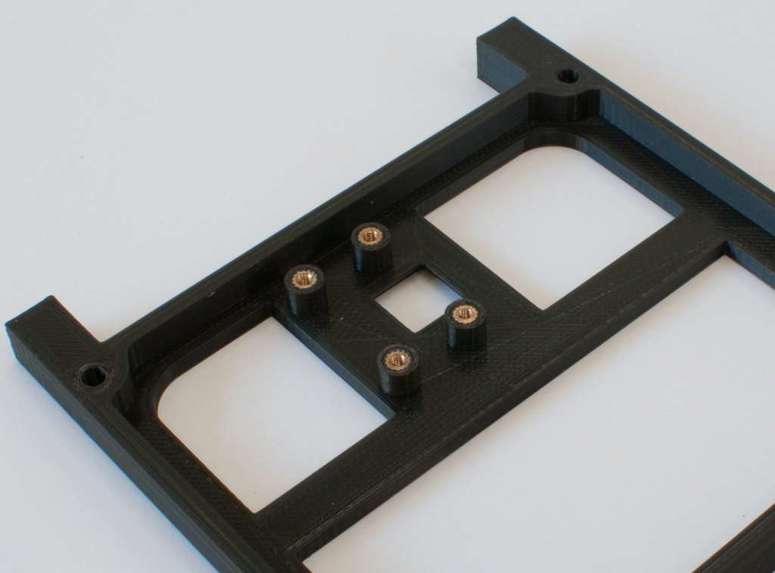
cube sat frame
-
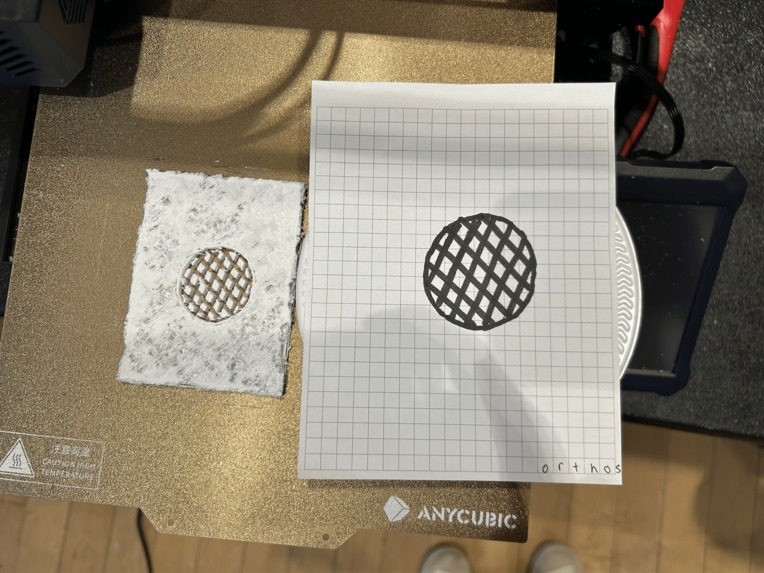
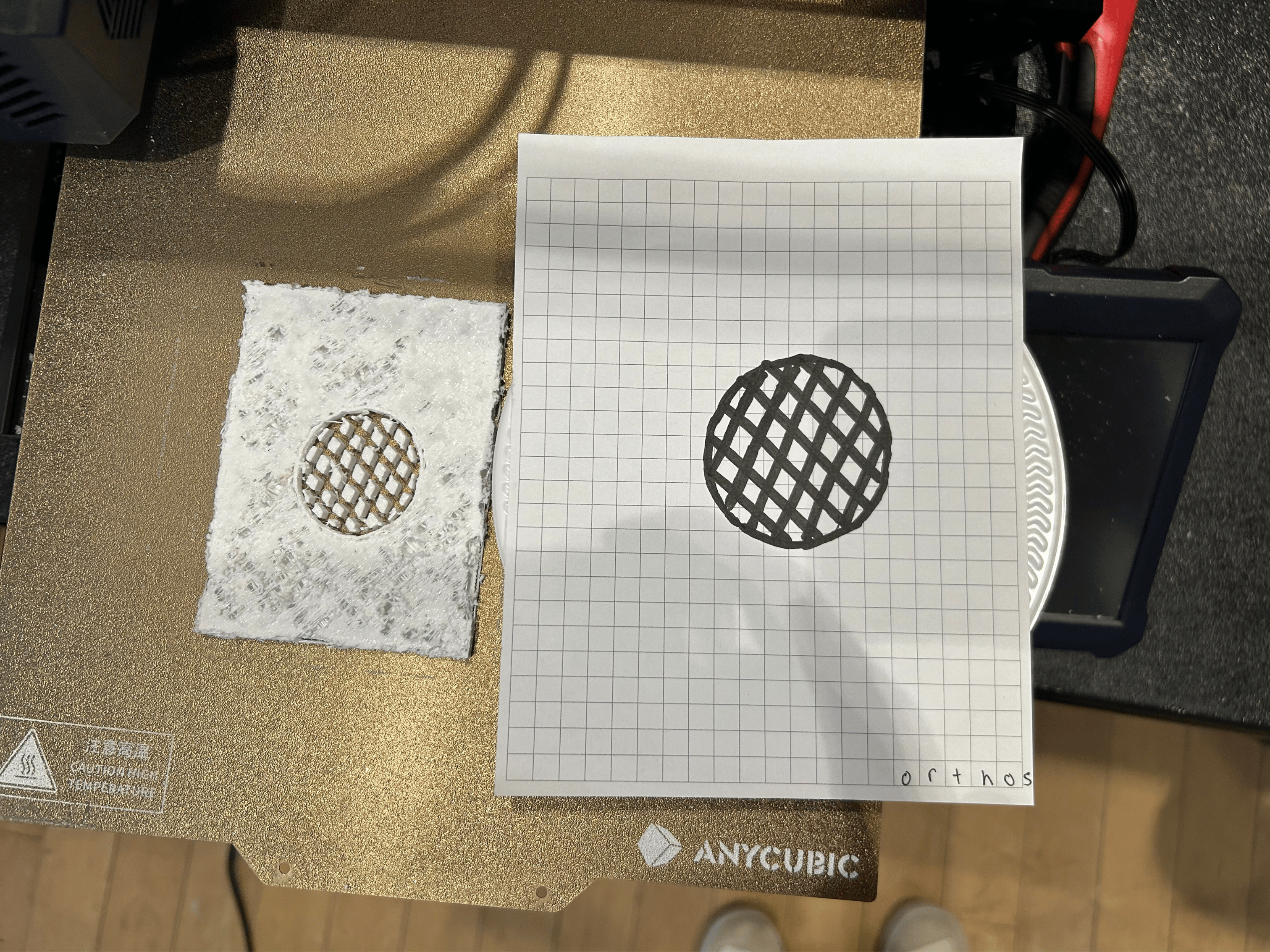
3D printed image from drawing
-
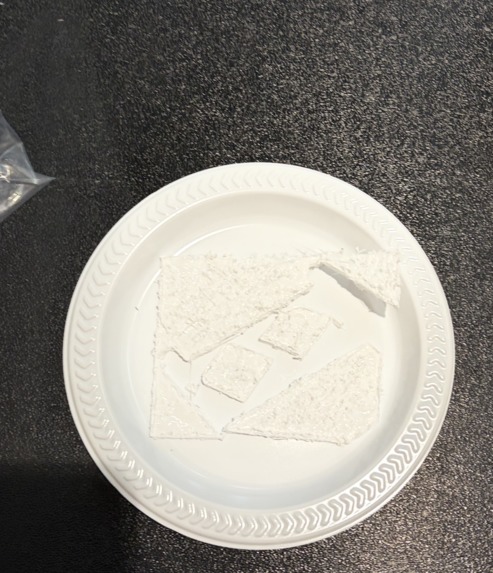
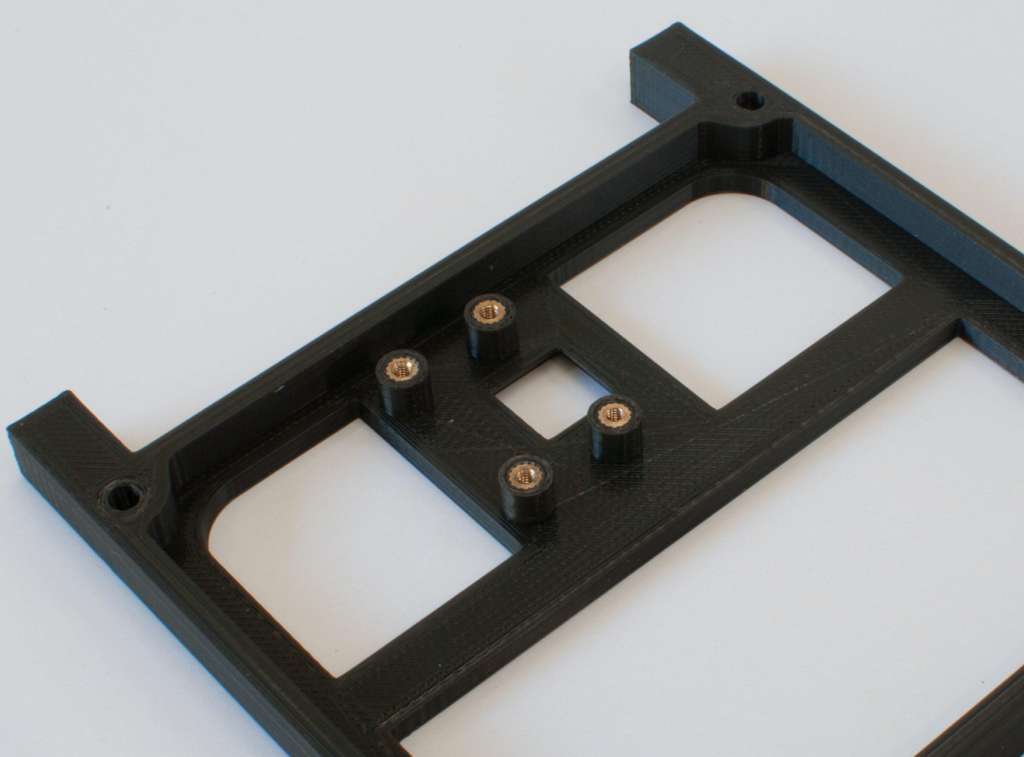
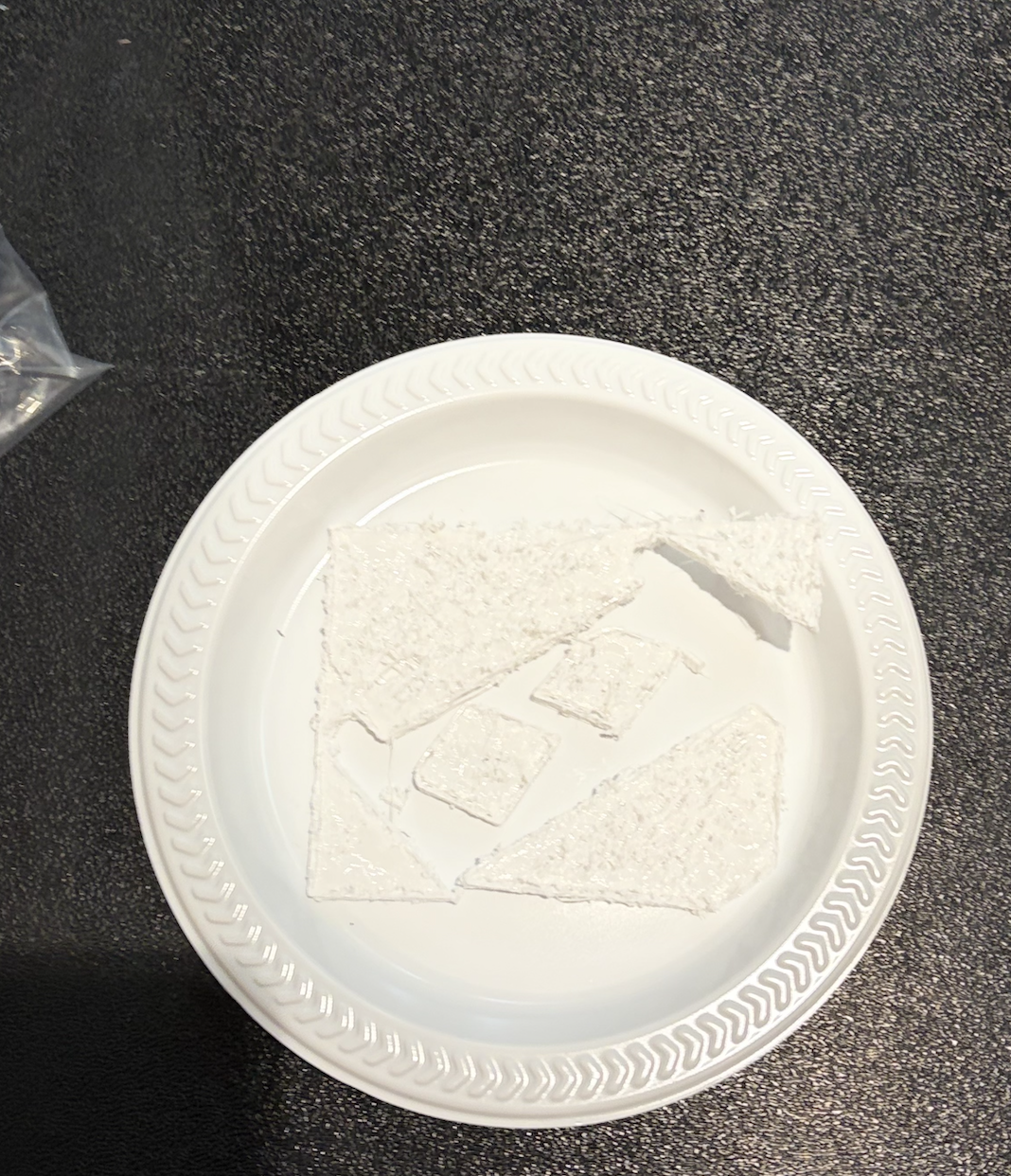
cube sat AI-generated + Print
Orthos ✏️➡️🧊
Turn a quick sketch into a 3D-printable model — in seconds. Sketching is easy. CAD doesn’t have to be.
⸻
💡 Problem
Anyone can draw an idea on paper. But turning that sketch into a 3D model usually requires hours of CAD learning and complex tools.
Orthos makes it simple end-to-end pipeline: draw OR upload → get a 3D model → PRINT.
⸻
🚀 What Orthos Does
Orthos converts a hand-drawn sketch into a ready-to-print STL file using an automated pipeline: 1. Upload a photo of your drawing. 2. Clean & interpret the sketch using multimodal AI. 3. Extract edges and contours with computer vision. 4. Generate a watertight 3D mesh through extrusion. 5. Download an STL file for any slicer or 3D printer.
⸻
⚙️ How It Works
- Frontend (React)
Handles image upload, resizing, and simple cropping.
Vision Processing (Python + OpenCV) • Convert to grayscale • Remove noise with blurring • Apply thresholding to isolate the ink lines
AI Repair & Cleanup
A multimodal model fills in missing edges, closes gaps, and fixes messy contours so the shape can be turned into a solid.
Mesh Generation • Convert the cleaned 2D drawing into coordinate arrays • Extrude along the Z-axis to create thickness • Export a binary STL using numpy-stl
Validation
STLs were tested on an Anycubic Vyper to ensure the prints slice cleanly and produce solid, watertight geometry.
⸻
🚧 Challenges
Building the entire system in 24 hours came with hurdles: • Noisy sketches: Shadows, wrinkles, and inconsistent lighting made contour detection tricky. • Broken shapes: Unclosed lines caused invalid geometry — fixed using AI-assisted contour repair. • Watertight STL: Early meshes had holes; we added strict checks to ensure all models were manifold and slicer-friendly.
⸻
What We Learned • Using generative vision models for repair instead of just image creation. • Understanding STL structure, triangle meshes, and normal vectors. • Managing a React ↔ Python architecture for heavy computation. • Iterating fast — we broke plenty of prints before getting stable results.
⸻
Future Improvements • Multi-view modeling: Use front + side sketches for richer shapes. • Curved surfaces: Move past straight extrusions to smooth, organic geometry. • Printer integration: Send G-code directly via OctoPrint or similar APIs.
⸻
Built with 💙 and ☕ by the Wellesley
Built With
- fastapi
- next
- prusa
- python
- slicer
- typescript

Log in or sign up for Devpost to join the conversation.