-
-
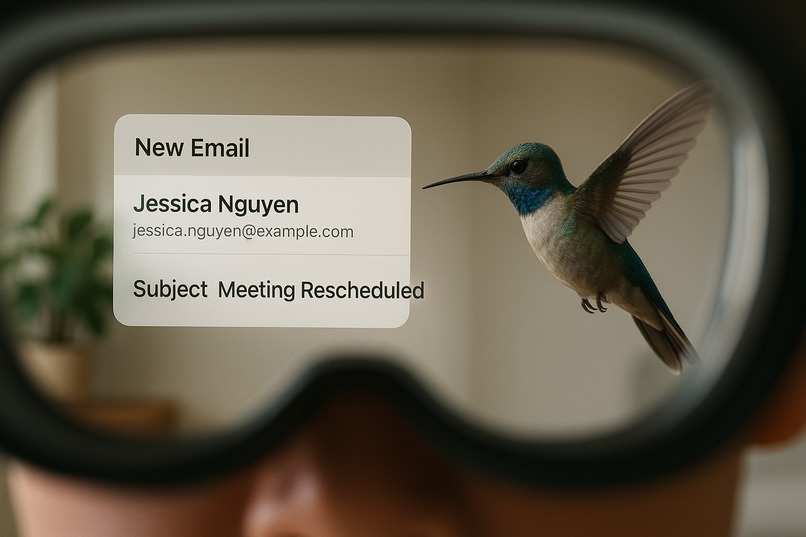
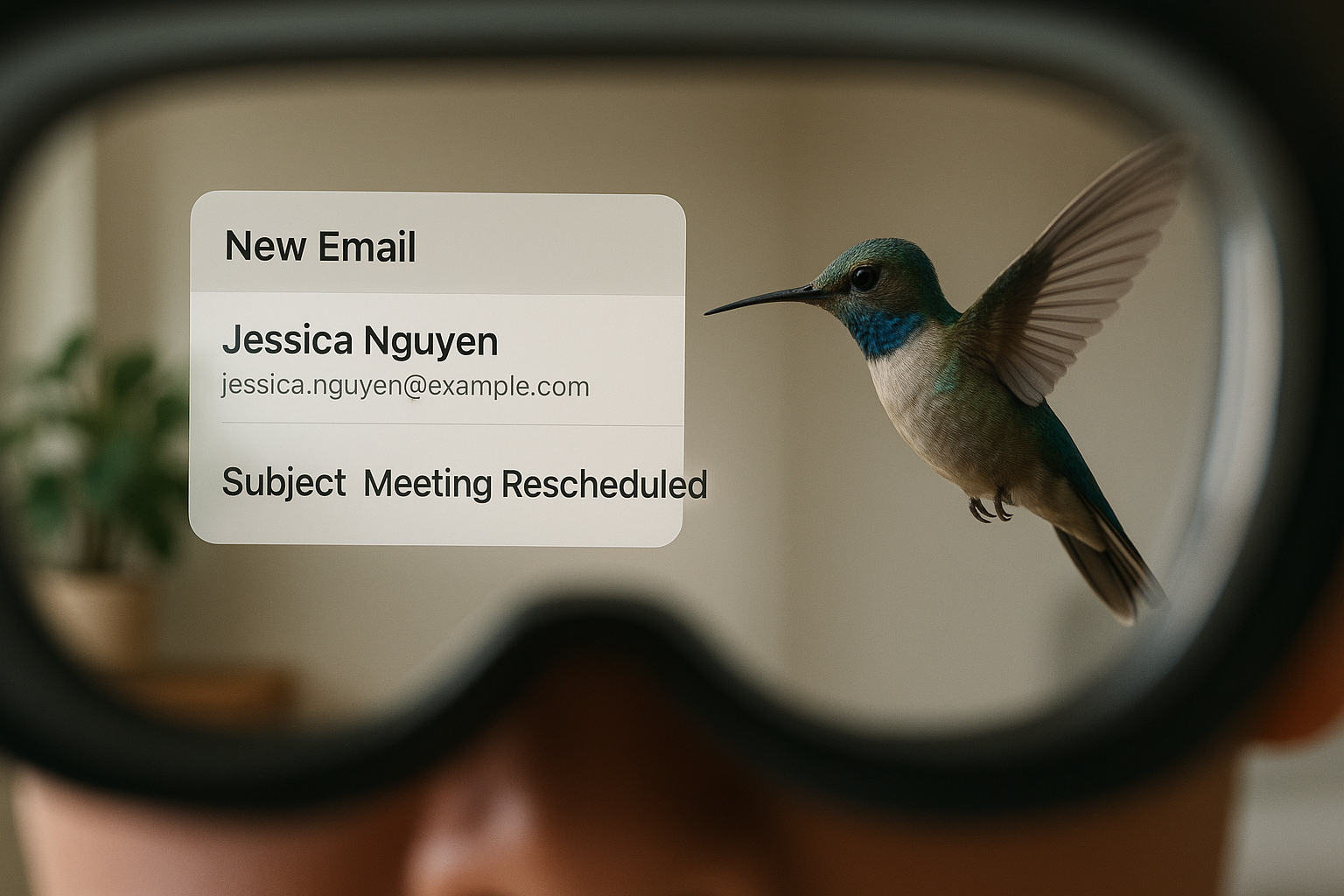
Notification example
-
Logo
-
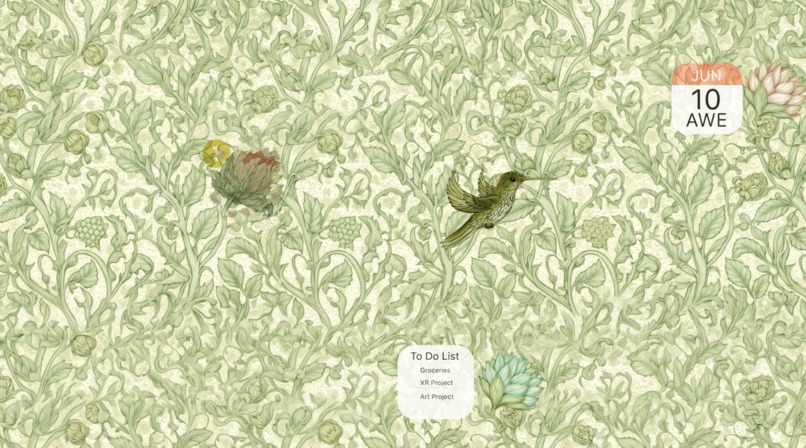
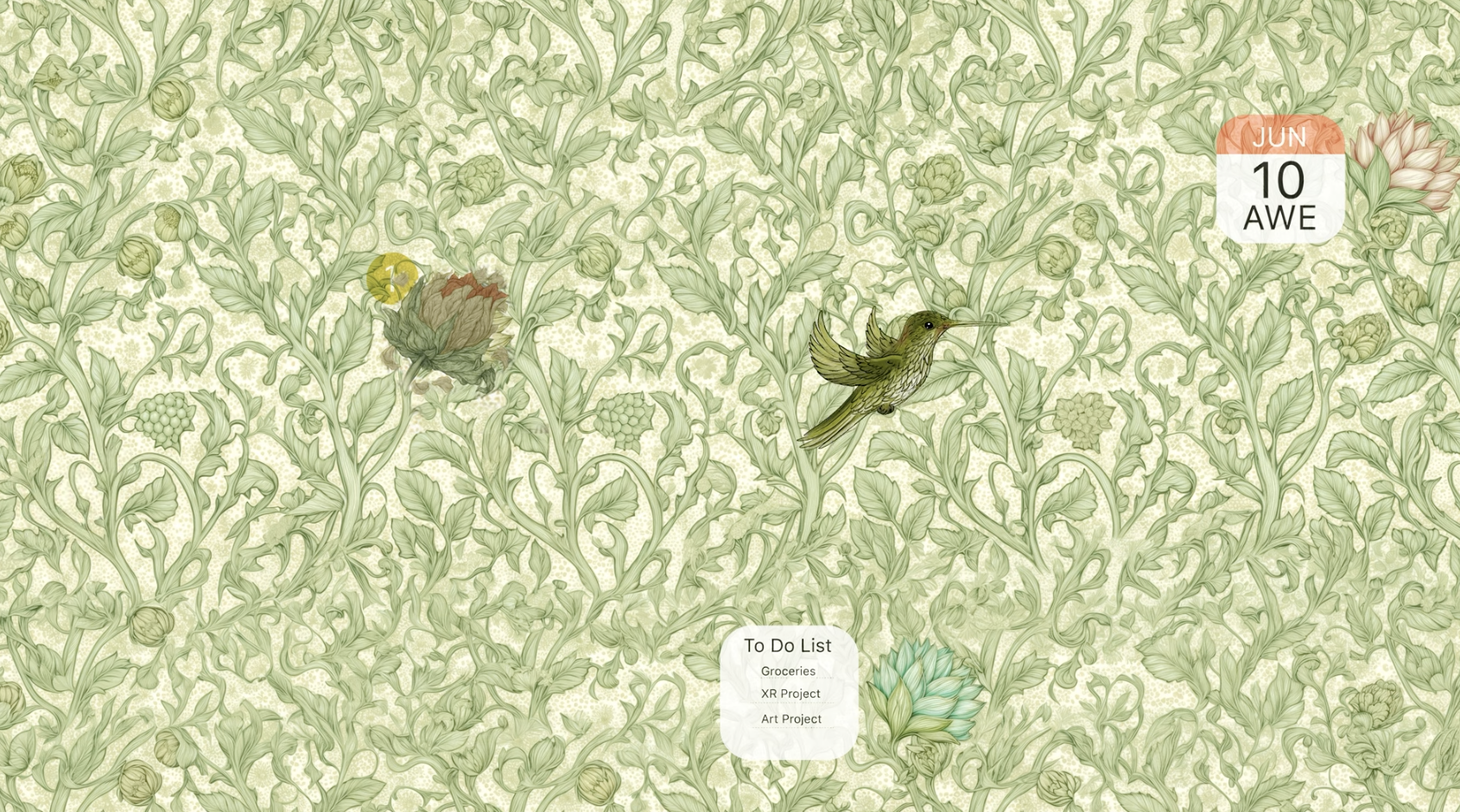
wallpaper
-
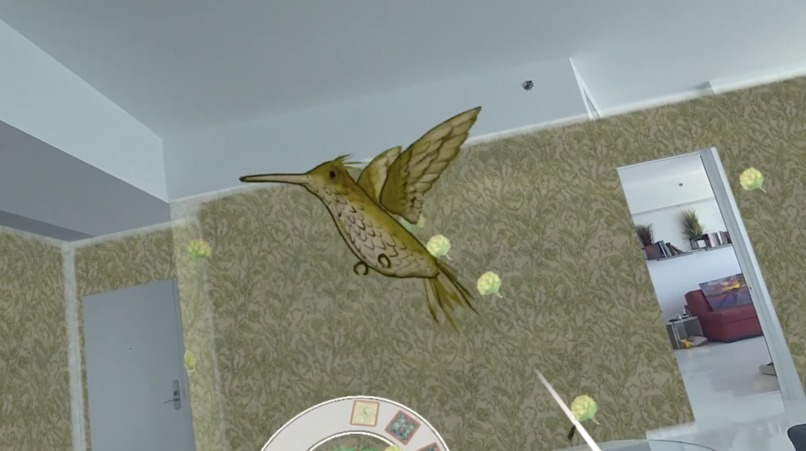
interface

Inspiration
OrnaCast was born from a simple question: What if virtual environments could communicate with us using the same emotional richness as real, lived spaces? In everyday life, wallpaper is decorative and static. In Horizon, it has the potential to become something entirely new—a living surface that expresses information through motion, light, and behavior. Our inspiration came from mixed-reality prototypes where walls transformed into animated canvases. We realized that this idea could be reimagined for VR: not just decoration, but a new communication layer for virtual rooms and worlds.
What it does
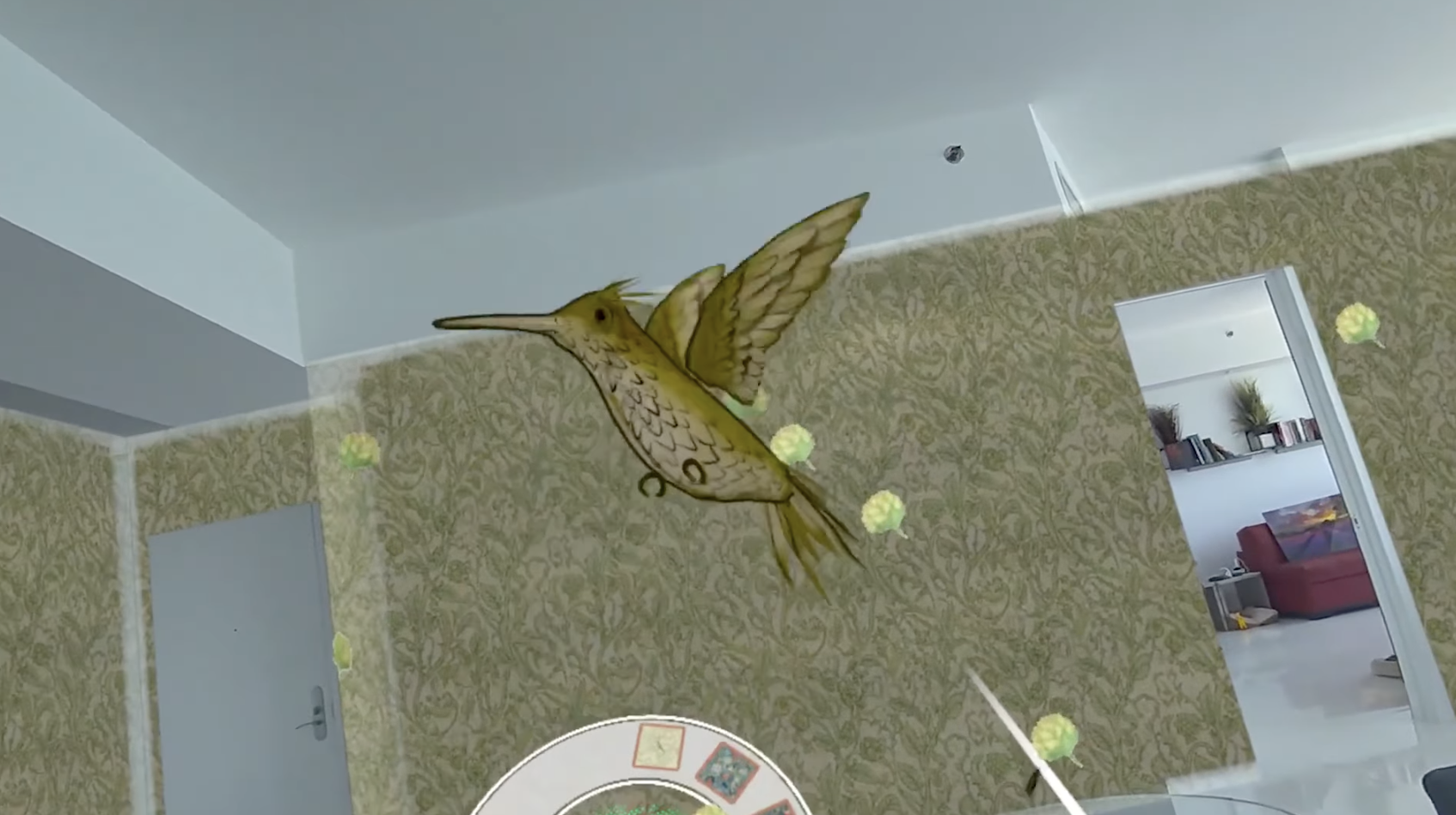
OrnaCast enables users to apply living, animated wallpapers to any room inside Horizon. These wallpapers transform spaces with expressive designs, textures, and behaviors. Users can choose and switch wallpapers from an intuitive in-world menu, instantly changing the look and mood of their environment. Wallpapers can also generate ambient 3D animations—small floating elements that emerge from the wall and hover gracefully in front of the user, hinting at activity or attention cues. In future development, these floating animations will evolve into functional notifications, delivering visual or auditory signals for messages, reminders, or in-world events.
How we built it
Our first prototype was initially explored in XR, where we successfully:
Replaced walls with virtual wallpapers.
Implemented a design-selection menu for wallpaper styles.
Created animations that emerge from the wall surface and float in mid-air.
This XR work allowed us to translate the concept to VR for Horizon. We refactored the experience to fit Horizon’s fully virtual ecosystem, focusing on performance, scene management, and modular wallpaper systems that integrate well with Horizon’s spatial constraints.
Challenges we ran into
While we successfully developed dynamic wallpapers and floating animations, we were not yet able to link these animations to actual notifications—either visual or auditory. Integrating system-level events, message triggers, and persistent personalization inside Horizon VR presents technical and design challenges. Another challenge involves enabling wallpapers to behave expressively without overwhelming the user or distracting from the VR experience. Balancing aesthetics, clarity, and usability remains an ongoing design effort.
Accomplishments that we're proud of
We achieved key milestones that validated OrnaCast’s core potential:
Functional wallpaper replacement inside simulated environments.
A clean and intuitive menu for switching wallpaper designs.
Successful creation of floating, spatial animations emerging from the walls. These results demonstrate that the concept is technically feasible and artistically compelling, even before full notification functionality is implemented.
What we learned
We learned that users respond strongly to environments that “feel alive” and that expressive space can enhance presence, mood, and engagement. We also discovered that small ambient animations can carry emotional and functional meaning without cluttering the screen. Most importantly, we learned that Horizon VR presents fertile ground for redefining how environments communicate with users.
What's next for OrnaCast
Winning Meta’s competition would allow us to complete the most important missing feature: turning floating animations into functional notifications. With proper investment, we will develop visual and auditory cues tied to messages, events, and personal preferences. We plan to expand the wallpaper catalog, add creator tools, and explore how reactive environments can support productivity, wellbeing, and storytelling inside Horizon.


Log in or sign up for Devpost to join the conversation.