-
-
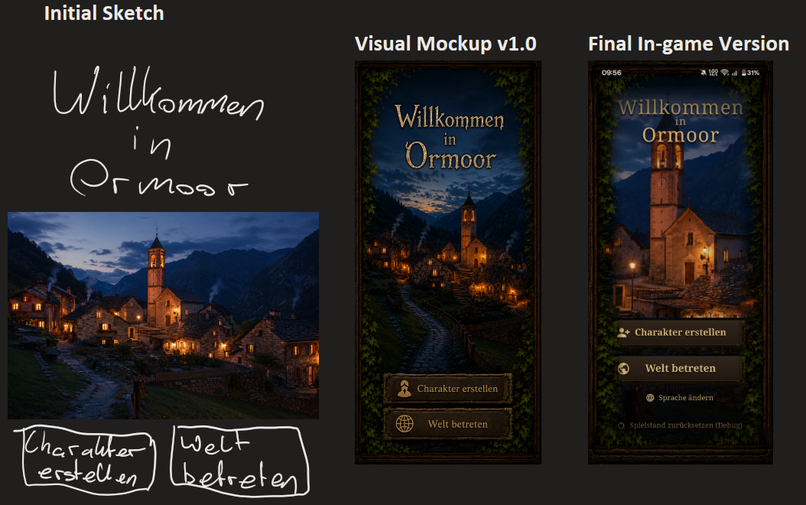
From sketch to Playable
-
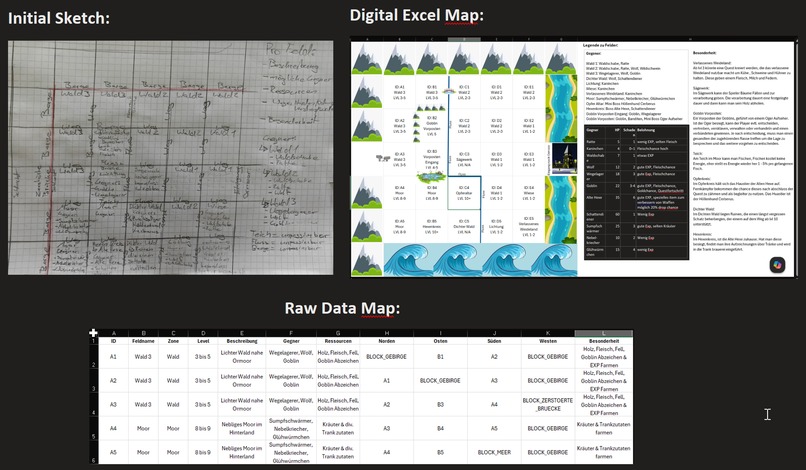
Forest Map
-
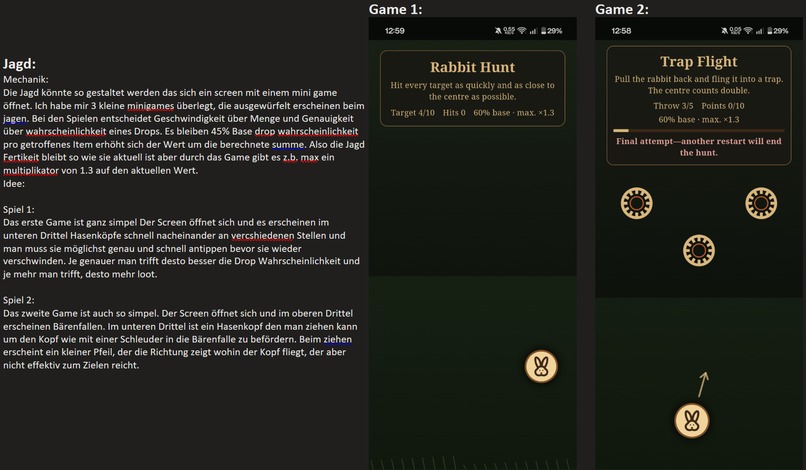
Hunting mini Game
-
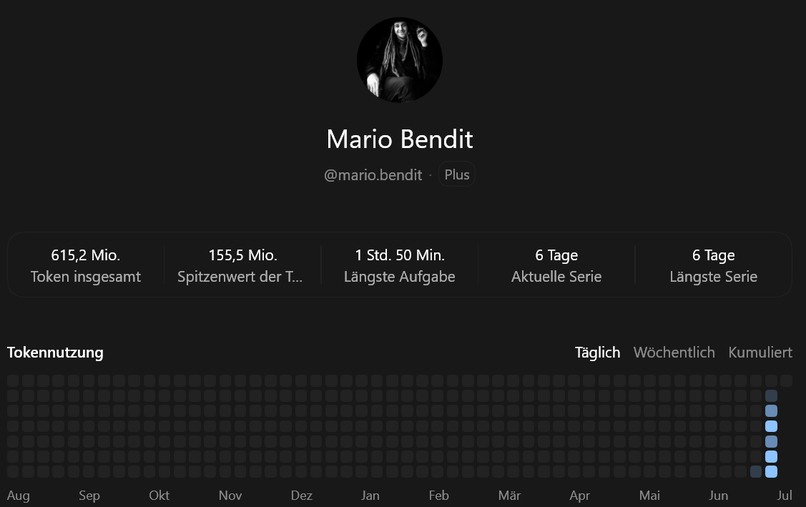
Codex token usage during the development of Ormoor
-
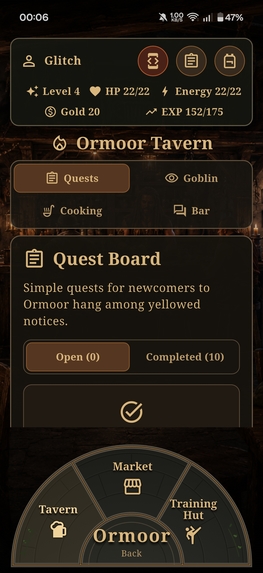
Tavern Quests
-
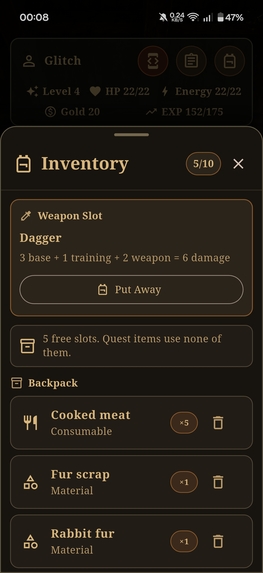
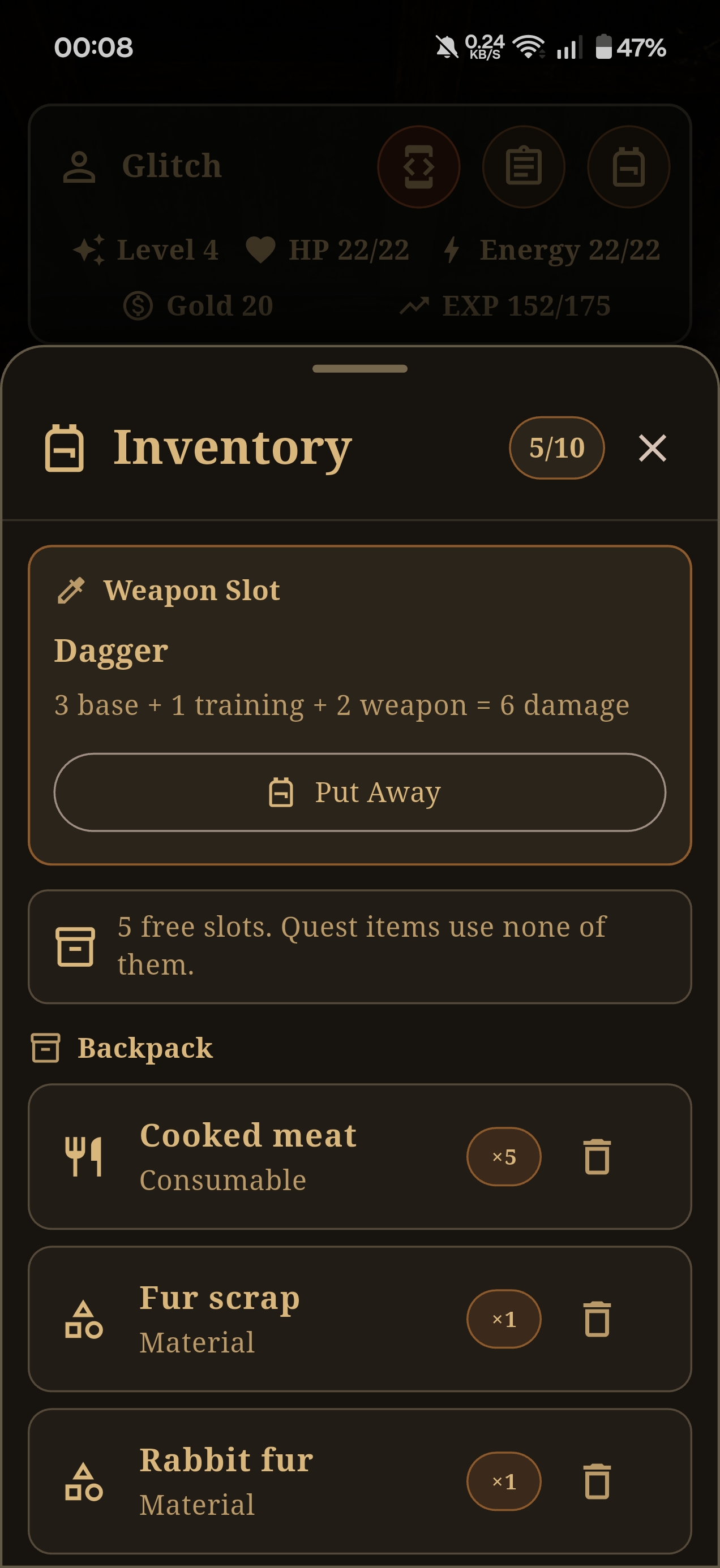
Inventory
-
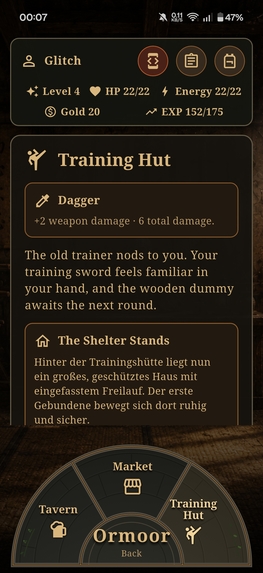
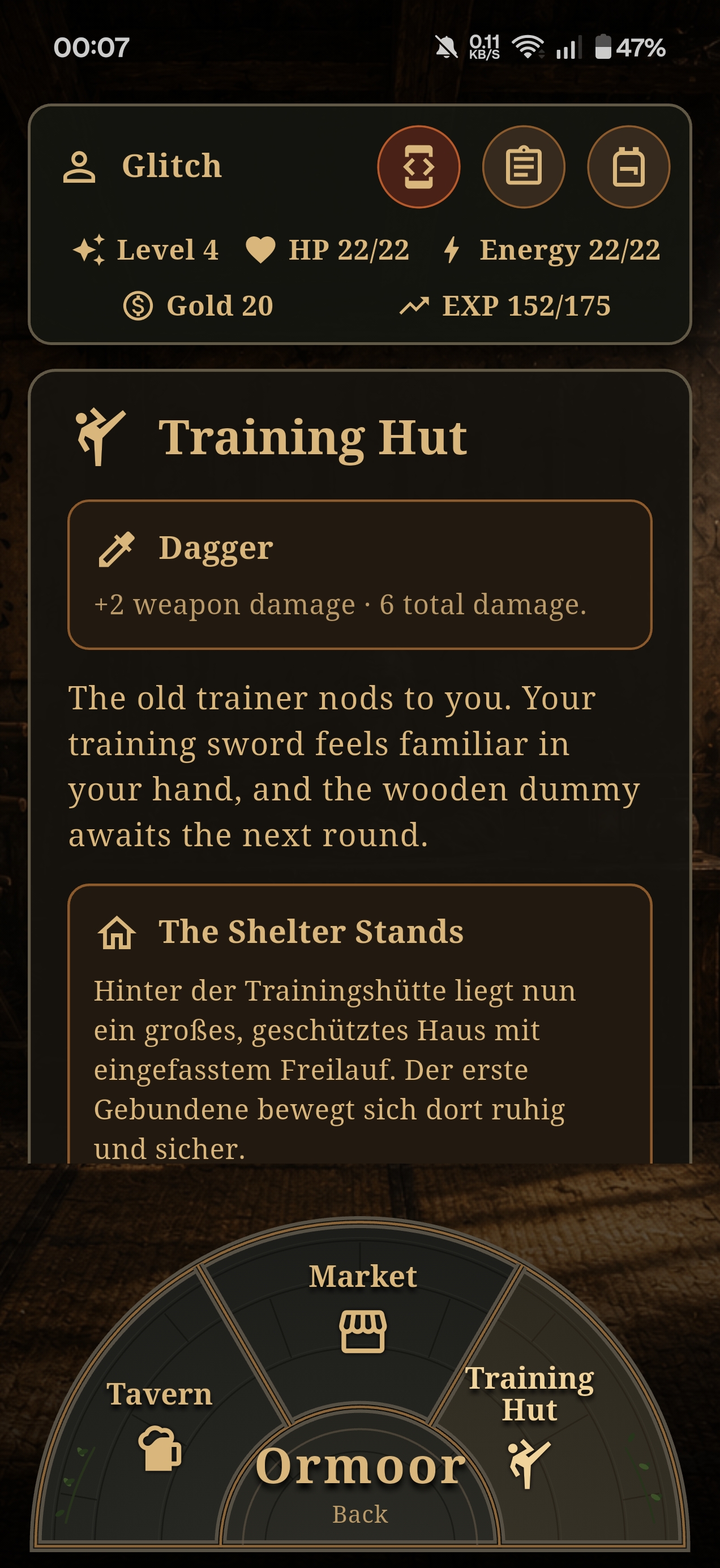
Training hut
-
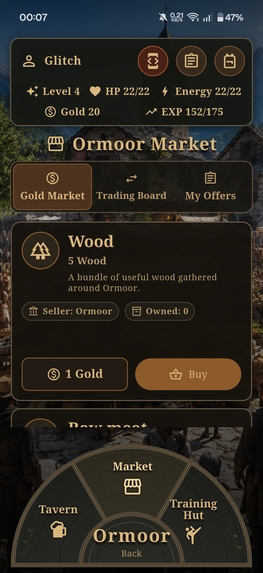
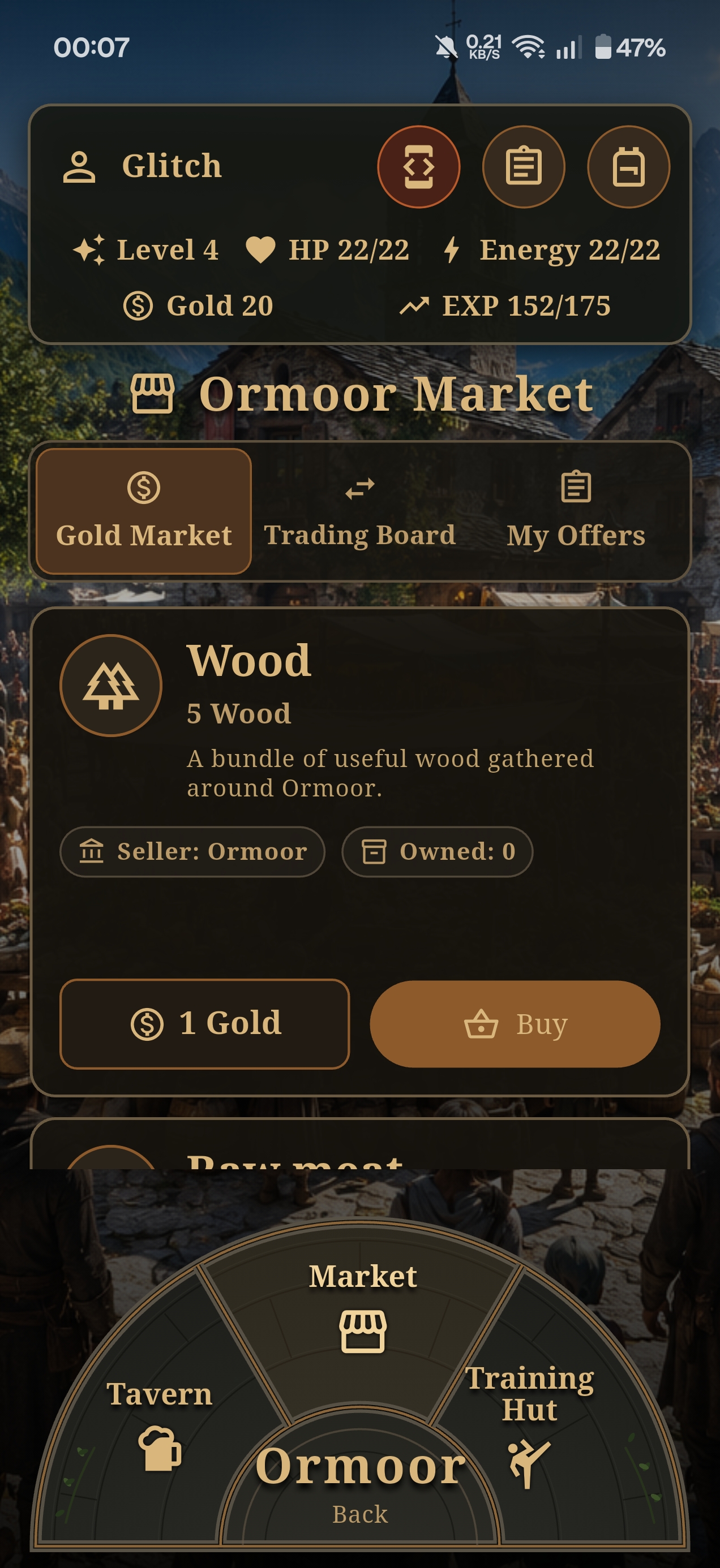
Market
-
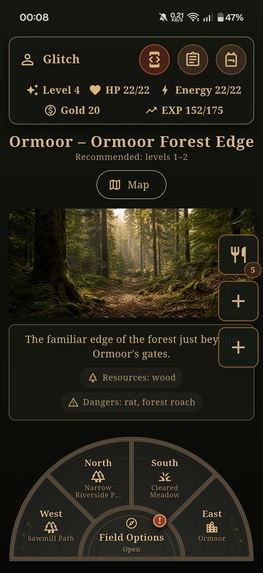
travel in the woods
-
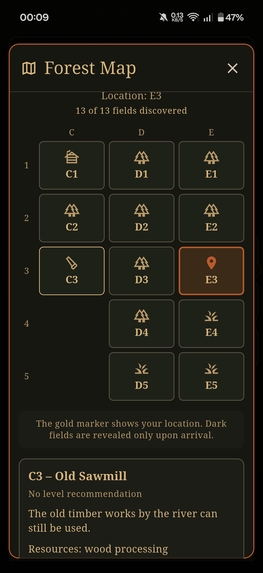
Mini Map
-
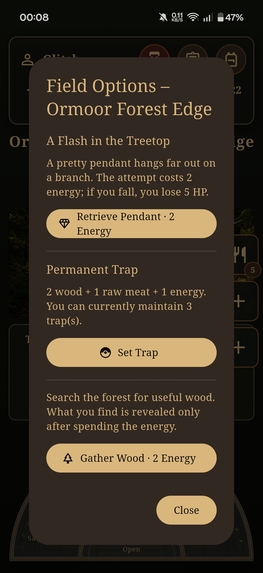
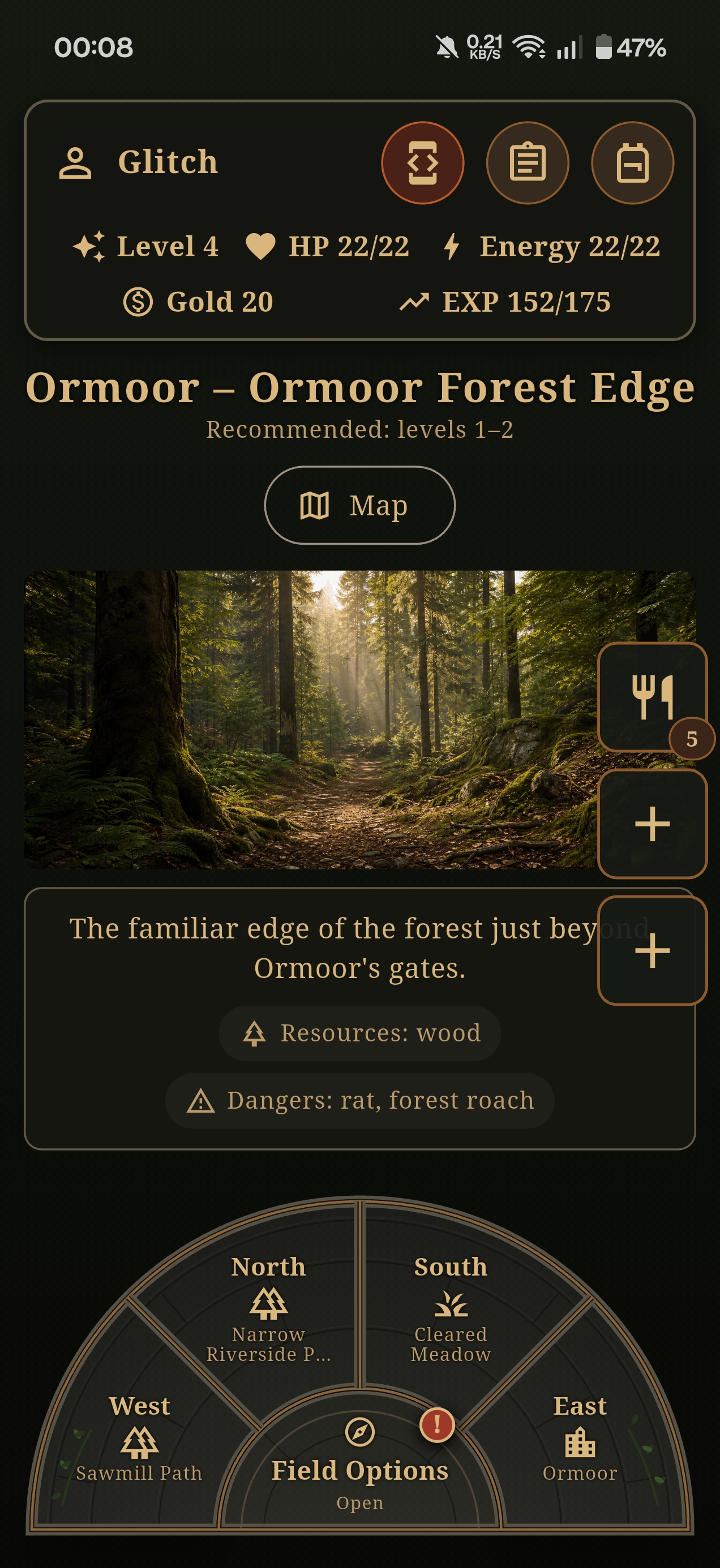
Field Actions
Hey hey
First, I would like to briefly introduce myself.
My name is Mario, I am from Bern, Switzerland, and I am a passionate IT enthusiast. I do not have any noteworthy coding experience or an impressive job in the IT industry. What I do have, however, is curiosity, enthusiasm, persistence, and a way of thinking in systems that helps me work in a structured way.
When I first used GPT around one and a half years ago, an old but never forgotten idea immediately returned to me: I wanted to create a small browser game.
A long time ago, I had even started learning Java in order to pursue that goal. I soon gave up, however, because Java alone would only have been a drop in the ocean. I would also have needed C#, HTML, Visual Basic, and probably several other things that I no longer even remember.
When GPT 5.6 Sol was released, I could feel the leap in capability. I thought to myself: perhaps this could finally be the moment when GPT has enough power to take on the work that would normally require an entire development studio.
What is Ormoor, and what is its goal?
Ormoor is a challenging, text and UI driven mobile RPG in which exploration, resource management, combat, and long-term decisions are closely connected.
It is deliberately not designed to be an idle clicker or a pay-to-win game. It is meant to be a game in which preparation matters and decisions have noticeable consequences.
What is the purpose of Ormoor, and who is it for?
To explain that, I need to go a little further back than I would normally like, but I will try to keep it brief.
I have been playing RPGs and MMOs since the early 2000s. Over the past twenty years, I have witnessed a great deal of change in the gaming industry, and I still remember the golden age before microtransactions became normal.
Today, no matter which genre you look at, advertising, microtransactions, and artificial roadblocks designed to provoke purchases seem to be everywhere.
What I find interesting, however, is that many large and successful mobile games are essentially menu driven clickers. They are made more visually appealing through polished graphics and animations, but what really keeps people playing is the feeling created by the underlying systems.
That led me to an important conclusion: appearance matters, but the feeling of playing matters even more.
That feeling is exactly what I want to capture with Ormoor. I am trying to bring back some of the atmosphere of games from the early 2000s.
I want to create a game without advertising, pay-to-win mechanics, or artificial roadblocks. Instead, the challenge should come from systems that can be understood and overcome through careful planning. Success should feel earned, without the player having to pay for it.
Whenever a player ends up stuck in Ormoor, it should be the result of their own decisions and something they could have avoided through better preparation.
You could say that Ormoor is for players who want a mental challenge, not a challenge for their wallet.
One might ask what purpose another game can serve in such an overcrowded market. But that brings me back to the same point: there are surprisingly few games that feel as though they were primarily created to be played rather than monetised.
My ideal audience consists of players who want to actively influence what happens in the world, from its lore to its economy.
In the long term, Ormoor could be expanded together with a community and financed exclusively through optional cosmetic content, without ever selling gameplay advantages.
Preparing the idea for code
On June 30, I sat down and began putting my idea onto paper.
Over the following days, I discussed the Ormoor design guide with GPT. I noticed that its ability to remember and connect information across several conversations and multiple days had made an enormous leap forward.
That gave me confidence that GPT might actually be able to bring together everything we had discussed in previous conversations. From that process, the first binding scope for version 0.1.0 emerged.
During the following days, I prepared the project by creating visual references.
I used GPT to help structure my ideas, identify unanswered questions, define scopes, document architectural decisions, and prepare each development step.
Codex then worked directly inside the repository. It implemented the agreed features, edited multiple files, ran tests, and helped resolve errors.
From Sketch to Playable
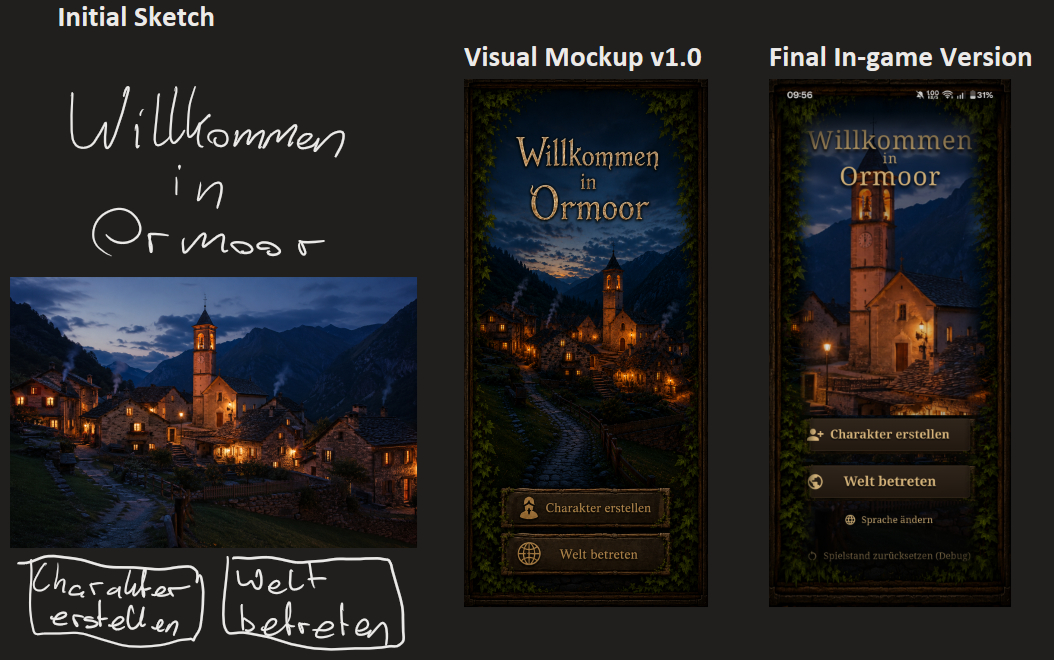
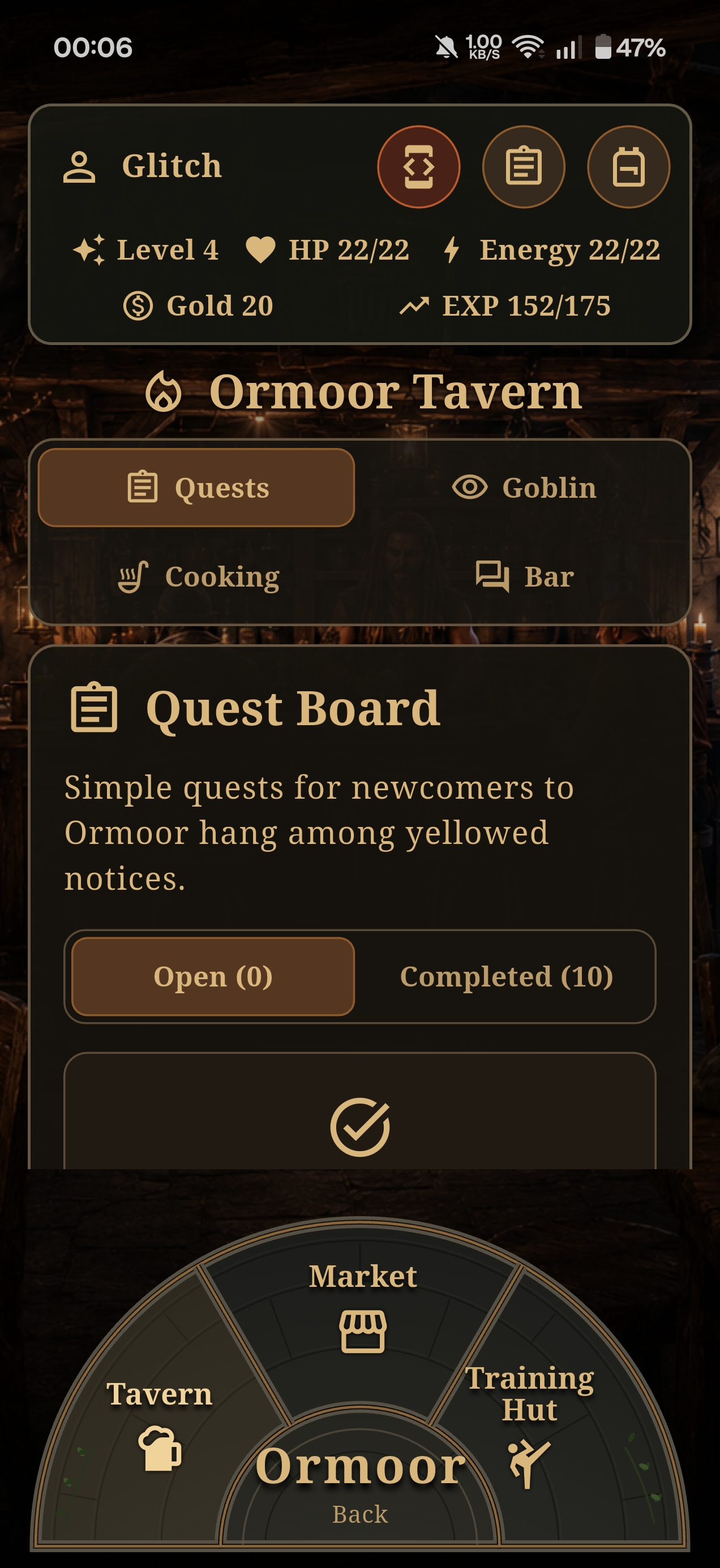
Take a look at the first image in the gallery.
This image captures my workflow well: I provided rough sketches, direction, and gameplay intent GPT and Codex helped transform that into a coherent, playable screen.
This image shows the way I usually worked. In most cases, the process consisted of three steps:
- I drew a rough sketch by hand and added a detailed description of where I wanted the design to go.
- The polished visual mockup was then stored in the repository as a UI reference that the agents were expected to follow.
- The final image shows the result inside the actual game. You can see how the idea gradually transformed into a real prototype.
I developed almost the entire visual design of Ormoor in this way.
Even at this stage, it is easy to see that without GPT and Codex, the UI would have been far less developed. GPT 5.6 Sol exceeded my expectations by a wide margin, which motivated me to continue.
Once the visual foundation existed, I discussed with GPT how my idea for the forest could be translated into a usable game structure.
GPT suggested that a map inspired by Dungeons & Dragons could work well as a menu and navigation system.
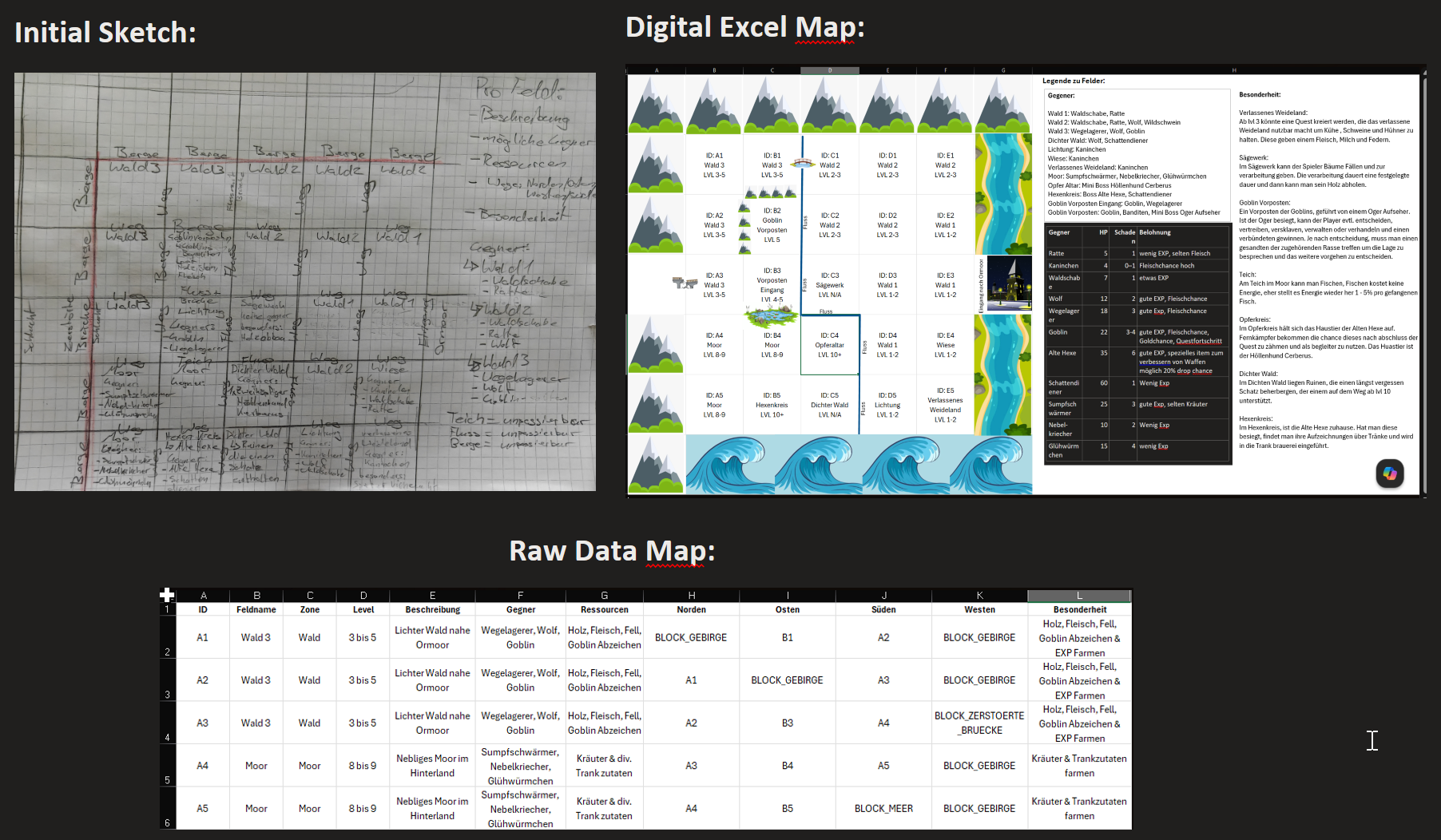
I picked up a pencil and some paper and soon returned to the conversation with another sketch. GPT looked at it and decided that it was already a useful foundation.
It then suggested converting the sketch into an Excel based map that could later be used directly during implementation.
Together, we worked out which properties each field would require so that the forest could later be transferred into the code without major restructuring.
I created the spreadsheet to make the later coding process faster and to reduce the number of undefined variables.
With the visual references, the completed map, and the main design guide in place, a large part of the preparation was finished. During that process, many design decisions were made and gaps were closed that GPT had identified as important.
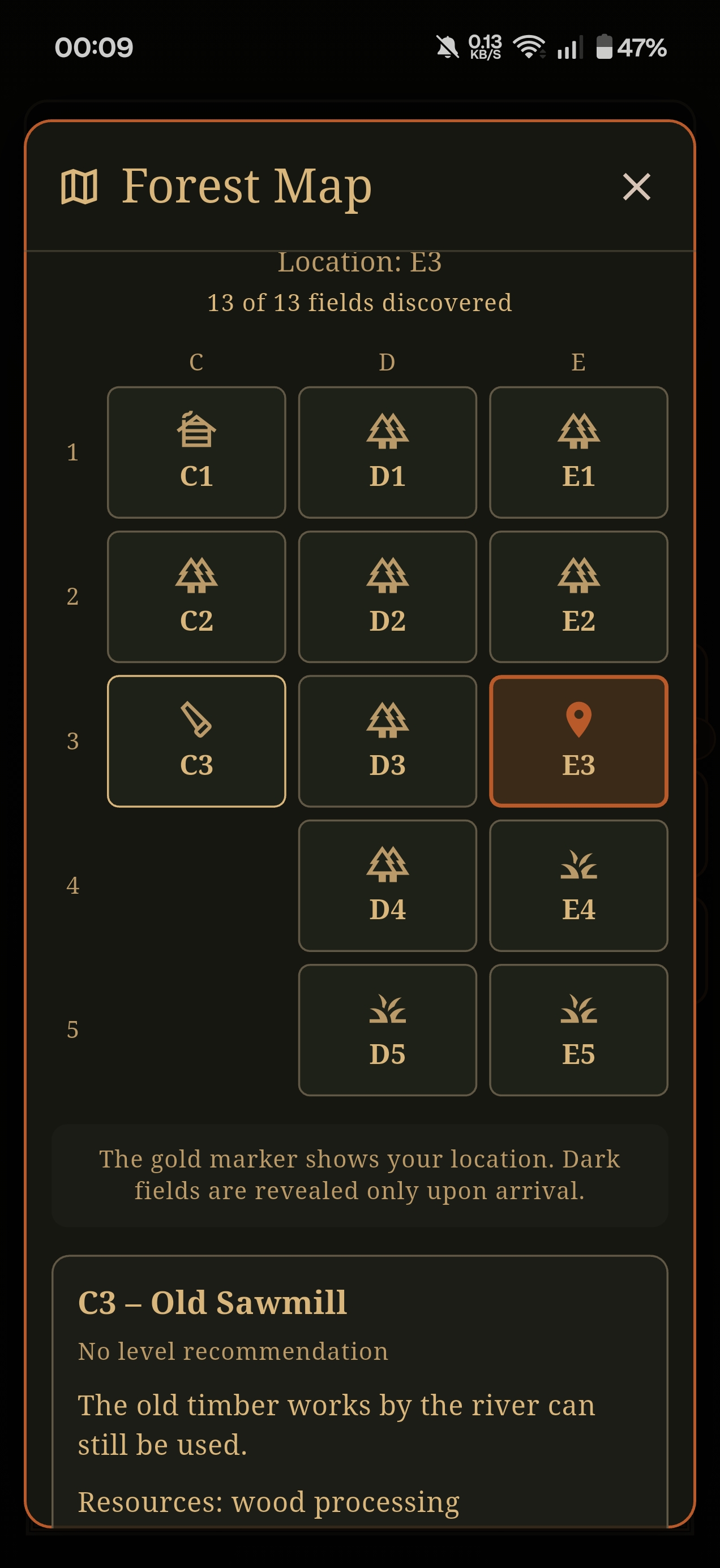
Forest Map
Take a look at the second image in the gallery.
Here you can see how GPT advised me to prepare useful input for the later coding work.
From idea to code
Once the preparation was complete, I was incredibly excited to finally turn my vision and ideas into actual code.
I sat down at my laptop and asked GPT what the best workflow would be for starting a project like this.
Following its instructions, I installed Visual Studio Code, GitHub, and Android Studio and set up the complete development environment.
Once everything was ready, I discussed the workflow with GPT and defined the final scope for version 0.1.0.
GPT divided that scope into smaller development steps, from version 0.0.1 through to 0.1.0.
We also created several guiding documents:
- AGENTS.md
- Ormoor_codex.md
- Decisions.md
- Architecture.md
- UI_Design_Guidelines.md
- Roadmap.md
These documents established the boundaries and rules for developing Ormoor.
I reviewed the documents, questioned decisions, and only approved them once they matched my vision.
After that, I began letting Codex implement Ormoor.
I generally used the same workflow for every development step:
My favourite opening request was:
- "I am ready for version X.X.X. What do we still need to discuss in order to close the remaining gaps, finalise the scope for this version, and save it as binding?"_
- Based on GPT's response, I either approved its suggestions or proposed my own changes.
- Once there were no remaining open questions for that development step, Codex began implementing it.
- After every development step, I ran the automated tests and static analysis, manually tested the new version on my smartphone, and gave specific feedback about bugs, balancing, and the overall gameplay experience.
Up to version 0.2.0, I developed Ormoor in ChatGPT Classic using GPT 5.6 Sol. That work formed the foundation of the entire project.
I then moved to ChatGPT Desktop and began using Codex directly. During the Codex phase, versions 0.2.1 through 0.2.6 were created, while the development process itself remained largely unchanged.
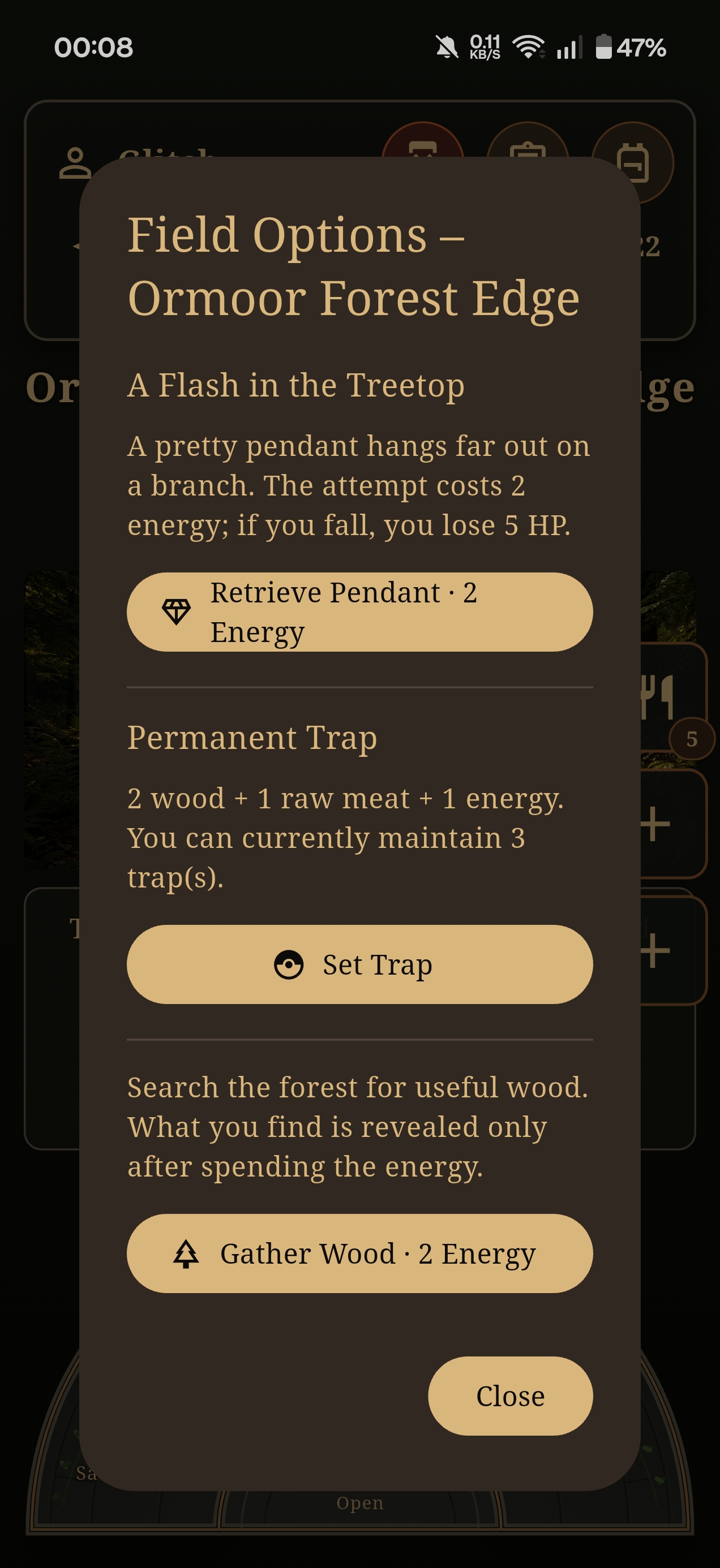
During Build Week, Codex extended Ormoor with forest events, distinctive fields and actions, five hidden-story packages, level trials, weapon progression, bilingual localization, stable content IDs, save migrations, and final release hardening.
What did I learn, and where did GPT make me faster?
There are several things that should not be approached too carelessly at the beginning of a project.
The early decisions determine whether the project later turns into chaos or becomes something that can really take flight.
Because I had already discussed Ormoor and collected ideas with GPT across many conversations, its improved memory provided exactly the additional support I needed to structure my vision and identify missing pieces.
One of the most important things I learned is this:
You can tell GPT to do task X, and it will treat X as its main objective. But at the same time, you may leave many other variables undefined. GPT then has to decide how to fill those gaps itself.
With every decision GPT has to make on its own, there is a chance that the project will move in a direction you never intended.
But when you define a clear framework that properly represents the vision and then secure that framework throughout the repository in the agent instructions, architecture, decisions, UI guidelines, Codex instructions, roadmap, and scopes the result can become remarkably coherent.
It becomes even stronger when every development step begins with another review of the remaining open variables.
So how exactly did GPT make me faster?
GPT was involved in every stage, from the original idea to the current prototype. Without GPT, my vision would probably still be lying around unfinished.
You could say that GPT acted as a catalyst on every level, while I took on the roles of designer, visionary, lore writer, and tester.
The real challenge for me was learning how to express my ideas and visions clearly enough for GPT to understand them and for Codex to translate them into code.
The hunting mini games, Trap Flight and Bunny Tap, are a good example of this.
Hunting Mini Games
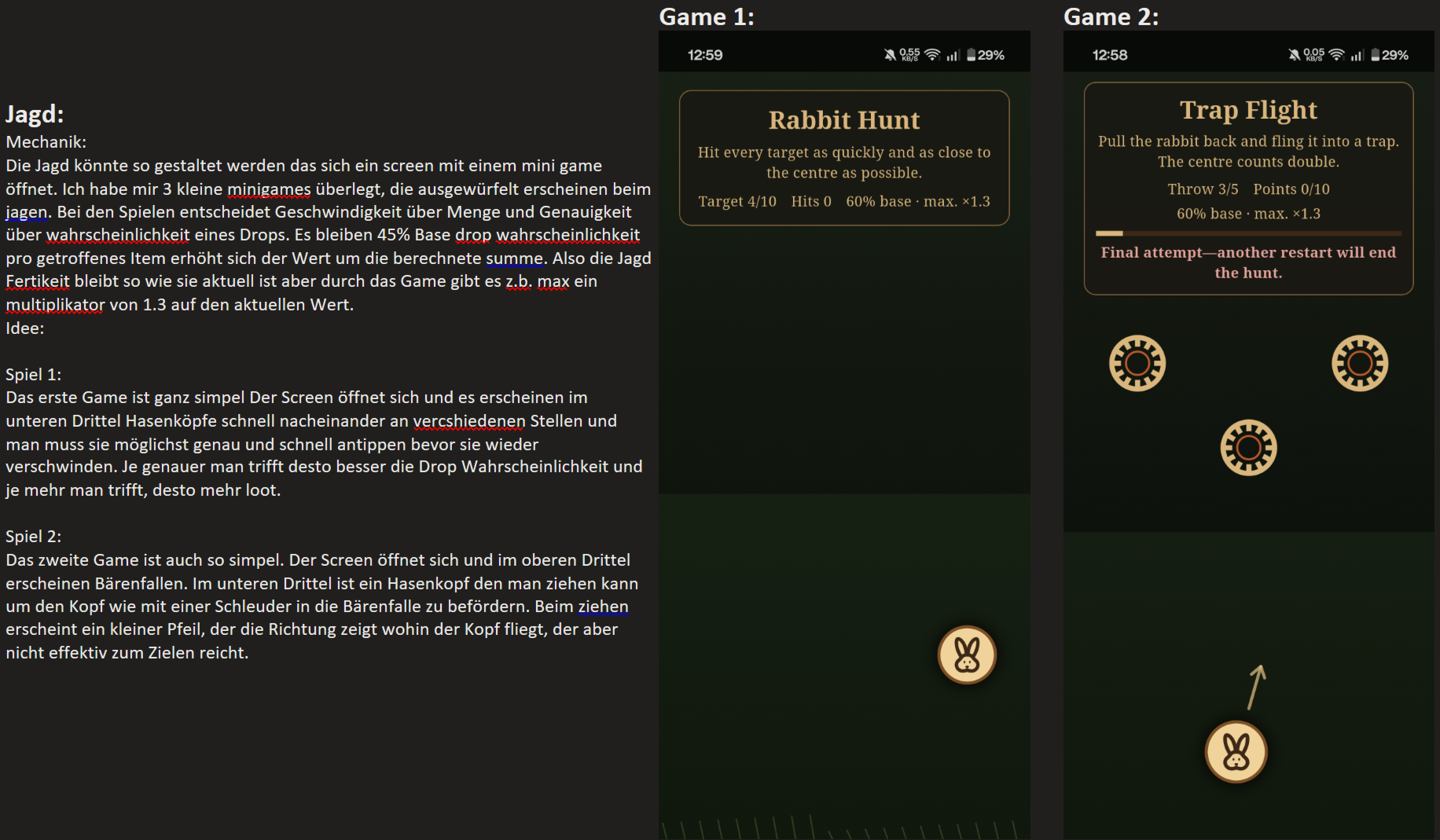
Take a look at the third image in the gallery.
Here you can see how a small amount of text turned into a usable mini game. Again, we discussed the unanswered questions after the initial request before Codex began implementing it.
GPT and Codex did not simply make me faster.
My enthusiasm and curiosity only became truly useful because GPT helped me put my ideas and vision onto paper, organise them, and turn them into something Codex could work with.
I am the visionary, lore writer, designer, and tester.
GPT structured my chaos, while Codex took on much of the work I had always associated with an entire development studio.
Five years ago, something like this would have required a considerable amount of money and time.
Today, a newcomer with a vision and an idea but without a coding background can create something like this in only five or six days.
That is incredible, and it makes you dream about what might become possible next.
With version 0.2.6, Ormoor has now received its core systems. The current prototype already gives a first impression of what the game could eventually become when it is ready for release.
The prototype currently includes:
- character creation,
- the village centre of Ormoor,
- the tavern,
- the marketplace,
- the training hut,
- forest journeys,
- energy and resource management,
- inventory and quick slots,
- combat,
- hunting mini games,
- and a first quest chain.
These systems already connect to form a coherent gameplay loop.
This foundation is far more than I expected to be able to achieve with GPT and Codex.
I am therefore incredibly excited to continue expanding the game step by step and perhaps, one day, inspire an entire community to help build Ormoor together with me.
Crazy or Productive?
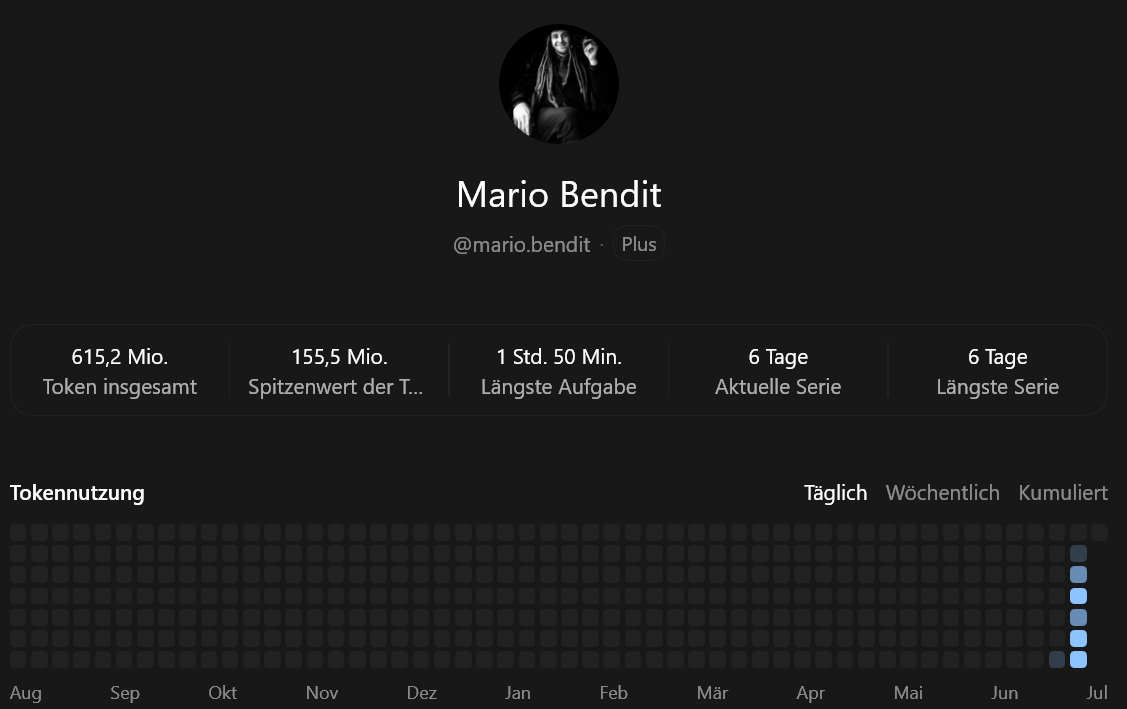
Take a look at the fourth image in the gallery.
This gives a good sense of how much Codex worked for me: an average of around 100 million tokens per day.


Log in or sign up for Devpost to join the conversation.