-
-
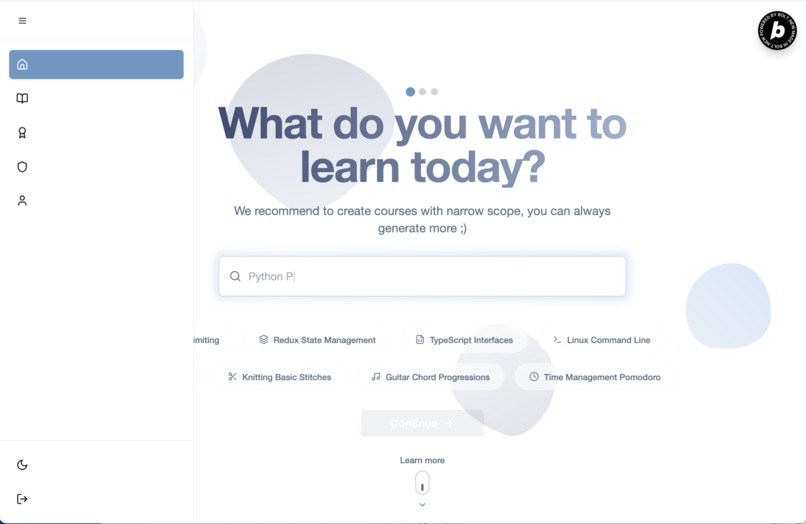
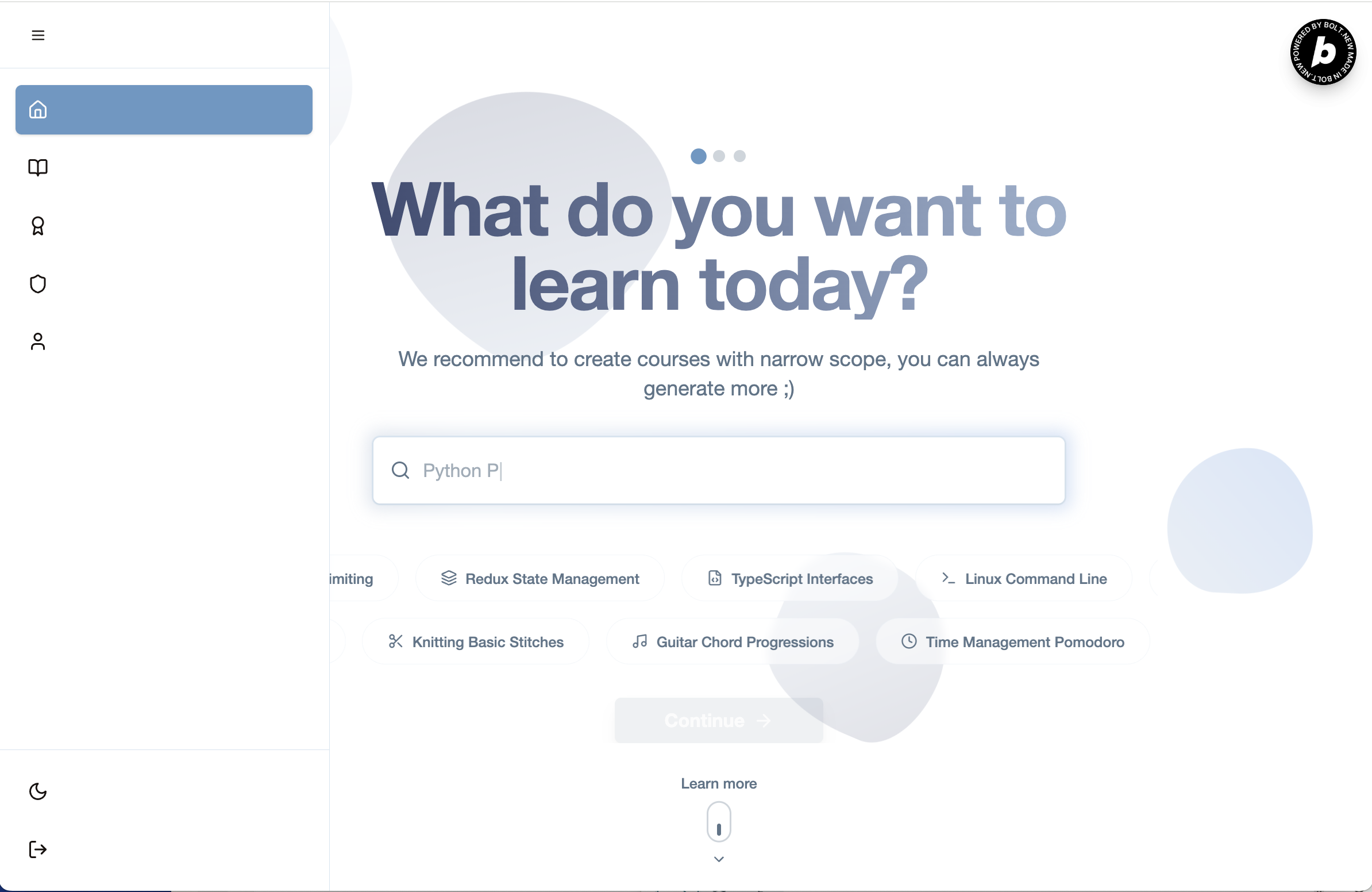
landing page
-
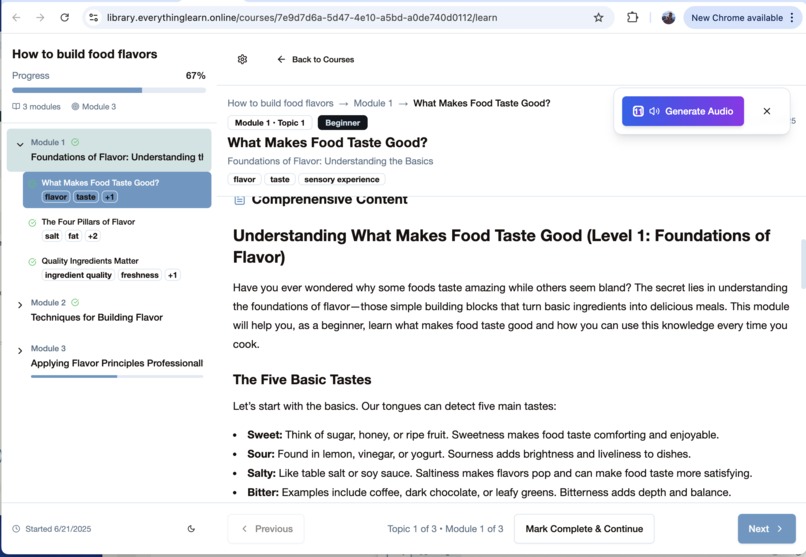
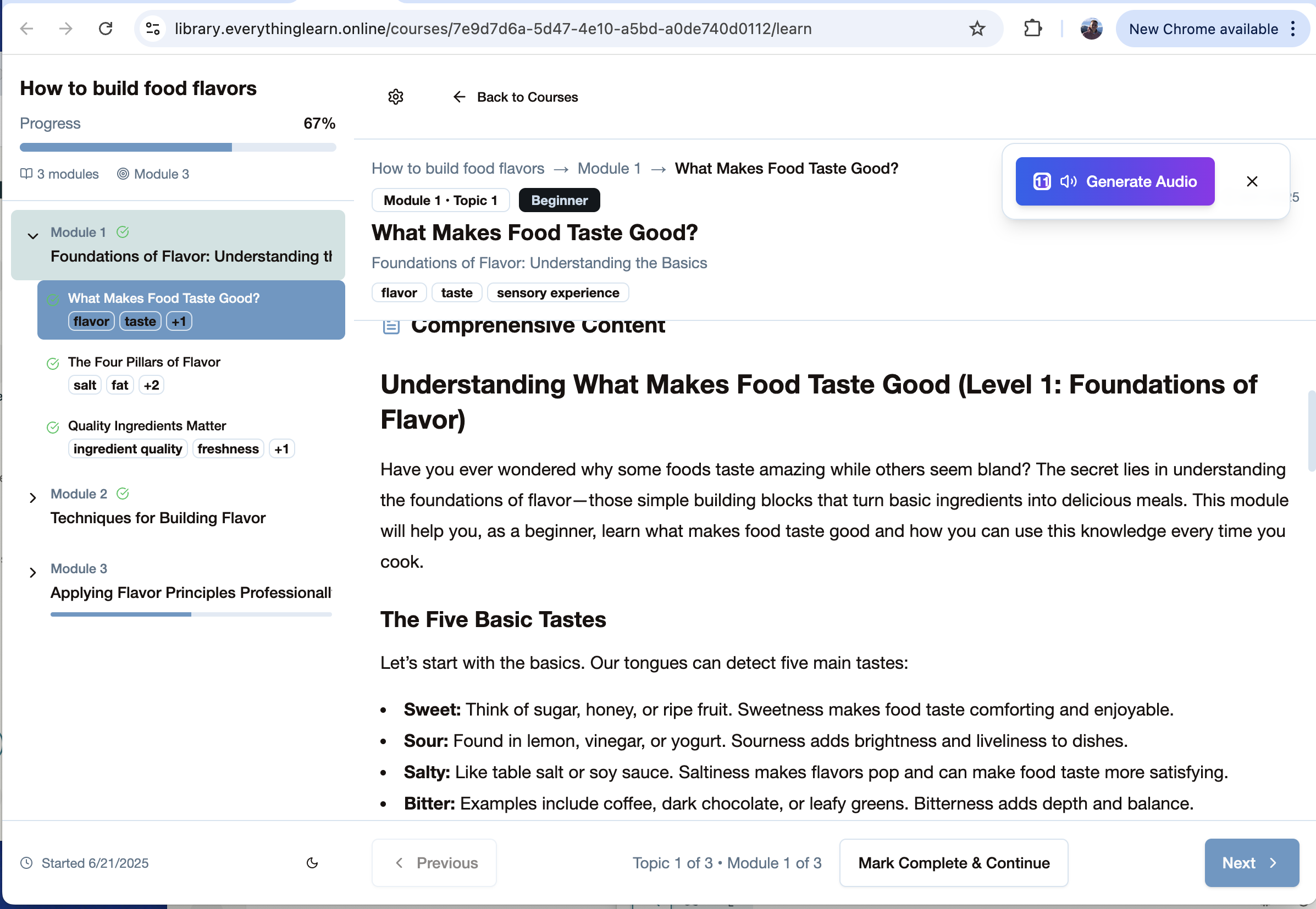
course library
-
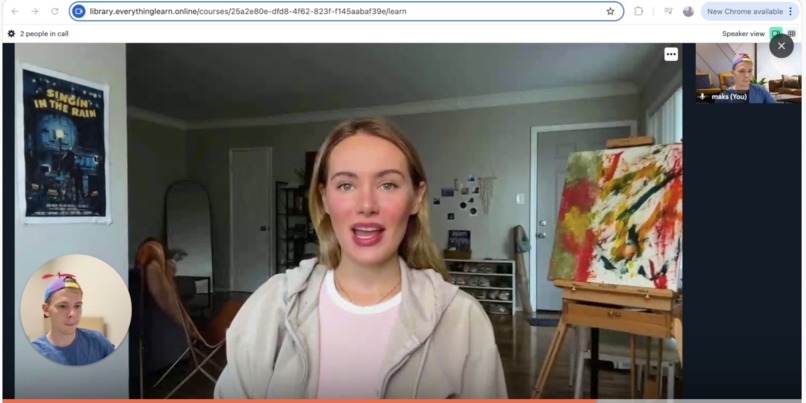
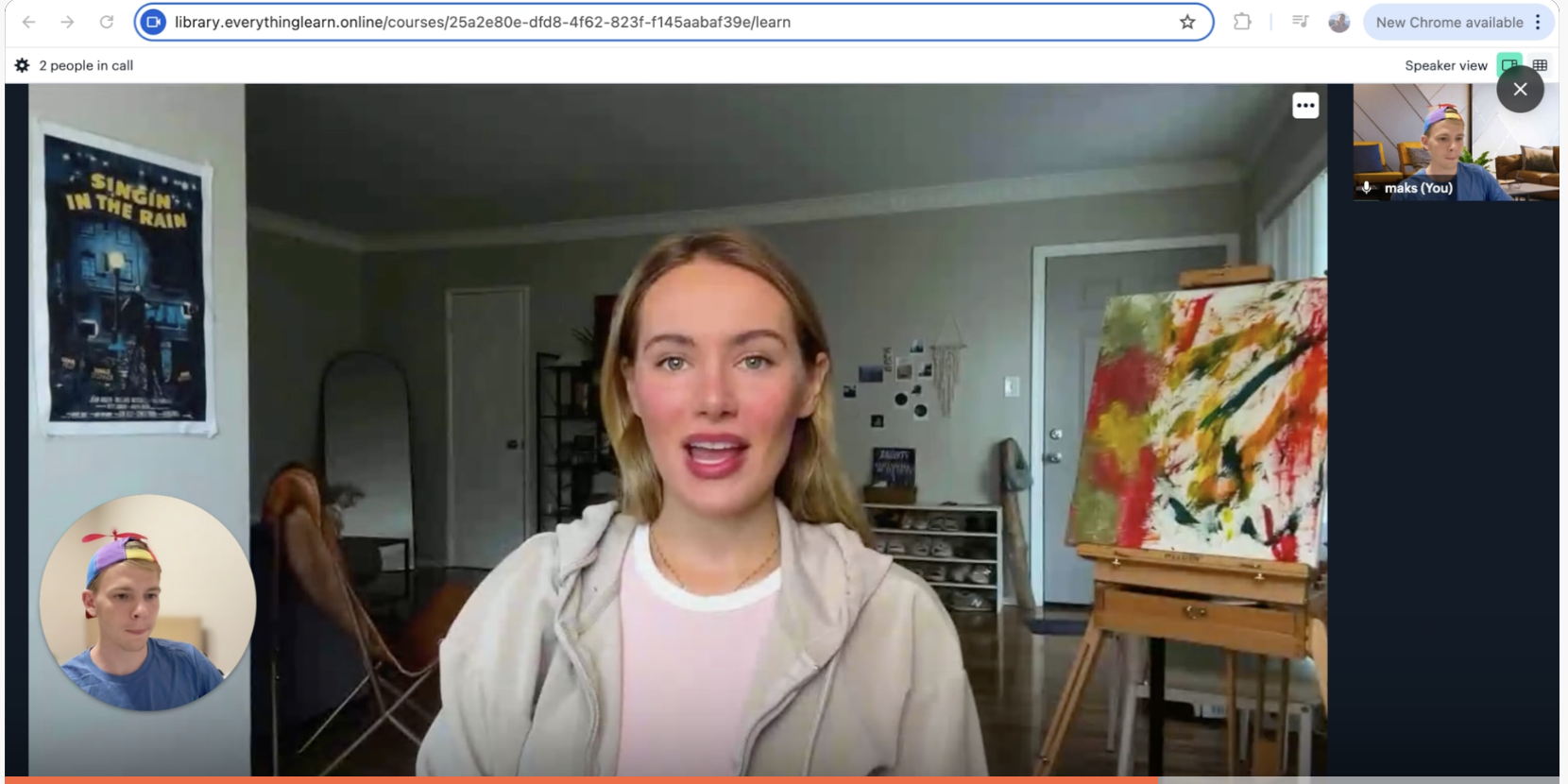
Final Conversation with AI
-
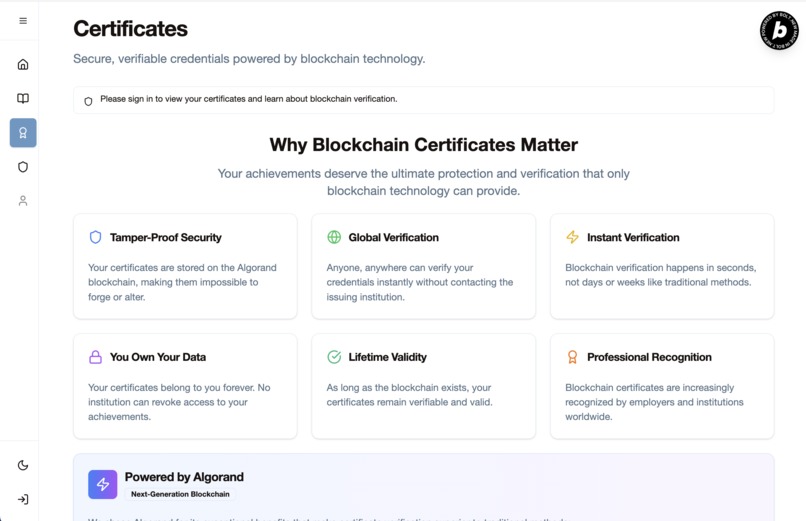
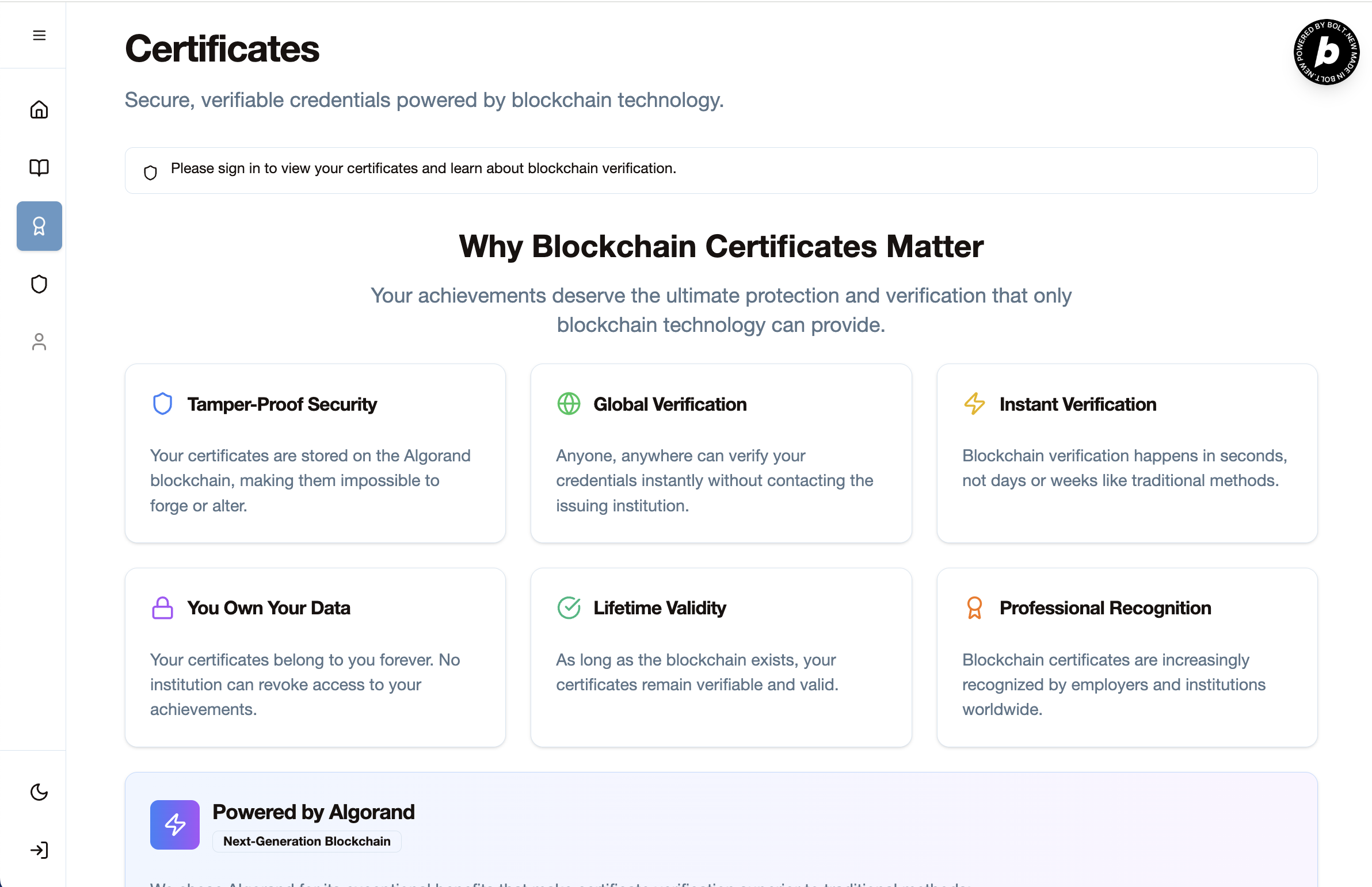
Certificates page
-
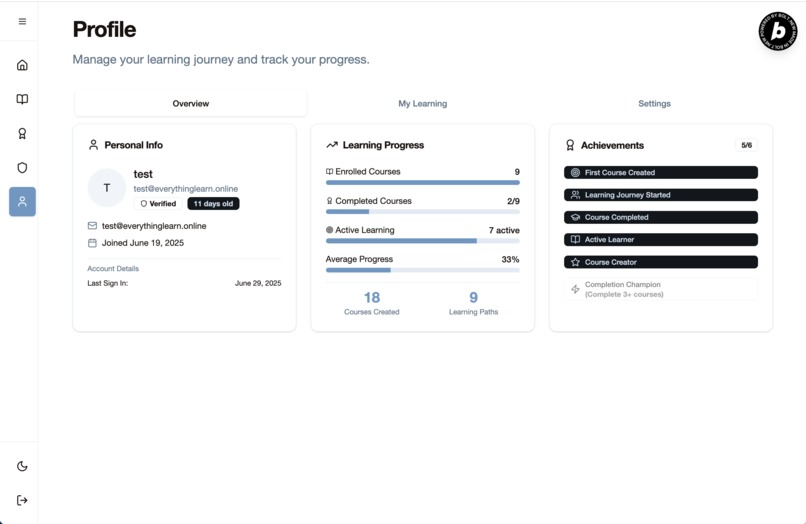
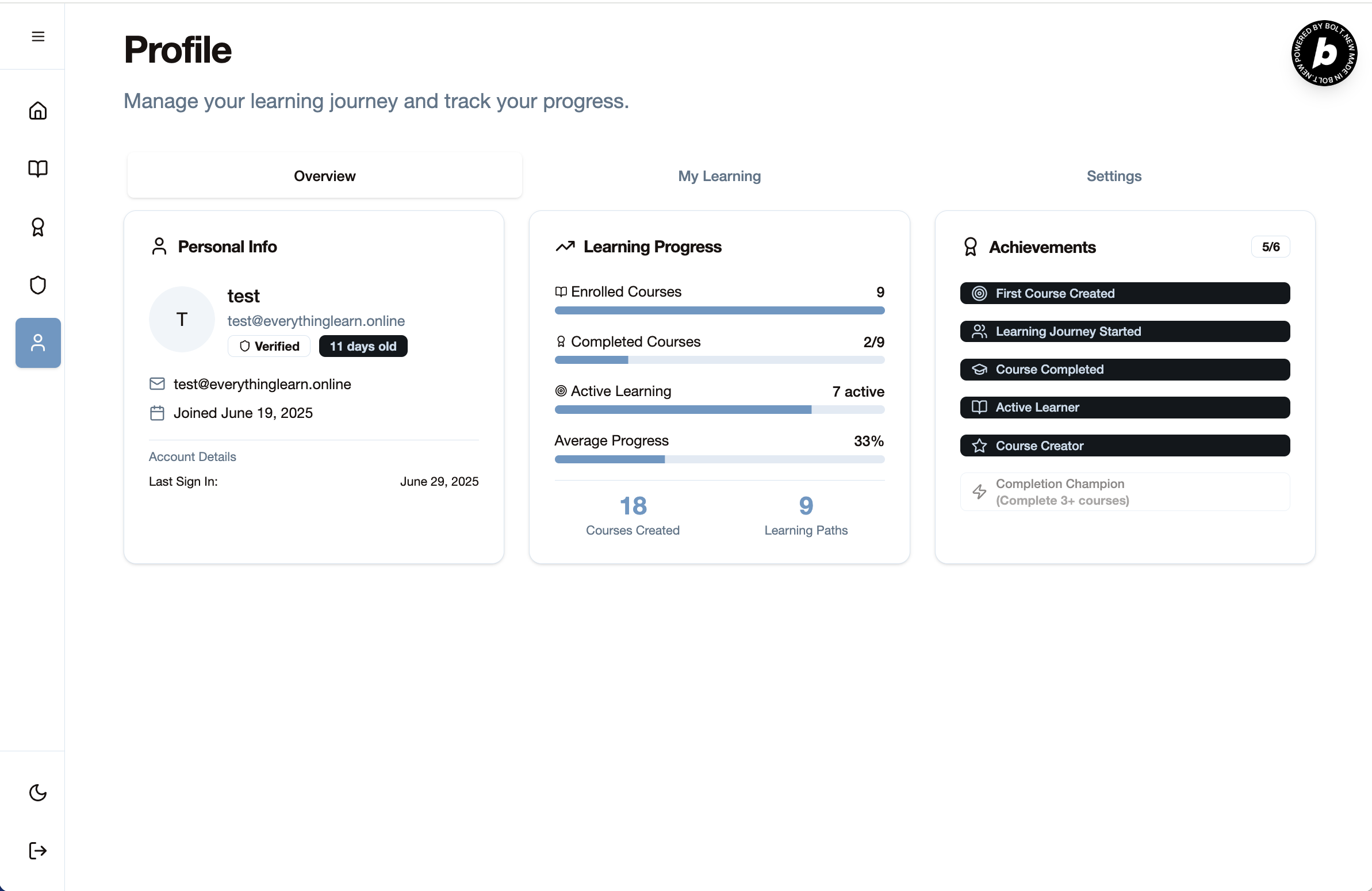
Profile page
-
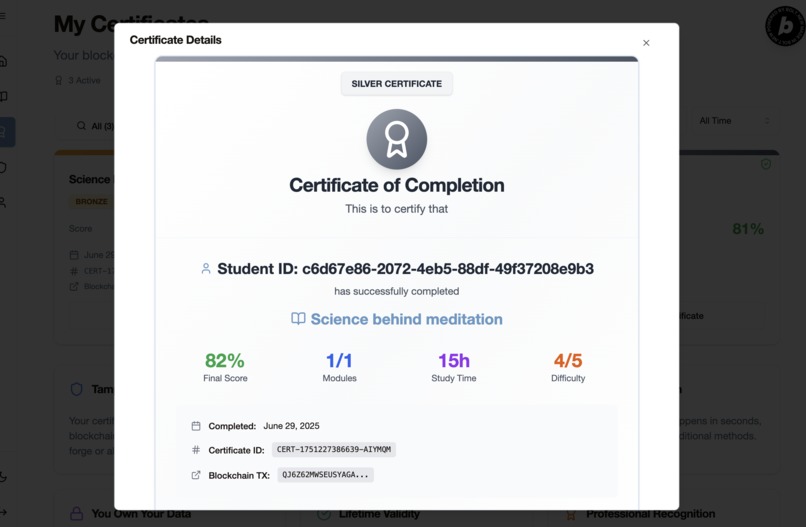
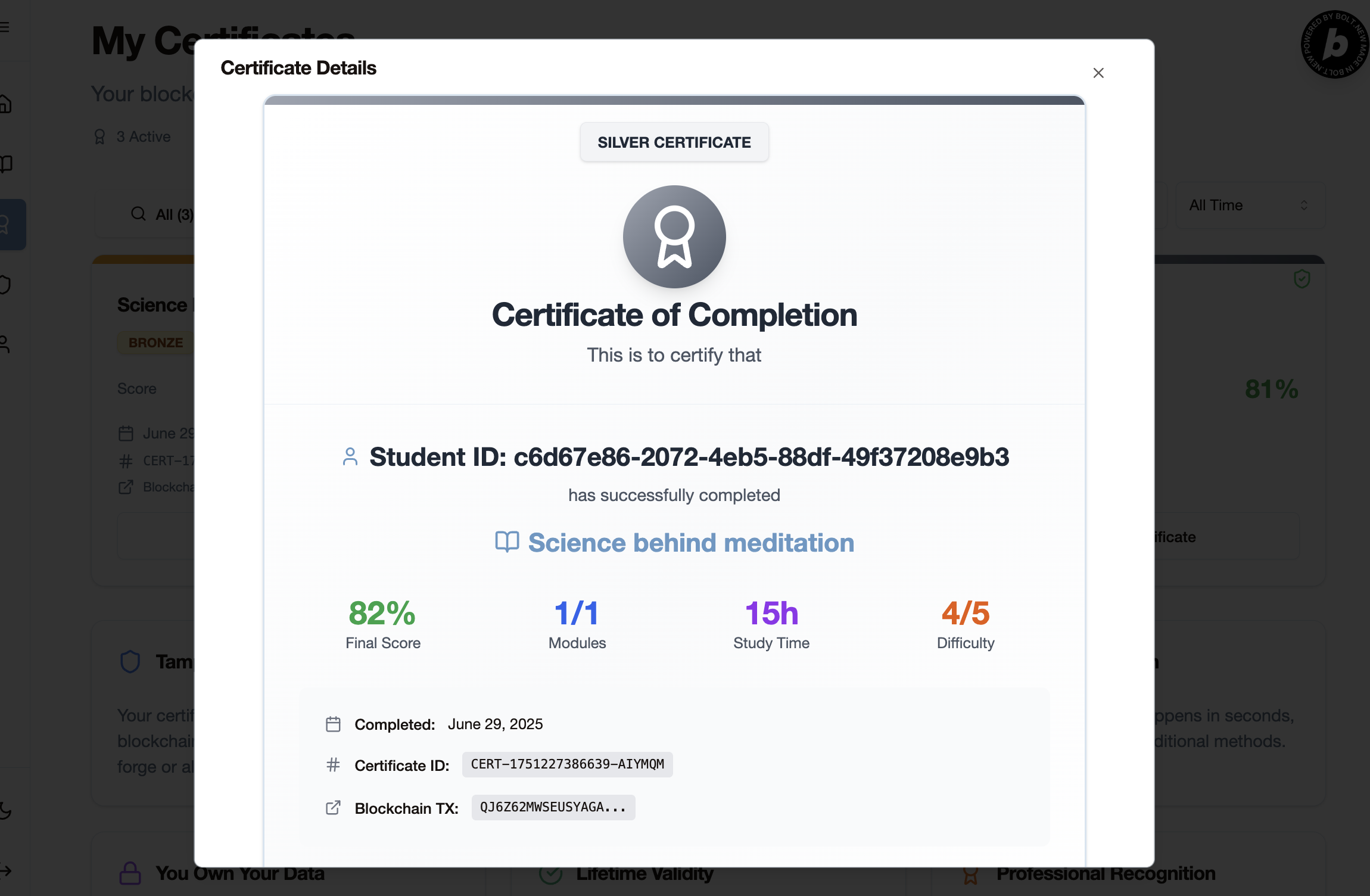
Certificate example
-
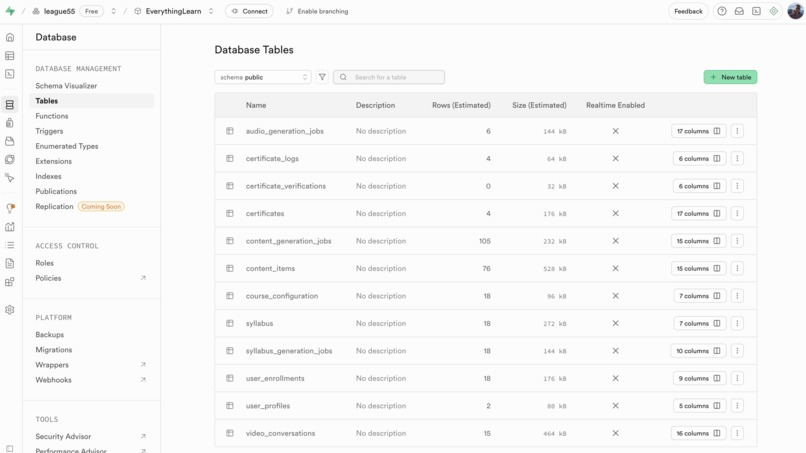
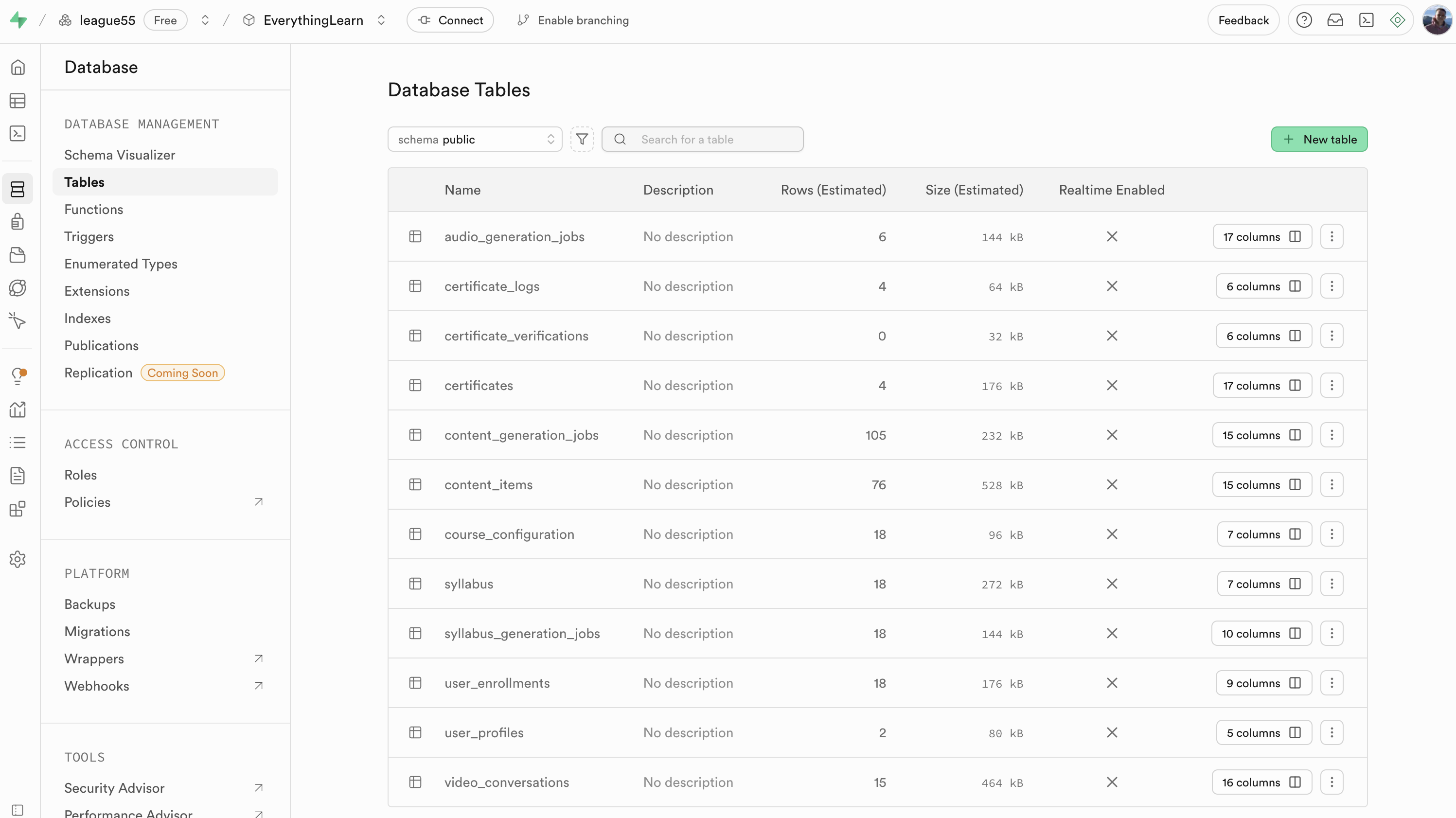
database tables
-
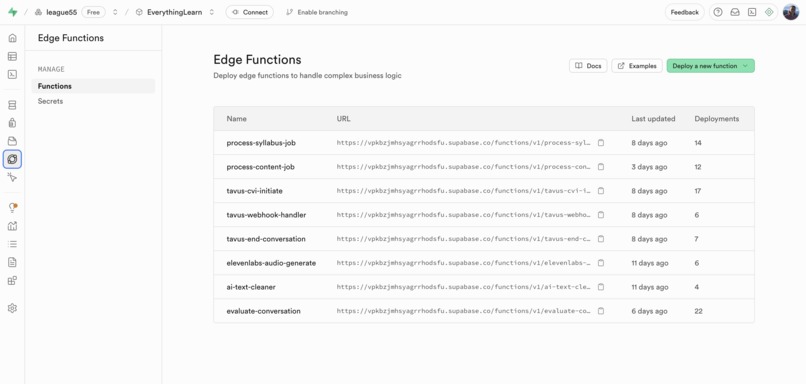
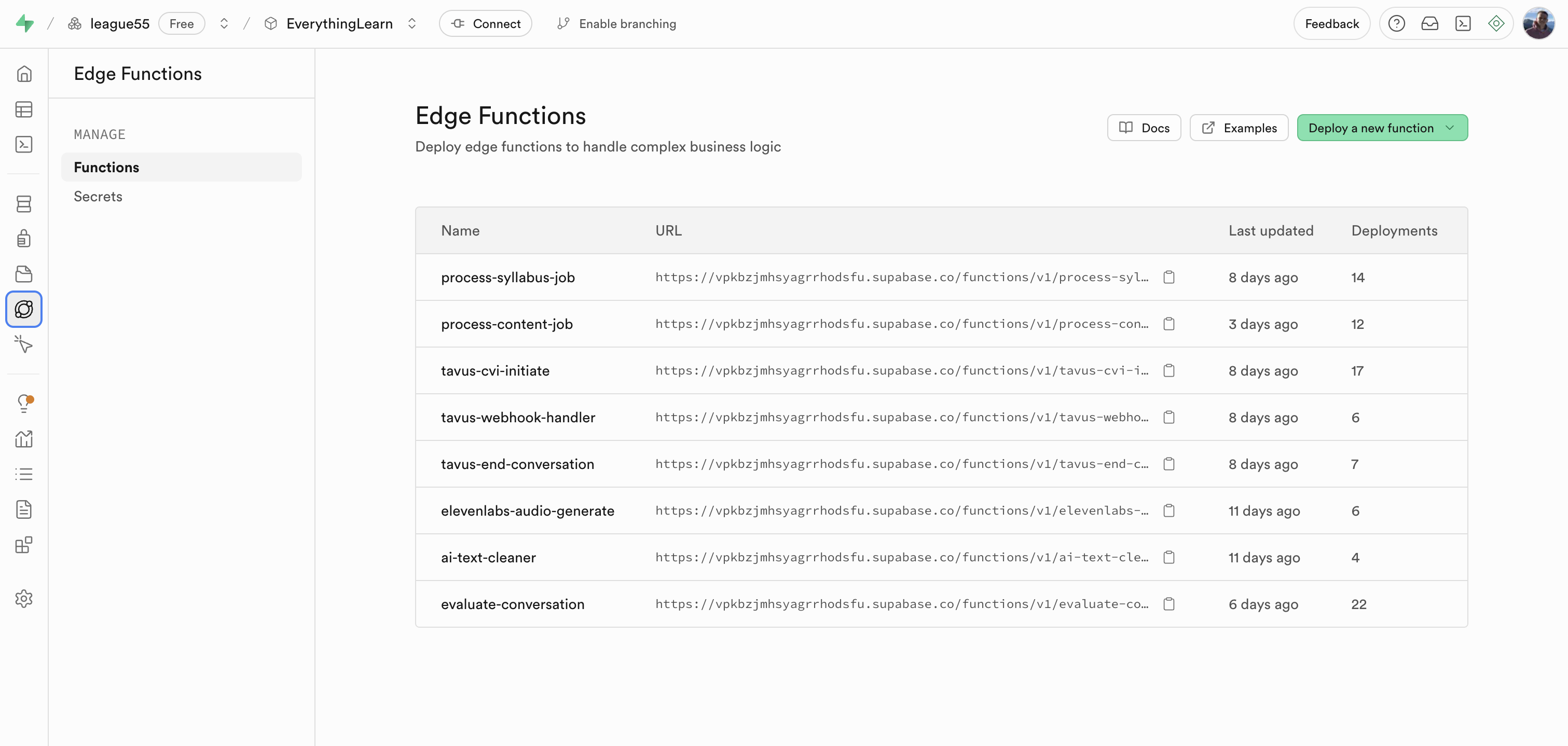
Edge functions
-
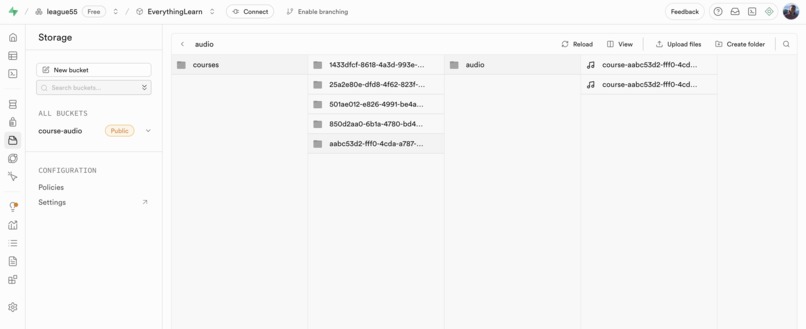
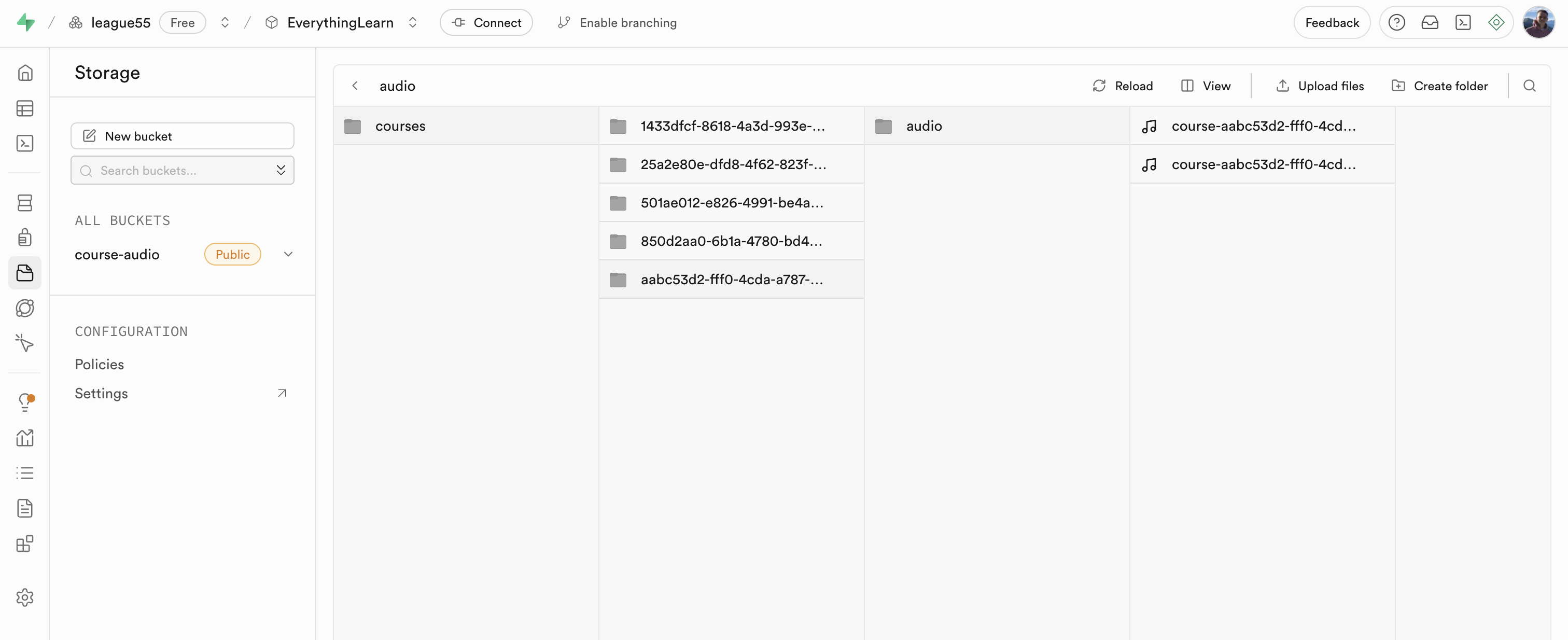
audio files storage
Inspiration
Orion Path was inspired by a real challenge I encountered while learning new topics: educational materials were often either too shallow or overwhelmingly deep for my needs.
AI-generated summaries were more accessible but lacked structure. This experience, combined with the concept of graded readers in language learning, led me to the idea of a platform that delivers structured, personalized learning at the right depth for any subject—Orion Path.
Full functionality
The main function of the app is, of course, generating a course for anything – users are prompted 3 things:
- Course topic
- A bit of context about the purpose of the course
- How deep do they want to dive into the course
That will trigger syllabus generation backed up by Perplexity deep search. This allows us to ensure that the course will be generated with the freshest resources. Every course content will have citations for resources that have been used.
Users can study in two different forms - the usual flow would include generating text content for every topic. They can also generate an audio version of the topic if that is their preferred way to study.
By the end of the course, users are invited to take a final oral knowledge assessment with an AI replica.
The transcript will be collected after the call, and used to evaluate exam and generate a certificate.
If users configure their blockchain wallet, their certificate will also be saved as a blockchain transaction.
How I built it
The story
The project was started and mainly developed in Bolt.
Before starting the final version, I had a couple of practice runs, trying to create pieces of the application and practice some prompts: at least 3 practice repositories for landing page, 2 separate repositories to make sure that I can redirect users to a sub-domain keeping authentication, another one to practice working with database.
Very soon, I understood that the project needed structure, so I created a separate repository for the PRD, task breakdown, and even for storing and refining my prompts.
The crazy part is that sometimes, tasks take a reasonable amount of time, I mean, "Bolt reasonable time."
But sometimes, I would just ask to "create a content library for students to be able to read the course content," and Bolt would do weeks of work in a minute, almost exactly as I wanted it.
Fast leaps like that freed up time for additional functionality, like the audio version of the content, Tavus for the final exam, or blockchain certificates.
The technical part
The project consists of two applications, both created with Bolt and using the same tech stack:
- React for the frontend
- Supabase as a database, for authentication, jobs, webhooks, and audio file storage
- Netlify with continuous deployment
- Edge functions as backend
- Deployed to https://everythinglearn.online/ domain with IONOS
- Tavus for final AI conversations
- ElevenLabs for text-to-speech generation
- Algorand blockchain for certificates
One of the more challenging parts was making functionality asynchronous: course syllabus generation, topic content generation, and many other parts are implemented as asynchronous jobs—inserting an item into a database. It not only allows to save lots of tokens by generating content lazily, but also drastically improves user experience.
Another interesting challenge was pulling the examination transcript from Tavus after the call. The transcript was not ready immediately and synchronous call was always failing, but luckily, they provide webhooks with events. Wiring that up with an edge function was super easy in Bolt.
Some parts of development were super smooth—integrating Bolt with Supabase, creating authentication, and building the landing page was almost too easy. Here are a couple of challenges I faced:
Challenge 1: Learning how to describe
To get a good output, you have to describe it well. I quickly found out that I wasn't strong in design, and saying "make me a cool, modern-looking landing page" would not get me exactly what I wanted. So I literally had to take a break from the main project, study landing page design, and create a couple of "test" Bolt projects with just landing pages until I started getting results closer to my vision.
Challenge 2: Project got too big
At some point, the project stopped fitting into Bolt's context window, so I had to extract the "library" into a separate project and import it back into Bolt.
It took me a day to figure out how to make smooth authentication with cookies, but we got there, and the consistency that Bolt has between projects definitely helped. This is why you can see 2 repositories and 2 bolt links attached to this project.
What's next for Orion Path
The project is now very close to a usable state—I consider it ready for Beta testing.
My next step is to share Orion Path with a wider audience to better understand what features and improvements real users need.
Ideally, within a couple of months, I plan to integrate payment solutions like Stripe or RevenueCat and move toward an official launch.
There are also several potential directions for pivoting. For example, Orion Path could become a platform for commercial courses, allowing HR partners to generate specialized training—like an "AML course"—with AI, refine it, and offer it to their employees. In this scenario, blockchain certificate records would be especially valuable.
However, I am committed to keeping the core learning functionality open and accessible to the public.
Testimonials
"I don't like all this AI stuff, but I still used your project for my PhD research because it gives resources too good."
— my girlfriend
Built With
- algorand
- elevenlabs
- ionos
- netlify
- react
- supabase
- tavus

Log in or sign up for Devpost to join the conversation.