Inspiration
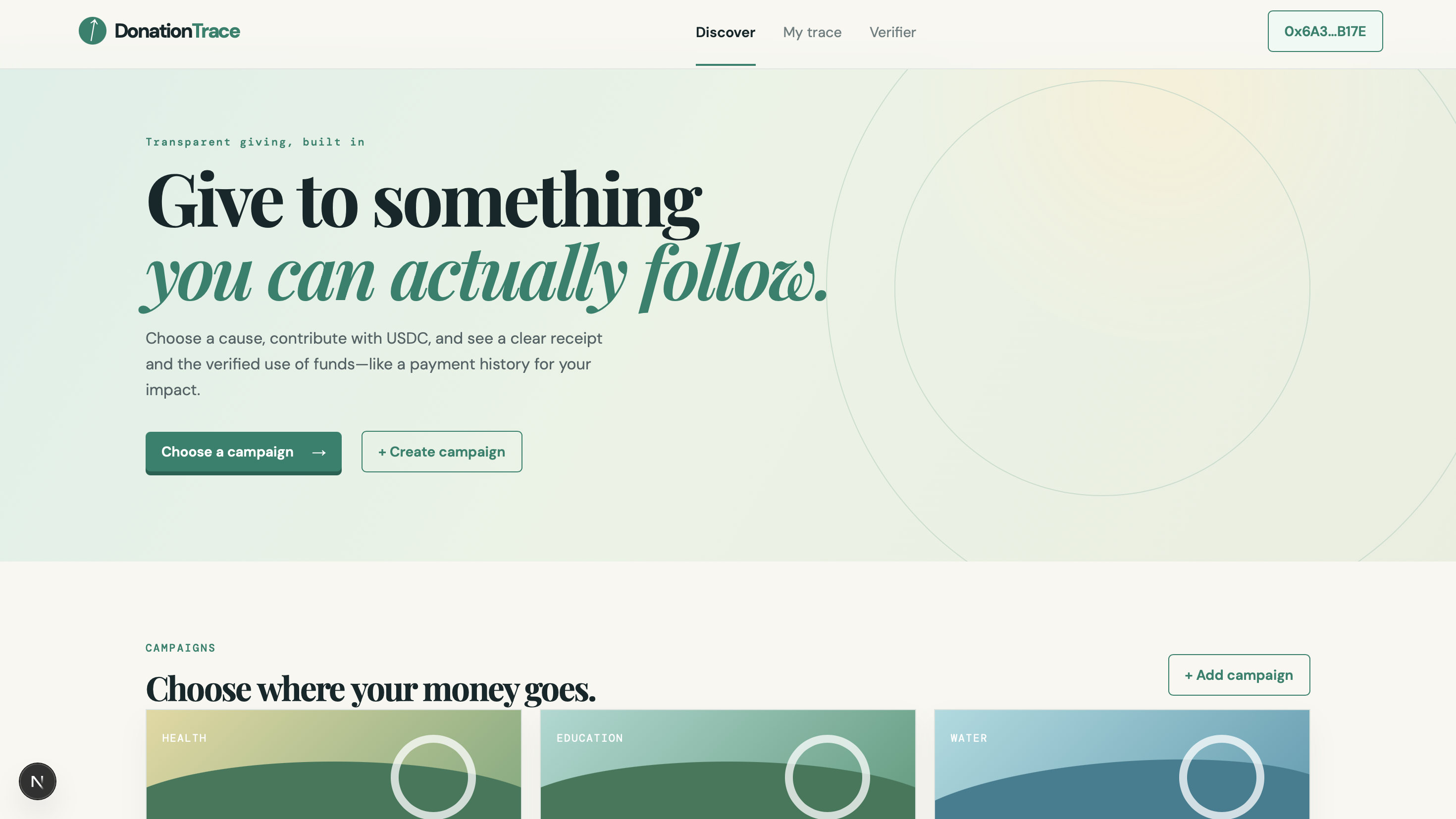
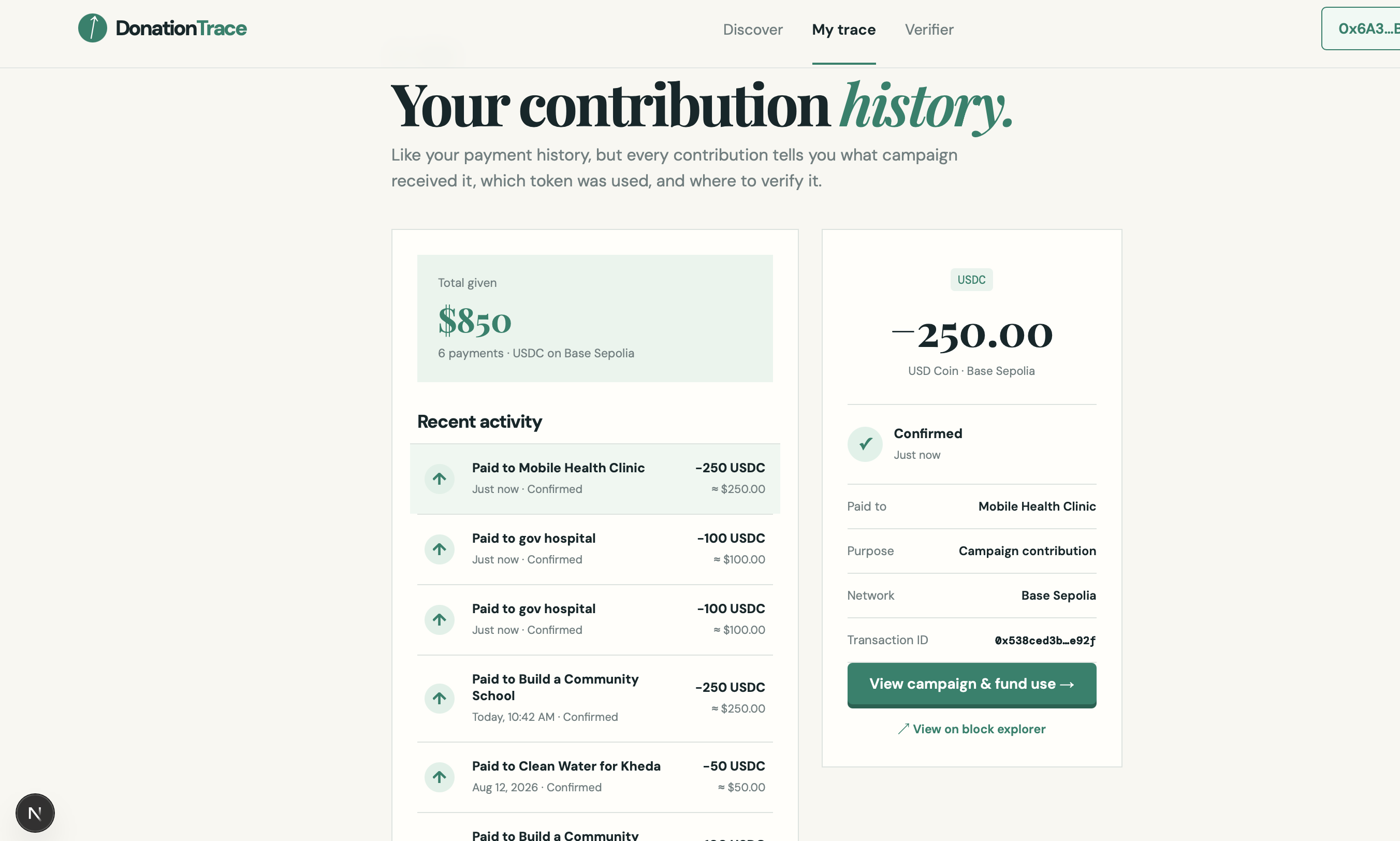
We were inspired by a simple question: “Where does my donation actually go?” We wanted to make charitable donations more transparent by creating a verifiable trail from the initial donation to the final expense.
What it does
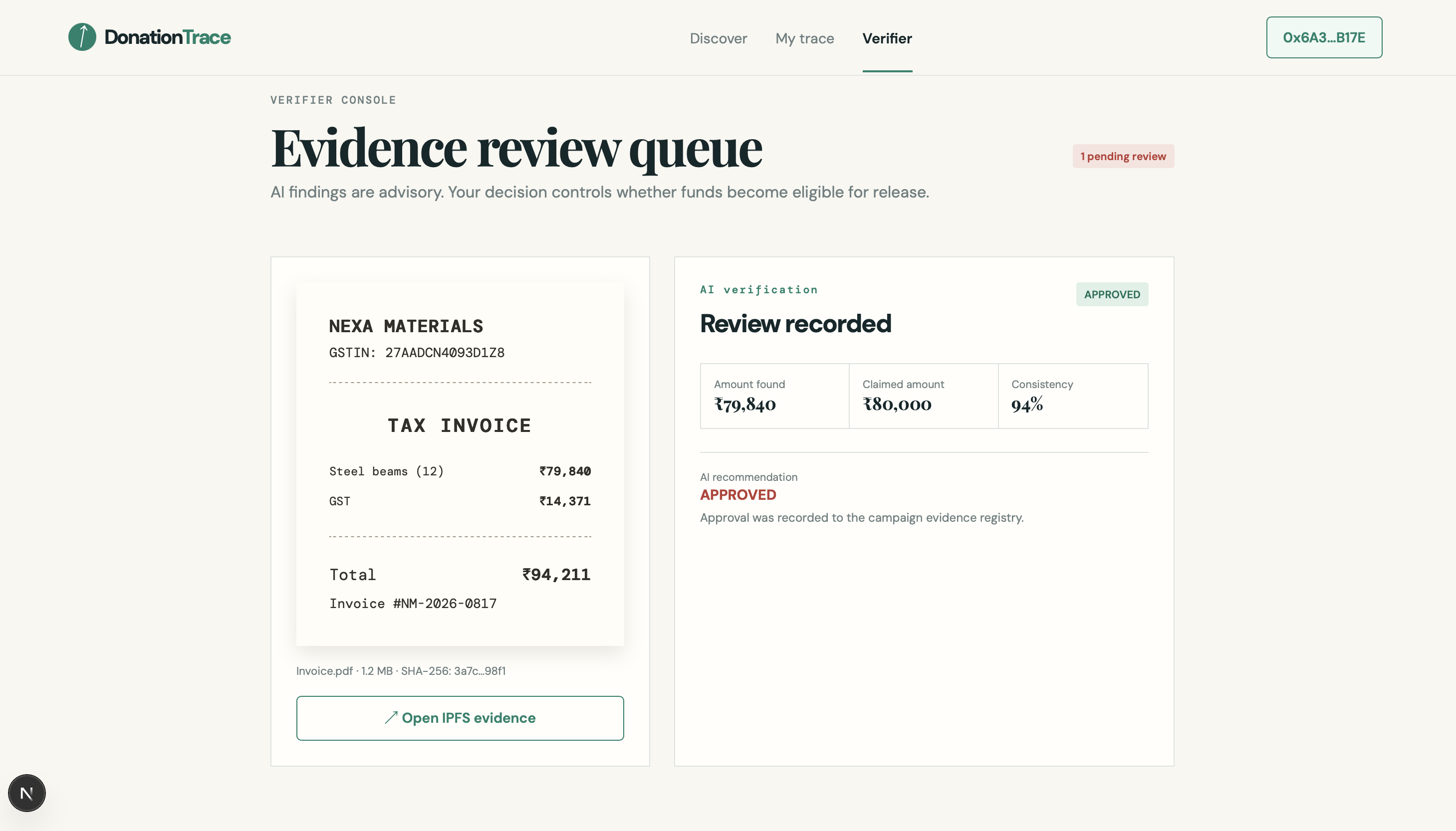
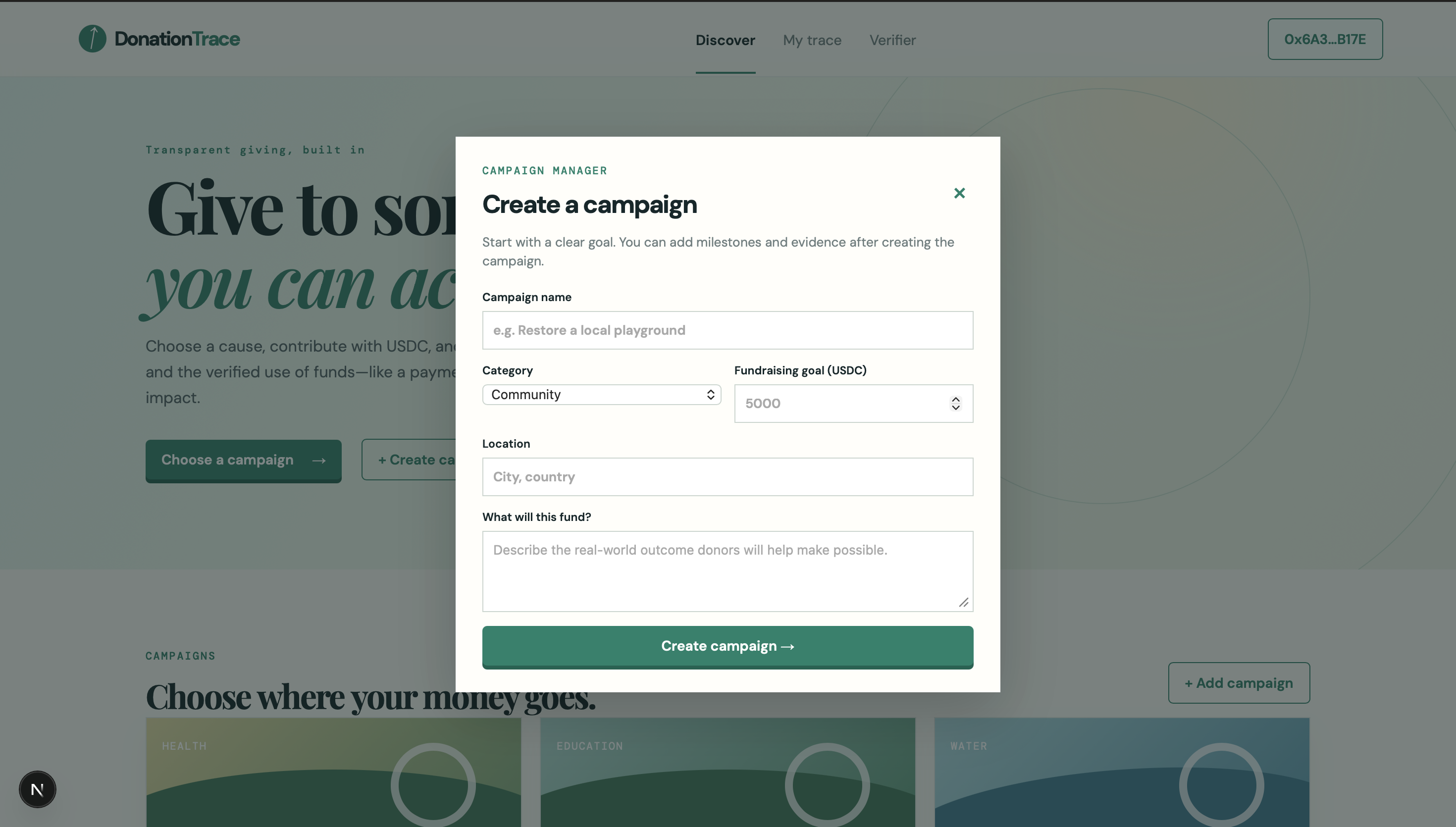
Orion tracks donations through blockchain-based milestones. Donors can see how funds are allocated, view expenses, and verify supporting evidence. AI helps analyze invoices and receipts for inconsistencies or suspicious activity.
How we built it
We used Next.js, TypeScript, Solidity, Foundry, OpenZeppelin, Base Sepolia, PostgreSQL, IPFS, and AI.
Blockchain handles donations, milestones, and financial records, while IPFS stores evidence and AI analyzes documents.
Challenges we ran into
Our biggest challenge was deciding what belongs on-chain. We learned to keep sensitive documents and large files off-chain while storing hashes and important financial state on-chain.
We also had to ensure AI remained an assistant rather than having direct control over funds.
Accomplishments that we're proud of
We're proud of creating a complete flow:
Donation → Milestone → Expense → Evidence → Verification
Instead of simply recording donations on blockchain, Orion makes the entire journey more transparent and auditable.
What we learned
We learned that blockchain isn't about putting everything on-chain. It's about using decentralization where it provides real value.
We also learned how AI and blockchain complement each other: AI analyzes evidence, while blockchain provides a trustworthy financial record.
What's next for Orion
We want to add independent verifiers, better fraud detection, gasless donations, zero-knowledge privacy, multi-chain support, and DAO-based dispute resolution.
Our goal is simple: help donors verify where their money goes, not just trust that it was used well
Built With
- basesepolia
- foundry
- ipfs
- nextjs
- openzeppelin
- postgresql
- solidity


Log in or sign up for Devpost to join the conversation.