-
-
-
-
-
-
-
-
-
-
-
-
-
Presentation event 2025
-
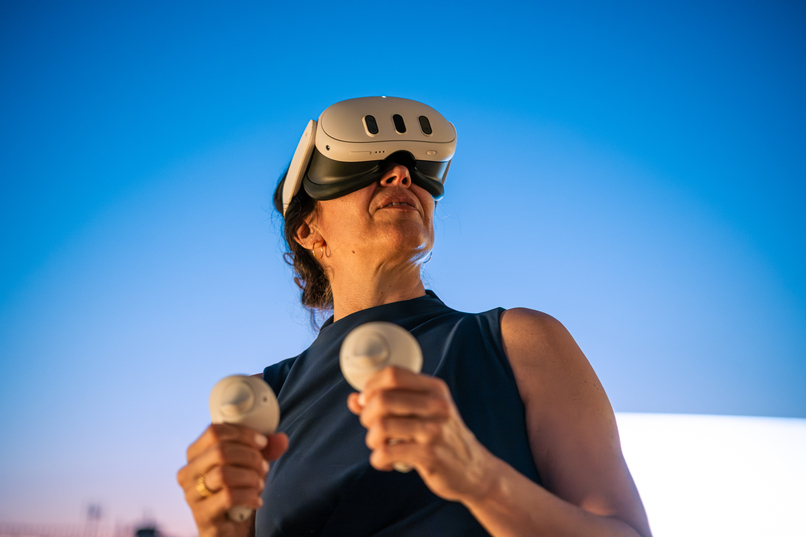
Presentation event 2025
-
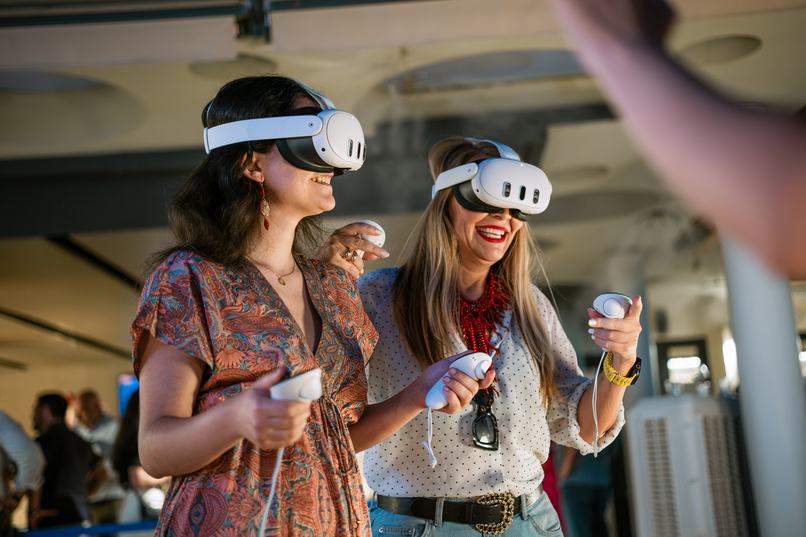
Presentation event 2025
Inspiration
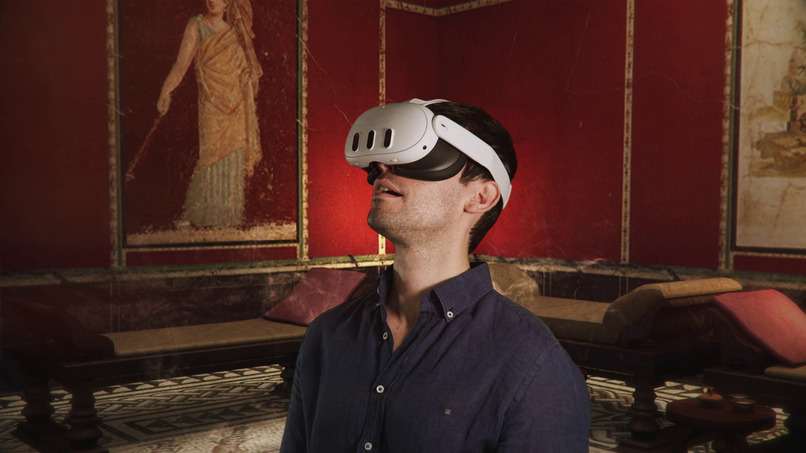
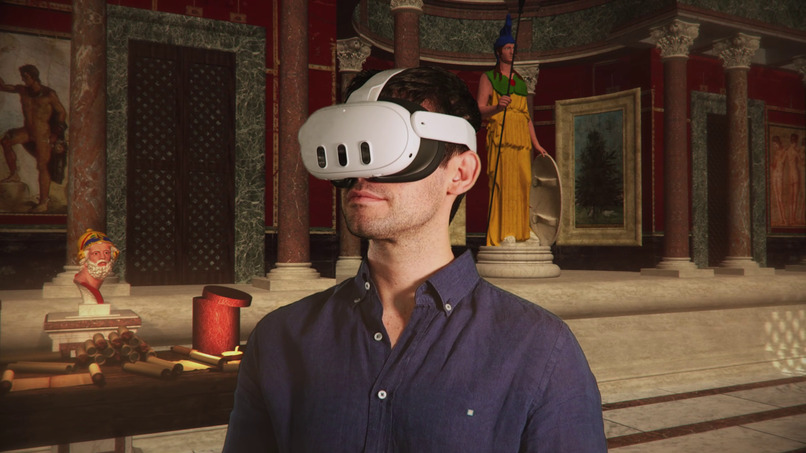
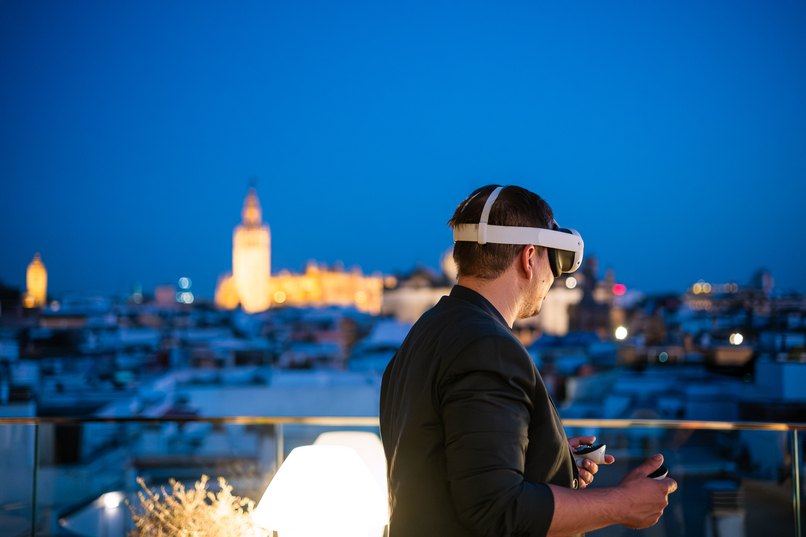
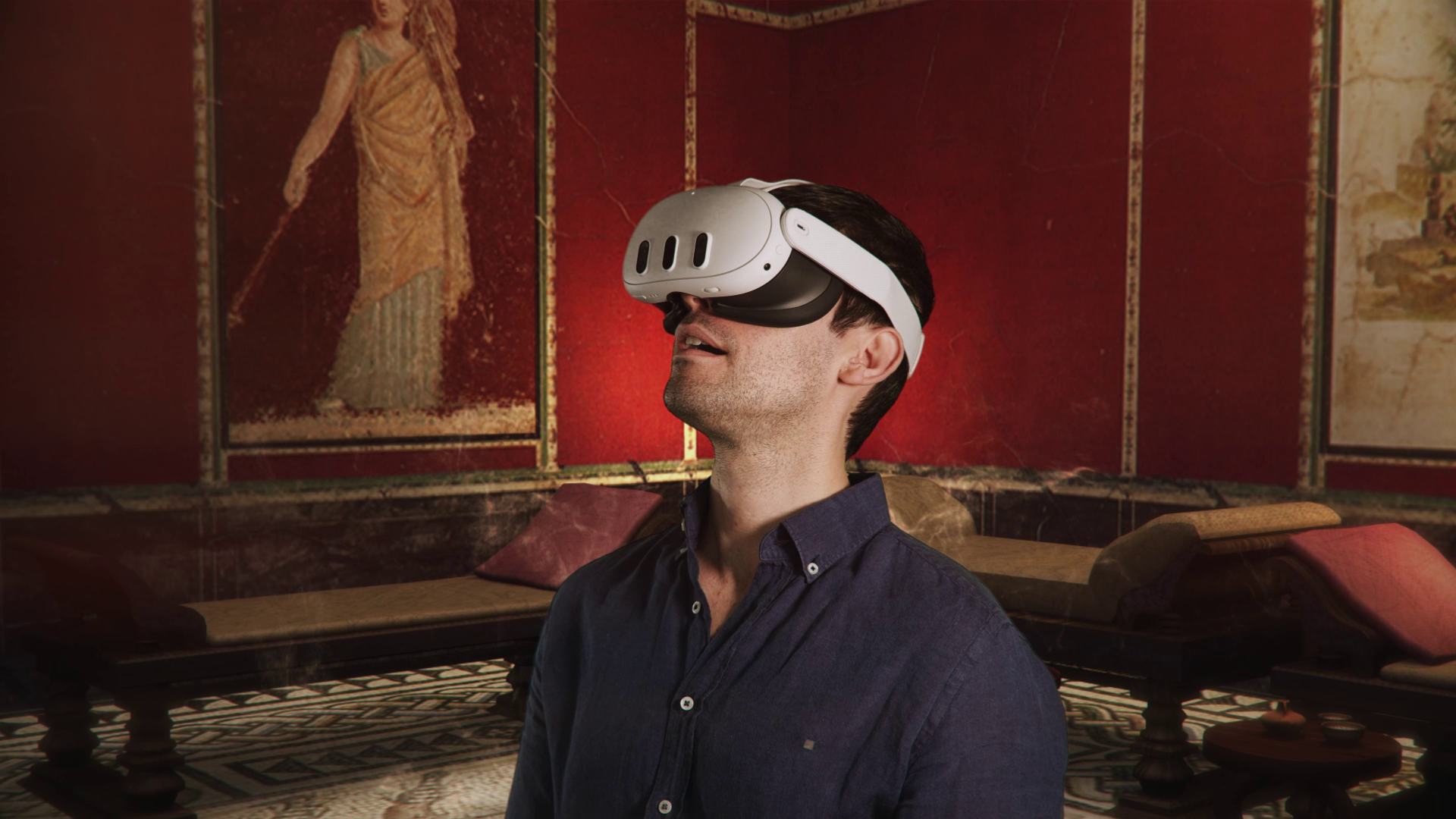
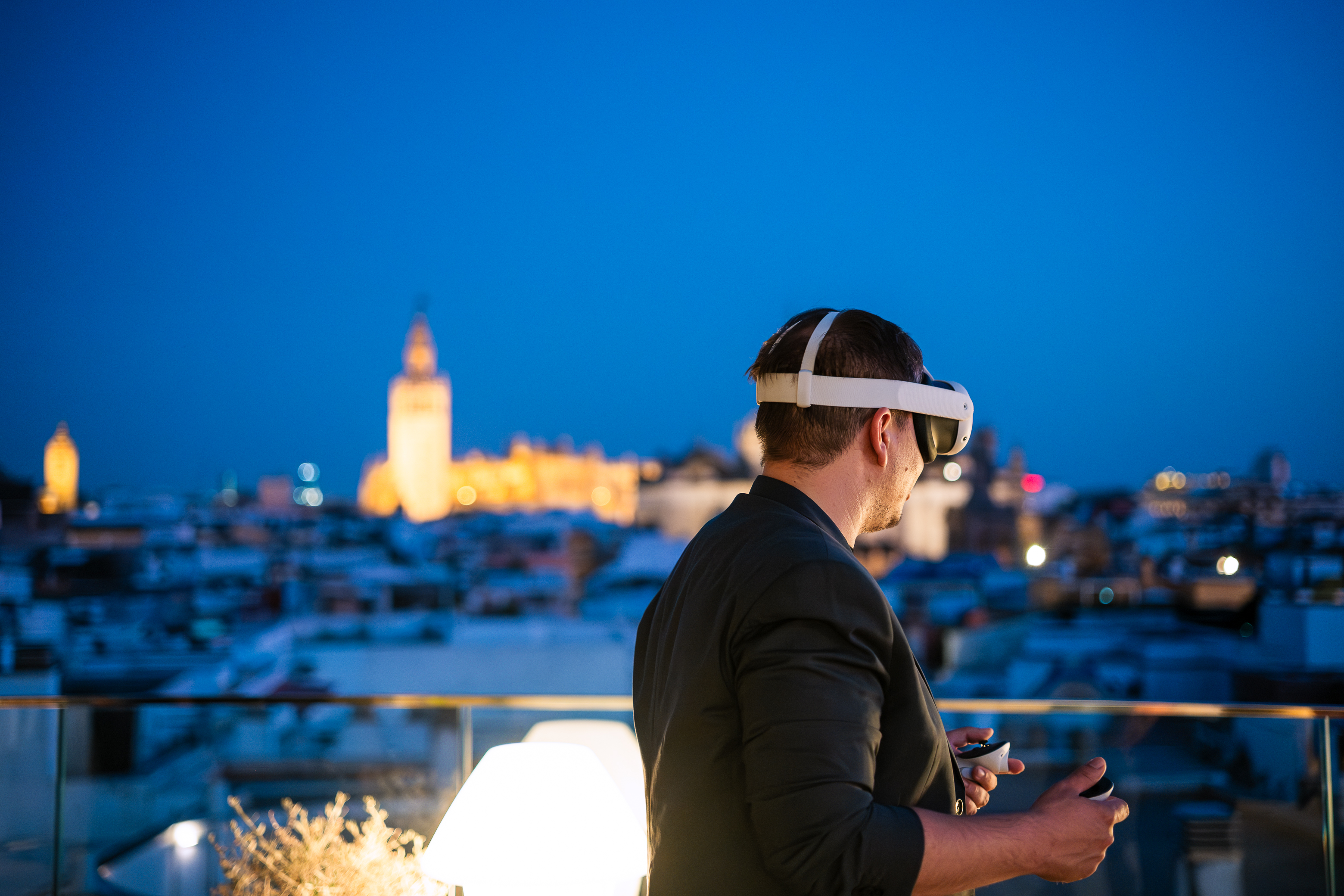
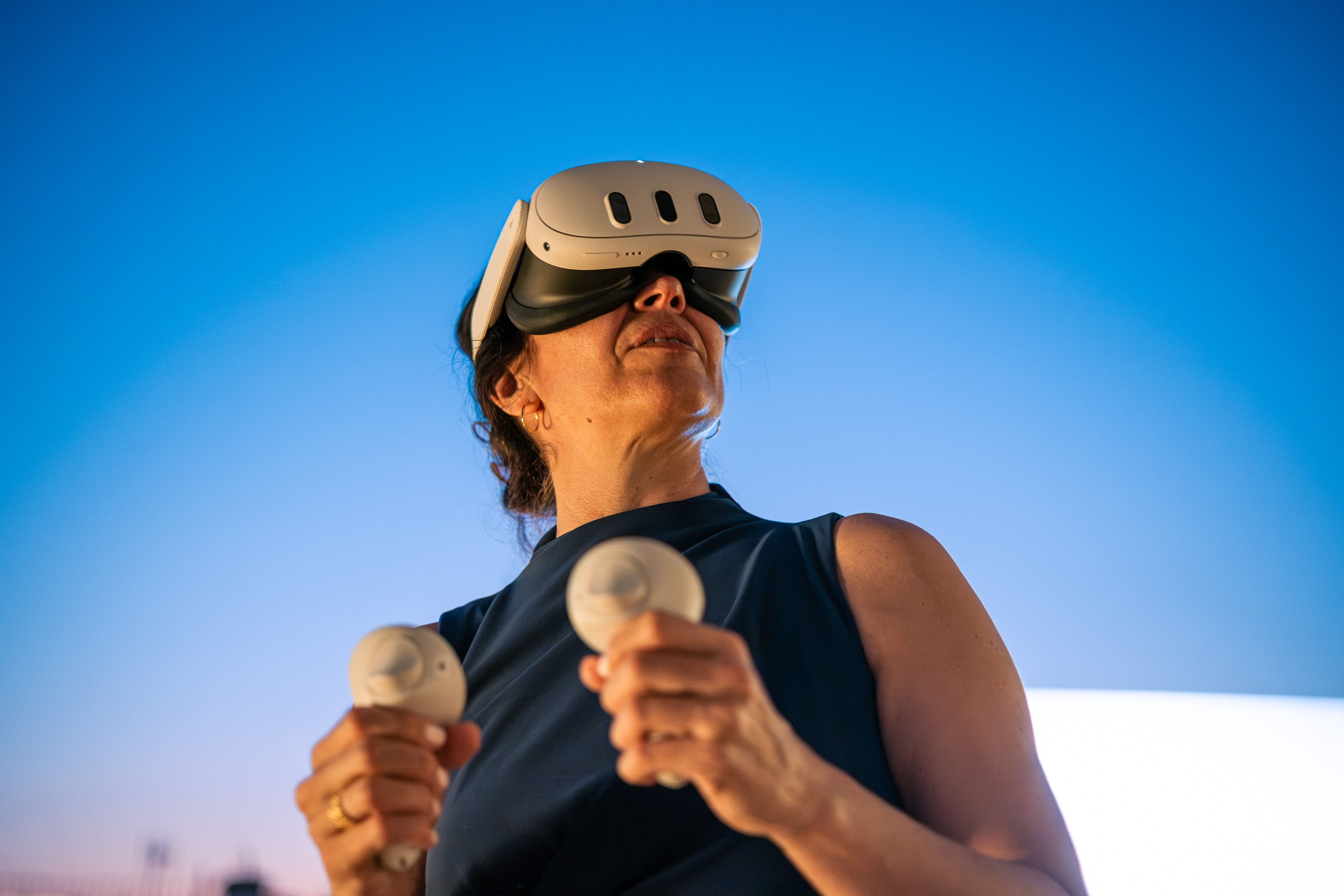
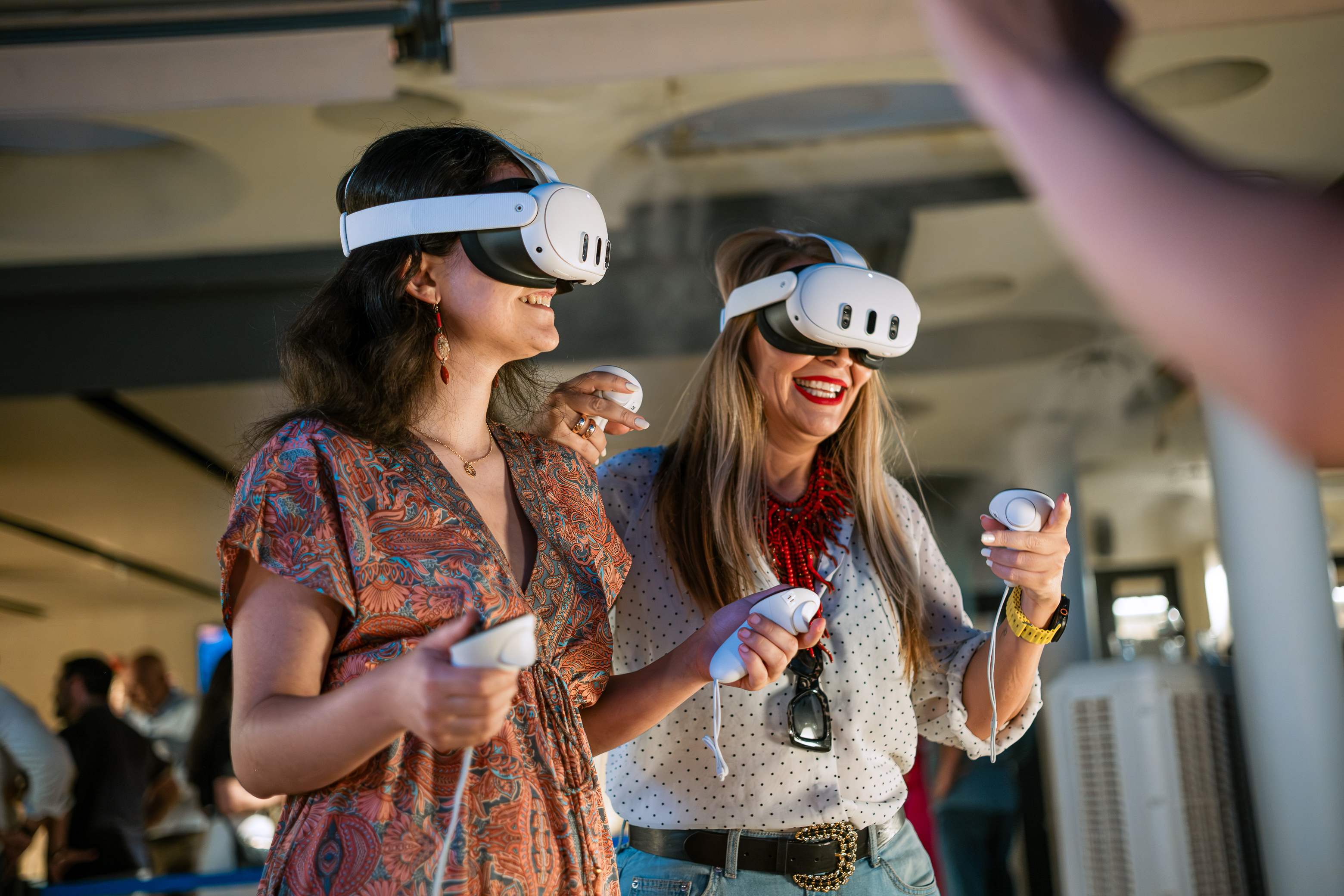
Since 2012, we have guided tourists through historic cities using glasses that reveal how landmarks looked in the past. However, these painstakingly crafted 3D reconstructions were limited to on-site tours, leaving customers asking how they could download more. Origenia was born from the vision of letting anyone, from their own home, travel through space and time to explore the world’s heritage.
What it does
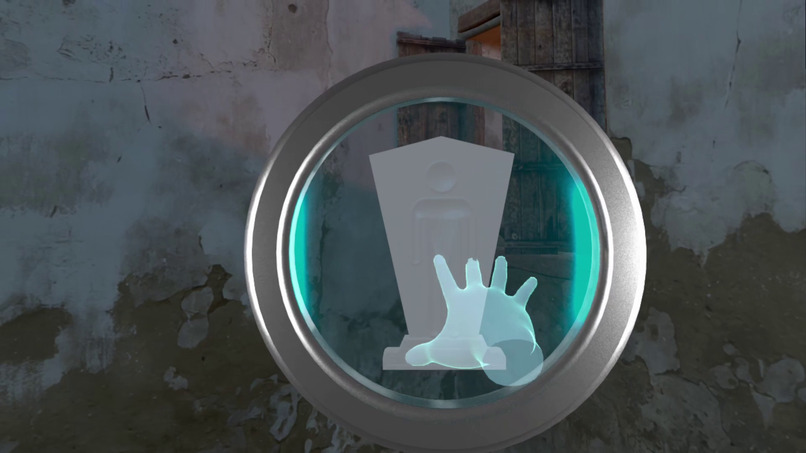
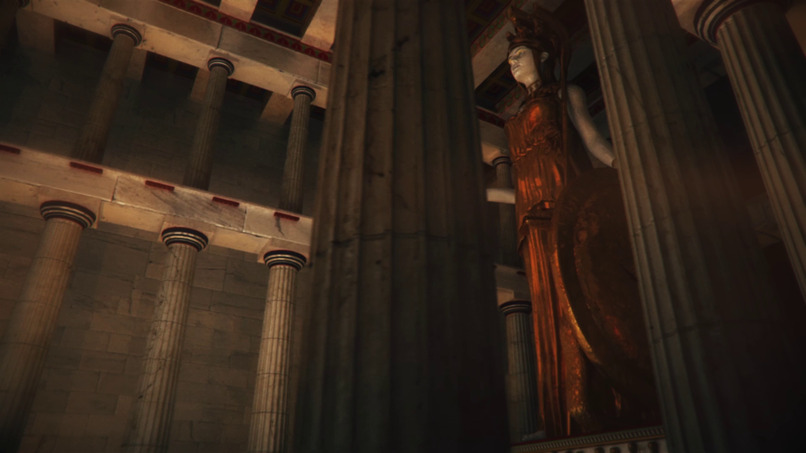
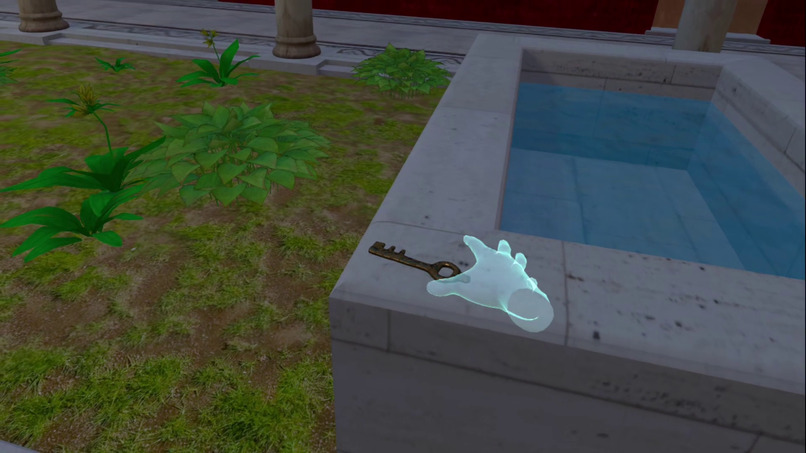
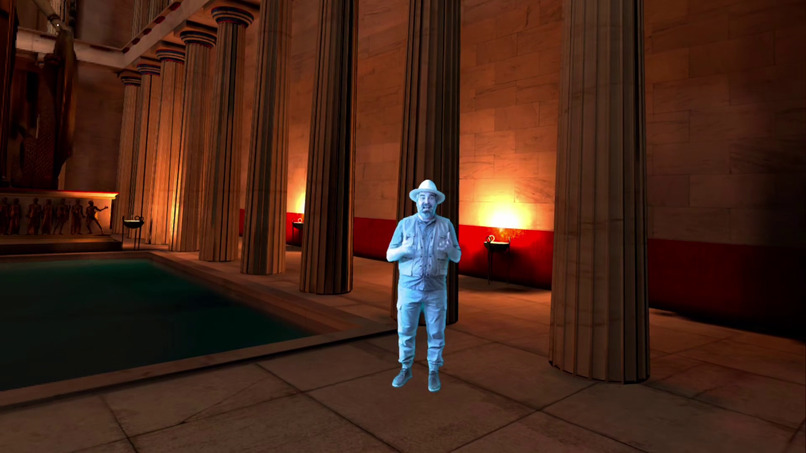
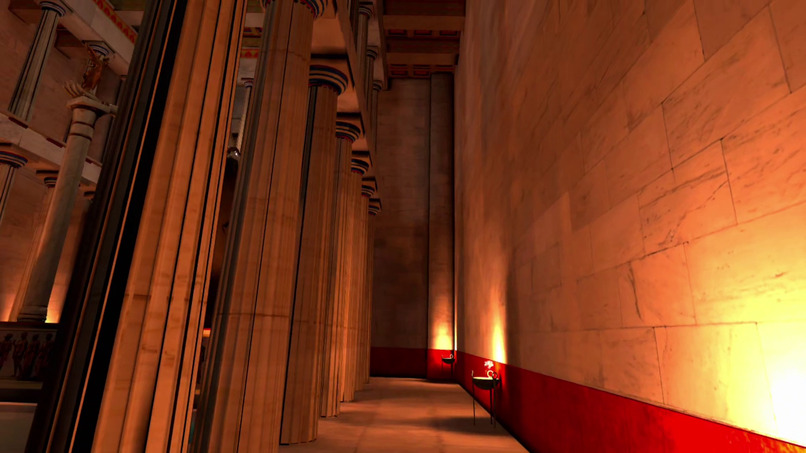
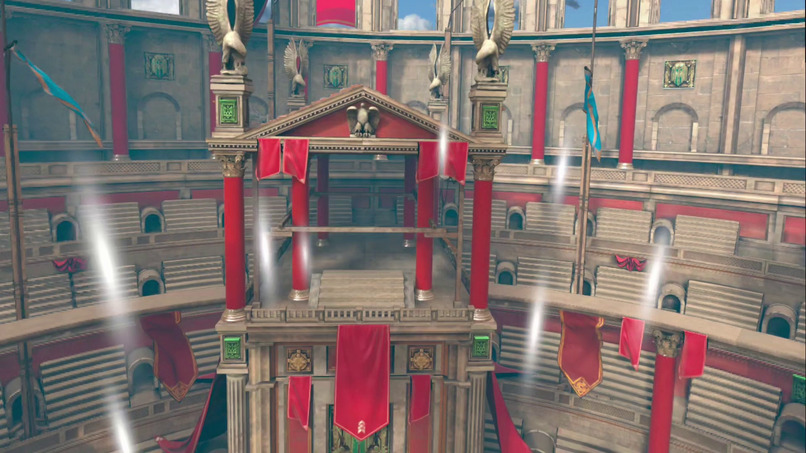
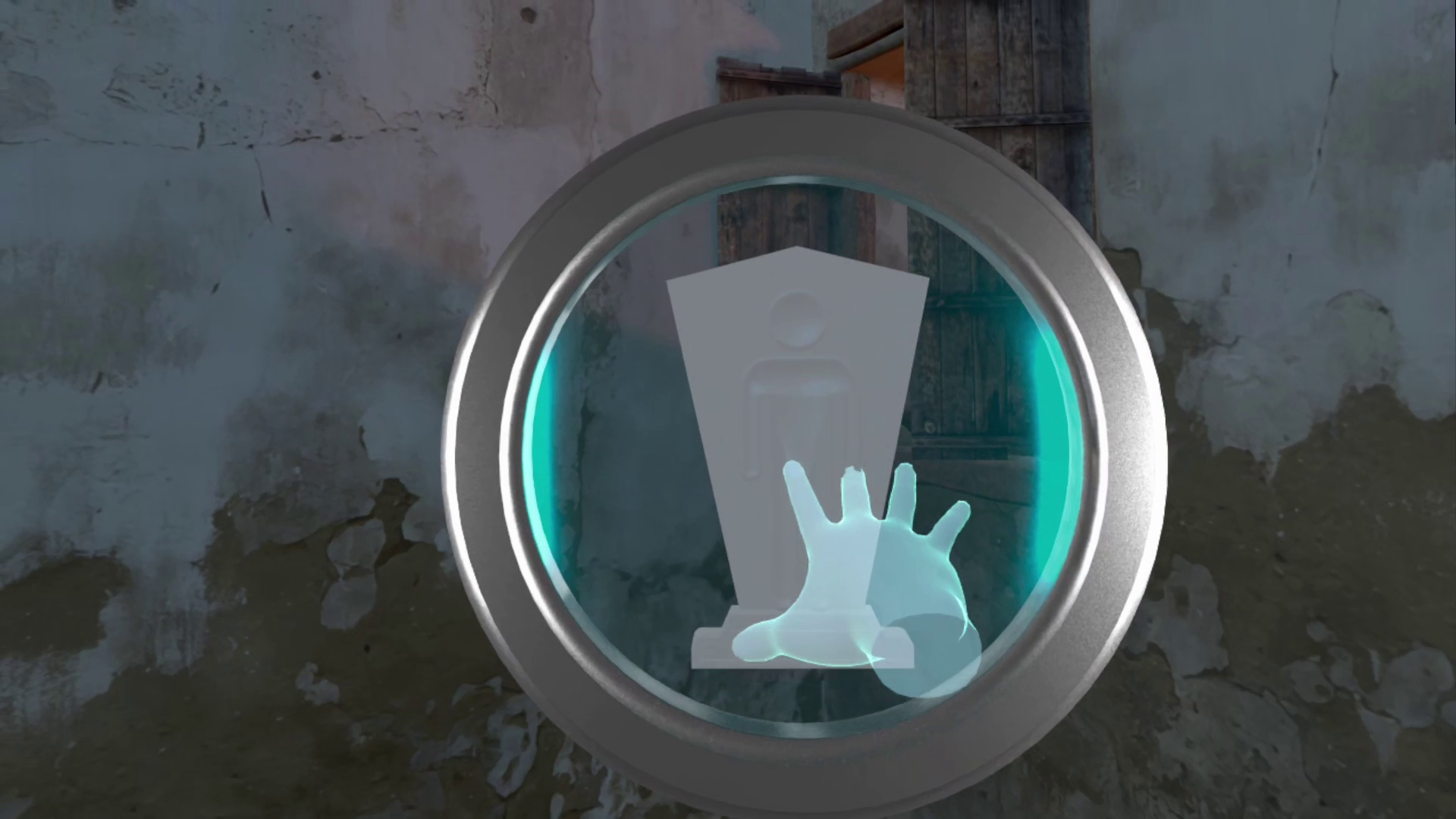
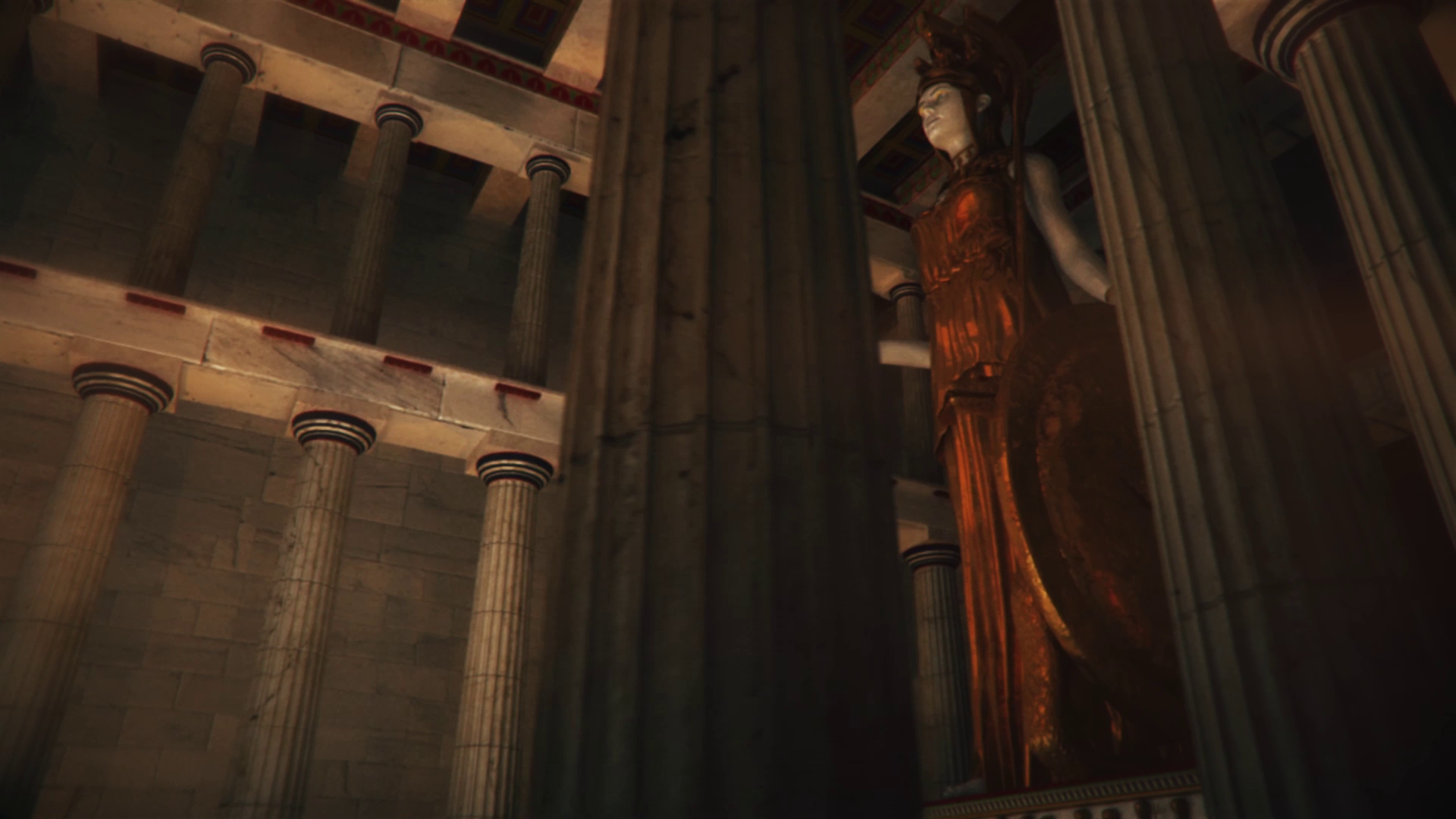
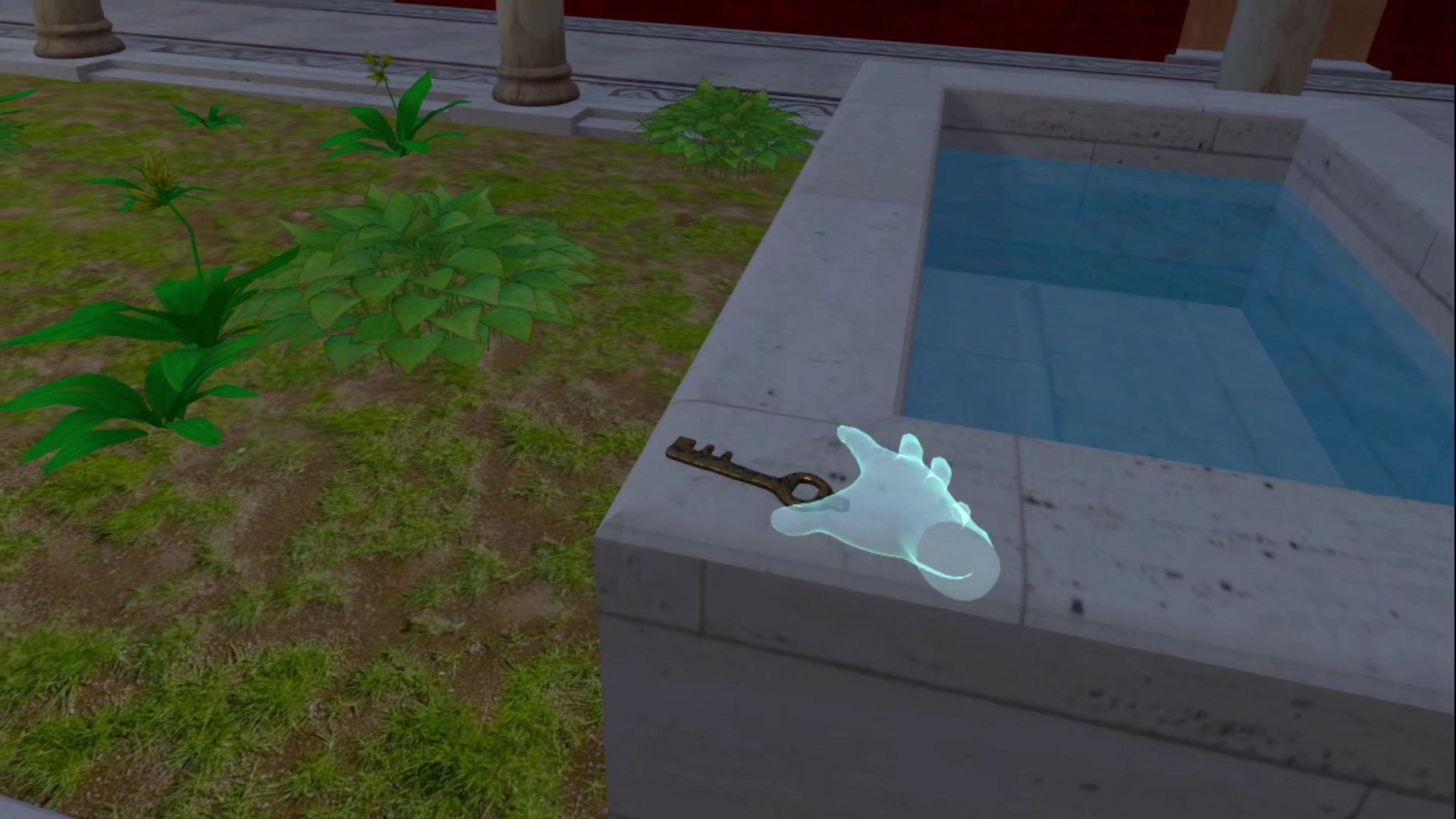
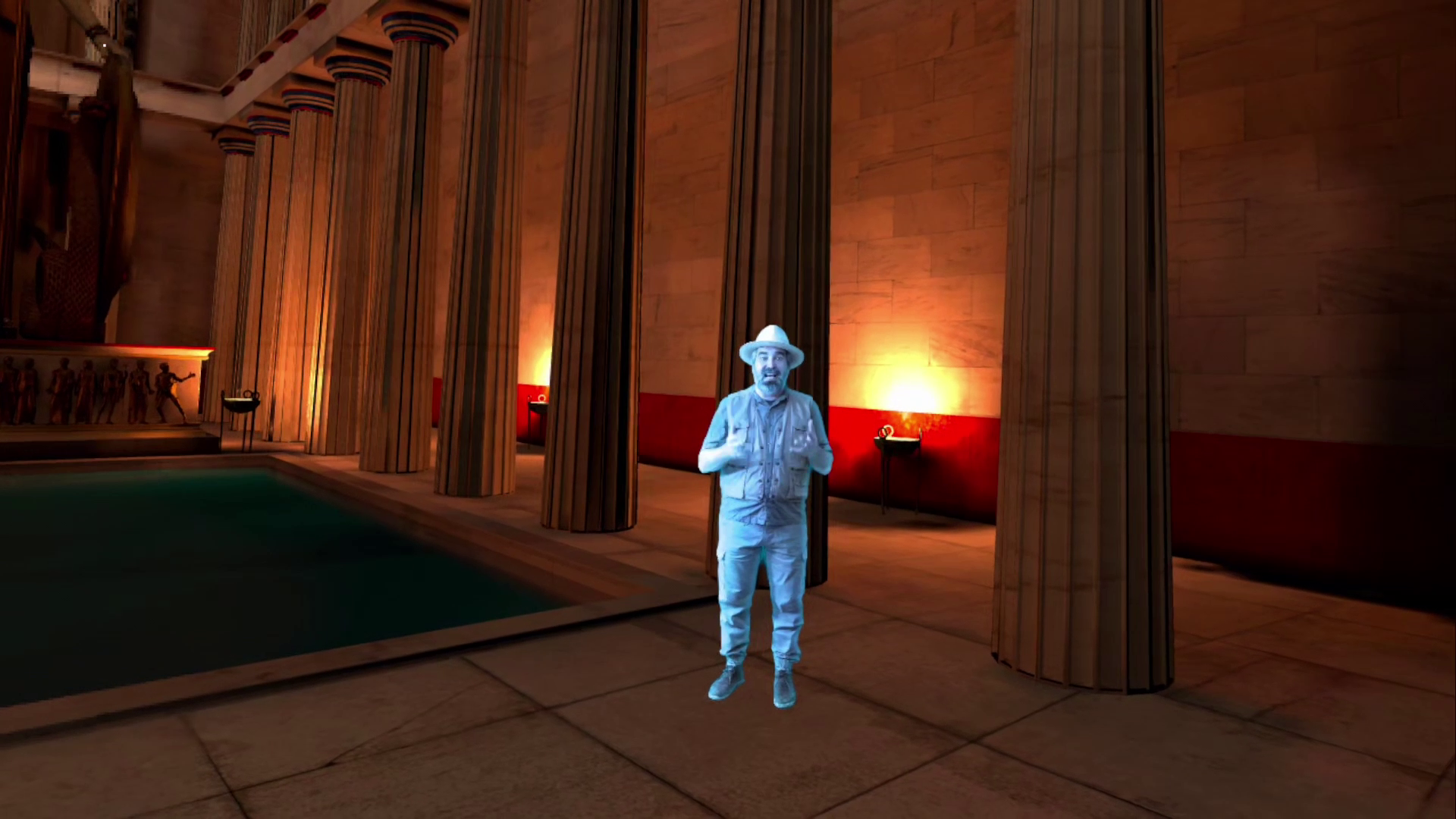
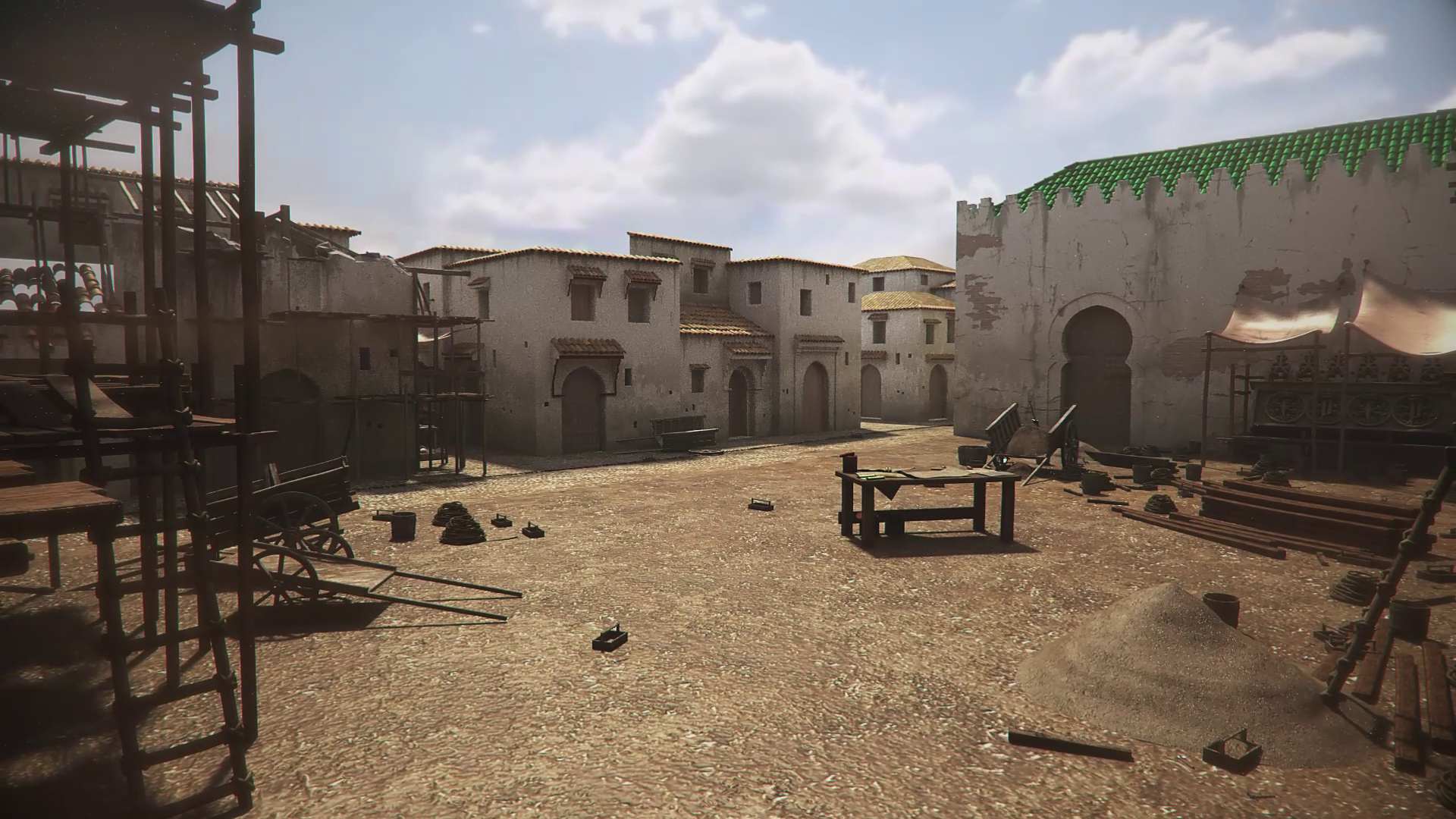
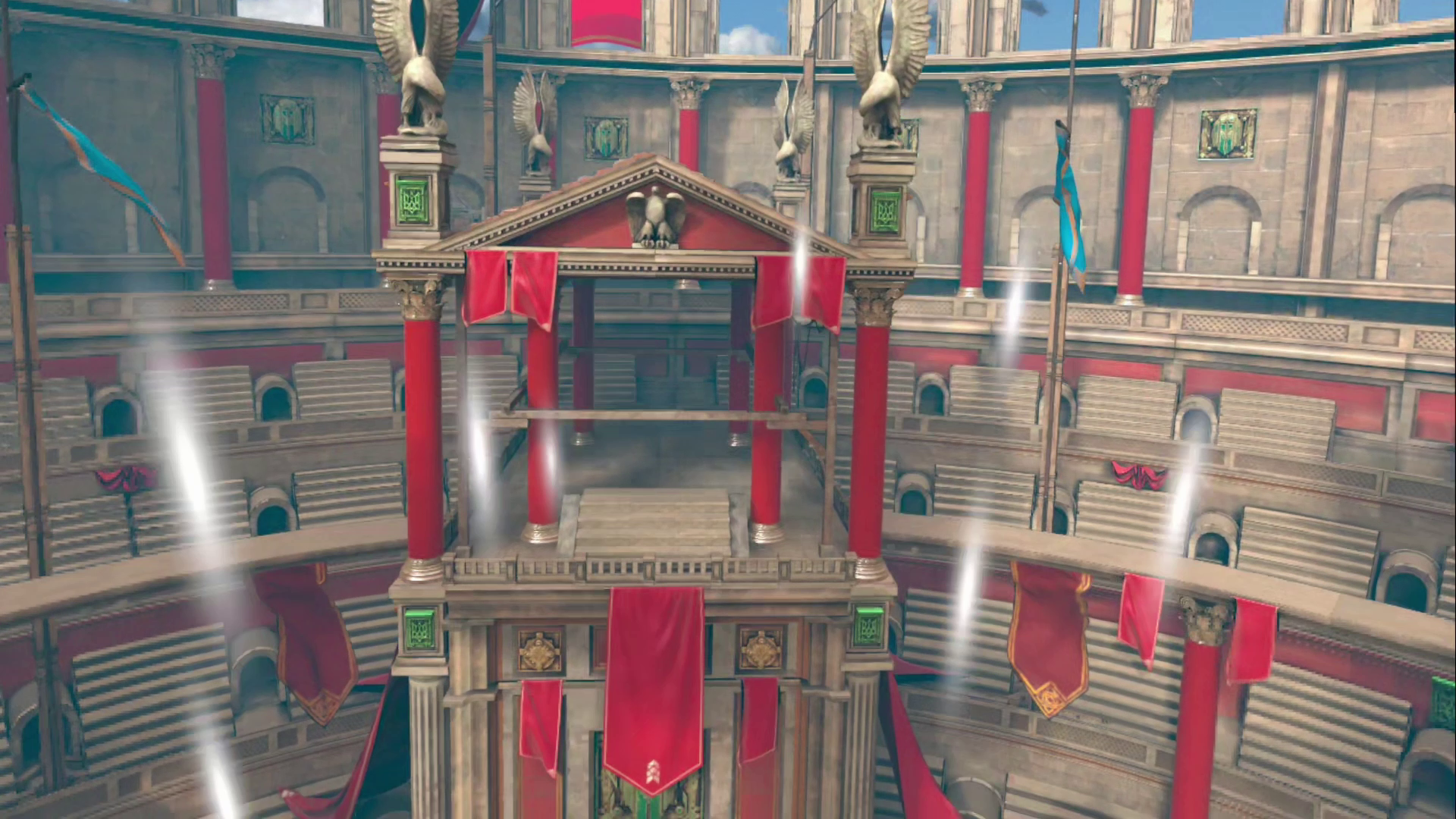
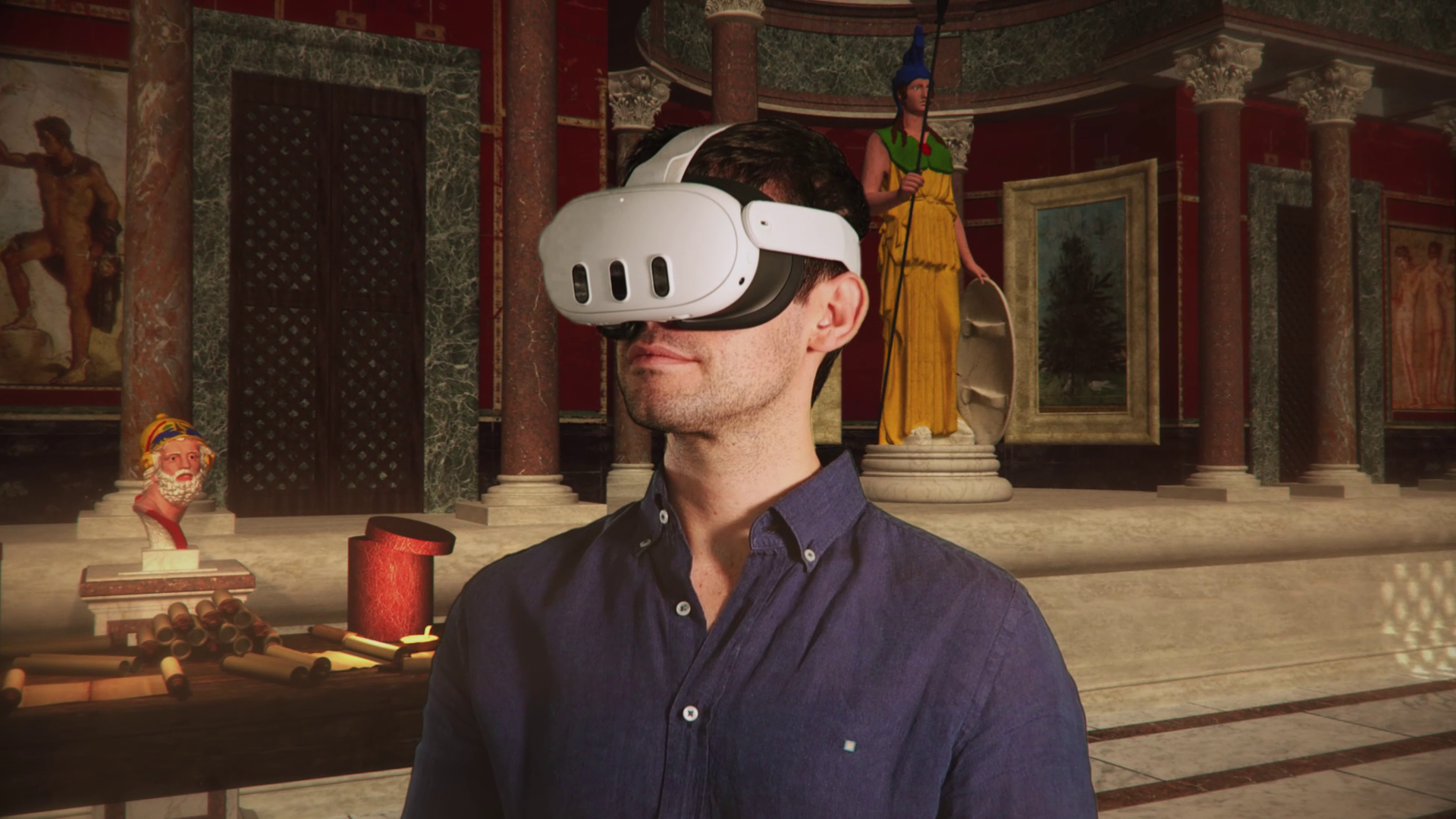
Origenia recreates historical sites at the height of their splendor, offering a cultural entertainment experience where users learn by exploring, playing, and discovering. Beyond visuals, interactive features deepen understanding: audio guides, a key-hunting game to unlock content, a room of digitized artifacts, modern-day comparisons, and a holographic archaeologist who explains the site.
How we built it
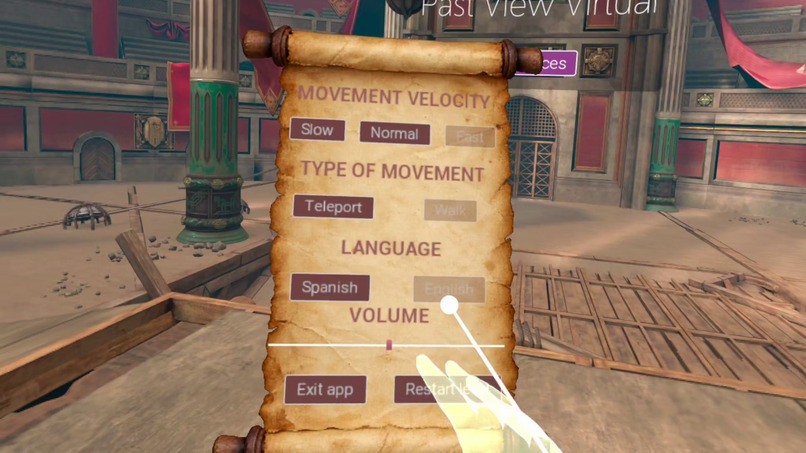
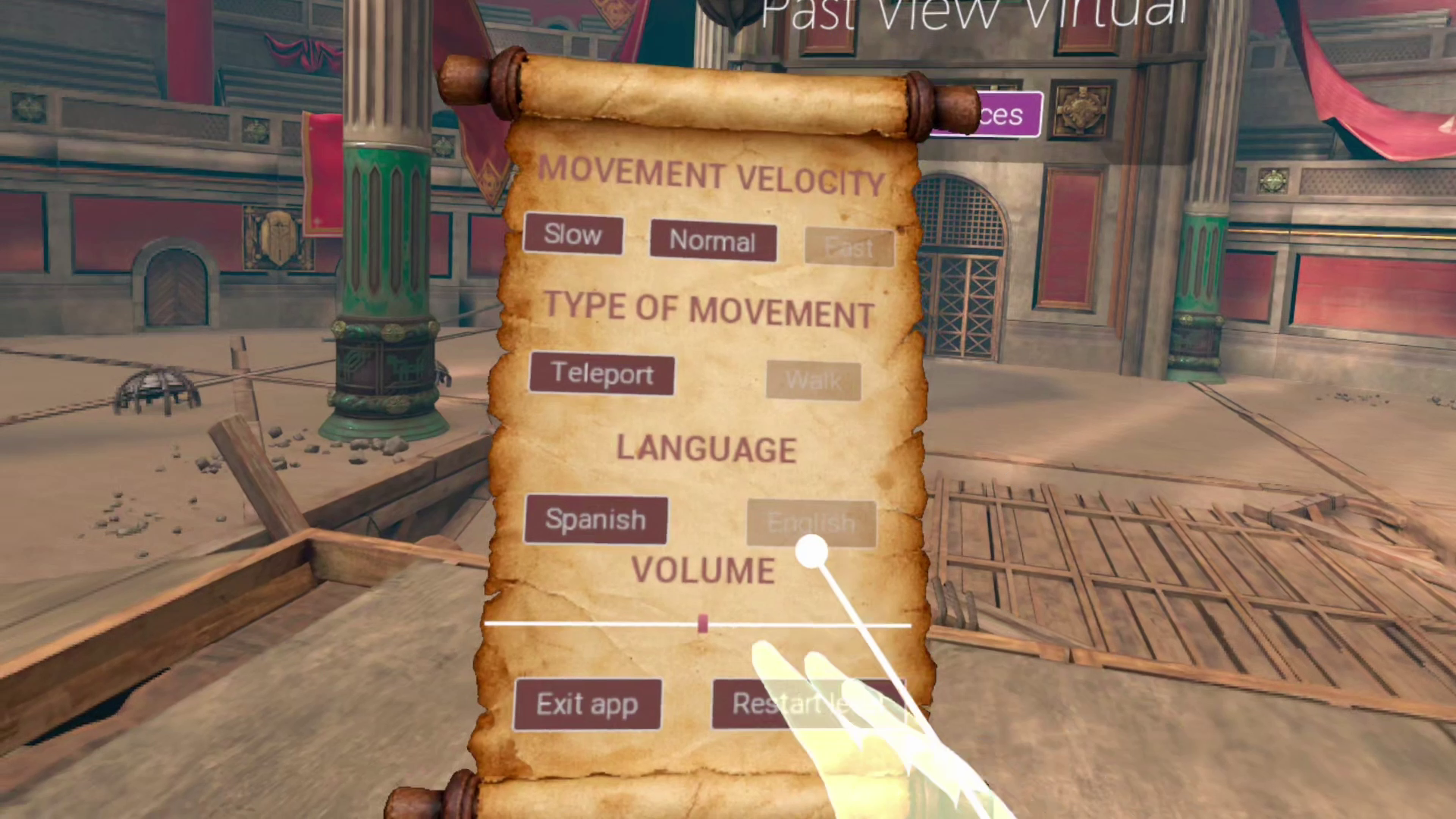
Each scene starts with thorough historical documentation to ensure accuracy, followed by environment modeling by 3D experts and development in Unreal Engine. Originally launched only in Spanish without hand tracking, the platform has been updated for this competition to include English and full hand-tracking support, allowing navigation with either hands or controllers.
Challenges we ran into
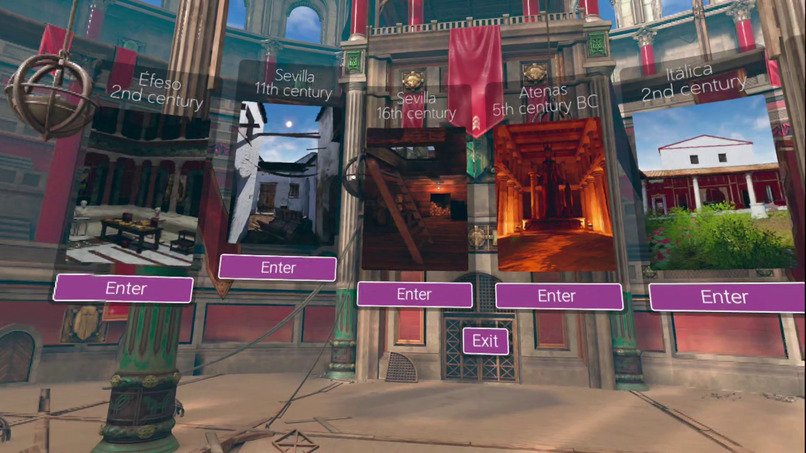
Currently, only the Roman domus of Italica features every type of interactive point. Our main challenge is extending these interactions—and developing new ones—across all existing scenes. Technically, we aim to boost image quality and standalone headset performance, refine hand-tracking movement beyond simple teleportation, and expand our catalog of destinations and languages to establish Origenia as a benchmark in virtual cultural entertainment.
Accomplishments that we’re proud of
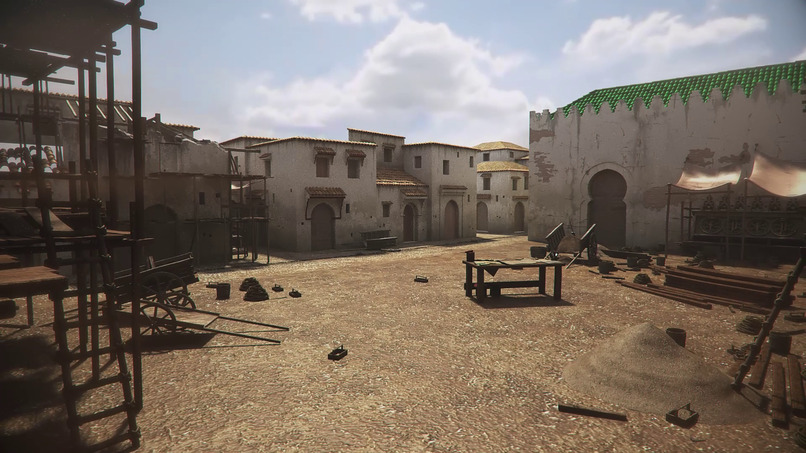
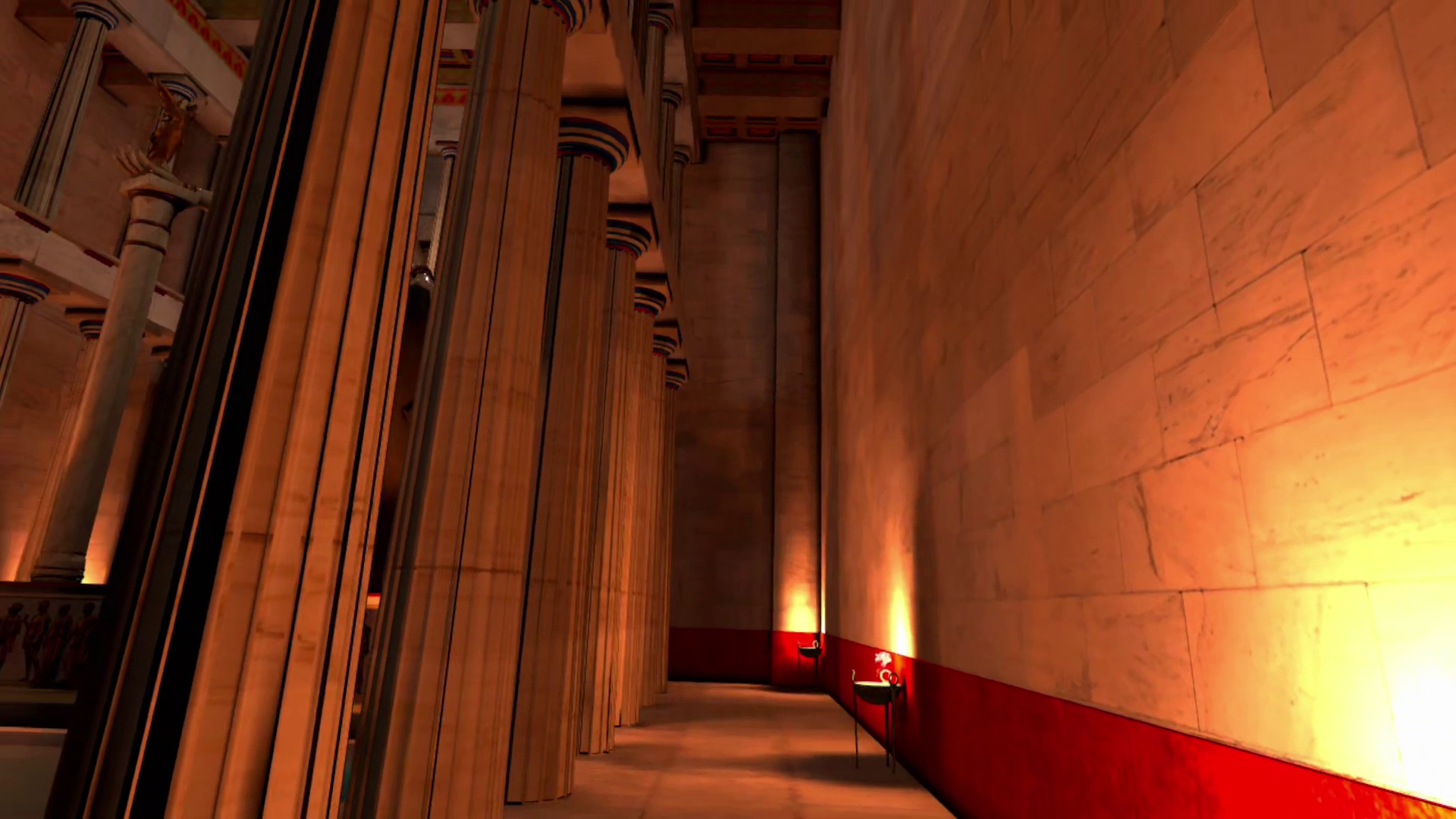
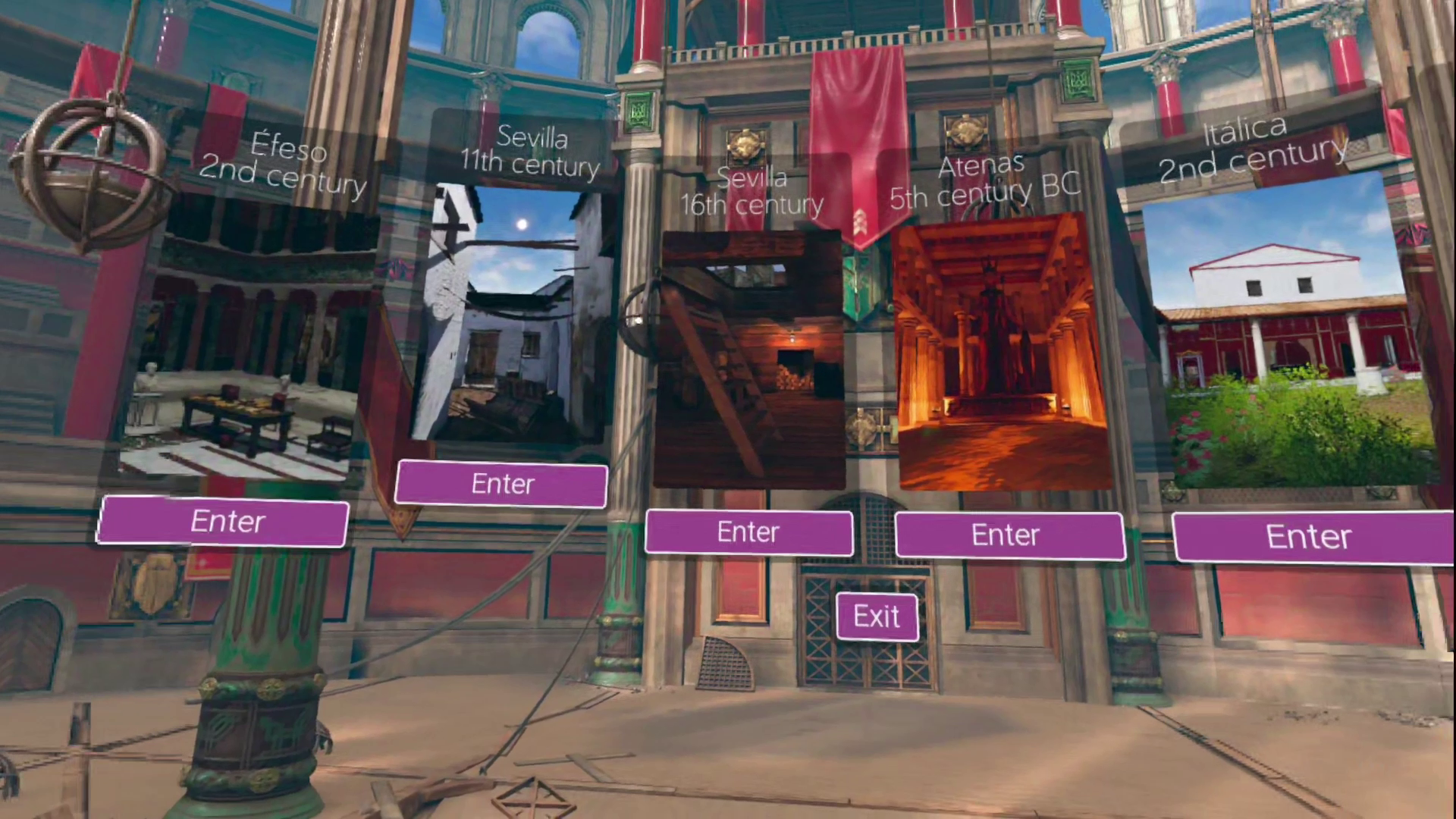
After pioneering street-level virtual tourist routes in 2012, we have spent the past decade setting a new standard in cultural entertainment. Rather than merely reconstructing iconic sites—such as the Parthenon in Athens, a Roman domus, the Library of Celsus in Ephesus, and medieval streets—we enrich them with engaging, interactive layers. This project is co-funded by the European Union through the Recovery, Transformation and Resilience Plan.
What we learned
We discovered that high quality alone cannot build an audience; visibility and distribution are equally vital. We also learned to design short, comfortable sessions accessible to visitors with no prior historical context, and recognized that virtual heritage serves as a powerful complement to tourism by inspiring people to visit real destinations.
What’s next for Origenia
Looking ahead, we plan to add more destinations and languages while bridging virtual exploration with real-world travel—transforming Origenia into a tool for discovering new places and planning future trips.
Built With
- blueprints
- lightwave
- meta-xr-tools
- unreal-engine
