-
-

icon
-
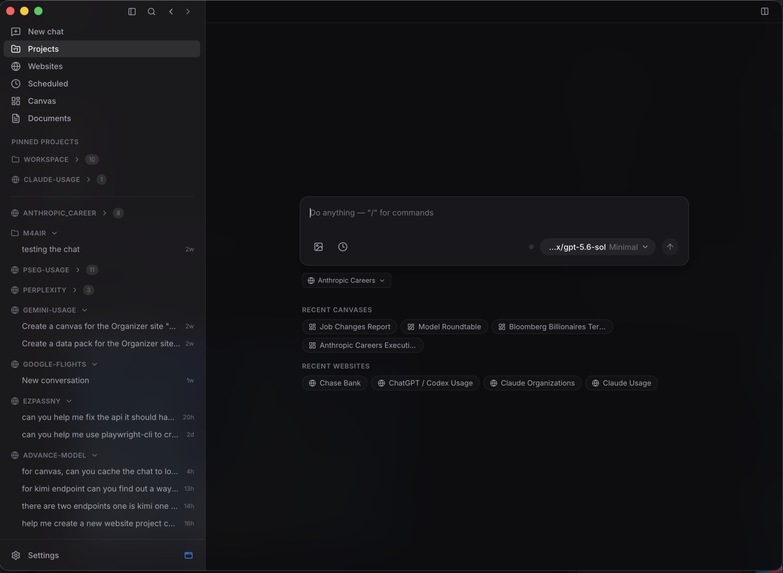
App Interface
-
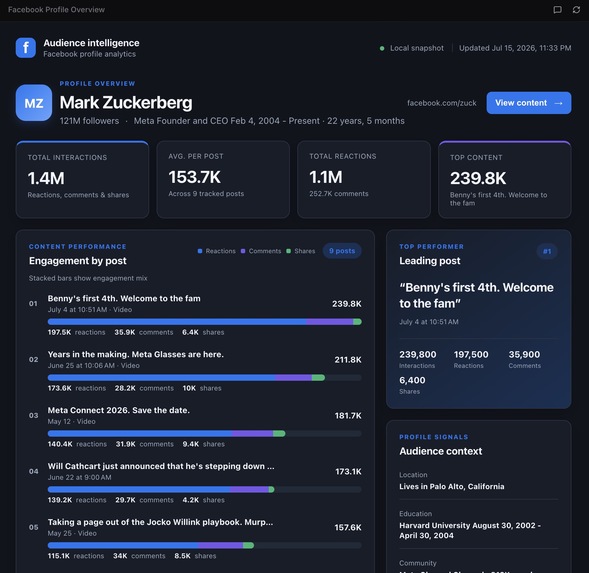
BI Interface
-
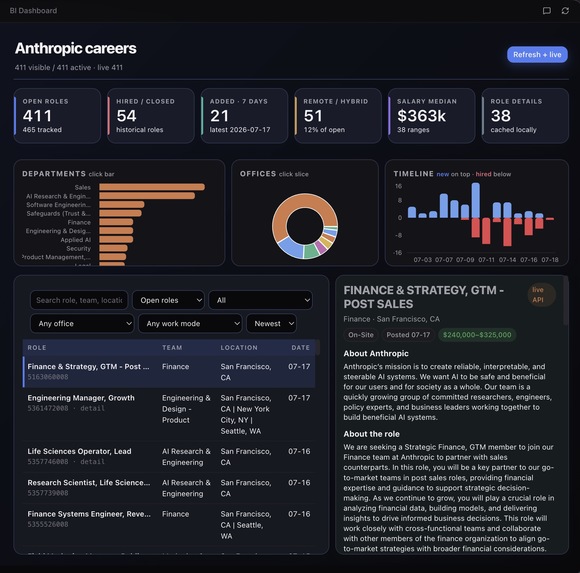
BI Interface
-
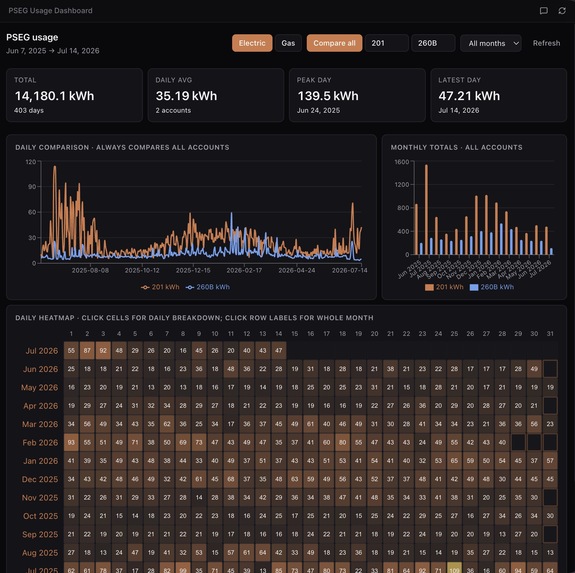
BI Interface
-
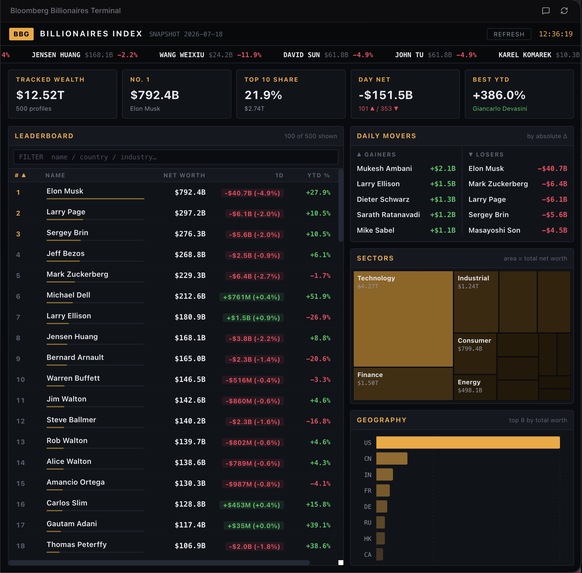
BI Interface
-
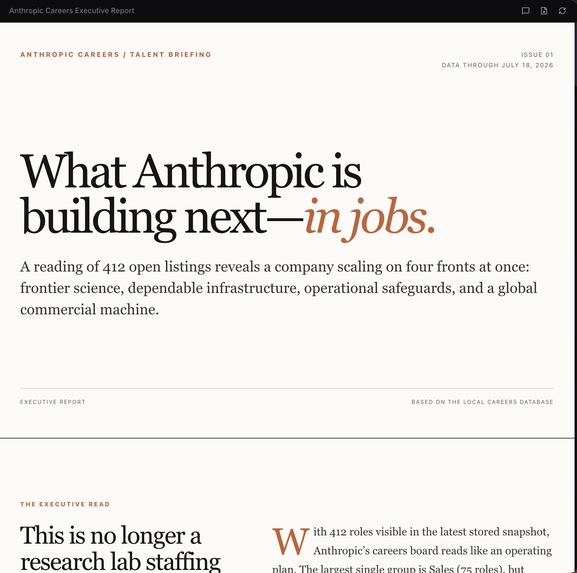
Report Interface

## Inspiration
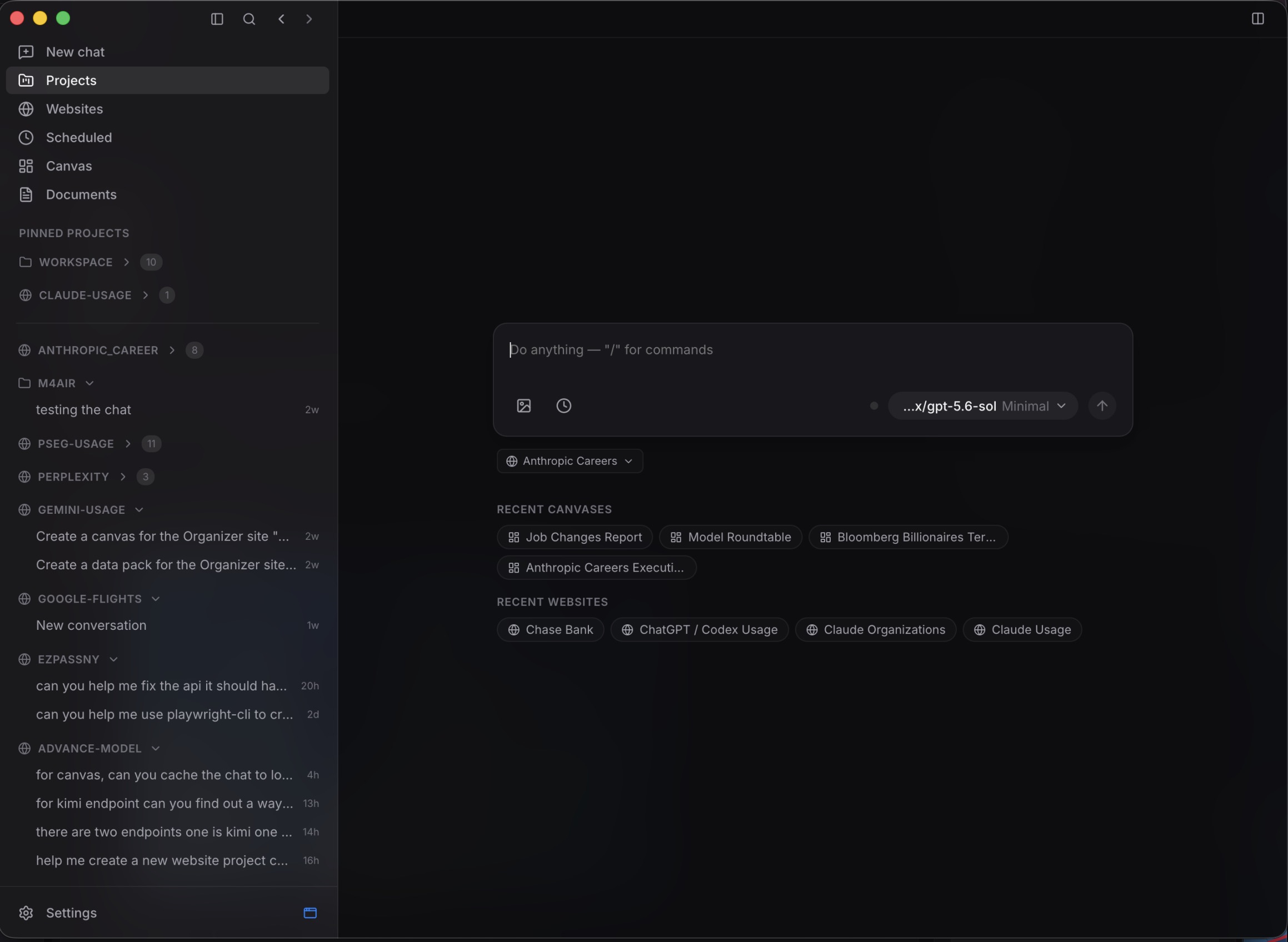
Having built hundreds of applications using AI, I realized I needed a unified ecosystem to manage them all. Organizer was born out of this necessity—the ultimate harness and all-in-one control center for my AI-driven applications.
## What it does
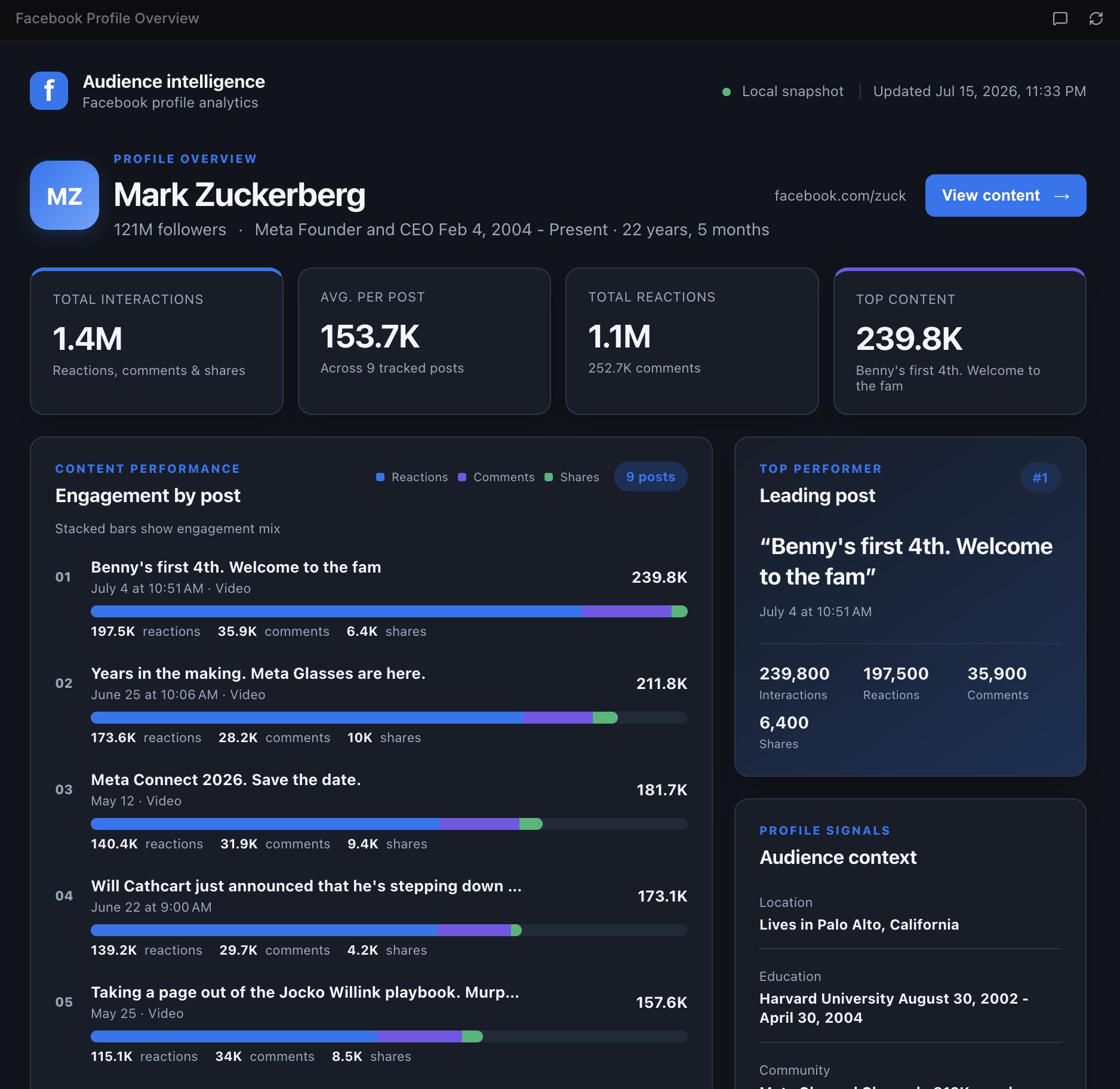
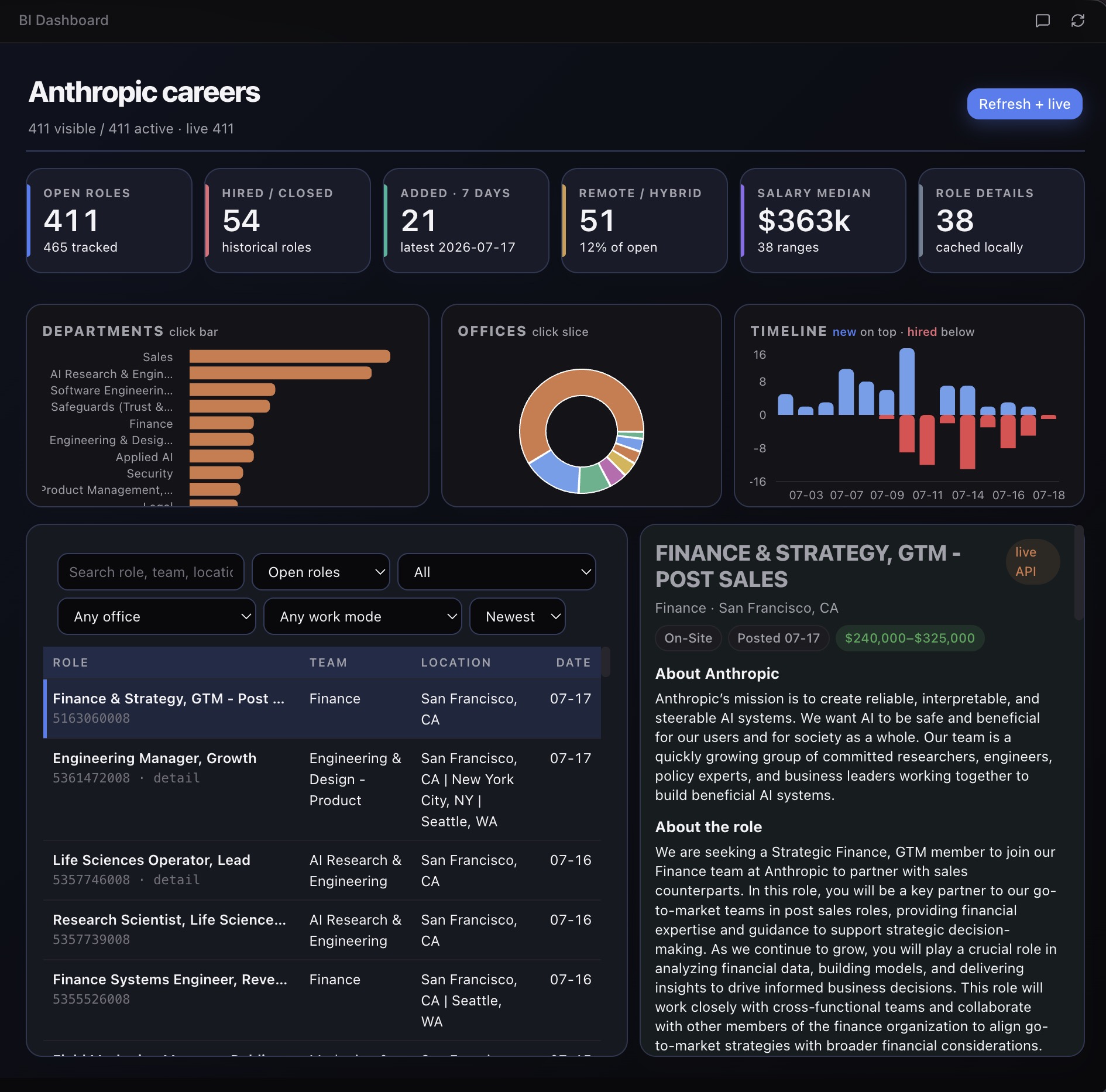
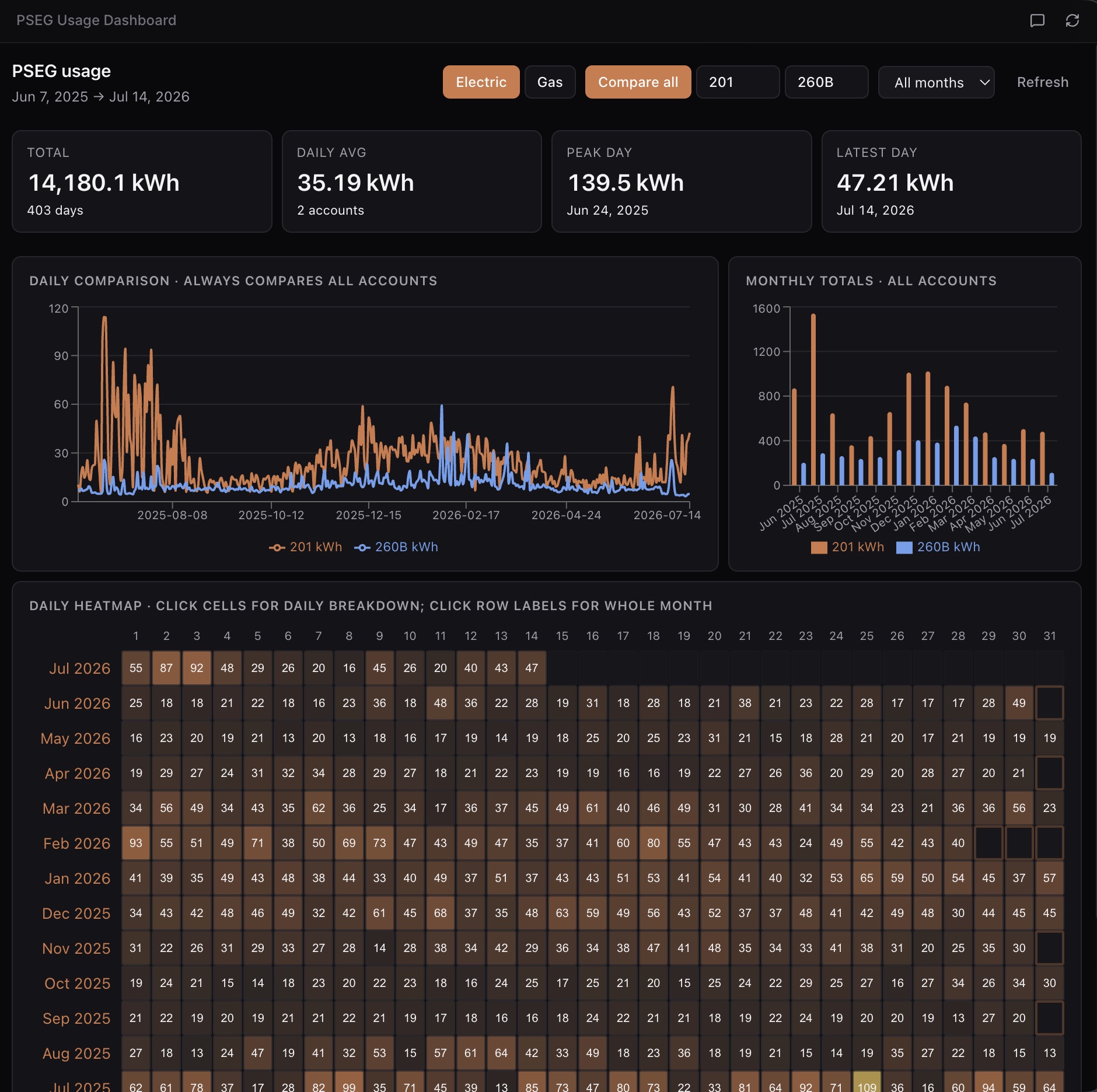
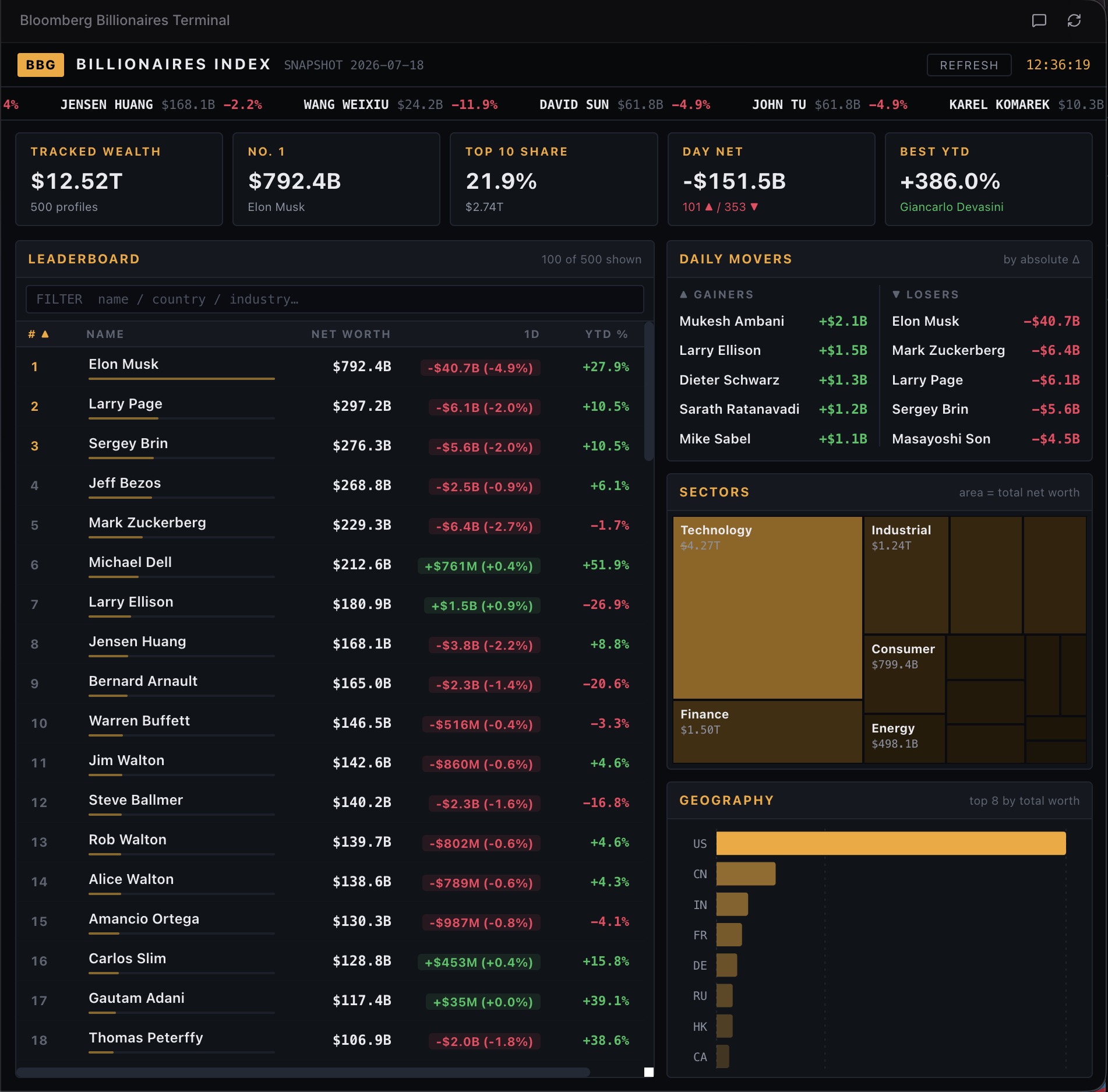
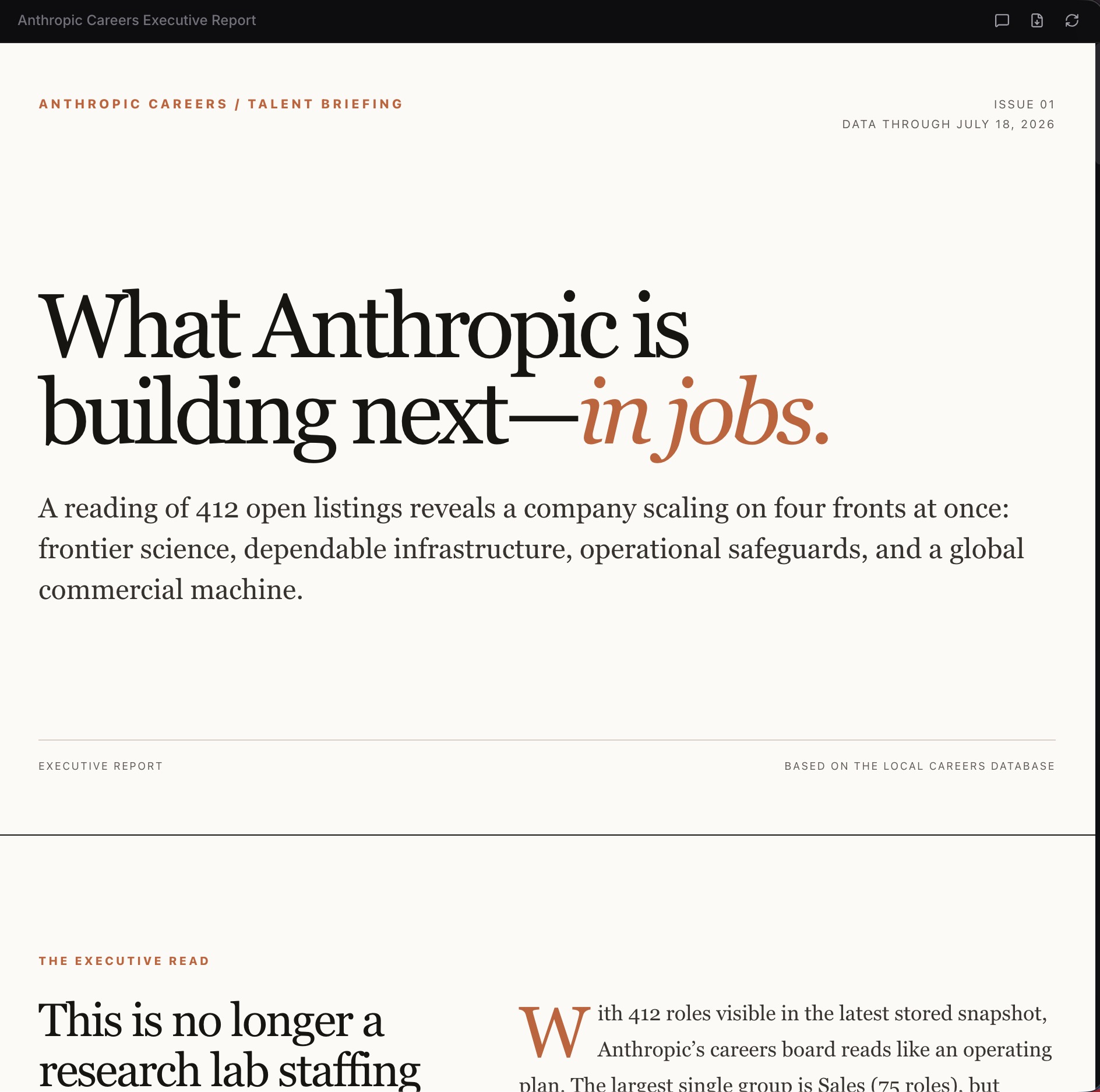
Organizer instantly converts any data source into a production-ready API, allowing developers to seamlessly build custom applications right on top of them.
## How we built it
The platform is built as an Electron application powered by a robust, custom-engineered stack:
- A proprietary Chrome framework for advanced browser automation and handling.
- A custom, on-device Apple model framework to execute intelligent local workflows efficiently.
## Challenges we ran into
Because this is a completely novel concept, there was no existing blueprint or competitor software to reference. Designing a brand-new architecture from scratch required rethinking traditional data-to-API pipelines and browser orchestration paradigms.
## Accomplishments that we're proud of
I successfully designed, built, and debugged the core architecture in just one week. After a rigorous week of fixing complex bugs, Organizer is fully stable and ready to be published as a production-grade application.
## What we learned
Building this taught me valuable architectural lessons. I discovered firsthand what doesn't scale well for this specific use case—namely, realizing that relying on a traditional Node server for dynamic APIs or creating individual "skills" for every single API adds unnecessary overhead and friction.
## What's next for Organizer
The immediate roadmap focuses on scaling usability and security:
- User Experience: Streamlining the interface to make it accessible and intuitive for everyone.
- Architecture: Refactoring the core design from the ground up for maximum optimization.
- Security: Implementing ironclad security protocols to ensure all data pipelines and local models remain entirely secure.

Log in or sign up for Devpost to join the conversation.