-
-
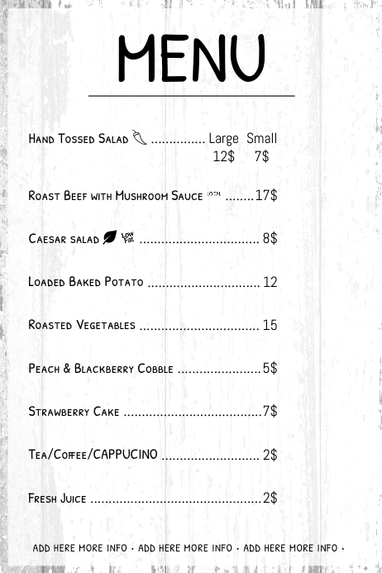
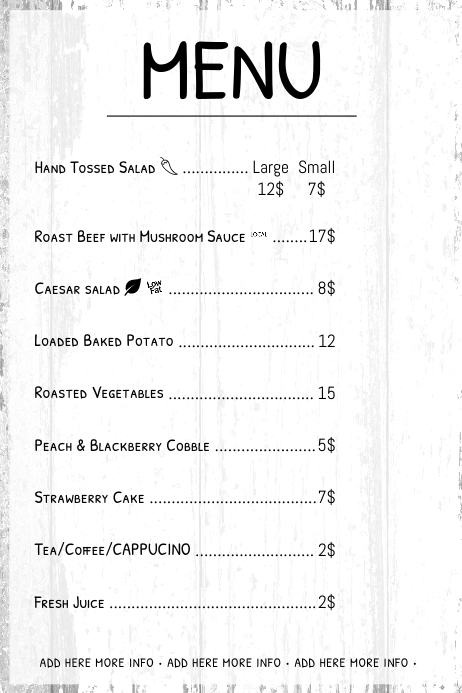
sample menu for menu scanner function
-
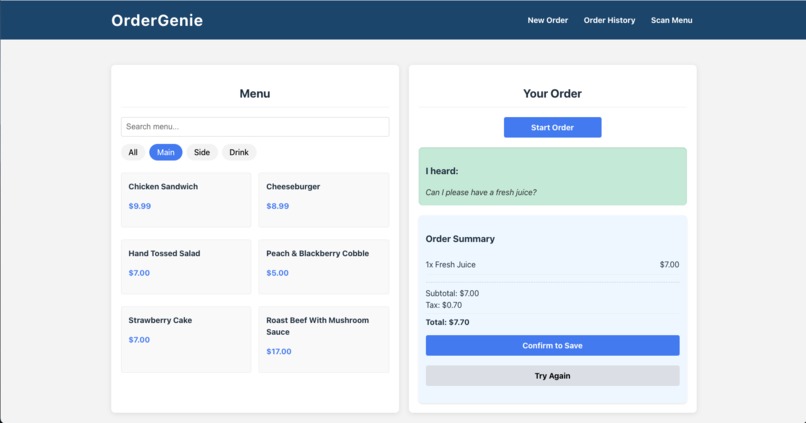
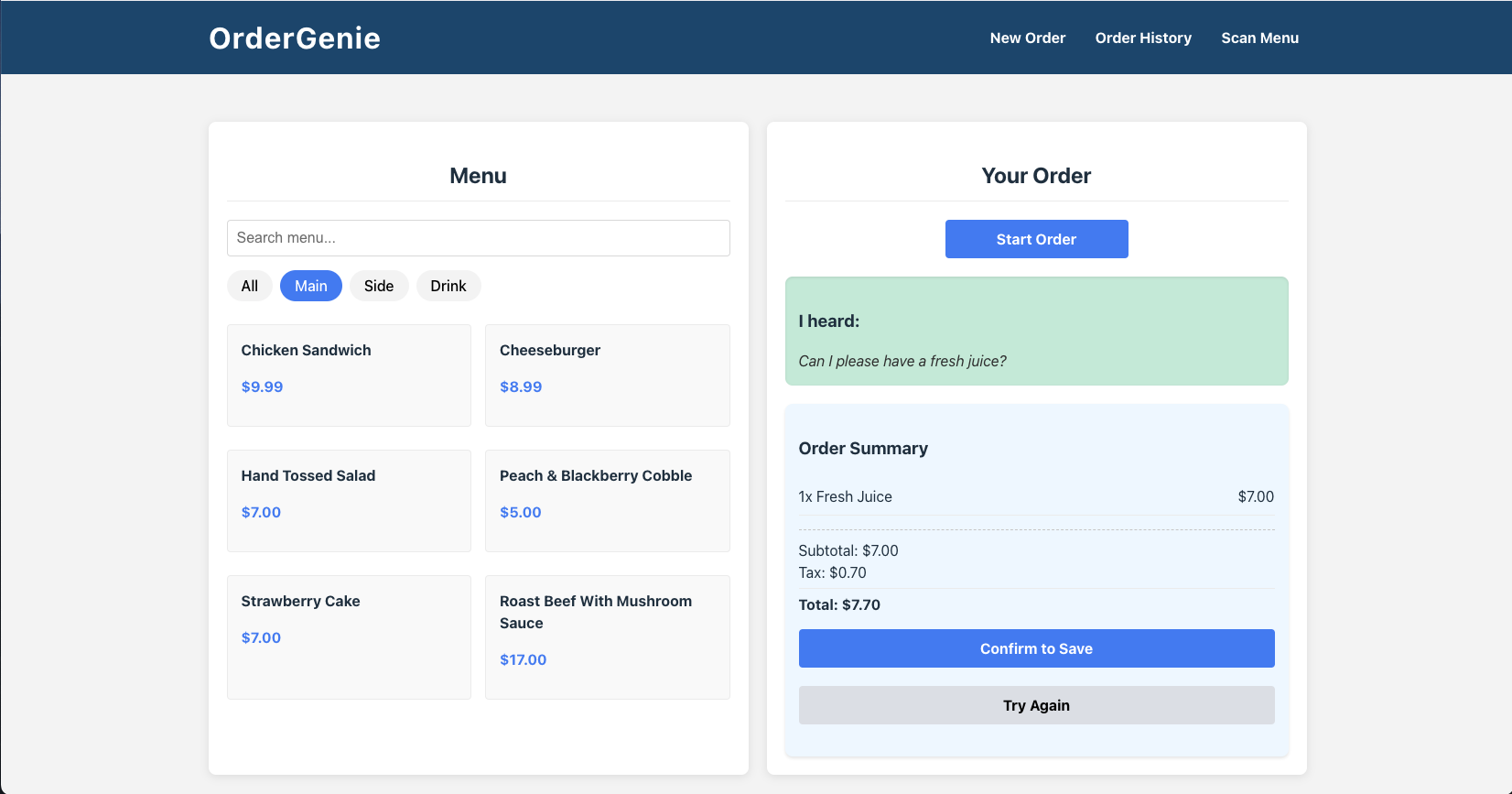
Create new order page on desktop view
-
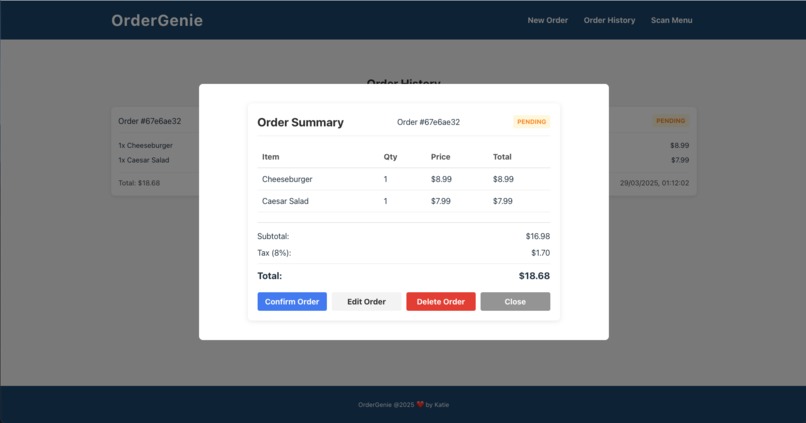
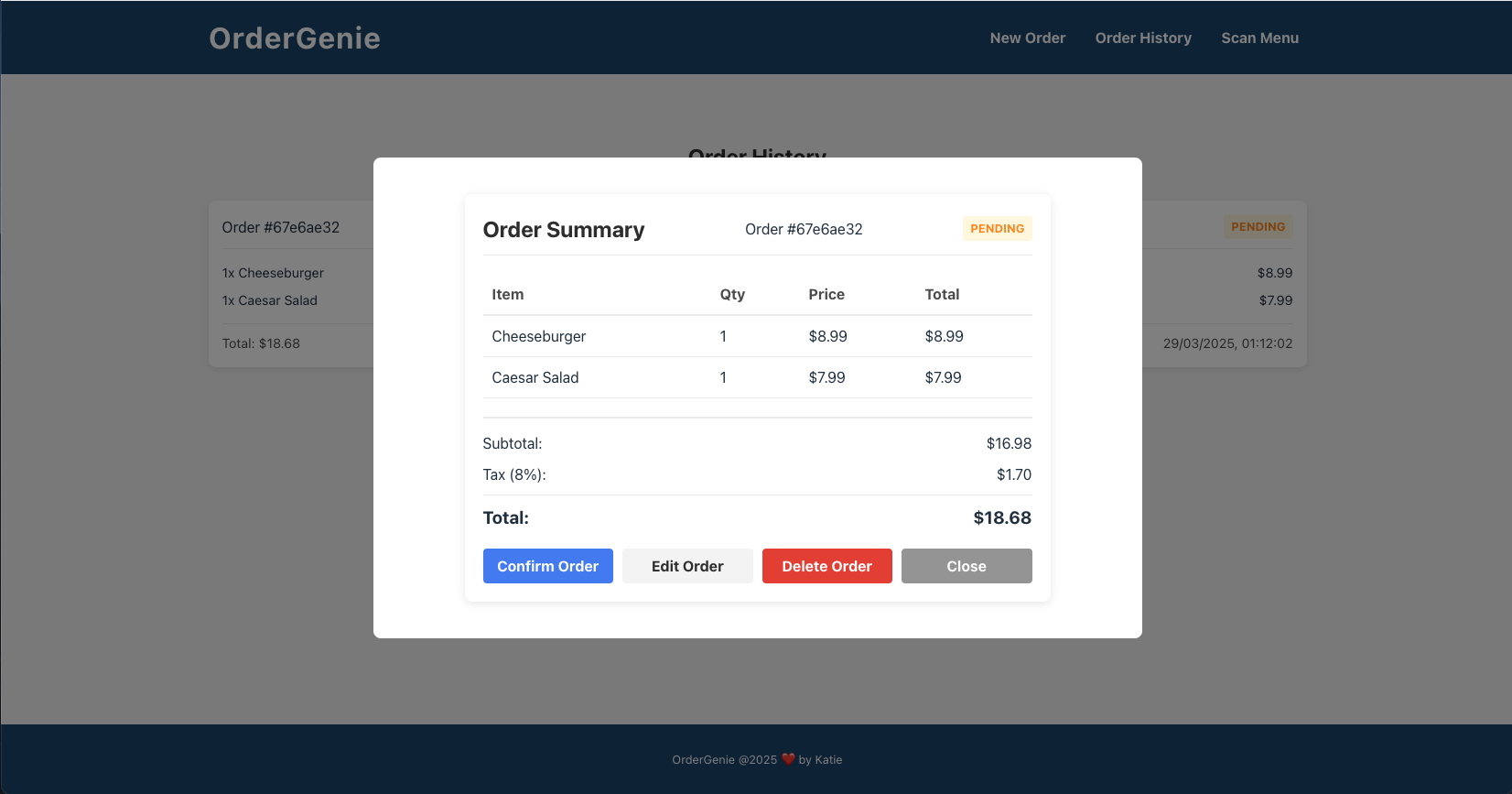
Order History page allows viewing invoice and actions
-
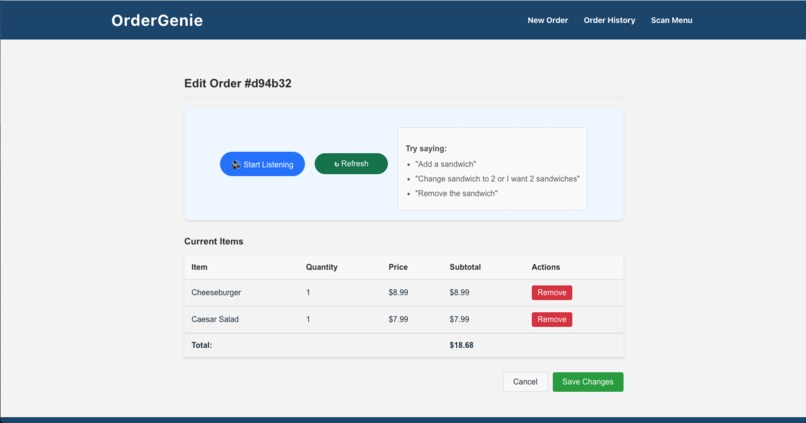
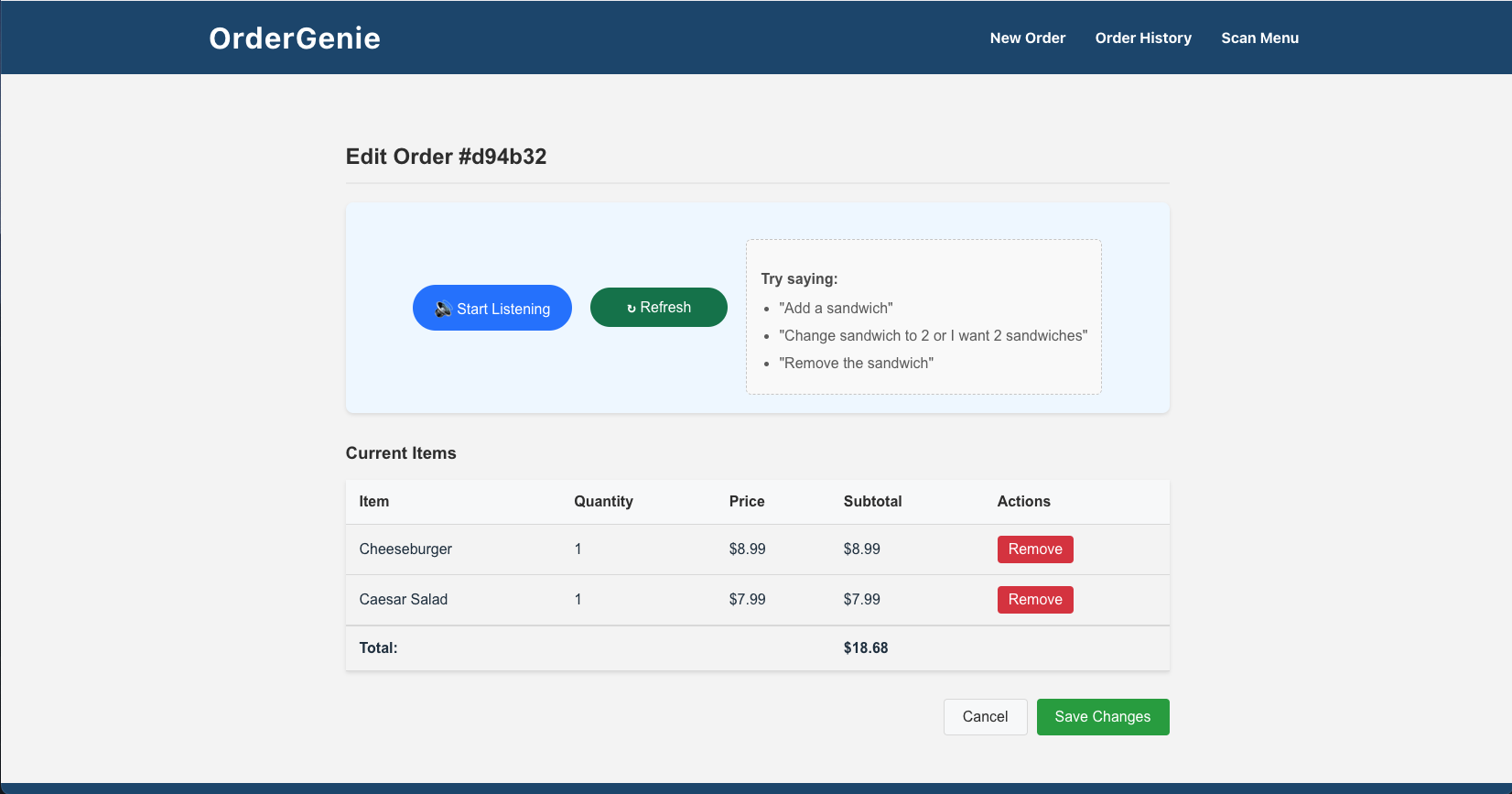
Edit Order page : edit order with voice command
-
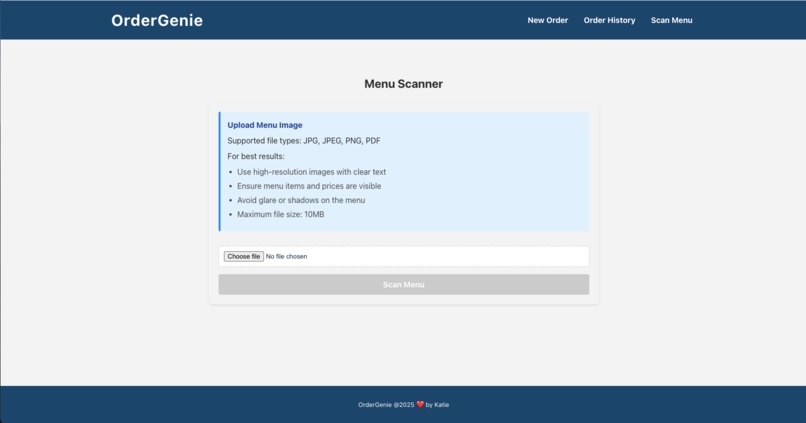
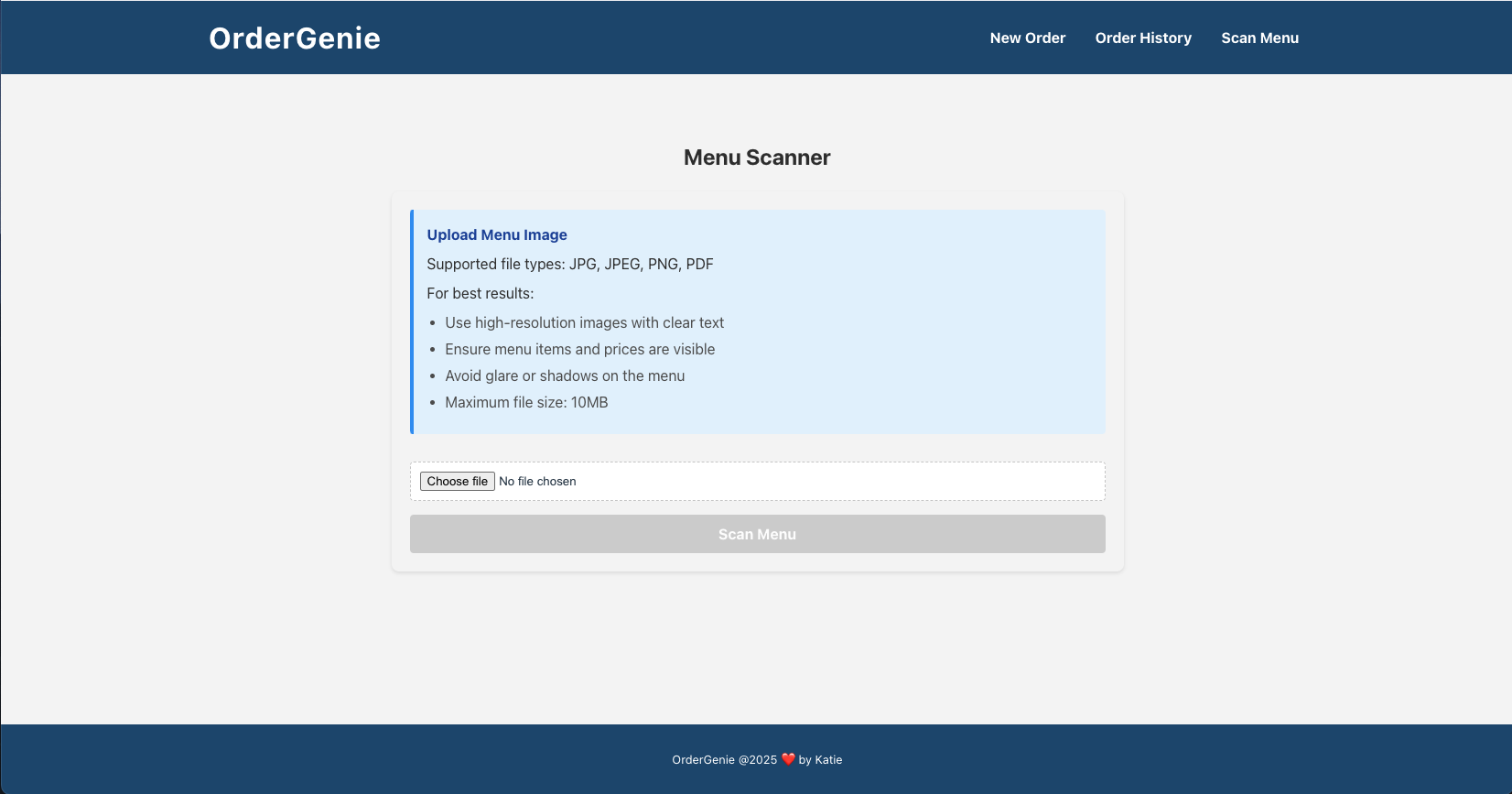
Menu Scanner Page
-
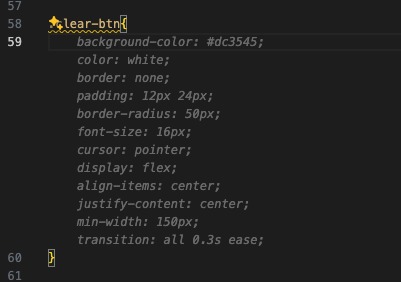
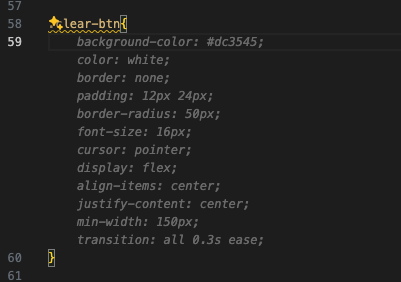
Github Copilot CSS code suggestion
-
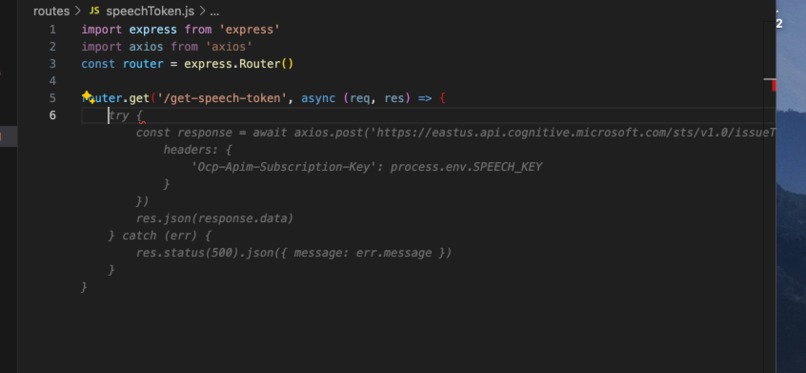
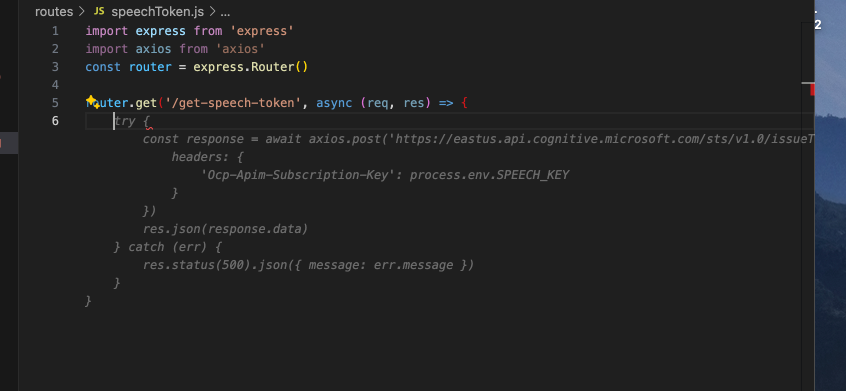
Github Copilot : AzureAi api link suggestion
-
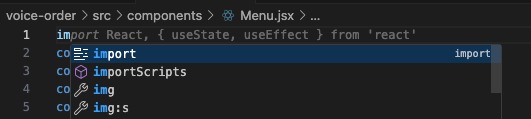
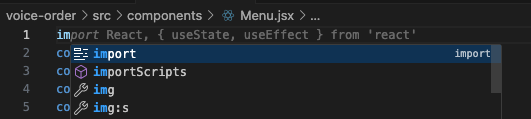
Github Copilot: Checks the code and suggest importing libraries
-
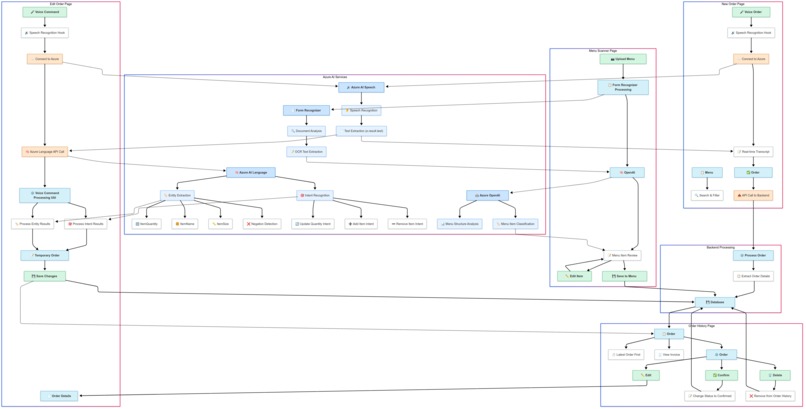
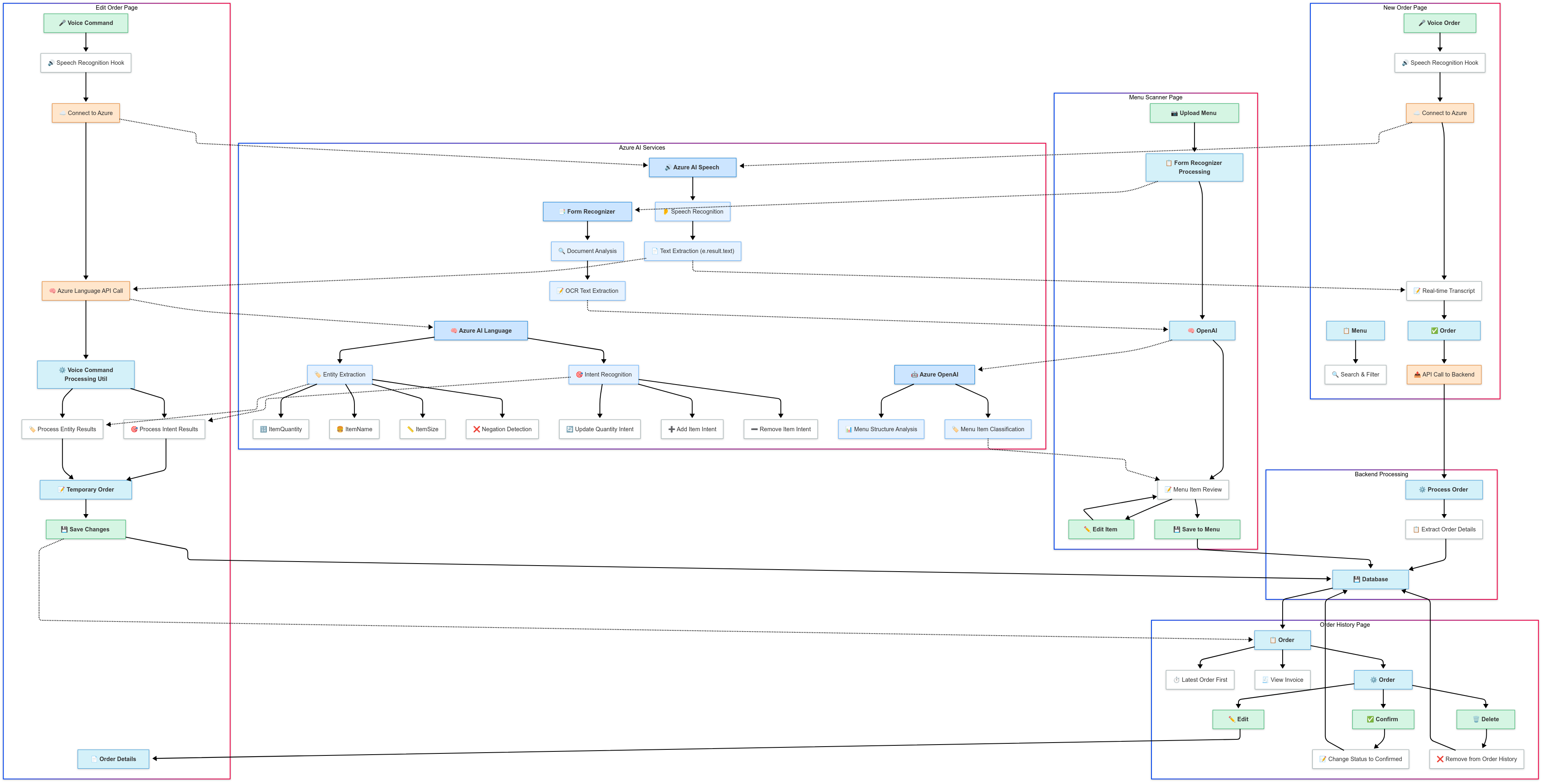
mermaid flowchart of OrderGenie
Inspiration
As a frequent diner, I noticed restaurant staff juggling handwritten orders, often leading to errors and delays. The vision for OrderGenie emerged from a simple question: What if servers could just speak orders into a device that not only captures what they say but truly understands their intent? An application built for servers in a fast-paced restaurant.
What it does
OrderGenie transforms restaurant ordering through voice recognition and natural language understanding:
- Takes customer orders through voice commands with real-time transcription
- Processes natural language to understand order modifications ("make that two," "I don't want burger anymore")
- Scans physical menus (images/PDFs) to automatically extract menu items
- Provides an intuitive order management system that staff can navigate and edit using voice
- Maintains order history with simple voice-powered modifications
How I built it
OrderGenie leverages multiple Azure AI services working in harmony:
- Azure Speech Service for accurate real-time transcription
- Azure Language Understanding for intent recognition and entity extraction
- Azure Form Recognizer to process menu images
- Azure OpenAI Service for advanced menu interpretation
- React frontend with MongoDB backend for a responsive experience
- GitHub Copilot as my AI pair programmer, accelerating development
Challenges I ran into
- Training the language model to understand diverse ordering phrases and negations
- Managing Azure service rate limits within the free student tier
- Implementing real-time voice recognition that works consistently
- Creating a robust menu scanning system that handles different formats
- Developing an intuitive user experience for voice-based interactions
Accomplishments that I am proud of
- Successfully trained a custom language model that understands complex ordering commands
- Created a seamless integration between multiple Azure AI services
- Implemented a responsive interface that works across devices
- Built a functional menu scanning system that extracts structured data from images
- Delivered a complete, working system within the hackathon timeframe
What I learned
- The importance of AI services in modern web application development - the need to understand how AI works and build database model and api services that can integrate with AI
- The power of combining multiple AI services for a cohesive solution
- Techniques for training language models with limited examples
- Strategies for handling API rate limits and service constraints
- Approaches for making voice interfaces intuitive and user-friendly
- The impressive capabilities of Azure's AI ecosystem when leveraged correctly
What's next for OrderGenie - Voice-Powered Restaurant Ordering
- Multi-language support using Azure Translator
- Payment processing integration ( with QR code)
- Customer-facing mobile app for self-ordering
- Kitchen display system integration
- Analytics dashboard for restaurant managers
- Expanded menu scanning capabilities with image recognition
Built With
- axios
- azure-ai-language
- azure-ai-speech
- azure-form-recognizer
- azure-openai
- css
- express.js
- github-copilot
- gpt-3.5-turbo
- javascript
- mongodb
- mongoose
- node.js
- nodemon
- react-router
- react.js
- vite
- vs-code

Log in or sign up for Devpost to join the conversation.