Inspiration
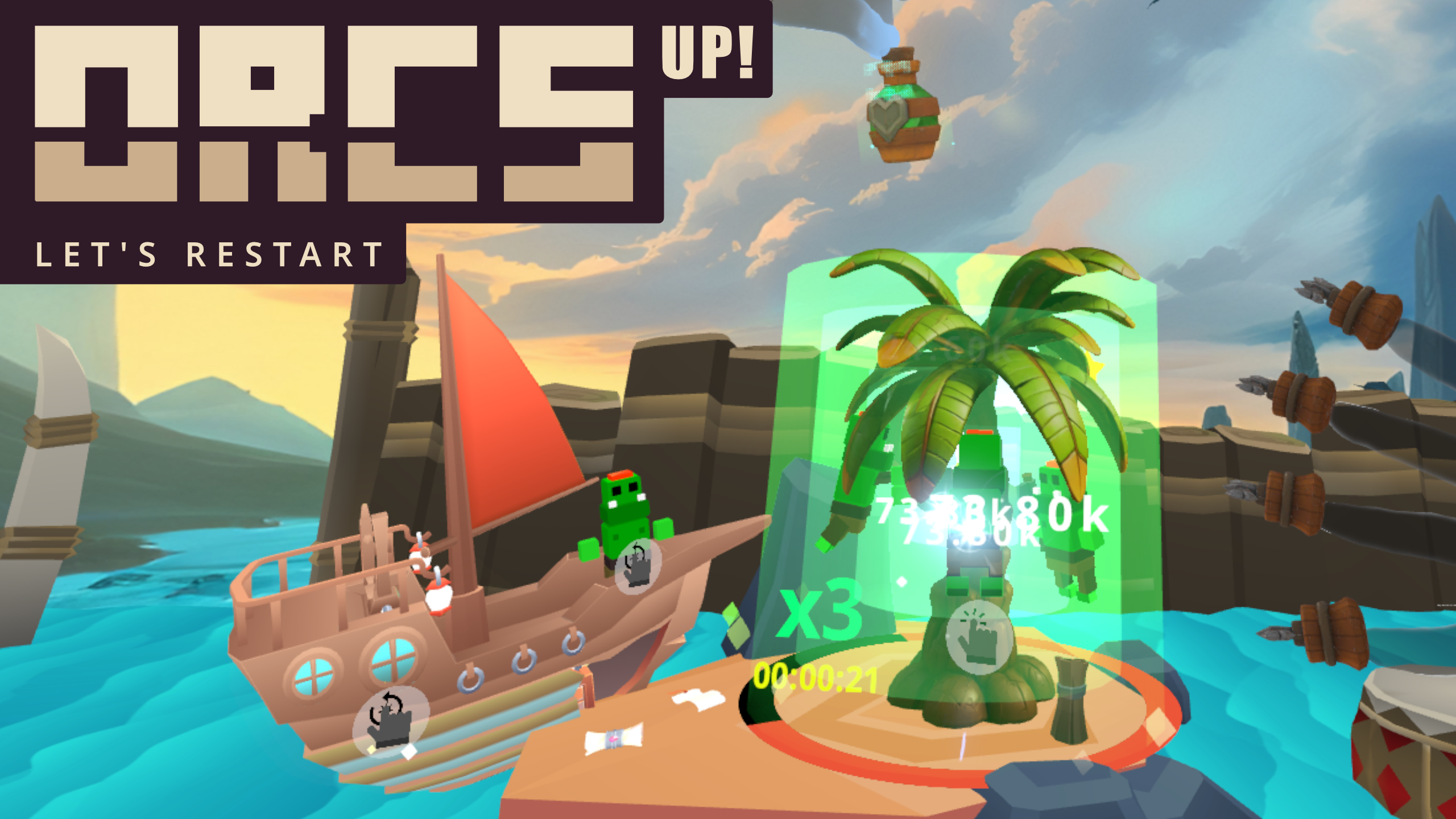
I grew up with Blizzard games, especially the Warcraft series, and I’ve always loved idle, incremental and resource driven experiences. I released Orcs (2015) and Orcs X (2018), both Idle Clicker RPG's, on mobile and gained a large audience there, and ever since then I wanted to bring that world into VR. This project is a mix of childhood inspiration, mechanical curiosity and a long-term dream of building a living Orc island to explore, one that you can touch, shape and grow with your own hands.
What it does
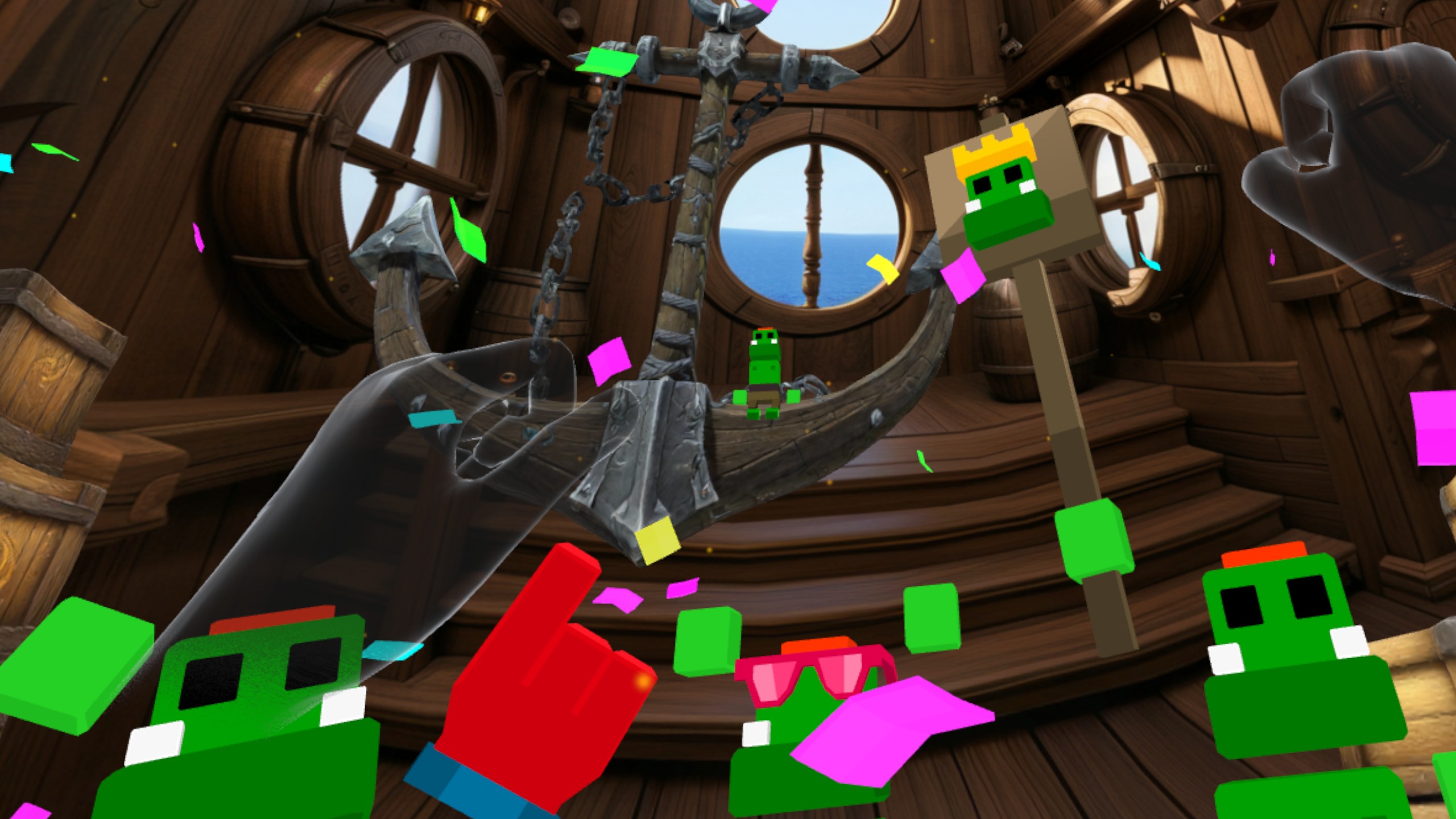
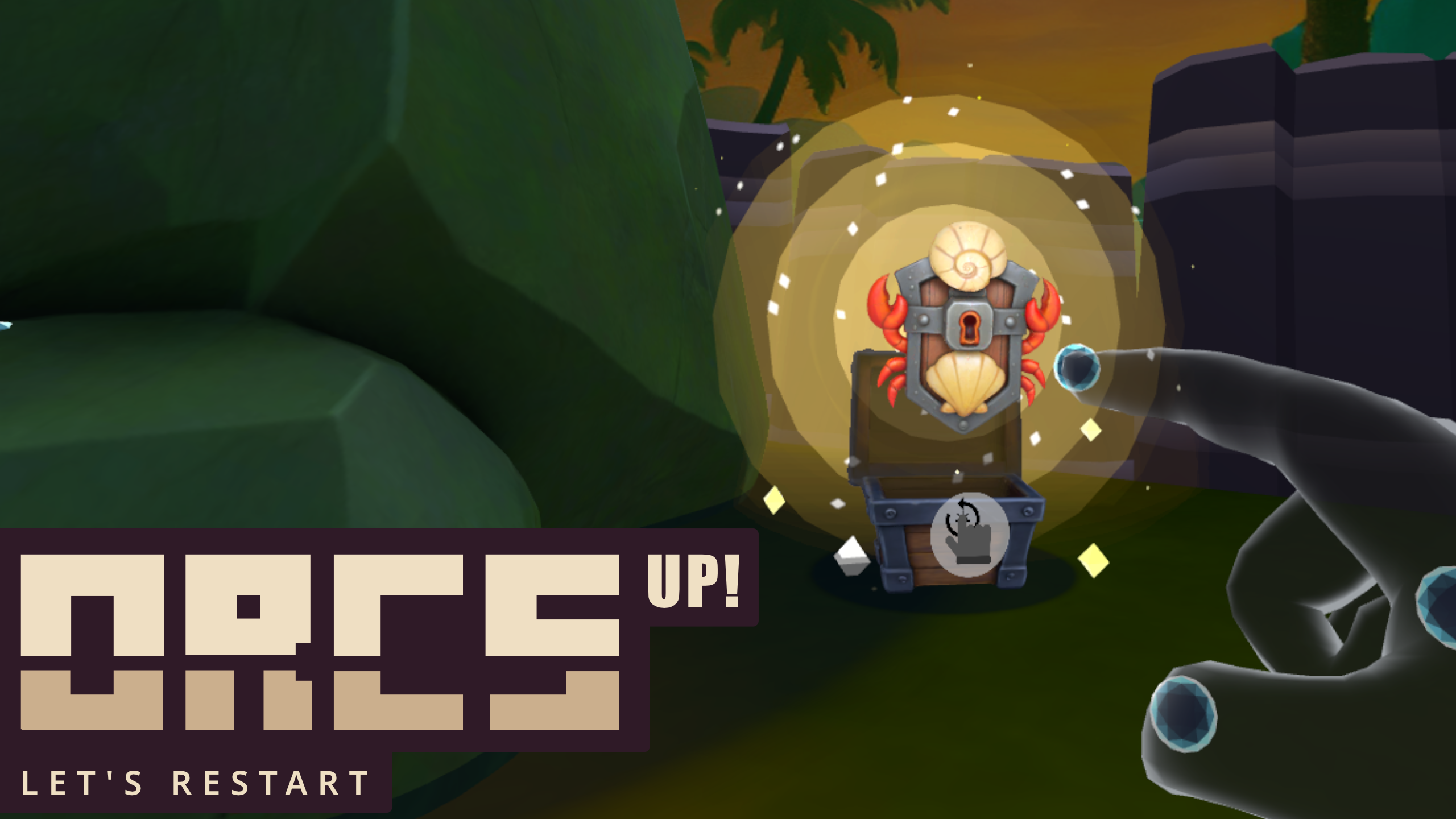
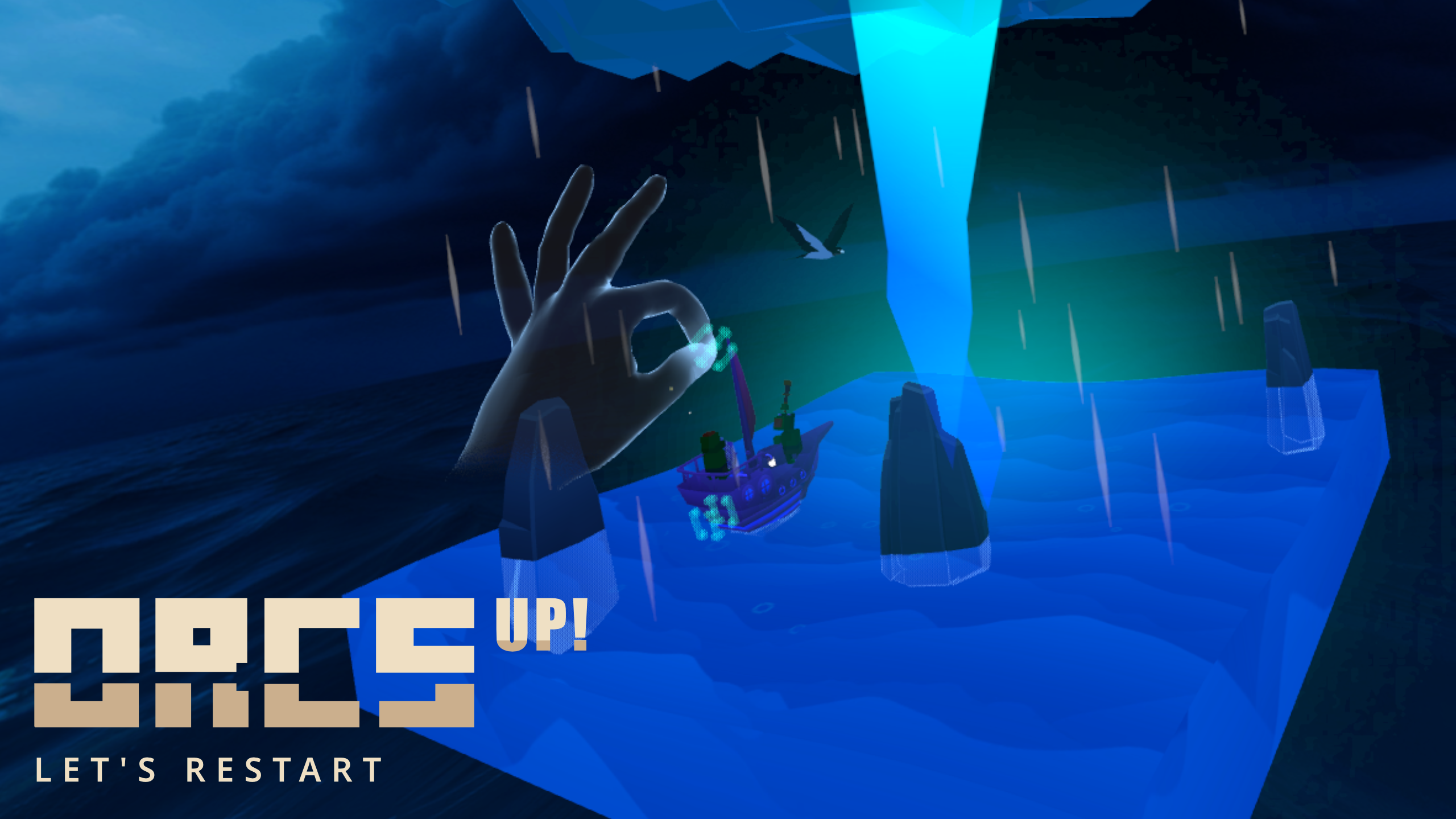
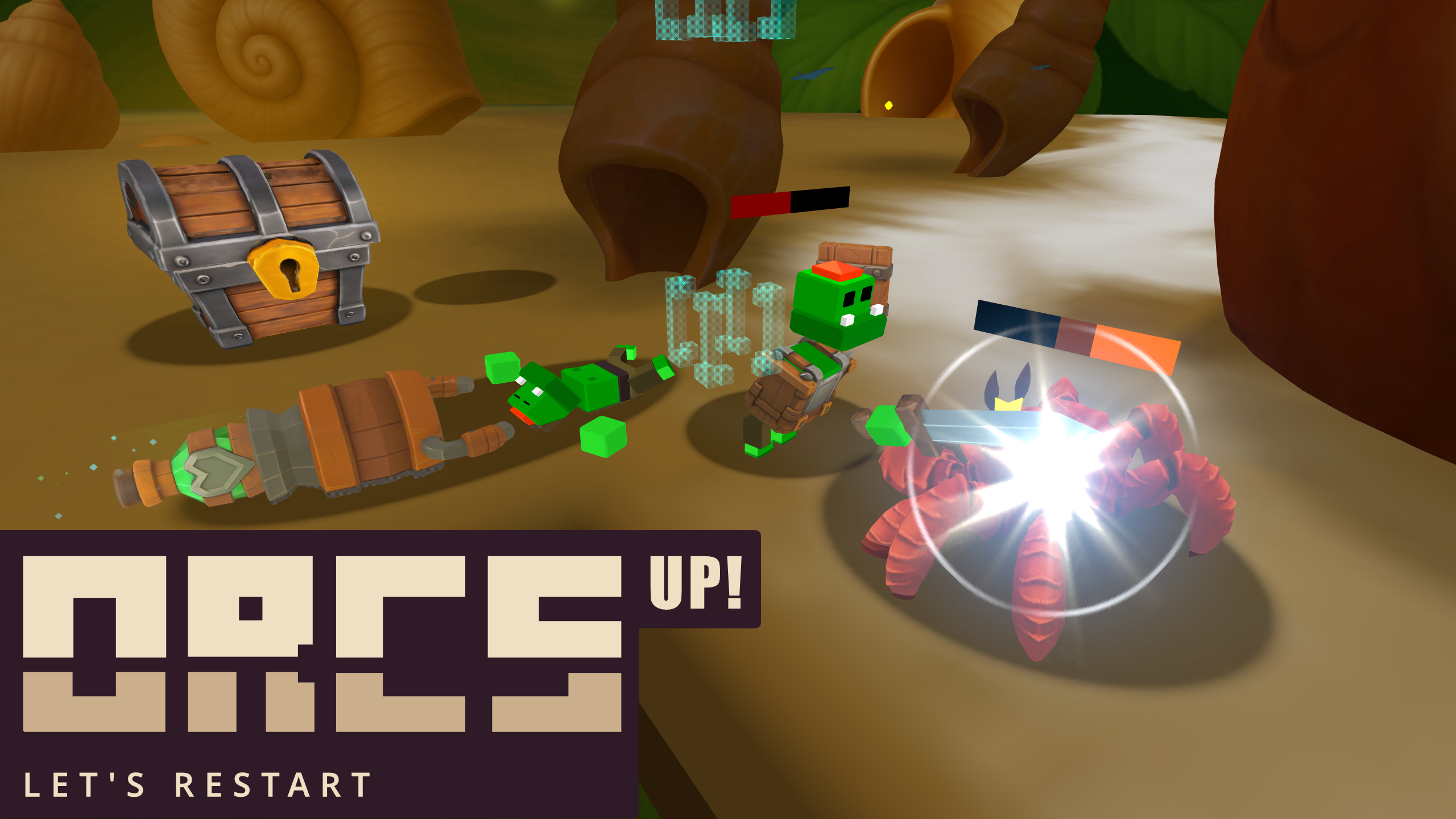
Orcs Up! VR lets players build, fight, grab, drag and tap their way across a mysterious island alongside their Orcs. You develop your village through gathering, explore new zones, defend against rising threats and take on puzzles, minigames and battle encounters — all through fully hand-tracked VR interaction. It is a world anyone can progress in through effort, discovery and meaningful interaction, wrapped inside a growing narrative about the island and the mysterious green light that has drawn the Orcs to this very place.
How we built it
I built Orcs Up! VR in Unity over the past two years — mostly during evenings, weekends, and any spare hour I could find. Recently, I took a 4-month unpaid sabbatical to push development further. It’s a passion project that feels like a personal milestone.
The game is built for long-term growth, content expansion, and technical stability. It uses Unity Addressables for modular world loading and easy future extensions, and it includes full localization of all UI and narrative elements into all major languages. Narrative speeches are supported by AI-assisted voice-over, while Unity Cloud Save and Authentication provide the secure backend foundation. An early multiplayer layer is already integrated using Unity Services, preparing the game for future co-op features such as trading and shared village systems. All interaction systems — including pinch, drag, timed touch, and direct hand actions — are custom-built on top of Unity’s OpenXR hand tracking. The visual style is created through a blend of AI-assisted stylized 3D assets and handcrafted models, and the rendering pipeline is fully optimized in URP for standalone VR performance on Meta Quest devices. Although developed by a solo creator, the project is continuously shaped through player feedback, iterative refinement, and ongoing technical exploration.
Challenges we ran into
Even after shipping over 40 mobile games, everything still takes longer than expected — especially in VR. Hand tracking, pacing, onboarding, and performance each needed multiple redesigns. And as a solo developer, time and money are always constraints. But the flame to bring this world to life keeps the project moving forward.
Accomplishments that we're proud of
A polished 30-minute playable demo, tested and refined with real players. A strong, stylized art direction that blends low-poly elements with high-quality AI-assisted meshes. A solid technical foundation designed for future expansion and rapid content generation. Consistently positive tester feedback, with many players spending hours beyond the intended linear content without noticing time passing.
What we learned
Good design planning first saves enormous amounts of iteration. VR requires more clarity, more onboarding, more affordance than traditional platforms. And meaningful interactions — even simple ones like chopping or dragging — need time and polish.
What's next for Orcs Up! - Idle Clicker RPG
Next steps include:
Final touches on the beach starting zone (around two weeks of work). Finishing the housing area and the Orcs’ daily routines (around one month). Developing the forest production zone with new hand-tracking mechanics (two to three months). Expanding the warrior area with RPG systems, gear, levels and combat encounters (two to three months).
Building toward a first launch version with two or more linear content segments.
=> Further down the road:
Introducing early co-op, resource trading and clan progression (three to six months). Continuously expanding the content and upgrading the experience, with the hope of developing it full-time depending on the project’s success.


Log in or sign up for Devpost to join the conversation.